


Tested Applications
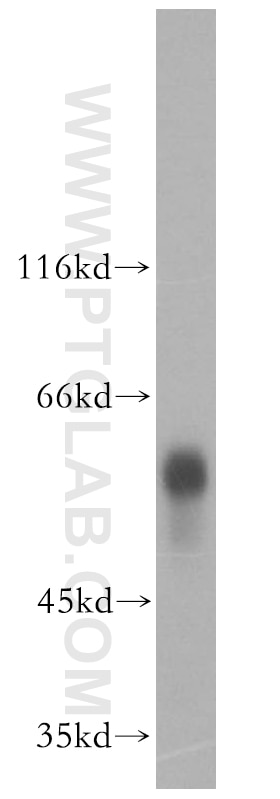
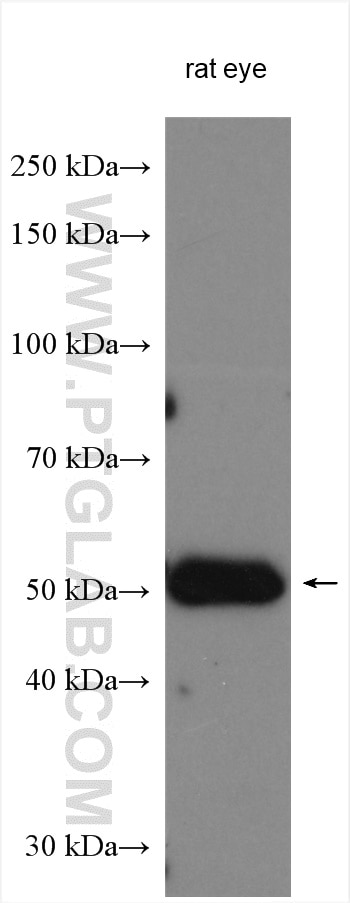
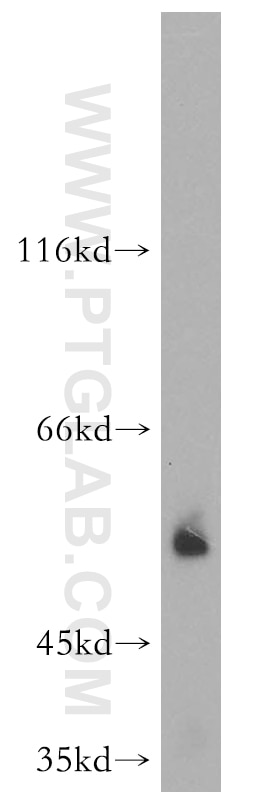
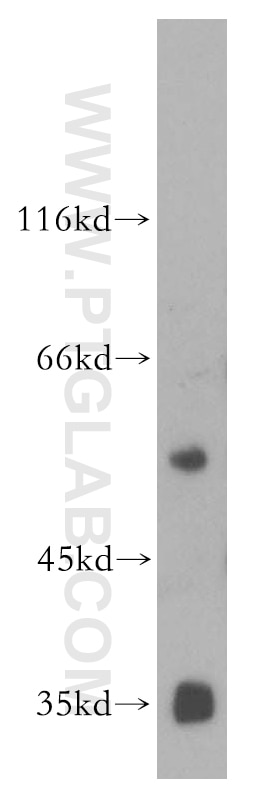
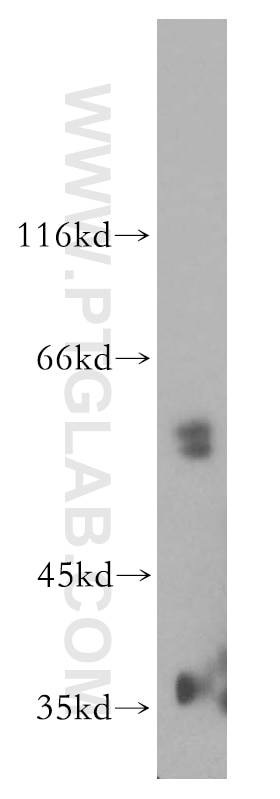
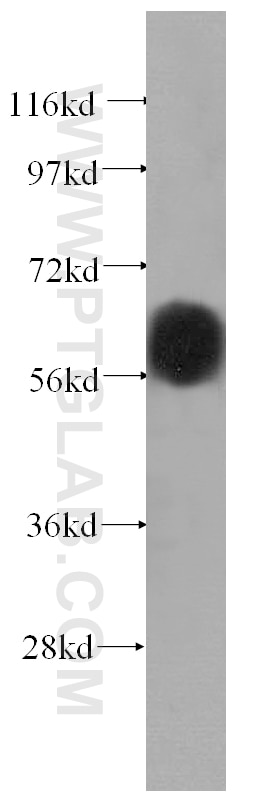
| Positive WB detected in | human blood tissue, human blood, rat eye tissue, mouse eye tissue, PC-3 cells, human plasma, mouse testis tissue |
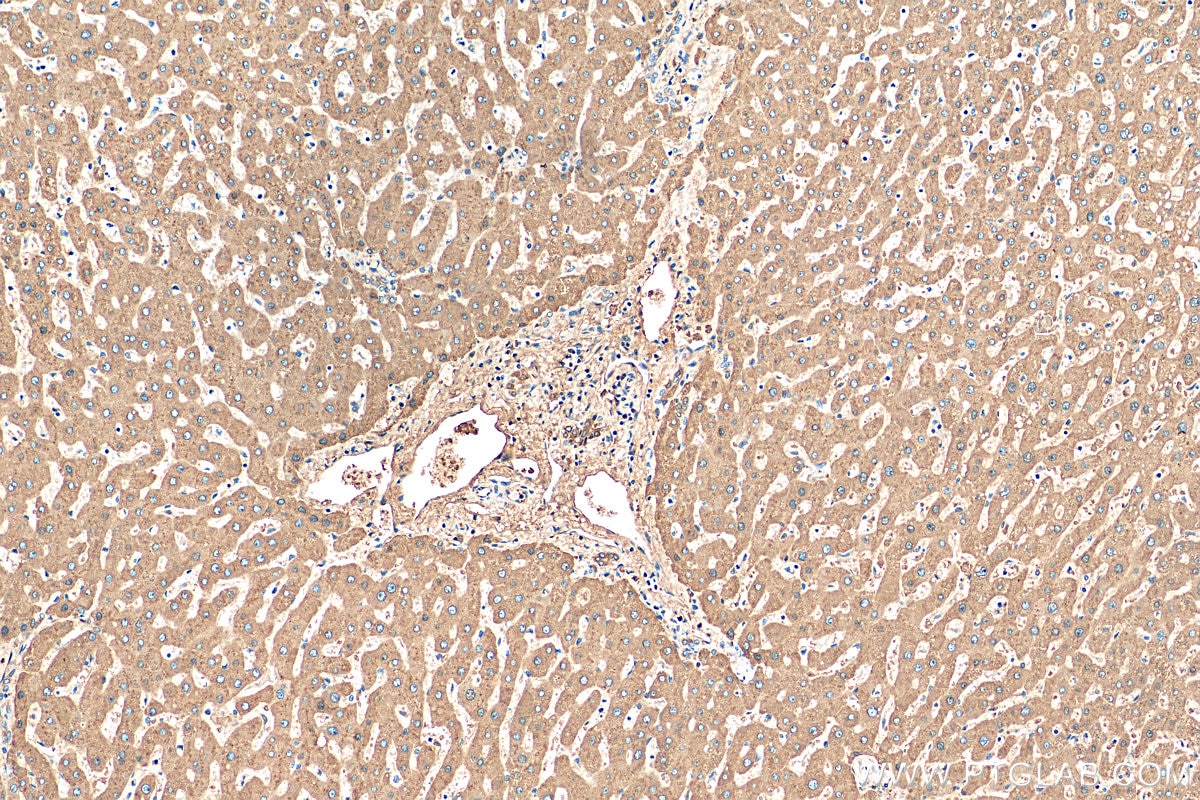
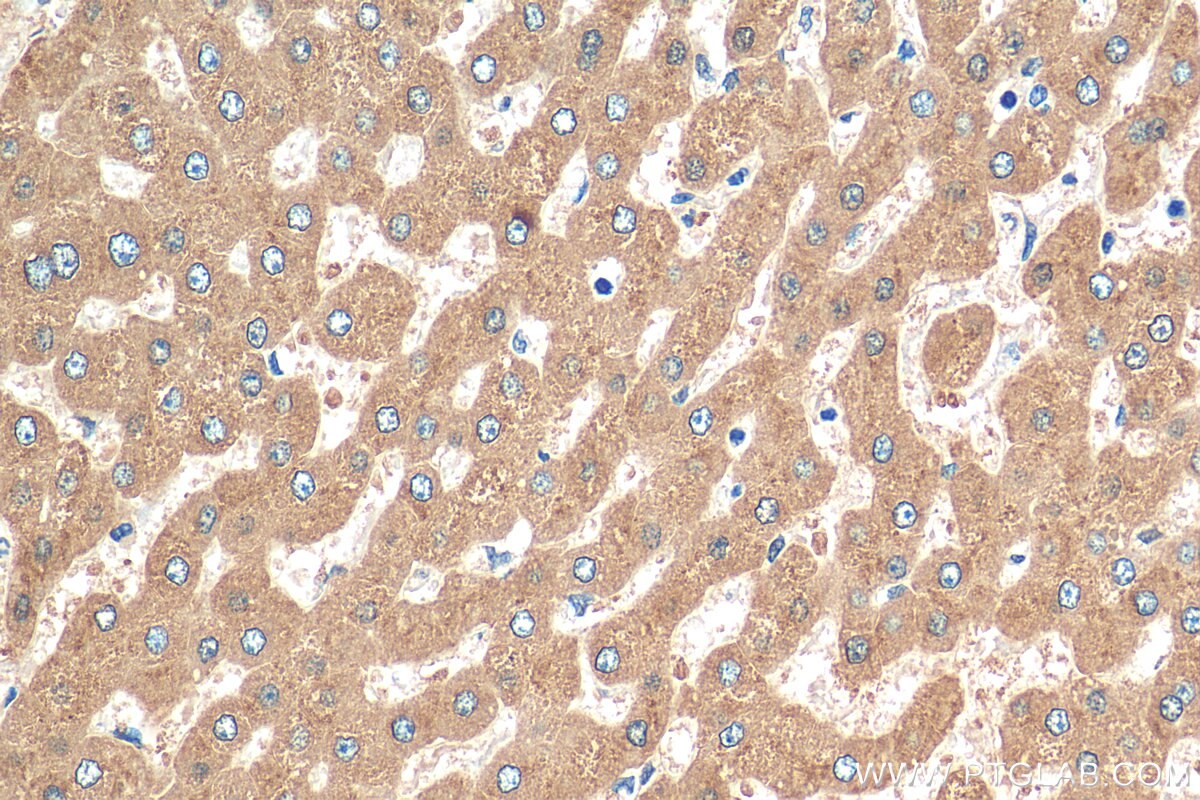
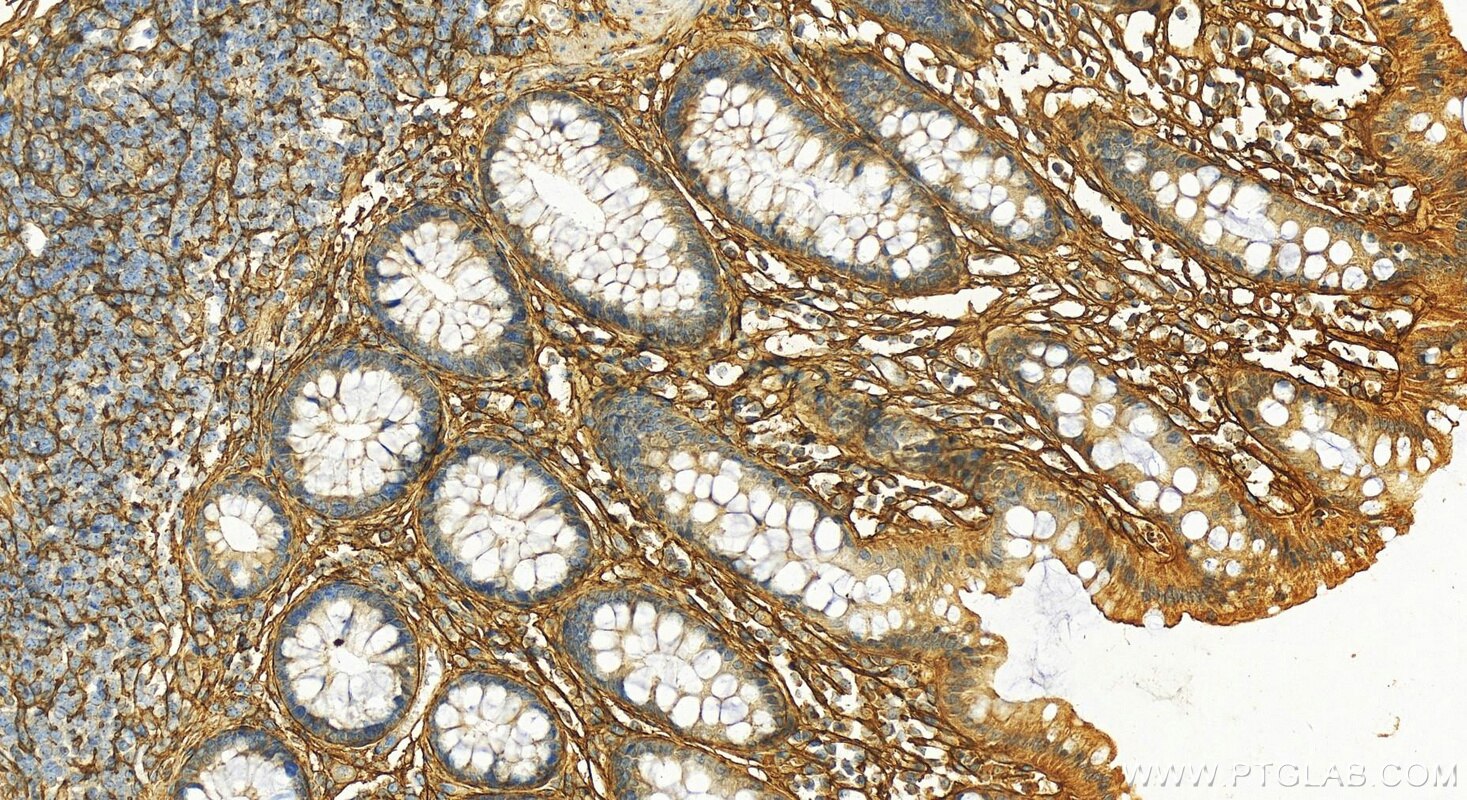
| Positive IHC detected in | human liver tissue, human normal colon Note: suggested antigen retrieval with TE buffer pH 9.0; (*) Alternatively, antigen retrieval may be performed with citrate buffer pH 6.0 |
Recommended dilution
| Application | Dilution |
|---|---|
| Western Blot (WB) | WB : 1:1000-1:4000 |
| Immunohistochemistry (IHC) | IHC : 1:50-1:500 |
| It is recommended that this reagent should be titrated in each testing system to obtain optimal results. | |
| Sample-dependent, Check data in validation data gallery. | |
Product Information
16922-1-AP targets Vitamin D binding protein in WB, IHC, IF, ELISA applications and shows reactivity with human, mouse, rat samples.
| Tested Reactivity | human, mouse, rat |
| Cited Reactivity | human, mouse, rat, chicken |
| Host / Isotype | Rabbit / IgG |
| Class | Polyclonal |
| Type | Antibody |
| Immunogen |
CatNo: Ag10286 Product name: Recombinant human VDBP,GC protein Source: e coli.-derived, PGEX-4T Tag: GST Domain: 120-474 aa of BC057228 Sequence: KLCMAALKHQPQEFPTYVEPTNDEICEAFRKDPKEYANQFMWEYSTNYGQAPLSLLVSYTKSYLSMVGSCCTSASPTVCFLKERLQLKHLSLLTTLSNRVCSQYAAYGEKKSRLSNLIKLAQKVPTADLEDVLPLAEDITNILSKCCESASEDCMAKELPEHTVKLCDNLSTKNSKFEDCCQEKTAMDVFVCTYFMPAAQLPELPDVELPTNKDVCDPGNTKVMDKYTFELSRRTHLPEVFLSKVLEPTLKSLGECCDVEDSTTCFNAKGPLLKKELSSFIDKGQELCADYSENTFTEYKKKLAERLKAKLPDATPTELAKLVNKRSDFASNCCSINSPPLYCDSEIDAELKNIL Predict reactive species |
| Full Name | group-specific component (vitamin D binding protein) |
| Calculated Molecular Weight | 474 aa, 53 kDa |
| Observed Molecular Weight | 52-58 kDa |
| GenBank Accession Number | BC057228 |
| Gene Symbol | Vitamin D binding protein |
| Gene ID (NCBI) | 2638 |
| RRID | AB_10597098 |
| Conjugate | Unconjugated |
| Form | Liquid |
| Purification Method | Antigen affinity purification |
| UNIPROT ID | P02774 |
| Storage Buffer | PBS with 0.02% sodium azide and 50% glycerol, pH 7.3. |
| Storage Conditions | Store at -20°C. Stable for one year after shipment. Aliquoting is unnecessary for -20oC storage. 20ul sizes contain 0.1% BSA. |
Background Information
Vitamin D binding protein is a sparsely glycosylated serum protein responsible for highly specific binding and tissue-specific delivery of vitamin D and its metabolites. In addition, it is also an actin scavenger, and is the precursor to the immunomodulatory protein, Gc-MAF. Vitamin D binding protein has been proposed to have significant roles in C5a chemotaxis, osteoclast development and possibly in macrophage activation/recruitment.
Protocols
| Product Specific Protocols | |
|---|---|
| IHC protocol for Vitamin D binding protein antibody 16922-1-AP | Download protocol |
| WB protocol for Vitamin D binding protein antibody 16922-1-AP | Download protocol |
| Standard Protocols | |
|---|---|
| Click here to view our Standard Protocols |
Publications
What published studies show
16922-1-AP is an anti-Vitamin D Binding Protein (VDBP) antibody with 15 total citations. Citations appear in journals including Advanced Science, Genes Discovery, Scientific Reports, Pharmaceutics, Gene Therapy, International Immunopharmacology, Molecular Medicine Reports, Molecular Therapy: Methods & Clinical Development, Journal of Inflammation Research, Journal of Nutrition, Proteomics, American Journal of Physiology, Experimental Eye Research, and BMC Ophthalmology. Research fields span neurology, oncology, immunology, cardiology, nephrology, infectious disease, endocrinology, ophthalmology, nutrition, and gene therapy.
| Species | Application | Title |
|---|---|---|
Genes Dis Vitamin D-binding protein in plasma microglia-derived extracellular vesicles as a potential biomarker for major depressive disorder | ||
Adv Sci (Weinh) Vitamin D Binding Protein, a Ligand of Integrin beta 1, Motivates Both Tumor Cells and Schwann Cells to Promote Perineural Invasion in Pancreatic Ductal Adenocarcinoma | ||
Adv Sci (Weinh) Microglia-Derived Vitamin D Binding Protein Mediates Synaptic Damage and Induces Depression by Binding to the Neuronal Receptor Megalin | ||
Pharmaceutics Evaluation of In Vitro and In Vivo Antiviral Activities of Vitamin D for SARS-CoV-2 and Variants | ||
Gene Ther Gene therapy of Dent disease type 1 in newborn ClC-5 null mice for sustained transgene expression and gene therapy effects | ||
Int Immunopharmacol Vitamin D attenuates DNCB-induced atopic dermatitis-like skin lesions by inhibiting immune response and restoring skin barrier function |











