

Tested Applications
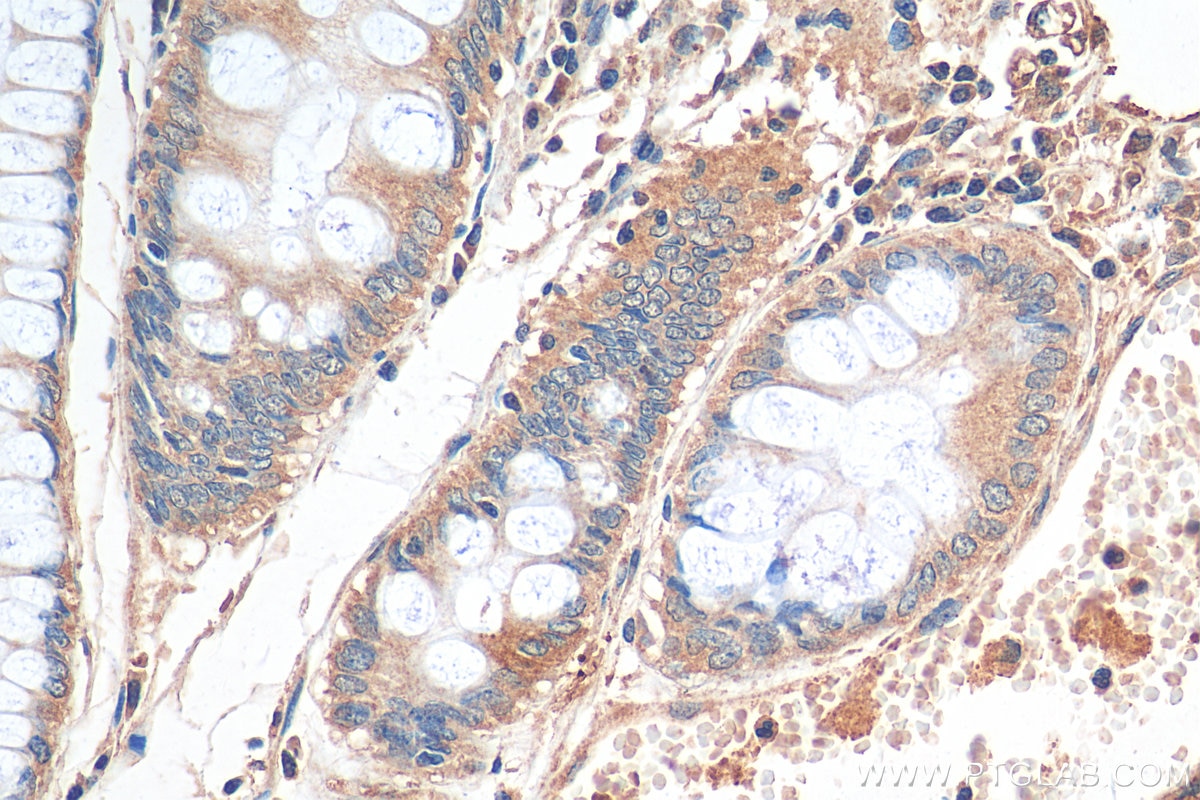
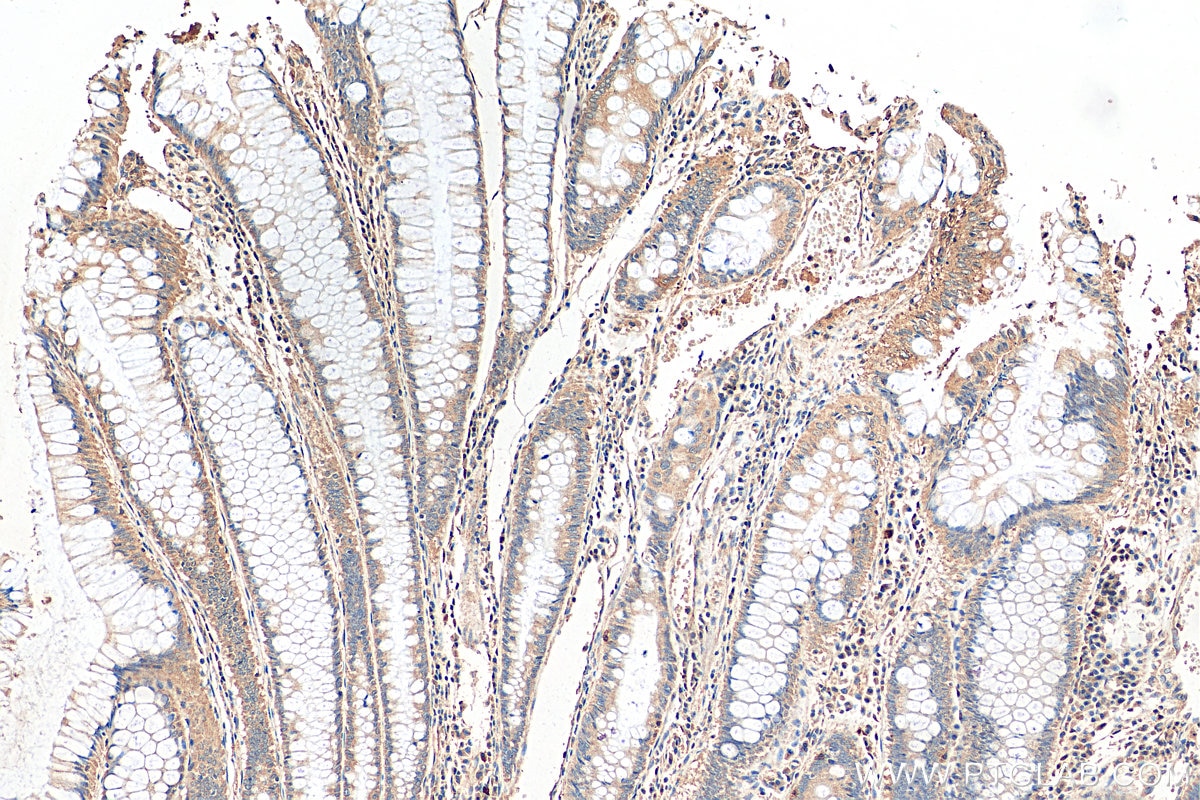
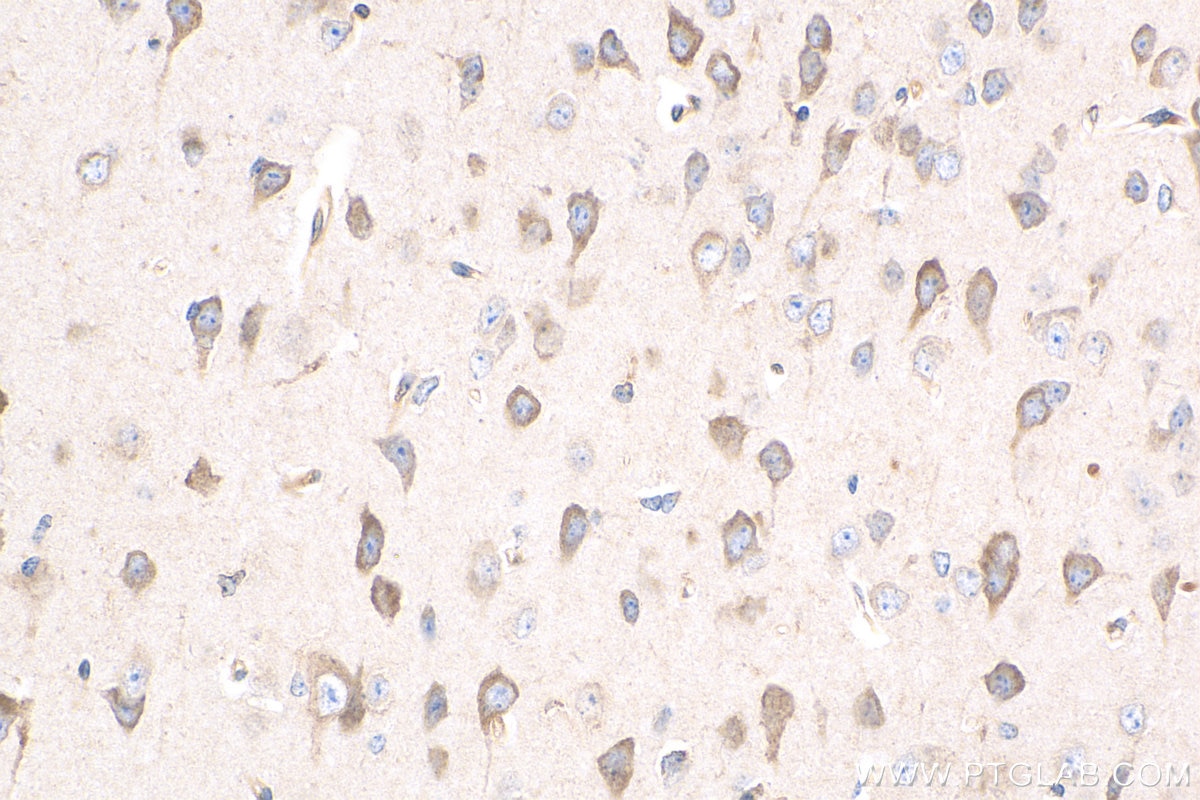
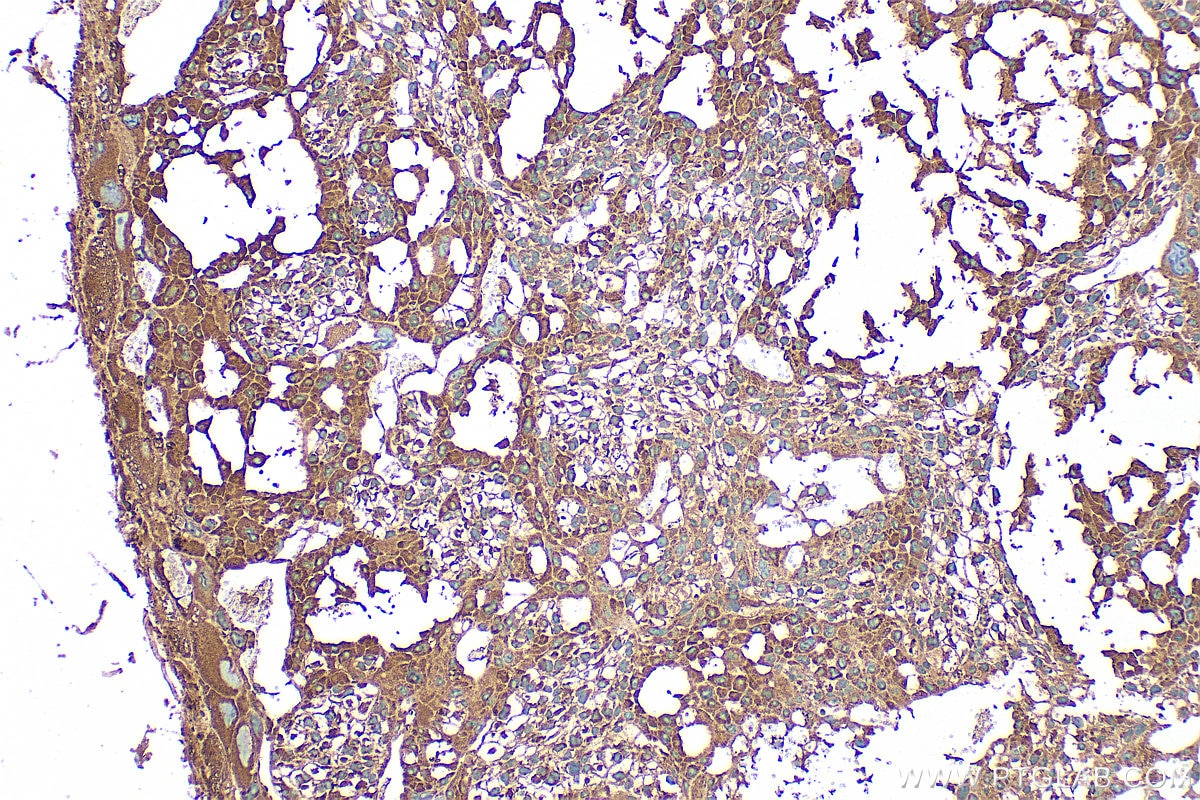
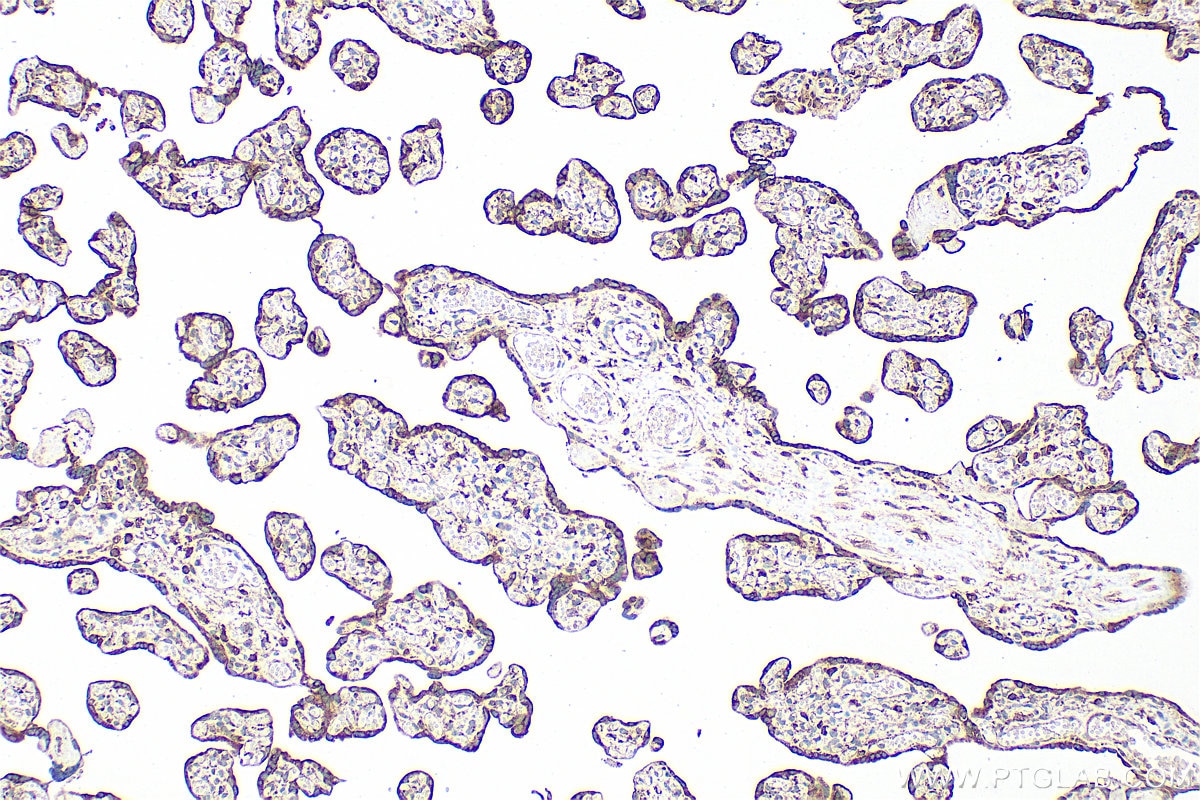
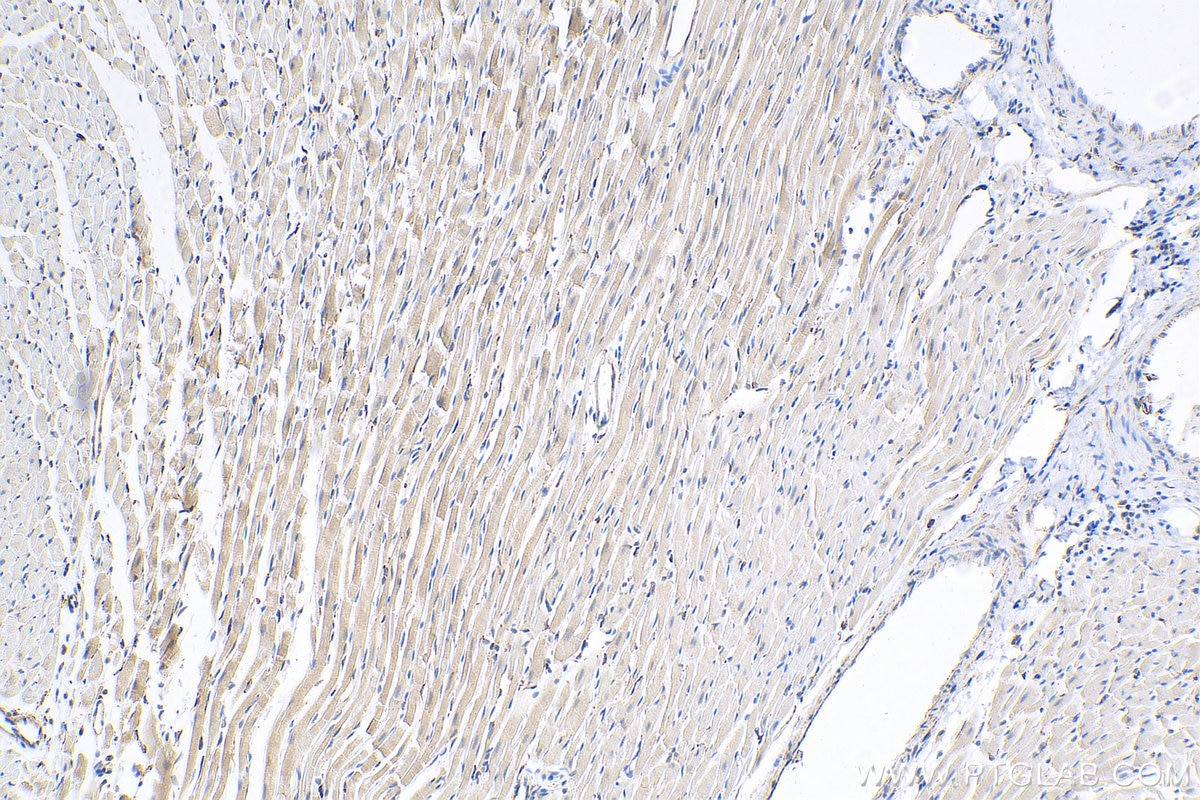
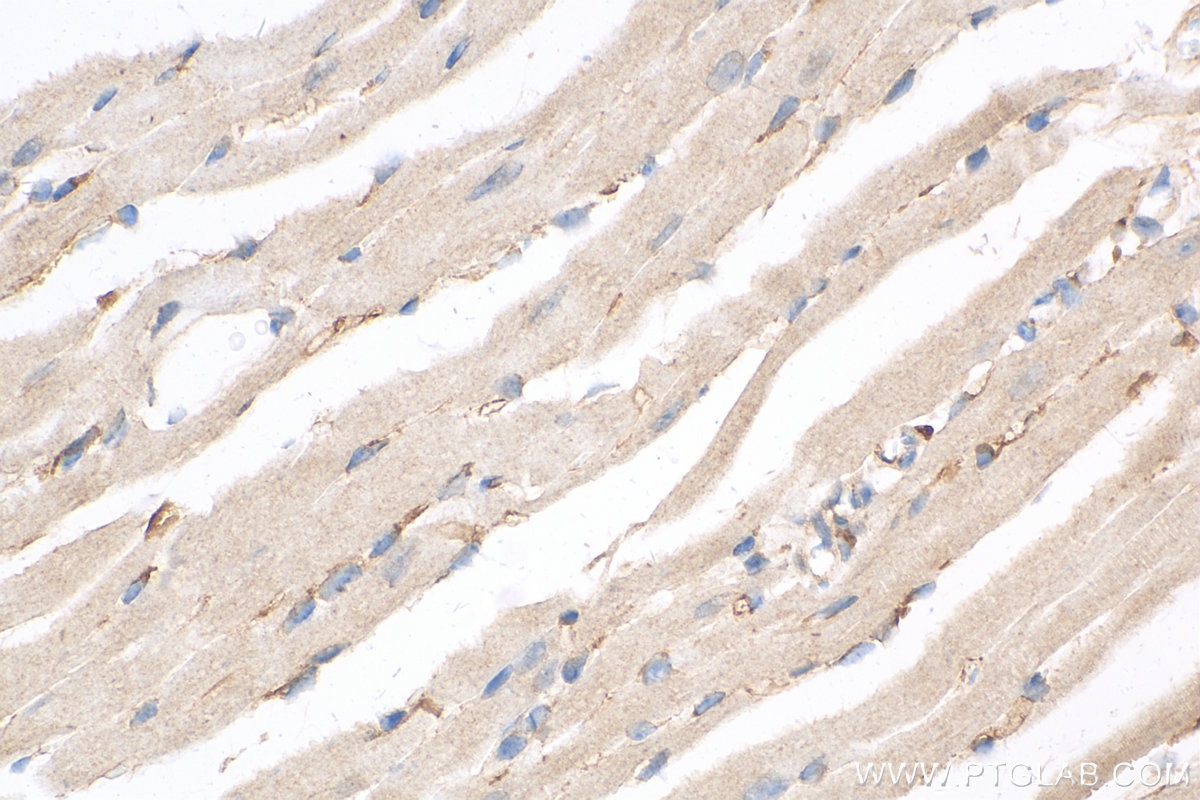
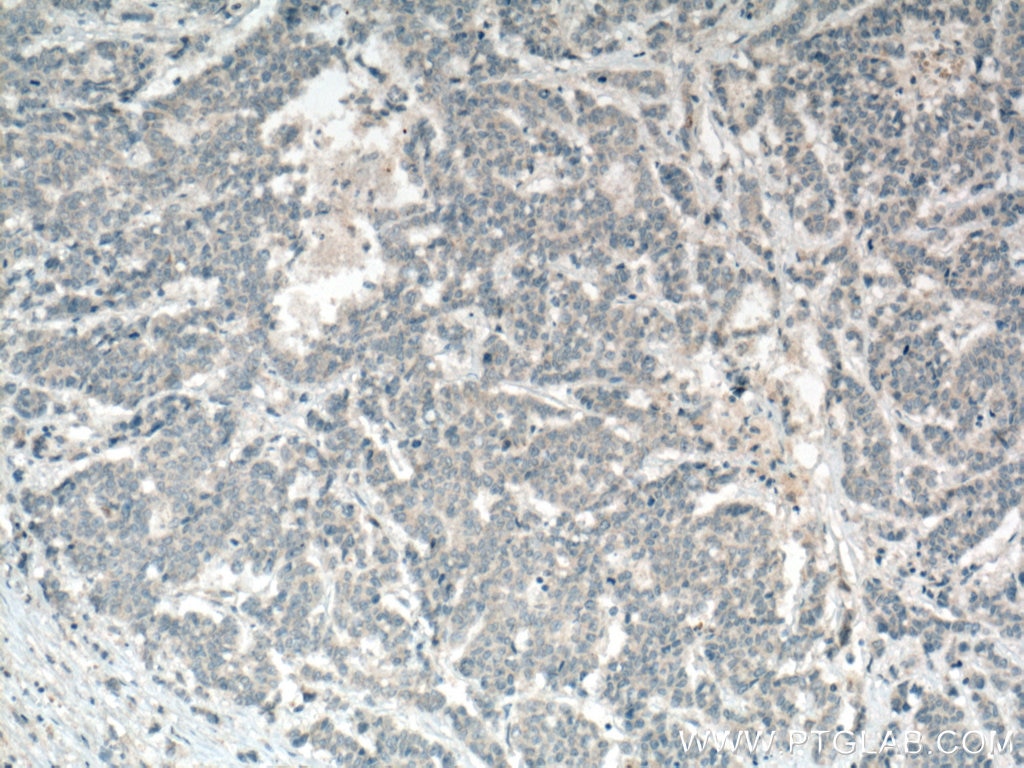
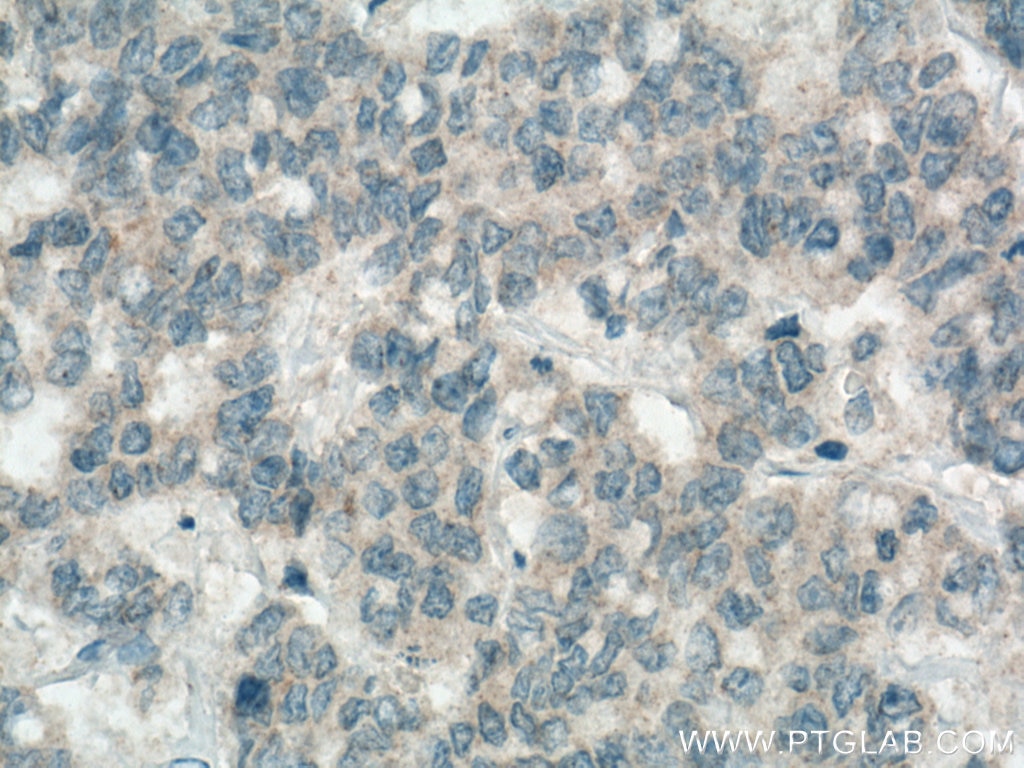
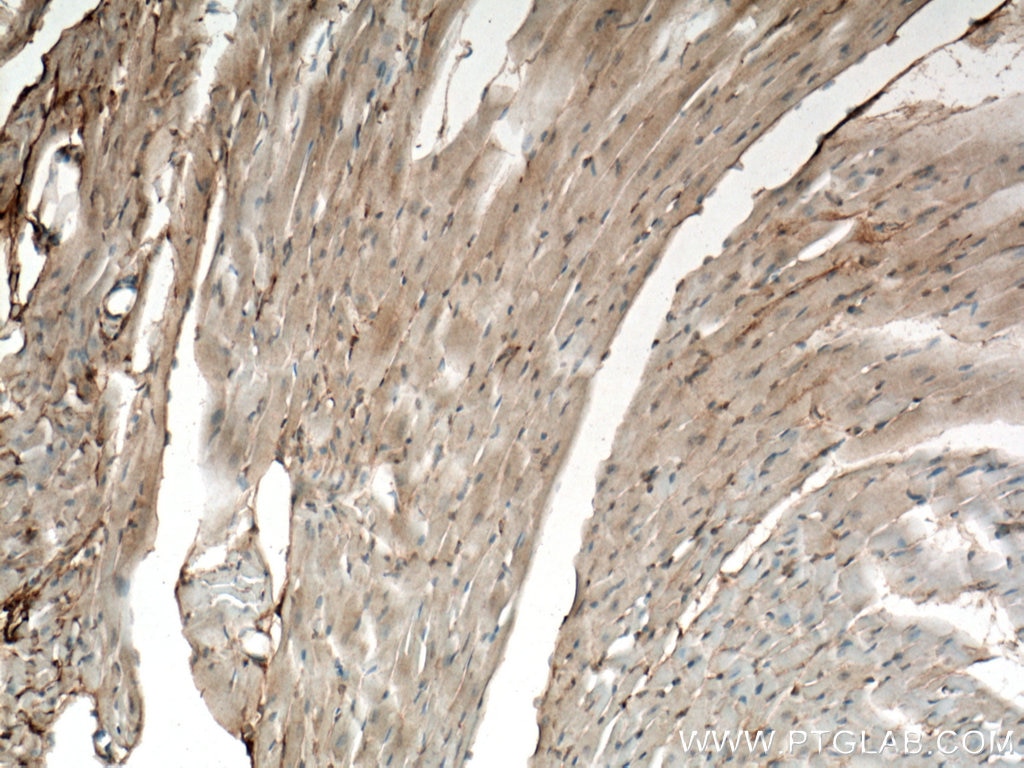
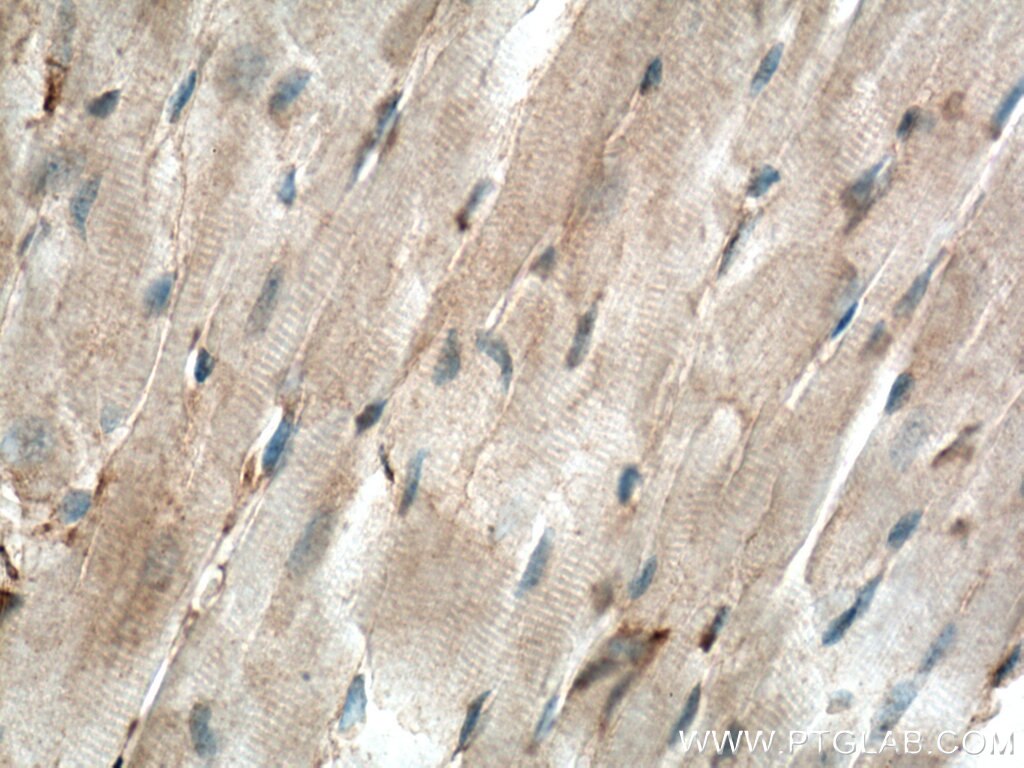
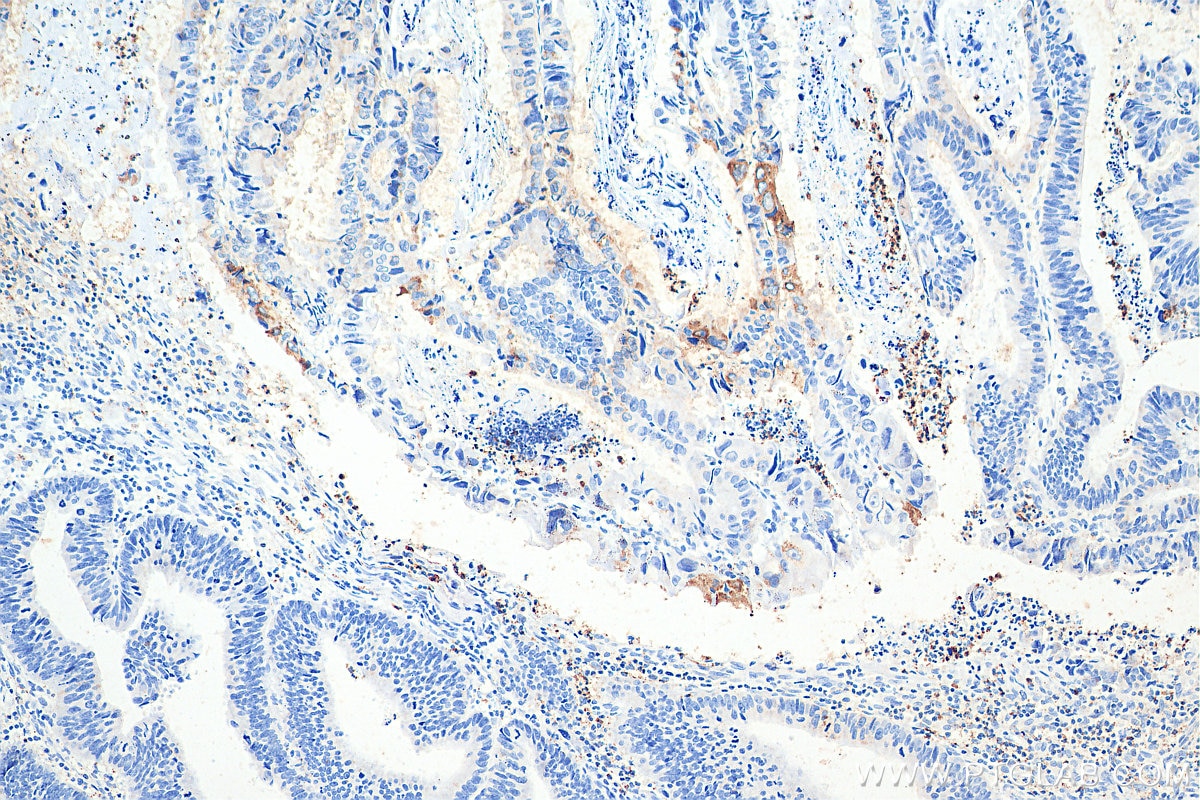
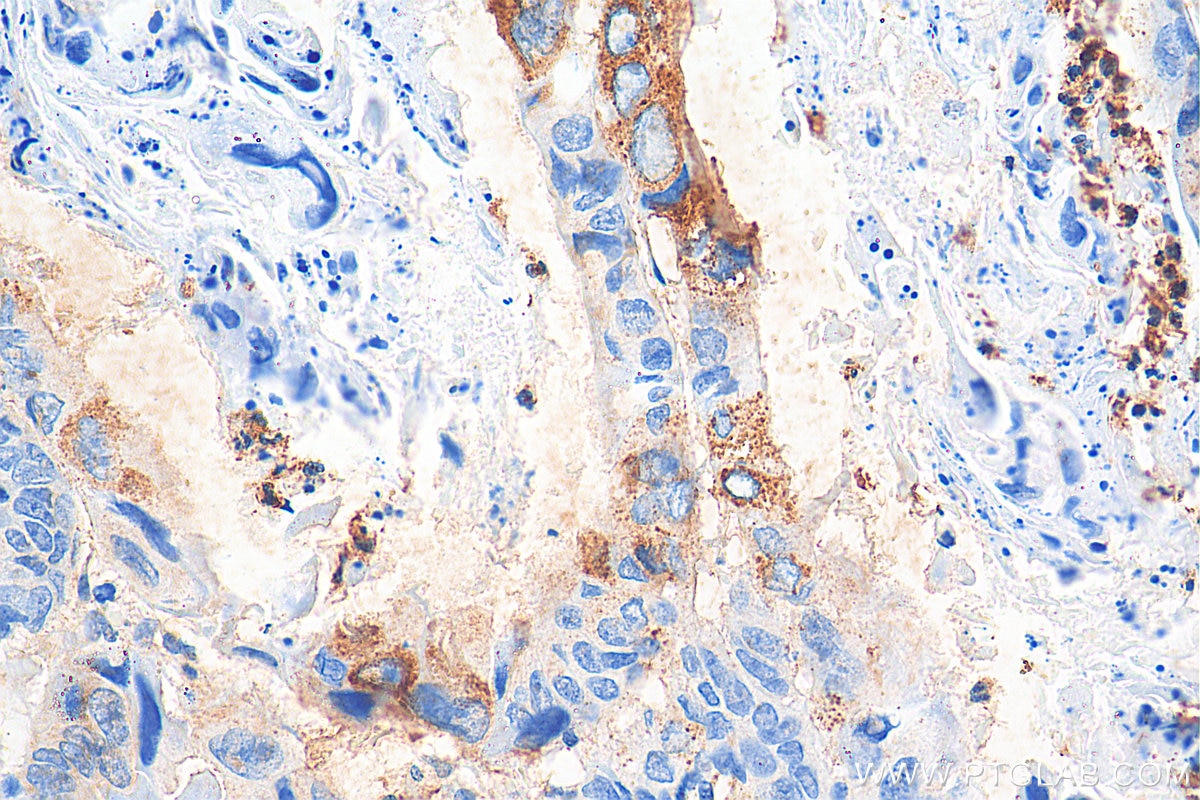
| Positive IHC detected in | human colon cancer tissue, human placenta tissue, mouse brain tissue, mouse heart tissue, mouse placenta tissue, rat heart tissue Note: suggested antigen retrieval with TE buffer pH 9.0; (*) Alternatively, antigen retrieval may be performed with citrate buffer pH 6.0 |
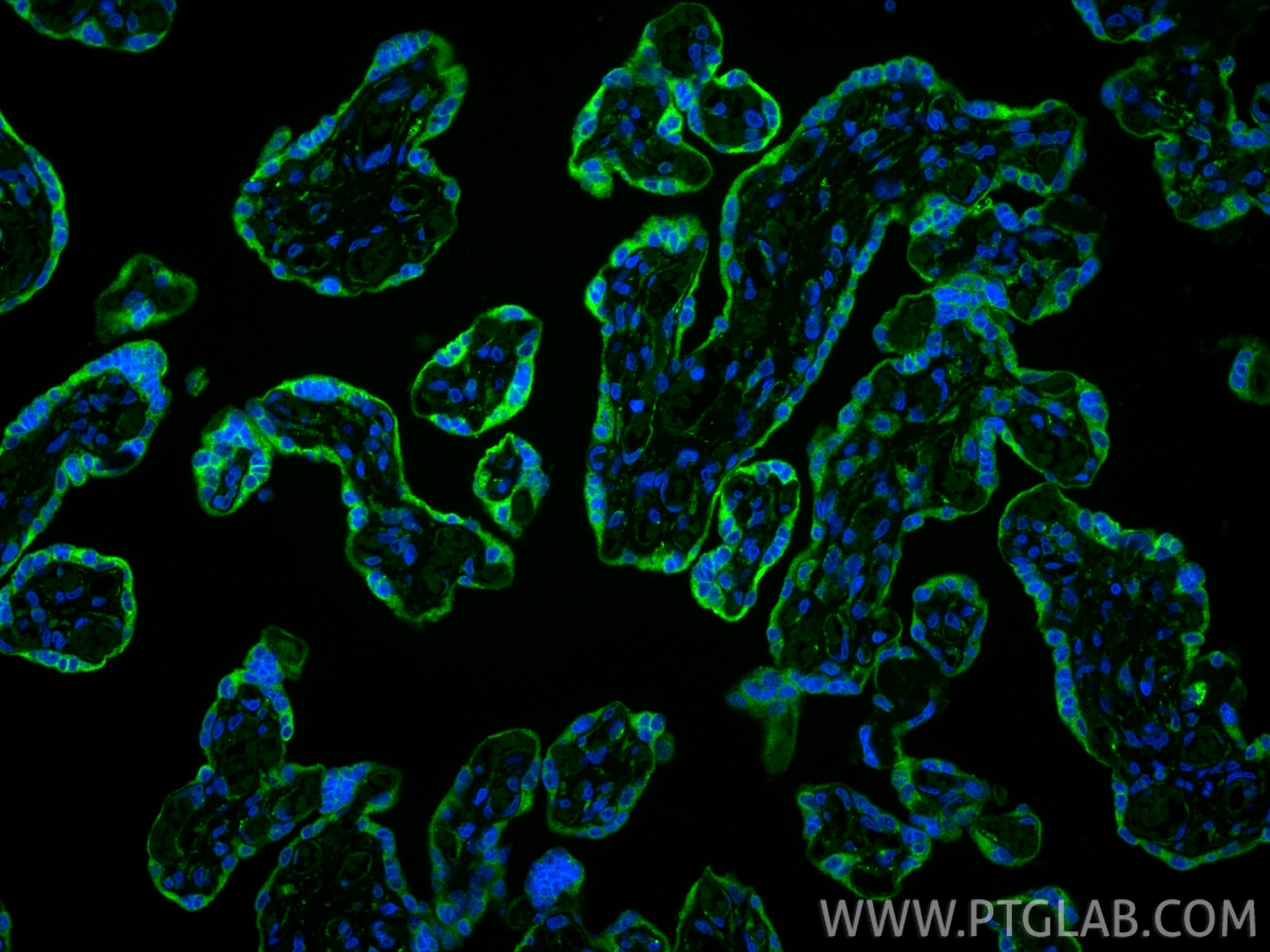
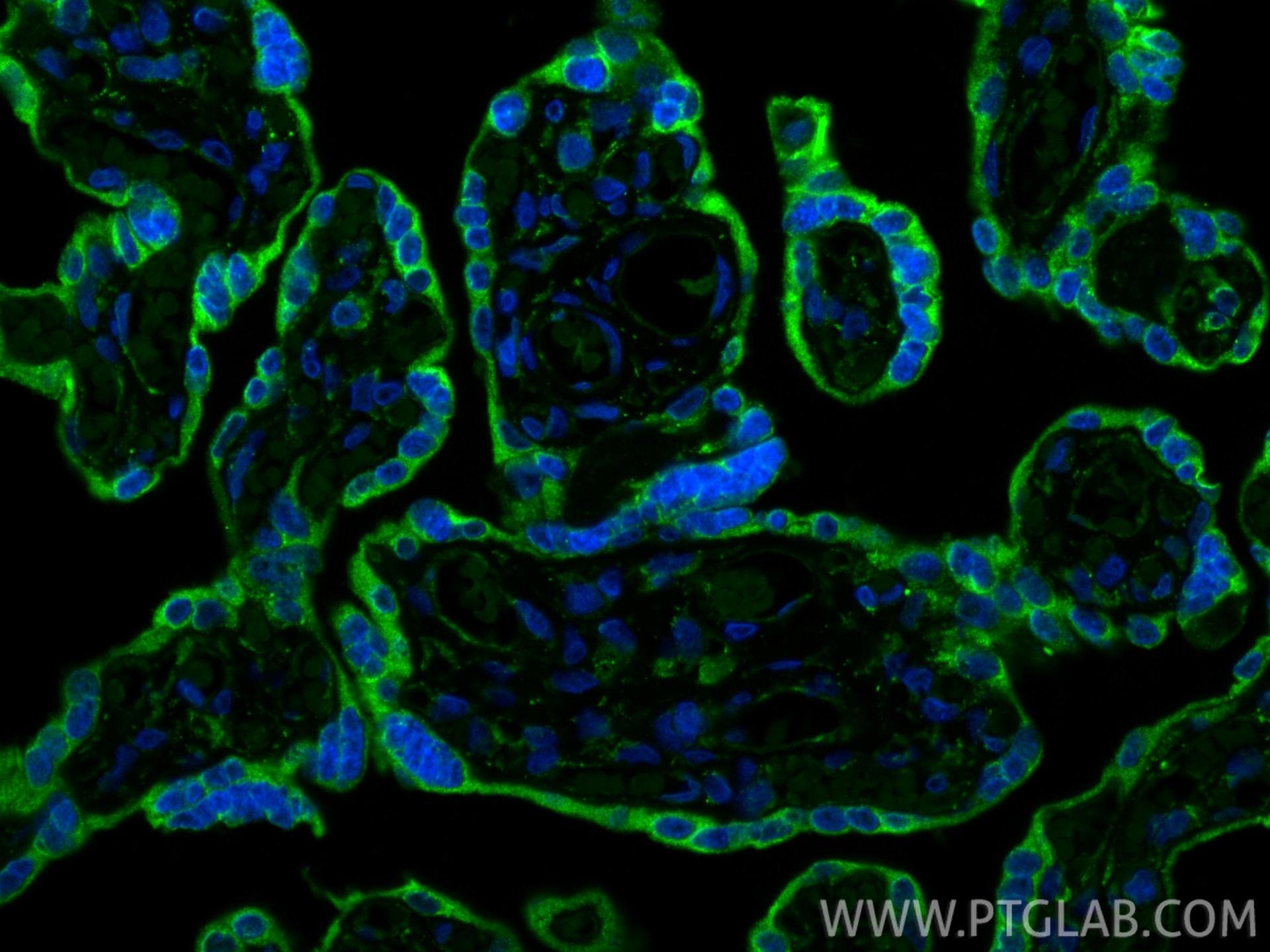
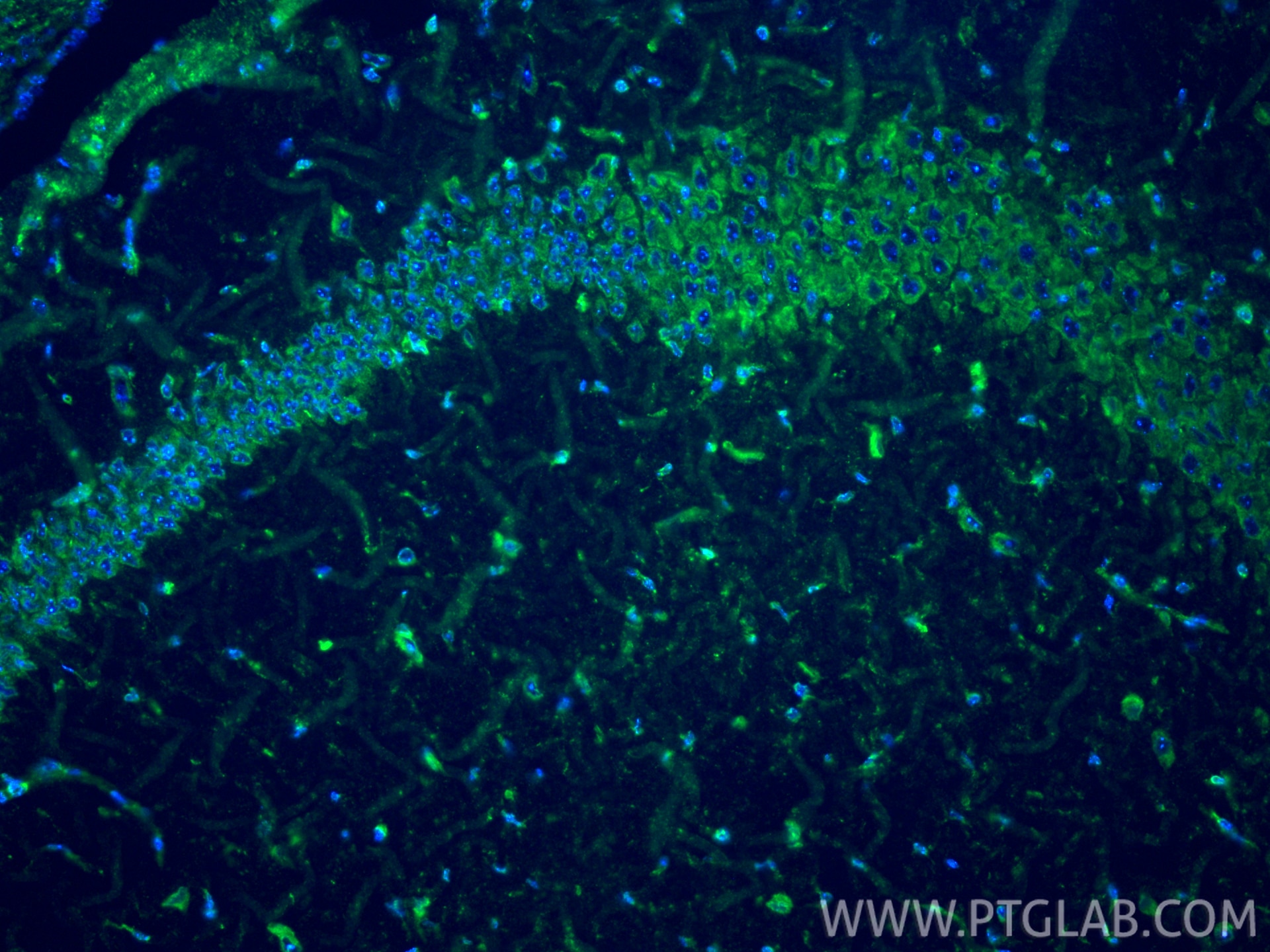
| Positive IF-P detected in | human placenta tissue, mouse brain tissue |
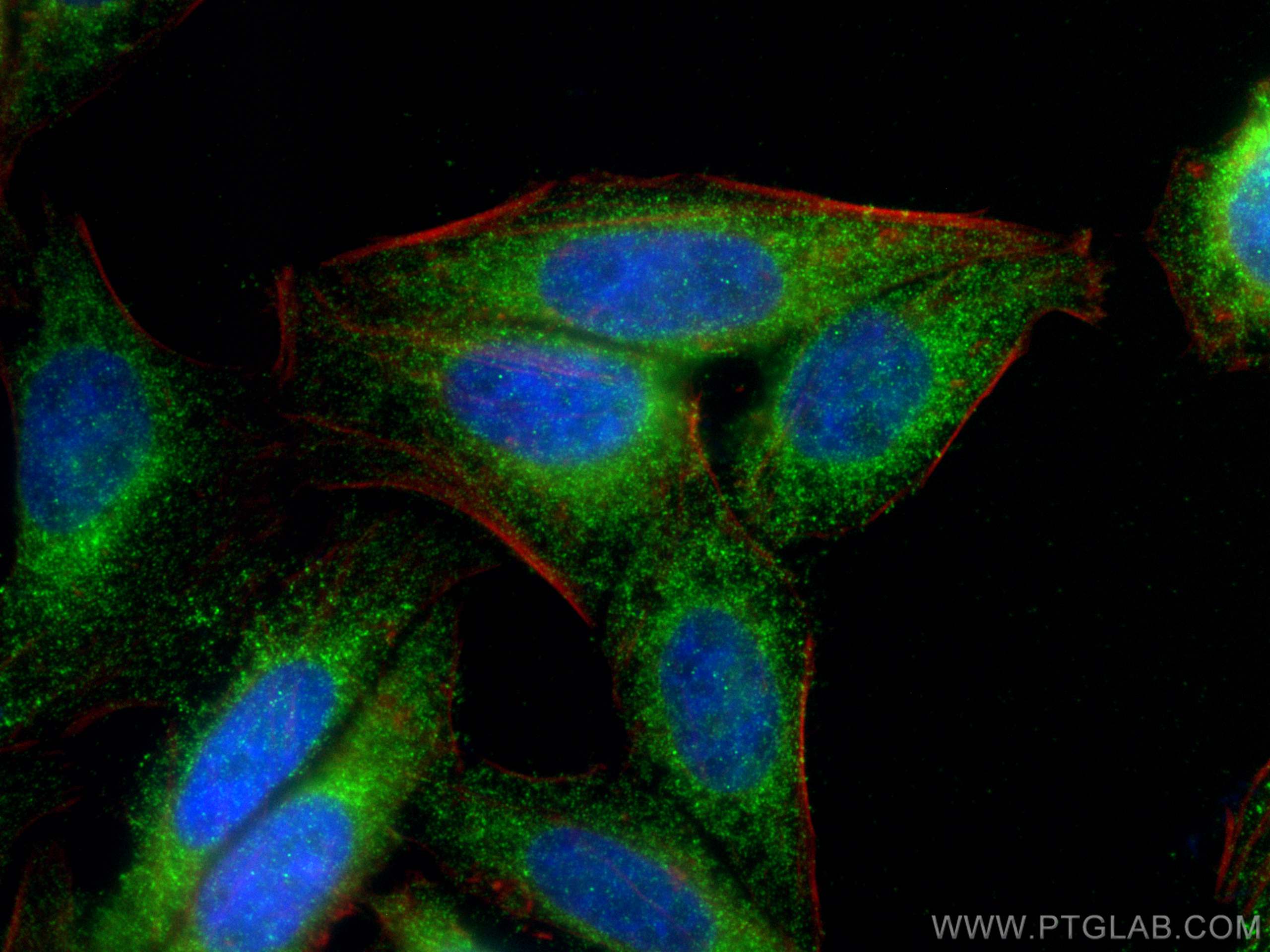
| Positive IF/ICC detected in | HepG2 cells |
Recommended dilution
| Application | Dilution |
|---|---|
| Immunohistochemistry (IHC) | IHC : 1:50-1:500 |
| Immunofluorescence (IF)-P | IF-P : 1:50-1:500 |
| Immunofluorescence (IF)/ICC | IF/ICC : 1:50-1:500 |
| It is recommended that this reagent should be titrated in each testing system to obtain optimal results. | |
| Sample-dependent, Check data in validation data gallery. | |
Product Information
11497-1-AP targets Apelin in IHC, IF/ICC, IF-P, ELISA applications and shows reactivity with human, mouse, rat samples.
| Tested Reactivity | human, mouse, rat |
| Cited Reactivity | human, mouse, rat |
| Host / Isotype | Rabbit / IgG |
| Class | Polyclonal |
| Type | Antibody |
| Immunogen |
CatNo: Ag2047 Product name: Recombinant human APLN protein Source: e coli.-derived, PGEX-4T Tag: GST Domain: 1-77 aa of BC021104 Sequence: MNLRLCVQALLLLWLSLTAVCGGSLMPLPDGNGLEDGNVRHLVQPRGSRNGPGPWQGGRRKFRRQRPRLSHKGPMPF Predict reactive species |
| Full Name | apelin |
| Calculated Molecular Weight | 77 aa, 9 kDa |
| GenBank Accession Number | BC021104 |
| Gene Symbol | Apelin |
| Gene ID (NCBI) | 8862 |
| RRID | AB_2877771 |
| Conjugate | Unconjugated |
| Form | Liquid |
| Purification Method | Antigen affinity purification |
| UNIPROT ID | Q9ULZ1 |
| Storage Buffer | PBS with 0.02% sodium azide and 50% glycerol, pH 7.3. |
| Storage Conditions | Store at -20°C. Stable for one year after shipment. Aliquoting is unnecessary for -20oC storage. 20ul sizes contain 0.1% BSA. |
Background Information
Apelin, isolated from bovine stomach tissue extractsis, is recognized as the endogenous ligand of the angiotensin-like-receptor 1 (APJ), and the human orphan G-protein-coupled receptor. Apelin is widely expressed in various organs such as the heart, lung, kidney, liver, adipose tissue, gastrointestinal tract, brain, adrenal glands, endothelium, and human plasma. Apelin has been found to be a potent stimulator of cardiac contractility and may function in the regulation of the cardiovascular system. Apelin is also known to be involved in the maintenance of INS sensitivity and play an important role in liver disease.
Protocols
| Product Specific Protocols | |
|---|---|
| IF protocol for Apelin antibody 11497-1-AP | Download protocol |
| IHC protocol for Apelin antibody 11497-1-AP | Download protocol |
| Standard Protocols | |
|---|---|
| Click here to view our Standard Protocols |
Publications
What published studies show
The anti-Apelin antibody (Cat# 11497-1-AP) has 14 citations published in journals including Science Advances, Biomaterials, Theranostics, Cardiovascular Research, Cell Reports, Free Radical Biology and Medicine, EBioMedicine, Experimental Molecular Medicine, Frontiers in Pharmacology, Molecular Medicine Reports, Neuroscience, American Journal of Physiology, and Journal of Cardiovascular Translational Research. Research fields span pulmonary hypertension, osteoporosis, metabolic dysfunction, neuroinflammation, diabetic nephropathy, depression, cardiovascular disease, and esophageal cancer.
| Species | Application | Title |
|---|---|---|
Exp Mol Med Single-cell RNA sequencing and spatial transcriptomics of esophageal squamous cell carcinoma with lymph node metastases | ||
Theranostics Exercise ameliorates osteopenia in mice via intestinal microbial-mediated bile acid metabolism pathway | ||
Sci Adv Maternal exercise via exerkine apelin enhances brown adipogenesis and prevents metabolic dysfunction in offspring mice. | ||
Biomaterials Targeted delivery of apelin using a novel extracellular vesicle platform for pulmonary arterial hypertension treatment | ||
Cardiovasc Res Single-cell analysis reveals the implication of vascular endothelial cell-intrinsic ANGPT2 in human intracranial aneurysm | ||
EBioMedicine Maternal exercise intergenerationally drives muscle-based thermogenesis via activation of apelin-AMPK signaling. |


















