
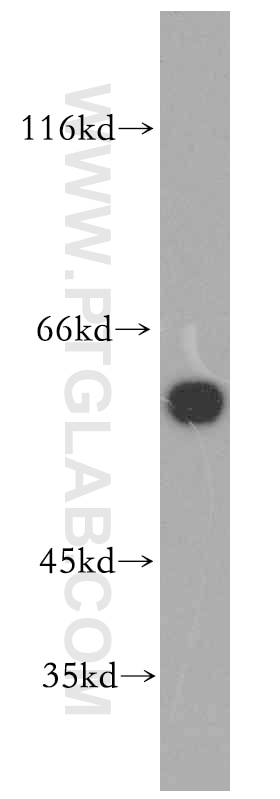
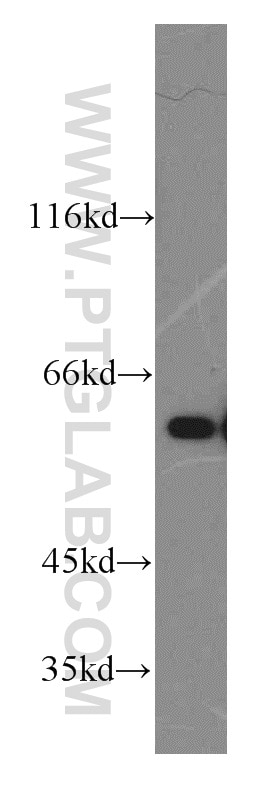
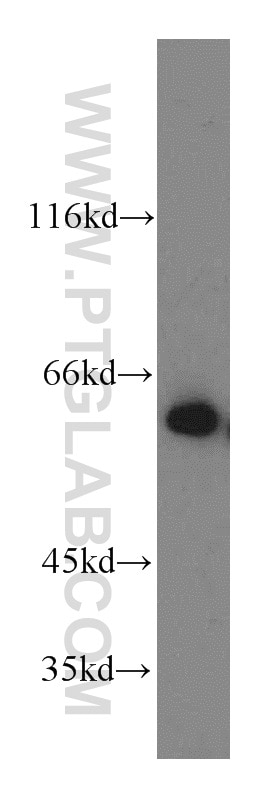
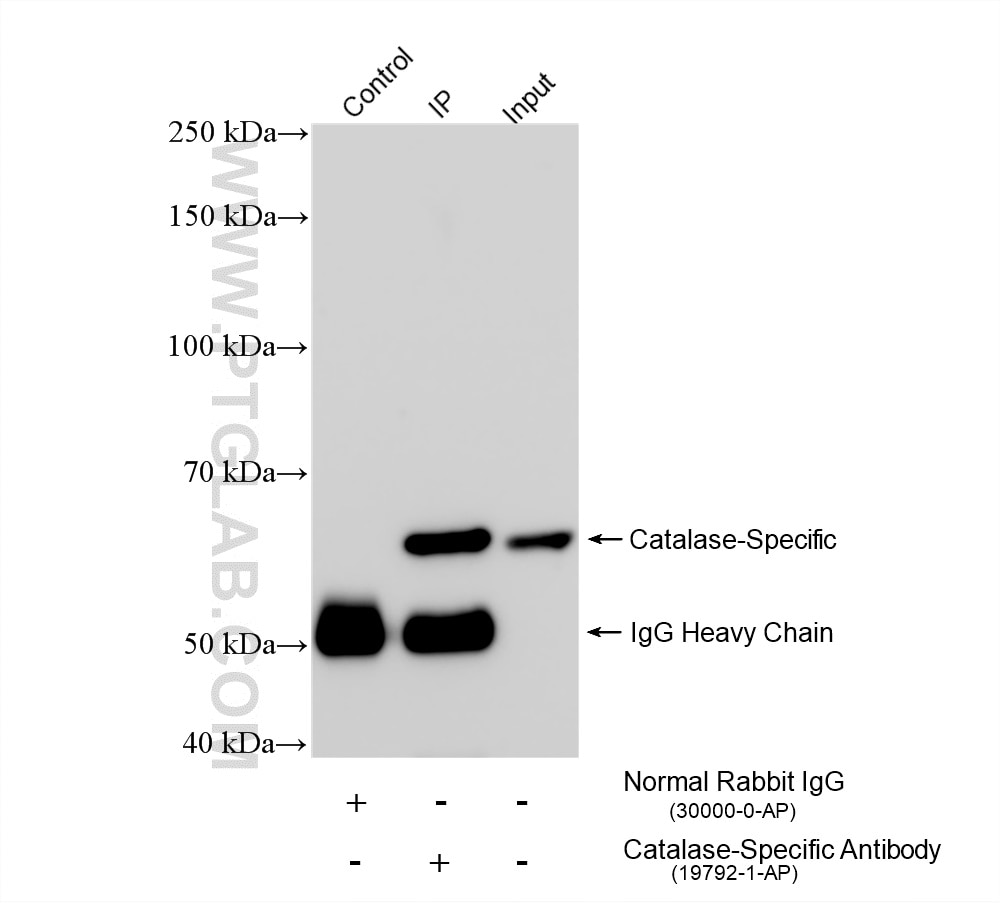

Tested Applications
| Positive WB detected in | HT-1080 cells, HeLa cells |
| Positive IP detected in | HeLa cells |
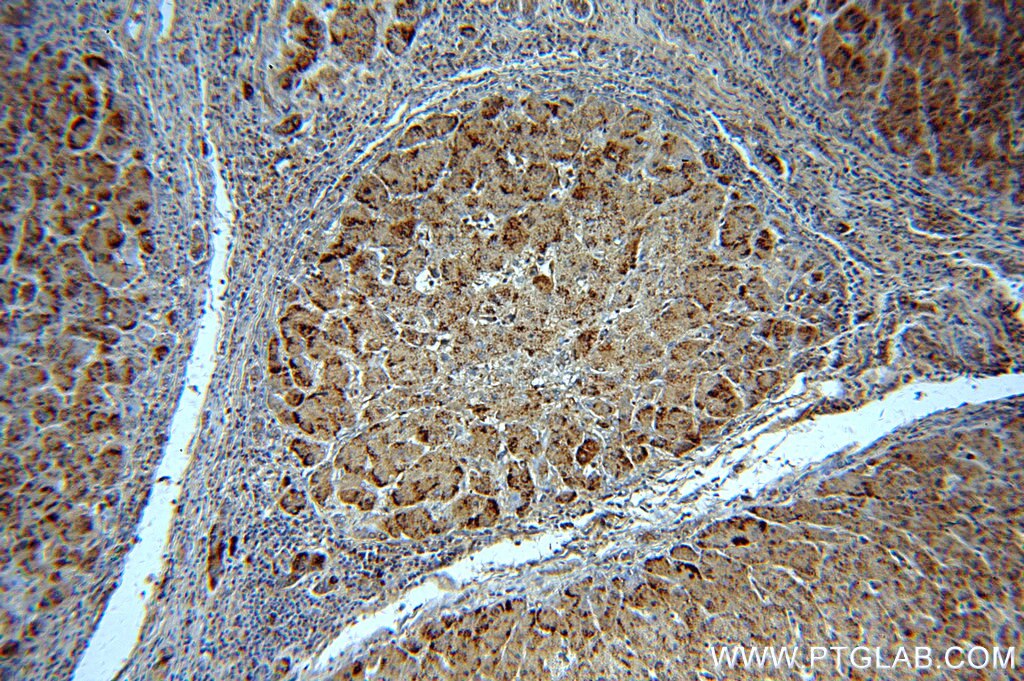
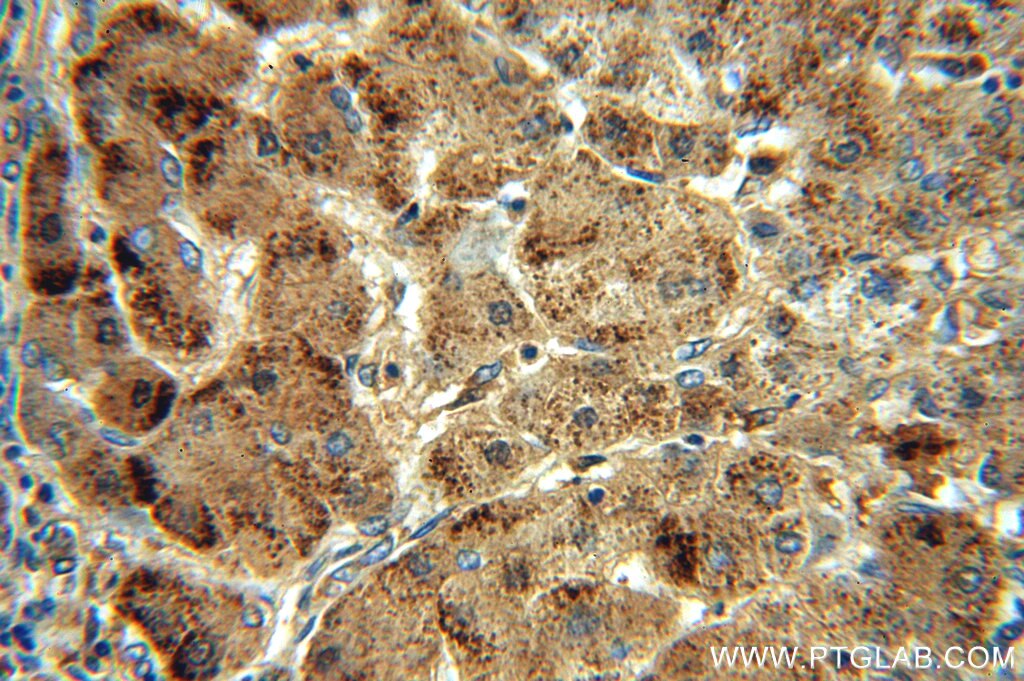
| Positive IHC detected in | human hepatocirrhosis tissue Note: suggested antigen retrieval with TE buffer pH 9.0; (*) Alternatively, antigen retrieval may be performed with citrate buffer pH 6.0 |
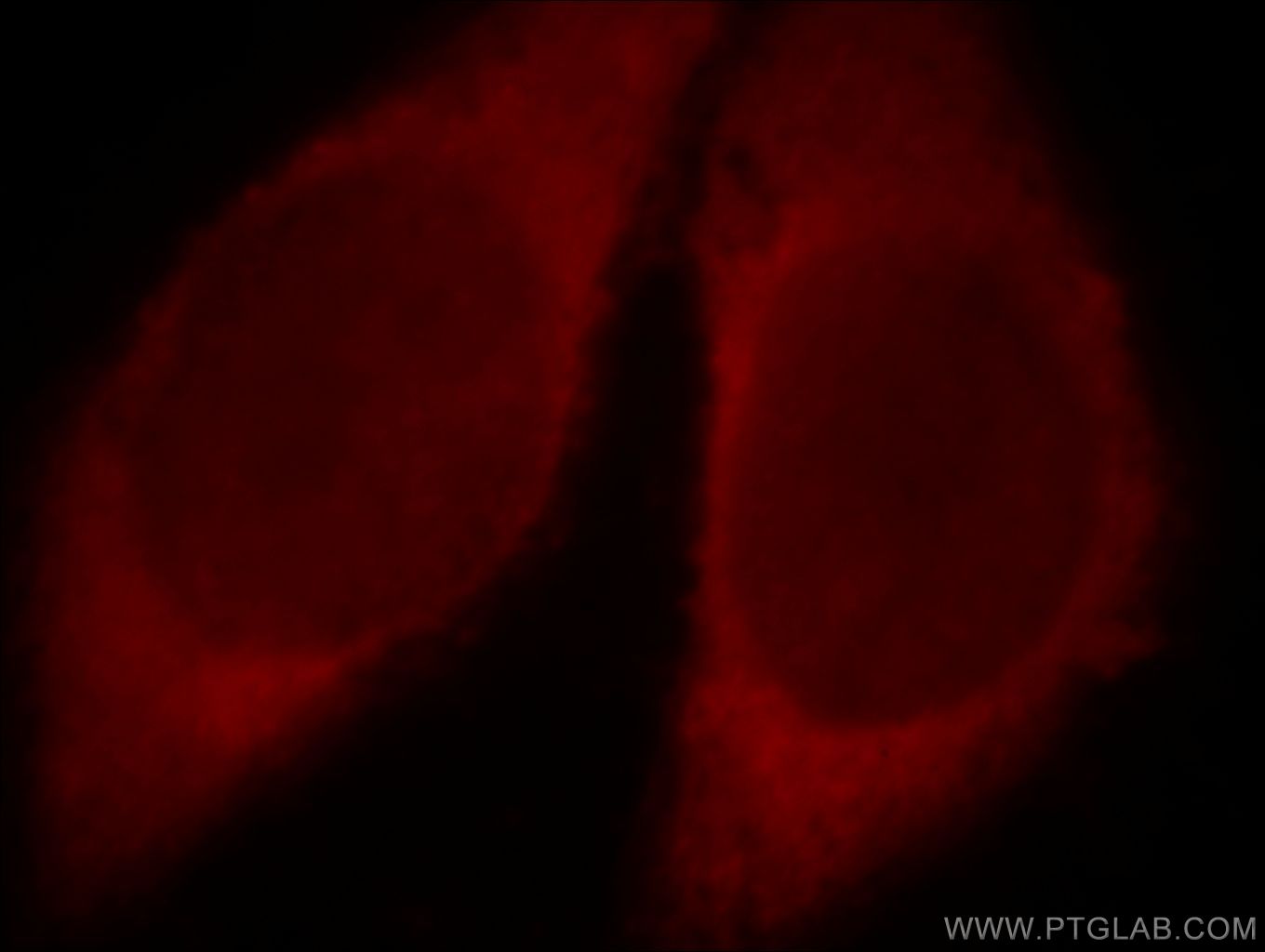
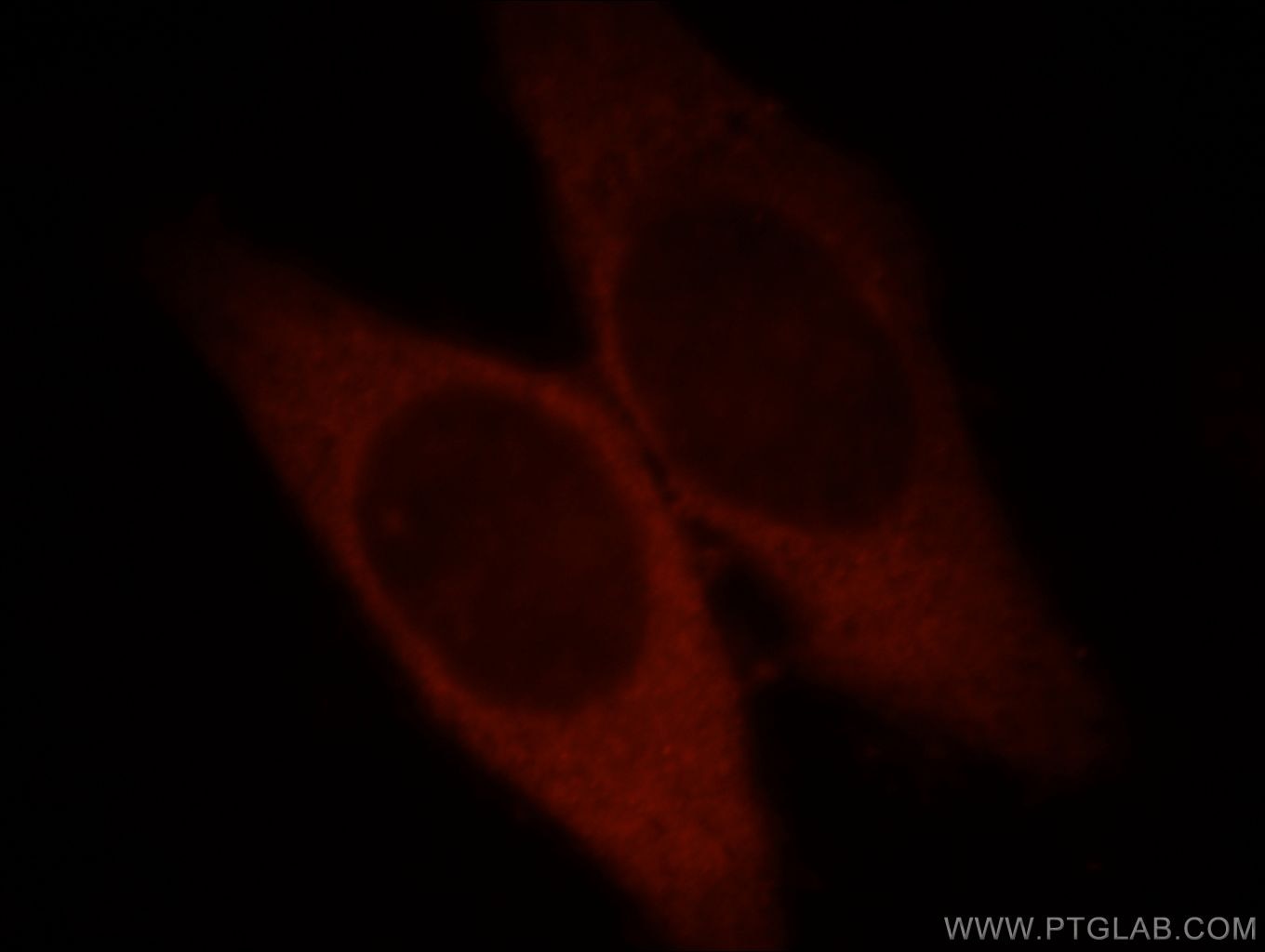
| Positive IF/ICC detected in | Hela cells, HepG2 cells |
Recommended dilution
| Application | Dilution |
|---|---|
| Western Blot (WB) | WB : 1:1000-1:4000 |
| Immunoprecipitation (IP) | IP : 0.5-4.0 ug for 1.0-3.0 mg of total protein lysate |
| Immunohistochemistry (IHC) | IHC : 1:20-1:200 |
| Immunofluorescence (IF)/ICC | IF/ICC : 1:10-1:100 |
| It is recommended that this reagent should be titrated in each testing system to obtain optimal results. | |
| Sample-dependent, Check data in validation data gallery. | |
Product Information
19792-1-AP targets Catalase-Specific in WB, IHC, IF/ICC, IP, ELISA applications and shows reactivity with human samples.
| Tested Reactivity | human |
| Cited Reactivity | human, mouse |
| Host / Isotype | Rabbit / IgG |
| Class | Polyclonal |
| Type | Antibody |
| Immunogen |
Peptide Predict reactive species |
| Full Name | catalase |
| Calculated Molecular Weight | 60 kDa |
| Observed Molecular Weight | 60 kDa |
| GenBank Accession Number | NM_001752 |
| Gene Symbol | Catalase |
| Gene ID (NCBI) | 847 |
| RRID | AB_10640433 |
| Conjugate | Unconjugated |
| Form | Liquid |
| Purification Method | Antigen affinity purification |
| UNIPROT ID | P04040 |
| Storage Buffer | PBS with 0.02% sodium azide and 50% glycerol, pH 7.3. |
| Storage Conditions | Store at -20°C. Stable for one year after shipment. Aliquoting is unnecessary for -20oC storage. 20ul sizes contain 0.1% BSA. |
Background Information
Catalase belongs to the catalase family. CAT occurs in almost all aerobically respiring organisms and serves to protect cells from the toxic effects of hydrogen peroxide. CAT promotes the growth of cells including T-cells, B-cells, myeloid leukemia cells, melanoma cells, mastocytoma cells, and normal and transformed fibroblast cells. CAT catalyzes the reaction: 2 H2O2 = O2 + 2 H2O. Defects in CAT are the cause of acatalasia (ACATLAS) which is also known as acatalasemia. The antibody is specific to CAT.
Protocols
| Product Specific Protocols | |
|---|---|
| IF protocol for Catalase-Specific antibody 19792-1-AP | Download protocol |
| IHC protocol for Catalase-Specific antibody 19792-1-AP | Download protocol |
| IP protocol for Catalase-Specific antibody 19792-1-AP | Download protocol |
| WB protocol for Catalase-Specific antibody 19792-1-AP | Download protocol |
| Standard Protocols | |
|---|---|
| Click here to view our Standard Protocols |
Publications
What published studies show
The Catalase-Specific Polyclonal antibody (CAT-Specific Antibody, Cat# 19792-1-AP) has 8 citations. These appear in journals including Advanced Science, Acta Pharmacologica Sinica, PNAS, Free Radical Biology and Medicine, Oxidative Medicine and Cellular Longevity, Ecotoxicology and Environmental Safety, and Histopathology. Research fields span mitochondrial genetics, cancer pharmacology, stress granule biology, osteoblast apoptosis, thrombosis, corneal epithelial dysfunction, stem cell senescence, and breast carcinoma metabolic reprogramming.
| Species | Application | Title |
|---|---|---|
Adv Sci (Weinh) Mitochondrial tRNAGlu 14693A>G Mutation, an "Enhancer" to the Phenotypic Expression of Leber's Hereditary Optic Neuropathy | ||
Acta Pharmacol Sin Targeting proteasomal deubiquitinases USP14 and UCHL5 with b-AP15 reduces 5-fluorouracil resistance in colorectal cancer cells | ||
Proc Natl Acad Sci U S A Succinyl-CoA ligase ADP-forming subunit beta promotes stress granule assembly to regulate redox and drive cancer metastasis | ||
Free Radic Biol Med Menaquinone-4 prevents medication-related osteonecrosis of the jaw through the SIRT1 signaling-mediated inhibition of cellular metabolic stresses-induced osteoblast apoptosis | ||
Oxid Med Cell Longev Combination of Colchicine and Ticagrelor Inhibits Carrageenan-Induced Thrombi in Mice. | ||
Ecotoxicol Environ Saf The ROS/AKT/S6K axis induces corneal epithelial dysfunctions under LED blue light exposure |









