
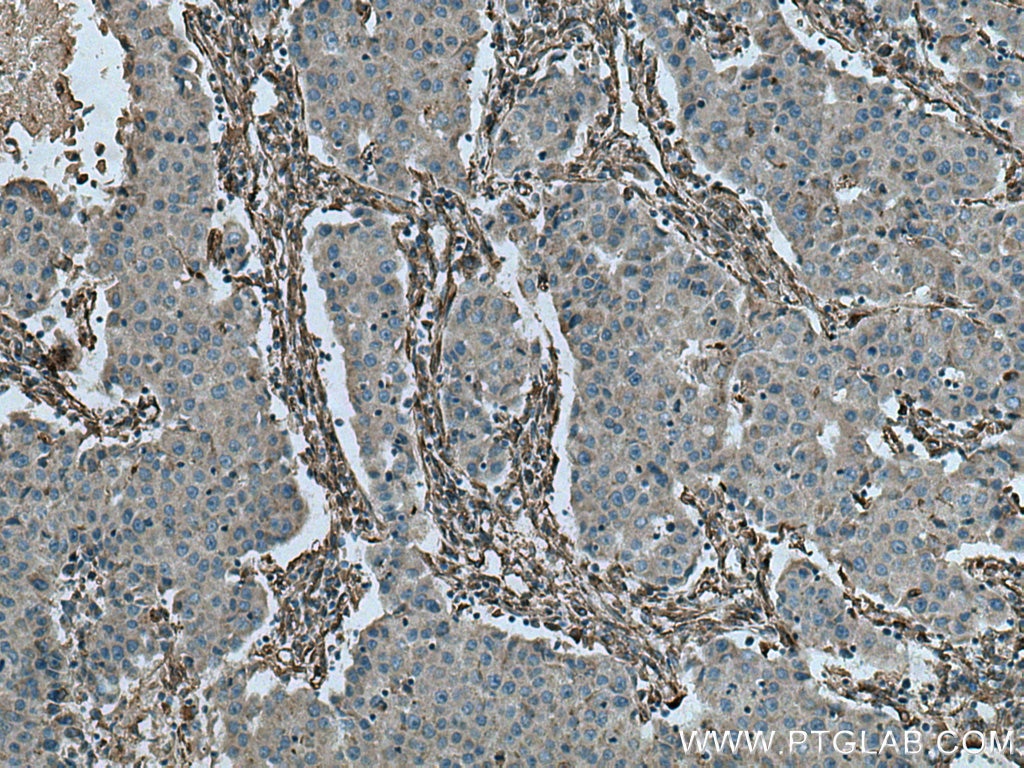
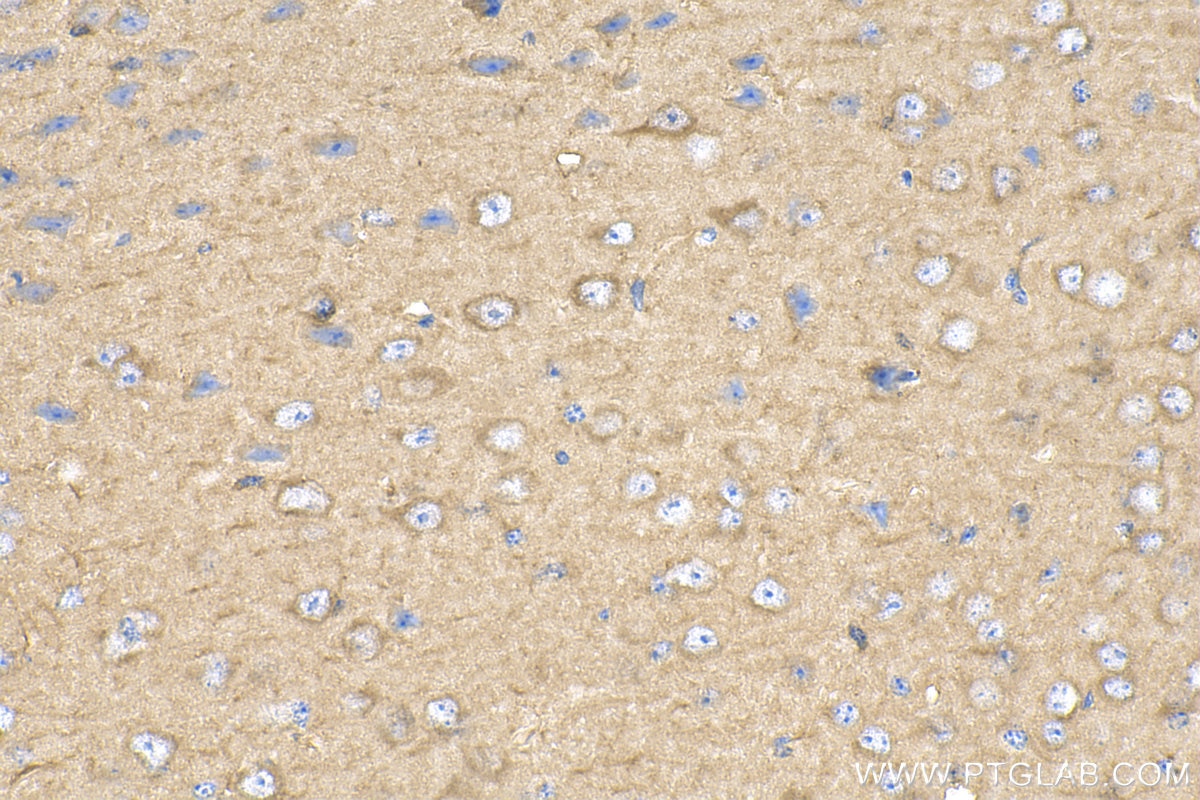
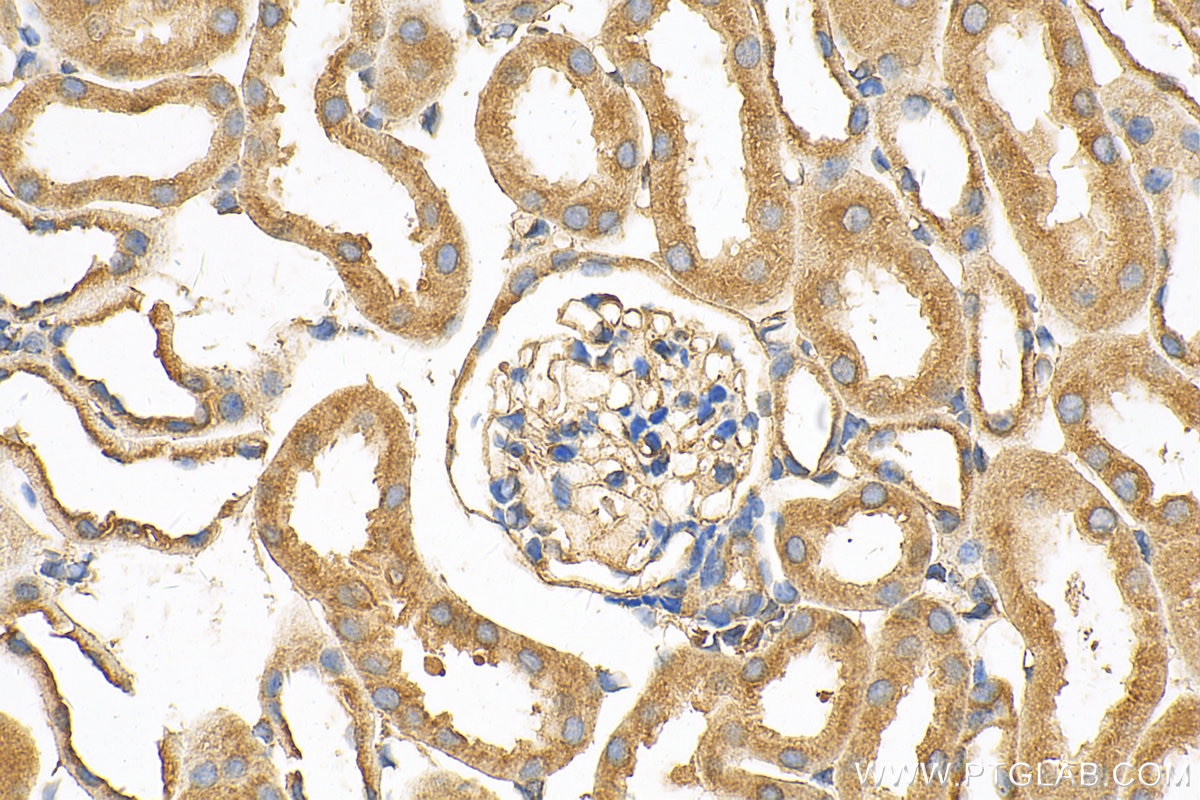
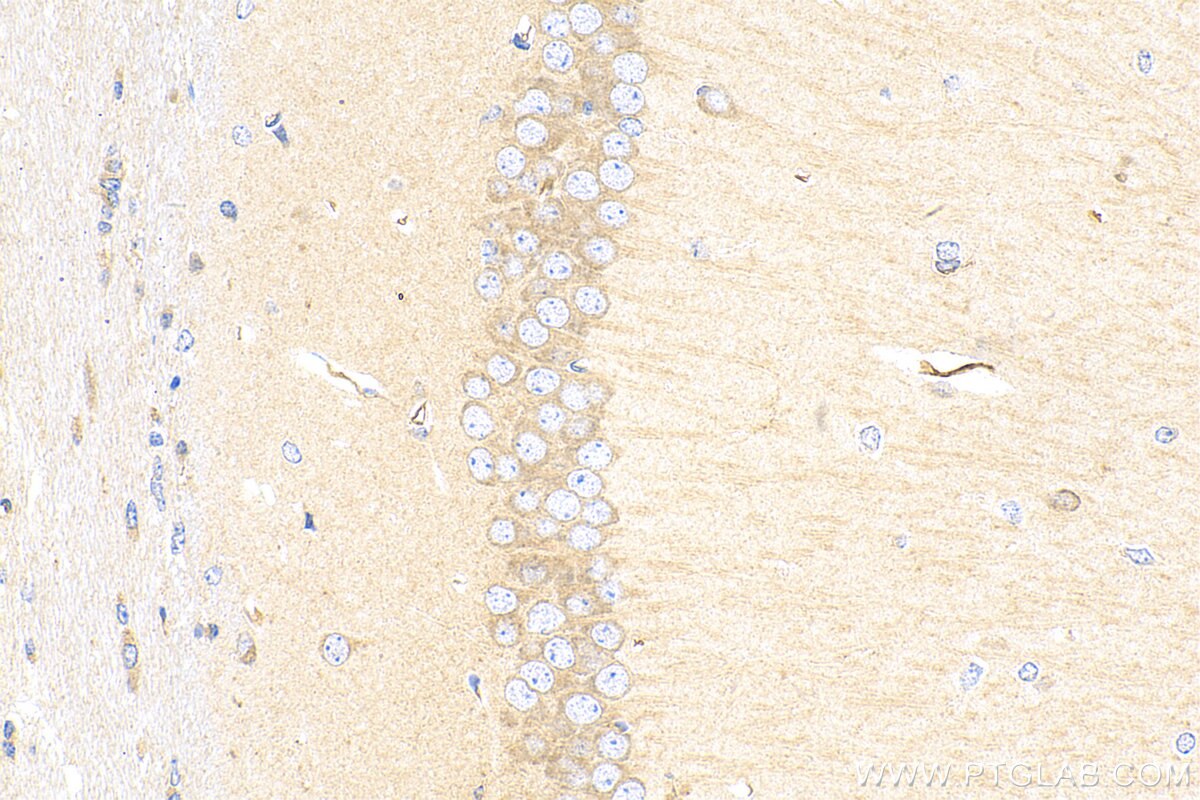

Tested Applications
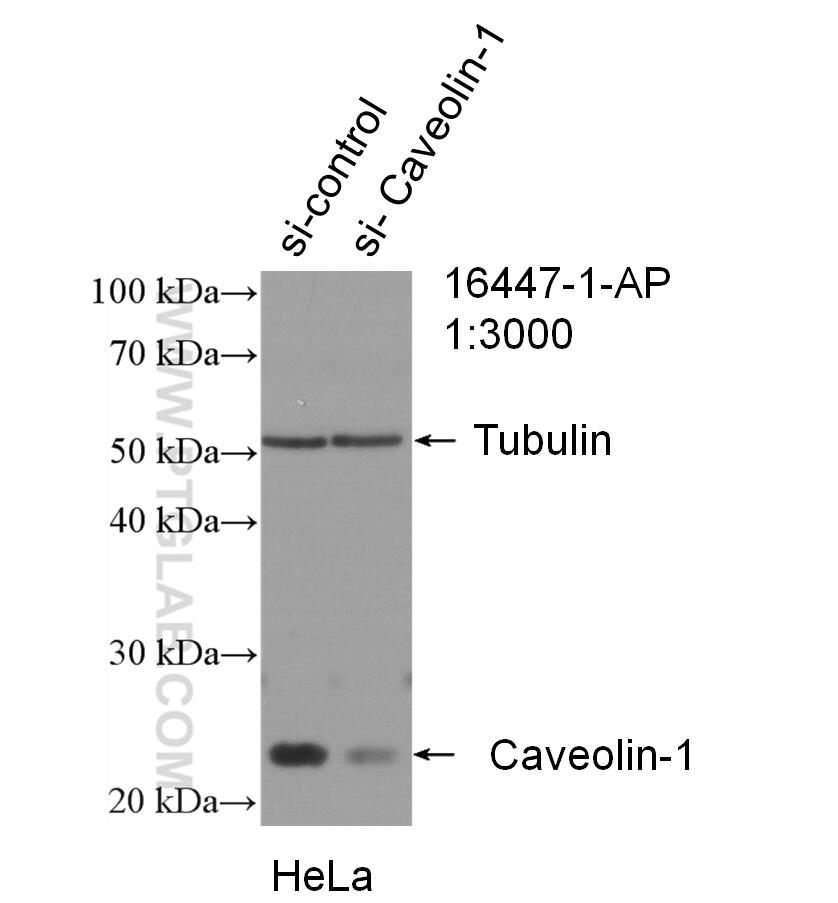
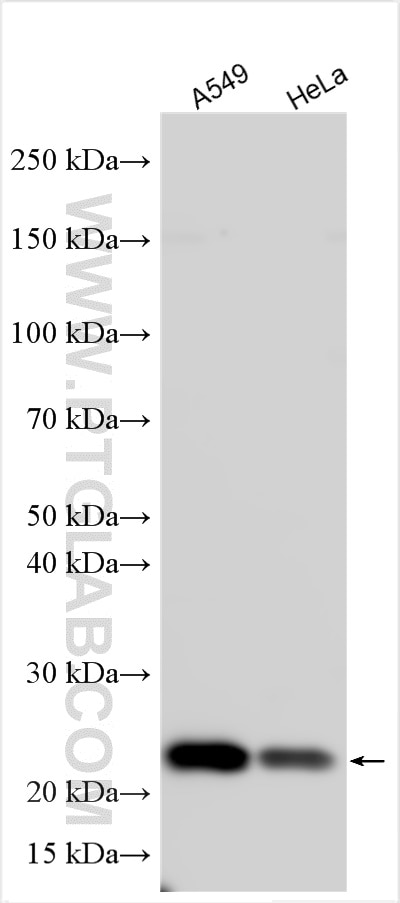
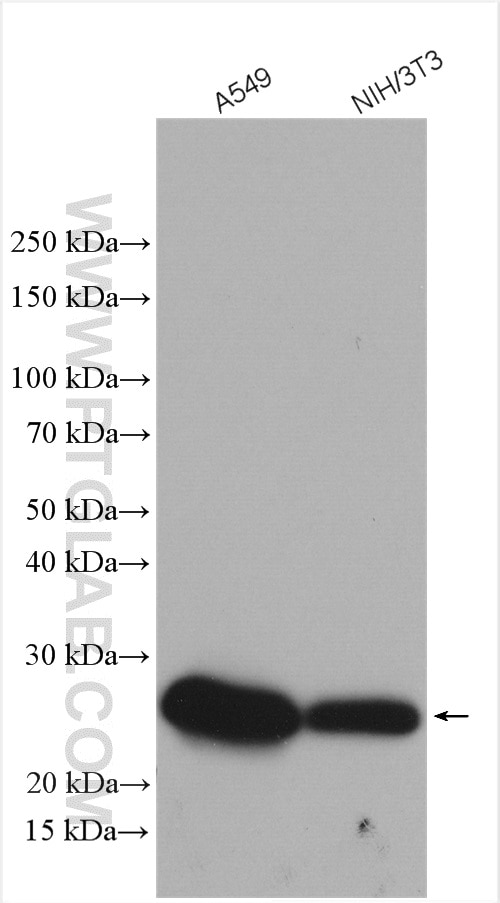
| Positive WB detected in | A549 cells, HeLa cells, NIH/3T3 cells |
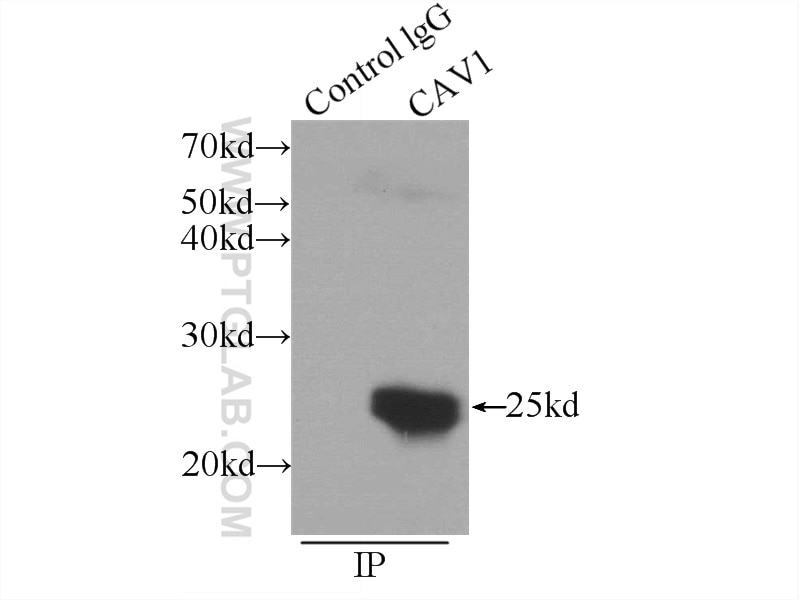
| Positive IP detected in | A549 cells |
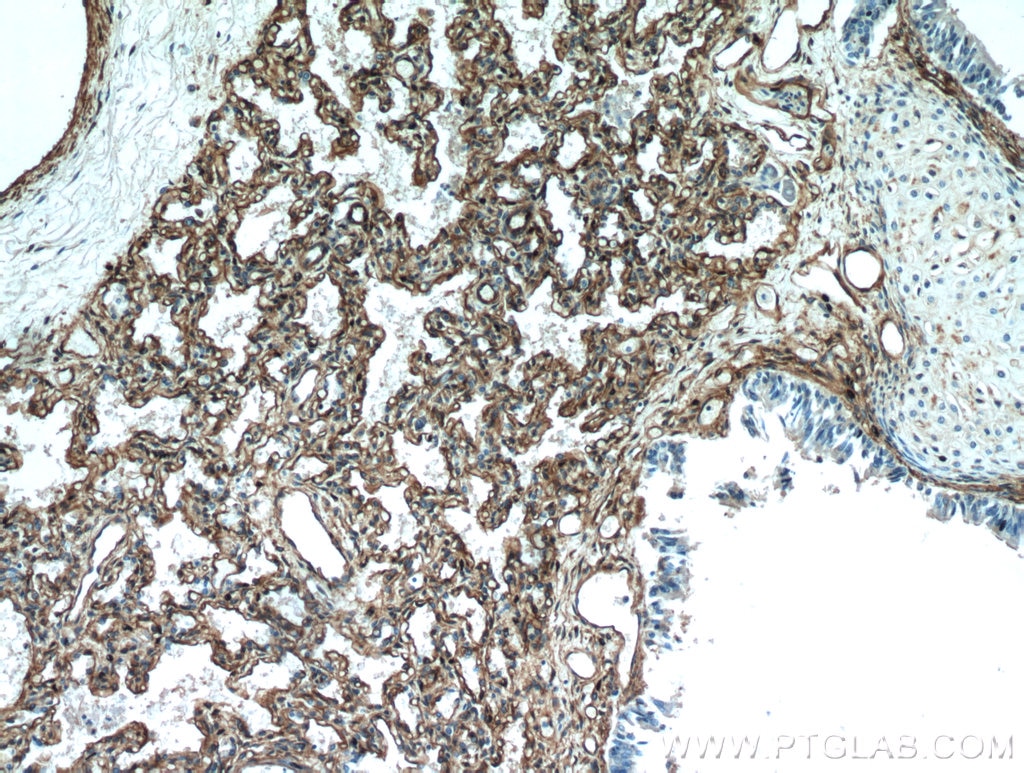
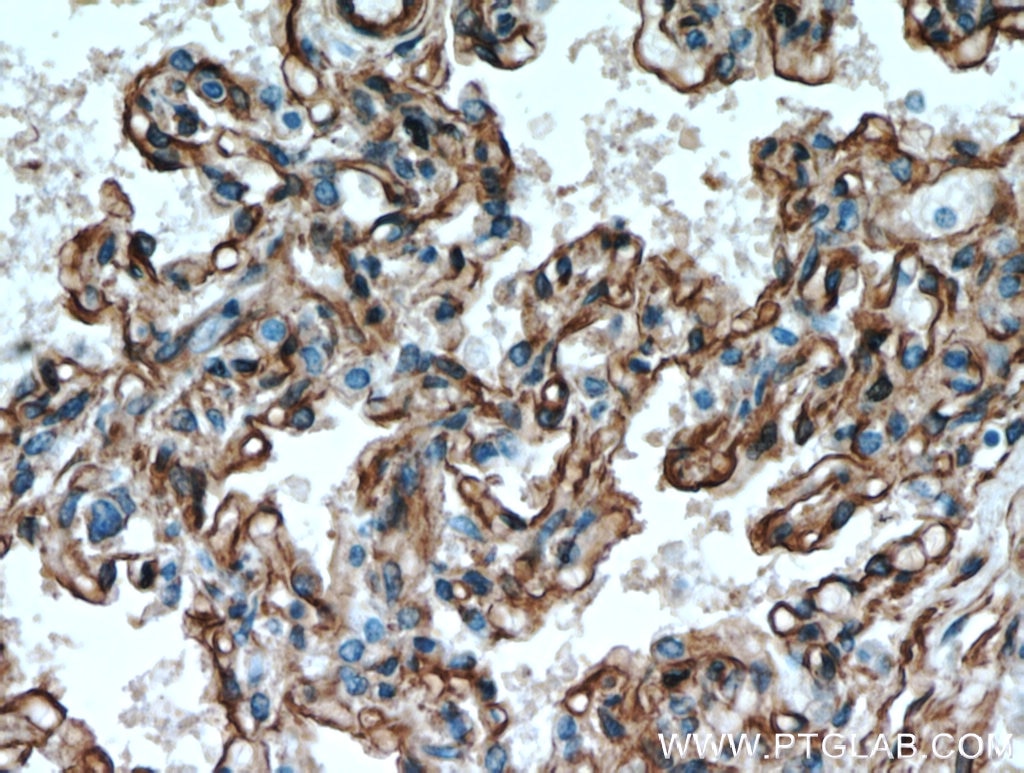
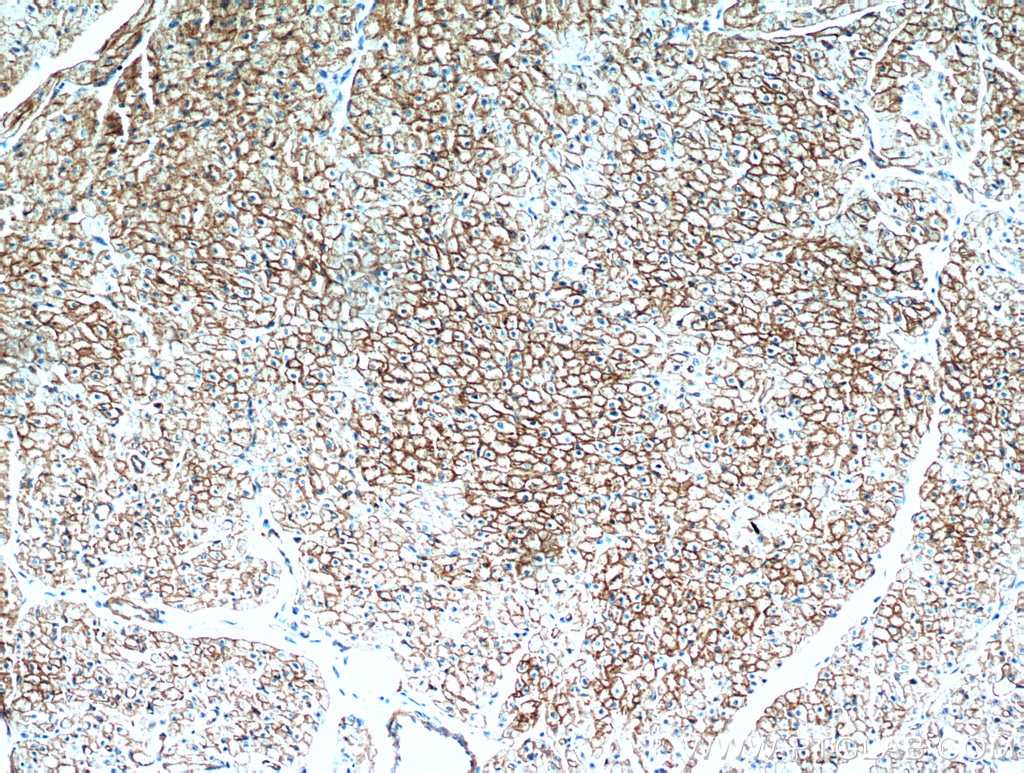
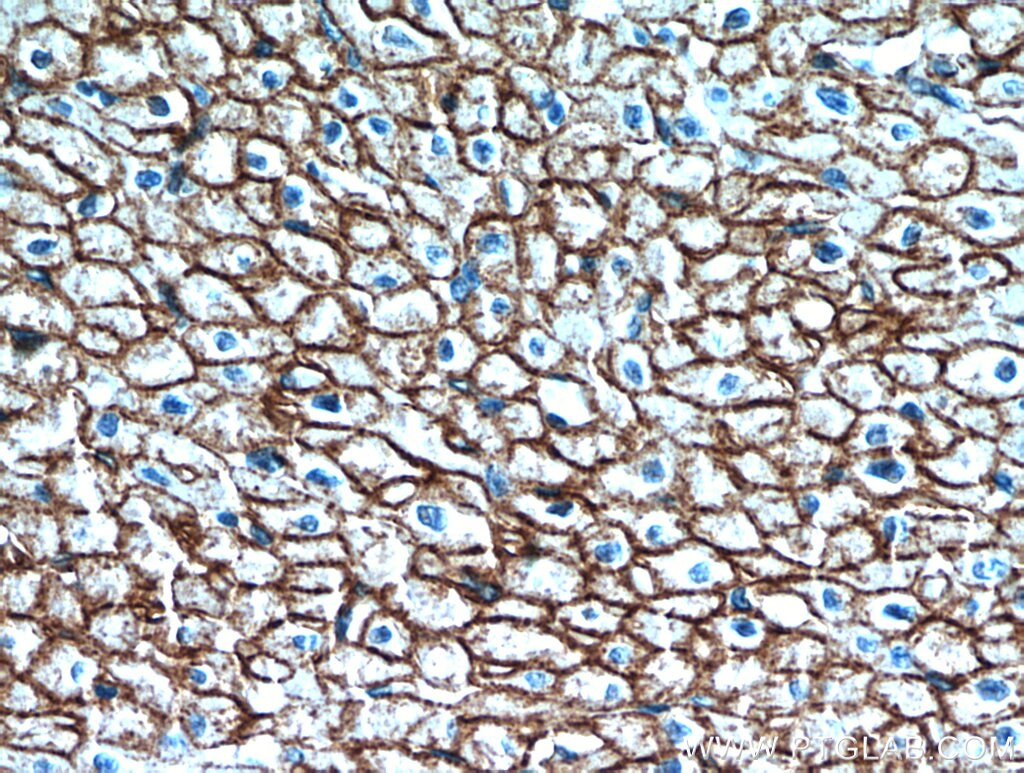
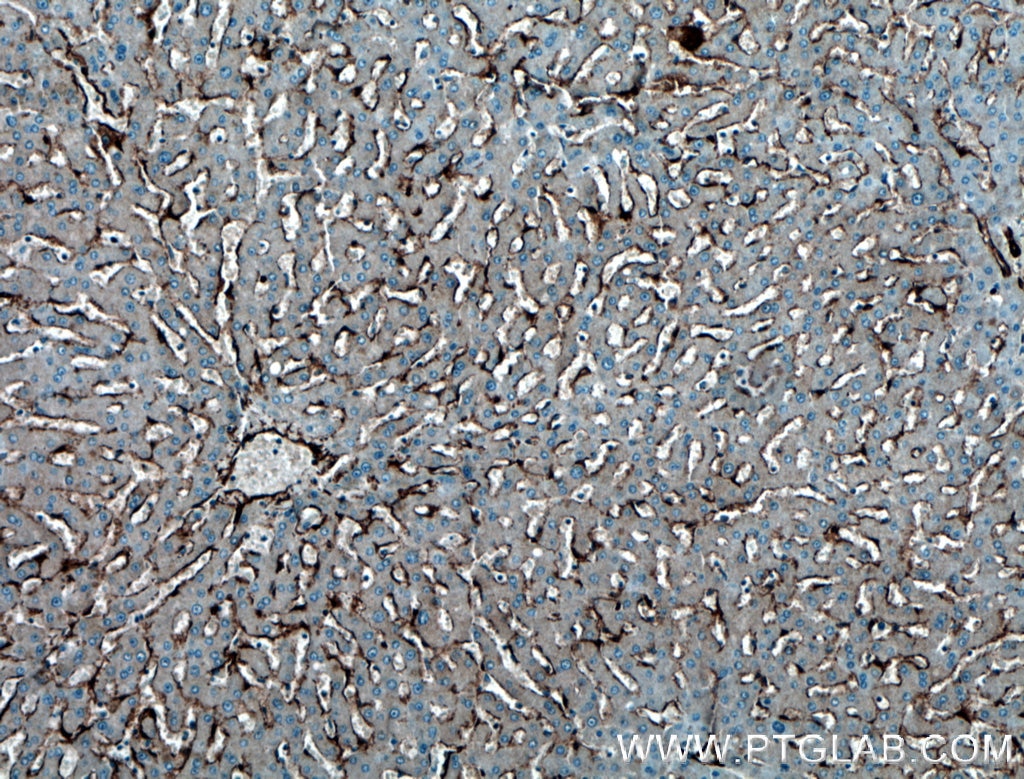
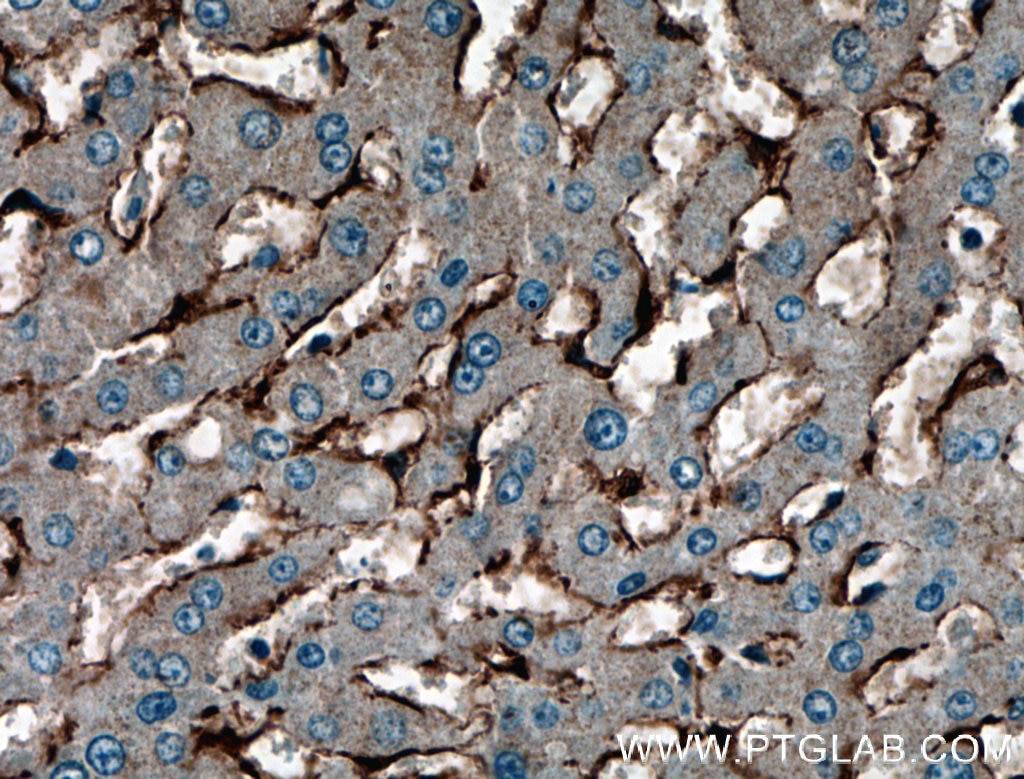
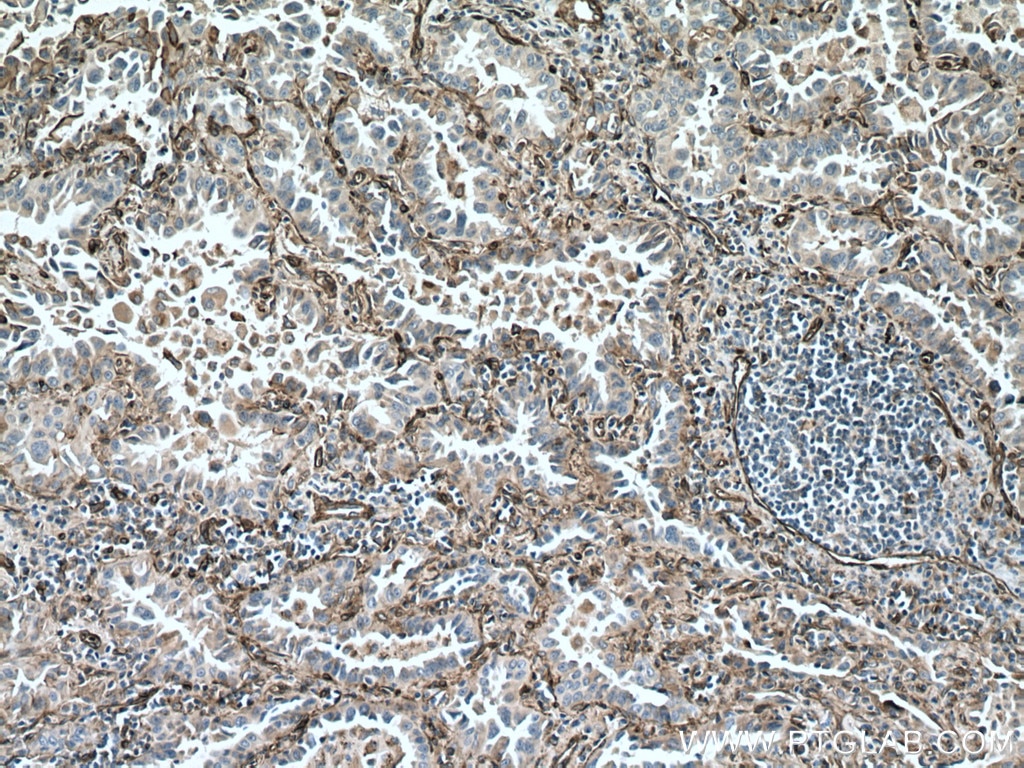
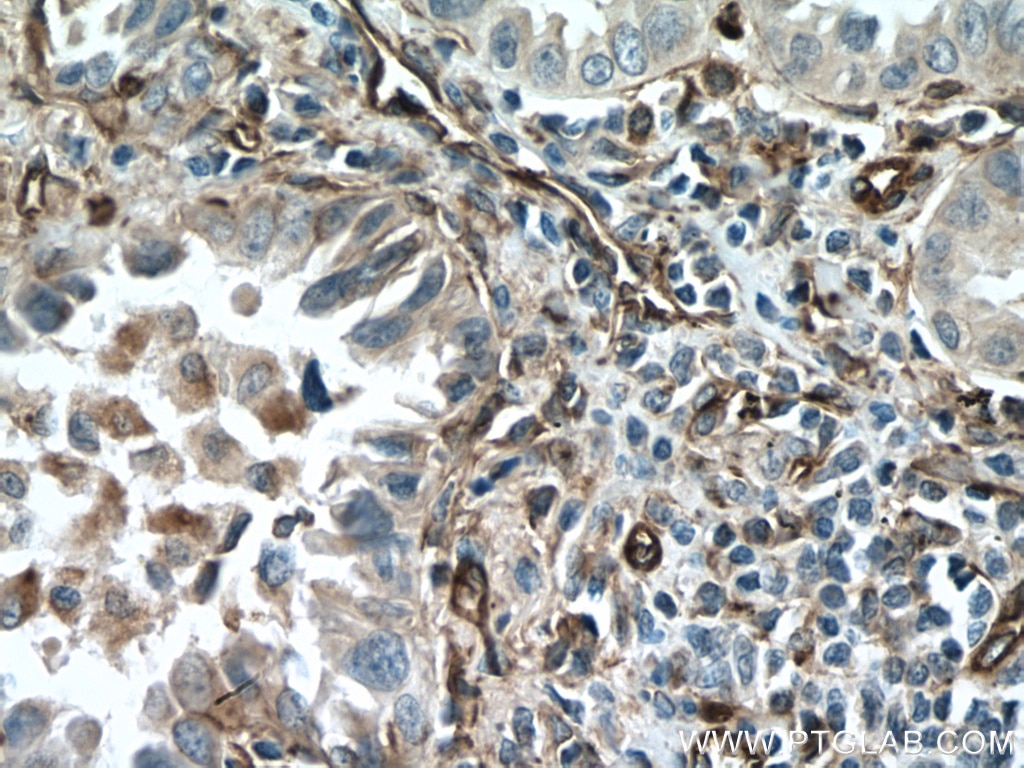
| Positive IHC detected in | human breast cancer tissue, human lung tissue, human heart tissue, human liver tissue, human lung cancer tissue, mouse brain tissue, mouse kidney tissue Note: suggested antigen retrieval with TE buffer pH 9.0; (*) Alternatively, antigen retrieval may be performed with citrate buffer pH 6.0 |
Recommended dilution
| Application | Dilution |
|---|---|
| Western Blot (WB) | WB : 1:1000-1:8000 |
| Immunoprecipitation (IP) | IP : 0.5-4.0 ug for 1.0-3.0 mg of total protein lysate |
| Immunohistochemistry (IHC) | IHC : 1:50-1:500 |
| It is recommended that this reagent should be titrated in each testing system to obtain optimal results. | |
| Sample-dependent, Check data in validation data gallery. | |
Product Information
16447-1-AP targets Caveolin-1 in WB, IHC, IF, IP, CoIP, ELISA applications and shows reactivity with human, mouse, rat samples.
| Tested Reactivity | human, mouse, rat |
| Cited Reactivity | human, mouse, rat, pig, canine, monkey, zebrafish, bovine |
| Host / Isotype | Rabbit / IgG |
| Class | Polyclonal |
| Type | Antibody |
| Immunogen |
CatNo: Ag8049 Product name: Recombinant human Caveolin-1 protein Source: e coli.-derived, PET28a Tag: 6*His Domain: 11-179 aa of BC006432 Sequence: GHLYTVPIREQGNIYKPNNKAMADELSEKQVYDAHTKEIDLVNRDPKHLNDDVVKIDFEDVIAEPEGTHSFDGIWKASFTTFTVTKYWFYRLLSALFGIPMALIWGIYFAILSFLHIWAVVPCIKSFLIEIQCISRVYSIYVHTVCDPLFEAVGKIFSNVRINLQKEI Predict reactive species |
| Full Name | caveolin 1, caveolae protein, 22kDa |
| Calculated Molecular Weight | 22 kDa |
| Observed Molecular Weight | 20-25 kDa |
| GenBank Accession Number | BC006432 |
| Gene Symbol | CAV1 |
| Gene ID (NCBI) | 857 |
| RRID | AB_10732595 |
| Conjugate | Unconjugated |
| Form | Liquid |
| Purification Method | Antigen affinity purification |
| UNIPROT ID | Q03135 |
| Storage Buffer | PBS with 0.02% sodium azide and 50% glycerol, pH 7.3. |
| Storage Conditions | Store at -20°C. Stable for one year after shipment. Aliquoting is unnecessary for -20oC storage. 20ul sizes contain 0.1% BSA. |
Background Information
Caveolin-1 (CAV1), a multifunctional protein, is the main constituent molecule of caveolae and represents a scaffolding molecule for several signaling molecules including epidermal growth factor receptor (PMID: 19641024). Several studies have implicated that a reduced expression of CAV1 was found in cancers including head and neck carcinoma (PMID: 19002186). However, other studies recognize CAV1 as a tumor promoter because CAV1 is overexpressed in various kinds of cancers, especially in oral cancer (PMID: 20558341). Recent study also show that CAV1 is involved in astric Cancer (PMID: 25339030). MW of Caveolin-1 is from 20-25 kDa due to phosphorylation (PMID: 10198051).
Protocols
| Product Specific Protocols | |
|---|---|
| IHC protocol for Caveolin-1 antibody 16447-1-AP | Download protocol |
| IP protocol for Caveolin-1 antibody 16447-1-AP | Download protocol |
| WB protocol for Caveolin-1 antibody 16447-1-AP | Download protocol |
| Standard Protocols | |
|---|---|
| Click here to view our Standard Protocols |
Publications
What published studies show
The Caveolin-1 antibody (Cat# 16447-1-AP) has accumulated 137 citations across high-impact journals including Cell, Nature Communications, Cell Research, Cancer Research, Free Radical Biology and Medicine, and Phytomedicine. Associated research fields span oncology (breast, lung, pancreatic, liver, colorectal cancers), cardiovascular disease, fibrosis, neurology, lipid metabolism, diabetes, immunology, virology, ferroptosis, autophagy, and endocytic trafficking.
| Species | Application | Title |
|---|---|---|
Cell Metab Oral GLP-1 receptor agonist promotes astrocyte-neuron lactate and lipid transfer with neuroprotective effects. | ||
Cancer Res A Genome-Wide Synthetic Lethal Screen Identifies Spermidine Synthase as a Target to Enhance Erdafitinib Efficacy in FGFR-Mutant Bladder Cancer | ||
Am J Respir Crit Care Med Distinct Cancer-Promoting Stromal Gene Expression Depending on Lung Function. | ||
Nat Commun TRβ activation confers AT2-to-AT1 cell differentiation and anti-fibrosis during lung repair via KLF2 and CEBPA |
Reviews
What customers say
Most reviewers report excellent performance for Western Blot at 1:1000–1:2000 dilution across cell lines (Caco-2, HUVEC, PC3, DU145, glioblastoma) and tissues (mouse colon, prostate). One user noted a single clean band at 1:1000. Two negative reports exist: one for immunofluorescence with low signal, and one for WB at 1:100 where no bands appeared. Overall, the antibody is well-received for WB when used at recommended dilutions, but results for IF may be suboptimal.
The reviews below have been submitted by verified Proteintech customers who received an incentive for providing their feedback.
Kezhong (Verified Customer) (08-17-2026) | The antibody did not work well for IF application. Low positive signals.
|
Celine (Verified Customer) (02-11-2026) | works well in Western Blot
|
Sammy (Verified Customer) (01-20-2024) | Excellent antibody for use by western blotting. Diluted in 3% BSA PBST.
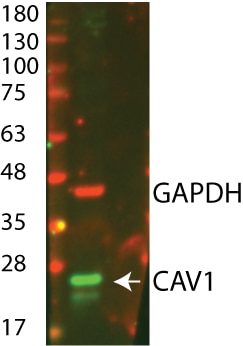 |
Priya (Verified Customer) (06-21-2023) | Used this antibody for Caco2 cells andmice tissue
|
Priya (Verified Customer) (06-21-2023) | Used this antibody for Caco2 cells andmice tissue
|
Priya (Verified Customer) (04-17-2023) | Used for Caco2 cells
|
Priya (Verified Customer) (04-17-2023) | Used for Caco2 cells
|
Emma (Verified Customer) (03-15-2022) | Works really well @ 1:1000 for WB in PC3 and DU145 cells. Single band seen.
|
Kushal (Verified Customer) (08-09-2021) | We tried to use the antibody at high concentrations of 1:100, yet we do not get bands in our blots.
|

















