

Tested Applications
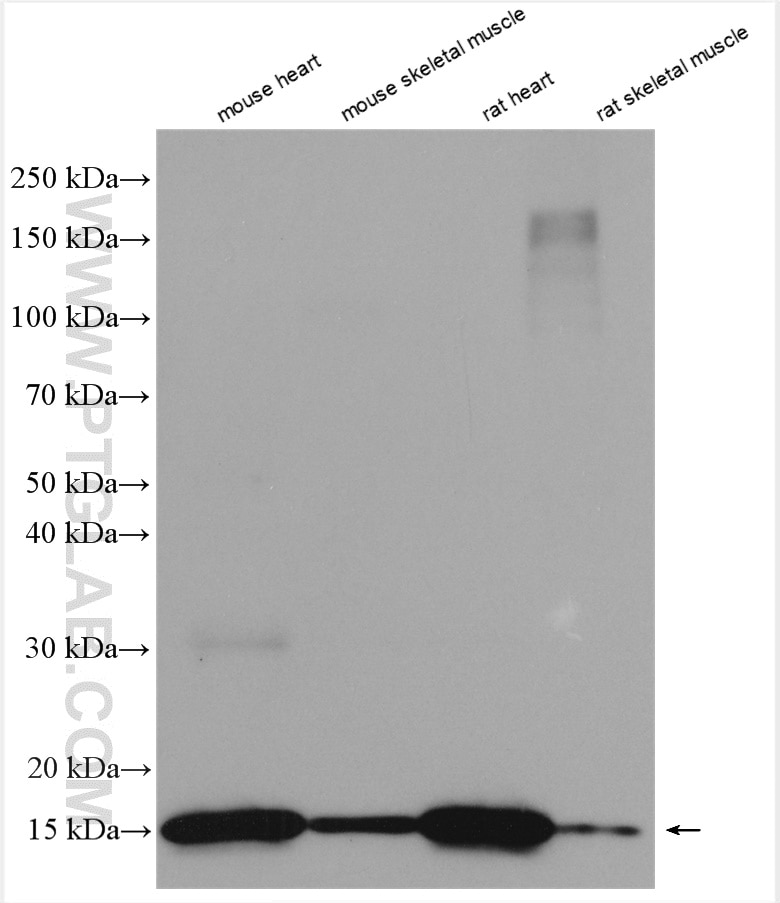
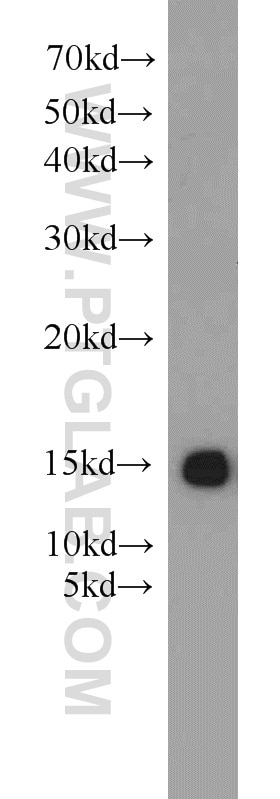
| Positive WB detected in | mouse heart tissue, rat testis tissue, mouse skeletal muscle tissue, rat heart tissue, rat skeletal muscle tissue |
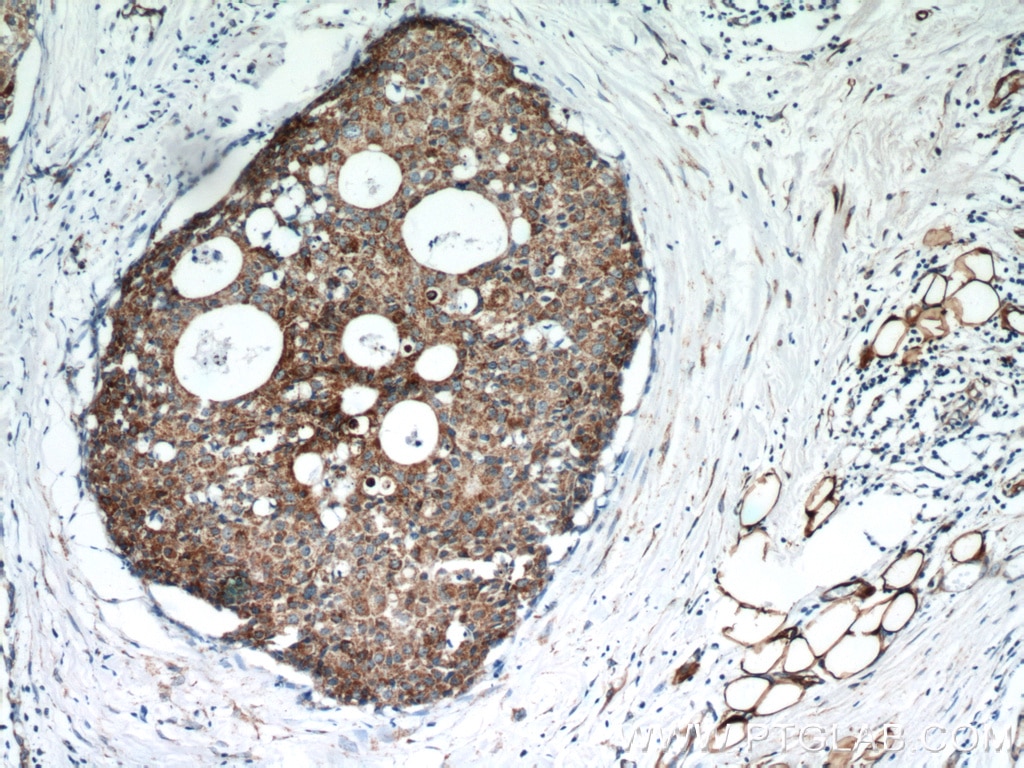
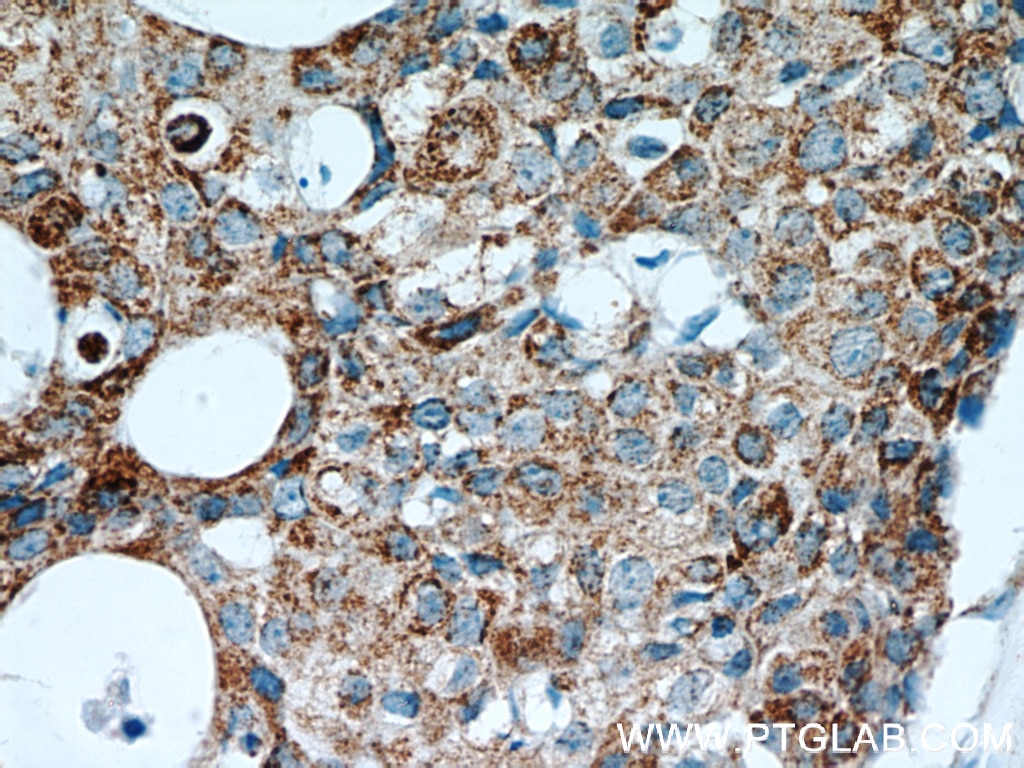
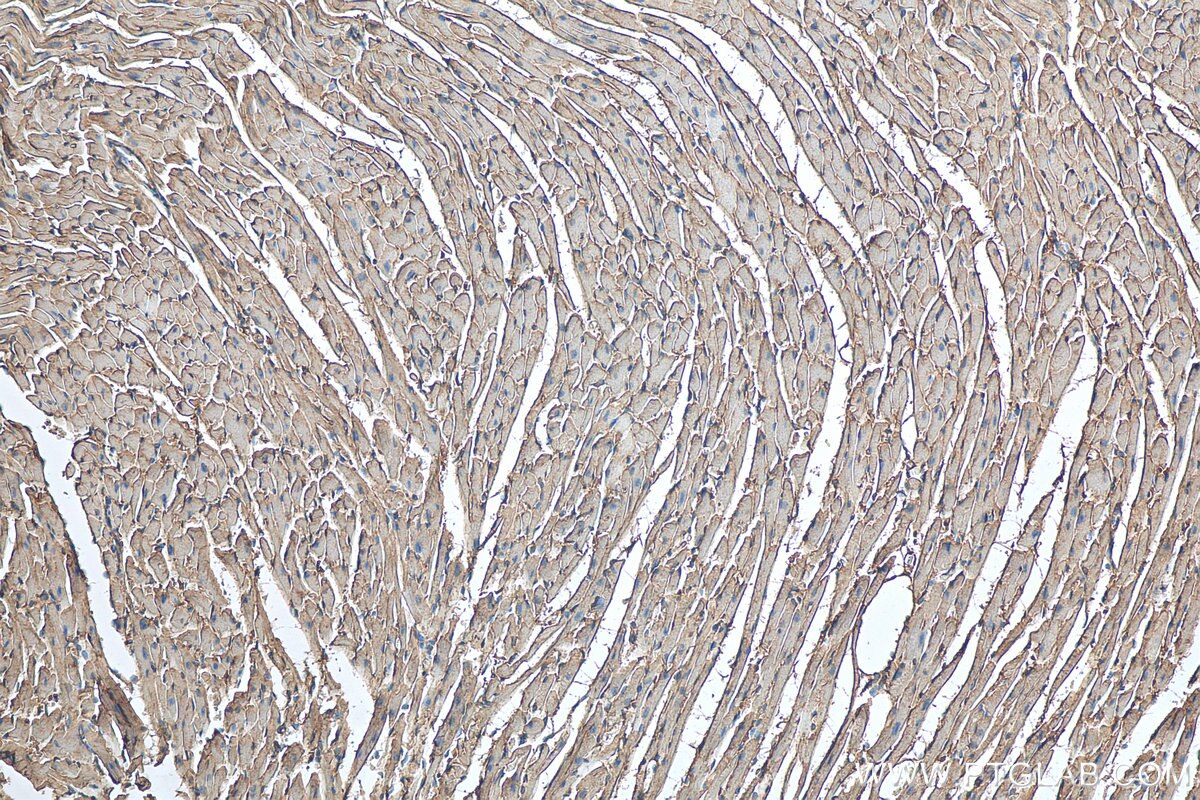
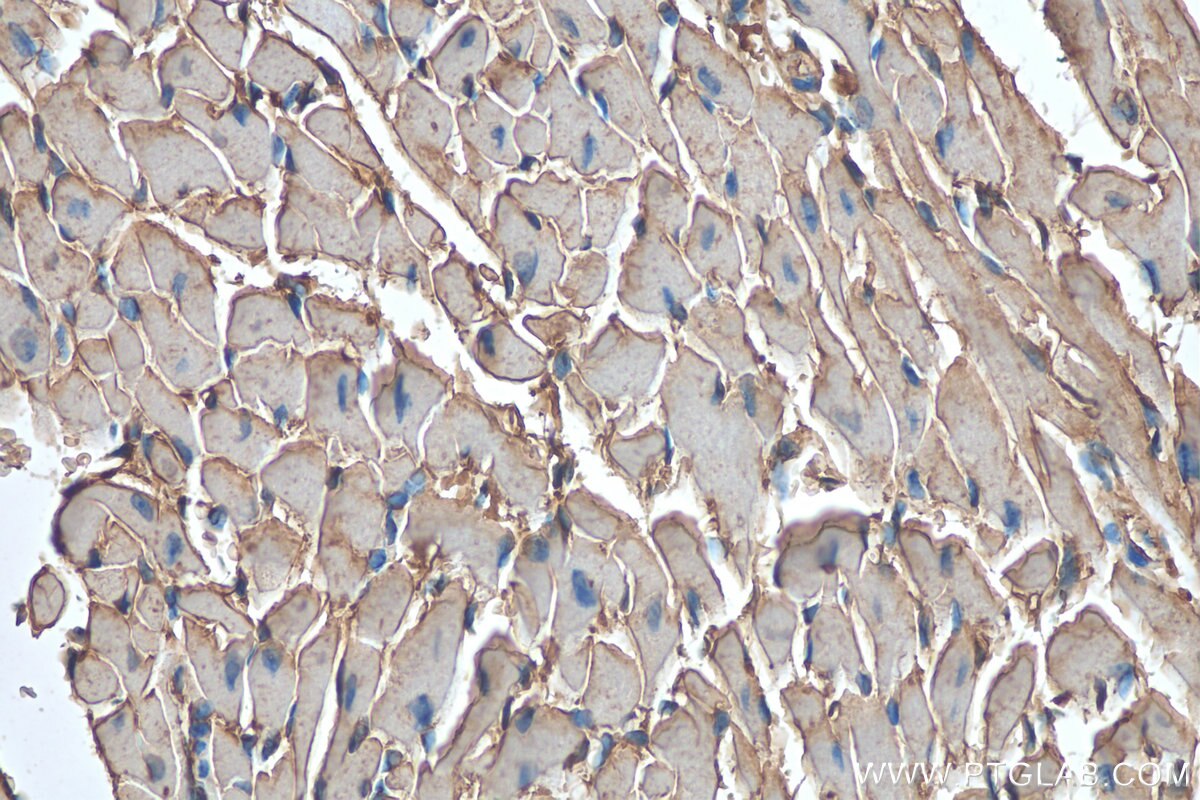
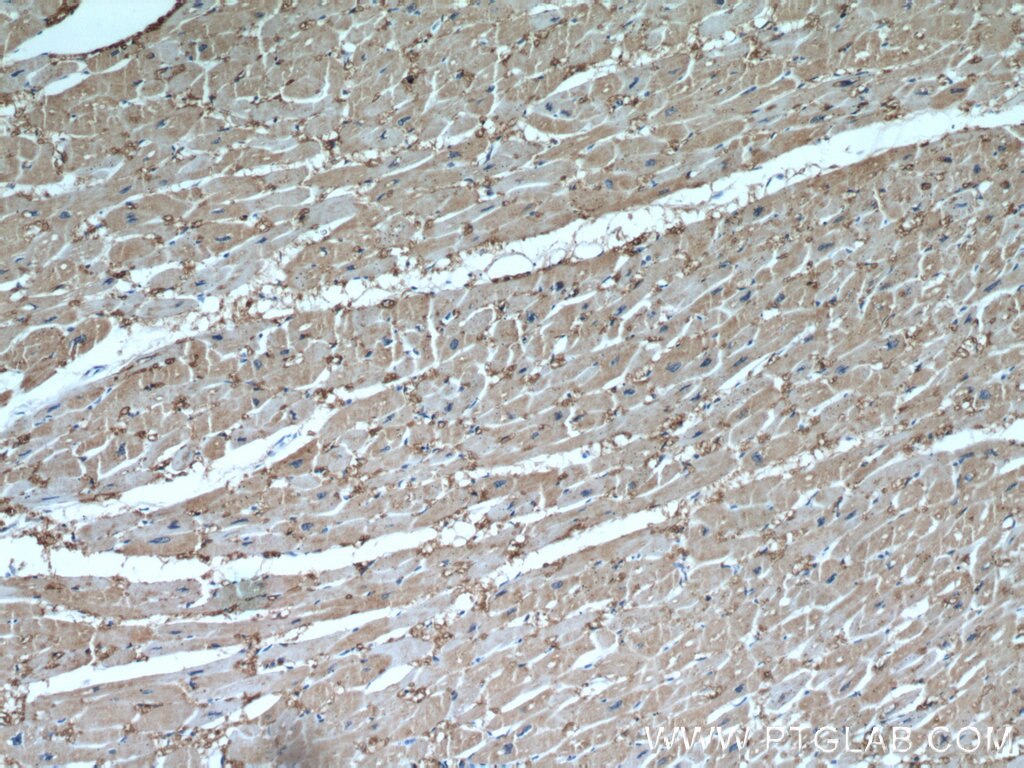
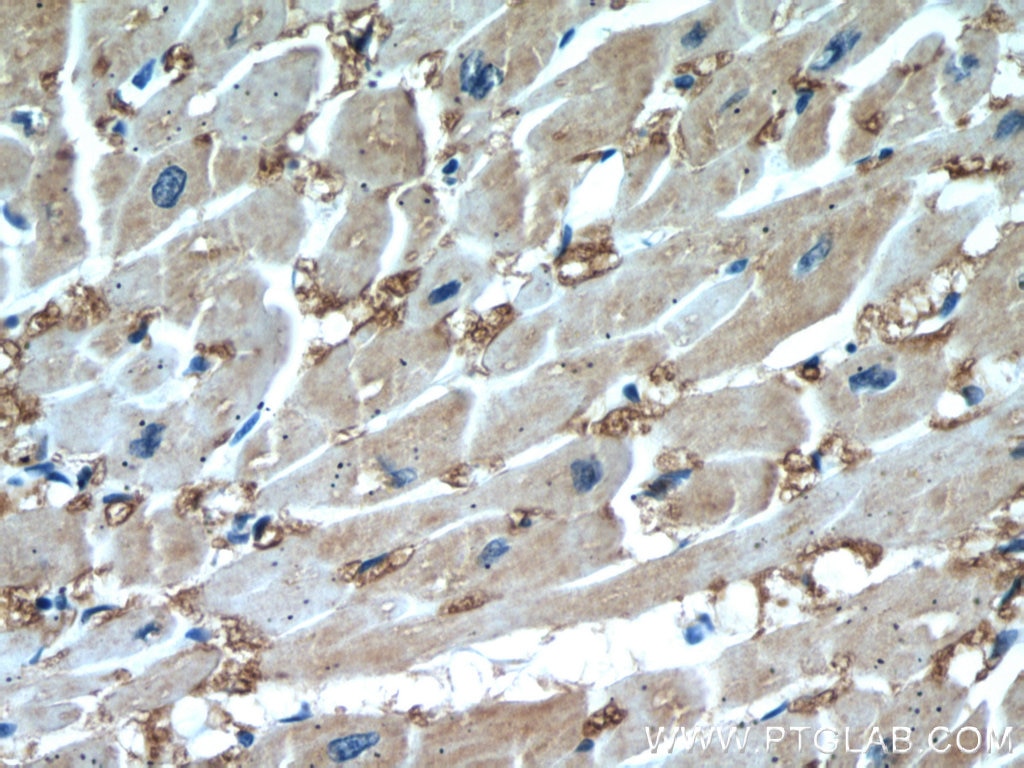
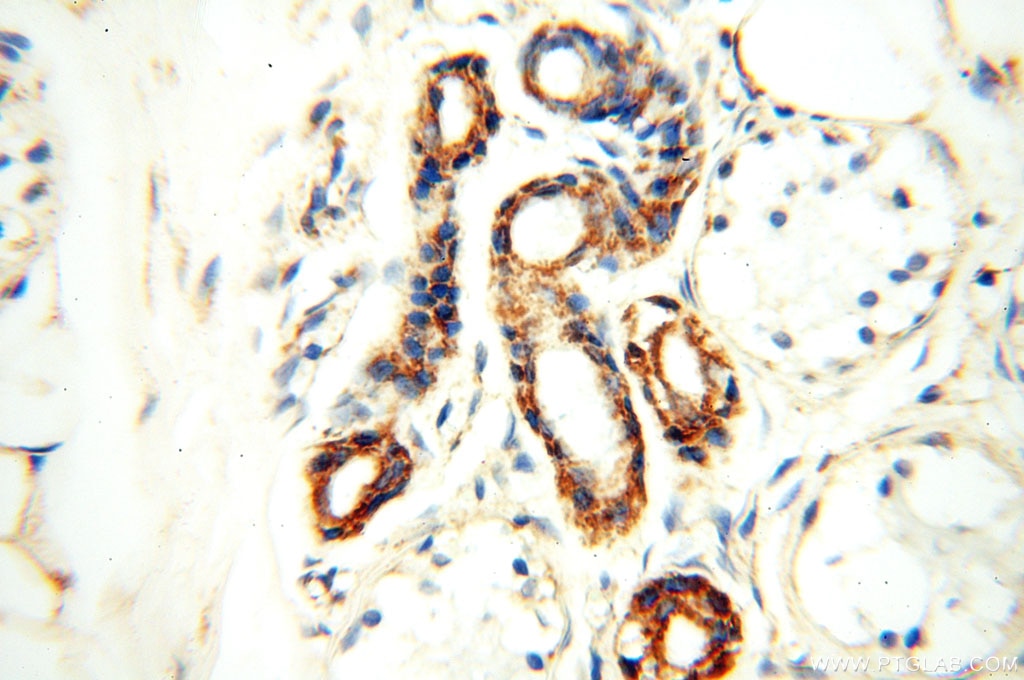
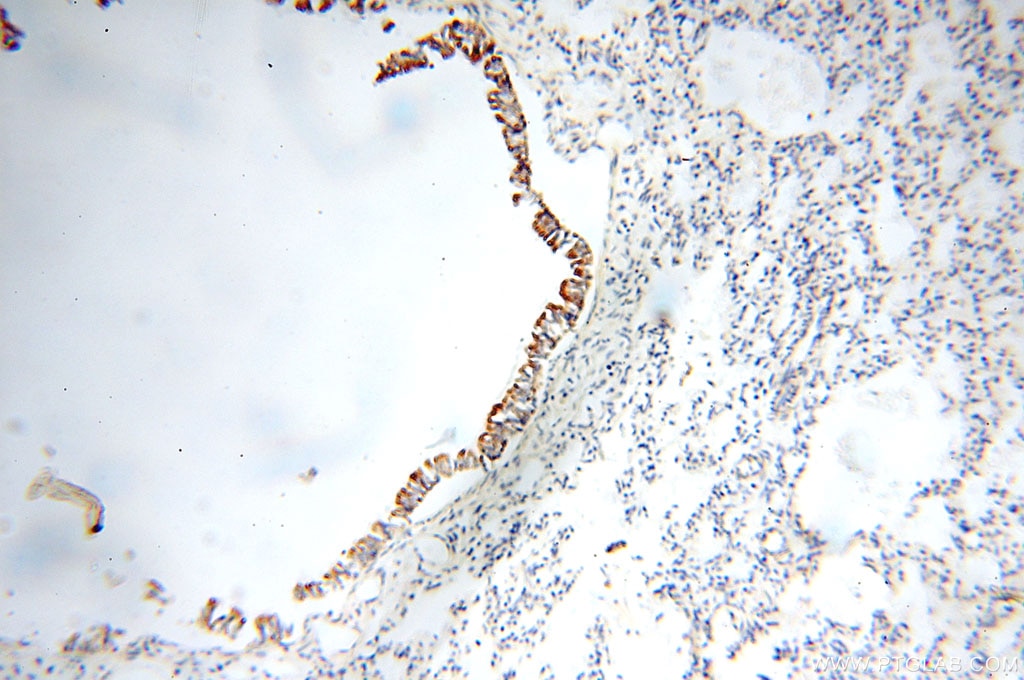
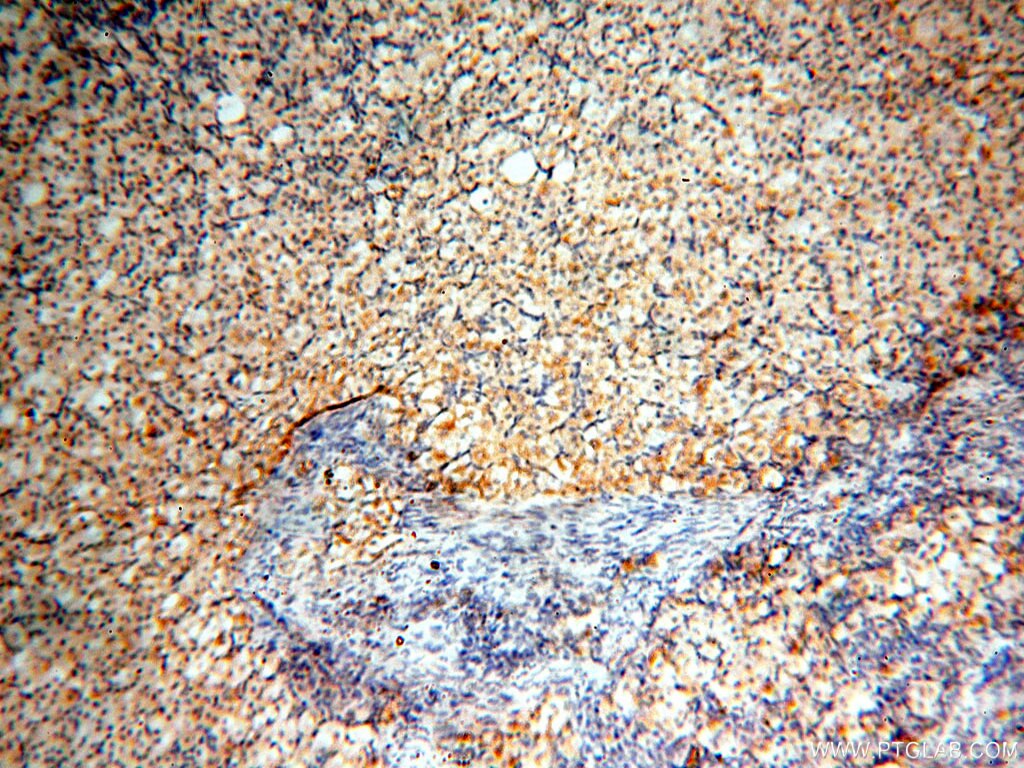
| Positive IHC detected in | mouse heart tissue, human skin tissue, human lung tissue, human ovary tissue, human breast cancer tissue, human heart tissue Note: suggested antigen retrieval with TE buffer pH 9.0; (*) Alternatively, antigen retrieval may be performed with citrate buffer pH 6.0 |
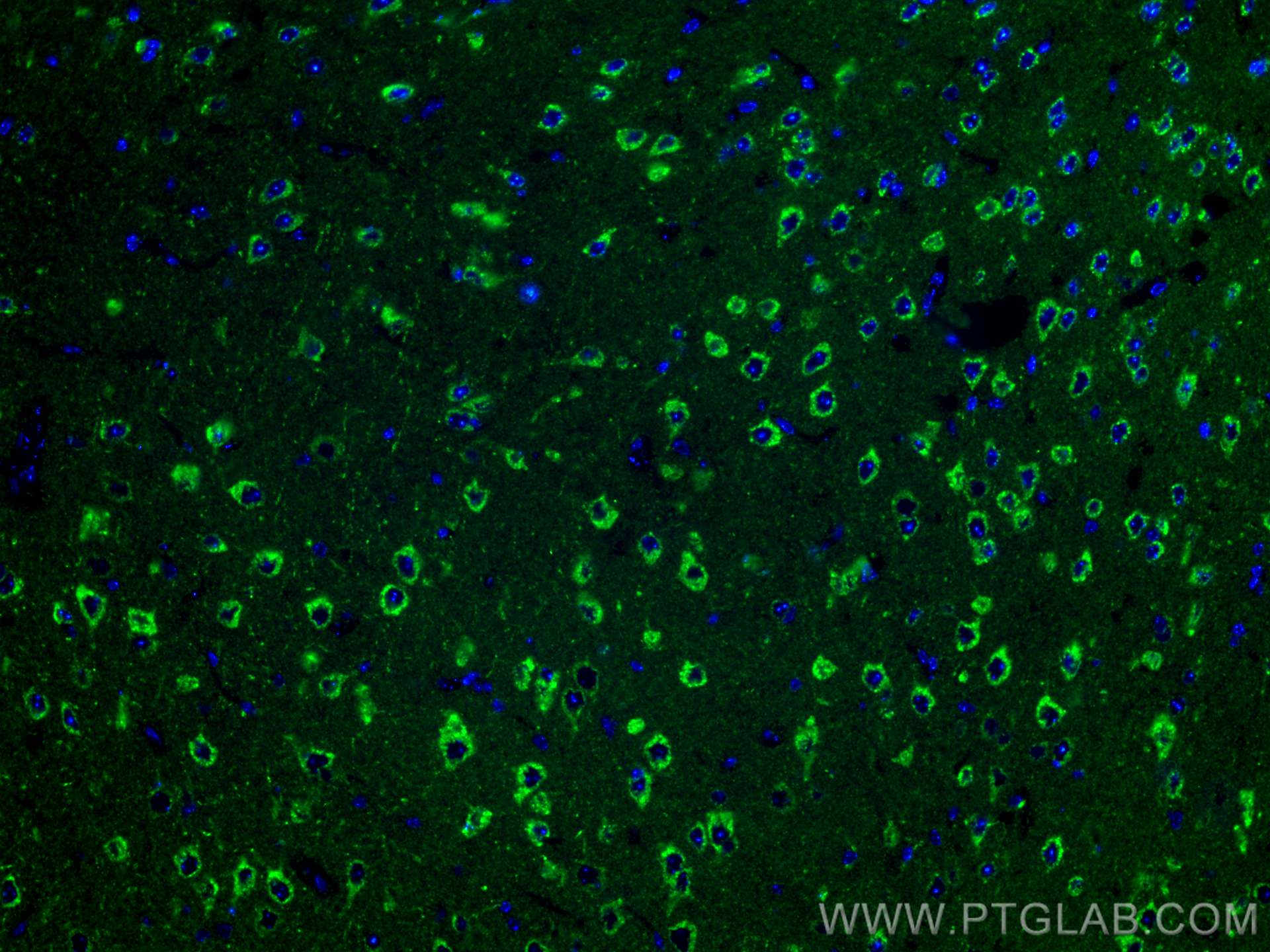
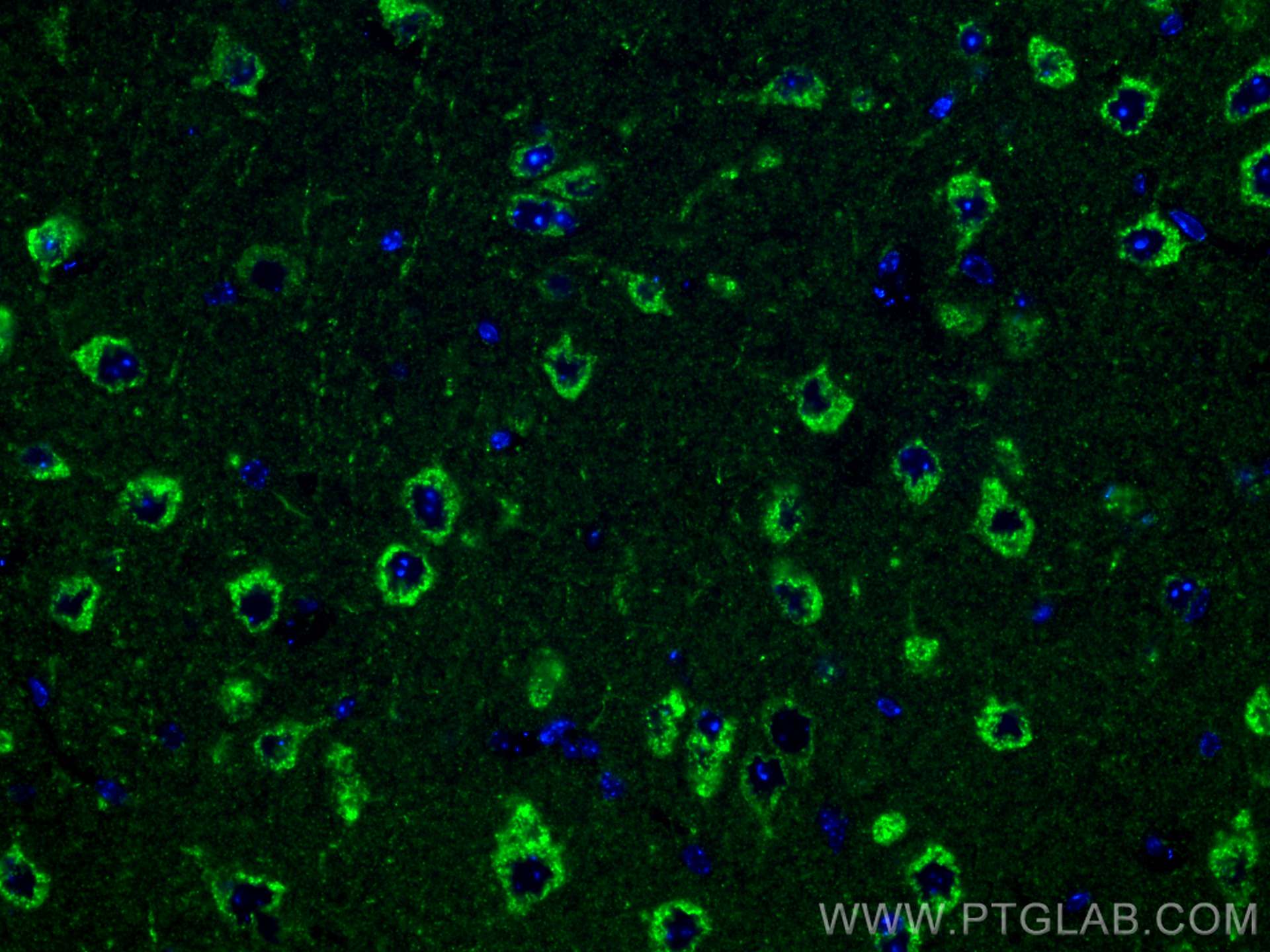
| Positive IF-P detected in | mouse brain tissue |
Recommended dilution
| Application | Dilution |
|---|---|
| Western Blot (WB) | WB : 1:2000-1:16000 |
| Immunohistochemistry (IHC) | IHC : 1:200-1:800 |
| Immunofluorescence (IF)-P | IF-P : 1:50-1:500 |
| It is recommended that this reagent should be titrated in each testing system to obtain optimal results. | |
| Sample-dependent, Check data in validation data gallery. | |
Product Information
10676-1-AP targets FABP3 in WB, IHC, IF-P, IP, CoIP, ELISA applications and shows reactivity with human, mouse, rat samples.
| Tested Reactivity | human, mouse, rat |
| Cited Reactivity | human, mouse, rat, bovine, sheep, goat |
| Host / Isotype | Rabbit / IgG |
| Class | Polyclonal |
| Type | Antibody |
| Immunogen |
CatNo: Ag1069 Product name: Recombinant human FABP3 protein Source: e coli.-derived, PGEX-4T Tag: GST Domain: 1-133 aa of BC007021 Sequence: MVDAFLGTWKLVDSKNFDDYMKSLGVGFATRQVASMTKPTTIIEKNGDILTLKTHSTFKNTEISFKLGVEFDETTADDRKVKSIVTLDGGKLVHLQKWDGQETTLVRELIDGKLILTLTHGTAVCTRTYEKEA Predict reactive species |
| Full Name | fatty acid binding protein 3, muscle and heart (mammary-derived growth inhibitor) |
| Calculated Molecular Weight | 15 kDa |
| Observed Molecular Weight | 15 kDa |
| GenBank Accession Number | BC007021 |
| Gene Symbol | FABP3 |
| Gene ID (NCBI) | 2170 |
| RRID | AB_2102309 |
| Conjugate | Unconjugated |
| Form | Liquid |
| Purification Method | Antigen affinity purification |
| UNIPROT ID | P05413 |
| Storage Buffer | PBS with 0.02% sodium azide and 50% glycerol, pH 7.3. |
| Storage Conditions | Store at -20°C. Stable for one year after shipment. Aliquoting is unnecessary for -20oC storage. 20ul sizes contain 0.1% BSA. |
Background Information
FABP3 (fatty-acid-binding protein 3), also known as heart-type FABP or mammary-derived growth inhibitor (MDGI), is a small 15-kDa cytoplasmic protein transporting fatty acids and other lipophilic substances from the cytoplasm to the nucleus. It is most ubiquitously expressed in heart and skeletal muscle.
Protocols
| Product Specific Protocols | |
|---|---|
| IF protocol for FABP3 antibody 10676-1-AP | Download protocol |
| IHC protocol for FABP3 antibody 10676-1-AP | Download protocol |
| WB protocol for FABP3 antibody 10676-1-AP | Download protocol |
| Standard Protocols | |
|---|---|
| Click here to view our Standard Protocols |
Publications
What published studies show
Anti-FABP3 antibody (Cat# 10676-1-AP) has 38 citations published in journals including Cell Metabolism, Cell Stem Cell, Bone Research, ACS Nano, Cell Discovery, Advanced Science, Biomaterials, Cell Death & Disease, Journal of Biological Chemistry, FASEB Journal, Journal of Neuroscience, Journal of Lipid Research, and Communications Biology. Research fields span lipid metabolism, neurodegeneration, cardiovascular disease, oncology, immunology, developmental biology, and endocrinology.
| Species | Application | Title |
|---|---|---|
Cell Metab An integrated multi-omics analysis reveals osteokines involved in global regulation | ||
Cell Stem Cell Single-cell analysis of embryoids reveals lineage diversification roadmaps of early human development | ||
Bone Res Pak4-mediated crosstalk between necroptotic macrophages and tendon stem/progenitor cells contributes to traumatic heterotopic ossification formation. | ||
ACS Nano Nanointegrative In Situ Reprogramming of Tumor-Intrinsic Lipid Droplet Biogenesis for Low-Dose Radiation-Activated Ferroptosis Immunotherapy | ||
Cell Discov Luminal hormone-responsive cells tune the regenerative remodeling of mammary glands in large mammals. | ||
Adv Sci (Weinh) BIN1 and ALDH1B1 Deficiency in Colonic Smooth Muscle Drives Mitochondrial Dysfunction and Fibrosis in Slow-Transit Constipation. |
Reviews
What customers say
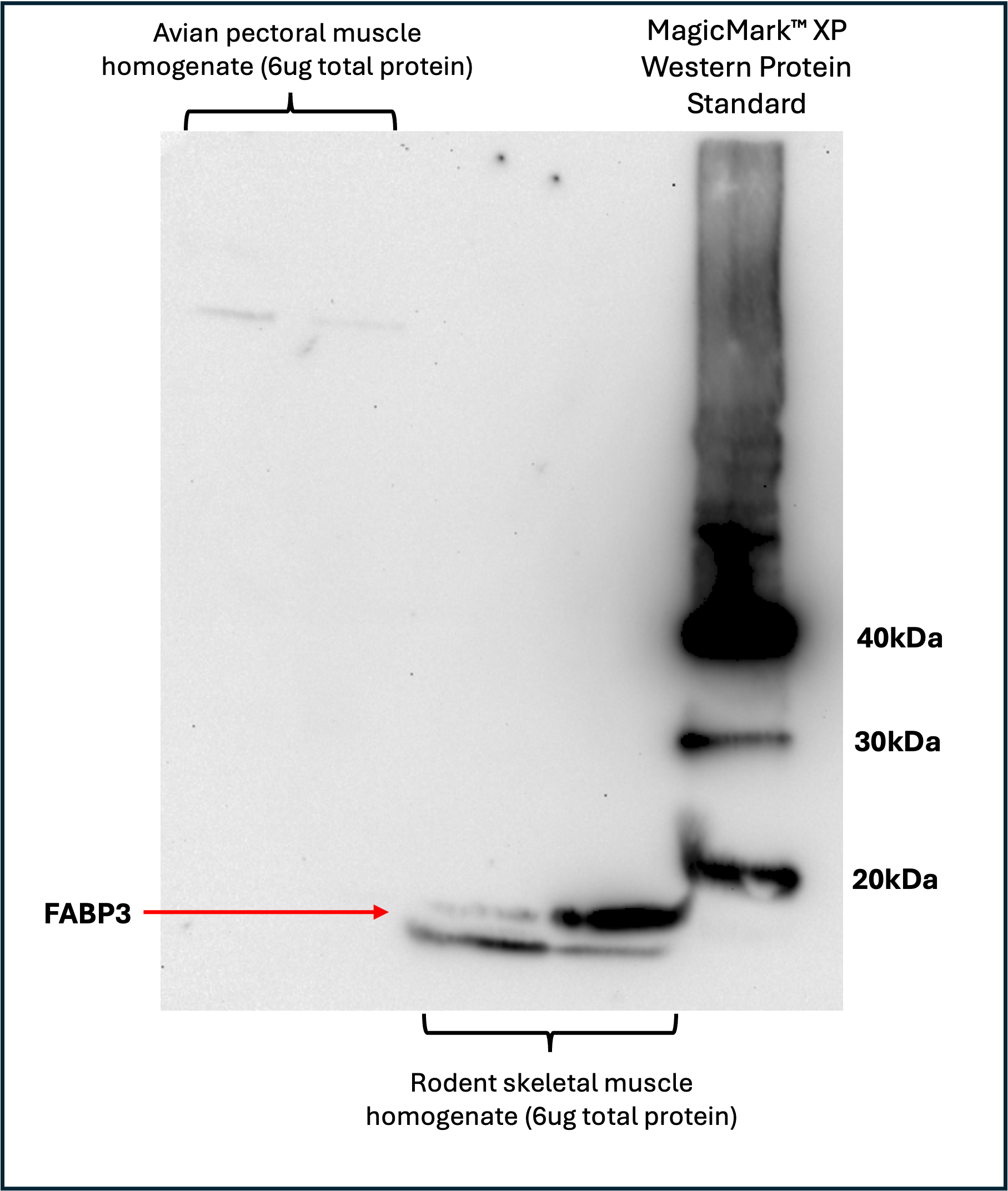
Both reviewers used the antibody for Western Blot. One user (human iPSC, 1:2000) gave a perfect 5-star rating, stating it "works really great." The other (avian and rodent skeletal muscle, 1:1000) gave 3 stars, reporting clear 15 kDa bands in rodent tissue but barely visible bands in avian pectoralis muscle. Overall, the antibody performs well in human and rodent samples but may have reduced sensitivity in avian tissues.
The reviews below have been submitted by verified Proteintech customers who received an incentive for providing their feedback.
Katarina (Verified Customer) (02-11-2026) | It works really great!
|
Sampath Kumar (Verified Customer) (02-26-2024) | The FABP3 antibody worked well at 1:1000 dilution on rodent skeletal muscle tissue homogenates (6ug total protein), producing bands at 15kDa. However, homogenates from Avian pectoralis muscle homogenates (6ug total protein) produced barely visible bands.
 |














