

Tested Applications
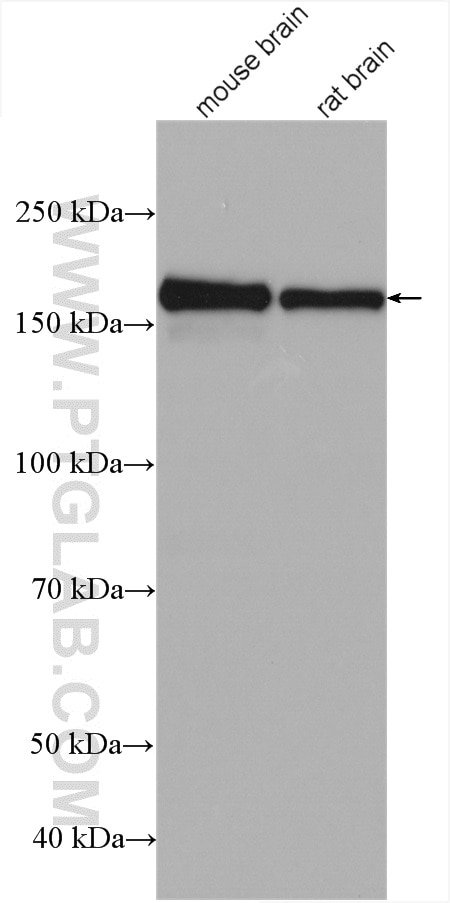
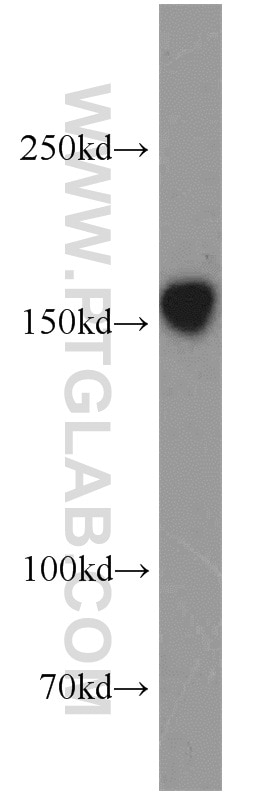
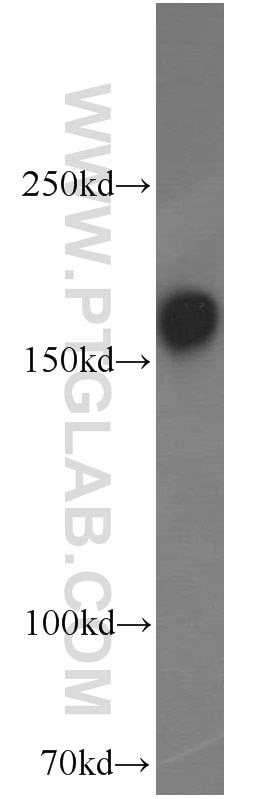
| Positive WB detected in | mouse brain tissue, human brain tissue, rat brain tissue |
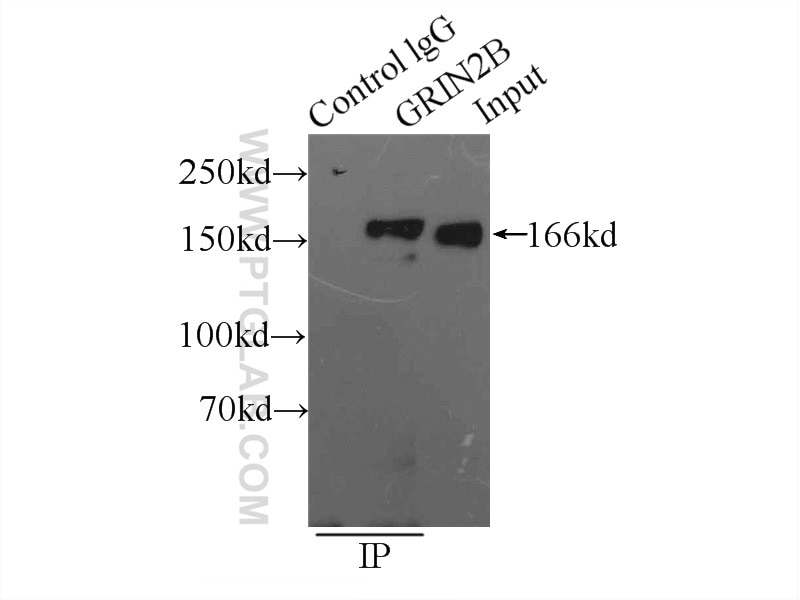
| Positive IP detected in | mouse brain tissue |
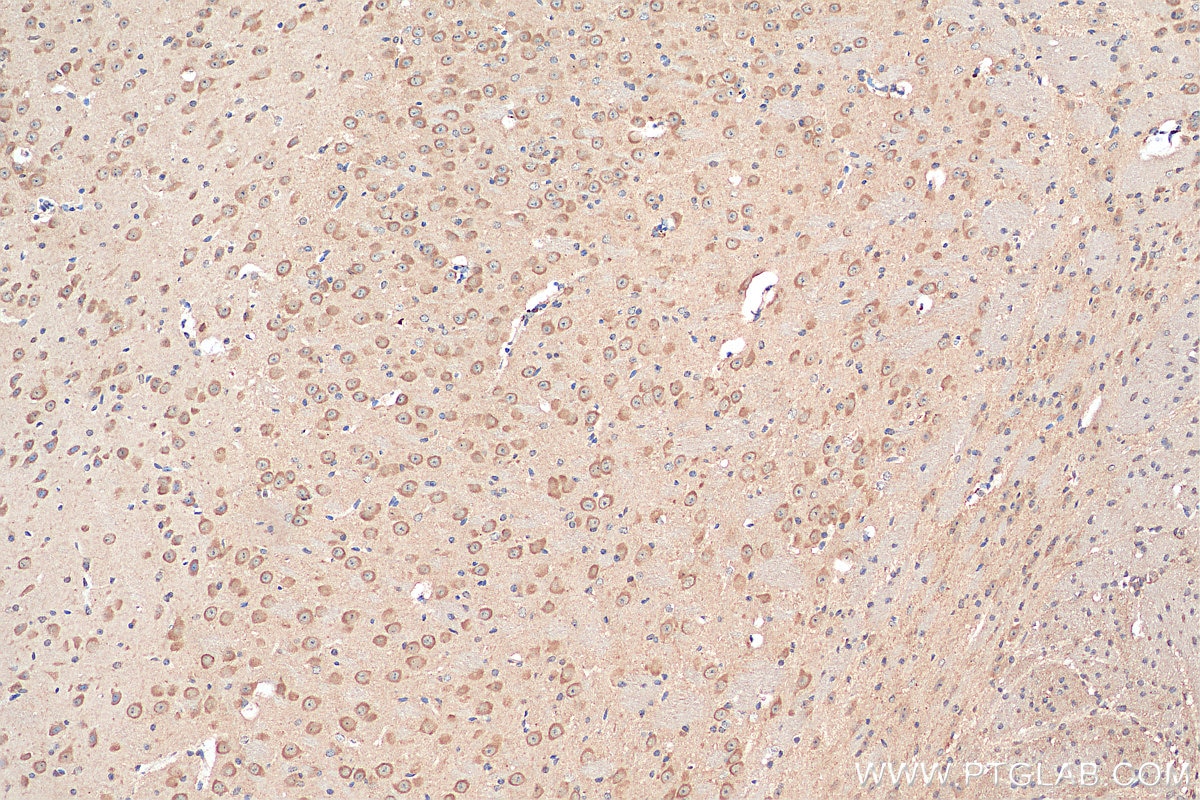
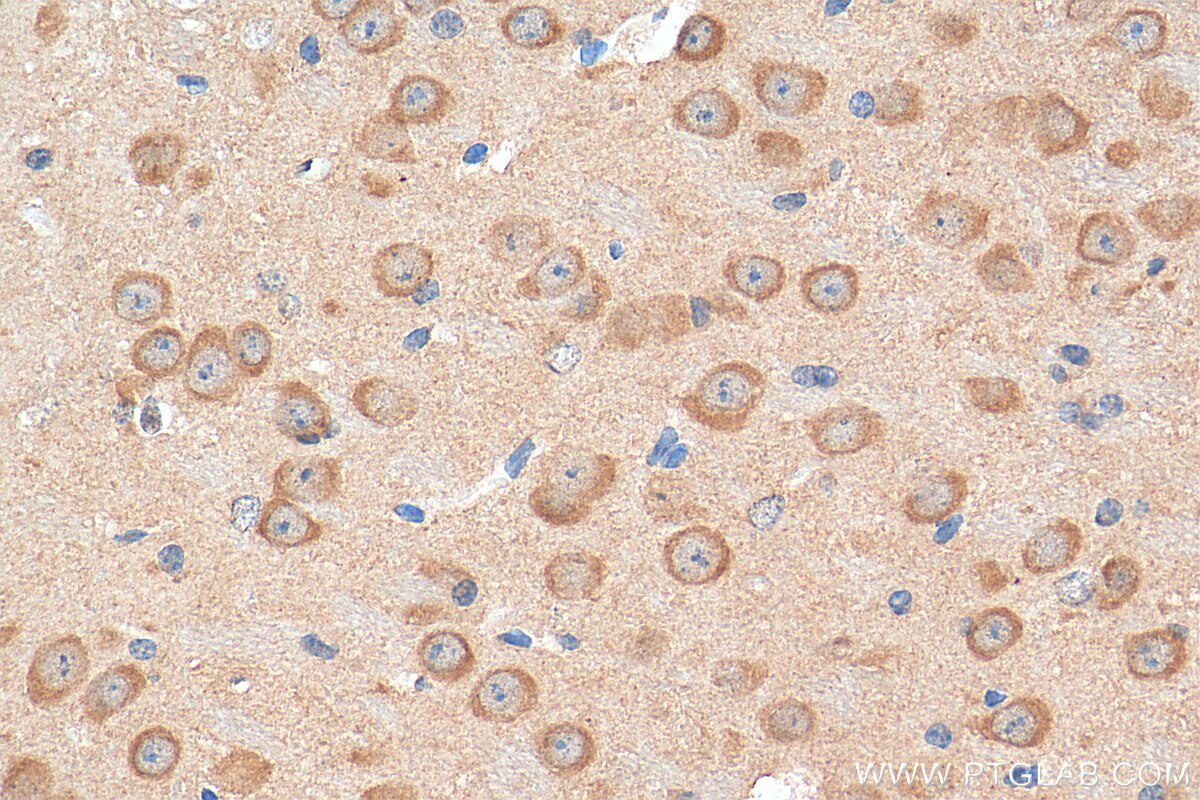
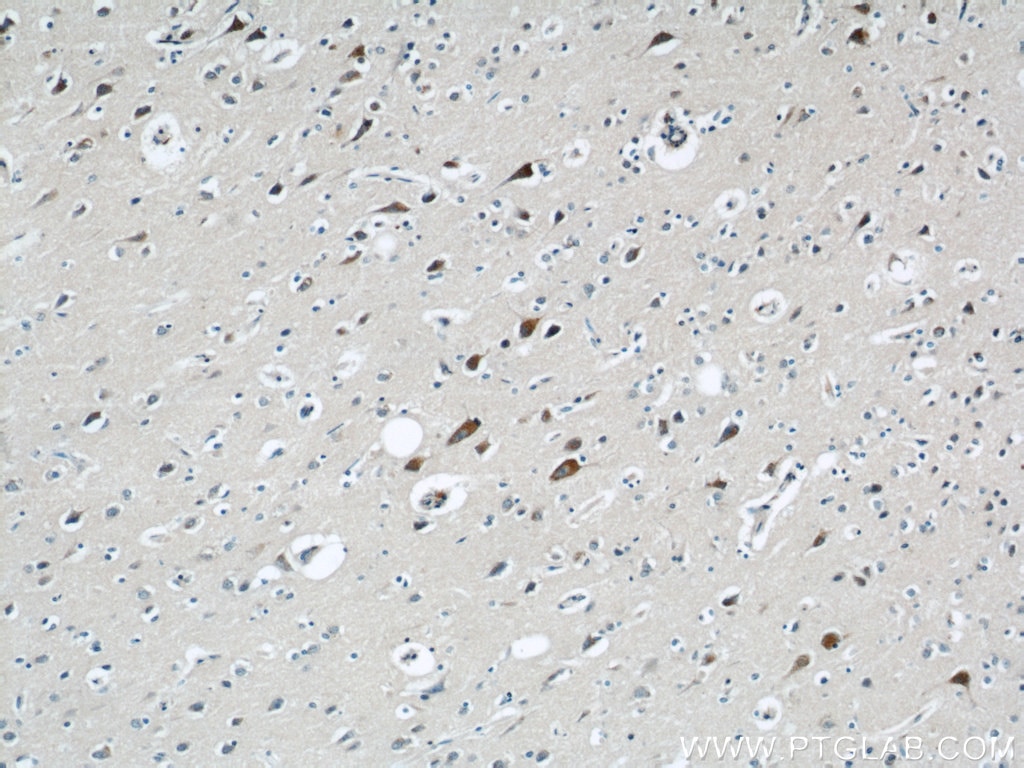
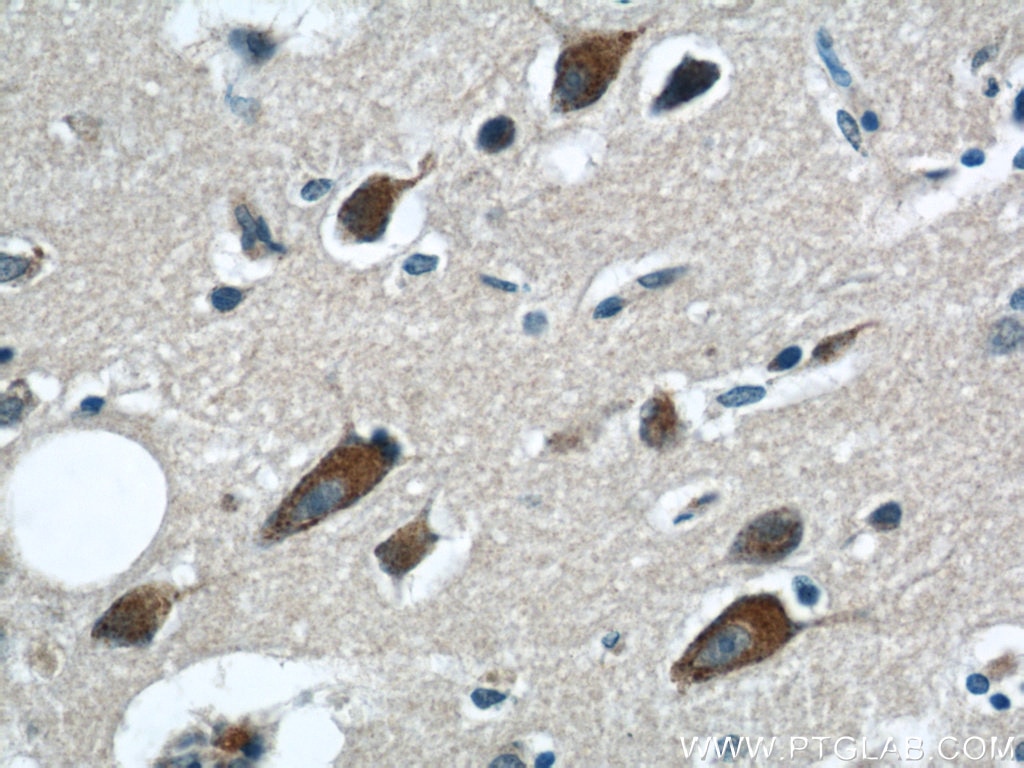
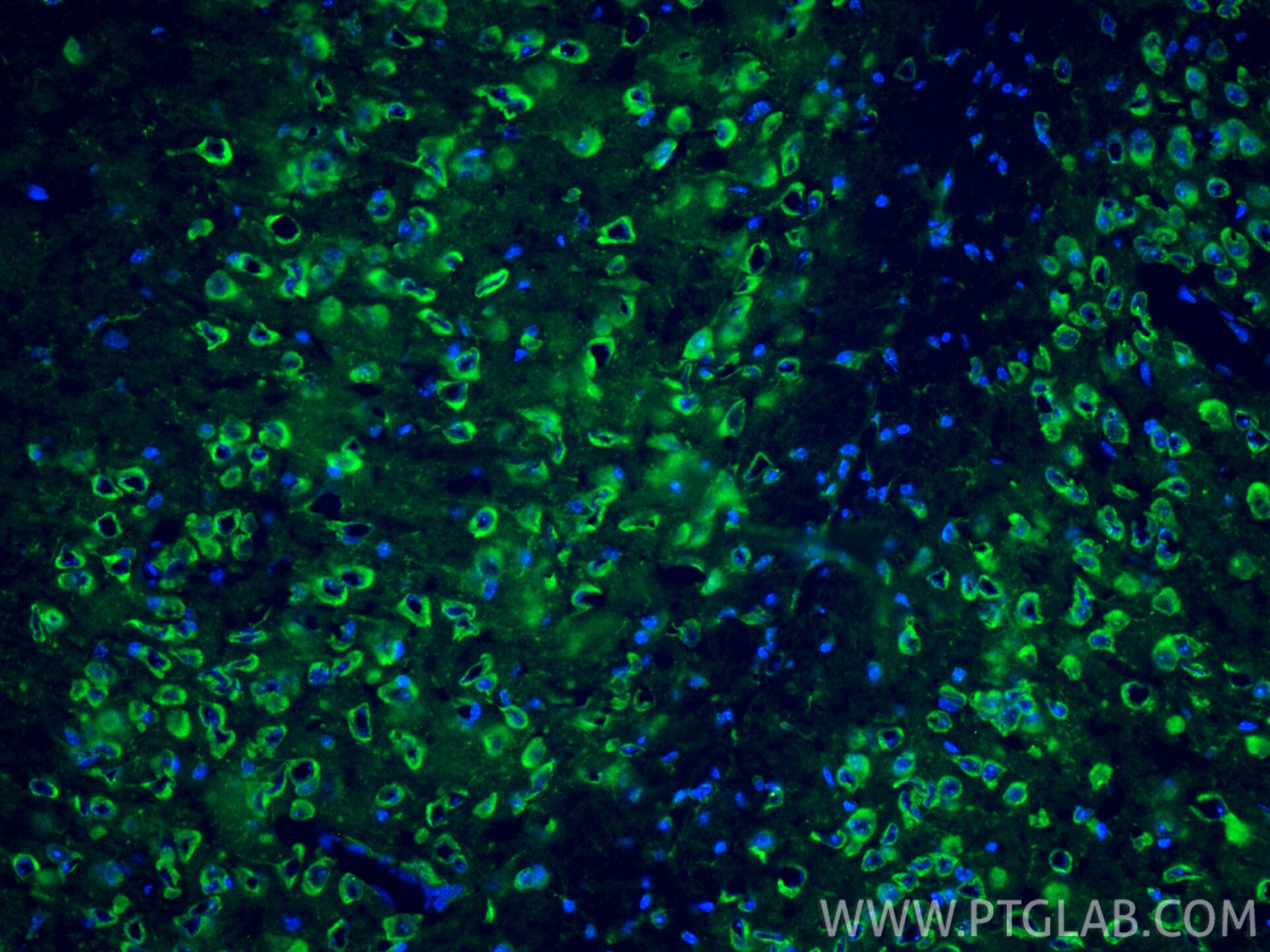
| Positive IHC detected in | mouse brain tissue, human brain tissue Note: suggested antigen retrieval with TE buffer pH 9.0; (*) Alternatively, antigen retrieval may be performed with citrate buffer pH 6.0 |
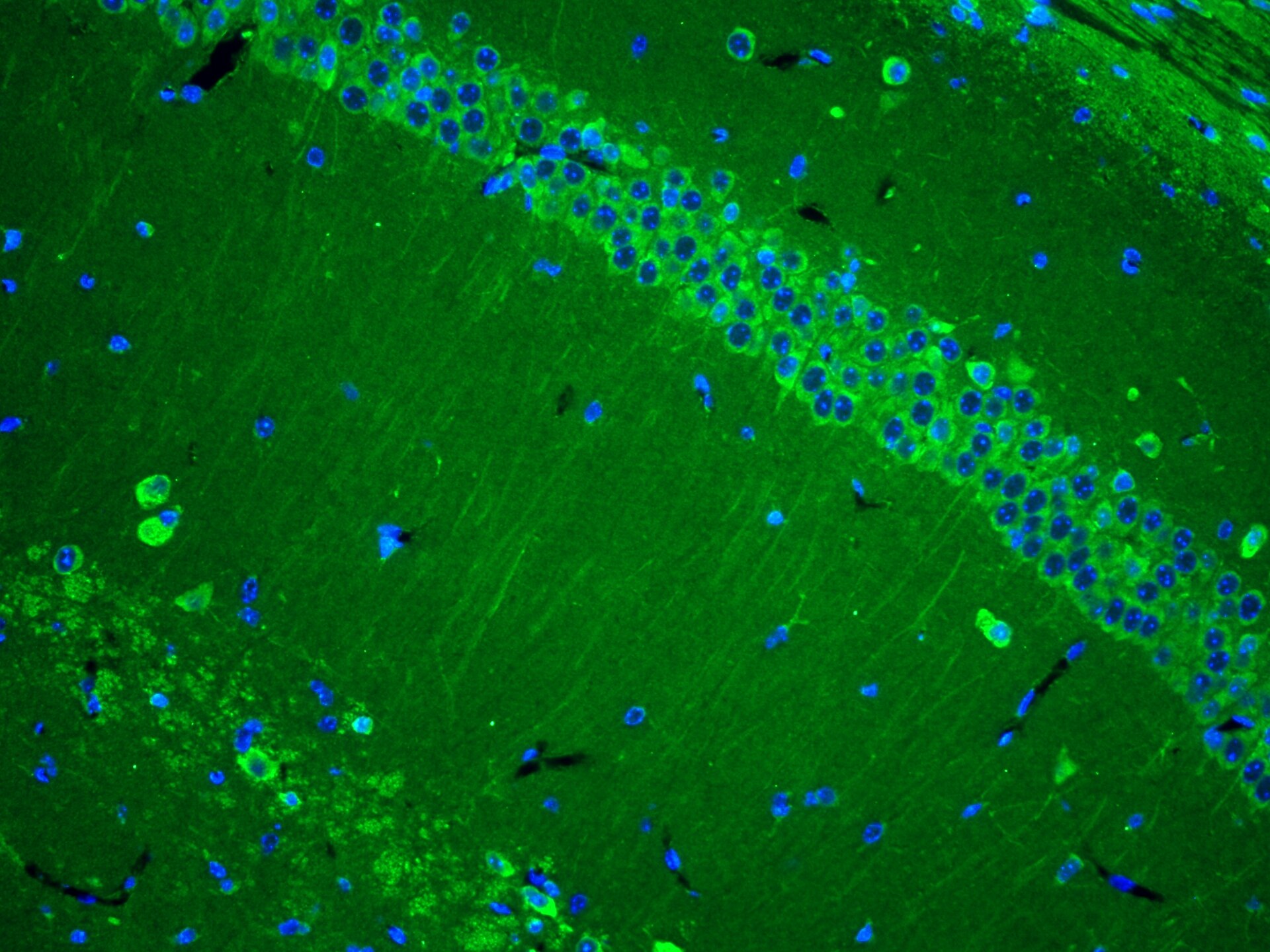
| Positive IF-P detected in | mouse brain tissue |
| Positive IF-Fro detected in | mouse brain tissue |
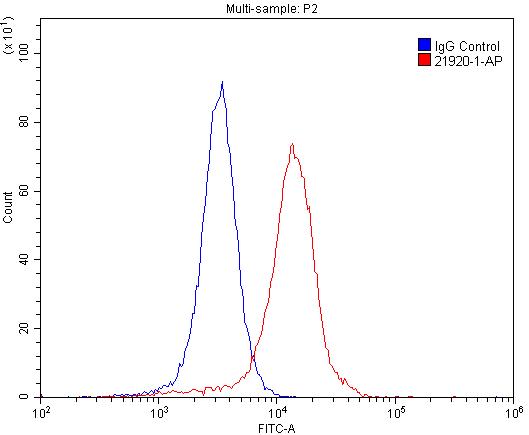
| Positive FC (Intra) detected in | SH-SY5Y cells |
Recommended dilution
| Application | Dilution |
|---|---|
| Western Blot (WB) | WB : 1:500-1:4000 |
| Immunoprecipitation (IP) | IP : 0.5-4.0 ug for 1.0-3.0 mg of total protein lysate |
| Immunohistochemistry (IHC) | IHC : 1:50-1:500 |
| Immunofluorescence (IF)-P | IF-P : 1:50-1:500 |
| Immunofluorescence (IF)-FRO | IF-FRO : 1:50-1:500 |
| Flow Cytometry (FC) (INTRA) | FC (INTRA) : 0.20 ug per 10^6 cells in a 100 µl suspension |
| It is recommended that this reagent should be titrated in each testing system to obtain optimal results. | |
| Sample-dependent, Check data in validation data gallery. | |
Product Information
21920-1-AP targets NMDAR2B/GRIN2B in WB, IHC, IF-P, IF-Fro, FC (Intra), IP, CoIP, ELISA applications and shows reactivity with human, mouse, rat samples.
| Tested Reactivity | human, mouse, rat |
| Cited Reactivity | human, mouse, rat, zebra finch |
| Host / Isotype | Rabbit / IgG |
| Class | Polyclonal |
| Type | Antibody |
| Immunogen |
CatNo: Ag16318 Product name: Recombinant human GRIN2B protein Source: e coli.-derived, PGEX-4T Tag: GST Domain: 1133-1485 aa of BC113620 Sequence: YLDQFRTKENSPHWEHVDLTDIYKERSDDFKRDSVSGGGPCTNRSHIKHGTGDKHGVVSGVPAPWEKNLTNVEWEDRSGGNFCRSCPSKLHNYSTTVTGQNSGRQACIRCEACKKAGNLYDISEDNSLQELDQPAAPVAVTSNASTTKYPQSPTNSKAQKKNRNKLRRQHSYDTFVDLQKEEAALAPRSVSLKDKGRFMDGSPYAHMFEMSAGESTFANNKSSVPTAGHHHHNNPGGGYMLSKSLYPDRVTQNPFIPTFGDDQCLLHGSKSYFFRQPTVAGASKARPDFRALVTNKPVVSALHGAVPARFQKDICIGNQSNPCVPNNKNPRAFNGSSNGHVYEKLSSIESDV Predict reactive species |
| Full Name | glutamate receptor, ionotropic, N-methyl D-aspartate 2B |
| Calculated Molecular Weight | 1484 aa, 166 kDa |
| Observed Molecular Weight | 166 kDa |
| GenBank Accession Number | BC113620 |
| Gene Symbol | GRIN2B |
| Gene ID (NCBI) | 2904 |
| RRID | AB_11232223 |
| Conjugate | Unconjugated |
| Form | Liquid |
| Purification Method | Antigen affinity purification |
| UNIPROT ID | Q13224 |
| Storage Buffer | PBS with 0.02% sodium azide and 50% glycerol, pH 7.3. |
| Storage Conditions | Store at -20°C. Stable for one year after shipment. Aliquoting is unnecessary for -20oC storage. 20ul sizes contain 0.1% BSA. |
Background Information
GRIN2B (also known as GluN2B or NMDAR2B) is a member of the N-methyl-D-aspartate (NMDA) receptor family within the ionotropic glutamate receptor superfamily. NMDA receptors are widely expressed in the central nervous system and play a major role in excitatory synaptic transmission and plasticity (PMID: 23223336). NMDA receptors large multi-subunit complexes arranged into heteromeric assemblies composed of four homologous subunits within a repertoire of over 10 different subunits: eight GluN1 isoforms, four GluN2 subunits (A-D) and two GluN3 subunits (A and B) (PMID: 21395862). Naturally occurring mutations within GRIN2B gene are associated with neurodevelopmental disorders including autism spectrum disorder, attention deficit hyperactivity disorder, epilepsy, and schizophrenia.
Protocols
| Product Specific Protocols | |
|---|---|
| FC protocol for NMDAR2B/GRIN2B antibody 21920-1-AP | Download protocol |
| IF protocol for NMDAR2B/GRIN2B antibody 21920-1-AP | Download protocol |
| IHC protocol for NMDAR2B/GRIN2B antibody 21920-1-AP | Download protocol |
| IP protocol for NMDAR2B/GRIN2B antibody 21920-1-AP | Download protocol |
| WB protocol for NMDAR2B/GRIN2B antibody 21920-1-AP | Download protocol |
| Standard Protocols | |
|---|---|
| Click here to view our Standard Protocols |
Publications
What published studies show
The anti-GluN2B (NR2B) antibody (Cat# 21920-1-AP) has accumulated 159 citations across journals including Science Advances, Journal of Clinical Investigation, Molecular Psychiatry, ACS Nano, Cell Discovery, Theranostics, Developmental Cell, and Neuron-related publications. Research fields span neuroscience (synaptic plasticity, NMDA receptor signaling), Alzheimer's disease, epilepsy, chronic pain, depression, stroke, traumatic brain injury, autism spectrum disorder, and drug addiction. Applications are predominantly Western blot, with additional use in IF, IHC, IP, and CoIP.
| Species | Application | Title |
|---|---|---|
Sci Bull (Beijing) Tumor cell-derived N-acetyl-aspartyl-glutamate reshapes the tumor microenvironment to facilitate breast cancer metastasis
| ||
Mol Neurodegener Nuclear speckle specific hnRNP D-like prevents age- and AD-related cognitive decline by modulating RNA splicing. | ||
Exp Mol Med HMGCS2-dependent β-OHB/H3K9bhb ameliorates synaptic plasticity and cognition in Alzheimer's disease. | ||
ACS Nano Small Molecule Hydrogels Loading Small Molecule Drugs from Chinese Medicine for the Enhanced Treatment of Traumatic Brain Injury | ||
Cell Discov Postsynaptic lncRNA Sera/Pkm2 pathway orchestrates the transition from social competition to rank by remodeling the neural ensemble in mPFC | ||
Theranostics Alisol A ameliorates vascular cognitive impairment via AMPK/NAMPT/SIRT1-mediated regulation of cholesterol and autophagy. |












