

Tested Applications
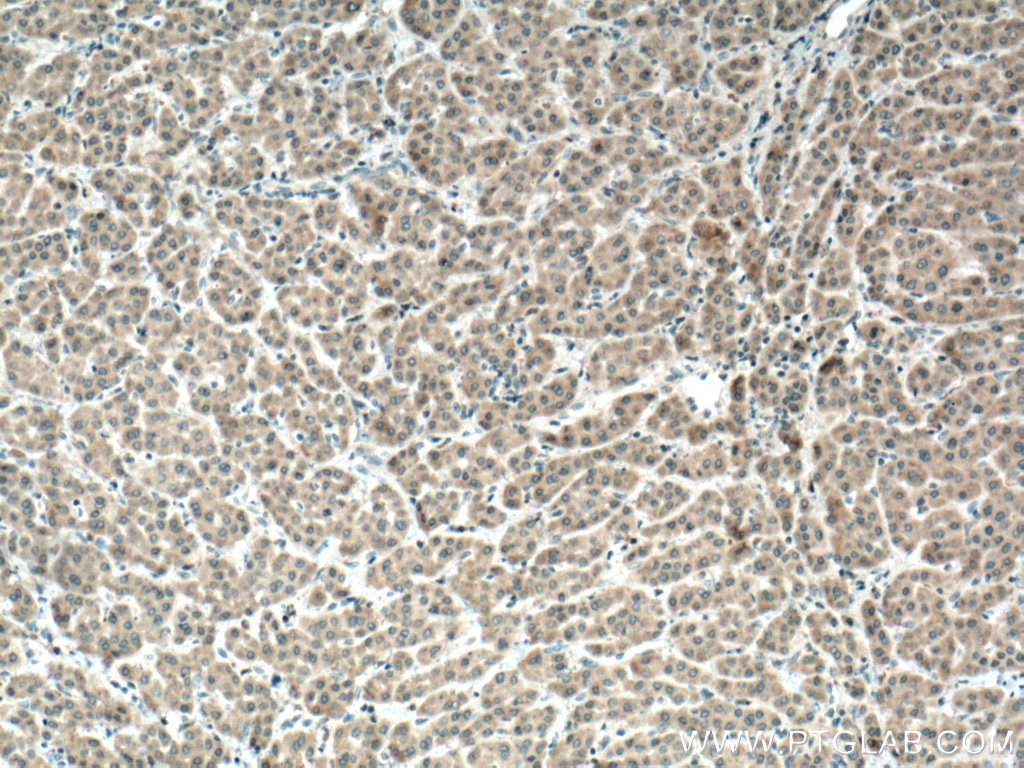
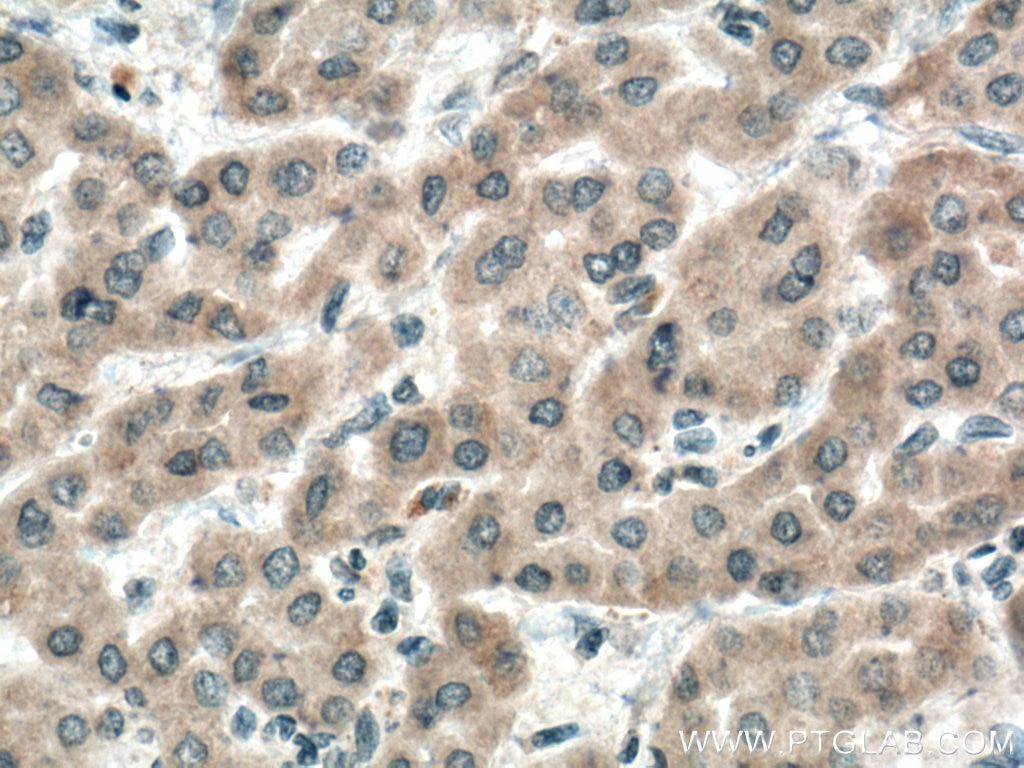
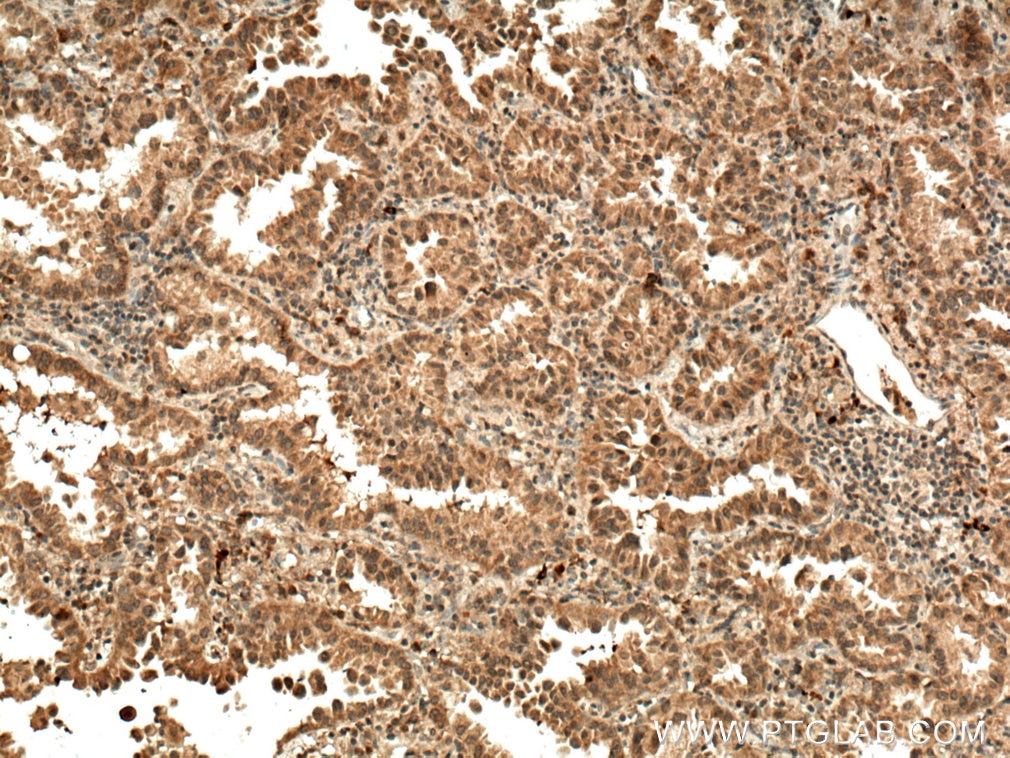
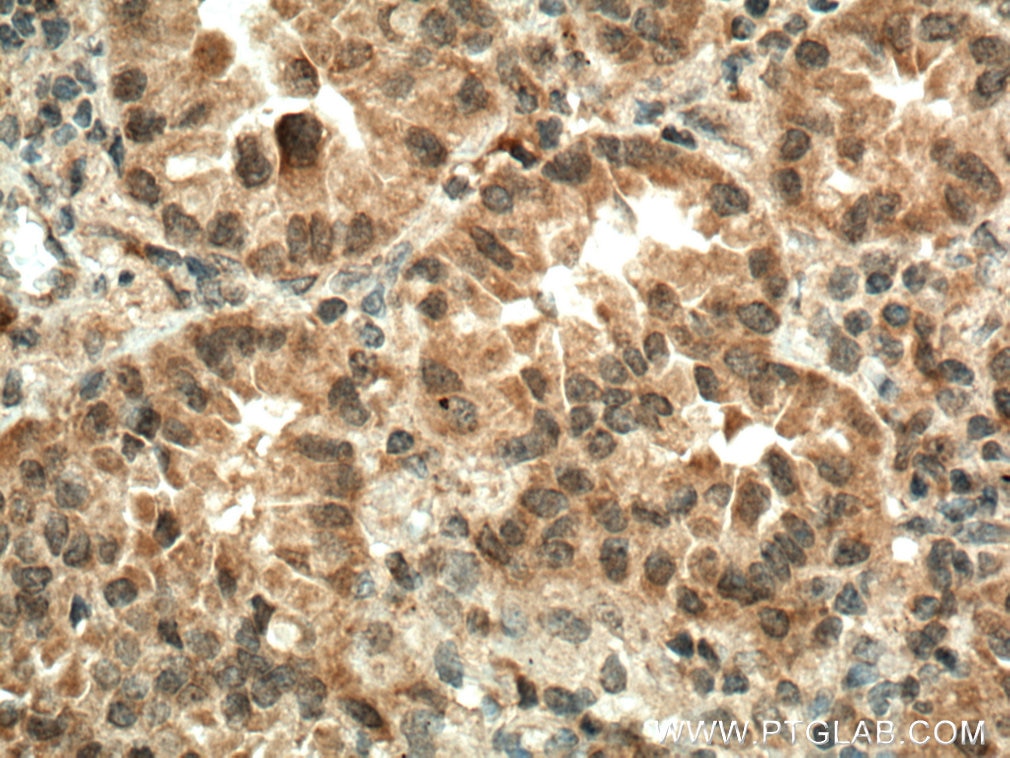
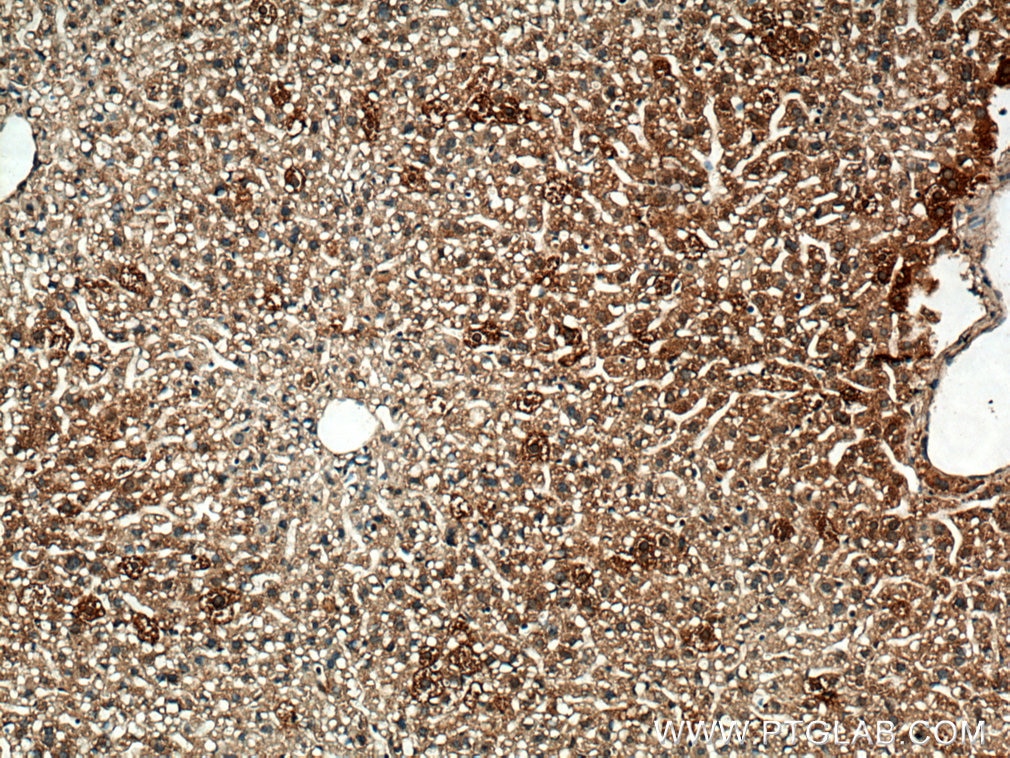
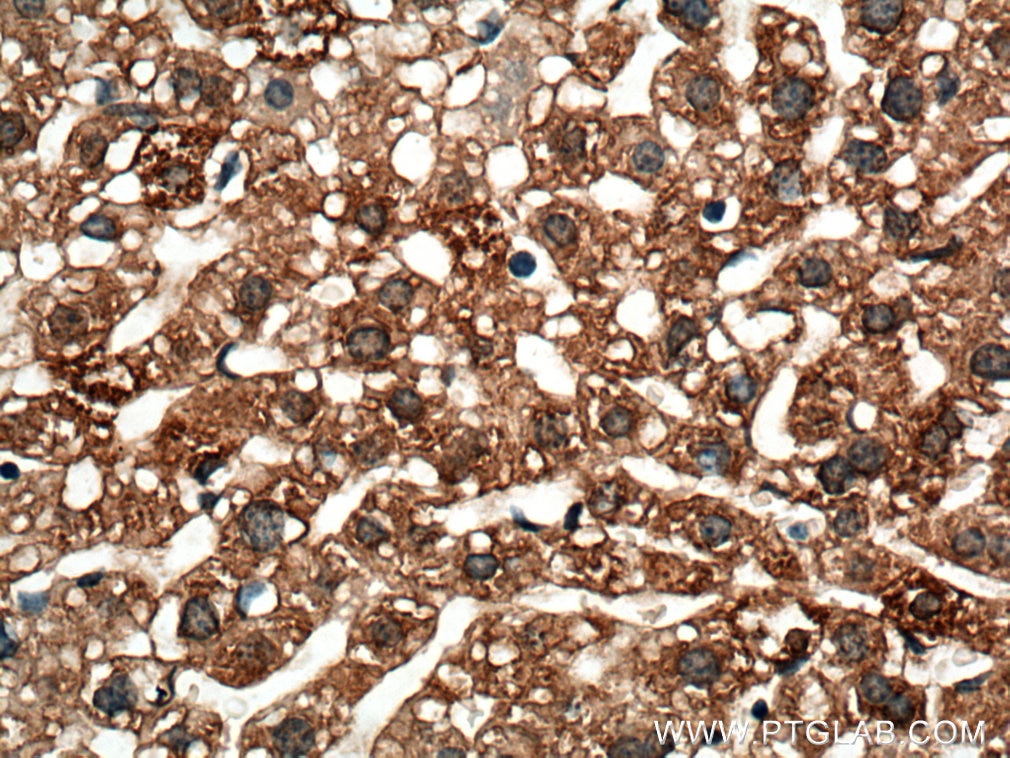
| Positive IHC detected in | human liver cancer tissue, human lung cancer tissue, mouse liver tissue Note: suggested antigen retrieval with TE buffer pH 9.0; (*) Alternatively, antigen retrieval may be performed with citrate buffer pH 6.0 |
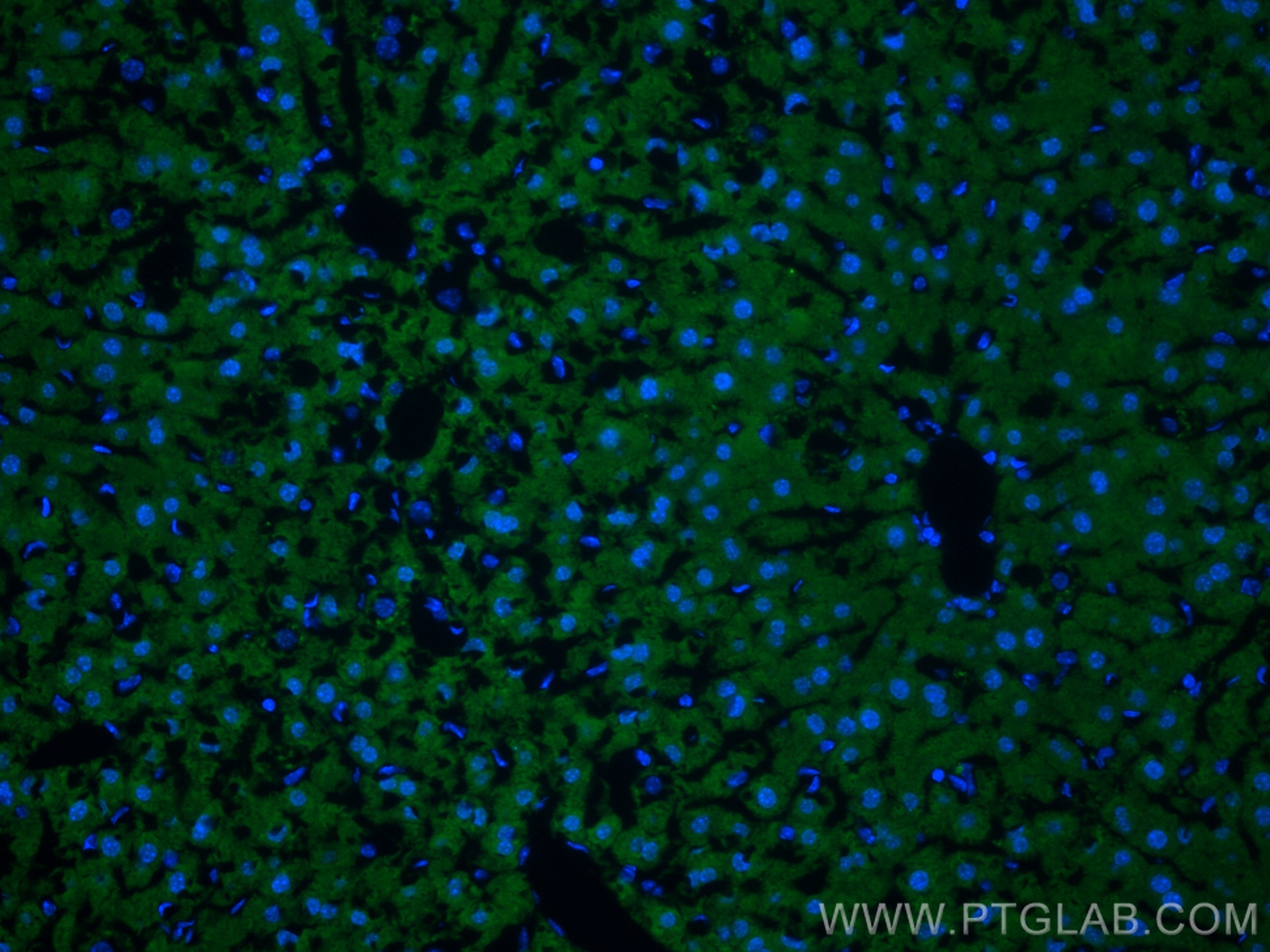
| Positive IF-P detected in | mouse liver tissue |
Recommended dilution
| Application | Dilution |
|---|---|
| Immunohistochemistry (IHC) | IHC : 1:50-1:500 |
| Immunofluorescence (IF)-P | IF-P : 1:50-1:500 |
| It is recommended that this reagent should be titrated in each testing system to obtain optimal results. | |
| Sample-dependent, Check data in validation data gallery. | |
Product Information
20215-1-AP targets IGF1B-Specific in IHC, IF-P, Dot blot, ELISA applications and shows reactivity with human, mouse samples.
| Tested Reactivity | human, mouse |
| Cited Reactivity | human, mouse, rat, chicken |
| Host / Isotype | Rabbit / IgG |
| Class | Polyclonal |
| Type | Antibody |
| Immunogen |
Peptide Predict reactive species |
| Full Name | insulin-like growth factor 1 (somatomedin C) |
| Calculated Molecular Weight | 22 kDa |
| GenBank Accession Number | NM_001111285 |
| Gene Symbol | IGF1 |
| Gene ID (NCBI) | 3479 |
| RRID | AB_10697837 |
| Conjugate | Unconjugated |
| Form | Liquid |
| Purification Method | Antigen affinity purification |
| UNIPROT ID | P05019 |
| Storage Buffer | PBS with 0.02% sodium azide and 50% glycerol, pH 7.3. |
| Storage Conditions | Store at -20°C. Stable for one year after shipment. Aliquoting is unnecessary for -20oC storage. 20ul sizes contain 0.1% BSA. |
Background Information
IGF1B, also named as IBP1, MGF, IGF-I and Somatomedin-C, belongs to the INS family. IGF1 is structurally and functionally related to INS but have a much higher growth-promoting activity. Altered expression or mutation of IGF-1 is associated with several human disorders, including type I diabetes and various forms of cancer. Defects in IGF1 are the cause of INS-like growth factor I deficiency (IGF1 deficiency) which is an autosomal recessive disorder characterized by growth retardation, sensorineural deafness and mental retardation. The antibody is specific to isoform IGF-1B.
Protocols
| Product Specific Protocols | |
|---|---|
| IF protocol for IGF1B-Specific antibody 20215-1-AP | Download protocol |
| IHC protocol for IGF1B-Specific antibody 20215-1-AP | Download protocol |
| Standard Protocols | |
|---|---|
| Click here to view our Standard Protocols |
Publications
What published studies show
The IGF1 antibody (Cat# 20215-1-AP) has 16 total citations spanning journals including Microbiome, Cell Death & Disease, Environmental Health Perspectives, Frontiers in Immunology, Molecular and Cellular Biology, and Oxidative Medicine and Cellular Longevity. Research fields cover gut microbiota, peripheral nerve regeneration, vascular calcification, neurotoxicity, cardiac development, hepatic apoptosis, cancer signaling, miRNA/lncRNA regulation, neurogenesis, and ovarian function.
| Species | Application | Title |
|---|---|---|
Microbiome Early fecal microbiota transplantation continuously improves chicken growth performance by inhibiting age-related Lactobacillus decline in jejunum | ||
Cell Death Dis miR-129 controls axonal regeneration via regulating insulin-like growth factor-1 in peripheral nerve injury.
| ||
Cell Death Dis The crosstalk between endothelial cells and vascular smooth muscle cells aggravates high phosphorus-induced arterial calcification. | ||
Environ Health Perspect Effects of Chronic Secondhand Smoke (SHS) Exposure on Cognitive Performance and Metabolic Pathways in the Hippocampus of Wild-Type and Human Tau Mice. | ||
Oxid Med Cell Longev IGF1 Knockdown Hinders Myocardial Development through Energy Metabolism Dysfunction Caused by ROS-Dependent FOXO Activation in the Chicken Heart. | ||
Front Immunol Inhibition of the MyD88 signaling pathway could upregulates Ghrelin expression to synergistically regulate hepatic Echinococcus multilocularis-infected progression |








