

Tested Applications
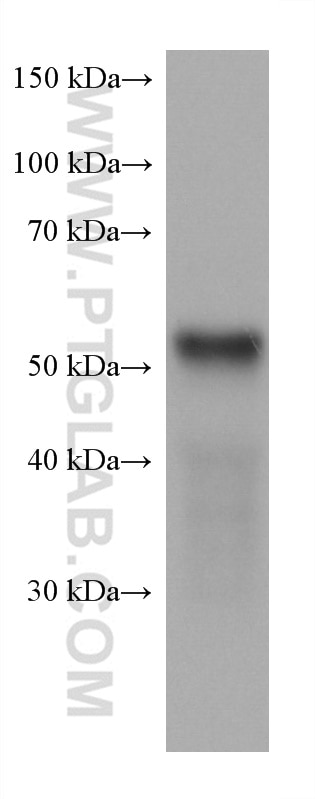
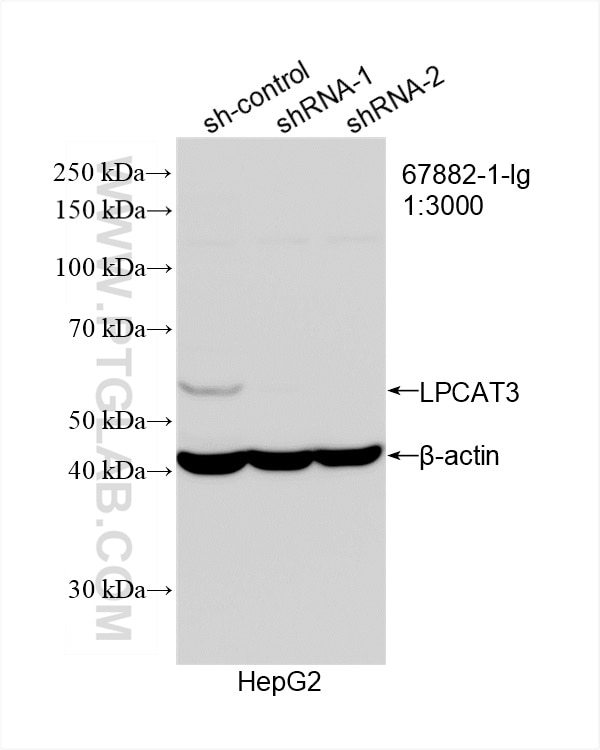
| Positive WB detected in | pig stomach tissue, HepG2 cells |
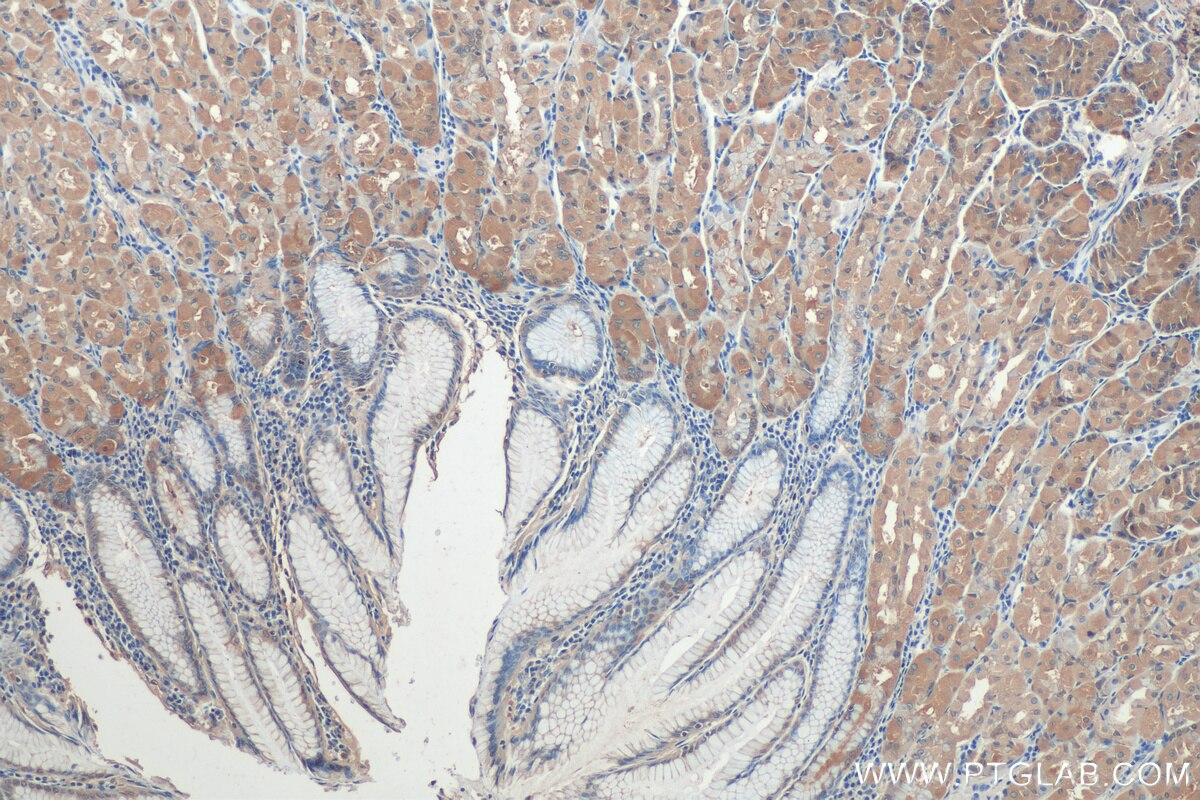
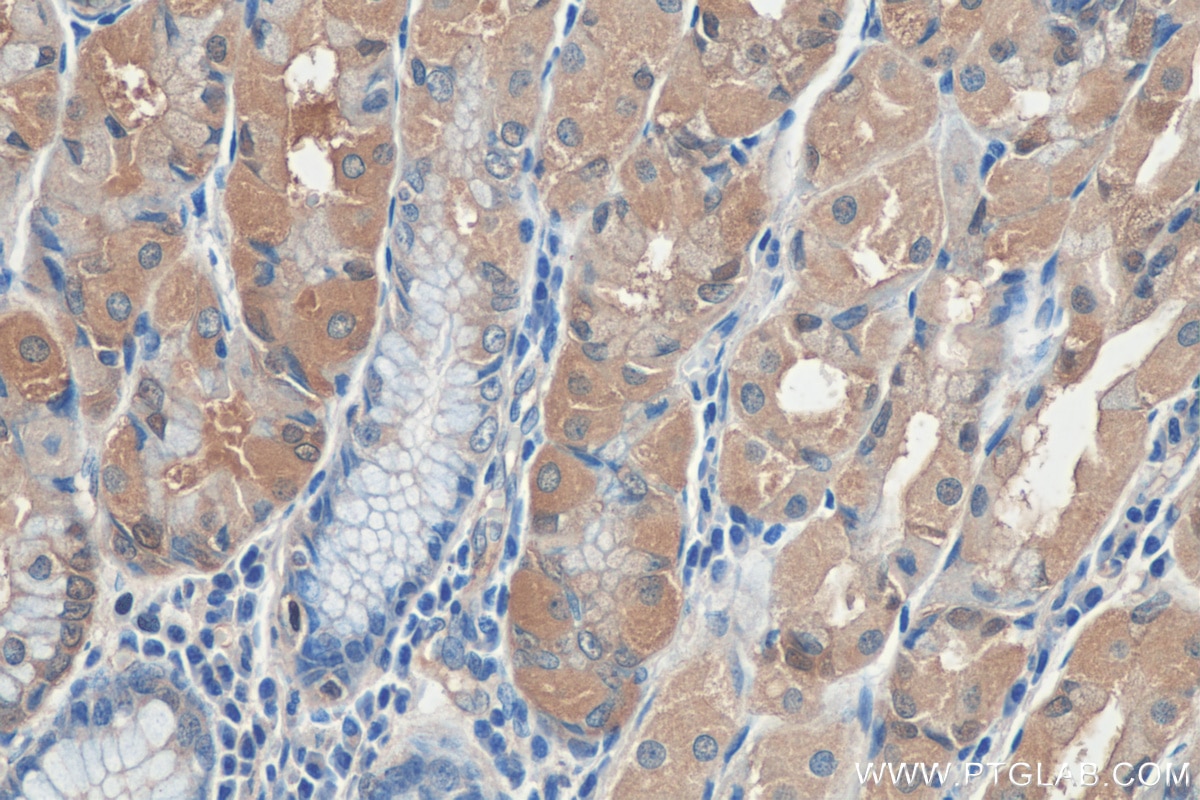
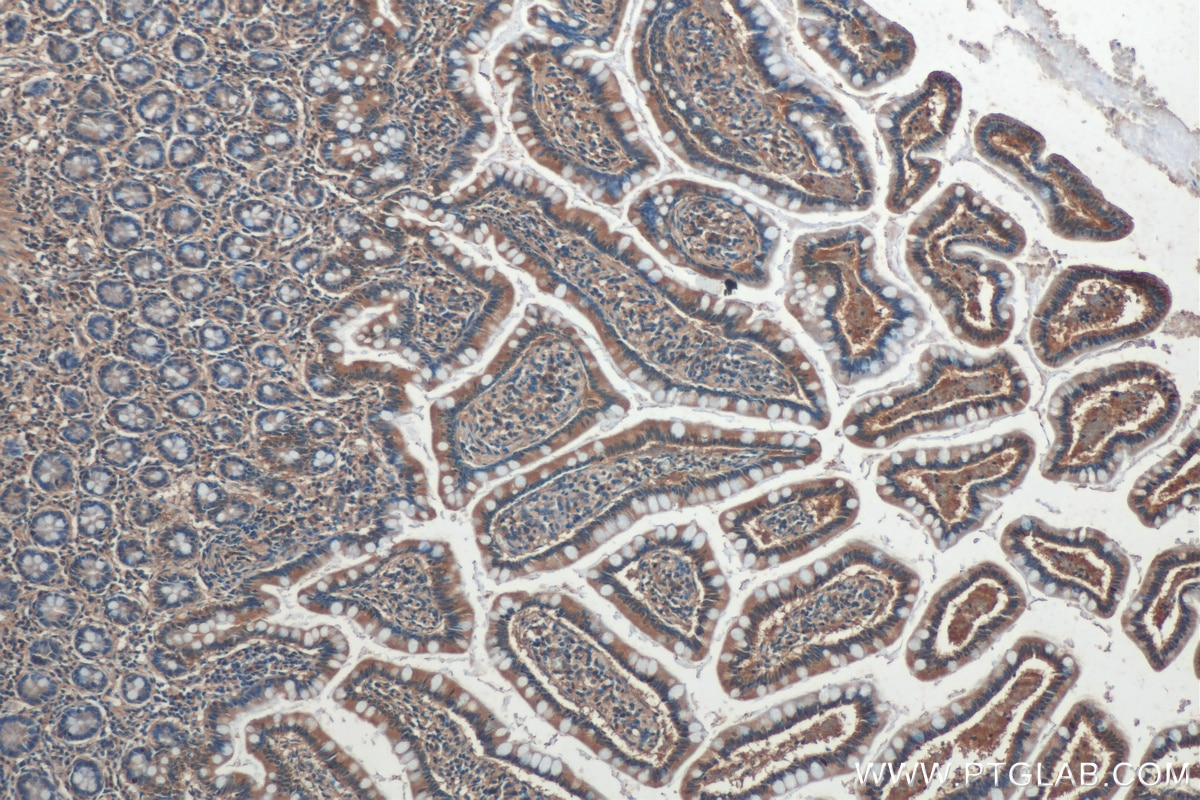
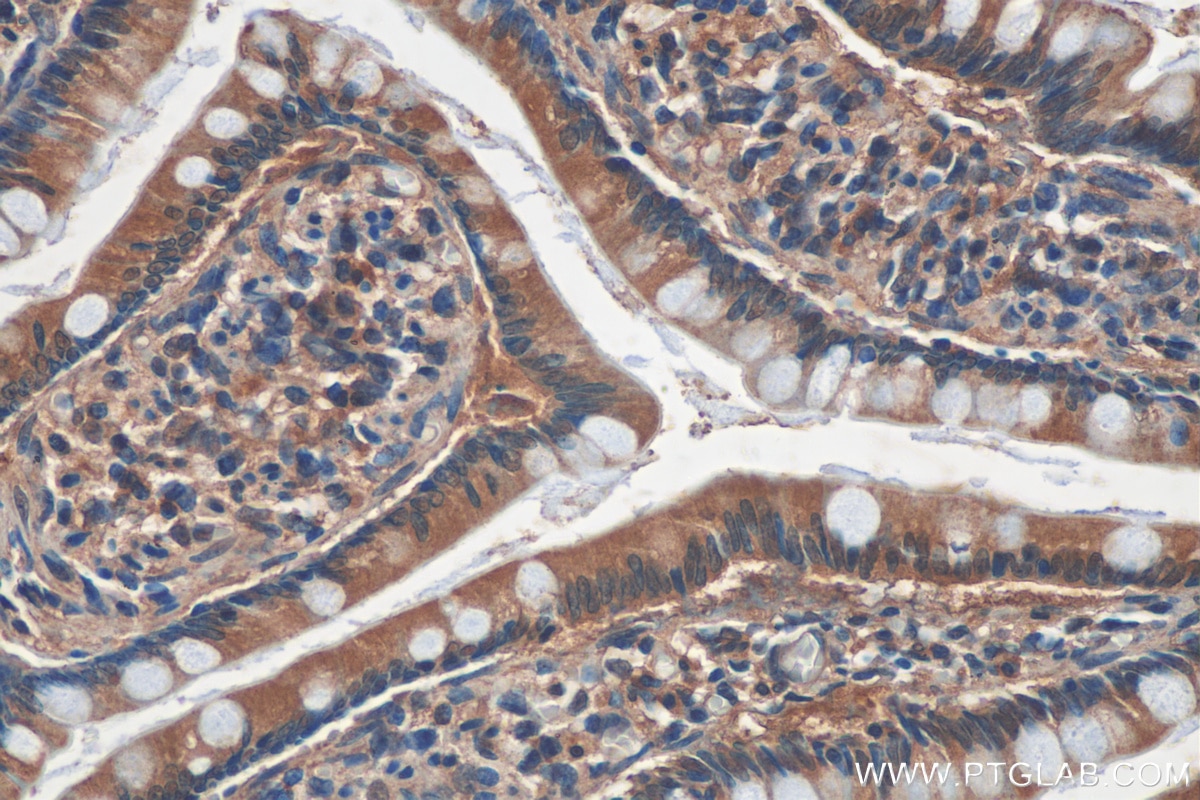
| Positive IHC detected in | human stomach tissue, human small intestine tissue Note: suggested antigen retrieval with TE buffer pH 9.0; (*) Alternatively, antigen retrieval may be performed with citrate buffer pH 6.0 |
Recommended dilution
| Application | Dilution |
|---|---|
| Western Blot (WB) | WB : 1:1000-1:6000 |
| Immunohistochemistry (IHC) | IHC : 1:150-1:600 |
| It is recommended that this reagent should be titrated in each testing system to obtain optimal results. | |
| Sample-dependent, Check data in validation data gallery. | |
Product Information
67882-1-Ig targets LPCAT3 in WB, IHC, IF, ELISA applications and shows reactivity with human, pig samples.
| Tested Reactivity | human, pig |
| Cited Reactivity | human, rat, bovine |
| Host / Isotype | Mouse / IgG1 |
| Class | Monoclonal |
| Type | Antibody |
| Immunogen |
CatNo: Ag6472 Product name: Recombinant human LPCAT3 protein Source: e coli.-derived, PET28a Tag: 6*His Domain: 122-233 aa of BC065194 Sequence: MAYLLAGYYYTATGNYDIKWTMPHCVLTLKLIGLAVDYFDGGKDQNSLSSEQQKYAIRGVPSLLEVAGFSYFYGAFLVGPQFSMNHYMKLVQGELIDIPGKIPNSIIPALKR Predict reactive species |
| Full Name | lysophosphatidylcholine acyltransferase 3 |
| Calculated Molecular Weight | 56 kDa |
| Observed Molecular Weight | 56 kDa |
| GenBank Accession Number | BC065194 |
| Gene Symbol | LPCAT3 |
| Gene ID (NCBI) | 10162 |
| RRID | AB_2918639 |
| Conjugate | Unconjugated |
| Form | Liquid |
| Purification Method | Protein G purification |
| UNIPROT ID | Q6P1A2 |
| Storage Buffer | PBS with 0.02% sodium azide and 50% glycerol, pH 7.3. |
| Storage Conditions | Store at -20°C. Stable for one year after shipment. Aliquoting is unnecessary for -20oC storage. 20ul sizes contain 0.1% BSA. |
Background Information
Lysophosphatidylcholine acyltransferases (LPCATs) are among the lysophopholipid acyltransferases (LPLATs) that play an important role in lipid metabolism and homeostasis by regulating the abundance of different phosphatidylcholine (PC) species. Lysophosphatidylcholine acyltransferase 3 (LPCAT3) is a member of the LPCAT family that primarily regulates the levels of arachidonic PC species. LPCAT3 is abundantly expressed in the testes, kidneys, and metabolic tissues, including the liver, intestine, and adipose tissues. LPCAT3 is involved in the occurrence and development of atherosclerosis, intestinal tumors, and nonalcoholic steatohepatitis (NASH)(PMID: 35711841).
Protocols
| Product Specific Protocols | |
|---|---|
| IHC protocol for LPCAT3 antibody 67882-1-Ig | Download protocol |
| WB protocol for LPCAT3 antibody 67882-1-Ig | Download protocol |
| Standard Protocols | |
|---|---|
| Click here to view our Standard Protocols |
Publications
What published studies show
The LPCAT3 Monoclonal Antibody (1C1G3), catalog number 67882-1-Ig, has accumulated 49 citations published in journals including Nature Communications, Science Advances, Journal of Clinical Investigation, Free Radical Biology and Medicine, Journal of Biological Chemistry, Redox Biology, Cell Death & Disease, and Phytomedicine. The associated research fields primarily center on ferroptosis mechanisms and lipid metabolism, extending into oncology, neurology, cardiovascular disease, inflammation, environmental toxicology, infectious disease, and traditional Chinese medicine.
| Species | Application | Title |
|---|---|---|
Exploration (Beijing) A pH responsive nanocomposite for combination sonodynamic-immunotherapy with ferroptosis and calcium ion overload via SLC7A11/ACSL4/LPCAT3 pathway | ||
Nat Commun Remodeling adipocytes' lipid metabolism with a polycation loaded enzyme-active framework reverses osteoporotic bone marrow | ||
J Adv Res Modulation of Macrophage ferroptosis under the guide of infrared thermography promotes the healing of pressure injuries | ||
Redox Biol Excessive SOX8 reprograms energy and iron metabolism to prime hepatocellular carcinoma for ferroptosis | ||
J Clin Invest Leukemia-expanded splenic CD81+ erythroblasts potentiate disease progression in mice by reshaping leukemic cell metabolism. | ||
J Exp Clin Cancer Res Lipid reprogramming induced by the TFEB-ERRα axis enhanced membrane fluidity to promote EC progression. |







