

Product Information
87046-1-PBS targets RRN3 as part of a matched antibody pair:
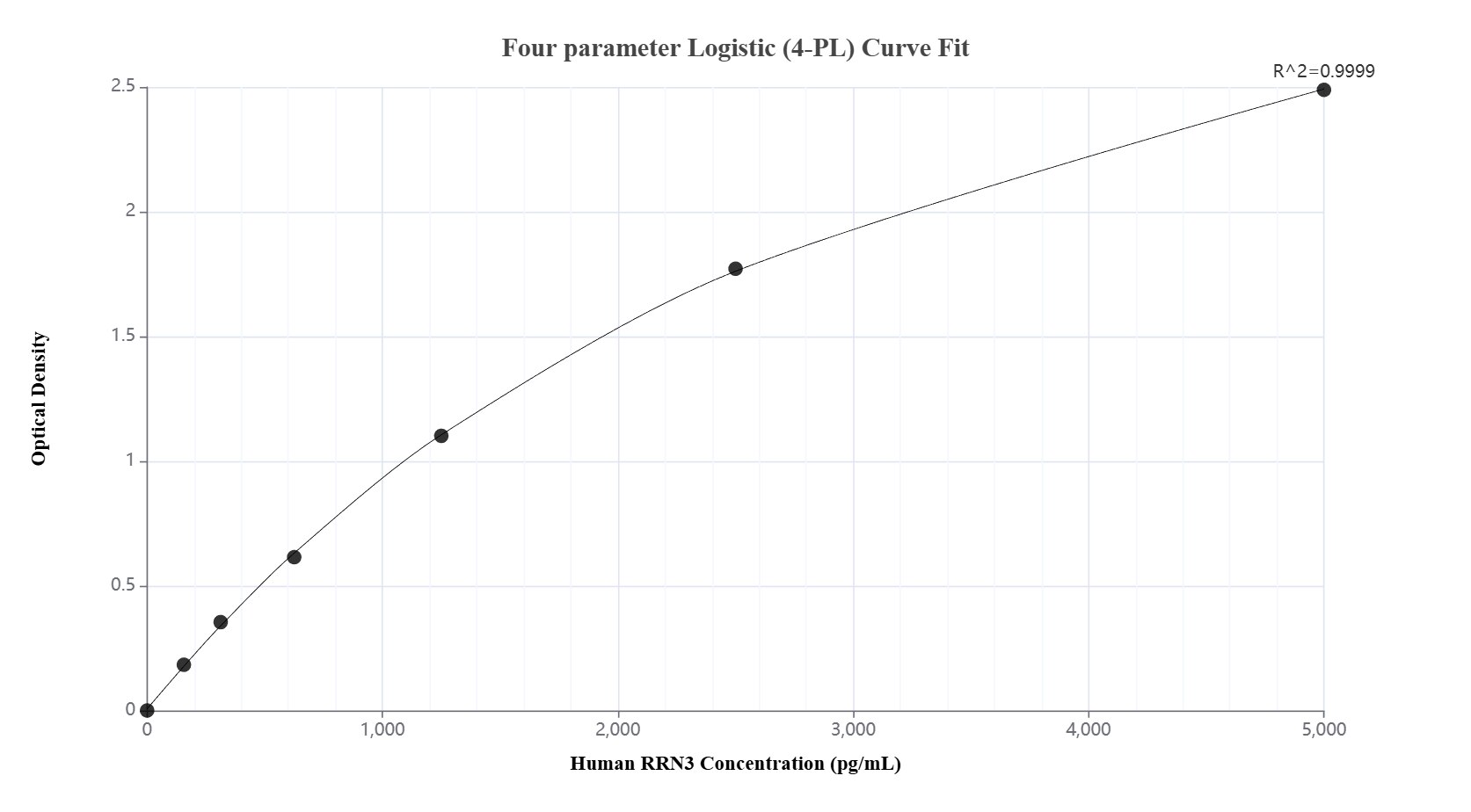
MP02997-1: 87046-2-PBS capture and 87046-1-PBS detection (validated in Sandwich ELISA)
Unconjugated rabbit recombinant monoclonal antibody in PBS only (BSA and azide free) storage buffer at a concentration of 1 mg/mL, ready for conjugation. Created using Proteintech’s proprietary in-house recombinant technology. Recombinant production enables unrivalled batch-to-batch consistency, easy scale-up, and future security of supply.
This conjugation ready format makes antibodies ideal for use in many applications including: ELISAs, multiplex assays requiring matched pairs, mass cytometry, and multiplex imaging applications.Antibody use should be optimized by the end user for each application and assay.
| Tested Reactivity | human, mouse |
| Host / Isotype | Rabbit / IgG |
| Class | Recombinant |
| Type | Antibody |
| Immunogen |
CatNo: Ag23207 Product name: Recombinant human RRN3 protein Source: e coli.-derived, PGEX-4T Tag: GST Domain: 268-365 aa of BC132688 Sequence: ETATQTCGGTDSTEGLFNMDEDEETEHETKAGPERLDQMVHPVAERLDILMSLVLSYMKDVCYVDGKVDNGKTKDLYRDLINIFDKLLLPTHASCHVQ Predict reactive species |
| Full Name | RRN3 RNA polymerase I transcription factor homolog (S. cerevisiae) |
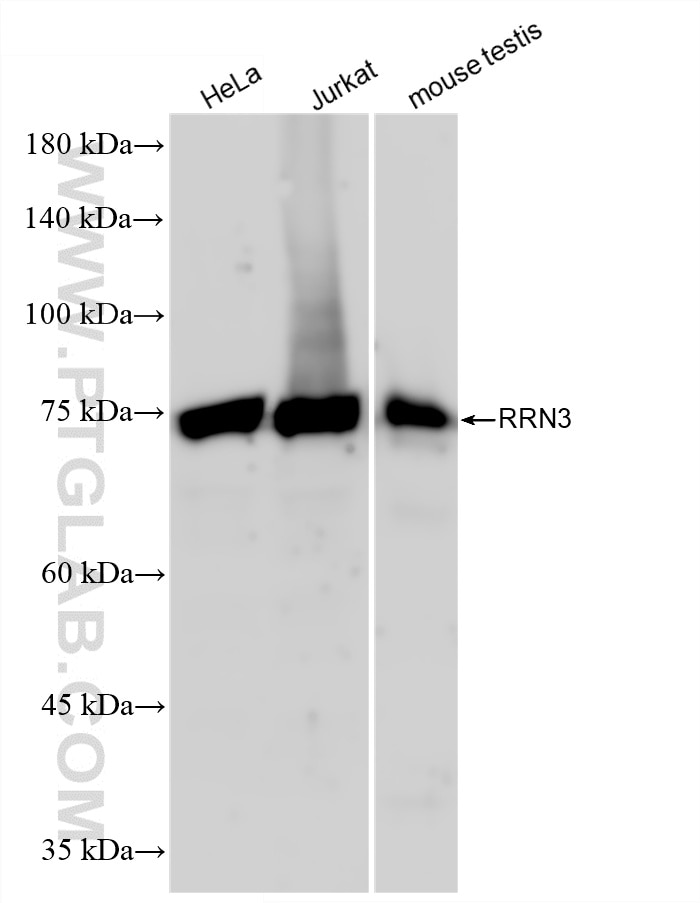
| Observed Molecular Weight | 75 kDa |
| GenBank Accession Number | BC132688 |
| Gene Symbol | RRN3 |
| Gene ID (NCBI) | 54700 |
| RRID | AB_3745297 |
| Conjugate | Unconjugated |
| Form | Liquid |
| Purification Method | Protein A purification |
| UNIPROT ID | Q9NYV6 |
| Storage Buffer | PBS only, pH 7.3. |
| Storage Conditions | Store at -80°C. |
Background Information
RRN3, also known as transcription initiation factor IA, is a key regulatory protein essential for RNA polymerase I-mediated ribosomal DNA transcription. It functions as a bridge molecule that precisely regulates the recruitment of RNA polymerase I to the rDNA promoter and the assembly of the transcription initiation complex by integrating intra- and extracellular signals (such as growth factors, nutrient status, and cellular stress). The activity of RRN3 is tightly controlled by multiple signaling pathways. Specifically, the mTOR and MAPK pathways can activate RRN3 through phosphorylation, thereby promoting ribosomal RNA synthesis and ultimately influencing cell growth and proliferation. Studies have shown that RRN3 is abnormally highly expressed in various cancer cells and is closely associated with malignant tumor progression, making it a potential therapeutic target for anticancer strategies.





