
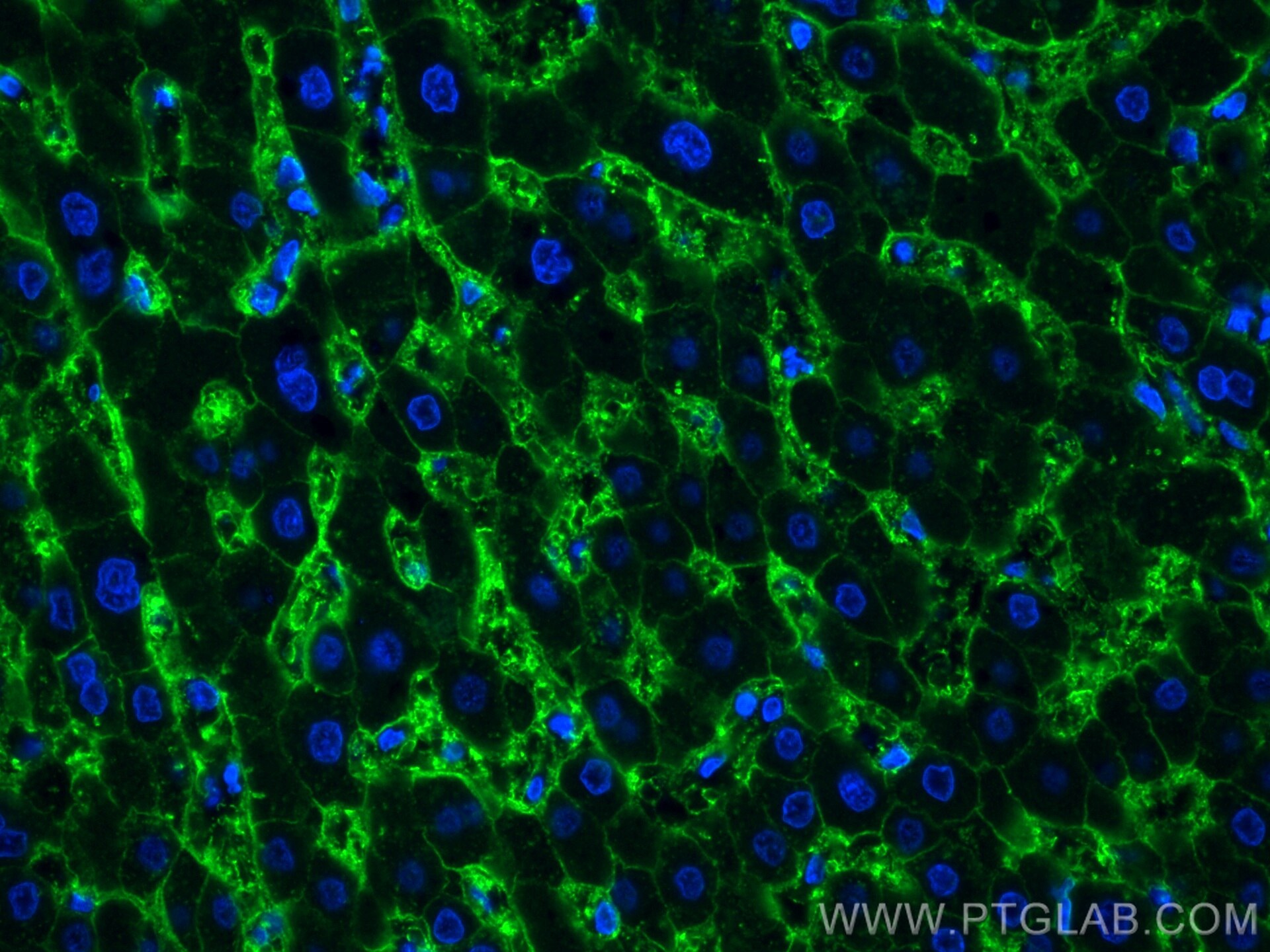
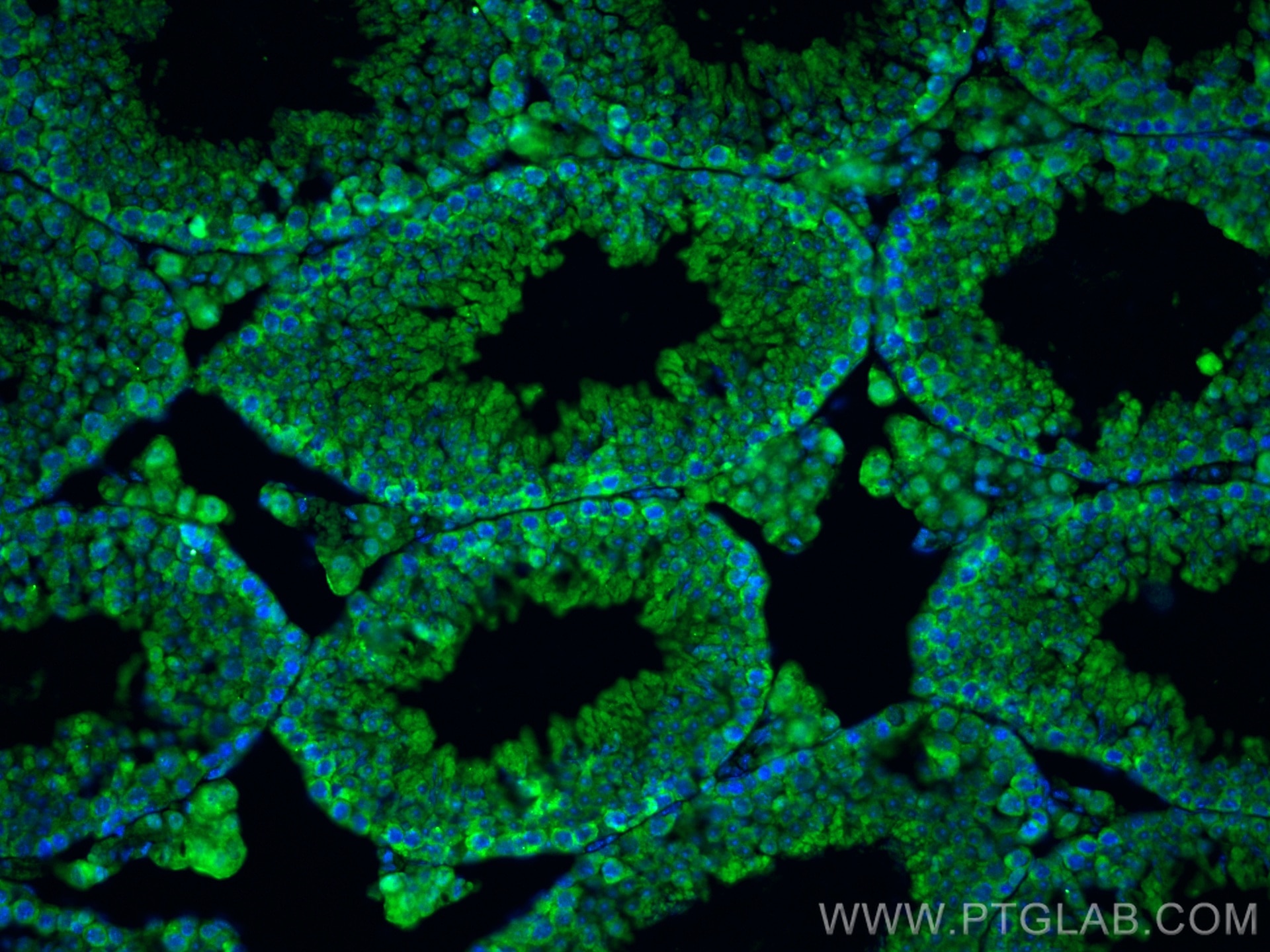
Tested Applications
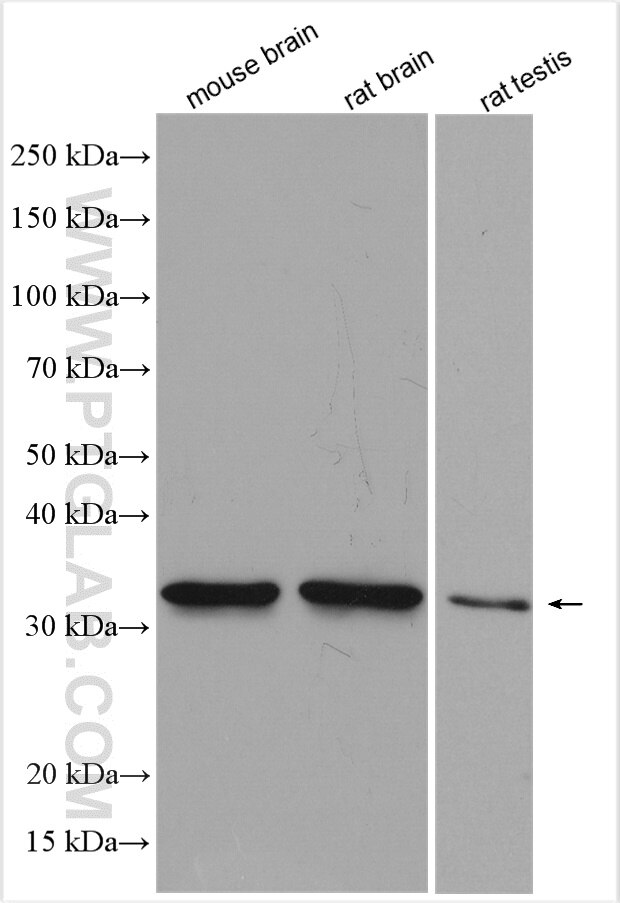
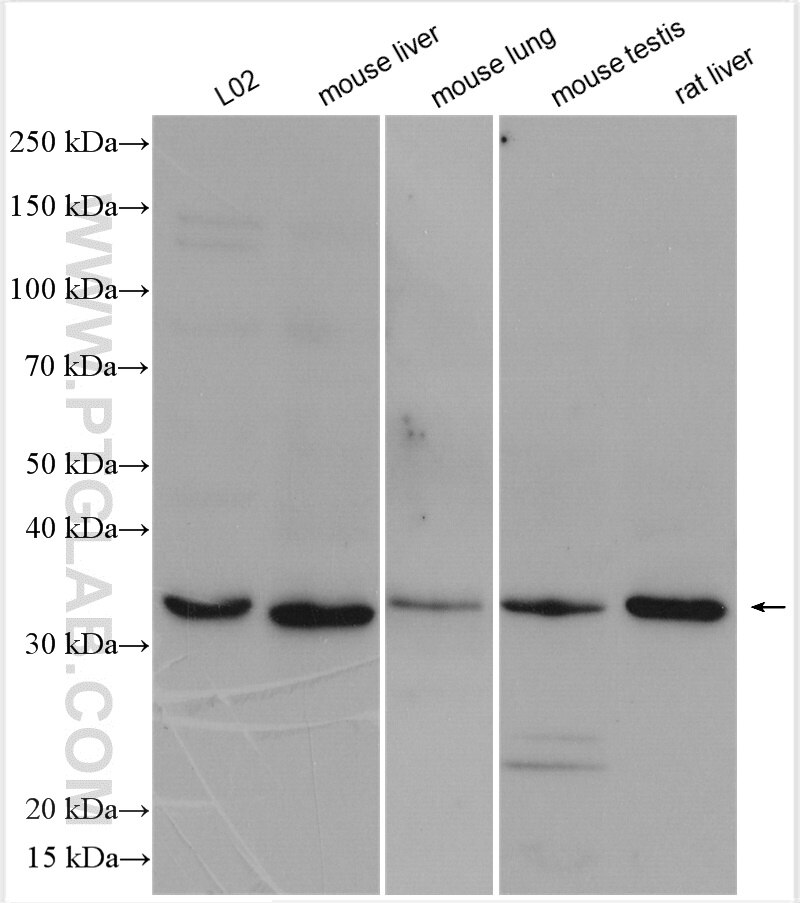
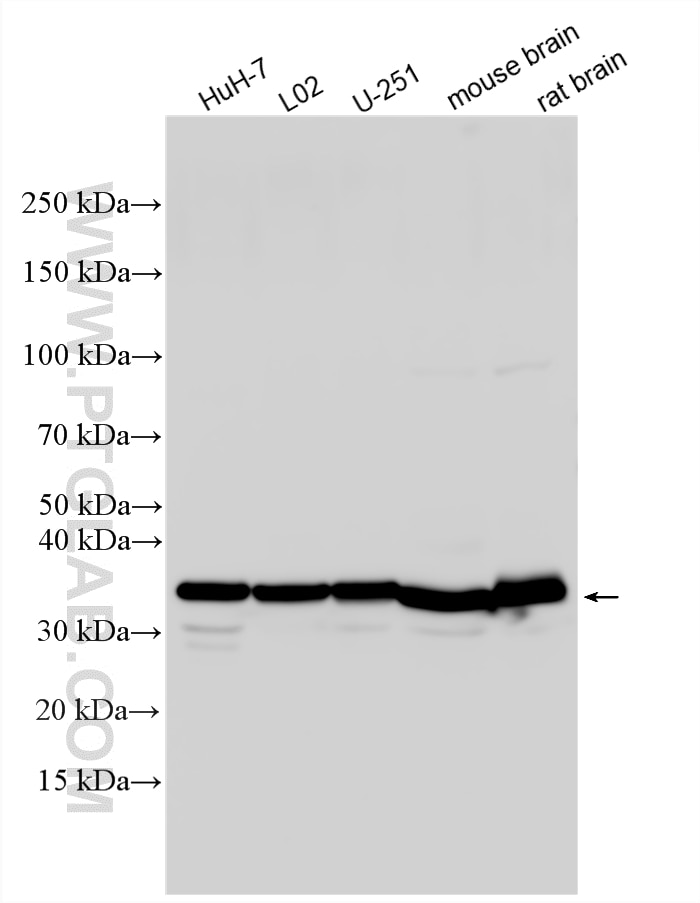
| Positive WB detected in | rat brain tissue, L02 cells, mouse brain tissue, mouse liver tissue, mouse lung tissue, mouse testis tissue, rat liver tissue, rat testis tissue, HuH-7 cells, U-251 cells |
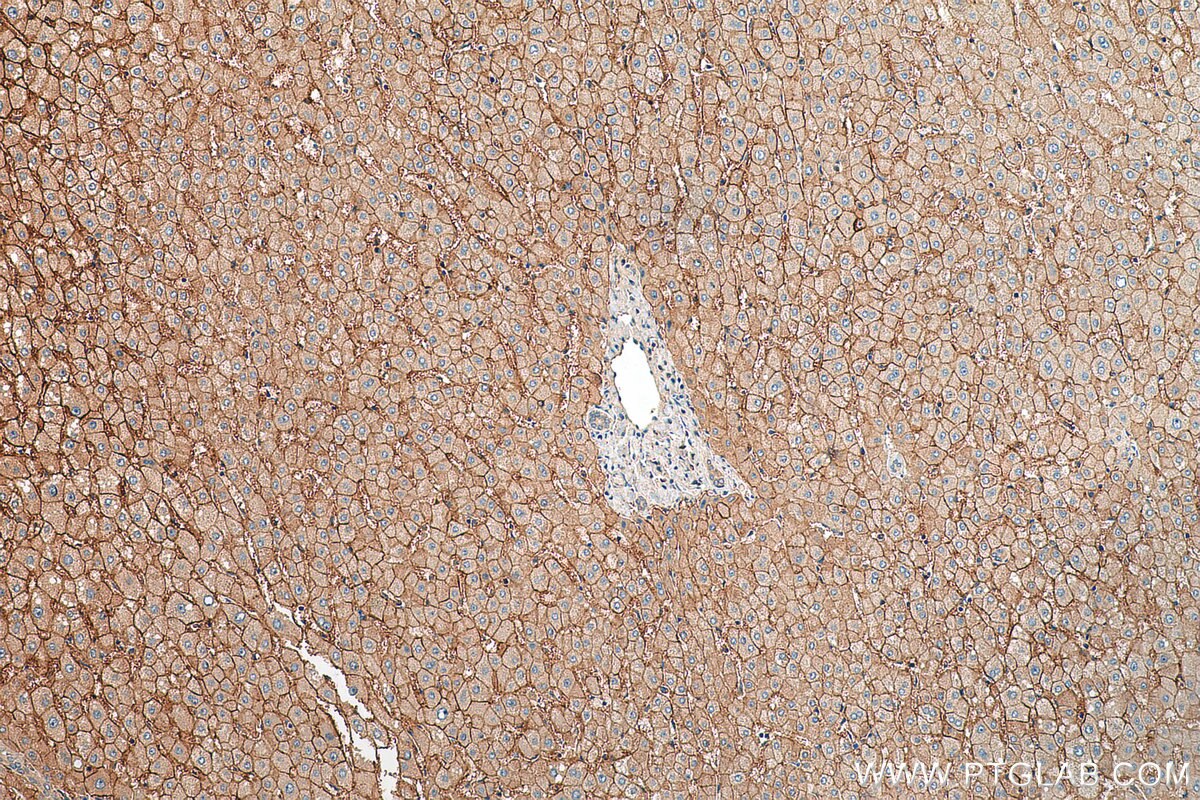
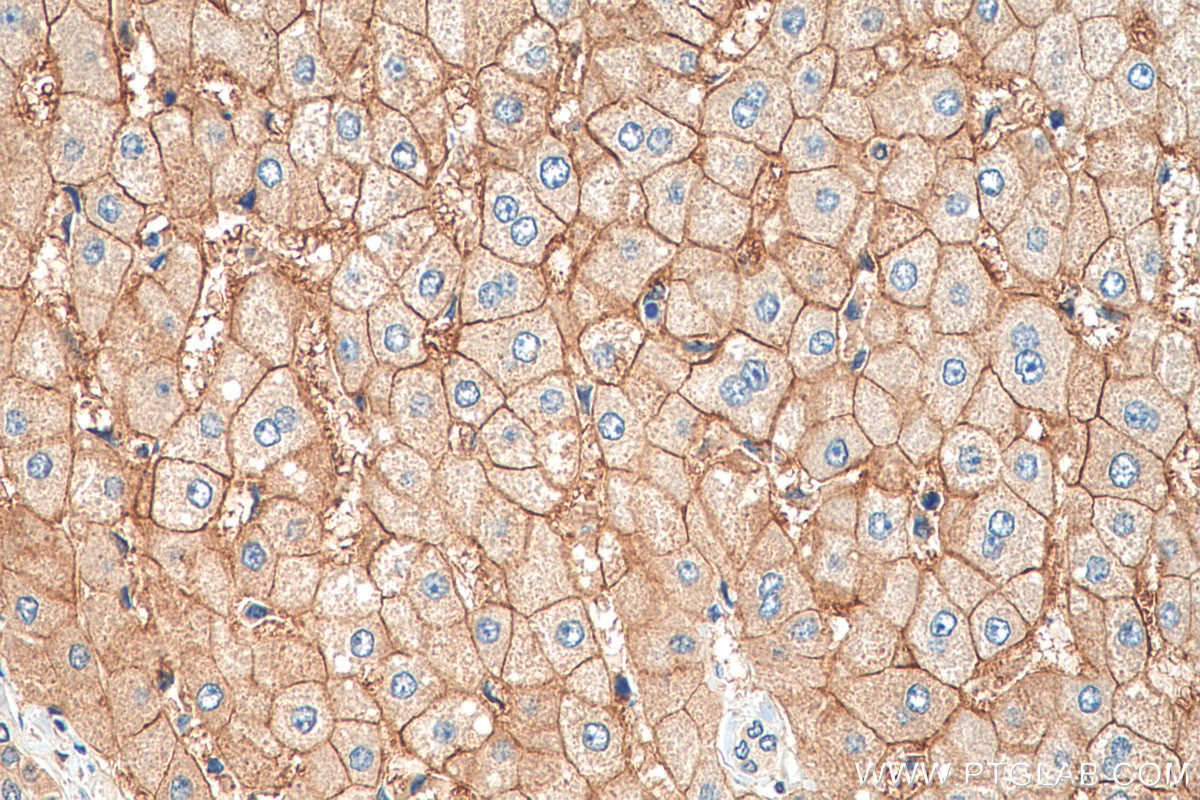
| Positive IHC detected in | human liver tissue Note: suggested antigen retrieval with TE buffer pH 9.0; (*) Alternatively, antigen retrieval may be performed with citrate buffer pH 6.0 |
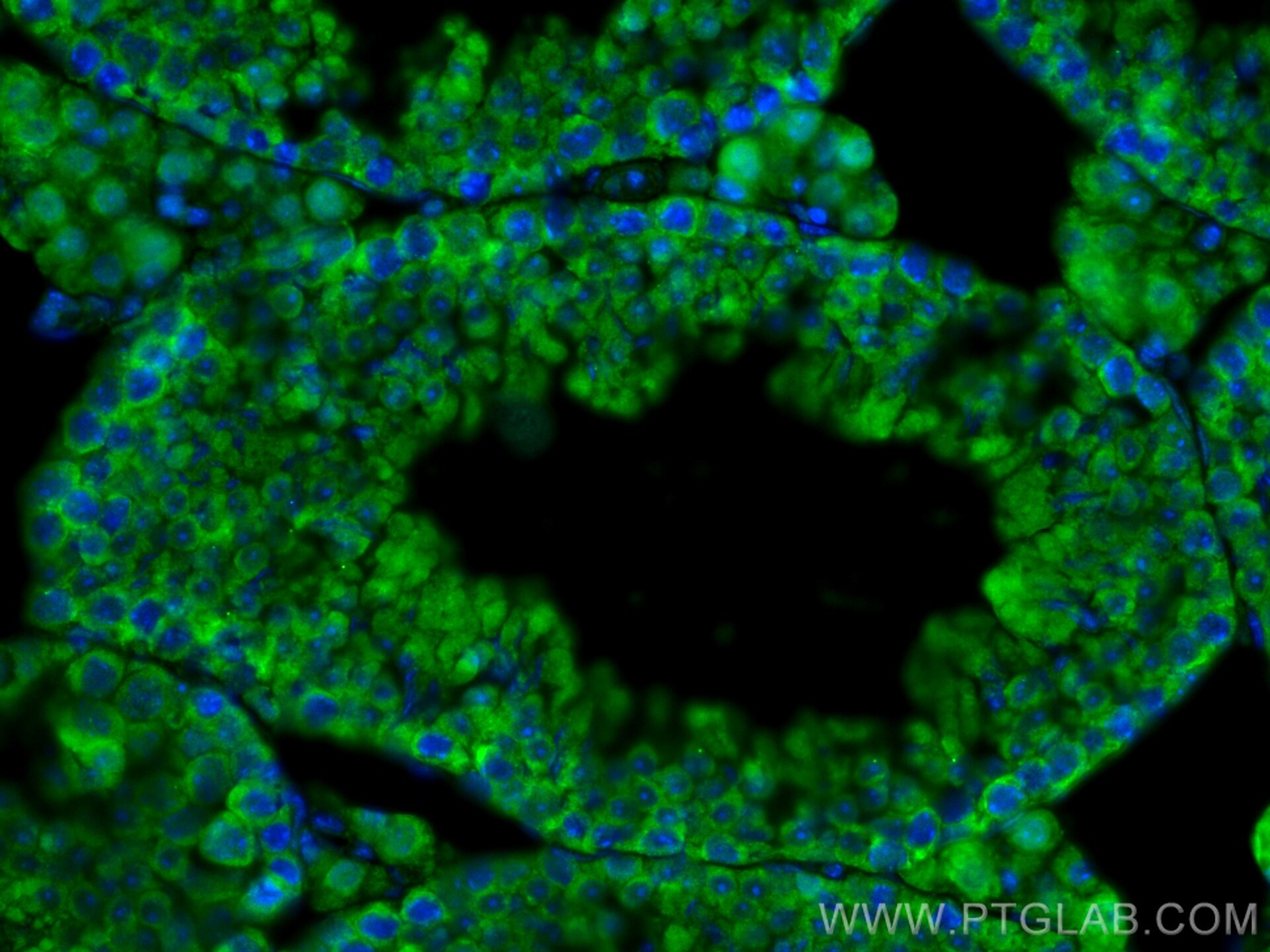
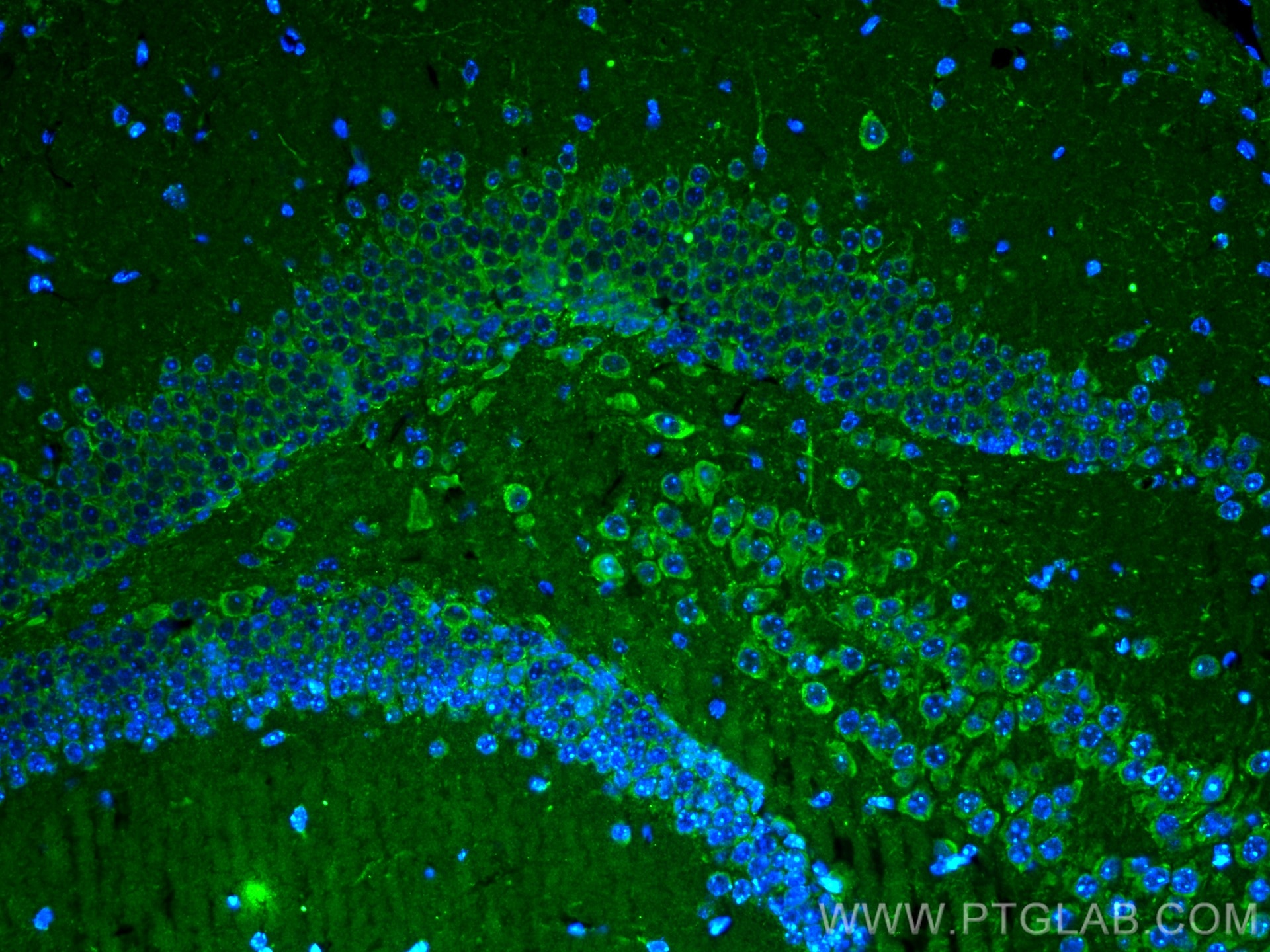
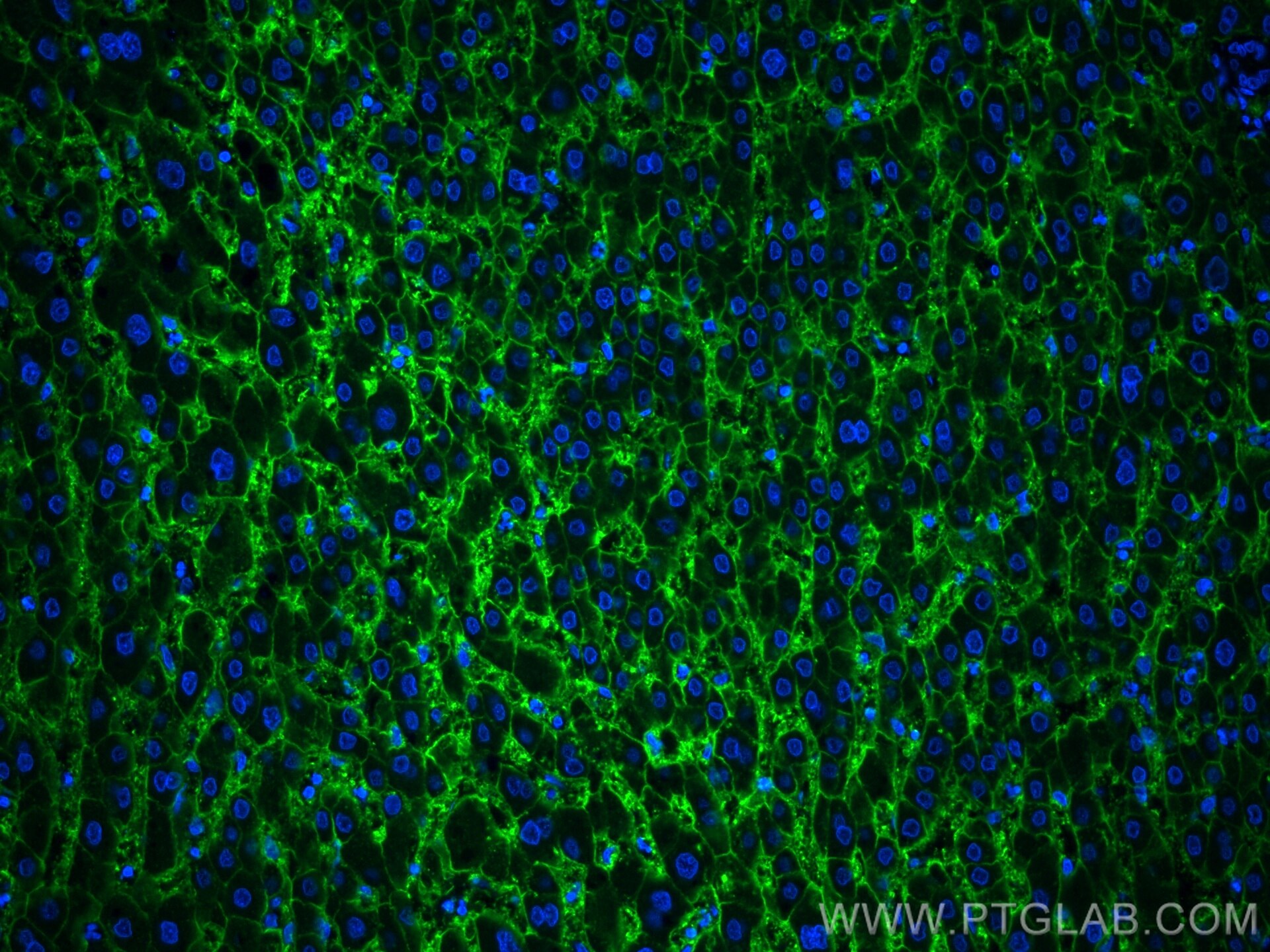
| Positive IF-P detected in | human liver tissue, mouse brain tissue, mouse testis tissue |
Recommended dilution
| Application | Dilution |
|---|---|
| Western Blot (WB) | WB : 1:5000-1:50000 |
| Immunohistochemistry (IHC) | IHC : 1:250-1:1000 |
| Immunofluorescence (IF)-P | IF-P : 1:50-1:500 |
| It is recommended that this reagent should be titrated in each testing system to obtain optimal results. | |
| Sample-dependent, Check data in validation data gallery. | |
Published Applications
| KD/KO | See 1 publications below |
| WB | See 5 publications below |
| IHC | See 4 publications below |
| IF | See 2 publications below |
| CoIP | See 1 publications below |
Product Information
20380-1-AP targets AQP9 in WB, IHC, IF-P, CoIP, ELISA applications and shows reactivity with human, mouse, rat samples.
| Tested Reactivity | human, mouse, rat |
| Cited Reactivity | human, mouse, rat |
| Host / Isotype | Rabbit / IgG |
| Class | Polyclonal |
| Type | Antibody |
| Immunogen |
CatNo: Ag14200 Product name: Recombinant human AQP9 protein Source: e coli.-derived, PGEX-4T Tag: GST Domain: 211-295 aa of BC026258 Sequence: SGCAMNPARDLSPRLFTALAGWGFEVFRAGNNFWWIPVVGPLVGAVIGGLIYVLVIEIHHPEPDSVFKAEQSEDKPEKYELSVIM Predict reactive species |
| Full Name | aquaporin 9 |
| Calculated Molecular Weight | 295 aa, 31 kDa |
| Observed Molecular Weight | 31 kDa |
| GenBank Accession Number | BC026258 |
| Gene Symbol | AQP9 |
| Gene ID (NCBI) | 366 |
| RRID | AB_2935448 |
| Conjugate | Unconjugated |
| Form | Liquid |
| Purification Method | Antigen affinity purification |
| UNIPROT ID | O43315 |
| Storage Buffer | PBS with 0.02% sodium azide and 50% glycerol, pH 7.3. |
| Storage Conditions | Store at -20°C. Stable for one year after shipment. Aliquoting is unnecessary for -20oC storage. 20ul sizes contain 0.1% BSA. |
Background Information
Aquaporins (AQPs), also known as water channel proteins, are members of a large protein family that osmotically modulate water fluid homeostasis in several tissues. AQP9 (Aquaporin 9) is a member of the aquaporin family that acts as a water-selective membrane channel, and it may be involved in cell migration, angiogenesis, and tumor growth. AQP9 is involved in arsenic uptake in hepatocellular carcinoma cells, in which p38-MAPK may play a limited role. AQP9 was demonstrated to promote astrocytoma cell invasion and motility via the AKT pathway.
Protocols
| Product Specific Protocols | |
|---|---|
| IF protocol for AQP9 antibody 20380-1-AP | Download protocol |
| IHC protocol for AQP9 antibody 20380-1-AP | Download protocol |
| WB protocol for AQP9 antibody 20380-1-AP | Download protocol |
| Standard Protocols | |
|---|---|
| Click here to view our Standard Protocols |
Publications
| Species | Application | Title |
|---|---|---|
Funct Integr Genomics A preliminary single-cell map of endometriosis suggests roles for fibroblast metabolism and macrophage polarization in disease progression. | ||
Oncol Res Revealing the Roles of the SH3GLB1-Hydrogen Peroxide Axis in Glioblastoma Multiforme Cells. | ||
Expert Rev Clin Immunol AQP9 weakens the cytotoxicity of CD8+ T cells in colon adenocarcinoma by boosting M2 polarization of macrophages under hypoxia conditions | ||
Sci Rep Aquaporin 9 downregulation in KRASG12V colorectal cancer and associated with increased proliferation and decreased apoptosis in cancer cells
| ||
J Nanobiotechnology Polystyrene nanoplastics disrupt epididymal initial segment by perturbing NK cell differentiation and epithelial homeostasis. | ||
Int J Med Sci Exploring the Shared Diagnostic Genes in IBD and Psoriasis through Bioinformatics and Experimental Assays |











