

Tested Applications
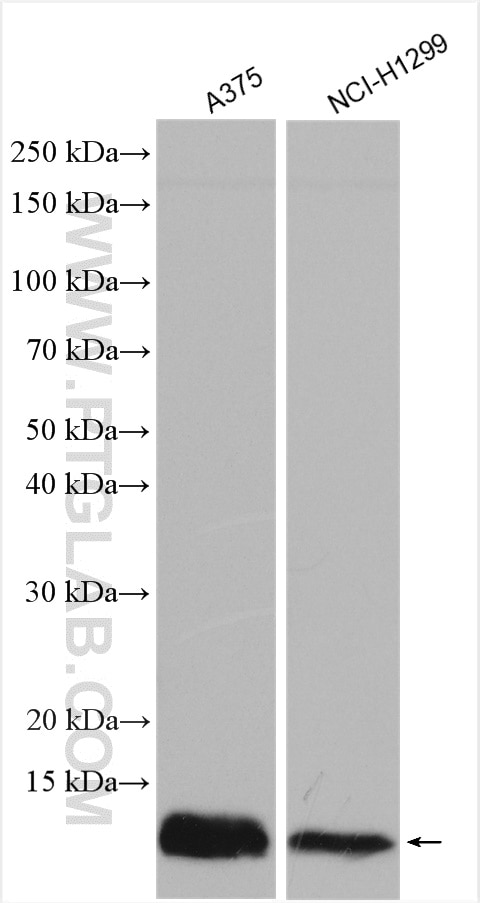
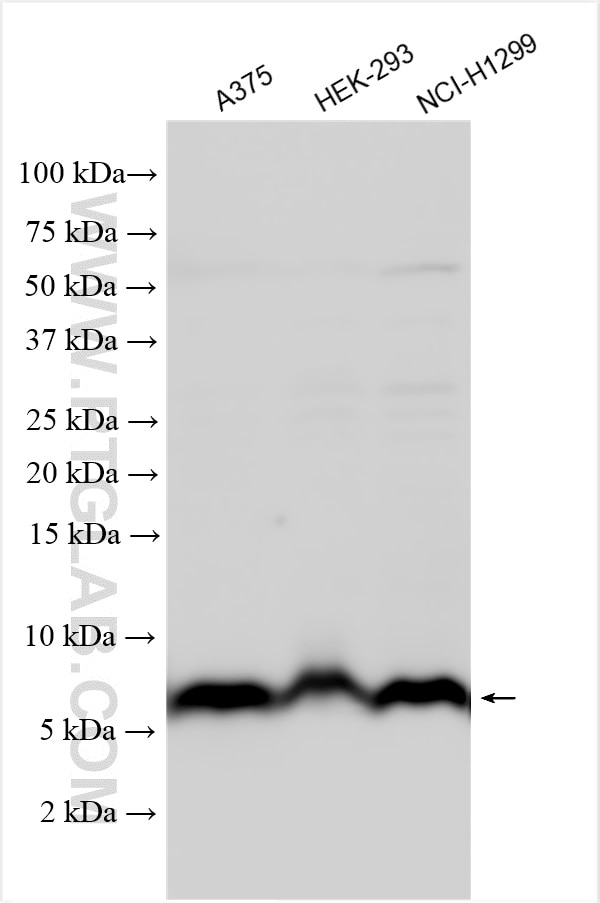
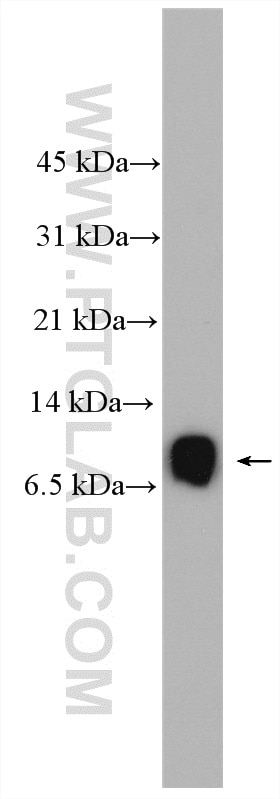
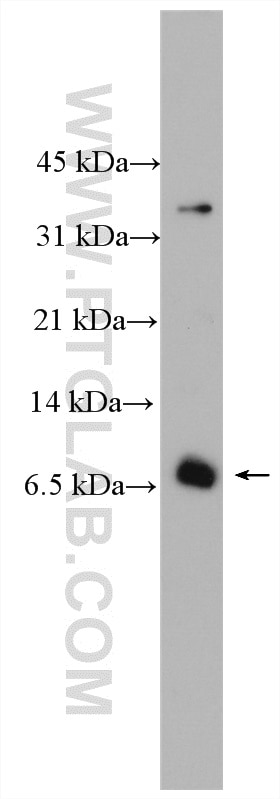
| Positive WB detected in | A375 cells, A549 cells, HEK-293T cells, NCI-H1299 cells, HEK-293 cells |
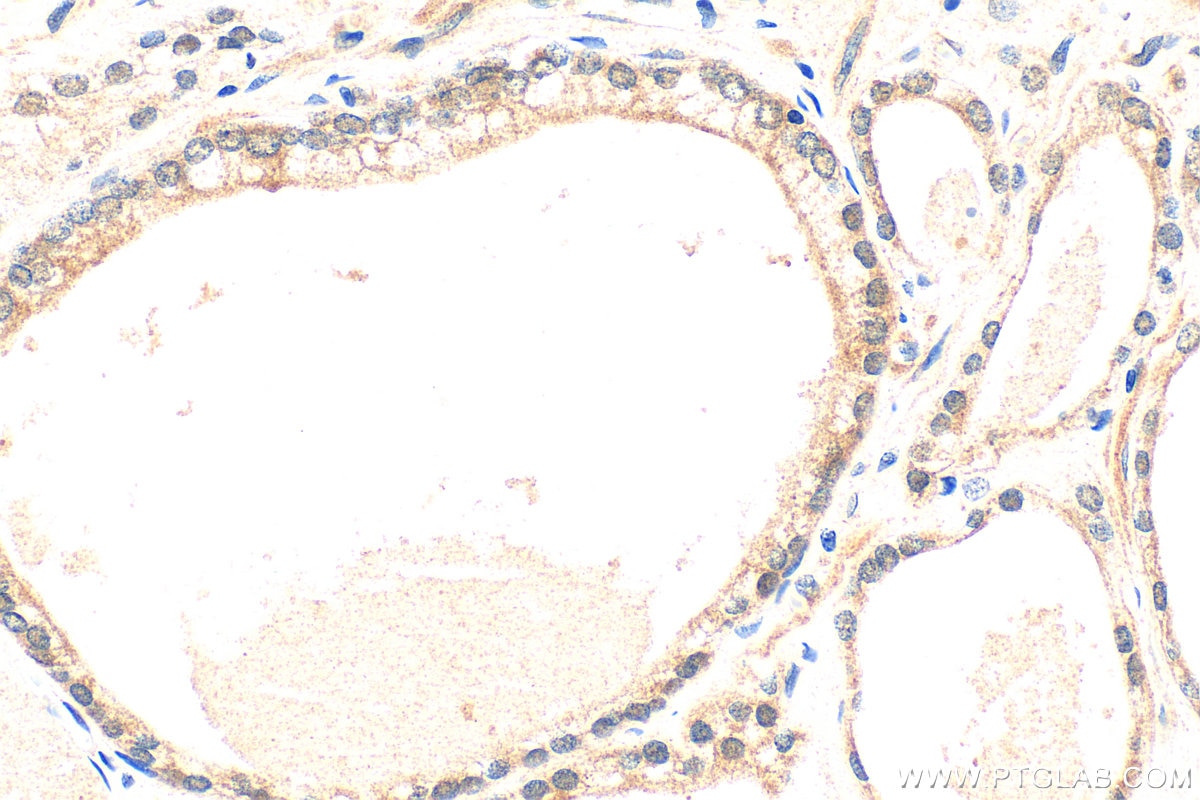
| Positive IHC detected in | human prostate hyperplasia tissue Note: suggested antigen retrieval with TE buffer pH 9.0; (*) Alternatively, antigen retrieval may be performed with citrate buffer pH 6.0 |
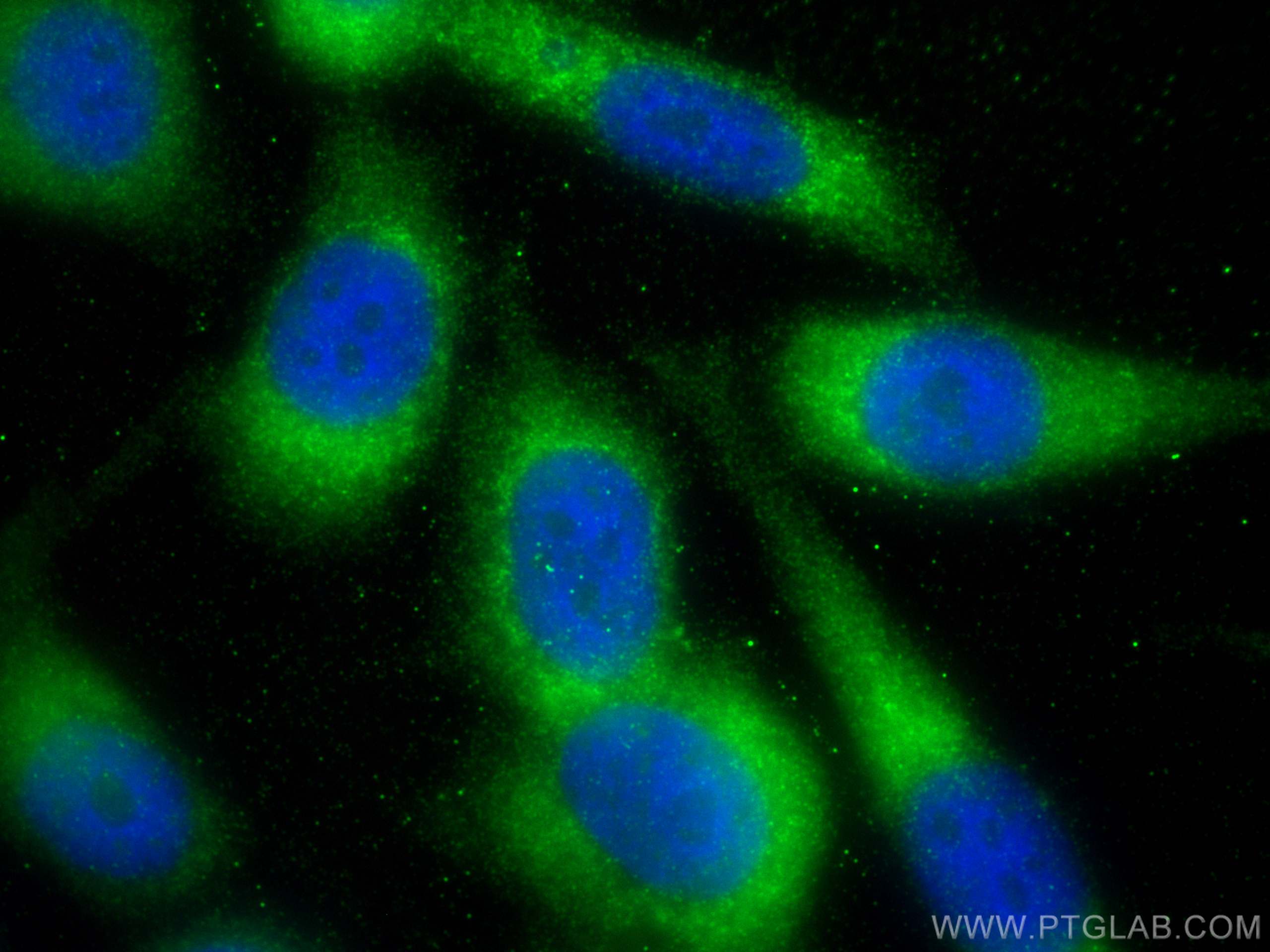
| Positive IF/ICC detected in | PC-3 cells |
Recommended dilution
| Application | Dilution |
|---|---|
| Western Blot (WB) | WB : 1:500-1:2000 |
| Immunohistochemistry (IHC) | IHC : 1:50-1:500 |
| Immunofluorescence (IF)/ICC | IF/ICC : 1:50-1:500 |
| It is recommended that this reagent should be titrated in each testing system to obtain optimal results. | |
| Sample-dependent, Check data in validation data gallery. | |
Product Information
22641-1-AP targets ATOX1 in WB, IHC, IF/ICC, ELISA applications and shows reactivity with human samples.
| Tested Reactivity | human |
| Cited Reactivity | human, mouse |
| Host / Isotype | Rabbit / IgG |
| Class | Polyclonal |
| Type | Antibody |
| Immunogen |
CatNo: Ag18460 Product name: Recombinant human ATOX1 protein Source: e coli.-derived, PGEX-4T Tag: GST Domain: 1-68 aa of BC112248 Sequence: MPKHEFSVDMTCGGCAEAVSRVLNKLGGVKYDIDLPNKKVCIESEHSMDTLLATLKKTGKTVSYLGLE Predict reactive species |
| Full Name | ATX1 antioxidant protein 1 homolog (yeast) |
| Calculated Molecular Weight | 68 aa, 8 kDa |
| Observed Molecular Weight | 7 kDa |
| GenBank Accession Number | BC112248 |
| Gene Symbol | ATOX1 |
| Gene ID (NCBI) | 475 |
| RRID | AB_2879139 |
| Conjugate | Unconjugated |
| Form | Liquid |
| Purification Method | Antigen affinity purification |
| UNIPROT ID | O00244 |
| Storage Buffer | PBS with 0.02% sodium azide and 50% glycerol, pH 7.3. |
| Storage Conditions | Store at -20°C. Stable for one year after shipment. Aliquoting is unnecessary for -20oC storage. 20ul sizes contain 0.1% BSA. |
Background Information
Antioxidant 1 (ATOX1) is a copper chaperone to regulate copper homeostasis in cell. In the cytosol, ATOX1 always binds to copper and transfer to ATPase proteins in the trans-Golgi network, thereby promoting copper supply to various copper-dependent oxidereductases matured within the secretory vesicles (PMID: 28294521). Also, the protein could protect cells against oxidative damage and the expression levels of ATOX1 may help to the inflammatory response and antioxidant defense,even to modulate response to the cancer (PMID: 27472369). ATOX1 plays an important role in the physiology of the human central nervous system ,and it's highly expressed in the cerebral cortex and hippocampus (PMID: 30545441). Either cytosol or nucleus location of ATOX1 has been reported in different literations, which may be associated with cell status (PMID: 24445997; 31317143).
Protocols
| Product Specific Protocols | |
|---|---|
| IF protocol for ATOX1 antibody 22641-1-AP | Download protocol |
| IHC protocol for ATOX1 antibody 22641-1-AP | Download protocol |
| WB protocol for ATOX1 antibody 22641-1-AP | Download protocol |
| Standard Protocols | |
|---|---|
| Click here to view our Standard Protocols |
Publications
What published studies show
The ATOX1 Polyclonal antibody (catalog number 22641-1-AP) has 12 citations. These appear in journals including Journal of Advanced Research, Redox Biology, Journal of Nanobiotechnology, Cell Reports, International Immunopharmacology, Biomedicines, iScience, Cancer Research Communications, Veterinary Research, Free Radical Research, bioRxiv, and Molecular Cell Biology. Research fields span Alzheimer's disease, traumatic brain injury, cuproptosis, cancer (colorectal, myeloma, leukemia, oral squamous cell carcinoma), hepatic fibrosis, copper metabolism, viral replication, and skeletal myoblast differentiation.
| Species | Application | Title |
|---|---|---|
J Adv Res ATOX1 deficiency induces memory impairment via promoting cuproptosis in Alzheimer's disease. | ||
Redox Biol Atox1 protects hippocampal neurons after traumatic brain injury via DJ-1 mediated anti-oxidative stress and mitophagy | ||
J Nanobiotechnology Rationally designed catalytic nanoplatform for enhanced chemoimmunotherapy via deploying endogenous plus exogenous copper and remodeling tumor microenvironment | ||
Cell Rep HPD is a copper-binding protein that interacts with DLAT to promote colorectal cancer cuproptosis under copper stress | ||
Int Immunopharmacol Hepatocyte cuproptosis promotes the progression of hepatic fibrosis: Emerging a potential therapeutic target. | ||
iScience Hepatic depletion of nucleolar protein mDEF causes excessive mitochondrial copper accumulation associated with p53 and NRF1 activation |







