
Product Information
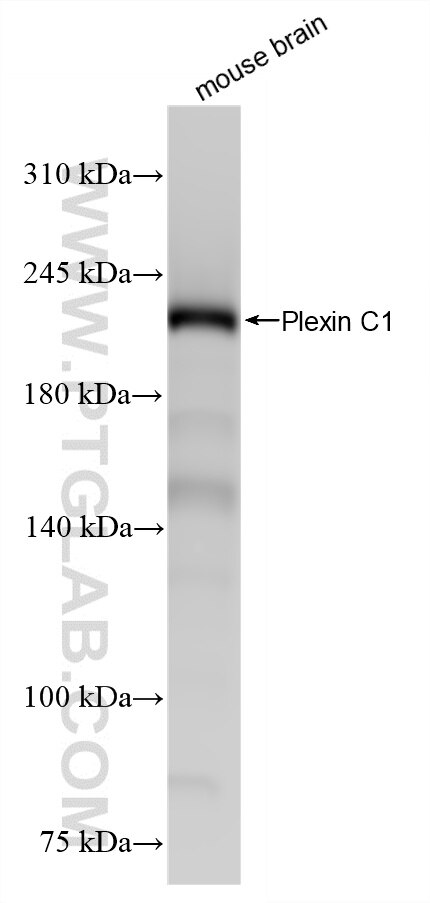
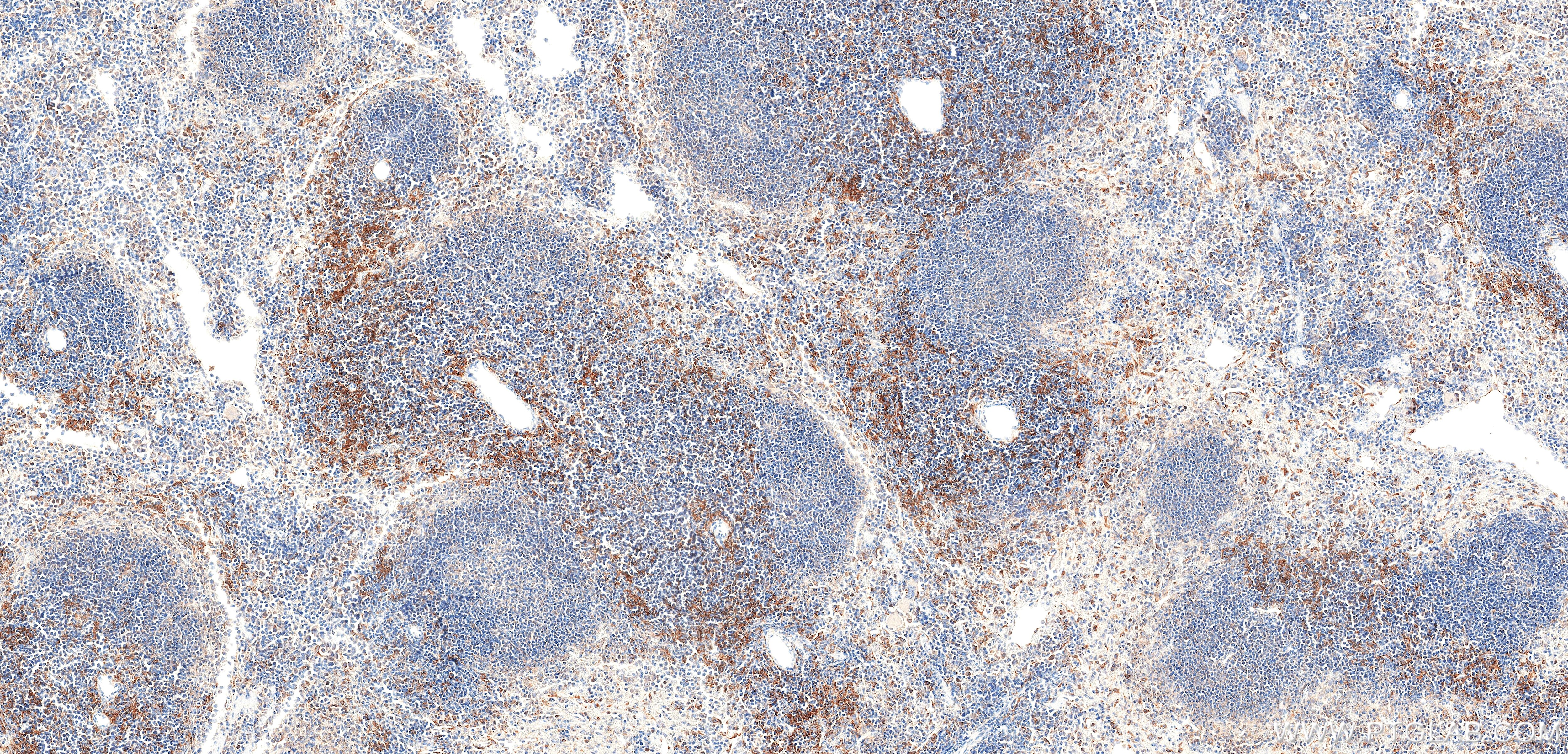
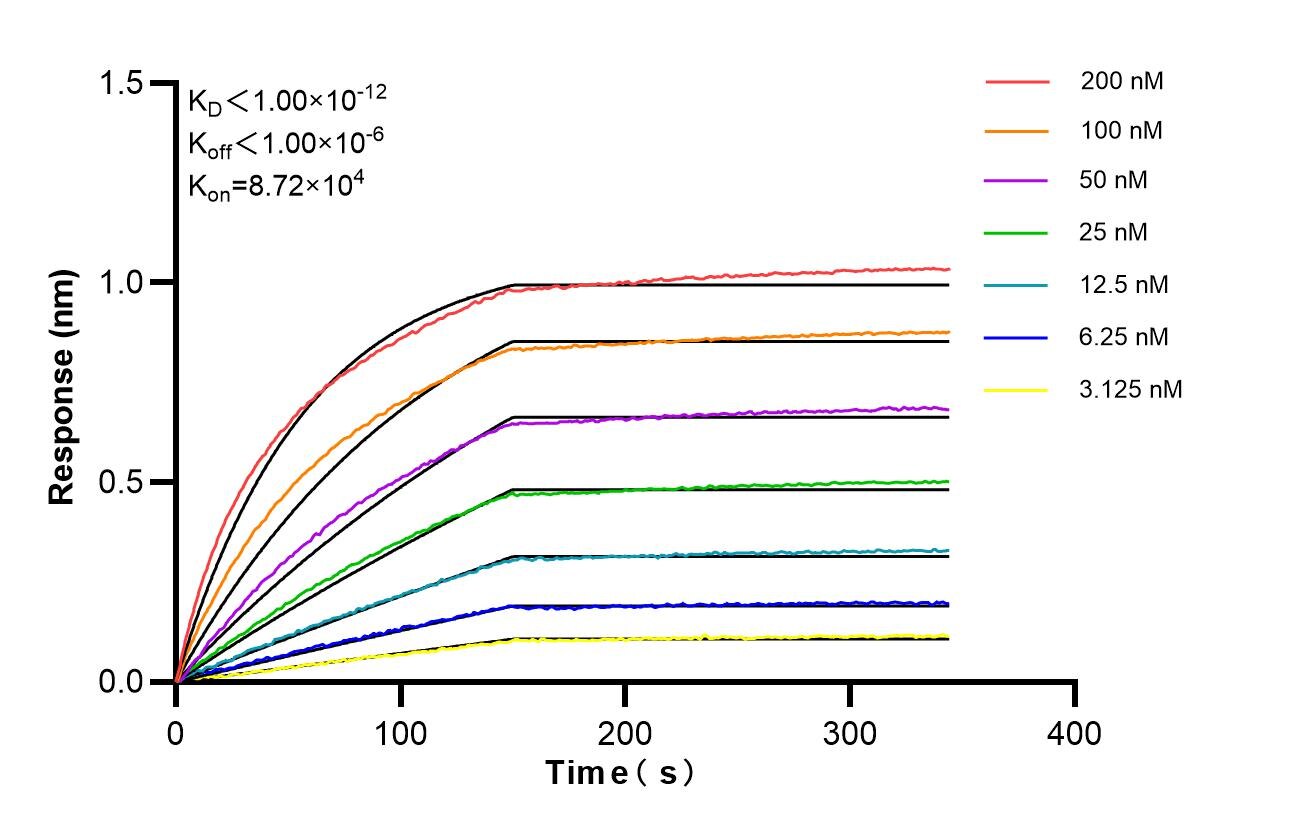
87759-3-PBS targets CD232/PLXNC1 in WB, IHC, Indirect ELISA applications and shows reactivity with mouse samples.
| Tested Reactivity | mouse |
| Host / Isotype | Rabbit / IgG |
| Class | Recombinant |
| Type | Antibody |
| Immunogen |
CatNo: Eg6304 Product name: Recombinant mouse CD232/PLXNC1 protein Source: mammalian cells-derived, V37 Tag: C-rFc Domain: 35-950 aa of NM_018797.3 Sequence: ADEPVWRSEQAIGAIAASRADGVFVASGSCLDQLDYSLKNRLSRLYRDQAGNCTEPVSLAPPARPRPGSSFSKLLLPYREGATGLEGLLLTGWTFDRGACEVRPLGNLNRSSLRNGTEVVSCHPQGSTAGVVYRASGTDLWYLAVAATYVLPEPETANRCNPAASDRDTAIALKNTEGRSLATQELGRLKLRGSAGSLHFVDAFLWNGSVYFPYYPYNYTSGAATGWPSMARIAQSTEVLFQGQAALDCDHGHPEGRRLLLSSSLVEAVDIWAGVFSAATGEGQERRSPATTALCLFRMSEIQAHARSCSWDFQATEHNCKEGDRPERVQPIASSTLIHSDLTSVYGTVVMNRTVLFLGTGDGQLLKVVLGENLTSNCPEVIYEIKEETPVFYKLVPHPMKNIYIYLTAGKEVRRIPVANCSKRKSCSECLAAADPHCGWCLPLQRCTFQGDCTHAGSFENWLDISSGPKKCPKIQILRSLRERTTVTIVGSISARHSECVVKNADTGKLLCQGRSQLNWTCACNIPSRPSYNVLVVNATFSFPSWNLSERFNFTNCASLKECPACIRSGCAWCKRDKKCIHPFTPCEPSDYERNQELCQVAVEKSPKDSGGGRVKESKRNRTDGAVQVFYIKAIEPQKISTLGKSNVIVTGANFTQASNITMILRGTSTCERDVIRVSHVLNDTHMKFSLPSSRKEMKDVCIQFDGGTCSSAGALSYIALPHCSLIVPATTWISGGQNITIMGRNFDVIDNLIISHELKGNANVNINVSEYCAATFCRFLAPNLKSSKVRTNVAVKLRVQDTYLDCGTLQYLEDPRFTGYRVESEIDTELEVKIQKENDNFNISKDDIDITLFHGENKQFNCSFENITRNQDLTTILCKIKSIKNANTIASSSKKVRVKLGNLELYVEQESVPST Predict reactive species |
| Full Name | plexin C1 |
| Calculated Molecular Weight | 176 kDa |
| Observed Molecular Weight | 220 kDa |
| GenBank Accession Number | NM_018797.3 |
| Gene Symbol | Plxnc1 |
| Gene ID (NCBI) | 54712 |
| RRID | AB_3745738 |
| Conjugate | Unconjugated |
| Form | Liquid |
| Purification Method | Protein A purification |
| UNIPROT ID | Q9QZC2 |
| Storage Buffer | PBS only, pH 7.3. |
| Storage Conditions | Store at -80°C. |
Background Information
CD232/PLXNC1 is a class C plexin surface receptor that mediates SEMA7A-dependent signaling to control cell migration, adhesion, and cytoskeletal dynamics in immune and stromal compartments. Its expression in monocytes/macrophages, dendritic cells, and endothelial-associated tissues supports important roles in inflammation, tissue remodeling, and fibrotic responses. Dysregulation of the PLXNC1 signaling axis has been linked to tumor progression, vascular inflammation, and fibrosis, highlighting PLXNC1 as a multifunctional receptor in immune and microenvironmental biology.




