

Tested Applications
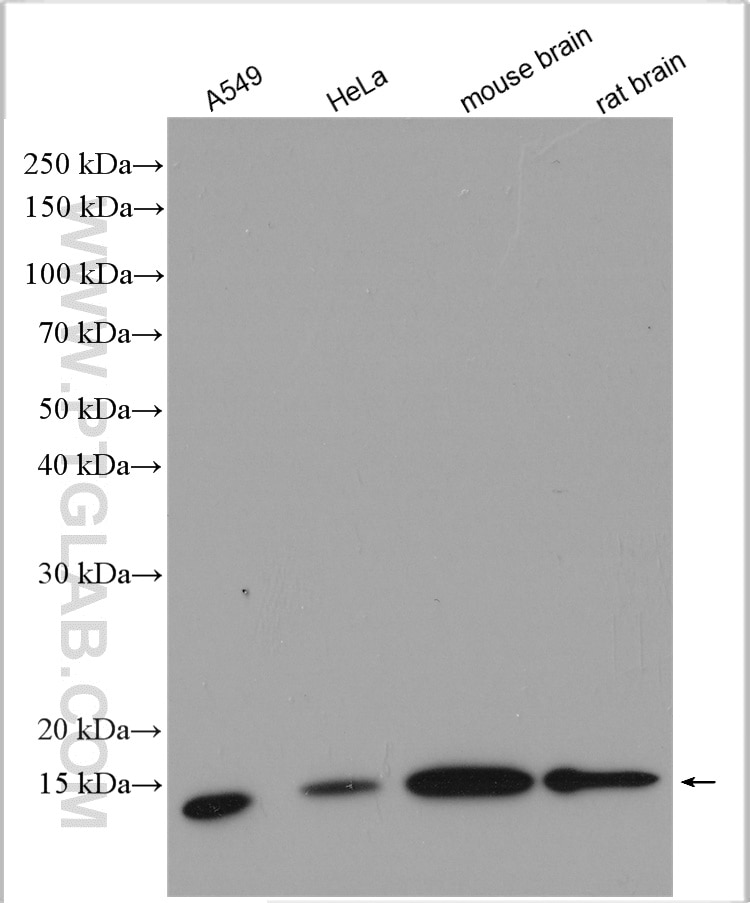
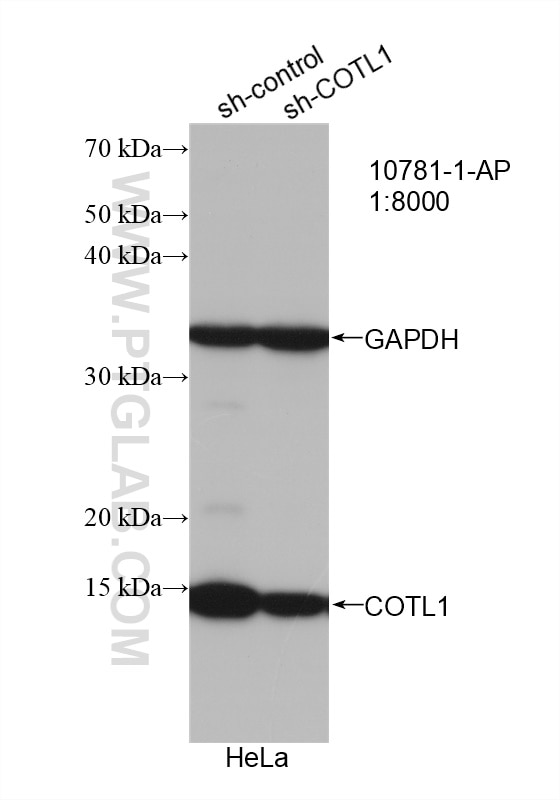
| Positive WB detected in | A549 cells, HeLa cells, mouse brain tissue, rat brain tissue |
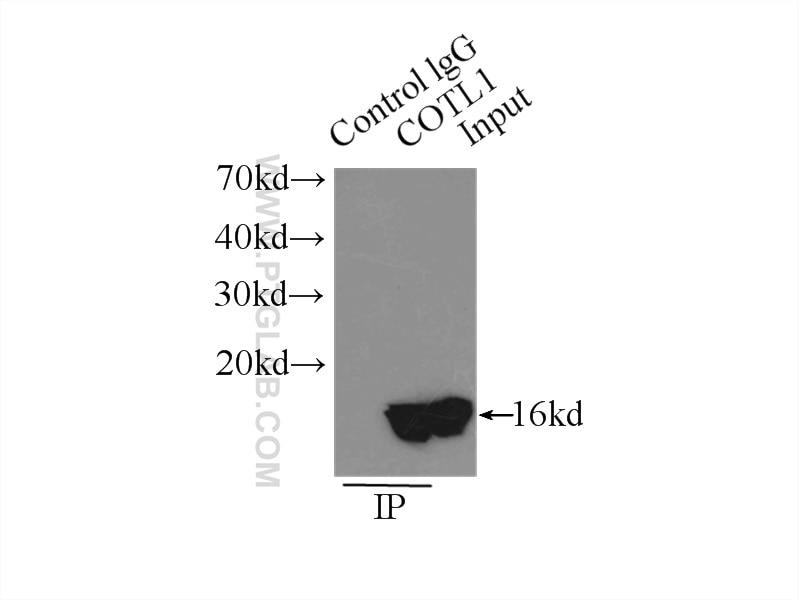
| Positive IP detected in | mouse kidney tissue |
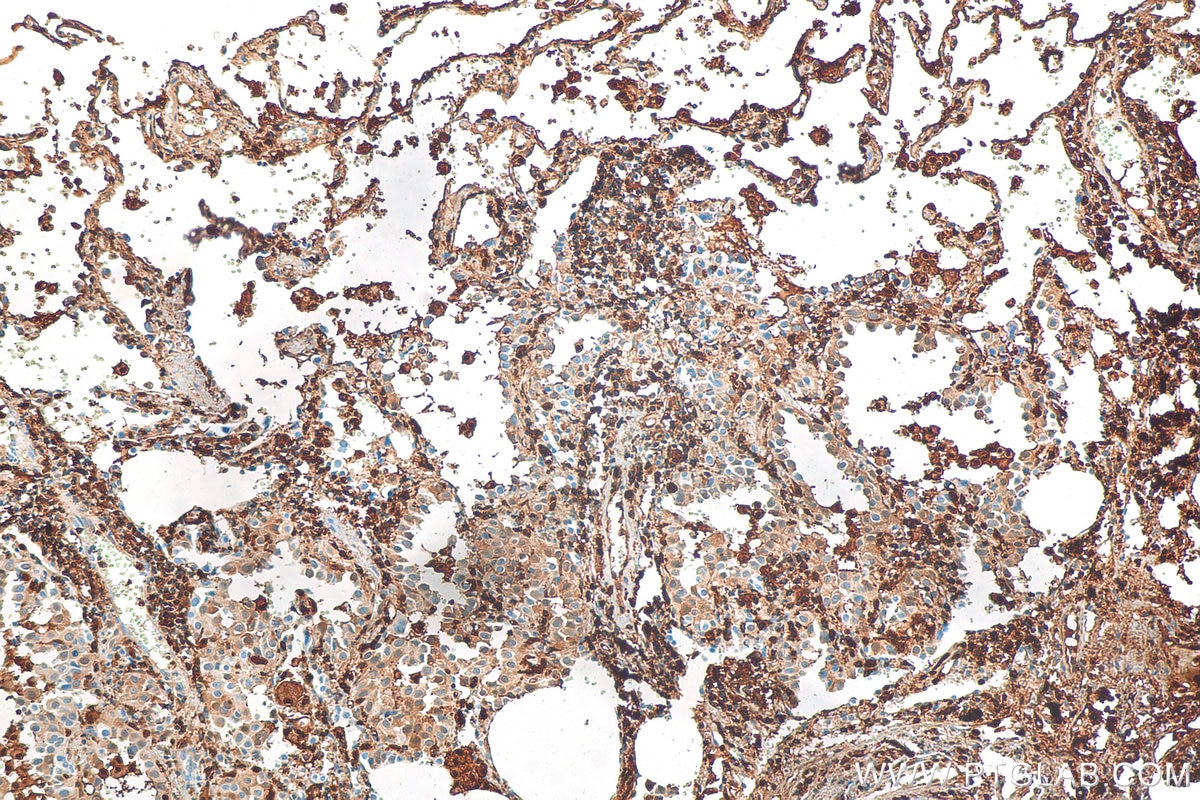
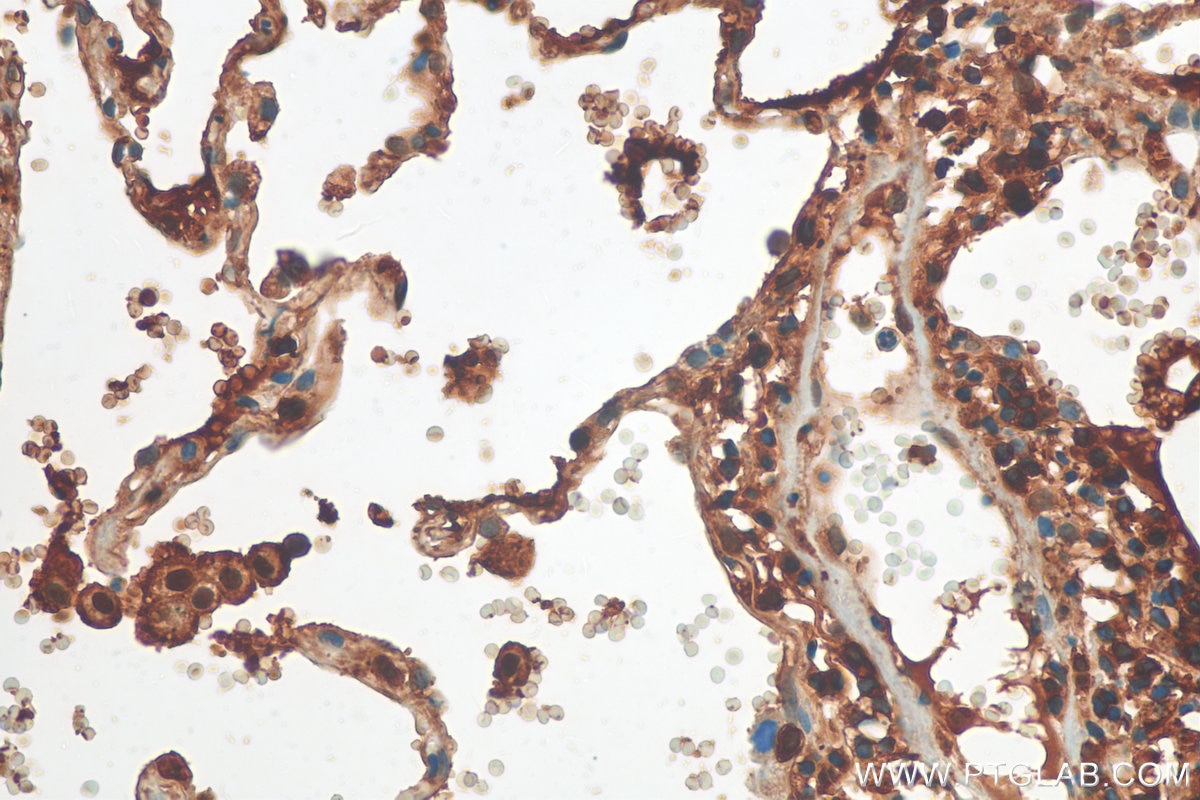
| Positive IHC detected in | human lung cancer tissue Note: suggested antigen retrieval with TE buffer pH 9.0; (*) Alternatively, antigen retrieval may be performed with citrate buffer pH 6.0 |
Recommended dilution
| Application | Dilution |
|---|---|
| Western Blot (WB) | WB : 1:2000-1:16000 |
| Immunoprecipitation (IP) | IP : 0.5-4.0 ug for 1.0-3.0 mg of total protein lysate |
| Immunohistochemistry (IHC) | IHC : 1:50-1:500 |
| It is recommended that this reagent should be titrated in each testing system to obtain optimal results. | |
| Sample-dependent, Check data in validation data gallery. | |
Product Information
10781-1-AP targets COTL1 in WB, IHC, IF, IP, ELISA applications and shows reactivity with human, mouse, rat samples.
| Tested Reactivity | human, mouse, rat |
| Cited Reactivity | human, mouse |
| Host / Isotype | Rabbit / IgG |
| Class | Polyclonal |
| Type | Antibody |
| Immunogen |
CatNo: Ag1230 Product name: Recombinant human COTL1 protein Source: e coli.-derived, PGEX-4T Tag: GST Domain: 1-142 aa of BC010884 Sequence: MATKIDKEACRAAYNLVRDDGSAVIWVTFKYDGSTIVPGEQGAEYQHFIQQCTDDVRLFAFVRFTTGDAMSKRSKFALITWIGENVSGLQRAKTGTDKTLVKEVVQNFAKEFVISDRKELEEDFIKSELKKAGGANYDAQTE Predict reactive species |
| Full Name | coactosin-like 1 (Dictyostelium) |
| Calculated Molecular Weight | 16 kDa |
| Observed Molecular Weight | 16 kDa |
| GenBank Accession Number | BC010884 |
| Gene Symbol | COTL1 |
| Gene ID (NCBI) | 23406 |
| RRID | AB_2084785 |
| Conjugate | Unconjugated |
| Form | Liquid |
| Purification Method | Antigen affinity purification |
| UNIPROT ID | Q14019 |
| Storage Buffer | PBS with 0.02% sodium azide and 50% glycerol, pH 7.3. |
| Storage Conditions | Store at -20°C. Stable for one year after shipment. Aliquoting is unnecessary for -20oC storage. 20ul sizes contain 0.1% BSA. |
Background Information
COTL1, also named as CLP, binds to F-actin in a calcium-independent manner. And it has no direct effect on actin depolymerization.
Protocols
| Product Specific Protocols | |
|---|---|
| IHC protocol for COTL1 antibody 10781-1-AP | Download protocol |
| IP protocol for COTL1 antibody 10781-1-AP | Download protocol |
| WB protocol for COTL1 antibody 10781-1-AP | Download protocol |
| Standard Protocols | |
|---|---|
| Click here to view our Standard Protocols |
Publications
What published studies show
Anti-COTL1 antibody (Cat# 10781-1-AP) has 13 citations published in journals including Advanced Science, British Journal of Cancer, Journal of Medicinal Chemistry, Oncotarget, Cancers, Journal of Inflammation Research, PLoS One, Frontiers in Cell and Developmental Biology, and others. Associated research fields span oncology (lung, esophageal, oral, breast, and glioma cancers), allergic airway inflammation, intestinal barrier biology, cytoskeletal organization, and protein–protein interactions.
| Species | Application | Title |
|---|---|---|
Adv Sci (Weinh) Coactosin-Like Protein Reduces Prostaglandin D2 Production in Alveolar Macrophages and Alleviates Allergic Airway Inflammation | ||
Br J Cancer Proteomics analysis and immune profiling reveal regulators of PD-L1 in oesophageal squamous cell carcinoma | ||
J Med Chem Discovery of Novel Oxazolo[4,3-f]purine Derivatives as Antitumor Agents through PPIA Interaction | ||
Front Cell Dev Biol Coactosin-like protein 1 regulates integrity and repair of model intestinal epithelial barriers via actin binding dependent and independent mechanisms
| ||
Oncotarget Genetic and epigenetic silencing of mircoRNA-506-3p enhances COTL1 oncogene expression to foster non-small lung cancer progression. | ||
Cancers (Basel) A Systemic and Integrated Analysis of p63-Driven Regulatory Networks in Mouse Oral Squamous Cell Carcinoma |
Reviews
What customers say
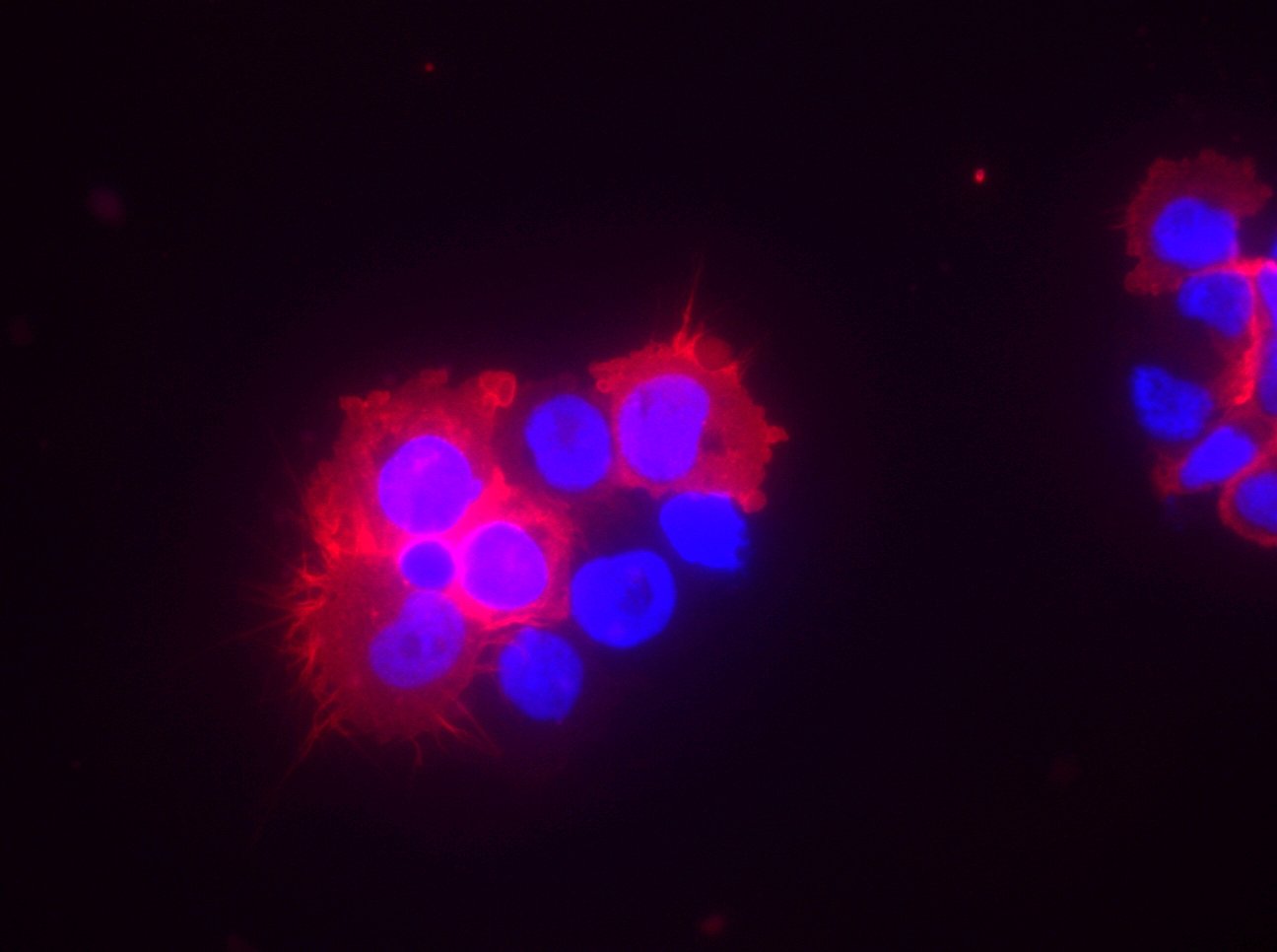
One reviewer (Susanne D., 2019) gave this product a 5-star rating for Western Blot and Immunofluorescence. She reported good staining with low background in both applications. For IF, she used methanol fixation at -20°C for 10 minutes and diluted the antibody in 1% BSA/PBS at 1:50. For WB, she diluted in PBST-0.1%/5% skim milk and incubated overnight at 1:1000. The tested samples included EBV-transformed B cells, CD19+ cells, and CD40L/IL-4 stimulated cells. Overall, the reviewer was satisfied with the performance.
The reviews below have been submitted by verified Proteintech customers who received an incentive for providing their feedback.
Susanne (Verified Customer) (06-29-2019) | Good staining with low background in WB and IF.For IF fixation was done with methanol 10 min at -20°C (pre cool), the antibody was diluted in 1%BSA/PBS.For WB the antibody was diluted in PBST-0,1%/5%skim milk and incubated over night.
 |






