
Product Information
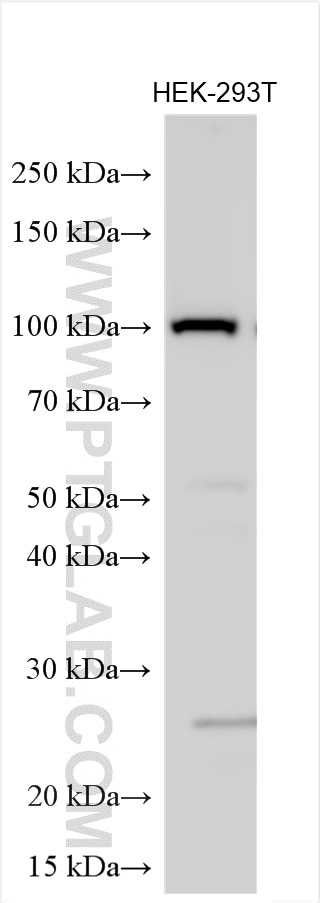
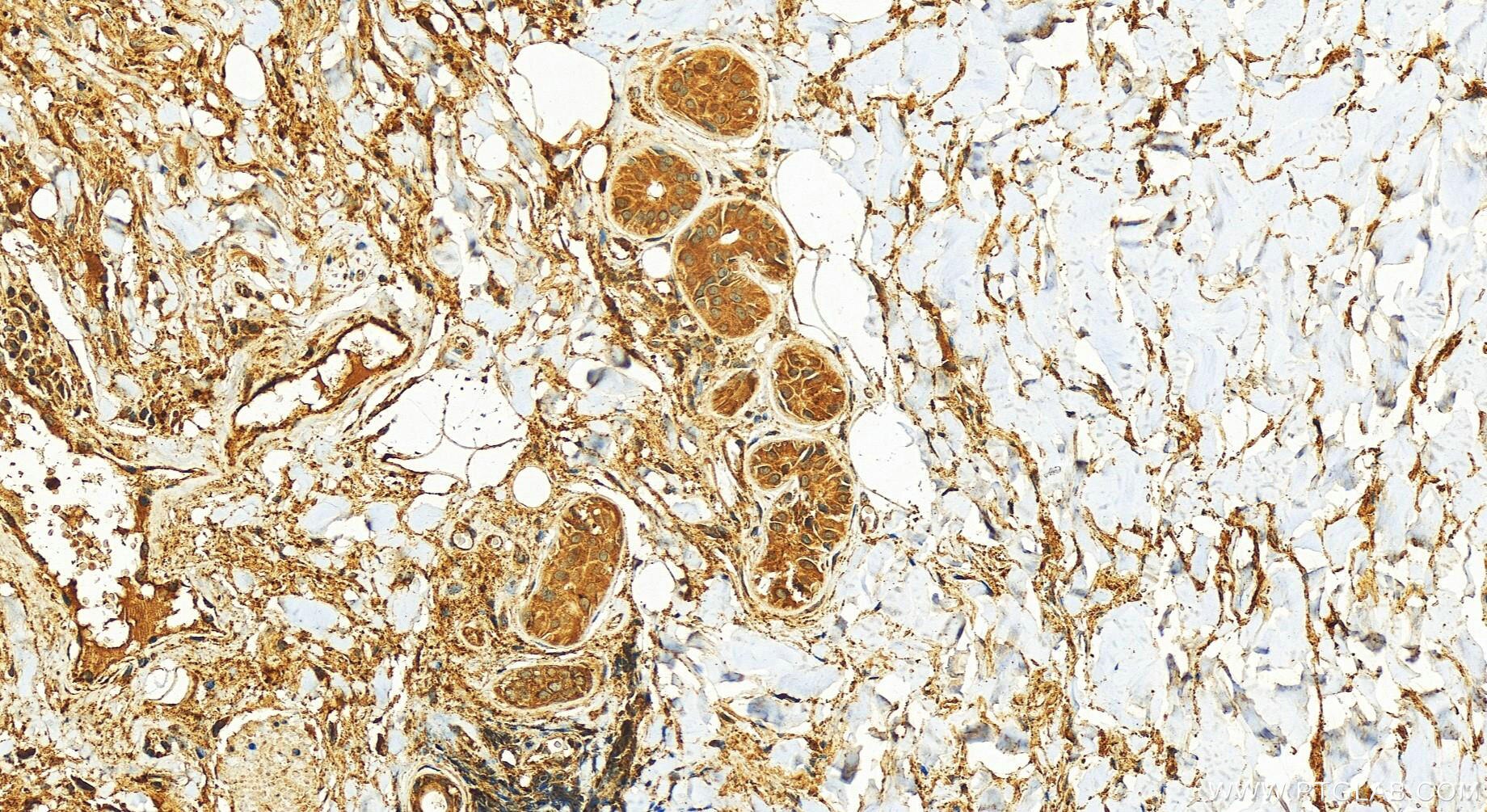
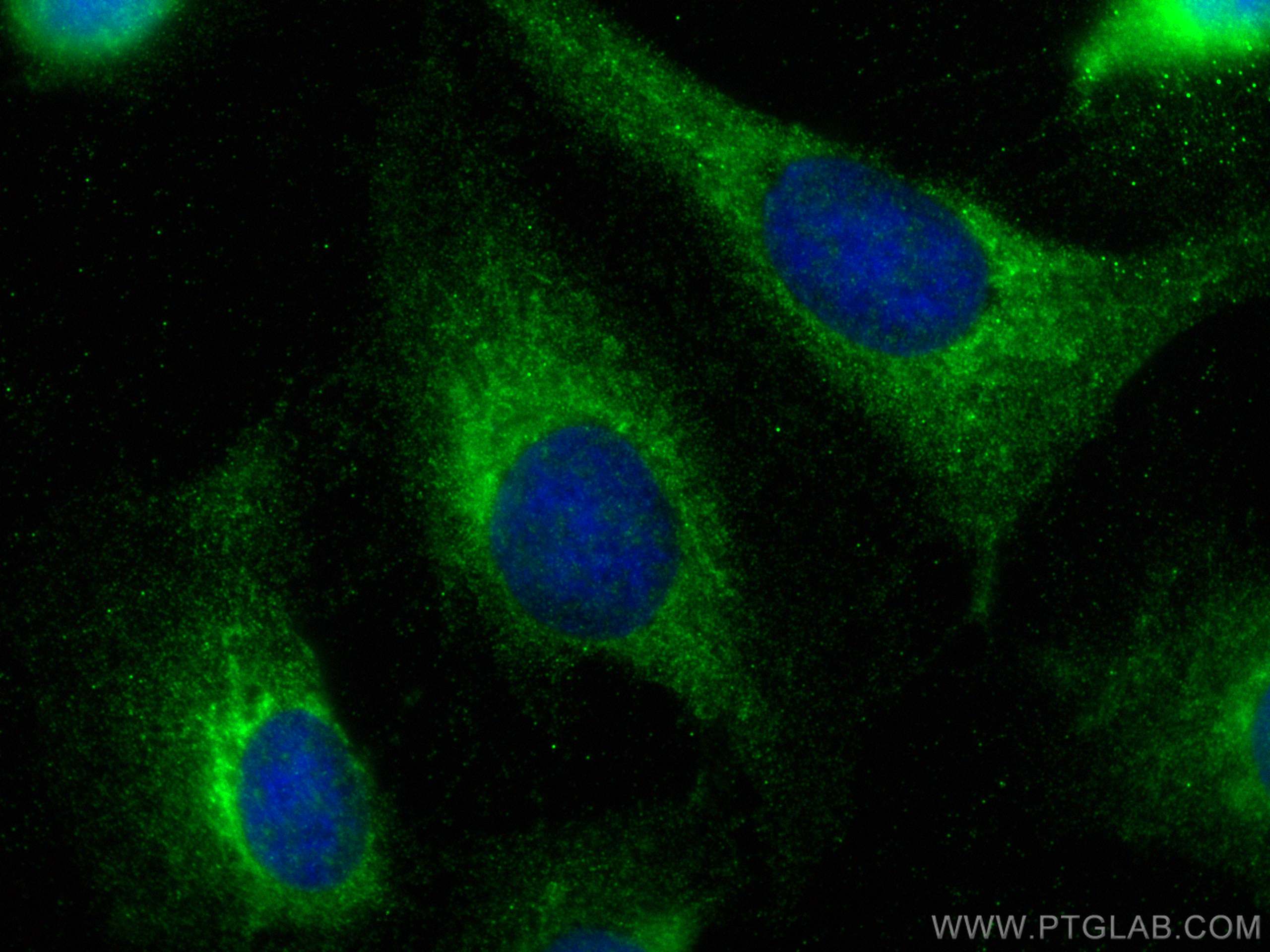
30790-1-PBS targets Cathepsin C in WB, IHC, IF/ICC, Indirect ELISA applications and shows reactivity with human samples.
| Tested Reactivity | human |
| Host / Isotype | Rabbit / IgG |
| Class | Polyclonal |
| Type | Antibody |
| Immunogen |
CatNo: Ag32420 Product name: Recombinant human Cathepsin C protein Source: e coli.-derived, PGEX-4T Tag: GST Domain: 231-463 aa of NM_001814 Sequence: LPTSWDWRNVHGINFVSPVRNQASCGSCYSFASMGMLEARIRILTNNSQTPILSPQEVVSCSQYAQGCEGGFPYLIAGKYAQDFGLVEEACFPYTGTDSPCKMKEDCFRYYSSEYHYVGGFYGGCNEALMKLELVHHGPMAVAFEVYDDFLHYKKGIYHHTGLRDPFNPFELTNHAVLLVGYGTDSASGMDYWIVKNSWGTGWGENGYFRIRRGTDECAIESIAVAATPIPKL Predict reactive species |
| Full Name | cathepsin C |
| Calculated Molecular Weight | 52 kDa |
| Observed Molecular Weight | 100 kDa |
| GenBank Accession Number | NM_001814 |
| Gene Symbol | Cathepsin C |
| Gene ID (NCBI) | 1075 |
| Conjugate | Unconjugated |
| Form | Liquid |
| Purification Method | Antigen affinity purification |
| UNIPROT ID | P53634 |
| Storage Buffer | PBS only, pH 7.3. |
| Storage Conditions | Store at -80°C. |
Background Information
Cathepsin C, also known as DPP-I. It is expected to be located in lysosome and highly expressed in lung, kidney and placenta (PMID: 9092576). This gene encodes a member of the peptidase C1 family and lysosomal cysteine proteinase that appears to be a central coordinator for activation of many serine proteinases in cells of the immune system. Alternative splicing results in multiple transcript variants, at least one of which encodes a preproprotein that is proteolytically processed to generate heavy and light chains that form a disulfide-linked dimer. Defects in the encoded protein have been shown to be a cause of Papillon-Lefevre syndrome, an autosomal recessive disorder characterized by palmoplantar keratosis and periodontitis. The calculated molecular weight of Cathepsin C is 51 kDa. The 23-kDa band may be a subunit of the protein monomer, while a 100-kda band is a dimer form (PMID: 26884336, 31557781).




