

Tested Applications
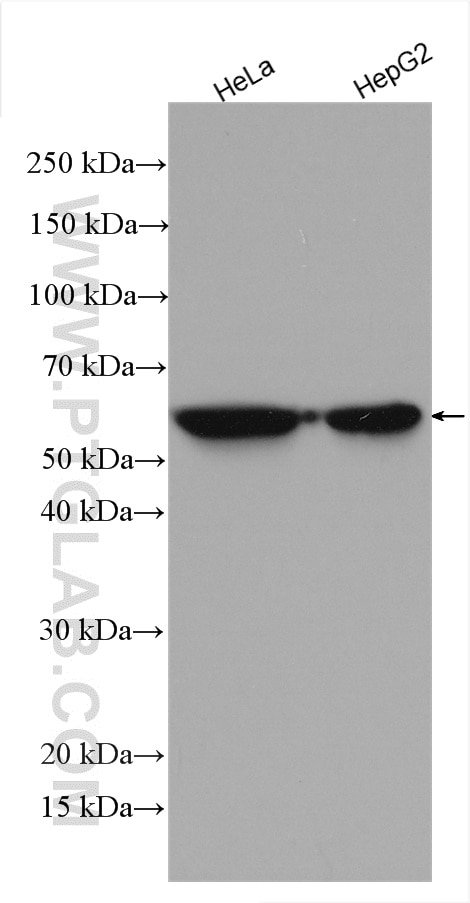
| Positive WB detected in | HeLa cells, HepG2 cells |
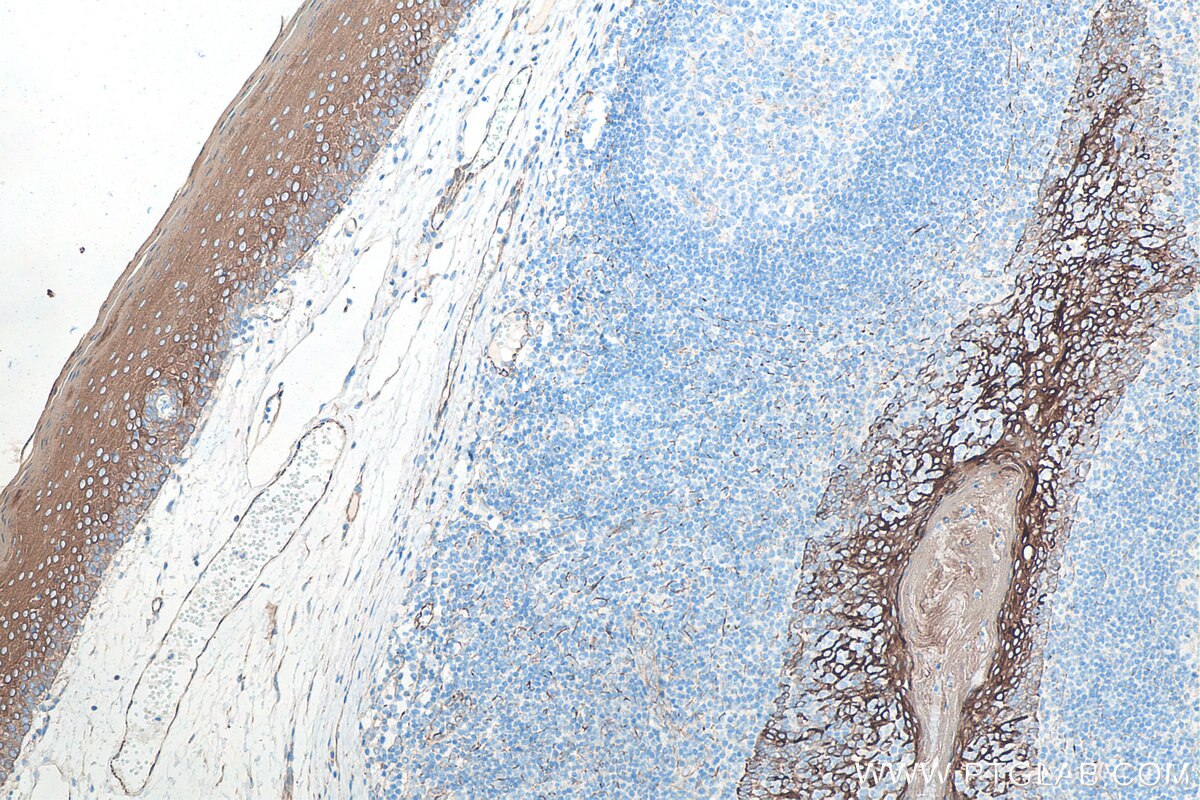
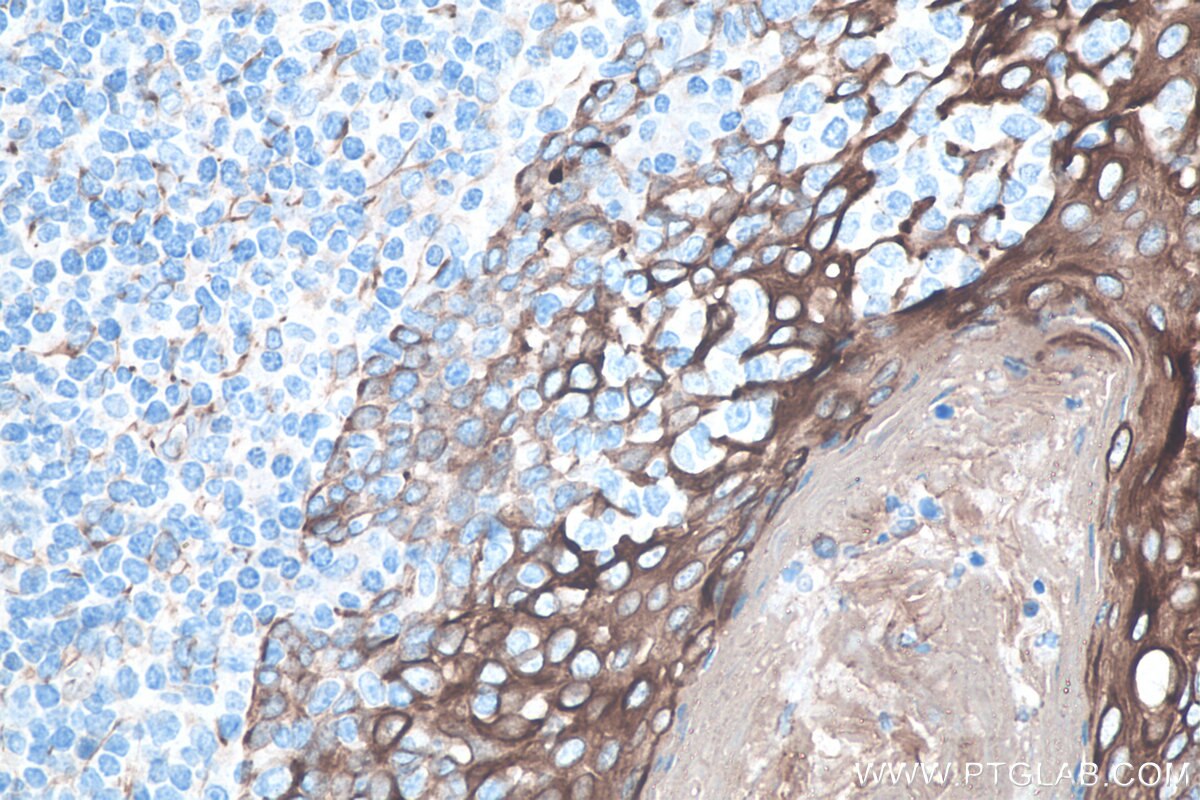
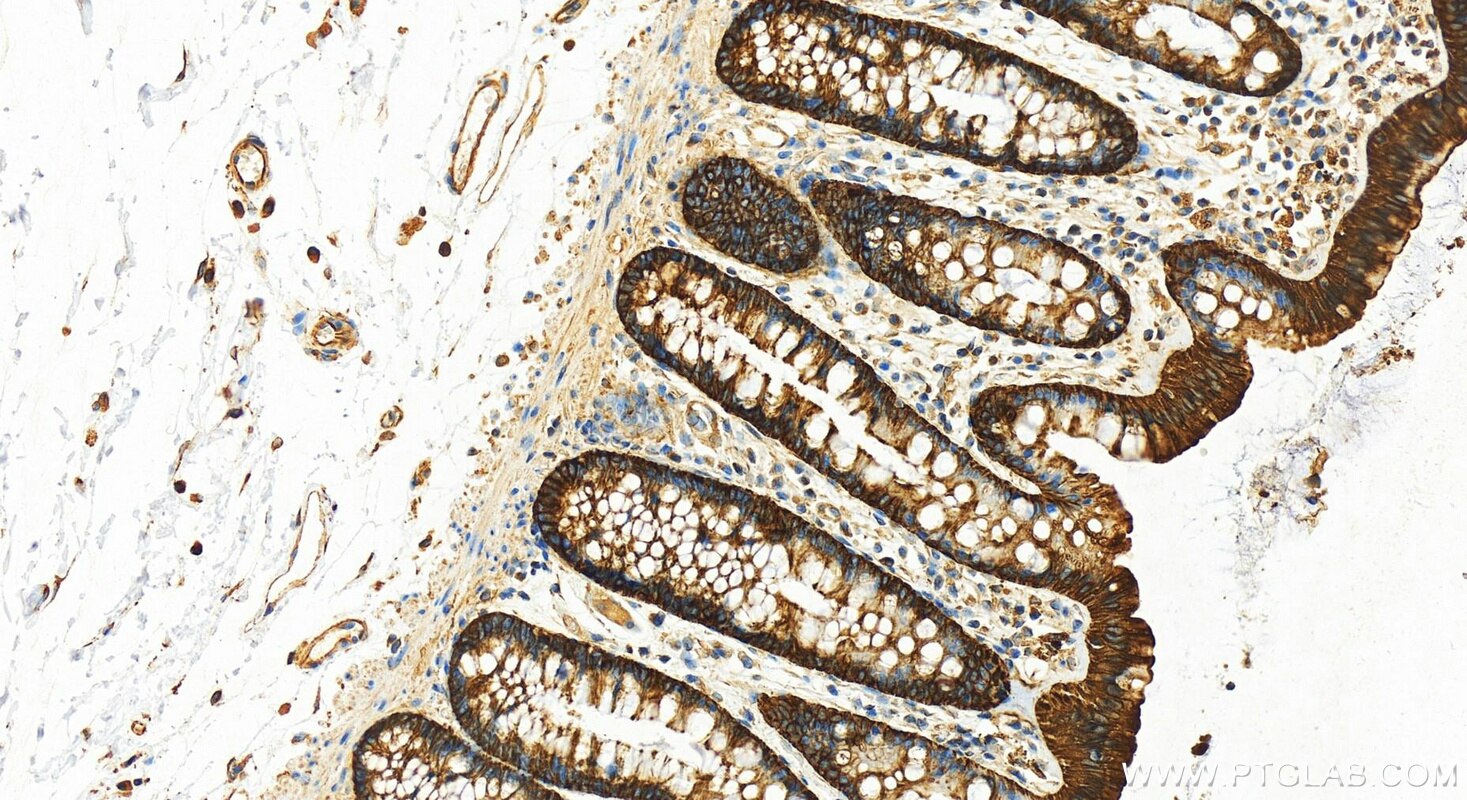
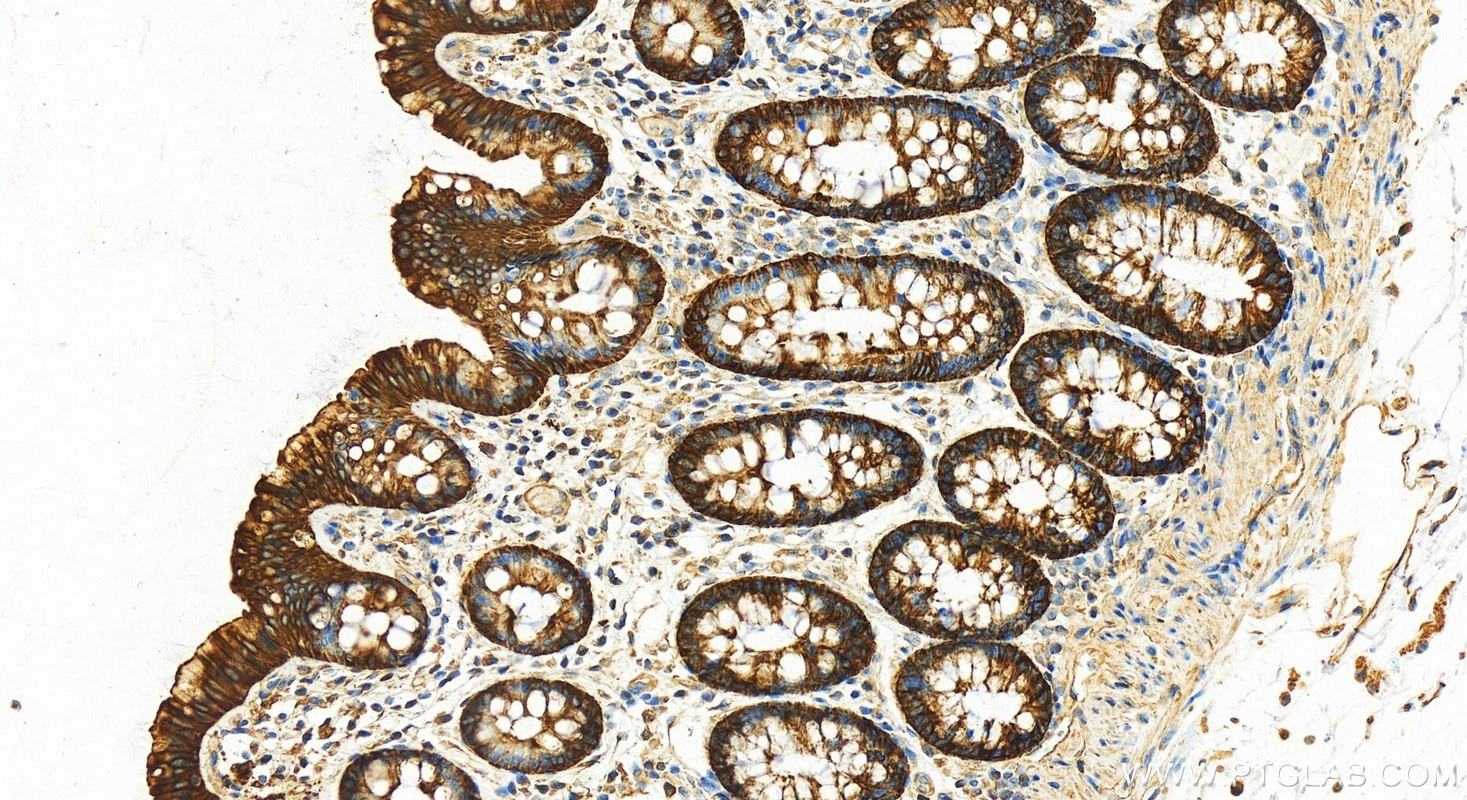
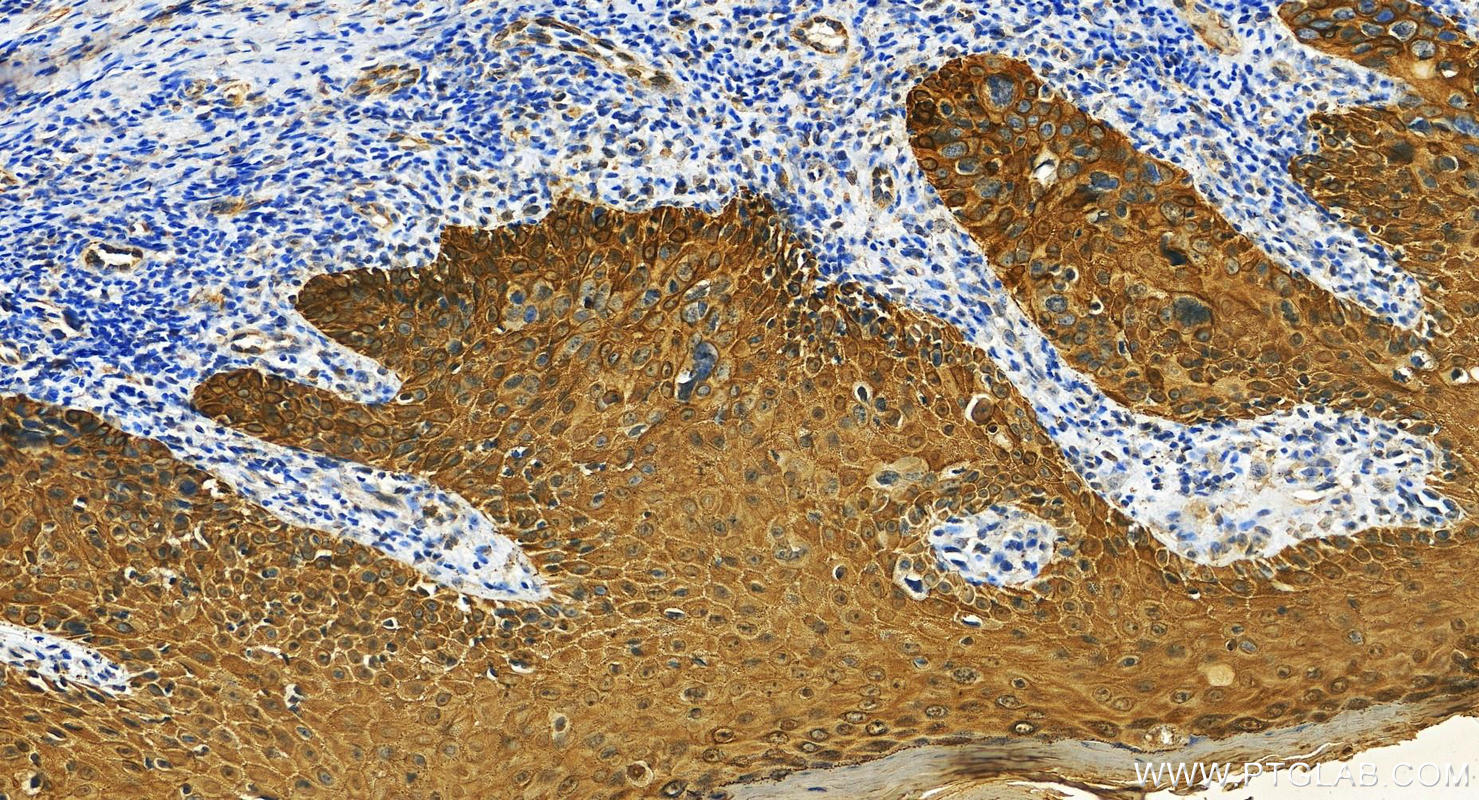
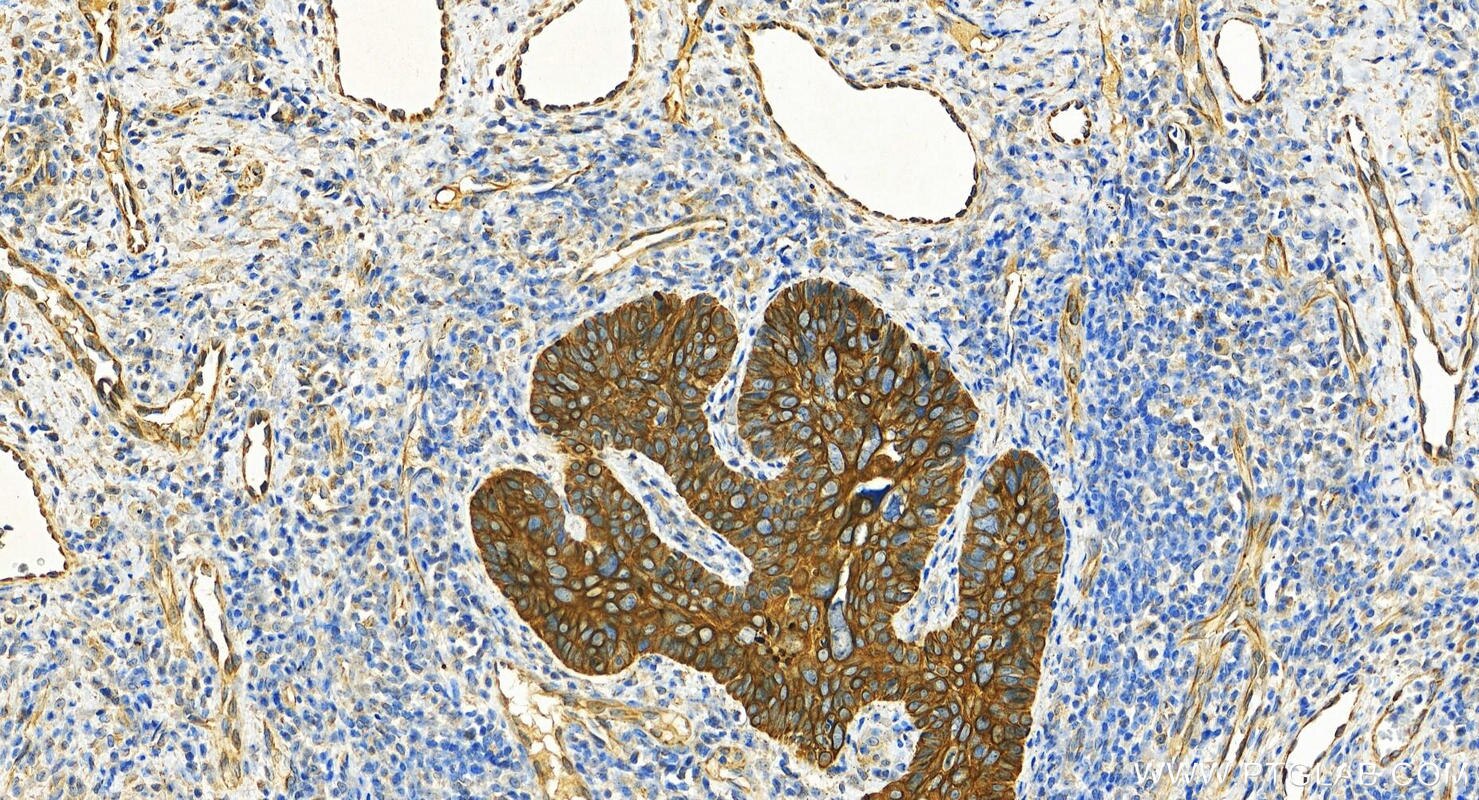
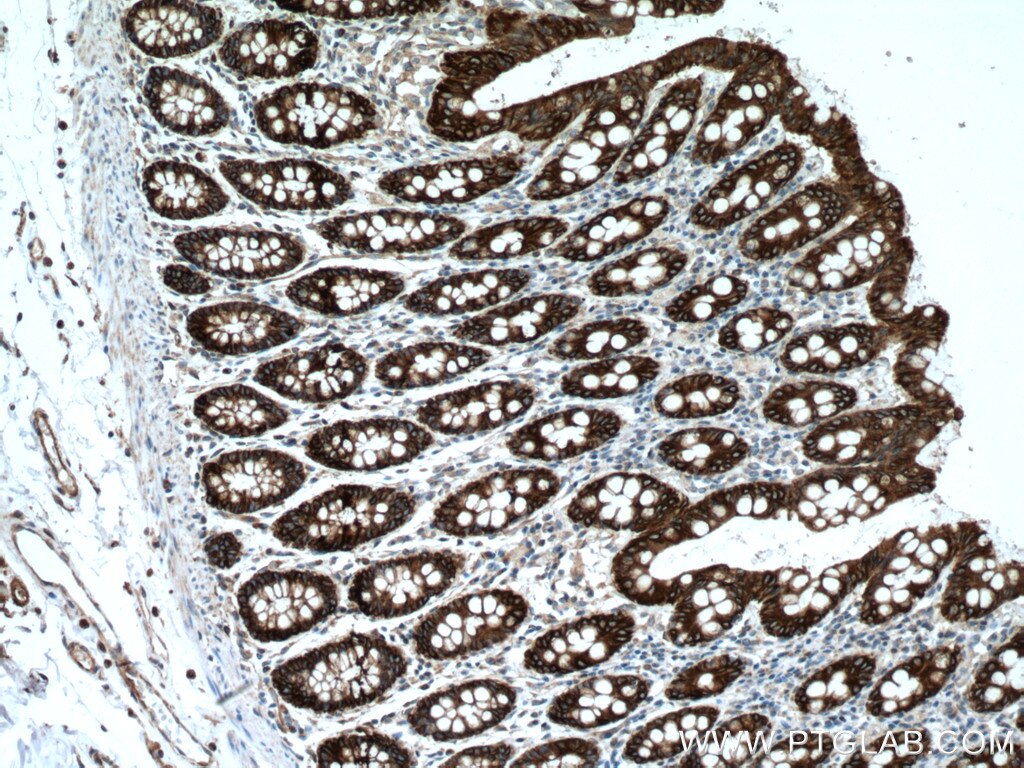
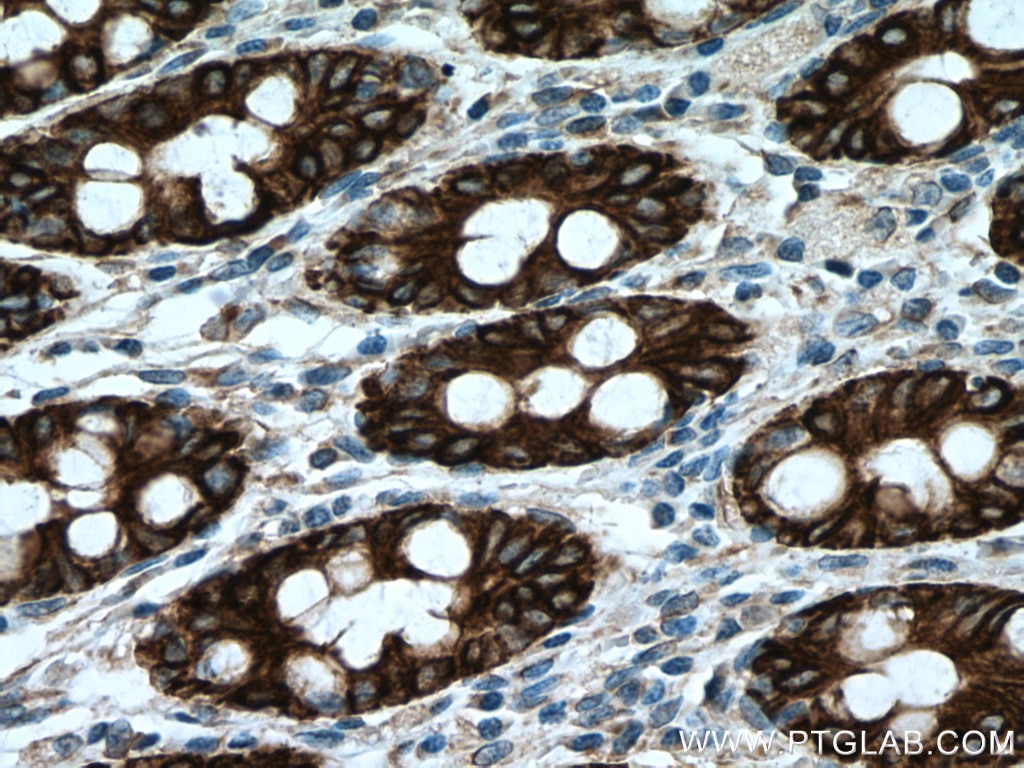
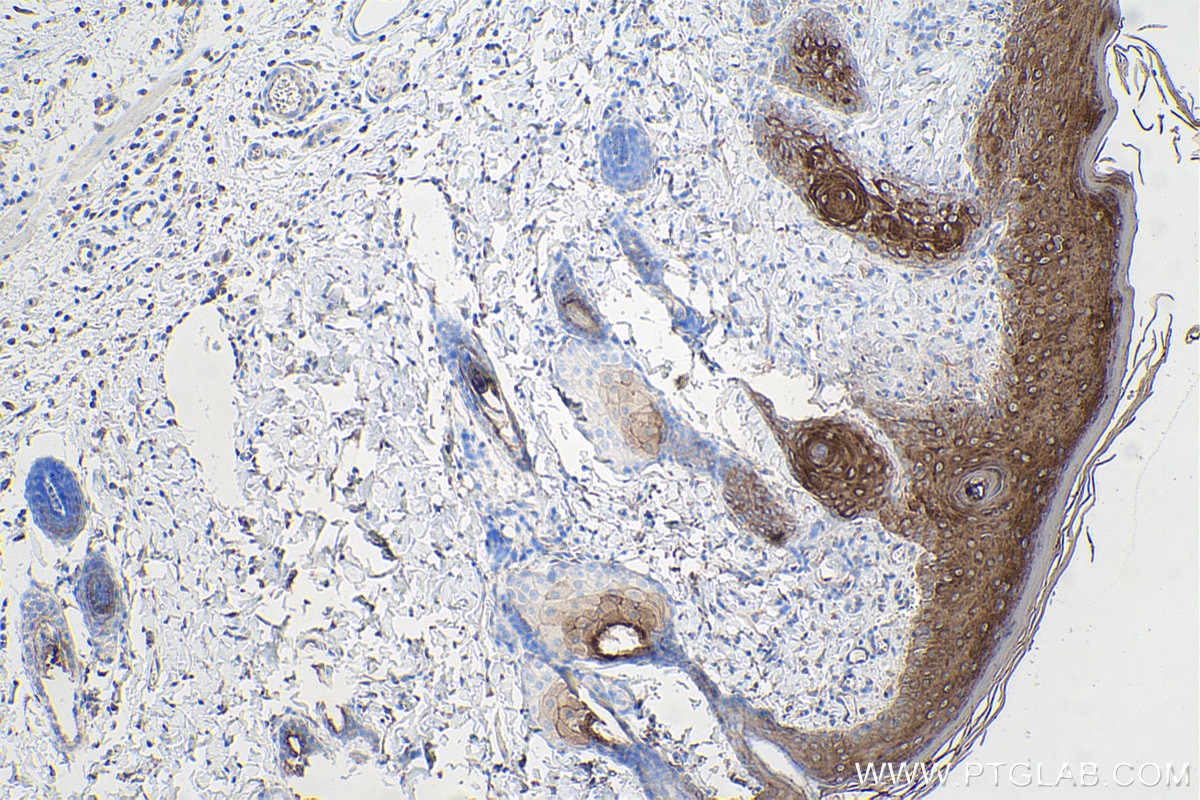
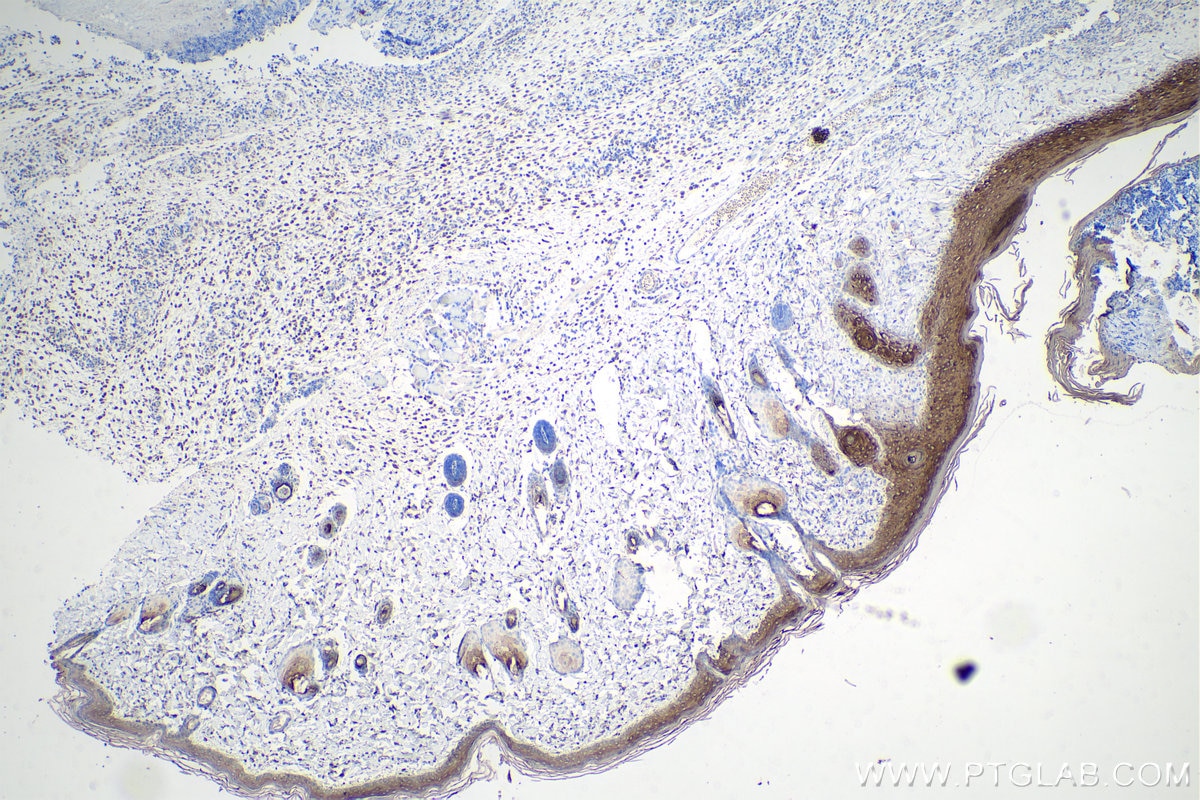
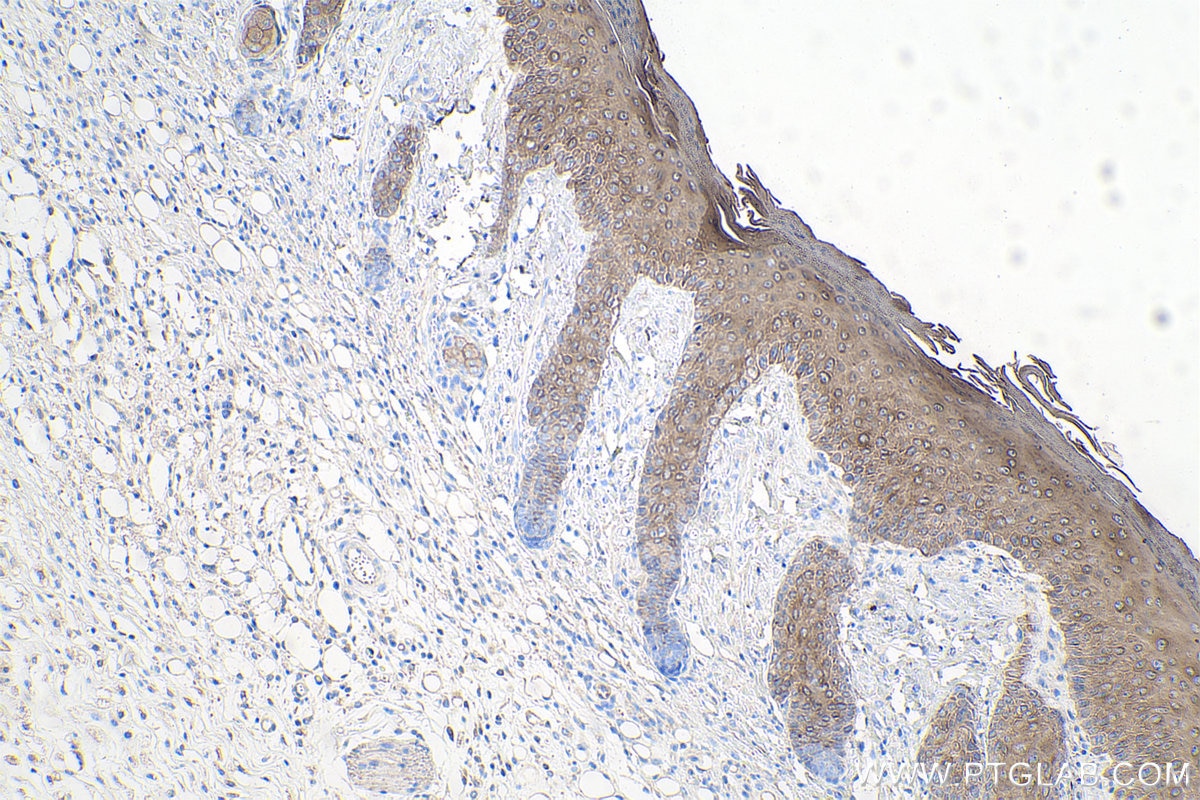
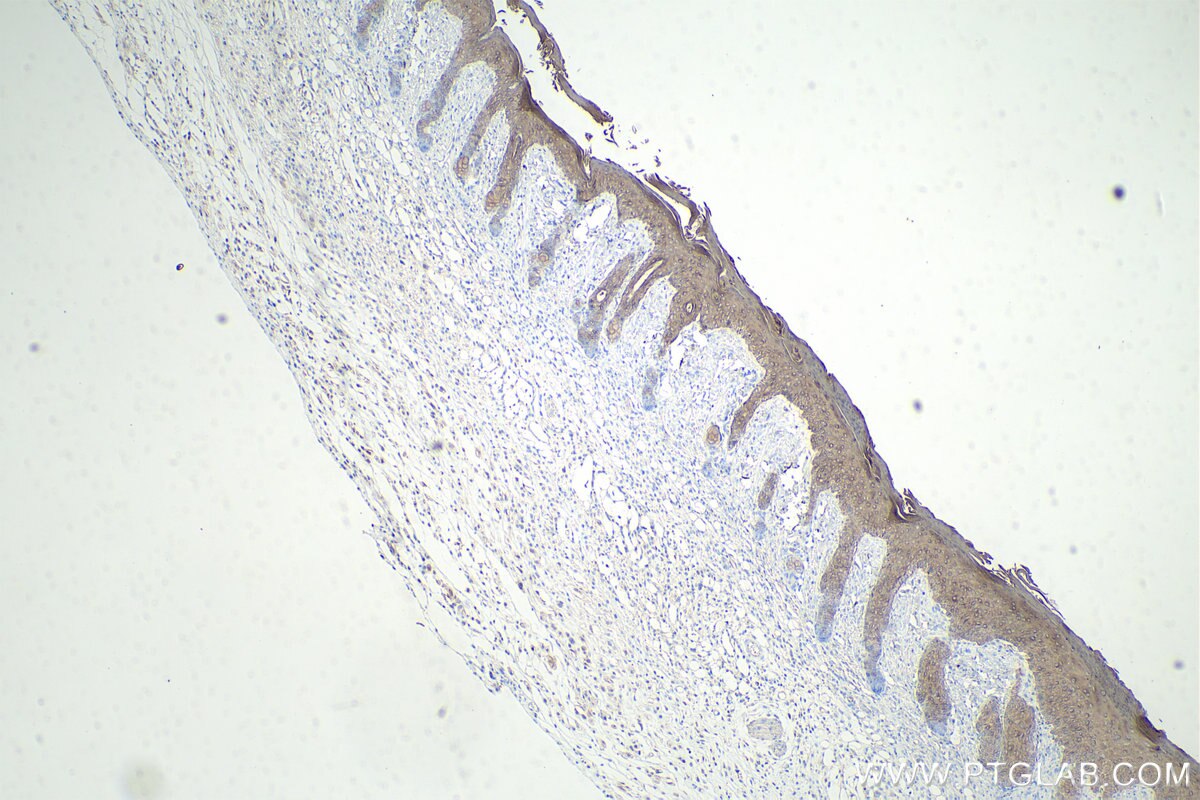
| Positive IHC detected in | human tonsillitis tissue, human colon tissue, mouse skin tissue, rat skin tissue, human brown disease Note: suggested antigen retrieval with TE buffer pH 9.0; (*) Alternatively, antigen retrieval may be performed with citrate buffer pH 6.0 |
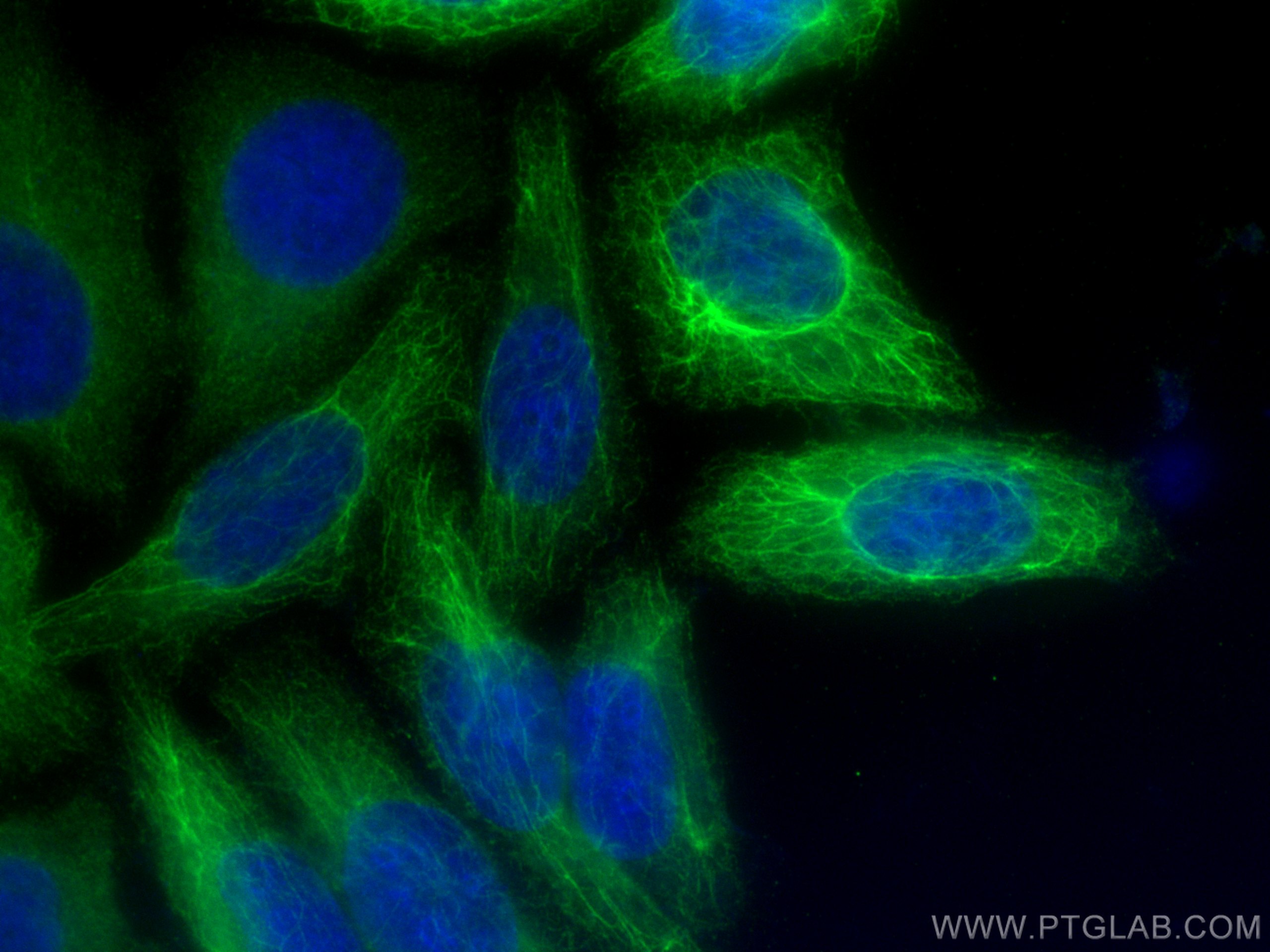
| Positive IF/ICC detected in | HepG2 cells |
Recommended dilution
| Application | Dilution |
|---|---|
| Western Blot (WB) | WB : 1:2000-1:16000 |
| Immunohistochemistry (IHC) | IHC : 1:2000-1:8000 |
| Immunofluorescence (IF)/ICC | IF/ICC : 1:50-1:500 |
| It is recommended that this reagent should be titrated in each testing system to obtain optimal results. | |
| Sample-dependent, Check data in validation data gallery. | |
Product Information
27105-1-AP targets Cytokeratin 8 in WB, IHC, IF/ICC, ELISA applications and shows reactivity with human, mouse, rat samples.
| Tested Reactivity | human, mouse, rat |
| Cited Reactivity | human |
| Host / Isotype | Rabbit / IgG |
| Class | Polyclonal |
| Type | Antibody |
| Immunogen |
CatNo: Ag25844 Product name: Recombinant human KRT8 protein Source: e coli.-derived, PGEX-4T Tag: GST Domain: 11-50 aa of BC008200 Sequence: EGLTDEINFLRQLYEEEIRELQSQISDTSVVLSMDNSRSL Predict reactive species |
| Full Name | keratin 8 |
| Calculated Molecular Weight | 54 kDa |
| Observed Molecular Weight | 52 kDa |
| GenBank Accession Number | BC008200 |
| Gene Symbol | Cytokeratin 8 |
| Gene ID (NCBI) | 3856 |
| RRID | AB_2918117 |
| Conjugate | Unconjugated |
| Form | Liquid |
| Purification Method | Antigen affinity purification |
| UNIPROT ID | P05787 |
| Storage Buffer | PBS with 0.02% sodium azide and 50% glycerol, pH 7.3. |
| Storage Conditions | Store at -20°C. Stable for one year after shipment. Aliquoting is unnecessary for -20oC storage. 20ul sizes contain 0.1% BSA. |
Background Information
Keratins are a large family of proteins that form the intermediate filament cytoskeleton of epithelial cells, which are classified into two major sequence types. Type I keratins are a group of acidic intermediate filament proteins, including K9-K23, and the hair keratins Ha1-Ha8. Type II keratins are the basic or neutral courterparts to the acidic type I keratins, including K1-K8, and the hair keratins, Hb1-Hb6. KRT8 is often paired with keratin 18 in vivo.
Protocols
| Product Specific Protocols | |
|---|---|
| IF protocol for Cytokeratin 8 antibody 27105-1-AP | Download protocol |
| IHC protocol for Cytokeratin 8 antibody 27105-1-AP | Download protocol |
| WB protocol for Cytokeratin 8 antibody 27105-1-AP | Download protocol |
| Standard Protocols | |
|---|---|
| Click here to view our Standard Protocols |
Publications
What published studies show
The Cytokeratin 8 Polyclonal antibody (catalog no. 27105-1-AP) has 5 total citations. These appear in the journals Journal of Translational Medicine, Environmental Toxicology, FASEB Journal, Journal of Cancer, and Translational Lung Cancer Research. The associated research fields span liver pathology (Mallory-Denk bodies/macrophage reprogramming), lung cancer heterogeneity and prognosis, renal cell carcinoma, and apoptosis/lysosomal gene studies. Applications cited include immunofluorescence, immunohistochemistry, and Western blot, all in human samples.
| Species | Application | Title |
|---|---|---|
J Transl Med Single-cell transcriptomic analysis reveals characteristic feature of macrophage reprogramming in liver Mallory-Denk bodies pathogenesis | ||
Environ Toxicol Multidimensional progressive single-cell sequencing reveals cell microenvironment composition and cancer heterogeneity in lung cancer | ||
FASEB J Multi-Omics and Machine Learning-Uncovered FLT1-Mediated Epithelial-Endothelial Crosstalk in Cellular Senescence Driving Clear Cell Renal Cell Carcinoma Malignancy. | ||
Transl Lung Cancer Res Identification of lysosomal genes associated with prognosis in lung adenocarcinoma | ||
J Cancer Identification and validation of a novel apoptosis-related prognostic risk score model for lung adenocarcinoma |















