

Tested Applications
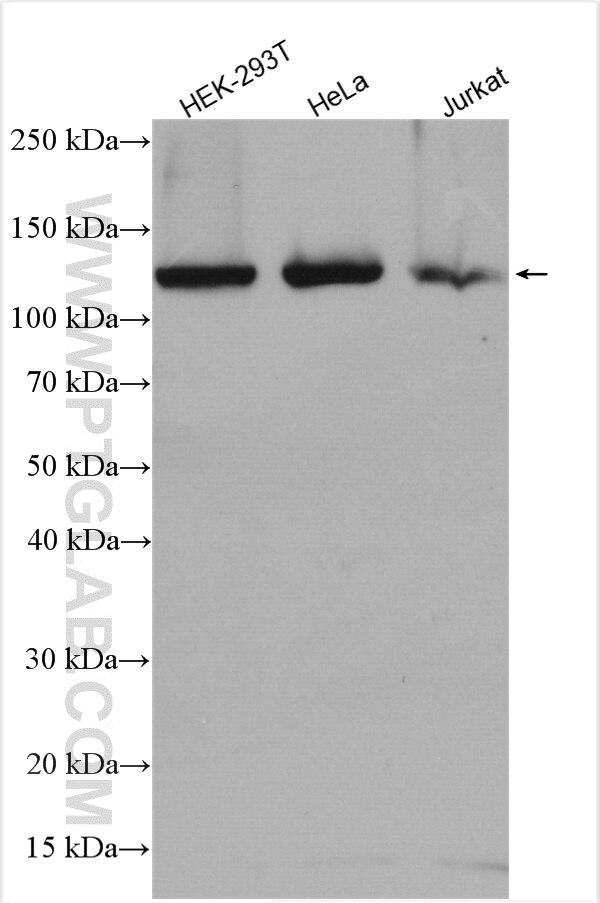
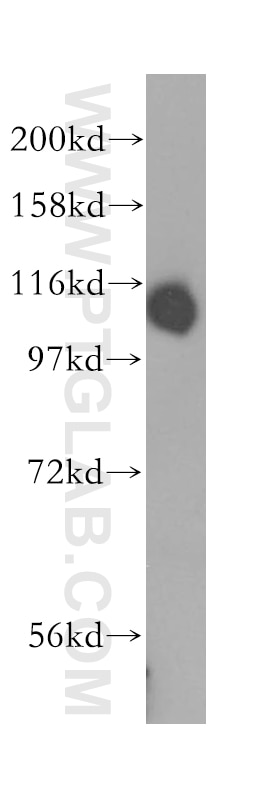
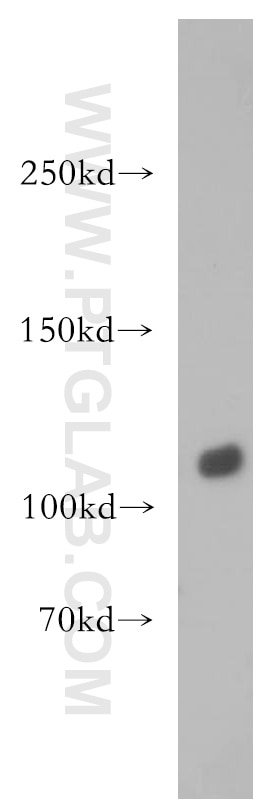
| Positive WB detected in | HEK-293T cells, mouse ovary tissue, mouse testis tissue, HeLa cells, Jurkat cells |
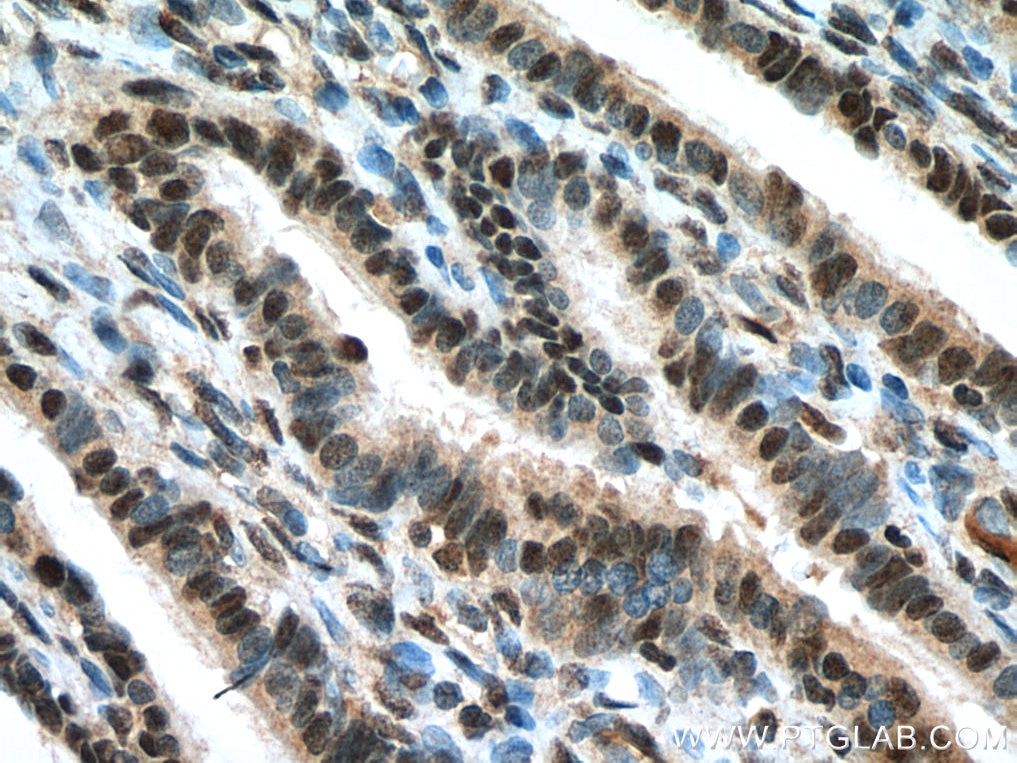
| Positive IHC detected in | human ovary tumor tissue Note: suggested antigen retrieval with TE buffer pH 9.0; (*) Alternatively, antigen retrieval may be performed with citrate buffer pH 6.0 |
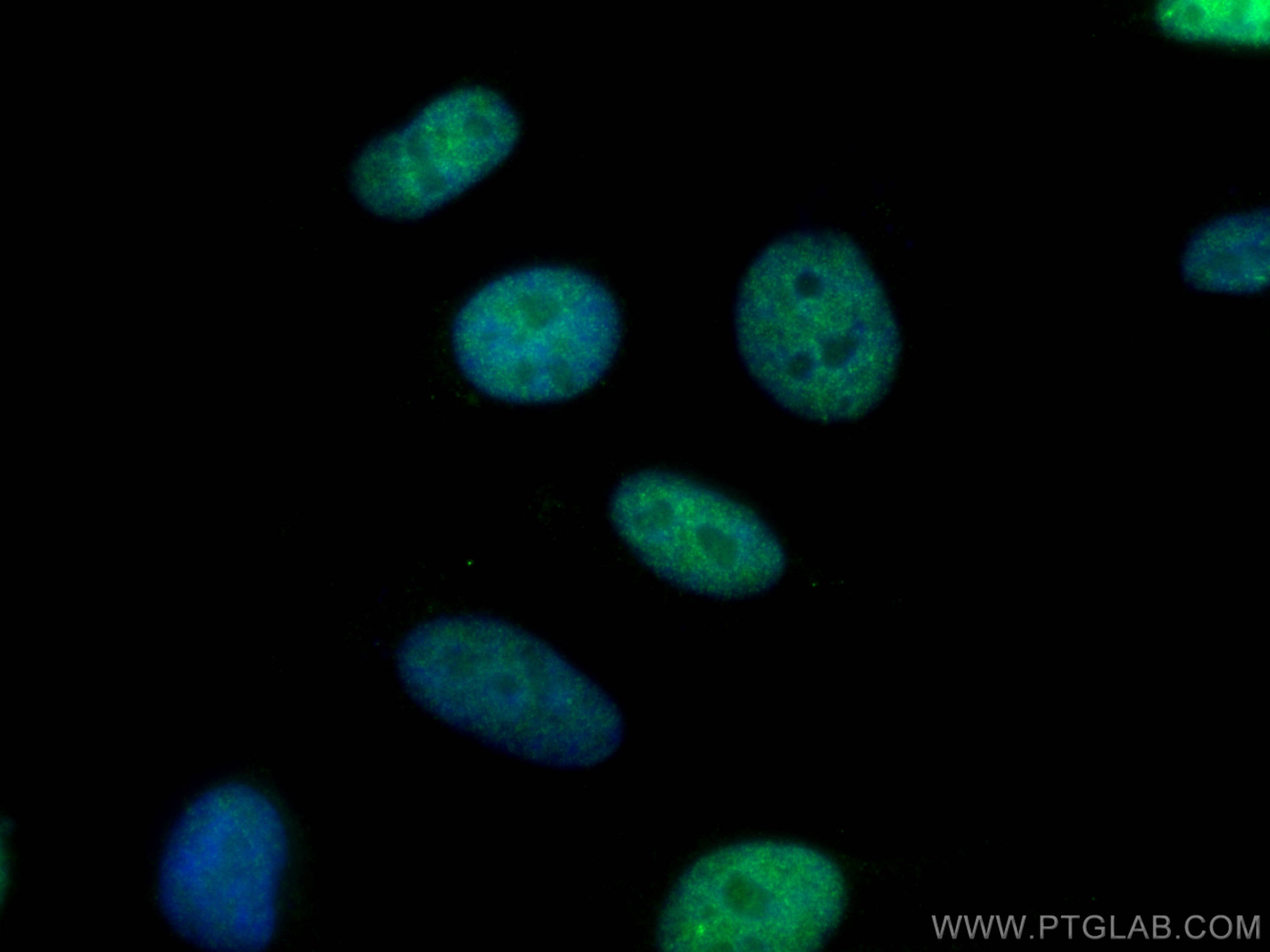
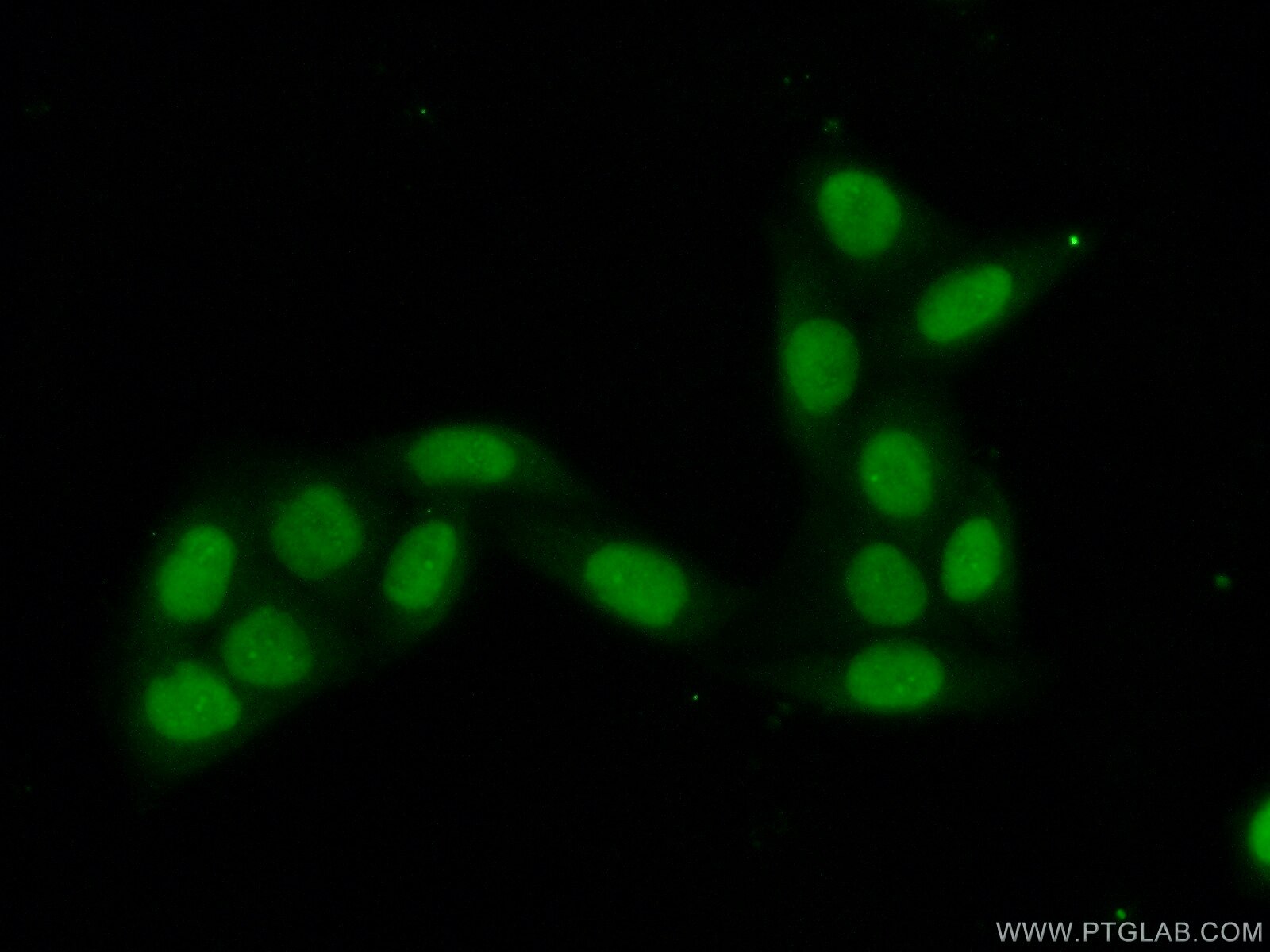
| Positive IF/ICC detected in | HeLa cells |
Recommended dilution
| Application | Dilution |
|---|---|
| Western Blot (WB) | WB : 1:500-1:2000 |
| Immunohistochemistry (IHC) | IHC : 1:50-1:500 |
| Immunofluorescence (IF)/ICC | IF/ICC : 1:50-1:500 |
| It is recommended that this reagent should be titrated in each testing system to obtain optimal results. | |
| Sample-dependent, Check data in validation data gallery. | |
Product Information
14689-1-AP targets DIS3 in WB, IHC, IF/ICC, ELISA applications and shows reactivity with human, mouse, rat samples.
| Tested Reactivity | human, mouse, rat |
| Cited Reactivity | human, mouse, drosophila |
| Host / Isotype | Rabbit / IgG |
| Class | Polyclonal |
| Type | Antibody |
| Immunogen |
CatNo: Ag6117 Product name: Recombinant human DIS3 protein Source: e coli.-derived, PGEX-4T Tag: GST Domain: 607-958 aa of BC056143 Sequence: TTSLRGLNKLAKILKKRRIEKGALTLSSPEVRFHMDSETHDPIDLQTKELRETNSMVEEFMLLANISVAKKIHEEFSEHALLRKHPAPPPSNYEILVKAARSRNLEIKTDTAKSLAESLDQAESPTFPYLNTLLRILATRCMMQAVYFCSGMDNDFHHYGLASPIYTHFTSPIRRYADVIVHRLLAVAIGADCTYPELTDKHKLADICKNLNFRHKMAQYAQRASVAFHTQLFFKSKGIVSEEAYILFVRKNAIVVLIPKYGLEGTVFFEEKDKPNPQLIYDDEIPSLKIEDTVFHVFDKVKVKIMLDSSNLQHQKIRMSLVEPQIPGISIPTDTSNMDLNGPKKKKMKLGK Predict reactive species |
| Full Name | DIS3 mitotic control homolog (S. cerevisiae) |
| Calculated Molecular Weight | 109 kDa |
| Observed Molecular Weight | 110 kDa |
| GenBank Accession Number | BC056143 |
| Gene Symbol | DIS3 |
| Gene ID (NCBI) | 22894 |
| RRID | AB_2091025 |
| Conjugate | Unconjugated |
| Form | Liquid |
| Purification Method | Antigen affinity purification |
| UNIPROT ID | Q9Y2L1 |
| Storage Buffer | PBS with 0.02% sodium azide and 50% glycerol, pH 7.3. |
| Storage Conditions | Store at -20°C. Stable for one year after shipment. Aliquoting is unnecessary for -20oC storage. 20ul sizes contain 0.1% BSA. |
Background Information
DIS3, also named as KIAA1008 and RRP44, belongs to the ribonuclease II (RNB) family. It is a component of the exosome 3'->5' exoribonuclease complex. DIS3 is required for the 3'-processing of the 7S pre-RNA to the mature nuclear complex. It is also associated with the GTPase Ran. DIS3 has a 3'-5' exonuclease activity.
Protocols
| Product Specific Protocols | |
|---|---|
| IF protocol for DIS3 antibody 14689-1-AP | Download protocol |
| IHC protocol for DIS3 antibody 14689-1-AP | Download protocol |
| WB protocol for DIS3 antibody 14689-1-AP | Download protocol |
| Standard Protocols | |
|---|---|
| Click here to view our Standard Protocols |
Publications
What published studies show
The DIS3 Polyclonal antibody (Cat# 14689-1-AP) has 20 citations. These appear in high-impact journals including Nature, Immunity, Nature Communications, Molecular Cell, Nucleic Acids Research, Science Advances, PNAS, EMBO Journal, Haematologica, Genetics, RNA, and others. Research fields span the RNA exosome complex, ribonuclease activity, RNA degradation, genome integrity, cell cycle regulation, cancer (multiple myeloma, rectal carcinoma), neurodegeneration (FTLD/ALS), cardiovascular injury, and immunity. Applications cited include WB, IF, and IHC across human, mouse, and Drosophila species.
| Species | Application | Title |
|---|---|---|
Immunity Cancer cells restrict immunogenicity of retrotransposon expression via distinct mechanisms | ||
Nat Commun DIS3 mutations enhance AID-driven translocations during B-cell activation, promoting transformation to multiple myeloma. | ||
Mol Cell DGCR8 Acts as an Adaptor for the Exosome Complex to Degrade Double-Stranded Structured RNAs. | ||
Mol Cell RNA exonuclease REXO4 resolves m(6)A-marked R-loops and suppresses anti-tumor immunity. |
Reviews
What customers say
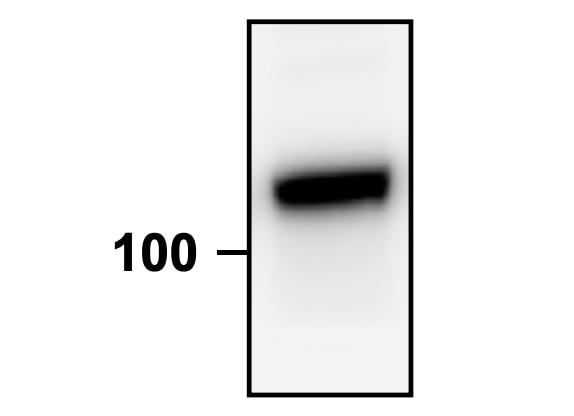
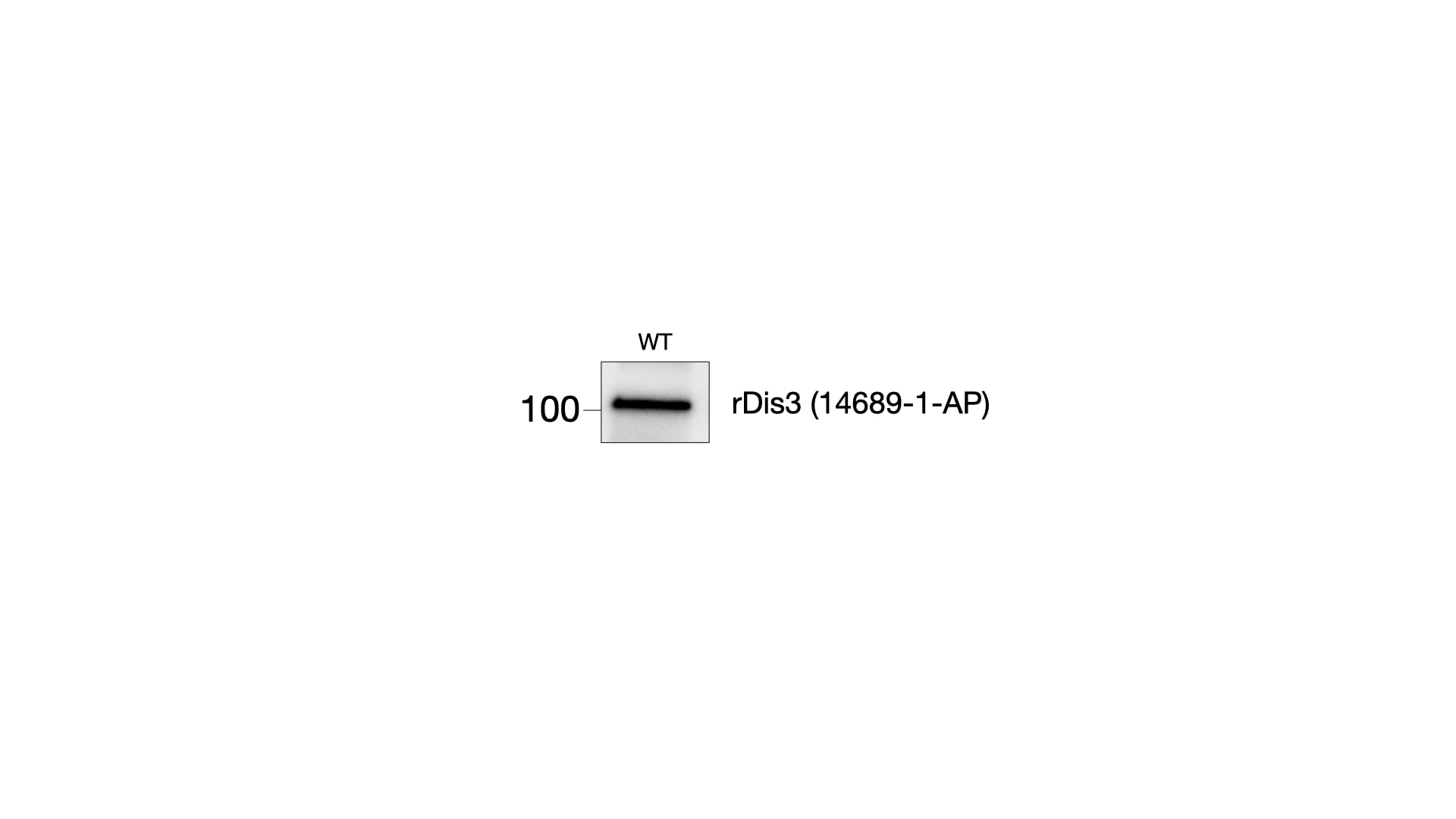
Both reviews (2 total) rated the product 5 stars for Western Blot applications. One user successfully detected Dis3 in human RKO cells at a 1:2000 dilution, reporting it worked well. The other user tested the antibody in mouse embryonic stem cells (mESCs) at 1:3000 dilution, loading 30 µg of total protein lysate and incubating the primary antibody overnight at 4 °C. Overall, reviewers found the antibody reliable and effective for WB across different cell types.
The reviews below have been submitted by verified Proteintech customers who received an incentive for providing their feedback.
Aleksandr (Verified Customer) (02-07-2026) | Worked well for Dis3 detection in human RKO cells
 |
Tsimafei (Verified Customer) (07-15-2022) | 30µg of total protein lysate were loaded on the gel. Primary antibodies were incubated ON at 4C.
 |







