

Tested Applications
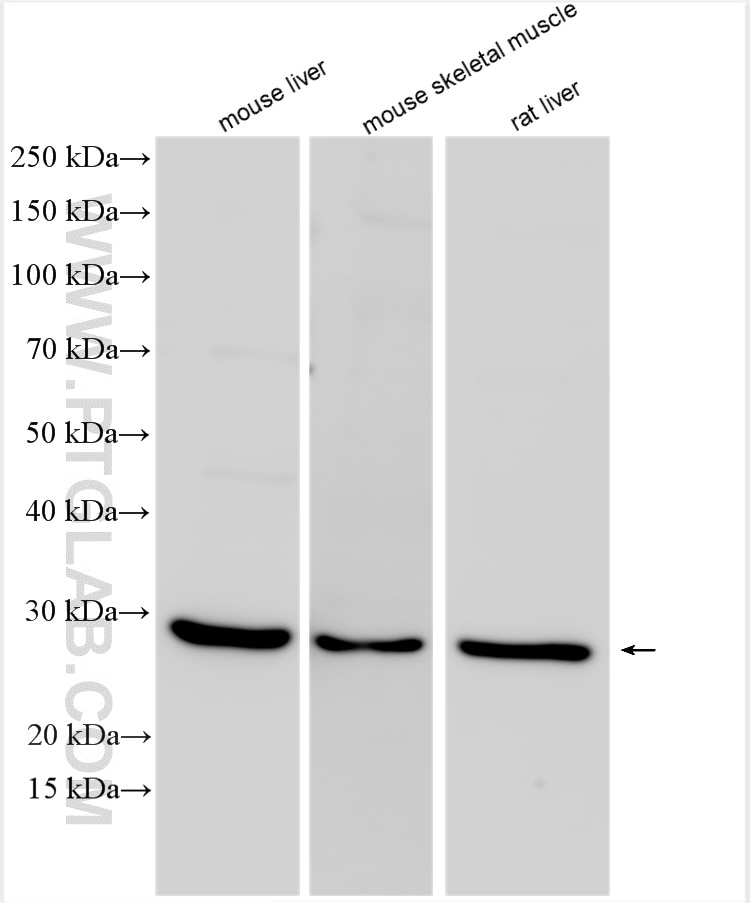
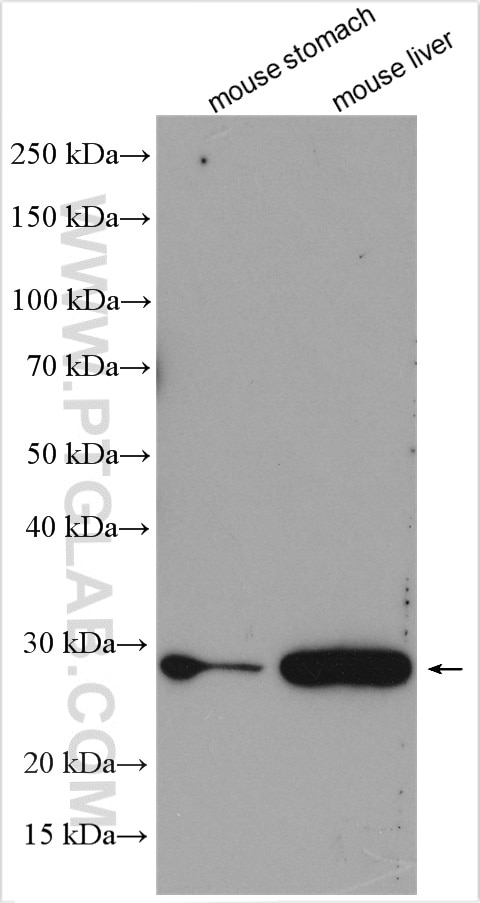
| Positive WB detected in | mouse liver tissue, mouse stomach tissue, mouse skeletal muscle tissue, rat liver tissue |
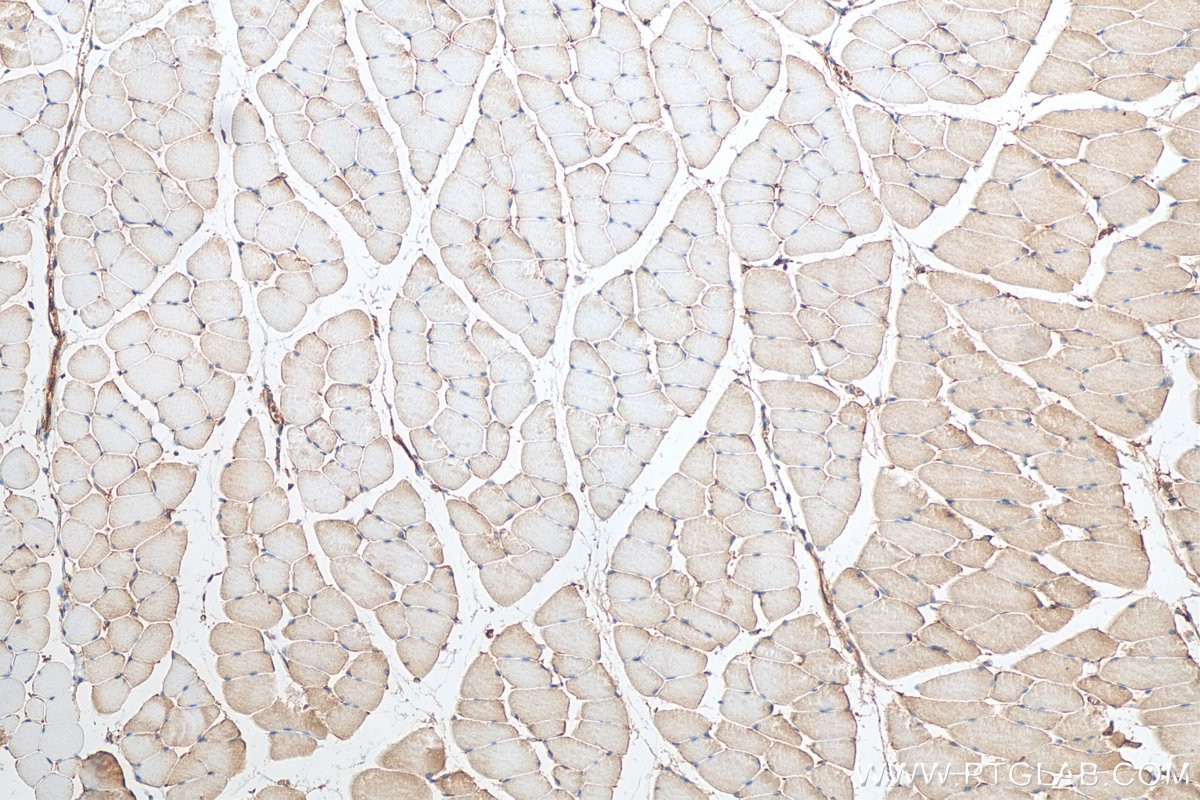
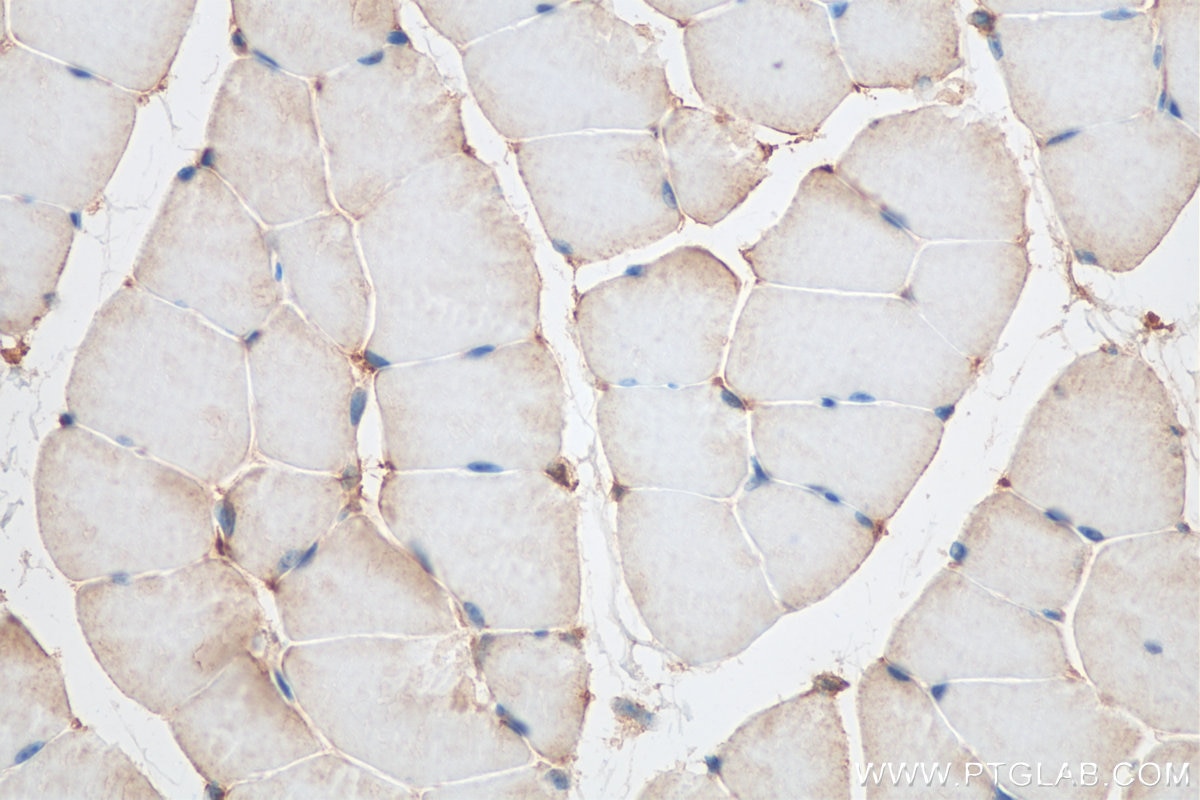
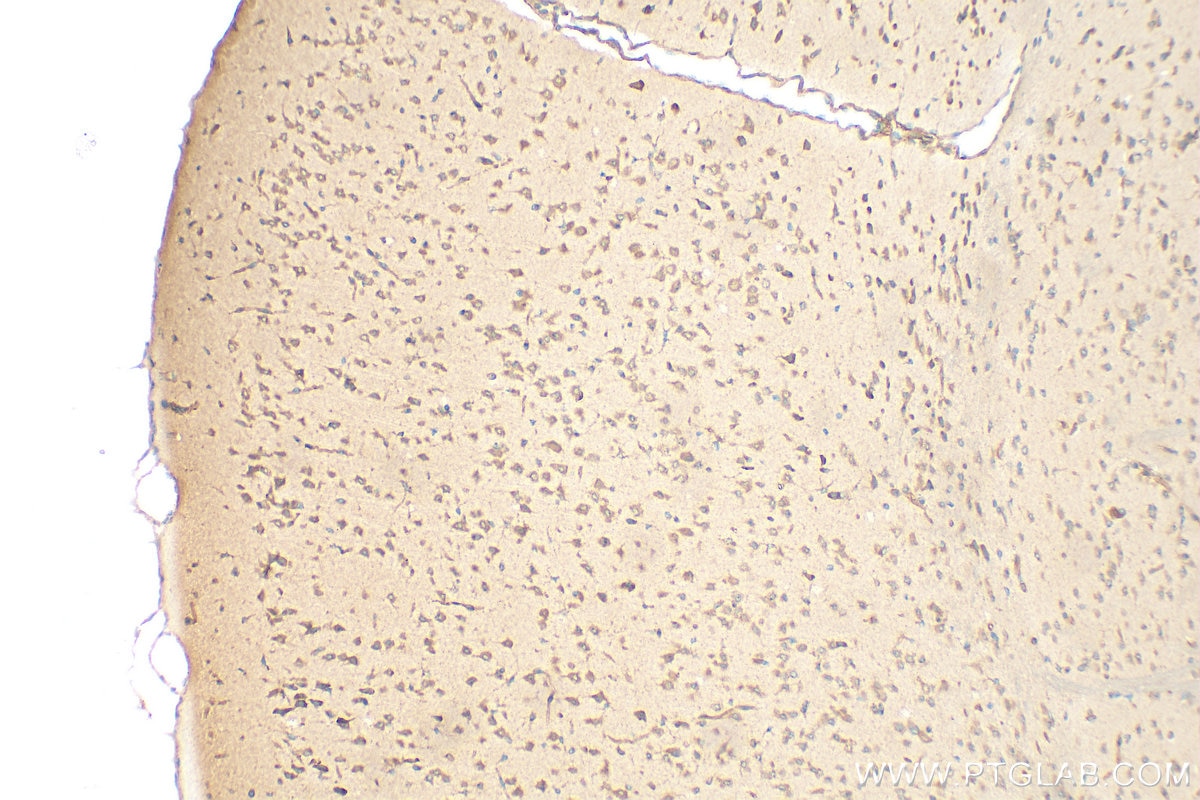
| Positive IHC detected in | mouse skeletal muscle tissue, mouse brain tissue Note: suggested antigen retrieval with TE buffer pH 9.0; (*) Alternatively, antigen retrieval may be performed with citrate buffer pH 6.0 |
Recommended dilution
| Application | Dilution |
|---|---|
| Western Blot (WB) | WB : 1:1000-1:4000 |
| Immunohistochemistry (IHC) | IHC : 1:200-1:800 |
| It is recommended that this reagent should be titrated in each testing system to obtain optimal results. | |
| Sample-dependent, Check data in validation data gallery. | |
Product Information
23995-1-AP targets FNDC5 in WB, IHC, IF, ELISA applications and shows reactivity with human, mouse, rat samples.
| Tested Reactivity | human, mouse, rat |
| Cited Reactivity | human, mouse, rat |
| Host / Isotype | Rabbit / IgG |
| Class | Polyclonal |
| Type | Antibody |
| Immunogen |
CatNo: Ag21195 Product name: Recombinant human FNDC5 protein Source: e coli.-derived, PGEX-4T Tag: GST Domain: 14-76 aa of BC062297 Sequence: SCALWDLEEDTEYIVHVQAISIQGQSPASEPVLFKTPREAEKMASKNKDEVTMKEMGRNQQLR Predict reactive species |
| Full Name | fibronectin type III domain containing 5 |
| Calculated Molecular Weight | 212 aa, 24 kDa |
| Observed Molecular Weight | 25-30 kDa |
| GenBank Accession Number | BC062297 |
| Gene Symbol | FNDC5 |
| Gene ID (NCBI) | 252995 |
| RRID | AB_2879394 |
| Conjugate | Unconjugated |
| Form | Liquid |
| Purification Method | Antigen affinity purification |
| UNIPROT ID | Q8NAU1 |
| Storage Buffer | PBS with 0.02% sodium azide and 50% glycerol, pH 7.3. |
| Storage Conditions | Store at -20°C. Stable for one year after shipment. Aliquoting is unnecessary for -20oC storage. 20ul sizes contain 0.1% BSA. |
Background Information
fibronectin type III domain containing 5(FNDC5)encodes 23kDa protein, which is a membrane protein that is cleaved and secreted as a newly identified hormone, irisin. The exercise induces muscle FNDC5 expression. Exercise-induced FNDC5 gene expression in muscles was accompanied by a parallel increase in the concentration of circulating irisin, which in turn activates adipocyte thermogenic programs, leading to mitochondrial heat production and energy expenditure.
Protocols
| Product Specific Protocols | |
|---|---|
| IHC protocol for FNDC5 antibody 23995-1-AP | Download protocol |
| WB protocol for FNDC5 antibody 23995-1-AP | Download protocol |
| Standard Protocols | |
|---|---|
| Click here to view our Standard Protocols |
Publications
What published studies show
The FNDC5 (irisin) antibody (Cat# 23995-1-AP) has 47 citations across journals including J Nanobiotechnology, Theranostics, Cell Death Discov, Biochem Pharmacol, J Am Heart Assoc, Aging Cell, and Mol Brain. Research fields span osteoporosis, obesity, diabetes, cardiovascular disease, neuroprotection, cancer, muscle biology, exercise physiology, ferroptosis, and inflammation, with WB, IF, and IHC as primary applications in mouse, rat, and human studies.
| Species | Application | Title |
|---|---|---|
J Nanobiotechnology FNDC5/irisin-enriched sEVs conjugated with bone-targeting aptamer alleviate osteoporosis: a potential alternative to exercise | ||
Theranostics Heat acclimation defense against exertional heat stroke by improving the function of preoptic TRPV1 neurons | ||
Phytomedicine Xiaoyaosan reactivates the muscle-brain axis via FNDC5/Irisin to ameliorate LPS-induced depression.
| ||
J Hazard Mater Maternal prednisone exposure during pregnancy elevates susceptibility to osteoporosis in female offspring: The role of mitophagy/FNDC5 alteration in skeletal muscle | ||
Cell Death Discov Irisin inhibits adipogenic differentiation of bone marrow mesenchymal stem cells through the SIRT1/RANBP2/FTO signaling axis and protects against osteoporosis. | ||
J Cachexia Sarcopenia Muscle High-Calorie Diet During Pregnancy Leads to Muscular Fibrosis and Neuromuscular Damage in Offspring Mice. |
Reviews
What customers say
The single review for this product gives it a 5-star rating. The reviewer used a 1:600 dilution for Western Blot on mouse hippocampus tissue and reported that the antibody worked well with no non-specific bands observed. Overall, the feedback is positive, highlighting clean specificity and reliable performance in WB applications.
The reviews below have been submitted by verified Proteintech customers who received an incentive for providing their feedback.
Mohammad (Verified Customer) (12-02-2019) | 1:600 in mice hippocampusworks well with no non-specific band
|






