
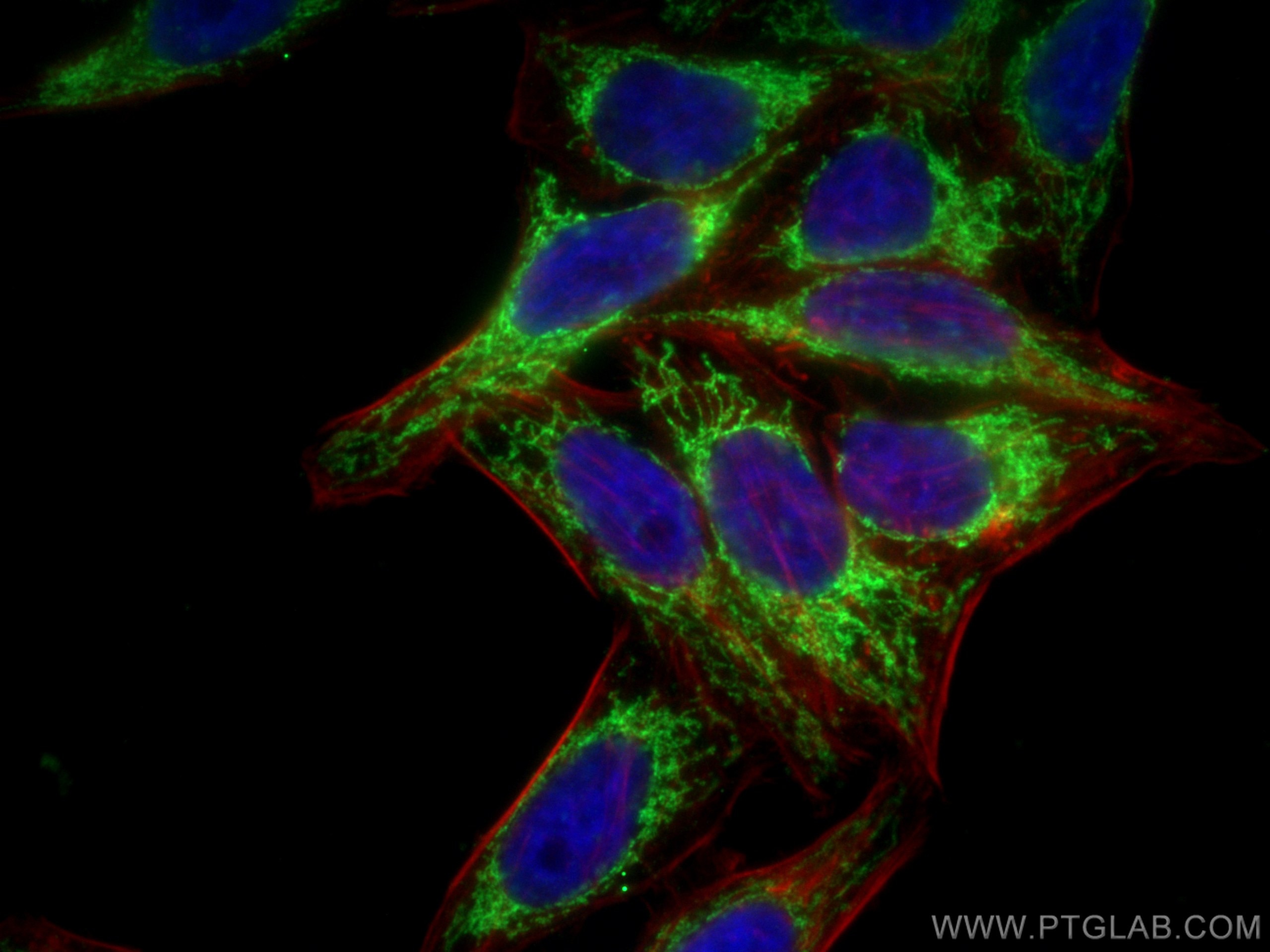

Tested Applications
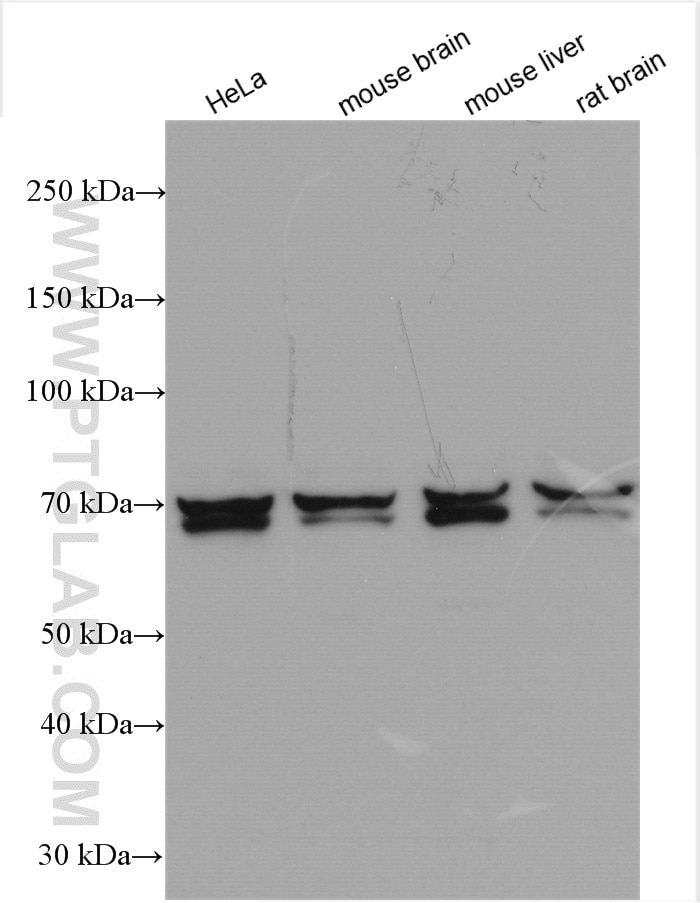
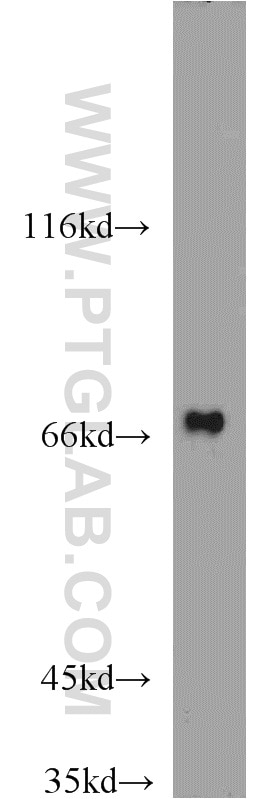
| Positive WB detected in | HeLa cells, HepG2 cells, mouse brain tissue, mouse liver tissue, rat brain tissue |
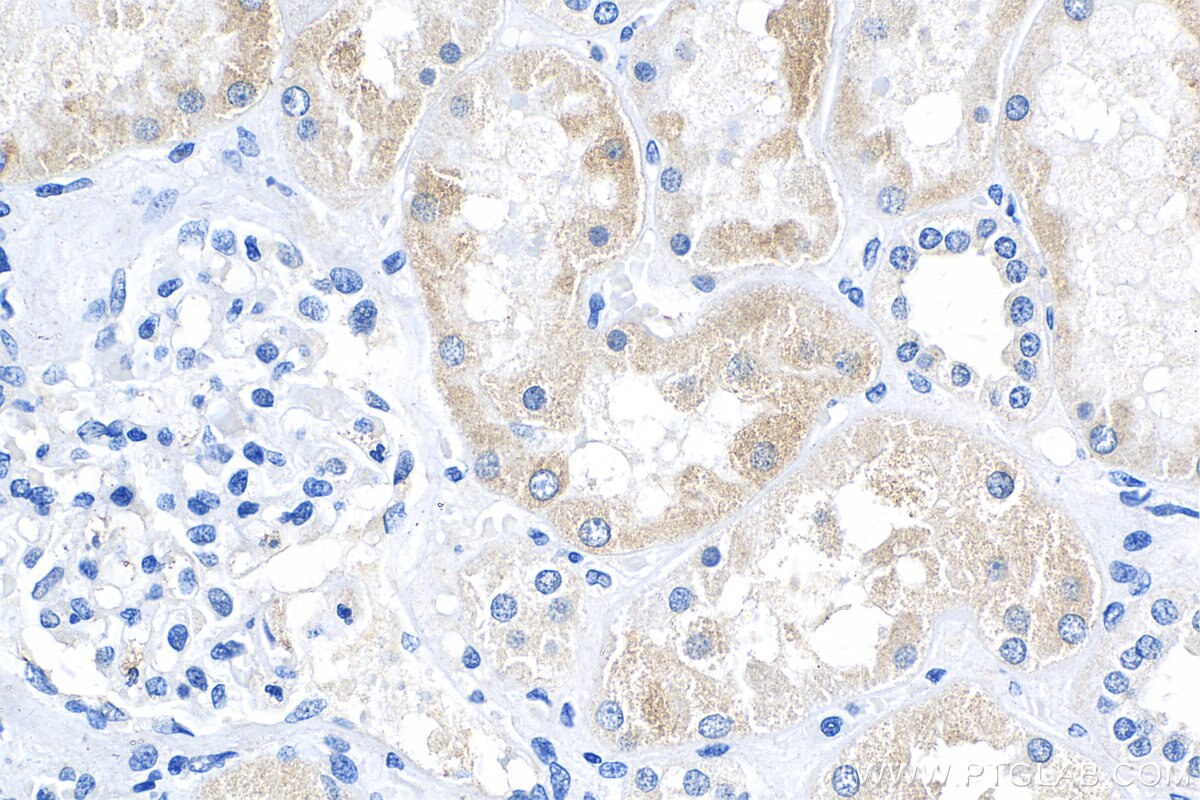
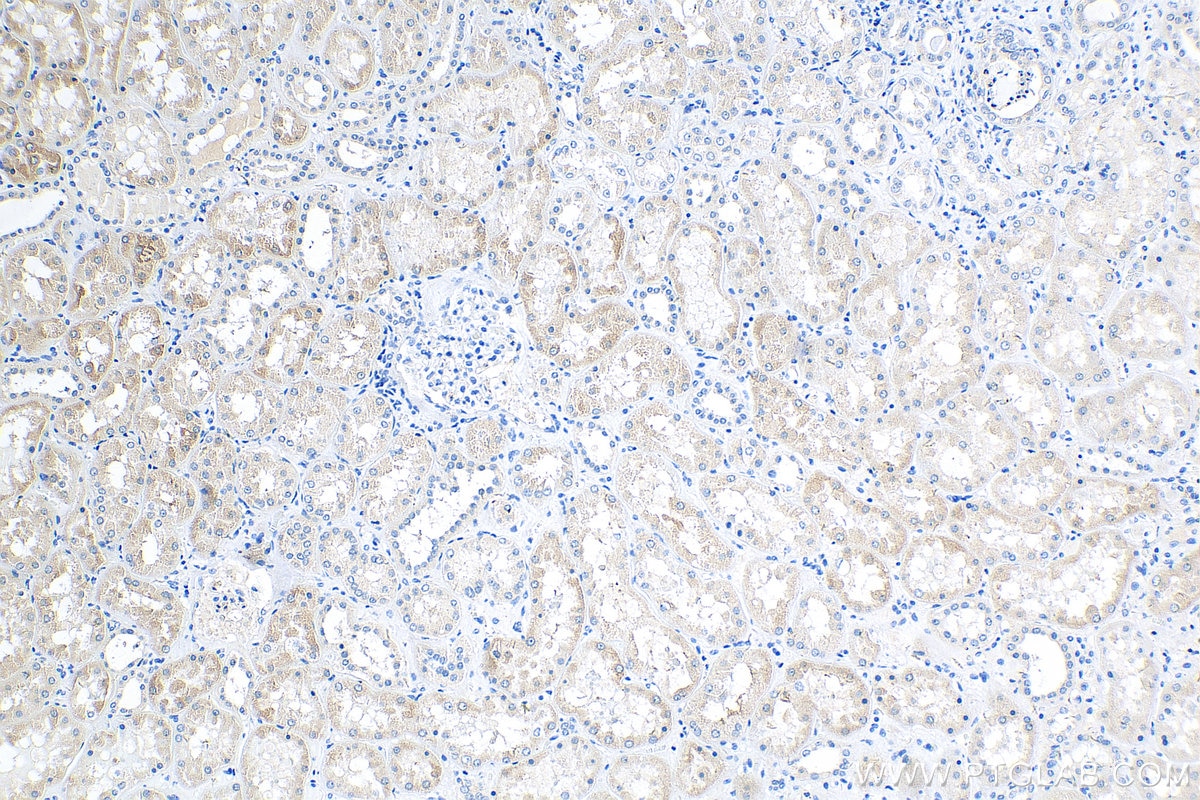
| Positive IHC detected in | human kidney tissue Note: suggested antigen retrieval with TE buffer pH 9.0; (*) Alternatively, antigen retrieval may be performed with citrate buffer pH 6.0 |
| Positive IF/ICC detected in | HepG2 cells |
Recommended dilution
| Application | Dilution |
|---|---|
| Western Blot (WB) | WB : 1:1000-1:6000 |
| Immunohistochemistry (IHC) | IHC : 1:50-1:500 |
| Immunofluorescence (IF)/ICC | IF/ICC : 1:50-1:500 |
| It is recommended that this reagent should be titrated in each testing system to obtain optimal results. | |
| Sample-dependent, Check data in validation data gallery. | |
Product Information
23591-1-AP targets GRB10 in WB, IHC, IF/ICC, ELISA applications and shows reactivity with human, mouse, rat samples.
| Tested Reactivity | human, mouse, rat |
| Cited Reactivity | human, mouse, rat |
| Host / Isotype | Rabbit / IgG |
| Class | Polyclonal |
| Type | Antibody |
| Immunogen |
CatNo: Ag20355 Product name: Recombinant human GRB10 protein Source: e coli.-derived, PGEX-4T Tag: GST Domain: 1-80 aa of BC024285 Sequence: MNASLESLYSACSMQSDTVPLLQNGQHARSQPRASGPPRSIQPQVSPRQRVQRSQPVHILAVRRLQEEDQQFRTSSLPAI Predict reactive species |
| Full Name | growth factor receptor-bound protein 10 |
| Calculated Molecular Weight | 536aa,61 kDa; 594aa,67 kDa |
| Observed Molecular Weight | 60-70 kDa |
| GenBank Accession Number | BC024285 |
| Gene Symbol | GRB10 |
| Gene ID (NCBI) | 2887 |
| RRID | AB_2879301 |
| Conjugate | Unconjugated |
| Form | Liquid |
| Purification Method | Antigen affinity purification |
| UNIPROT ID | Q13322 |
| Storage Buffer | PBS with 0.02% sodium azide and 50% glycerol, pH 7.3. |
| Storage Conditions | Store at -20°C. Stable for one year after shipment. Aliquoting is unnecessary for -20oC storage. 20ul sizes contain 0.1% BSA. |
Background Information
GRB10 is an adapter protein which modulates coupling of a number of cell surface receptor kinases with specific signaling pathways. GRB10 has three consensus domains including pleckstrin homology (PH) domain, SH2/SH3 domain and Ras-associating domain. By binding to kinases, GRB10 suppresses signals from activated receptors tyrosine kinases, including INSR and IGF1R. It may play a role in mediating ubiquitination of INSR, leading to proteasomal degradation.
Protocols
| Product Specific Protocols | |
|---|---|
| IF protocol for GRB10 antibody 23591-1-AP | Download protocol |
| IHC protocol for GRB10 antibody 23591-1-AP | Download protocol |
| WB protocol for GRB10 antibody 23591-1-AP | Download protocol |
| Standard Protocols | |
|---|---|
| Click here to view our Standard Protocols |
Publications
What published studies show
The GRB10 Polyclonal antibody (Cat# 23591-1-AP) has 10 citations spanning journals including Cell Research, Theranostics, Journal of Clinical Investigation, Cancer Cell International, Ecotoxicology and Environmental Safety, Reproduction, Chemical Biology & Drug Design, DNA and Cell Biology, Hereditas, and Proteome Science. Research fields covered include breast cancer, skin cancer, T-cell regulation, glioma, epigenetics and depression, embryo implantation, osteoarthritis, IGF1R signaling, lung cancer, and cardiac development. Applications cited are primarily WB and IHC in human, mouse, and rat samples.
| Species | Application | Title |
|---|---|---|
Cell Res Oncogenic AURKA-enhanced N6-methyladenosine modification increases DROSHA mRNA stability to transactivate STC1 in breast cancer stem-like cells. | ||
Theranostics PINCH-1 promotes IGF-1 receptor expression and skin cancer progression through inhibition of the GRB10-NEDD4 complex. | ||
Cancer Cell Int GRB10 is a novel oncogene associated with cell proliferation and prognosis in glioma. | ||
Ecotoxicol Environ Saf Paternal fenvalerate exposure causes depressive-like behaviour by altering Grb10 gene DNA methylation in adolescent offspring | ||
Reviews
What customers say
The single review for this antibody reports a 5-star rating from a Western Blot application on heart tissue. The reviewer confirmed the antibody detects a specific band at approximately 70 kDa, which corresponds to the predicted molecular weight of GRB10. Overall, the feedback is positive, indicating reliable specificity and expected molecular weight detection in the tested application.
The reviews below have been submitted by verified Proteintech customers who received an incentive for providing their feedback.
Tongbin (Verified Customer) (08-25-2020) | This antibody detects a specific band of ~70 kDa, corresponding to predicted molecular weight of GRB10.
|






