



Tested Applications
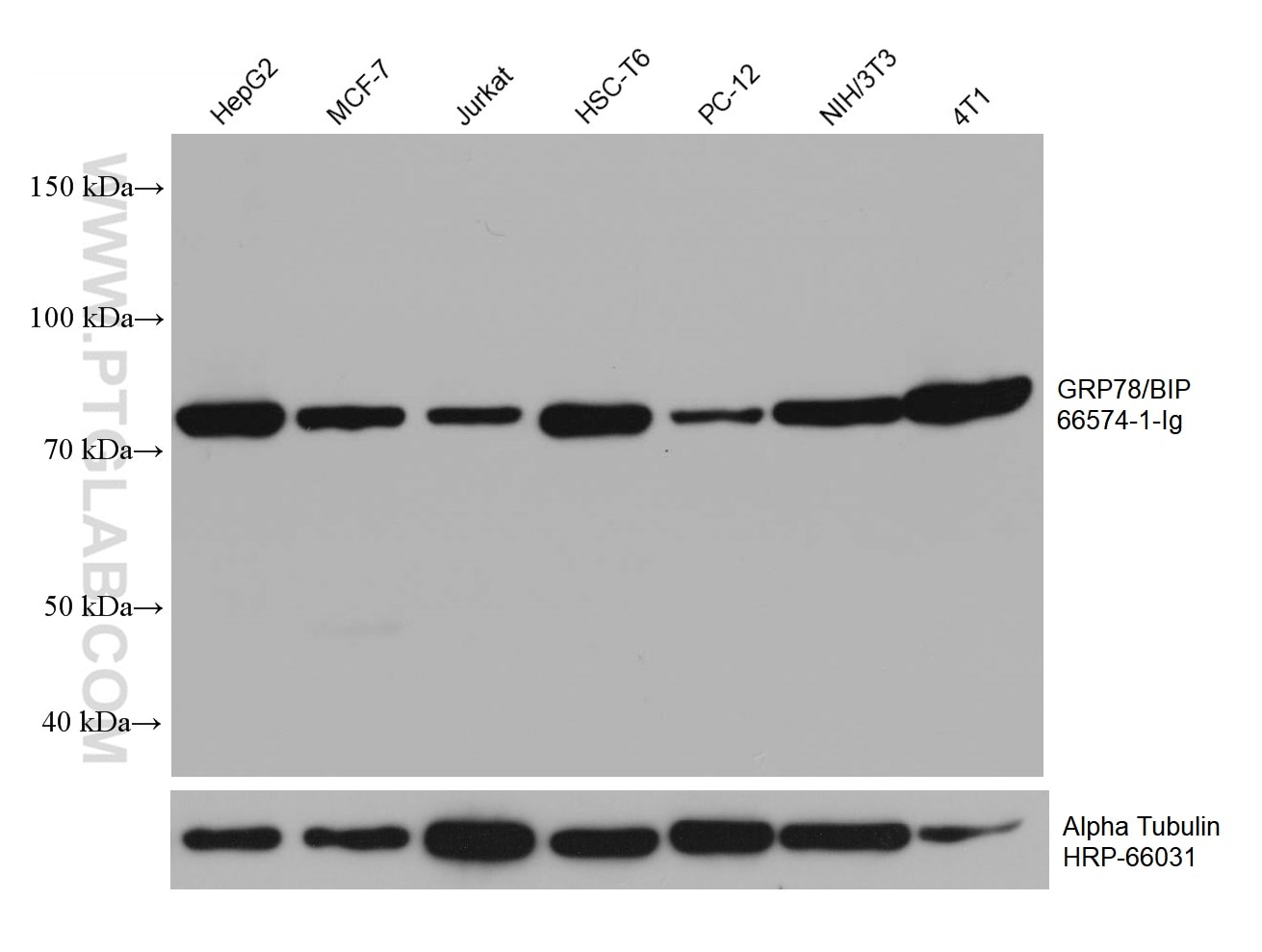
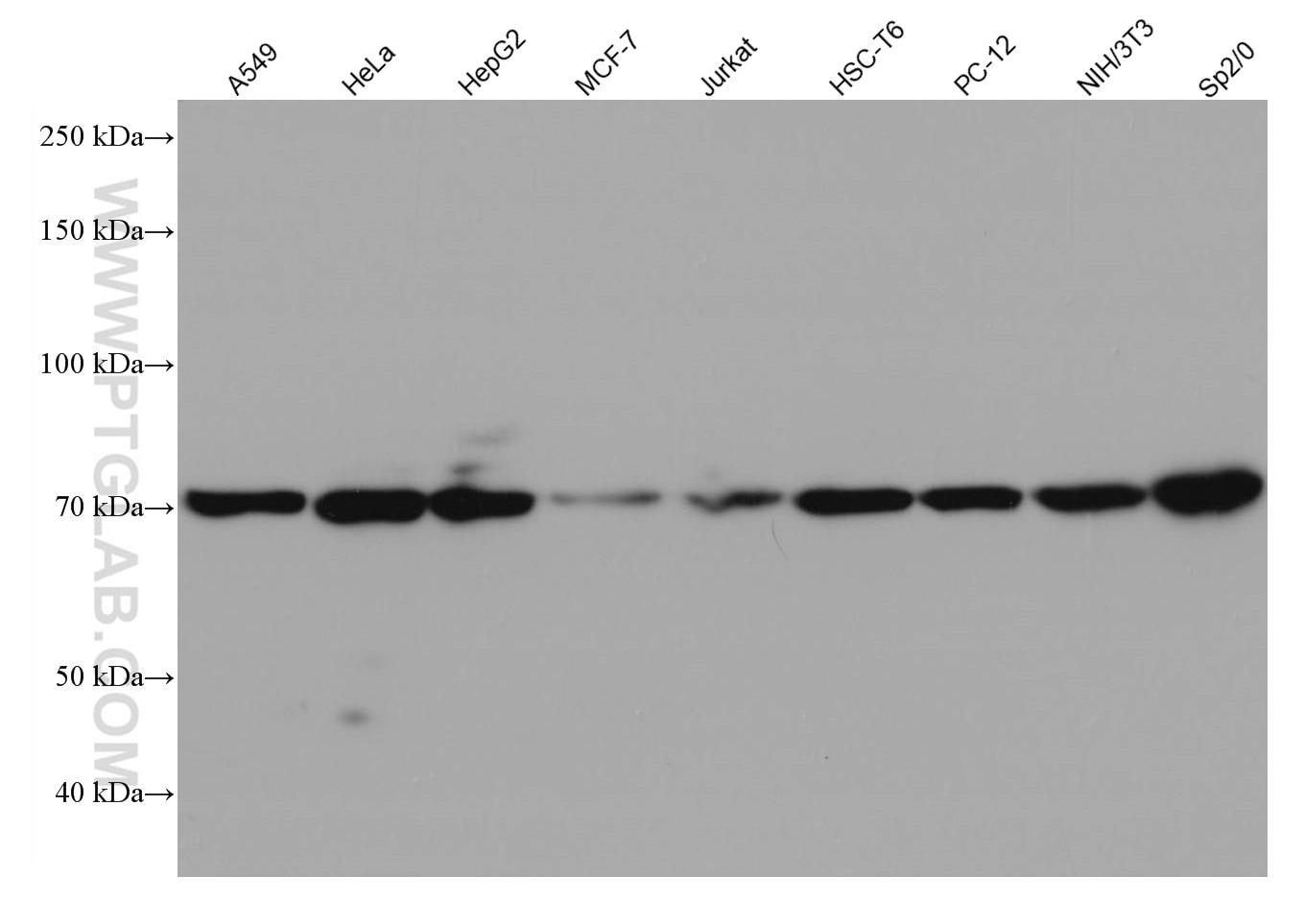
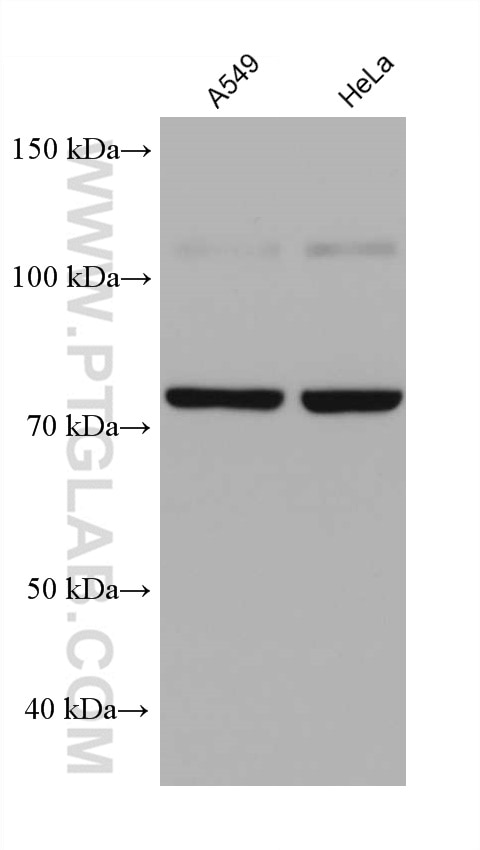
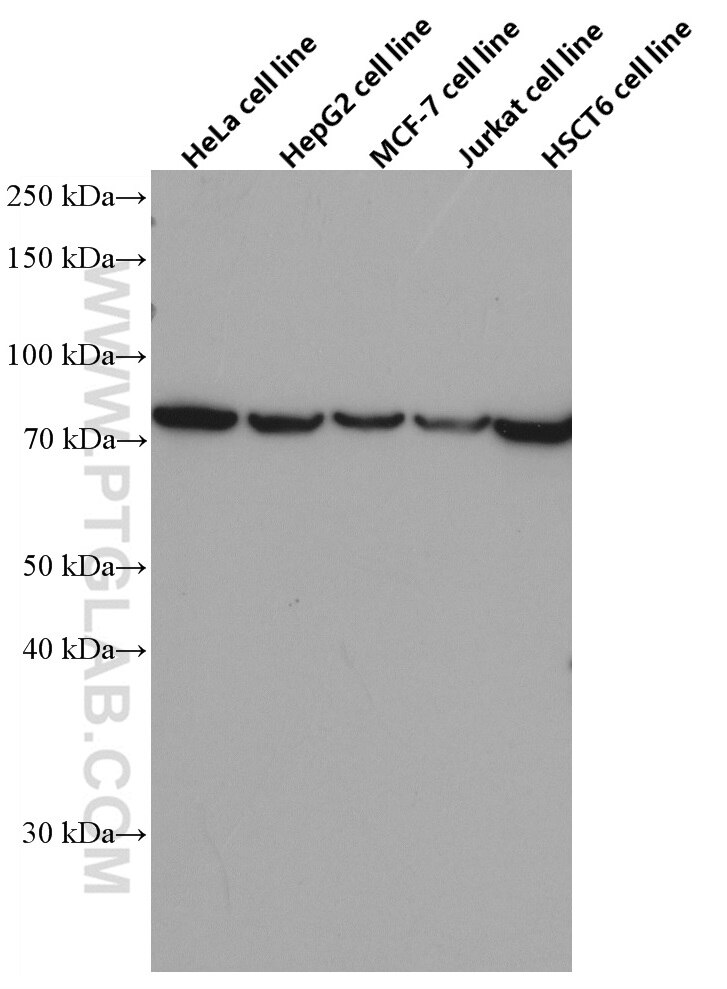
| Positive WB detected in | HepG2 cells, HeLa cells, A549 cells, MCF-7 cells, Jurkat cells, HSCT6 cells, HSC-T6 cells, PC-12 cells, NIH/3T3 cells, SP2/0 cell, 4T1 cells |
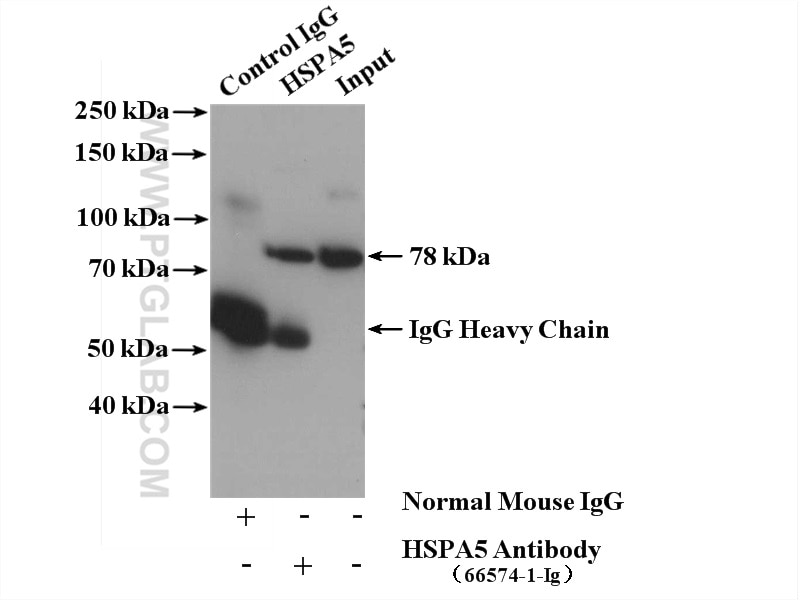
| Positive IP detected in | SGC-7901 cells |
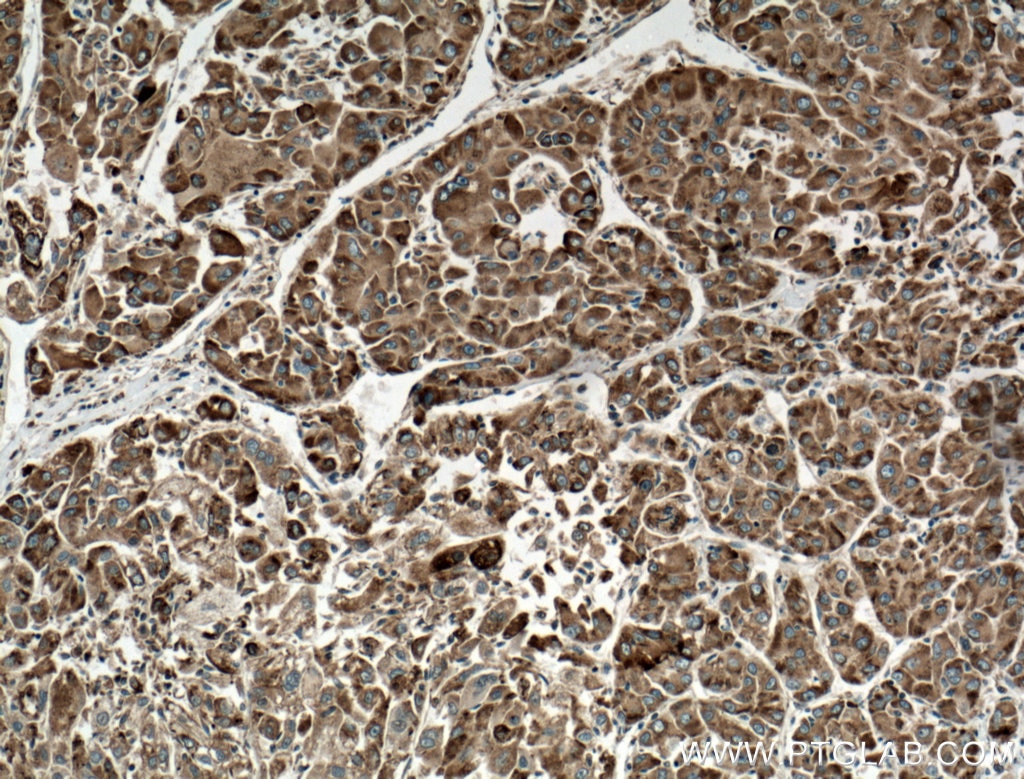
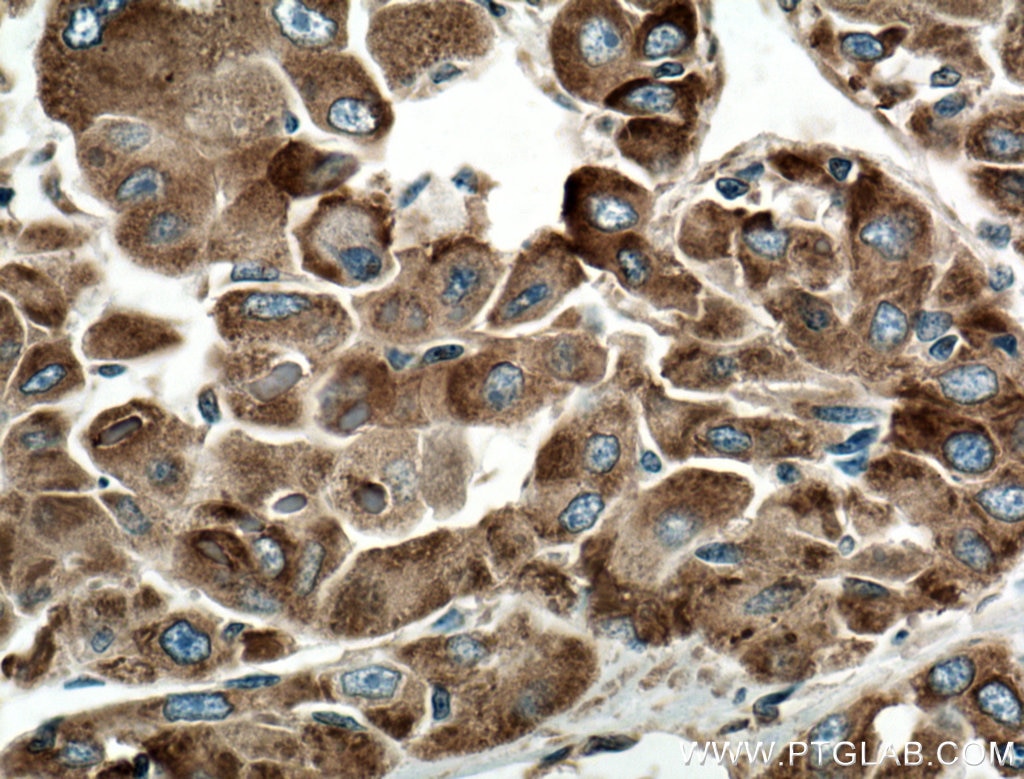
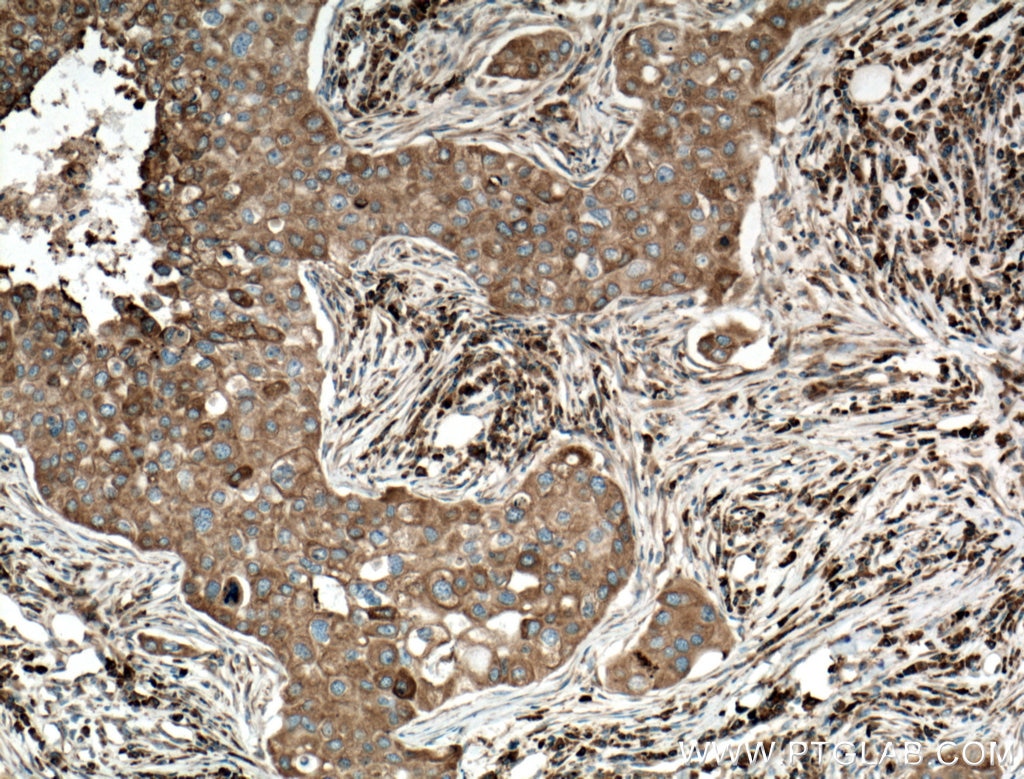
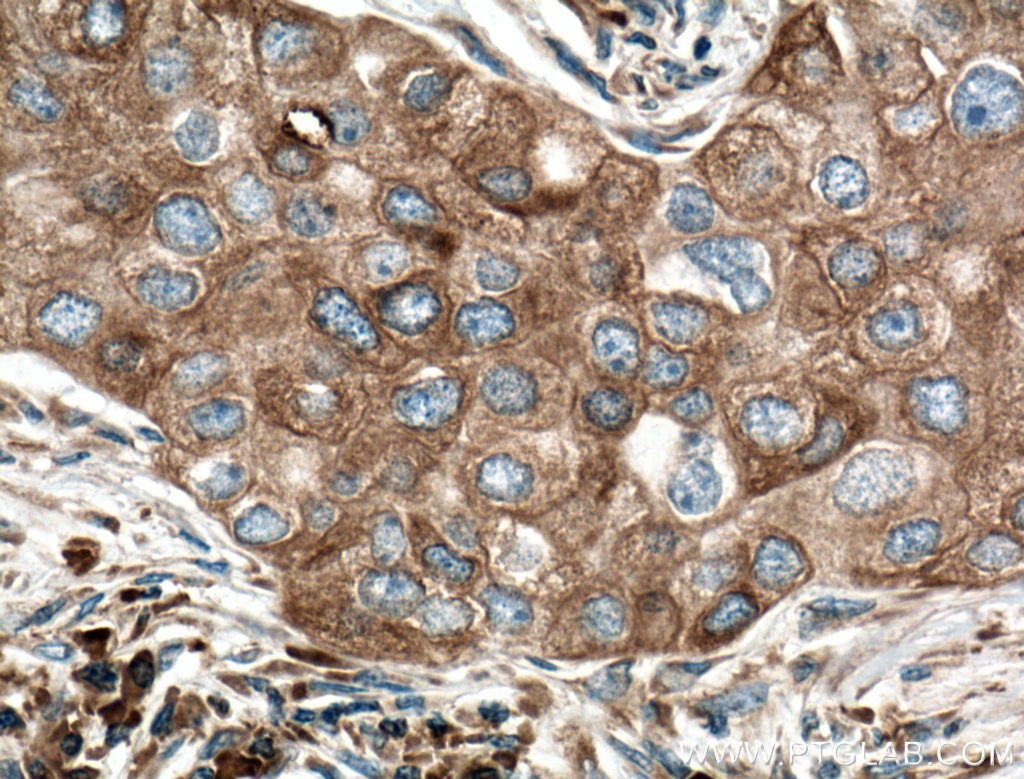
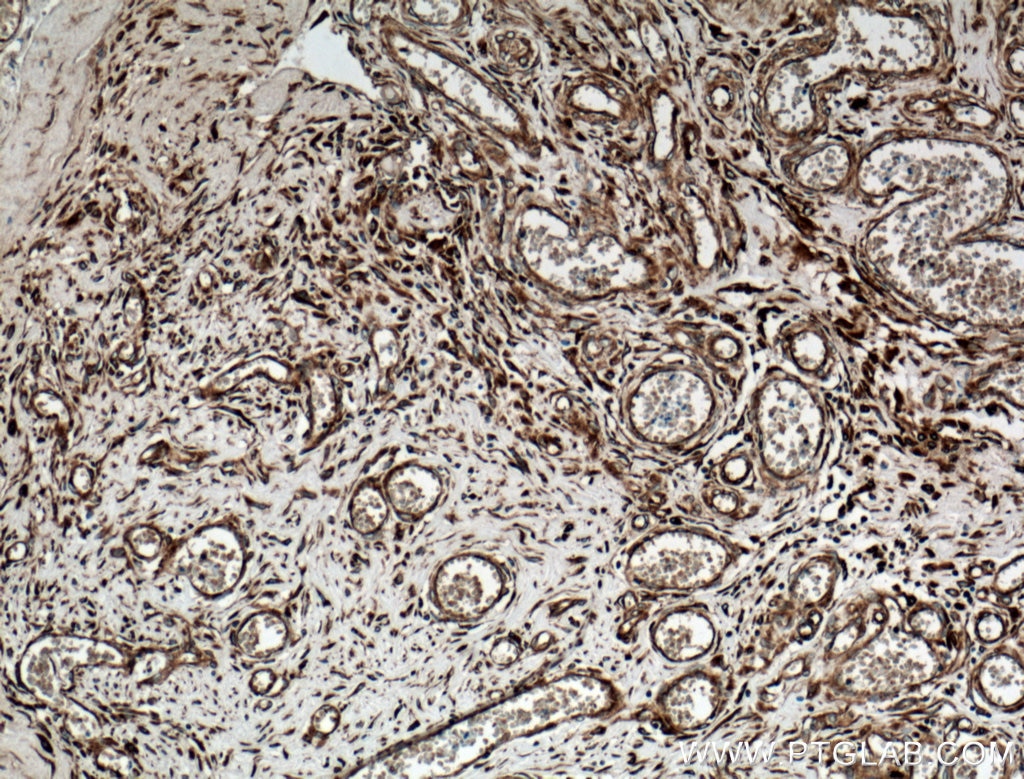
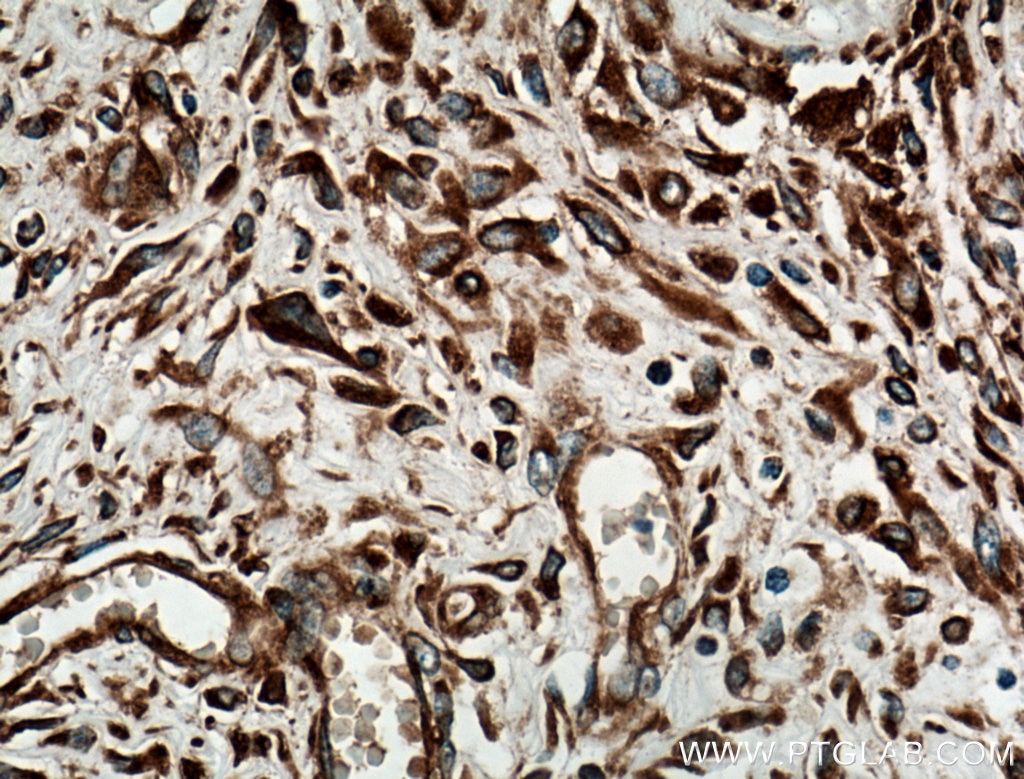
| Positive IHC detected in | human liver cancer tissue, human colon cancer tissue, human breast cancer tissue Note: suggested antigen retrieval with TE buffer pH 9.0; (*) Alternatively, antigen retrieval may be performed with citrate buffer pH 6.0 |
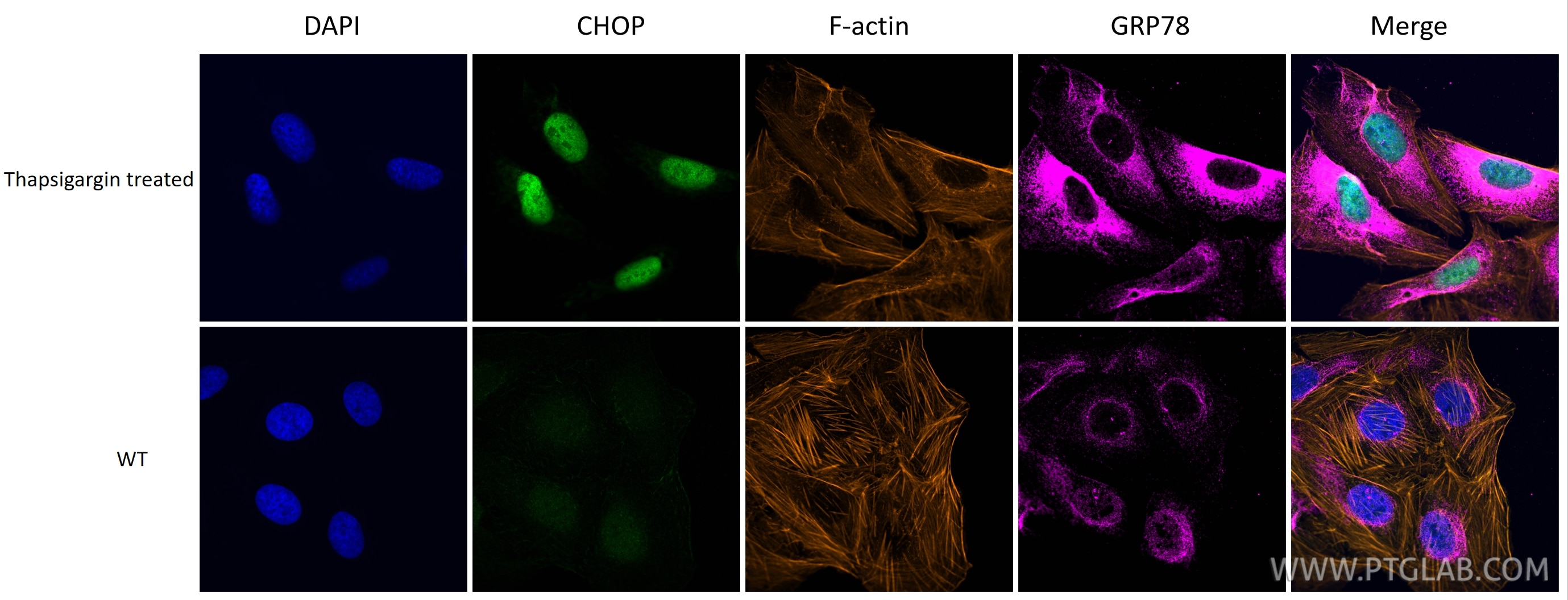
| Positive IF/ICC detected in | thapsigargin treated U2OS cells, U2OS cells |
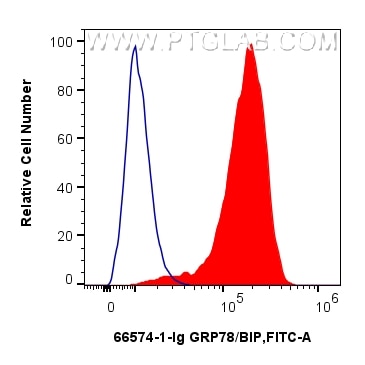
| Positive FC (Intra) detected in | HeLa cells |
Recommended dilution
| Application | Dilution |
|---|---|
| Western Blot (WB) | WB : 1:5000-1:50000 |
| Immunoprecipitation (IP) | IP : 0.5-4.0 ug for 1.0-3.0 mg of total protein lysate |
| Immunohistochemistry (IHC) | IHC : 1:500-1:2000 |
| Immunofluorescence (IF)/ICC | IF/ICC : 1:400-1:1600 |
| Flow Cytometry (FC) (INTRA) | FC (INTRA) : 0.25 ug per 10^6 cells in a 100 µl suspension |
| It is recommended that this reagent should be titrated in each testing system to obtain optimal results. | |
| Sample-dependent, Check data in validation data gallery. | |
Product Information
66574-1-Ig targets GRP78/BIP in WB, IHC, IF/ICC, FC (Intra), IP, CoIP, ELISA, Blocking assay applications and shows reactivity with human, mouse, rat samples.
| Tested Reactivity | human, mouse, rat |
| Cited Reactivity | human, mouse, rat, pig, chicken, zebrafish |
| Host / Isotype | Mouse / IgG1 |
| Class | Monoclonal |
| Type | Antibody |
| Immunogen |
CatNo: Ag2188 Product name: Recombinant human GRP78,BIP protein Source: e coli.-derived, PGEX-4T Tag: GST Domain: 351-654 aa of BC020235 Sequence: LKKSDIDEIVLVGGSTRIPKIQQLVKEFFNGKEPSRGINPDEAVAYGAAVQAGVLSGDQDTGDLVLLDVCPLTLGIETVGGVMTKLIPRNTVVPTKKSQIFSTASDNQPTVTIKVYEGERPLTKDNHLLGTFDLTGIPPAPRGVPQIEVTFEIDVNGILRVTAEDKGTGNKNKITITNDQNRLTPEEIERMVNDAEKFAEEDKKLKERIDTRNELESYAYSLKNQIGDKEKLGGKLSSEDKETMEKAVEEKIEWLESHQDADIEDFKAKKKELEEIVQPIISKLYGSAGPPPTGEEDTAEKDEL Predict reactive species |
| Full Name | heat shock 70kDa protein 5 (glucose-regulated protein, 78kDa) |
| Calculated Molecular Weight | 78 kDa |
| Observed Molecular Weight | 70-78 kDa |
| GenBank Accession Number | BC020235 |
| Gene Symbol | GRP78/BIP |
| Gene ID (NCBI) | 3309 |
| RRID | AB_2881934 |
| Conjugate | Unconjugated |
| Form | Liquid |
| Purification Method | Protein G purification |
| UNIPROT ID | P11021 |
| Storage Buffer | PBS with 0.02% sodium azide and 50% glycerol, pH 7.3. |
| Storage Conditions | Store at -20°C. Stable for one year after shipment. Aliquoting is unnecessary for -20oC storage. 20ul sizes contain 0.1% BSA. |
Background Information
GRP78 (HSPA5), also referred to as 'immunoglobulin heavy chain-binding protein' (BiP), is a member of the heat-shock protein-70 (HSP70) family and is involved in the folding and assembly of proteins in the endoplasmic reticulum (ER).It is a constitutively expressed resident protein of the ER in all eukaryotic cells. Recently it has been reported that GRP78 is associated with apoptosis or inhibition of cancer cell growth.
Protocols
| Product Specific Protocols | |
|---|---|
| FC protocol for GRP78/BIP antibody 66574-1-Ig | Download protocol |
| IF protocol for GRP78/BIP antibody 66574-1-Ig | Download protocol |
| IHC protocol for GRP78/BIP antibody 66574-1-Ig | Download protocol |
| IP protocol for GRP78/BIP antibody 66574-1-Ig | Download protocol |
| WB protocol for GRP78/BIP antibody 66574-1-Ig | Download protocol |
| Standard Protocols | |
|---|---|
| Click here to view our Standard Protocols |
Publications
What published studies show
The GRP78/BIP Monoclonal antibody (Cat# 66574-1-Ig) has accumulated 166 citations across journals including Nature Communications, Journal of Clinical Investigation, Cell Death & Disease, Advanced Science, Oncogene, EMBO Journal, Autophagy, and Molecular Cell. Research fields predominantly center on endoplasmic reticulum stress and the unfolded protein response, oncology (liver, breast, lung, colorectal, pancreatic cancers), neurology (stroke, Alzheimer's, Parkinson's), cardiovascular disease, ferroptosis, autophagy, inflammation, metabolic disorders, and toxicology. Applications span WB, IF, IHC, IP, and CoIP across human, mouse, rat, and other species.
| Species | Application | Title |
|---|---|---|
Immunity Targeting cholesterol esterification sensitizes liver cancer to CD8(+) T cell attack by impairing metabolic and redox resilience. | ||
Adv Mater Poly(Citric Acid) Bidirectional Regulator: Coordinating Iron Homeostasis to Suppress Stress Responses and Boosting Mitochondrial Bioenergetics for Enhanced Nerve Repair. | ||
Autophagy Organelle contact reorganization drives calcium-dependent autophagy under proteostatic stress. | ||
Nat Commun OSGEP regulates islet β-cell function by modulating proinsulin translation and maintaining ER stress homeostasis in mice | ||
Nat Commun Identification of indocyanine green as a STT3B inhibitor against mushroom α-amanitin cytotoxicity | ||
J Adv Res Ginsenoside Rh1 ameliorates polystyrene nanoplastics-caused vascular injury by regulating HSP70 to suppress endoplasmic reticulum stress and pyroptosis. |
Reviews
What customers say
All three reviews rate the product 5 stars. Users report successful performance across multiple applications including Western Blot, Immunohistochemistry, Immunofluorescence, and Flow Cytometry. Tested cell types include PC3, Caco2, and MSCs, as well as animal colon tissue. Recommended dilutions range from 1:500 to 1:2000 depending on the application. One user specifically noted good results at 1:2000 with 5 µg of lysate for WB. Overall, reviewers express satisfaction with the antibody's reliability and broad applicability.
The reviews below have been submitted by verified Proteintech customers who received an incentive for providing their feedback.
Xue (Verified Customer) (02-02-2026) |
 |
P (Verified Customer) (07-15-2025) | Used for caco2 cells and animal colon tissue
|
Udesh (Verified Customer) (08-19-2024) | Worked well at 1:2000, 5ug lysate
 |
















