
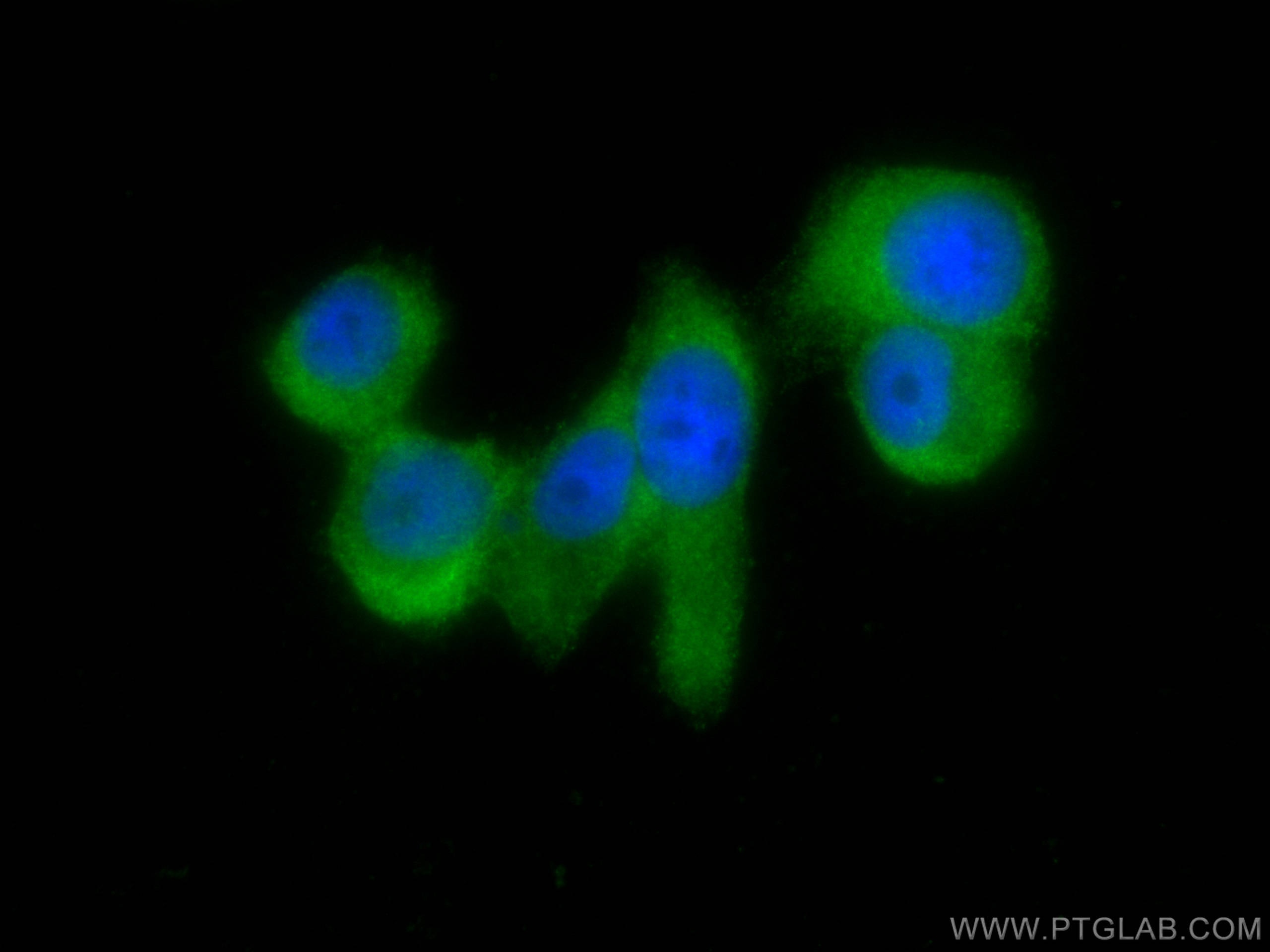

Tested Applications
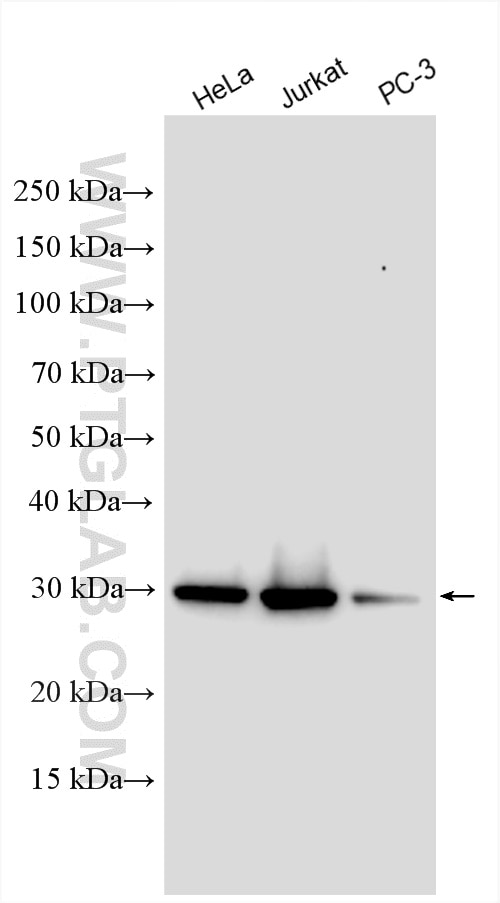
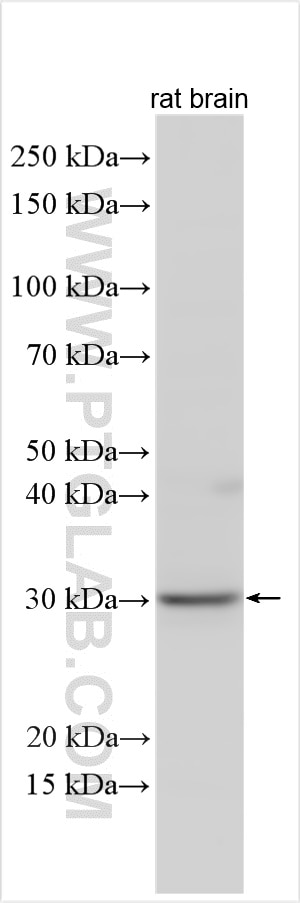
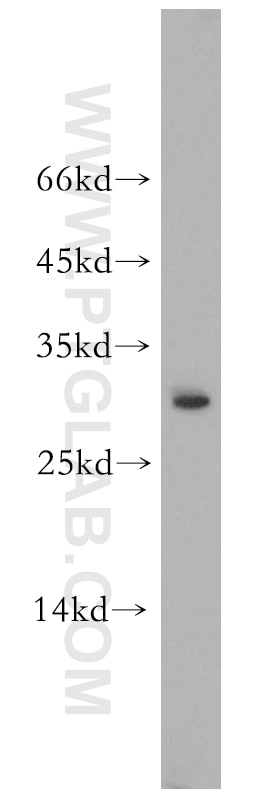
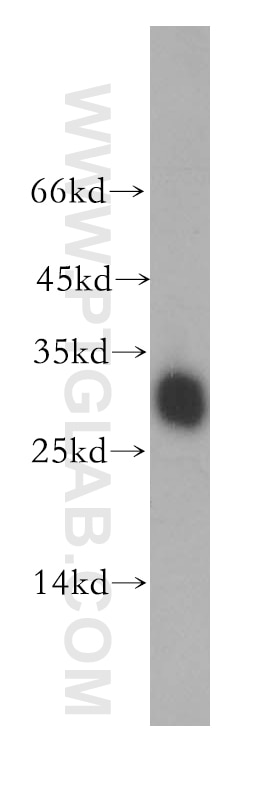
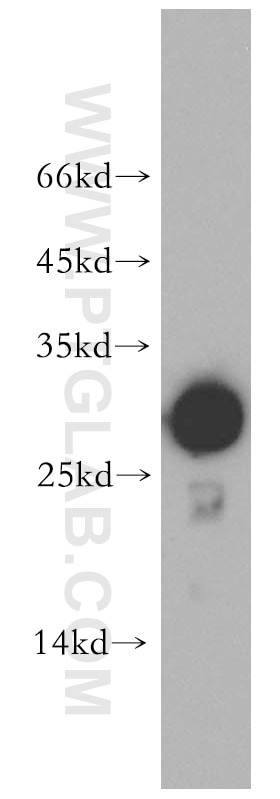
| Positive WB detected in | HeLa cells, rat brain tissue, mouse liver tissue, human heart tissue, U-937 cells, Jurkat cells, PC-3 cells |
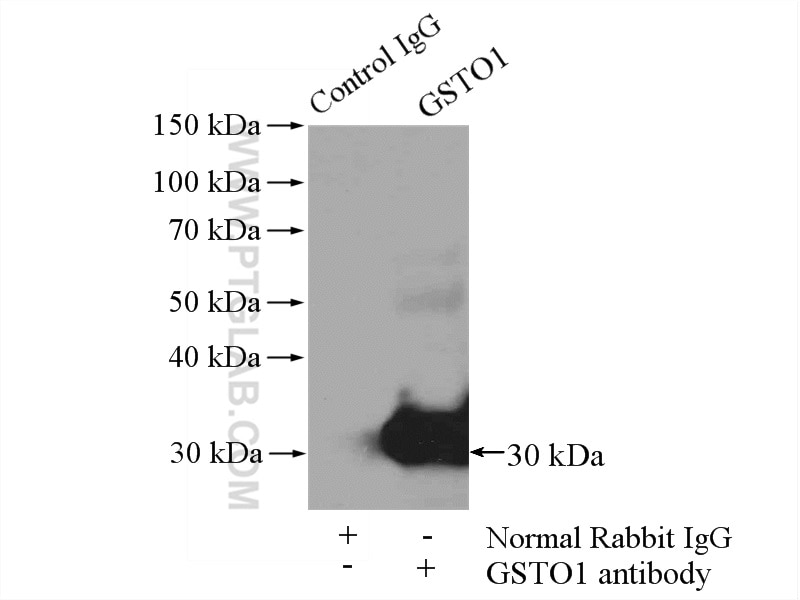
| Positive IP detected in | Jurkat cells |
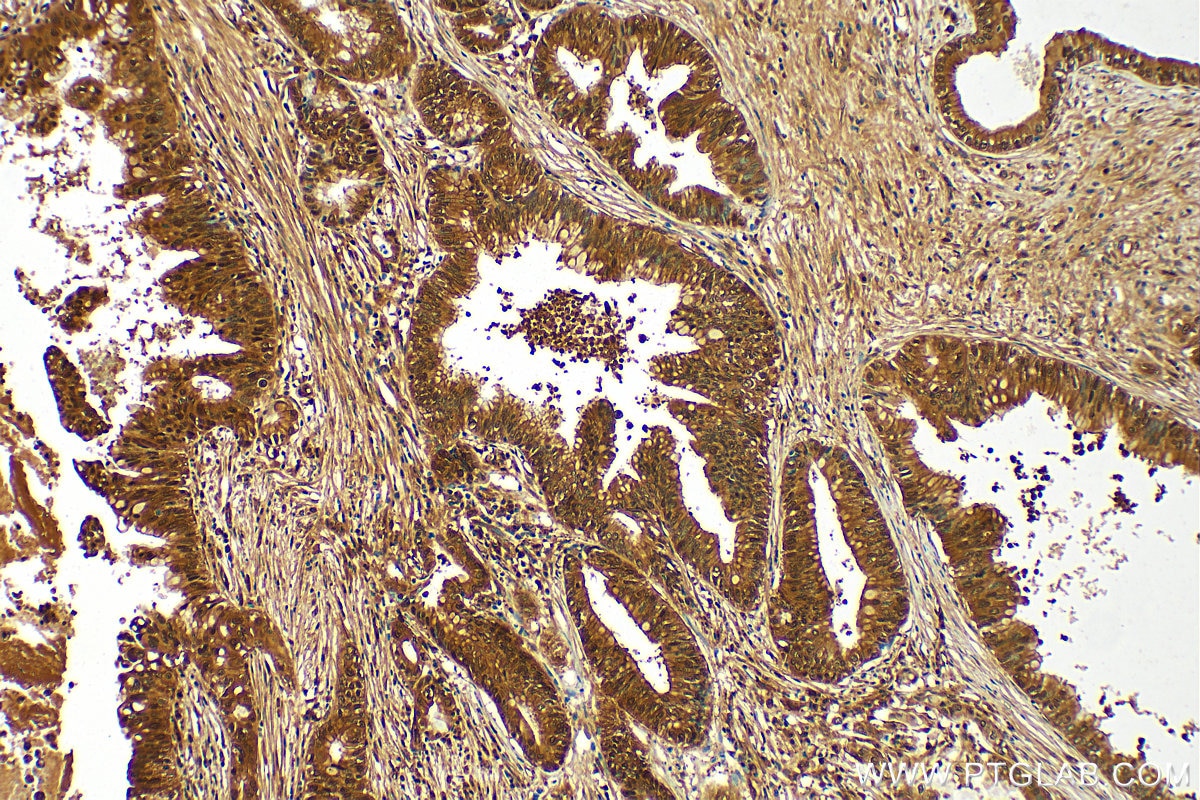
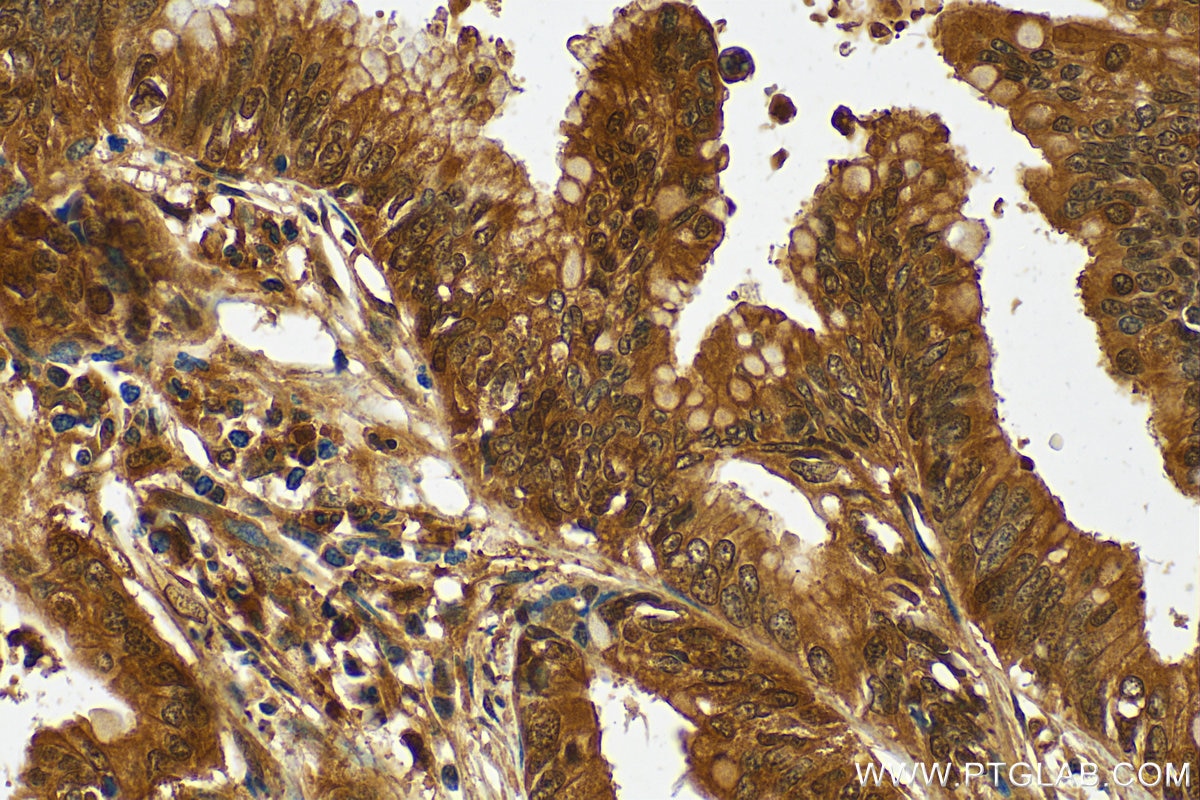
| Positive IHC detected in | human pancreas cancer tissue Note: suggested antigen retrieval with TE buffer pH 9.0; (*) Alternatively, antigen retrieval may be performed with citrate buffer pH 6.0 |
| Positive IF/ICC detected in | PC-3 cells |
Recommended dilution
| Application | Dilution |
|---|---|
| Western Blot (WB) | WB : 1:1000-1:4000 |
| Immunoprecipitation (IP) | IP : 0.5-4.0 ug for 1.0-3.0 mg of total protein lysate |
| Immunohistochemistry (IHC) | IHC : 1:50-1:500 |
| Immunofluorescence (IF)/ICC | IF/ICC : 1:50-1:500 |
| It is recommended that this reagent should be titrated in each testing system to obtain optimal results. | |
| Sample-dependent, Check data in validation data gallery. | |
Product Information
15124-1-AP targets GSTO1 in WB, IHC, IF/ICC, IP, ELISA applications and shows reactivity with human, mouse, rat samples.
| Tested Reactivity | human, mouse, rat |
| Cited Reactivity | human, mouse, rat, pig |
| Host / Isotype | Rabbit / IgG |
| Class | Polyclonal |
| Type | Antibody |
| Immunogen |
CatNo: Ag7199 Product name: Recombinant human GSTO1 protein Source: e coli.-derived, PGEX-4T Tag: GST Domain: 1-241 aa of BC000127 Sequence: MSGESARSLGKGSAPPGPVPEGSIRIYSMRFCPFAERTRLVLKAKGIRHEVININLKNKPEWFFKKNPFGLVPVLENSQGQLIYESAITCEYLDEAYPGKKLLPDDPYEKACQKMILELFSKVPSLVGSFIRSQNKEDYAGLKEEFRKEFTKLEEVLTNKKTTFFGGNSISMIDYLIWPWFERLEAMKLNECVDHTPKLKLWMAAMKEDPTVSALLTSEKDWQGFLELYLQNSPEACDYGL Predict reactive species |
| Full Name | glutathione S-transferase omega 1 |
| Calculated Molecular Weight | 28 kDa |
| Observed Molecular Weight | 27-30 kDa |
| GenBank Accession Number | BC000127 |
| Gene Symbol | GSTO1 |
| Gene ID (NCBI) | 9446 |
| RRID | AB_2248132 |
| Conjugate | Unconjugated |
| Form | Liquid |
| Purification Method | Antigen affinity purification |
| UNIPROT ID | P78417 |
| Storage Buffer | PBS with 0.02% sodium azide and 50% glycerol, pH 7.3. |
| Storage Conditions | Store at -20°C. Stable for one year after shipment. Aliquoting is unnecessary for -20oC storage. 20ul sizes contain 0.1% BSA. |
Background Information
Glutathione-S-transferase omega 1 (GSTO1) belongs to a new subfamily of GSTs and is the rate limiting enzyme for biotransformation of inorganic arsenic, environmental carcinogen. Expression of GSTO1-1 was abundant in a wide range of normal tissues, particularly liver, macrophages, glial cells, and endocrine cells. Human GSTO1 assembles as a dimer. This antibody detects both monomer (27-30 kDa) and dimer forms of GSTO1 (54-64 kDa). (PMID: 21495794)
Protocols
| Product Specific Protocols | |
|---|---|
| IF protocol for GSTO1 antibody 15124-1-AP | Download protocol |
| IHC protocol for GSTO1 antibody 15124-1-AP | Download protocol |
| IP protocol for GSTO1 antibody 15124-1-AP | Download protocol |
| WB protocol for GSTO1 antibody 15124-1-AP | Download protocol |
| Standard Protocols | |
|---|---|
| Click here to view our Standard Protocols |
Publications
What published studies show
GSTO1 Polyclonal antibody (Cat# 15124-1-AP) has 17 citations across journals including Molecular Cell, Nature Chemical Biology, Journal of Experimental Medicine, Oncogene, Journal of Proteome Research, and PLoS ONE. Research fields span ferroptosis, redox biology, inflammasome signaling, innate immunity, cancer (lung and bladder), renal ischemia, extracellular vesicles, neurotoxicity, carcinogenesis, insulin biosynthesis, and proteomics.
| Species | Application | Title |
|---|---|---|
Mol Cell SMURF2 predisposes cancer cell toward ferroptosis in GPX4-independent manners by promoting GSTP1 degradation | ||
J Exp Med ASC deglutathionylation is a checkpoint for NLRP3 inflammasome activation.
| ||
J Neuroinflammation The mouse retinal pigment epithelium mounts an innate immune defense response following retinal detachment | ||
Food Chem TMT-based quantitative proteomic analysis of porcine muscle associated with postmortem meat quality. | ||
Oncogene GSTO1 aggravates EGFR-TKIs resistance and tumor metastasis via deglutathionylation of NPM1 in lung adenocarcinoma |










