


Tested Applications
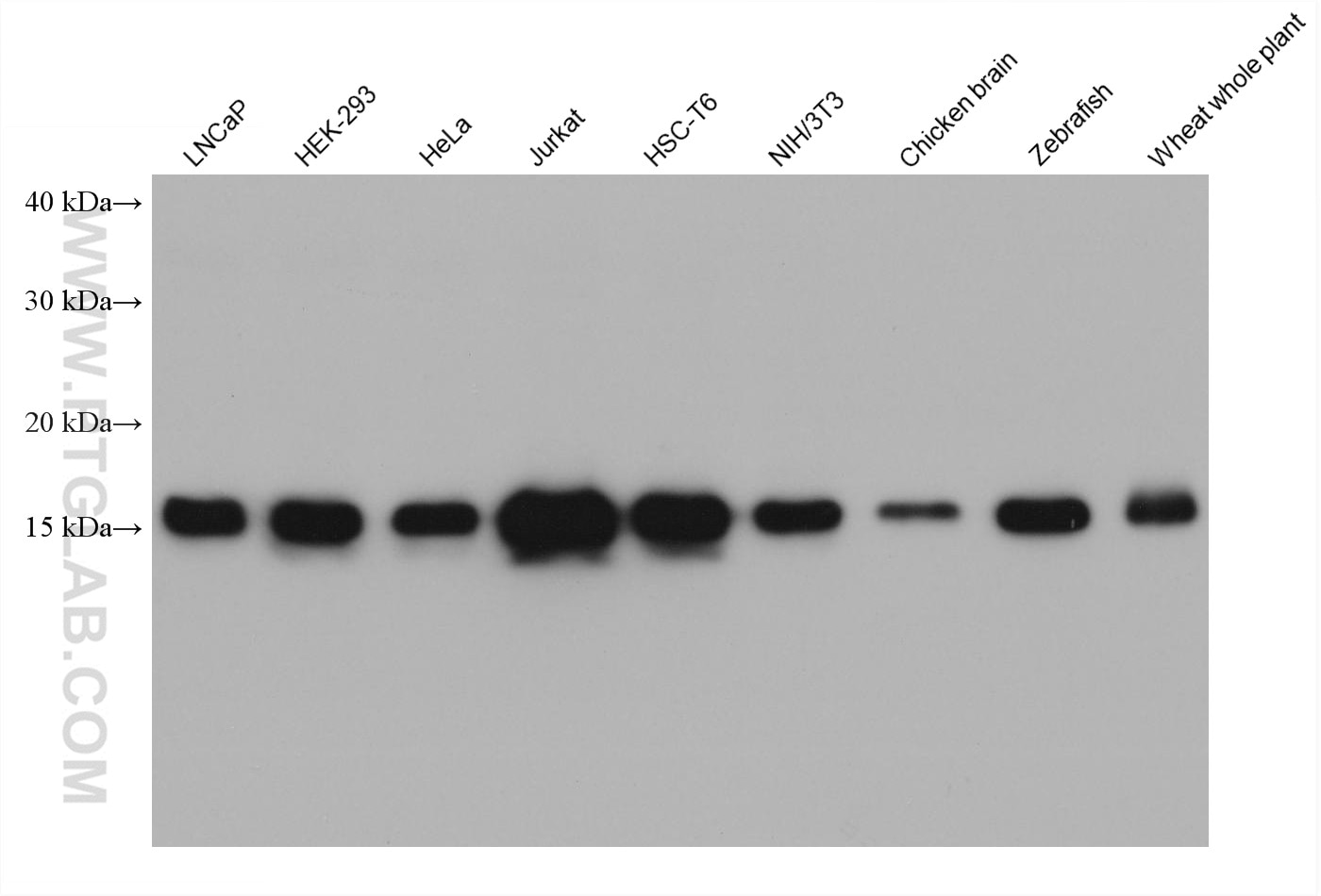
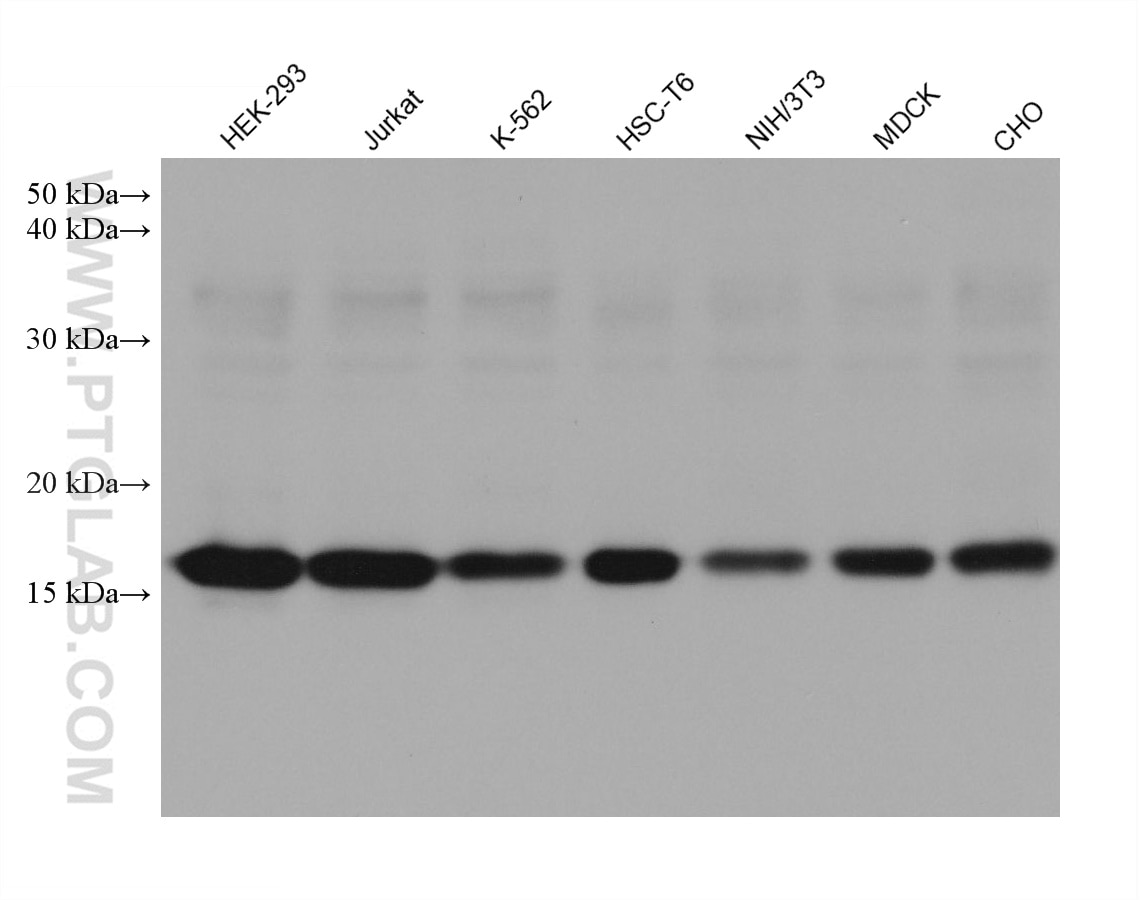
| Positive WB detected in | LNCaP cells, HEK-293 cells, Jurkat cells, K-562 cells, HSC-T6 cells, NIH/3T3 cells, MDCK cells, CHO cells, HeLa cells, chicken brain tissue, zebrafish, wheat whole plant |
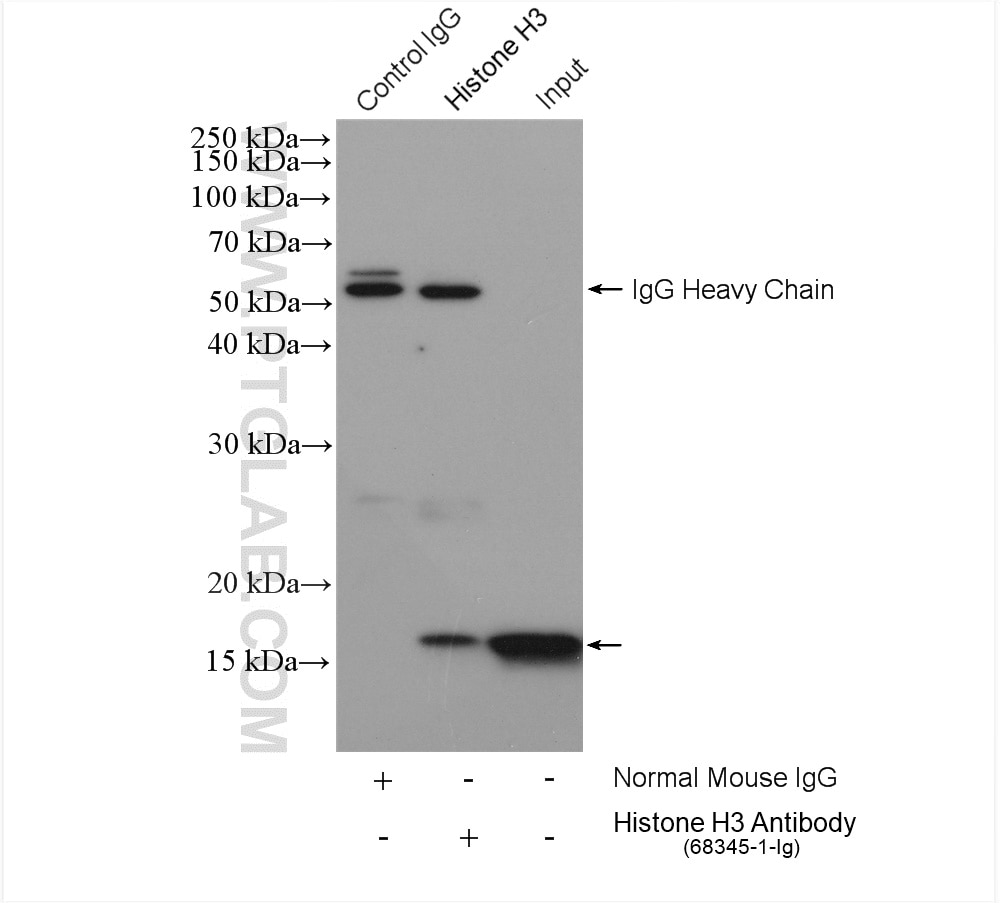
| Positive IP detected in | HeLa cells |
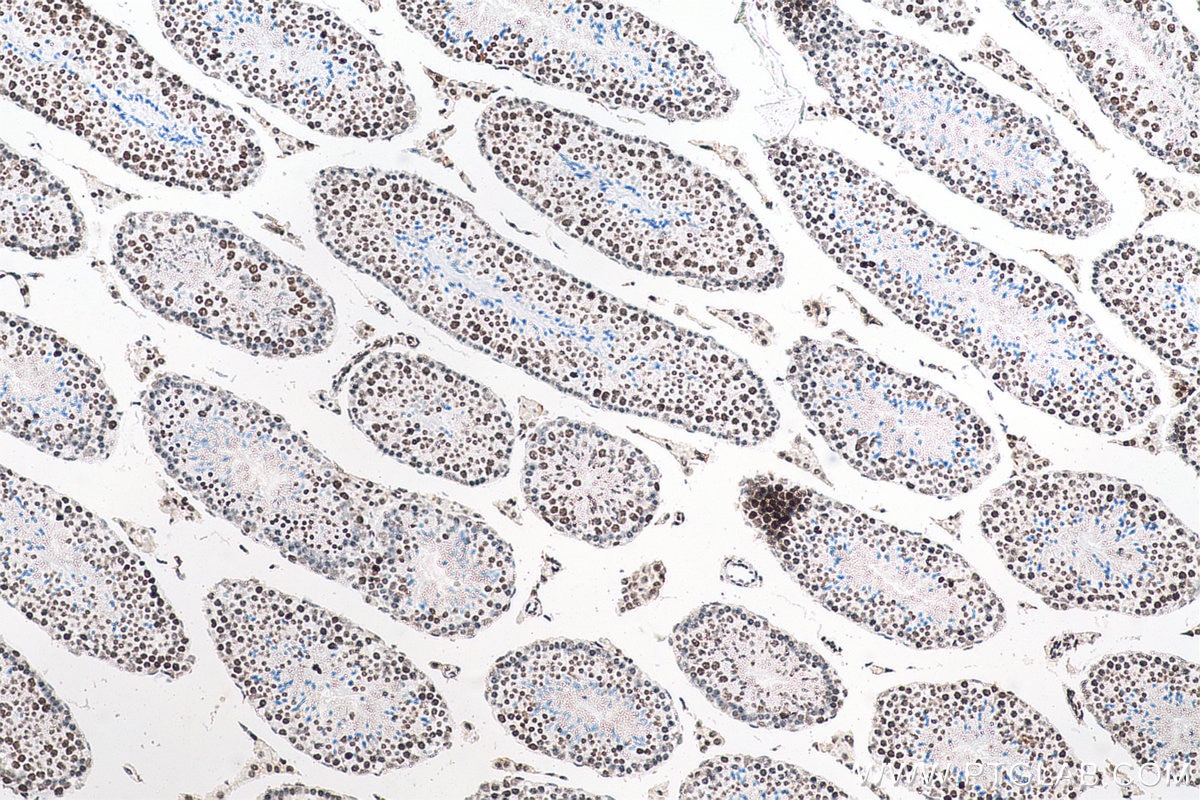
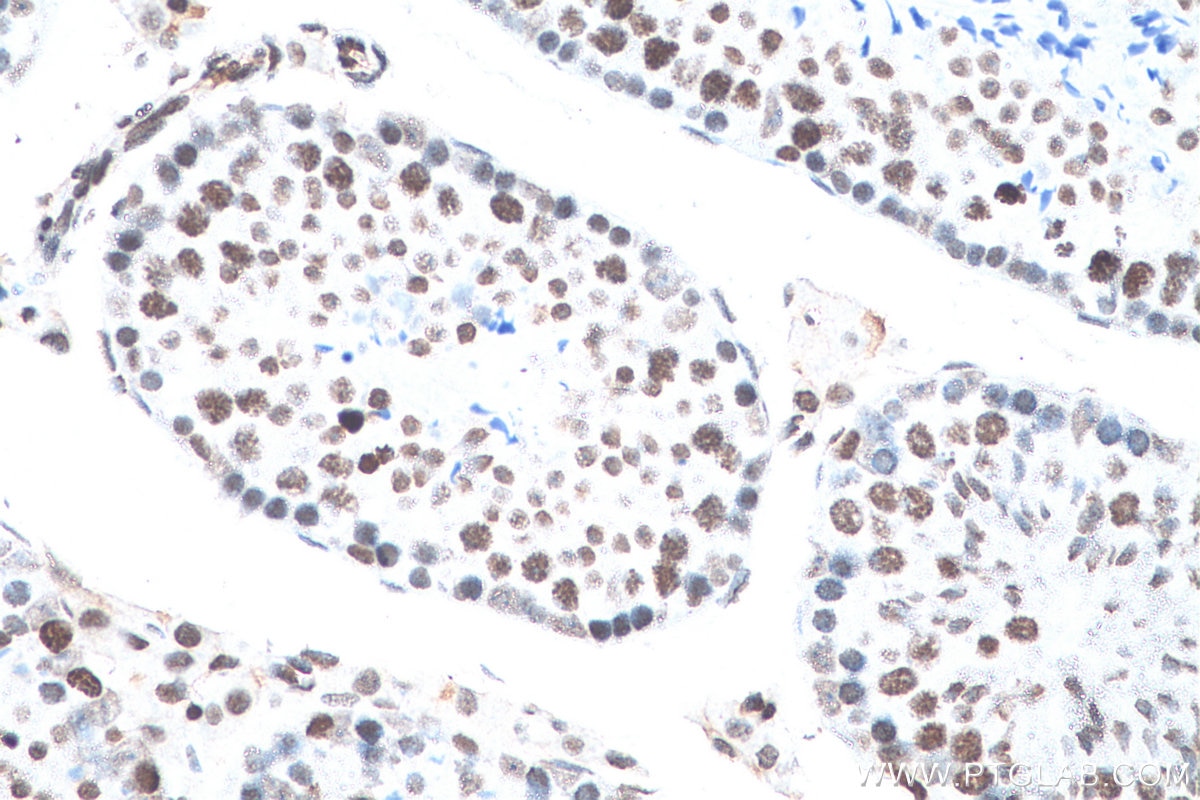
| Positive IHC detected in | mouse testis tissue, human colon cancer tissue Note: suggested antigen retrieval with TE buffer pH 9.0; (*) Alternatively, antigen retrieval may be performed with citrate buffer pH 6.0 |
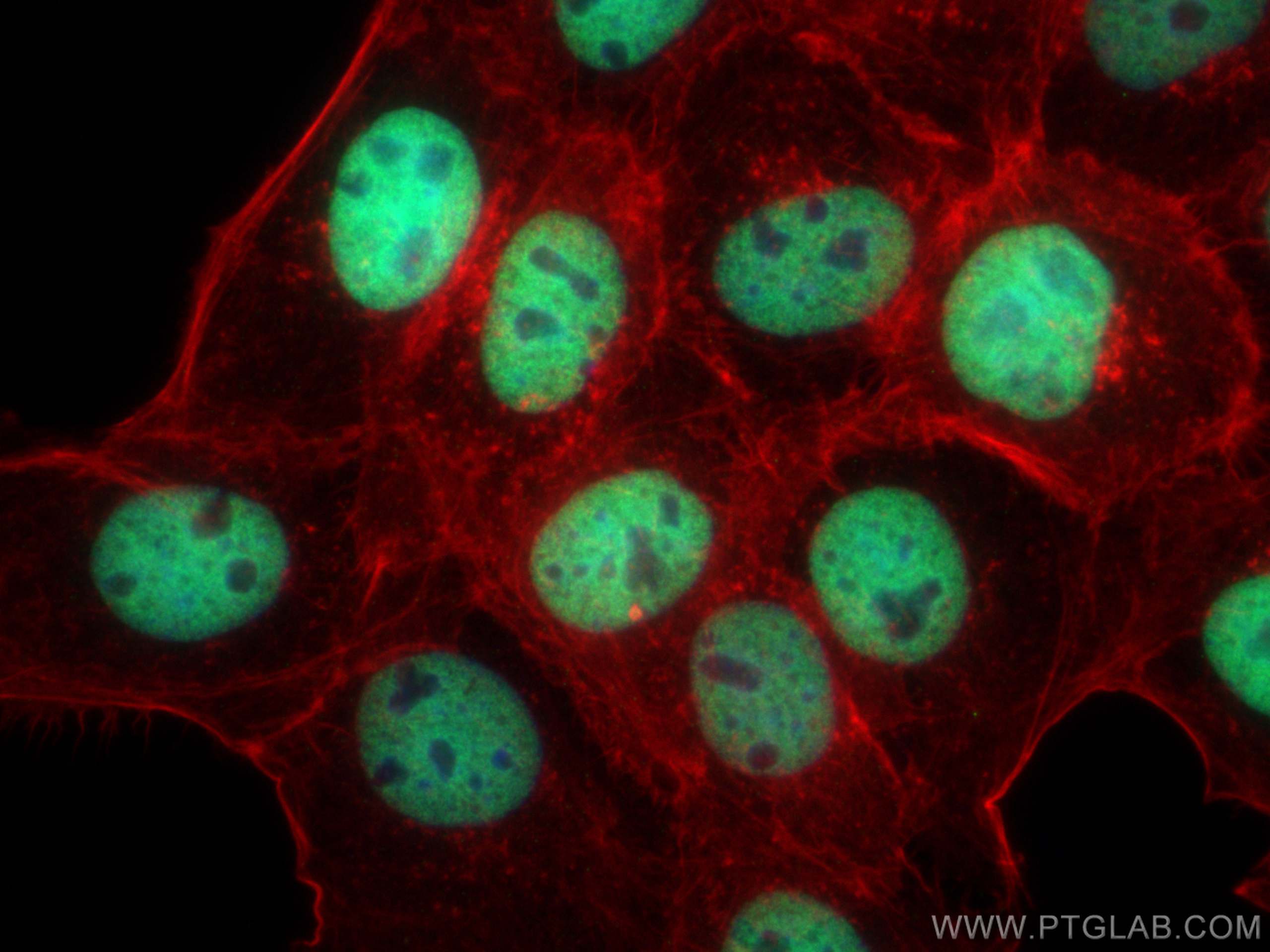
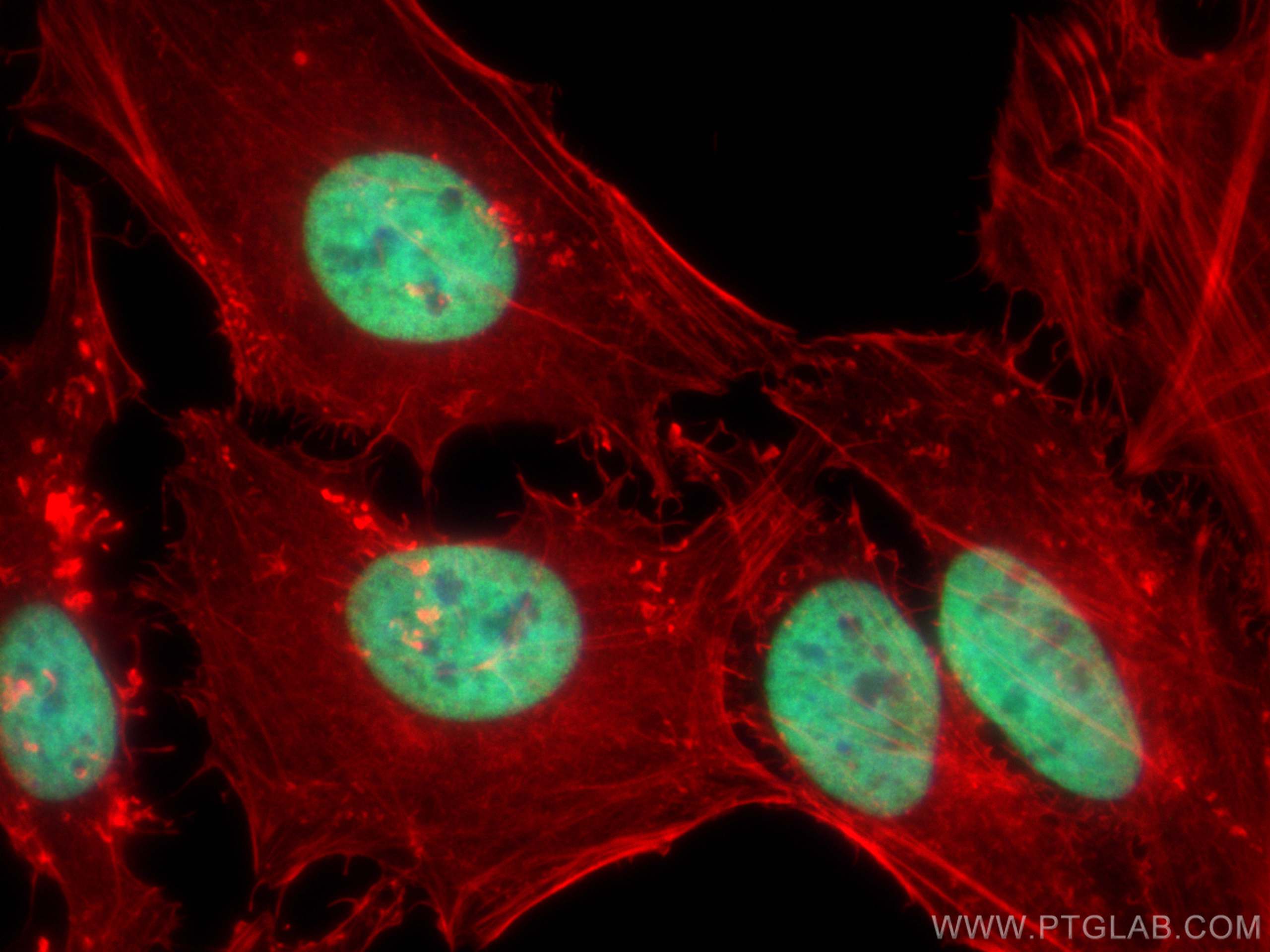
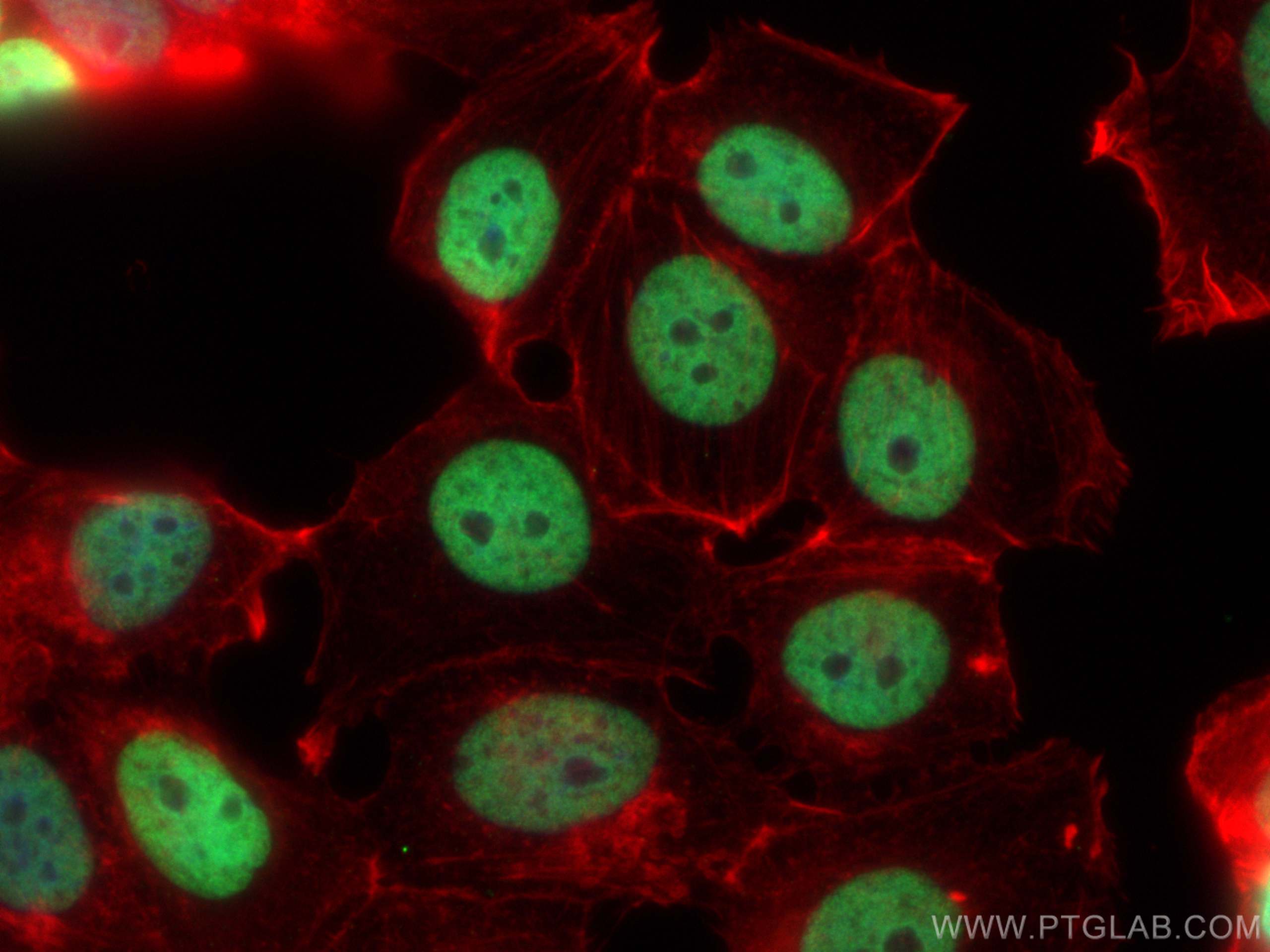
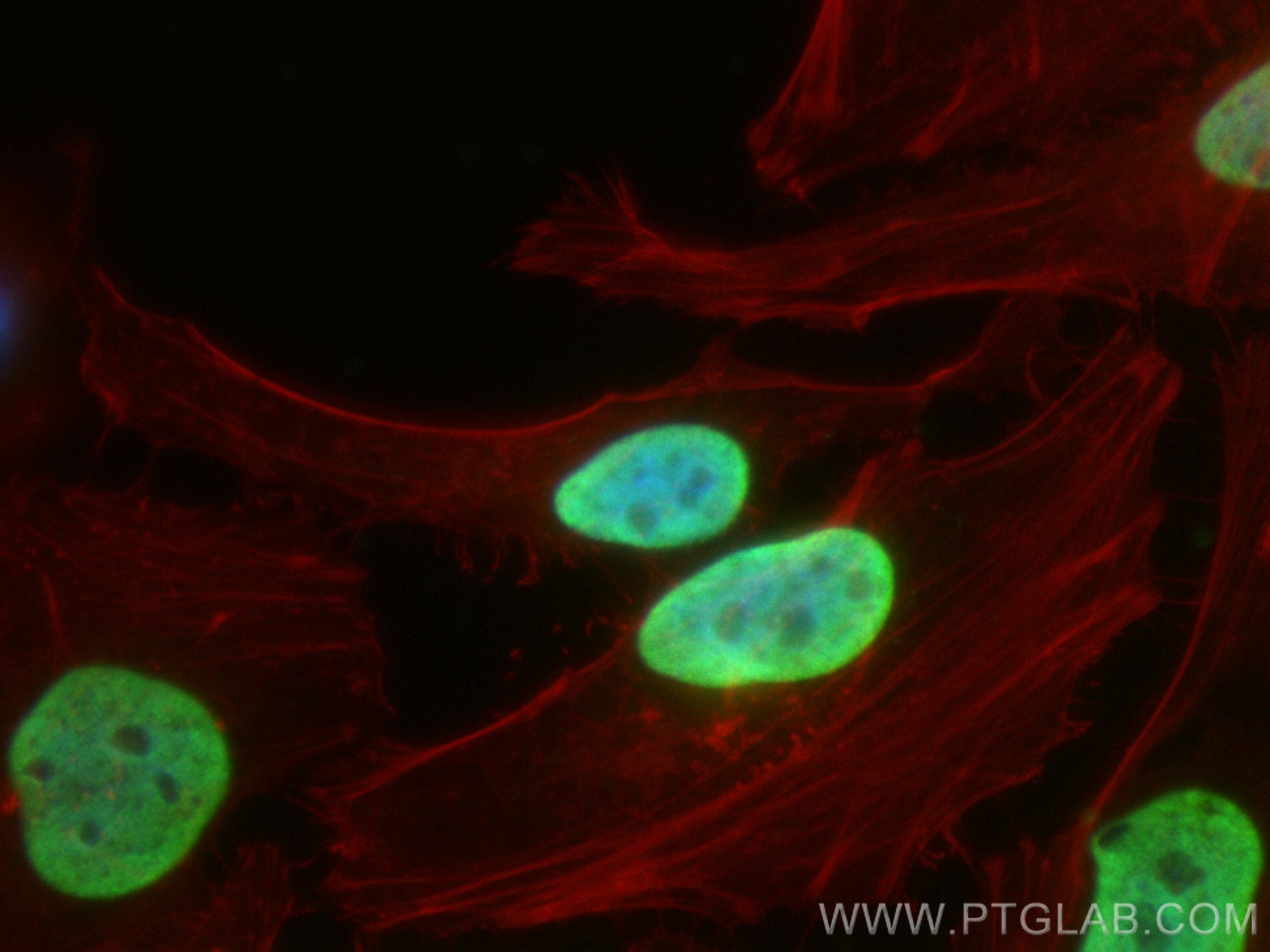
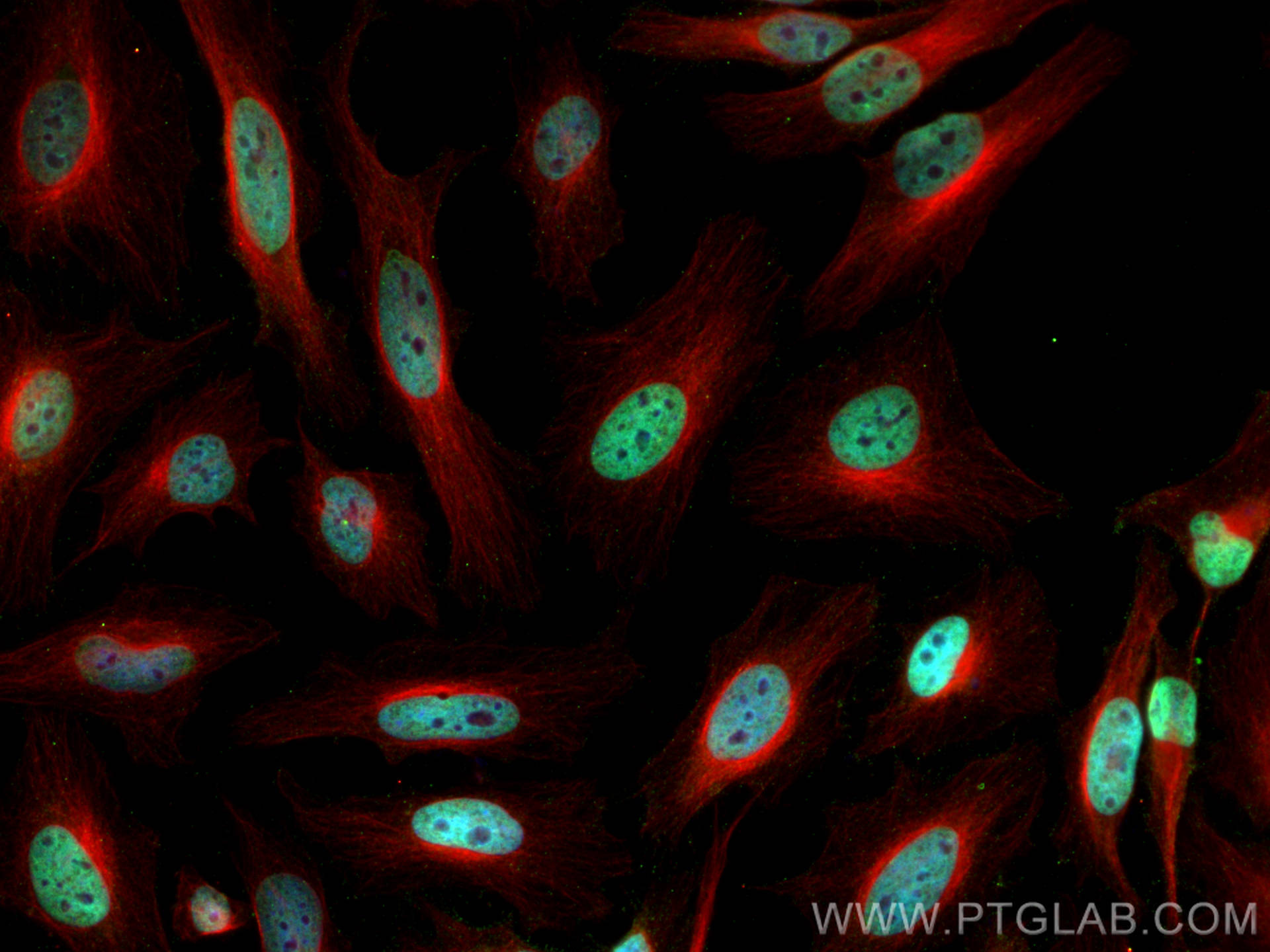
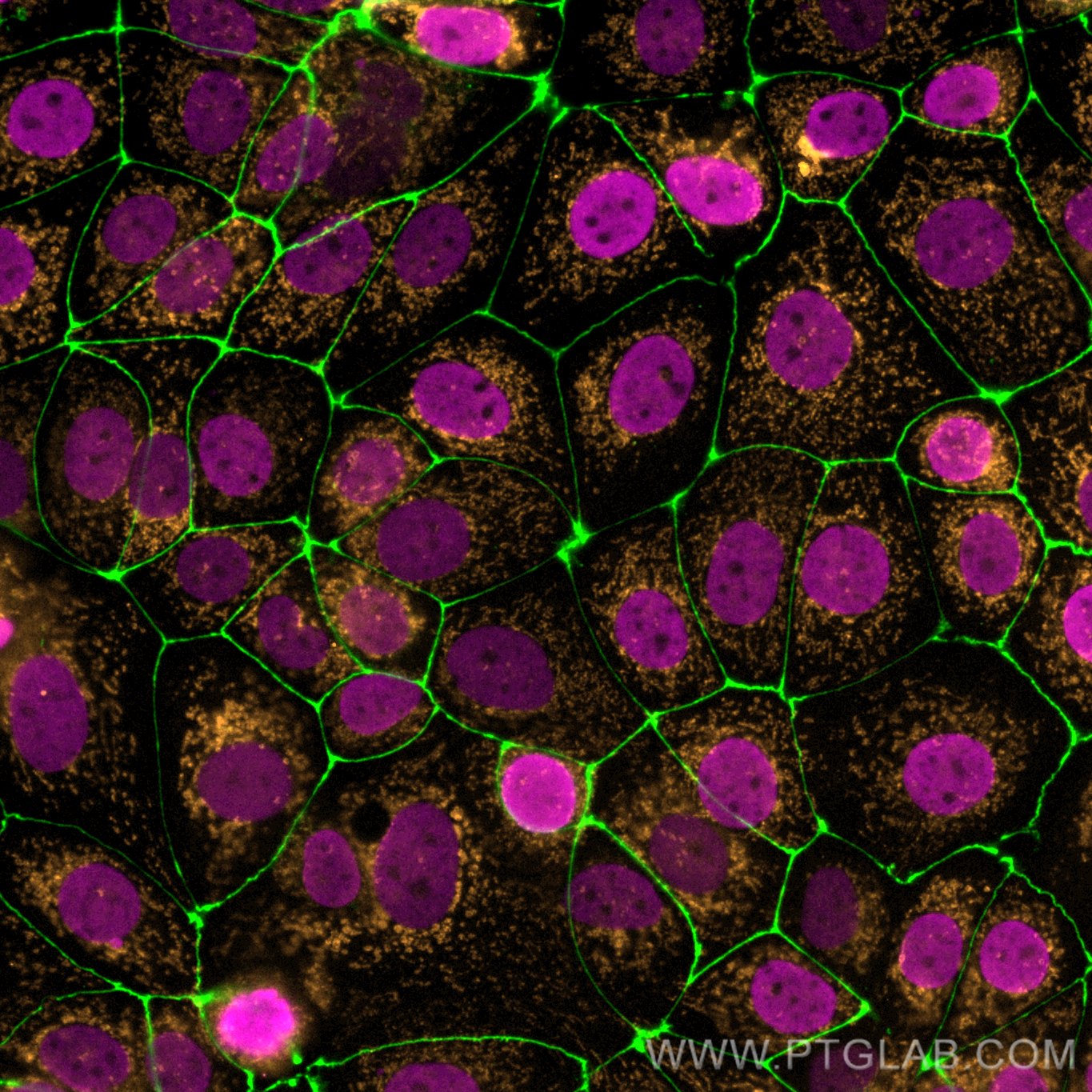
| Positive IF/ICC detected in | MCF-7 cells, A431 cells, HeLa cells |
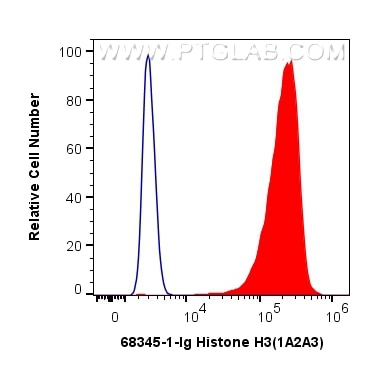
| Positive FC (Intra) detected in | HepG2 cells |
Recommended dilution
| Application | Dilution |
|---|---|
| Western Blot (WB) | WB : 1:5000-1:50000 |
| Immunoprecipitation (IP) | IP : 0.5-4.0 ug for 1.0-3.0 mg of total protein lysate |
| Immunohistochemistry (IHC) | IHC : 1:500-1:2000 |
| Immunofluorescence (IF)/ICC | IF/ICC : 1:500-1:2000 |
| Flow Cytometry (FC) (INTRA) | FC (INTRA) : 0.40 ug per 10^6 cells in a 100 ul suspension |
| It is recommended that this reagent should be titrated in each testing system to obtain optimal results. | |
| Sample-dependent, Check data in validation data gallery. | |
Product Information
68345-1-Ig targets Histone H3 in WB, IHC, IF/ICC, FC (Intra), IP, ChIP, ELISA applications and shows reactivity with human, mouse, rat, pig, rabbit, canine, chicken, zebrafish, hamster, wheat samples.
| Tested Reactivity | human, mouse, rat, pig, rabbit, canine, chicken, zebrafish, hamster, wheat |
| Cited Reactivity | human, mouse, rat, pig, canine, zebrafish |
| Host / Isotype | Mouse / IgG2b |
| Class | Monoclonal |
| Type | Antibody |
| Immunogen |
Peptide Predict reactive species |
| Full Name | histone cluster 1, H3a |
| Observed Molecular Weight | 15-17 kDa |
| GenBank Accession Number | BC066245 |
| Gene Symbol | HIST1H3A |
| Gene ID (NCBI) | 8350 |
| RRID | AB_3086558 |
| Conjugate | Unconjugated |
| Form | Liquid |
| Purification Method | Protein A purification |
| UNIPROT ID | P68431 |
| Storage Buffer | PBS with 0.02% sodium azide and 50% glycerol, pH 7.3. |
| Storage Conditions | Store at -20°C. Stable for one year after shipment. Aliquoting is unnecessary for -20oC storage. 20ul sizes contain 0.1% BSA. |
Background Information
Histones are small, highly basic proteins that consist of a globular domain with unstructured N- and C-terminal tails protruding from the main structure. Histone H3 is one of the five main histones that are responsible for the nucleosome structure of the chromosomal fiber in eukaryotes. Two molecules of each of the four core histones (H2A, H2B, H3, and H4) form an octamer, around which approximately 146 bp of DNA is wrapped in repeating units, called nucleosomes. In addition to their role in DNA compartmentalization, histones also play crucial roles in various biologic processes, including gene expression and regulation, DNA repair, chromatin condensation, cell cycle progression, chromosome segregation, and apoptosis. The ability of histones to regulate chromatin dynamics primarily originates from various posttranslational modifications carried out by histone-modifying enzymes.
Protocols
| Product Specific Protocols | |
|---|---|
| FC protocol for Histone H3 antibody 68345-1-Ig | Download protocol |
| IF protocol for Histone H3 antibody 68345-1-Ig | Download protocol |
| IHC protocol for Histone H3 antibody 68345-1-Ig | Download protocol |
| IP protocol for Histone H3 antibody 68345-1-Ig | Download protocol |
| WB protocol for Histone H3 antibody 68345-1-Ig | Download protocol |
| Standard Protocols | |
|---|---|
| Click here to view our Standard Protocols |
Publications
What published studies show
I'll search for citations for this catalog number.Histone H3 Monoclonal antibody (68345-1-Ig) has 125 total citations. It is cited in high-impact journals including Molecular Cancer, Nature Communications, Neuron, Science Advances, PNAS, Oncogene, Cell Reports, Journal of Clinical Investigation, Drug Resistance Updates, and Phytomedicine. The citations span diverse research fields, most prominently epigenetics (histone lactylation, acetylation, methylation), oncology (leukemia, lung, gastric, prostate, colorectal, breast cancers), neuroscience (spinal cord injury, neuroinflammation, stroke), cardiovascular disease (heart failure, cardiotoxicity, atherosclerosis), immunology/innate immunity, and metabolic diseases (diabetes, fibrosis). The antibody is predominantly used in Western blotting across human and mouse samples.
| Species | Application | Title |
|---|---|---|
Mol Cancer Exosomal circ_0006896 promotes AML progression via interaction with HDAC1 and restriction of antitumor immunity | ||
Drug Resist Updat A tumor-derived lactate/ENO1 lactylation feedback loop facilitates osimertinib resistance of lung adenocarcinoma. | ||
Bone Res Enhanced SIRT3 expression restores mitochondrial quality control mechanism to reverse osteogenic impairment in type 2 diabetes mellitus | ||
Nat Commun Regulation of lipoprotein processing by GPNMB in foamy macrophages: potential therapeutic targets for atherosclerosis | ||
Nat Commun Proteogenomics of different urothelial bladder cancer stages reveals distinct molecular features for papillary cancer and carcinoma in situ | ||
Nat Commun Histone serotonylation promotes pancreatic cancer development via lipid metabolism remodeling. |














