

Tested Applications
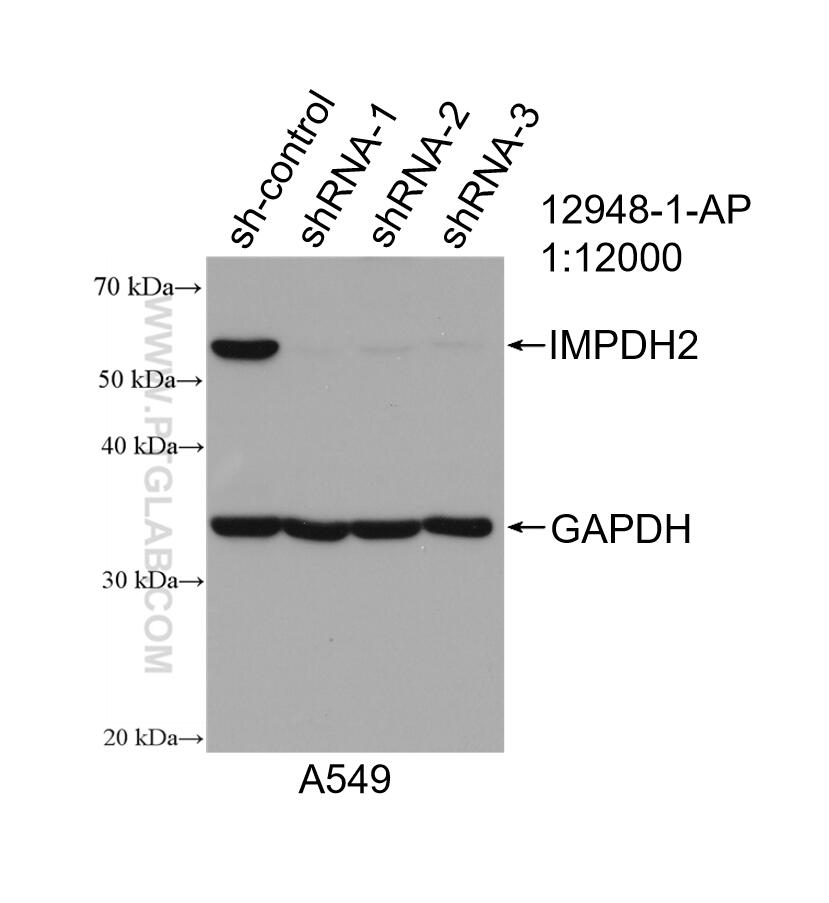
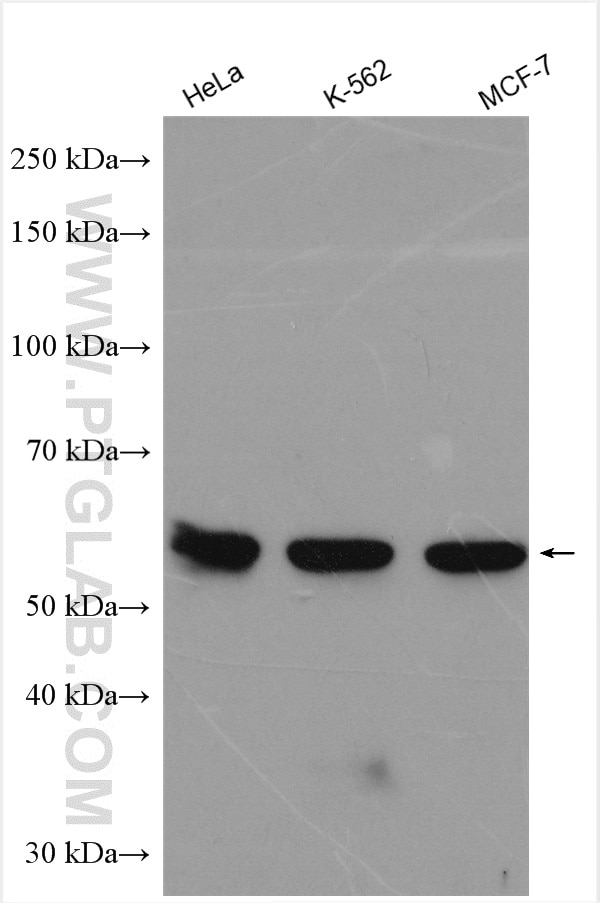
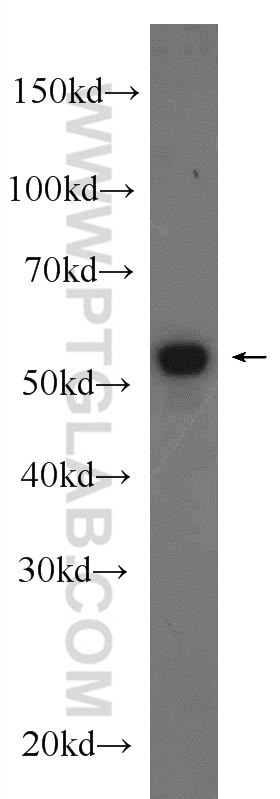
| Positive WB detected in | HeLa cells, rat heart tissue, A549 cells, MCF-7 cells, K-562 cells |
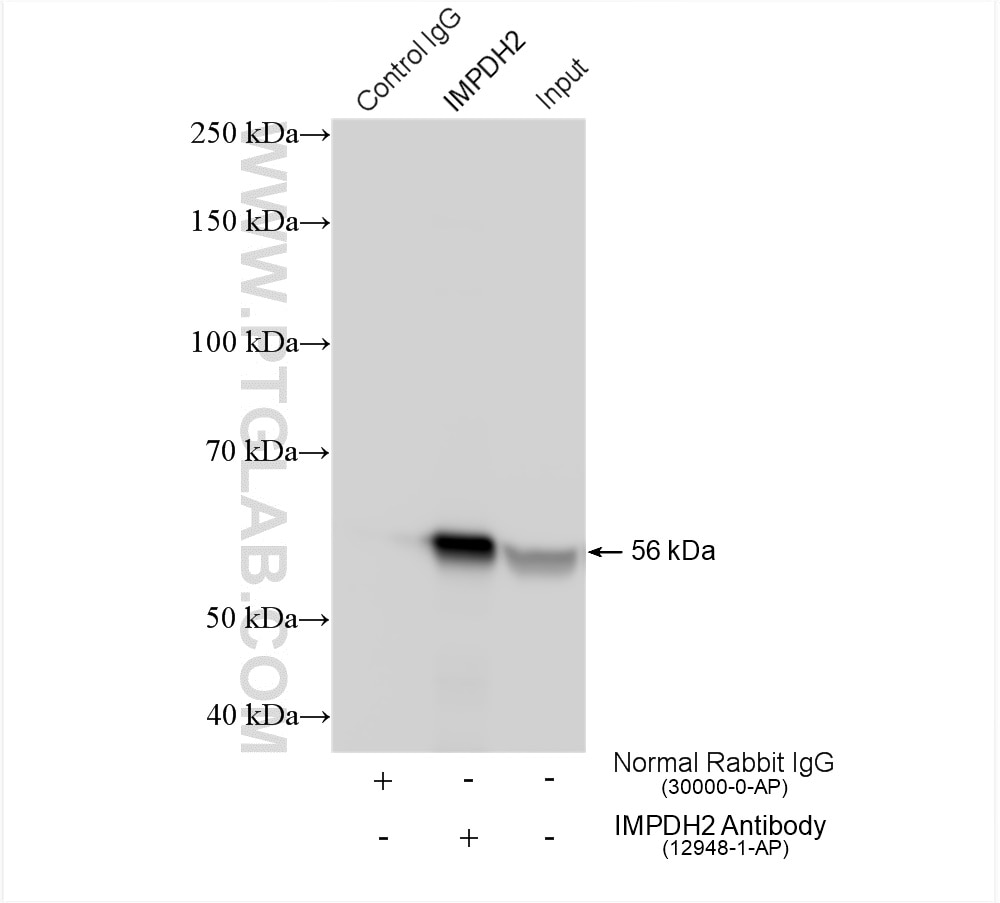
| Positive IP detected in | HeLa cells |
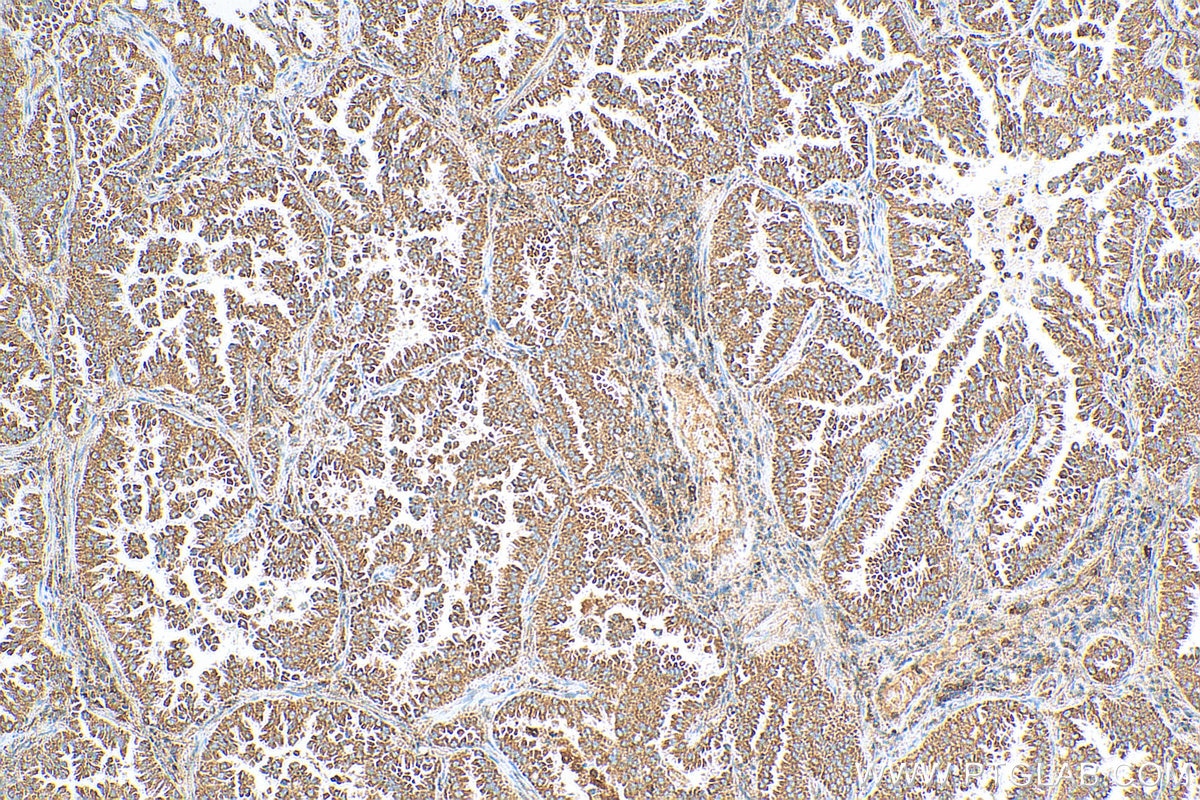
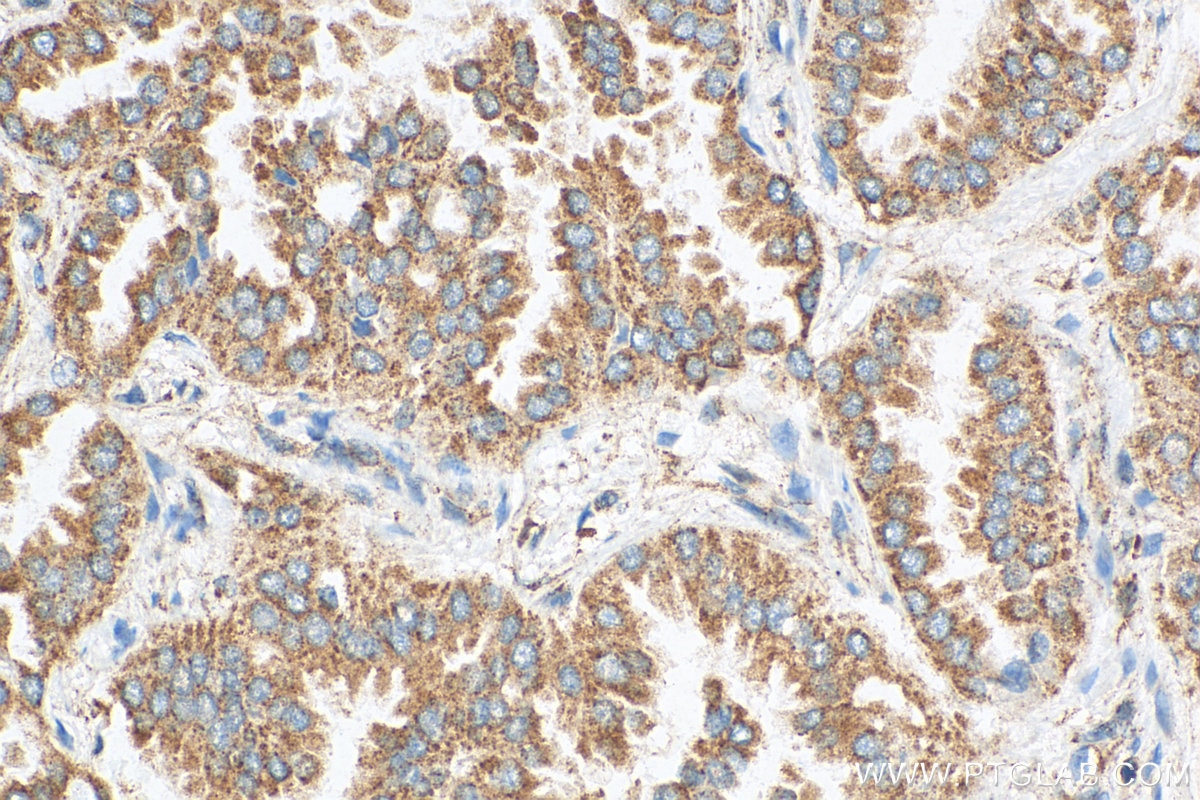
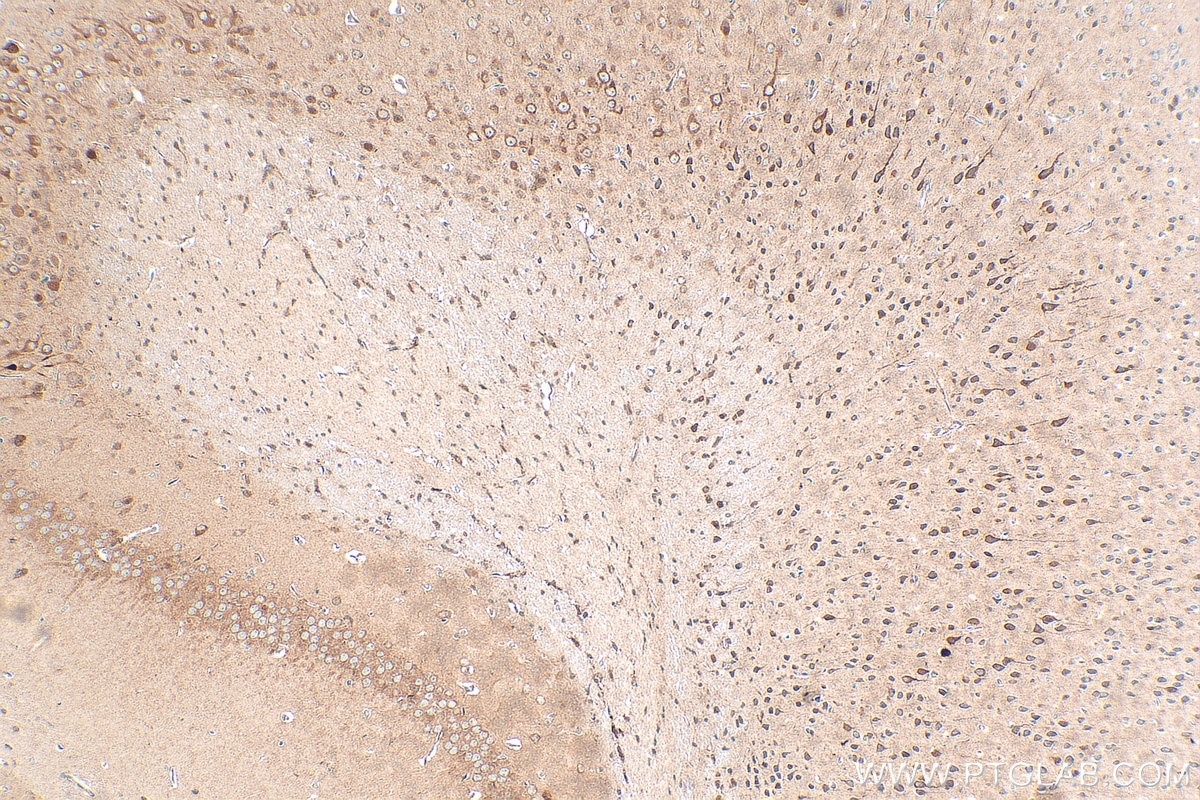
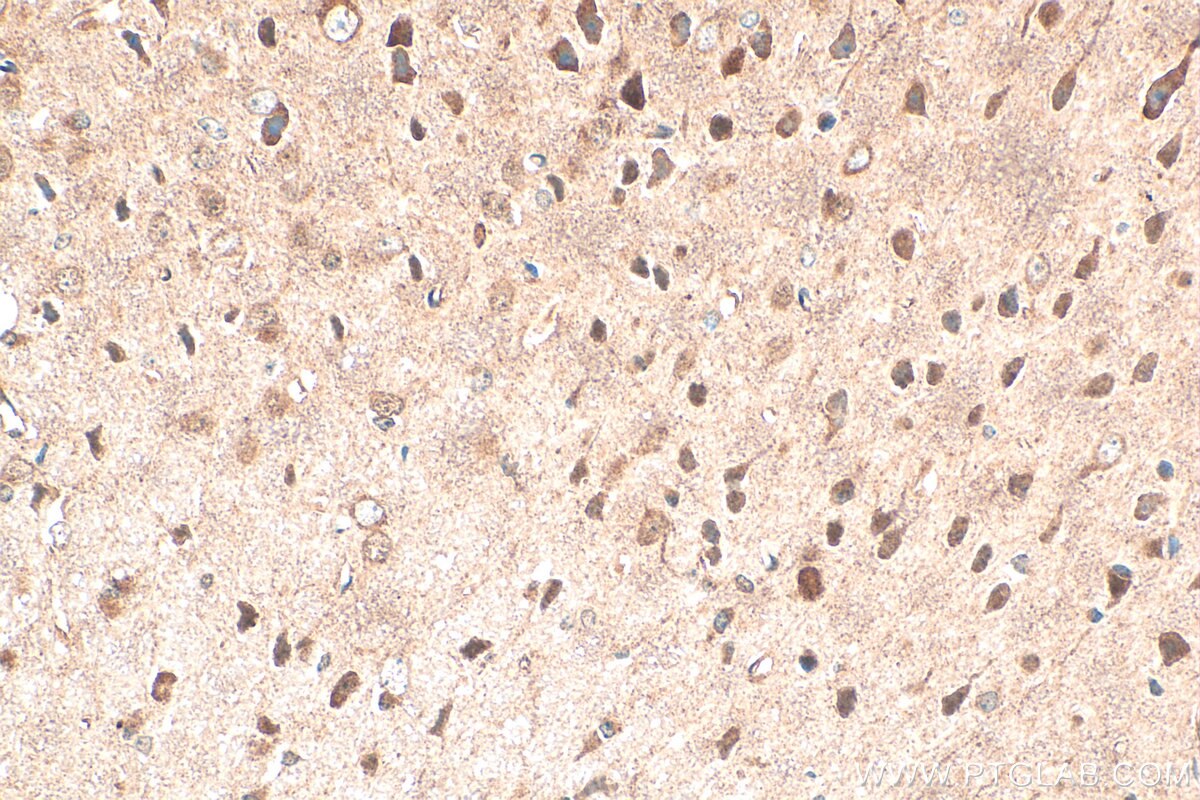
| Positive IHC detected in | human lung cancer tissue, mouse brain tissue Note: suggested antigen retrieval with TE buffer pH 9.0; (*) Alternatively, antigen retrieval may be performed with citrate buffer pH 6.0 |
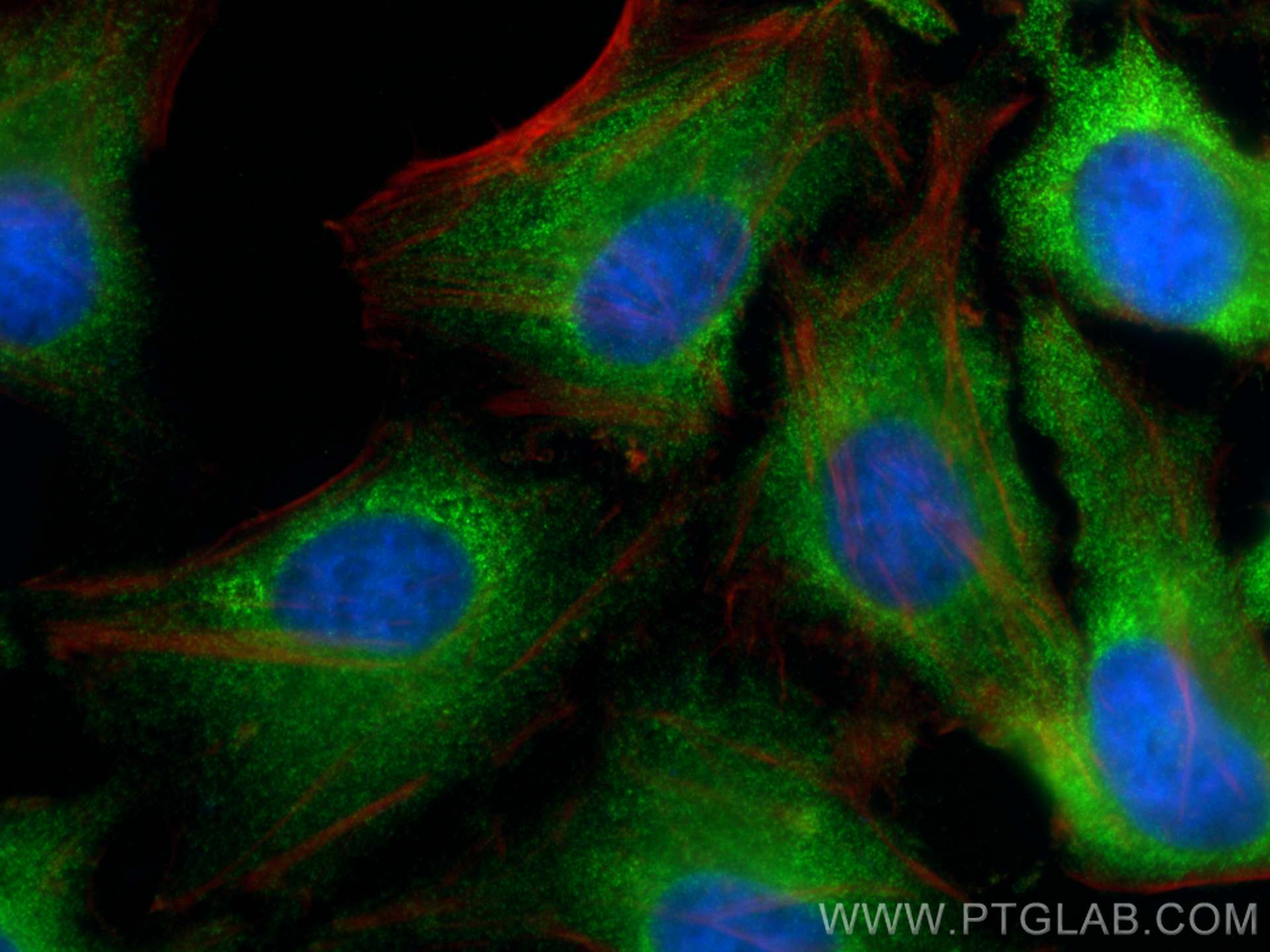
| Positive IF/ICC detected in | HeLa cells |
Recommended dilution
| Application | Dilution |
|---|---|
| Western Blot (WB) | WB : 1:5000-1:50000 |
| Immunoprecipitation (IP) | IP : 0.5-4.0 ug for 1.0-3.0 mg of total protein lysate |
| Immunohistochemistry (IHC) | IHC : 1:50-1:500 |
| Immunofluorescence (IF)/ICC | IF/ICC : 1:200-1:800 |
| It is recommended that this reagent should be titrated in each testing system to obtain optimal results. | |
| Sample-dependent, Check data in validation data gallery. | |
Product Information
12948-1-AP targets IMPDH2 in WB, IHC, IF/ICC, IP, CoIP, RIP, IP-MS, ELISA applications and shows reactivity with human, mouse, rat samples.
| Tested Reactivity | human, mouse, rat |
| Cited Reactivity | human, mouse, rat, zebrafish, xenopus |
| Host / Isotype | Rabbit / IgG |
| Class | Polyclonal |
| Type | Antibody |
| Immunogen |
CatNo: Ag3632 Product name: Recombinant human IMPDH2 protein Source: e coli.-derived, PGEX-4T Tag: GST Domain: 1-350 aa of BC012840 Sequence: MADYLISGGTSYVPDDGLTAQQLFNCGDGLTYNDFLILPGYIDFTADQVDLTSALTKKITLKTPLVSSPMDTVTEAGMAIAMALTGGIGFIHHNCTPEFQANEVRKVKKYEQGFITDPVVLSPKDRVRDVFEAKARHGFCGIPITDTGRMGSRLVGIISSRDIDFLKEEEHDCFLEEIMTKREDLVVAPAGITLKEANEILQRSKKGKLPIVNEDDELVAIIARTDLKKNRDYPLASKDAKKQLLCGAAIGTHEDDKYRLDLLAQAGVDVVVLDSSQGNSIFQINMIKYIKDKYPNLQVIGGNVVTAAQAKNLIDAGVDALRVGMGSGSICITQEVLACGRPQATAVYKV Predict reactive species |
| Full Name | IMP (inosine monophosphate) dehydrogenase 2 |
| Calculated Molecular Weight | 514 aa, 56 kDa |
| Observed Molecular Weight | 56 kDa |
| GenBank Accession Number | BC012840 |
| Gene Symbol | IMPDH2 |
| Gene ID (NCBI) | 3615 |
| RRID | AB_2127351 |
| Conjugate | Unconjugated |
| Form | Liquid |
| Purification Method | Antigen affinity purification |
| UNIPROT ID | P12268 |
| Storage Buffer | PBS with 0.02% sodium azide and 50% glycerol, pH 7.3. |
| Storage Conditions | Store at -20°C. Stable for one year after shipment. Aliquoting is unnecessary for -20oC storage. 20ul sizes contain 0.1% BSA. |
Background Information
IMPDH2, also named as IMPD2, belongs to the IMPDH/GMPR family. It is a rate limiting enzyme in the de novo synthesis of guanine nucleotides and therefore is involved in the regulation of cell growth. It may also have a role in the development of malignancy and the growth progression of some tumors. IMPDH2 is a key enzyme in the purine nucleotide biosynthetic pathway and constitutes a pivotal biological target for immunosuppressant and antiviral drugs. (PMID:21181270) IMPDH2 is highly enriched in RR(filamentous rods and rings). This antibody may have cross-reaction with IMPDH1 due to the high homology.
Protocols
| Product Specific Protocols | |
|---|---|
| IF protocol for IMPDH2 antibody 12948-1-AP | Download protocol |
| IHC protocol for IMPDH2 antibody 12948-1-AP | Download protocol |
| IP protocol for IMPDH2 antibody 12948-1-AP | Download protocol |
| WB protocol for IMPDH2 antibody 12948-1-AP | Download protocol |
| Standard Protocols | |
|---|---|
| Click here to view our Standard Protocols |
Publications
What published studies show
The IMPDH2 Polyclonal antibody (catalog #12948-1-AP) has 73 citations. These appear across journals including Cell, Nature Communications, Molecular Cell, Cell Reports, Cell Death & Differentiation/Disease, Journal of Clinical Investigation, PNAS, Cancer Letters, Cell Molecular Life Sciences, FEBS Journal, and Frontiers in Immunology/Cell Developmental Biology. Research fields span purine metabolism, cytoophidium (rod/ring) assembly, cancer biology (breast, glioma, colorectal, melanoma), DNA damage response, viral infection (SARS-CoV-2, hepatitis C), immunology/autoimmunity, and developmental biology.
| Species | Application | Title |
|---|---|---|
Mol Cell Accumulation of succinate suppresses de novo purine synthesis through succinylation-mediated control of the mitochondrial folate cycle. | ||
Mol Cell ERK2 Phosphorylates PFAS to Mediate Posttranslational Control of De Novo Purine Synthesis. | ||
Cell Death Differ Oxoglutarate dehydrogenase-like inhibits the progression of hepatocellular carcinoma by inducing DNA damage through non-canonical function |
Reviews
What customers say
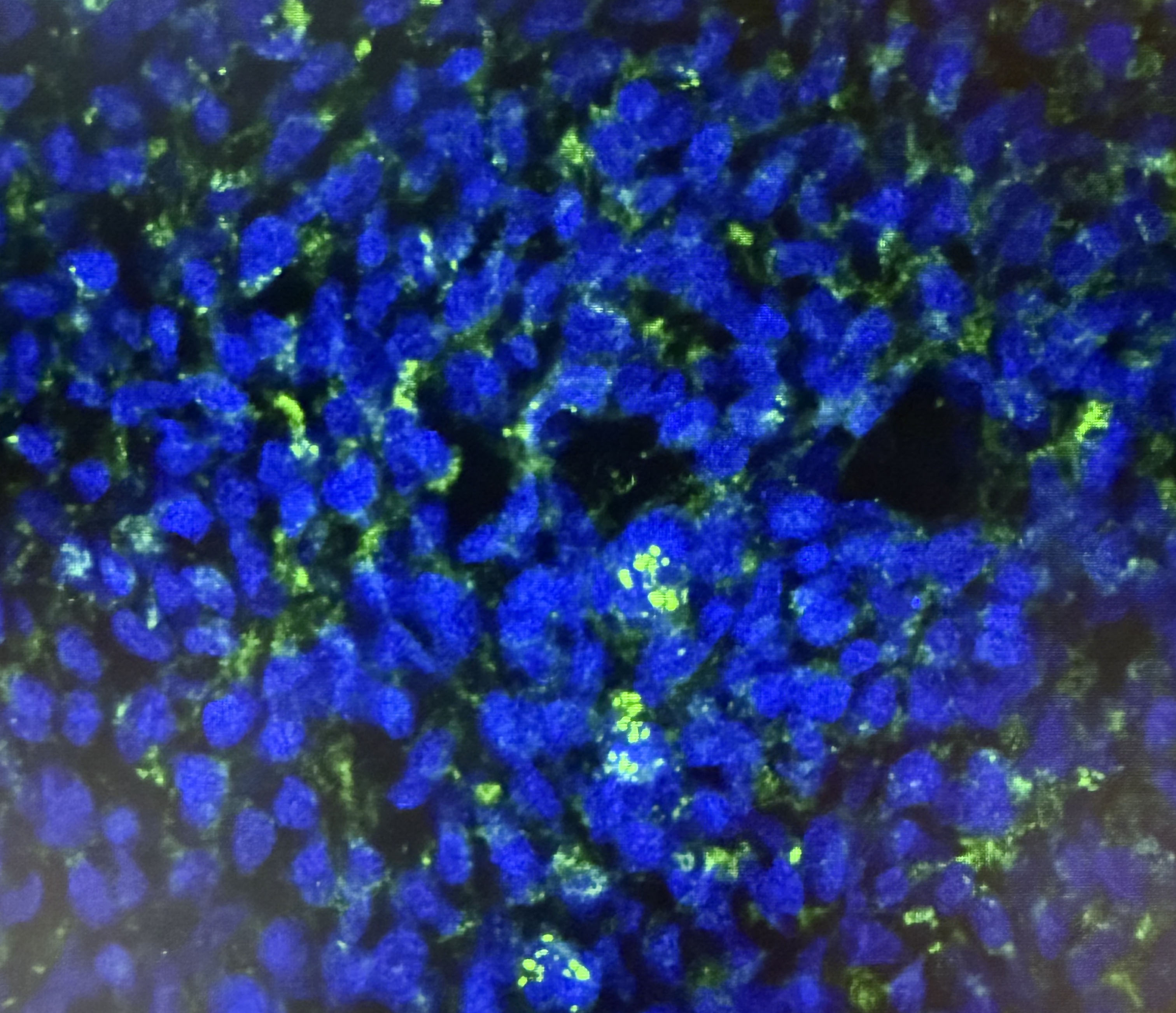
The single review rates the IMPDH1 antibody 5 stars for immunofluorescence on iPSC cells at a 1:200 dilution. The reviewer reports a strong, specific signal localized to distinct cellular regions at 60× magnification. Although some diffuse background puncta were observed, the staining pattern in the highlighted areas was consistent with specific antibody binding, indicating reliable detection of IMPDH1. Overall, the feedback is positive, highlighting the antibody's specificity and performance in IF applications.
The reviews below have been submitted by verified Proteintech customers who received an incentive for providing their feedback.
Alexios (Verified Customer) (09-17-2025) | Immunofluorescence analysis of WT iPSCs with IMPDH1 antibody revealed a strong, specific signal localized to distinct cellular regions (60× magnification). While some diffuse background puncta were present throughout the field, the staining pattern in the highlighted areas was consistent with specific antibody binding, indicating reliable detection of IMPDH1.
 |










