

Tested Applications
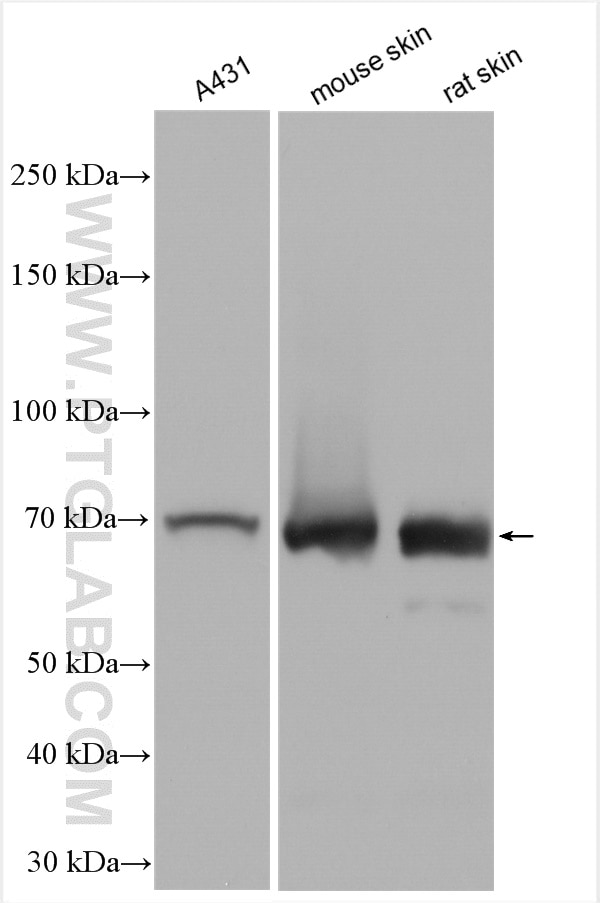
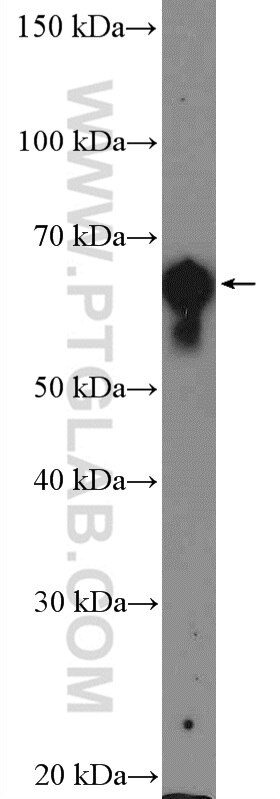
| Positive WB detected in | A431 cells, mouse skin tissue, rat skin tissue. |
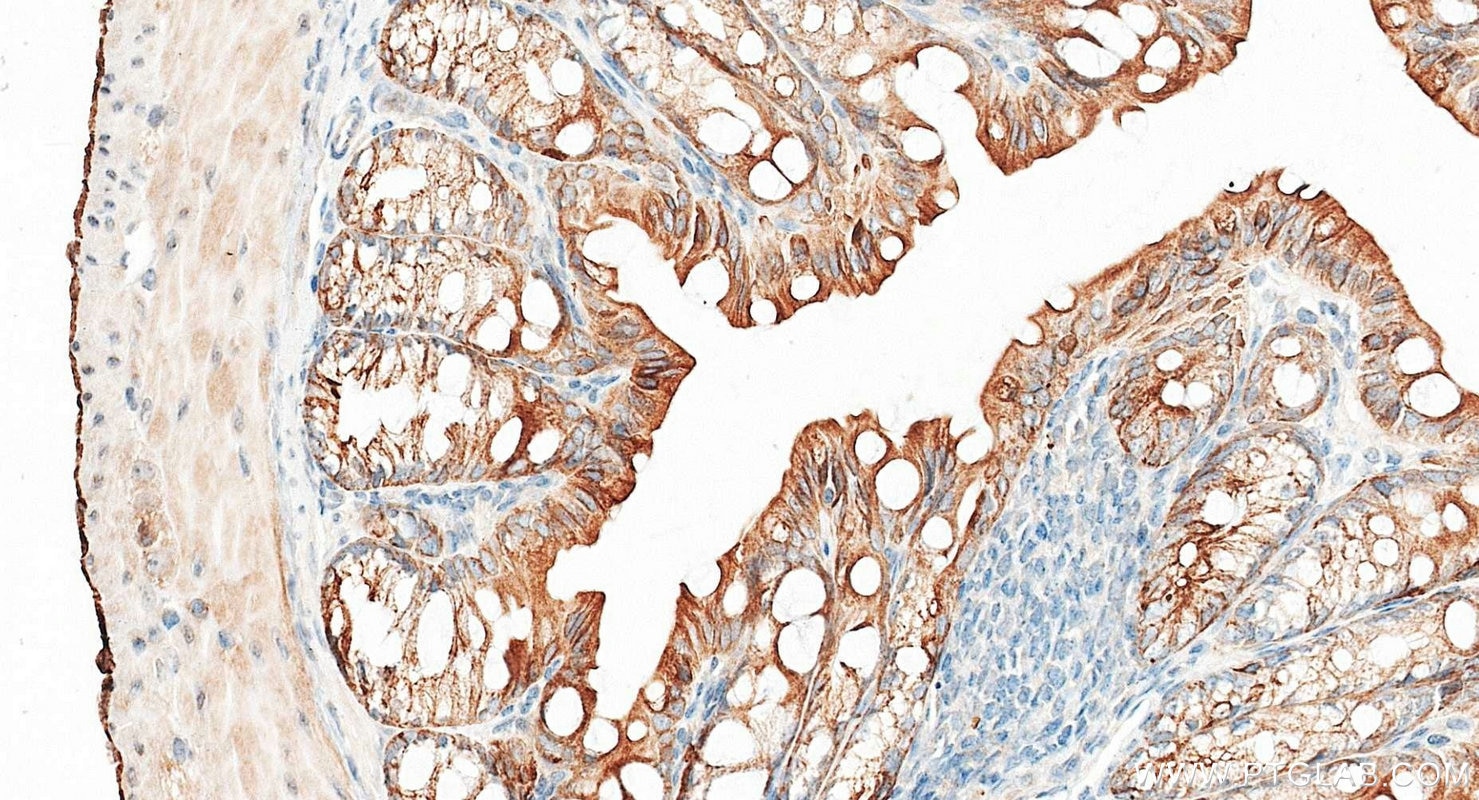
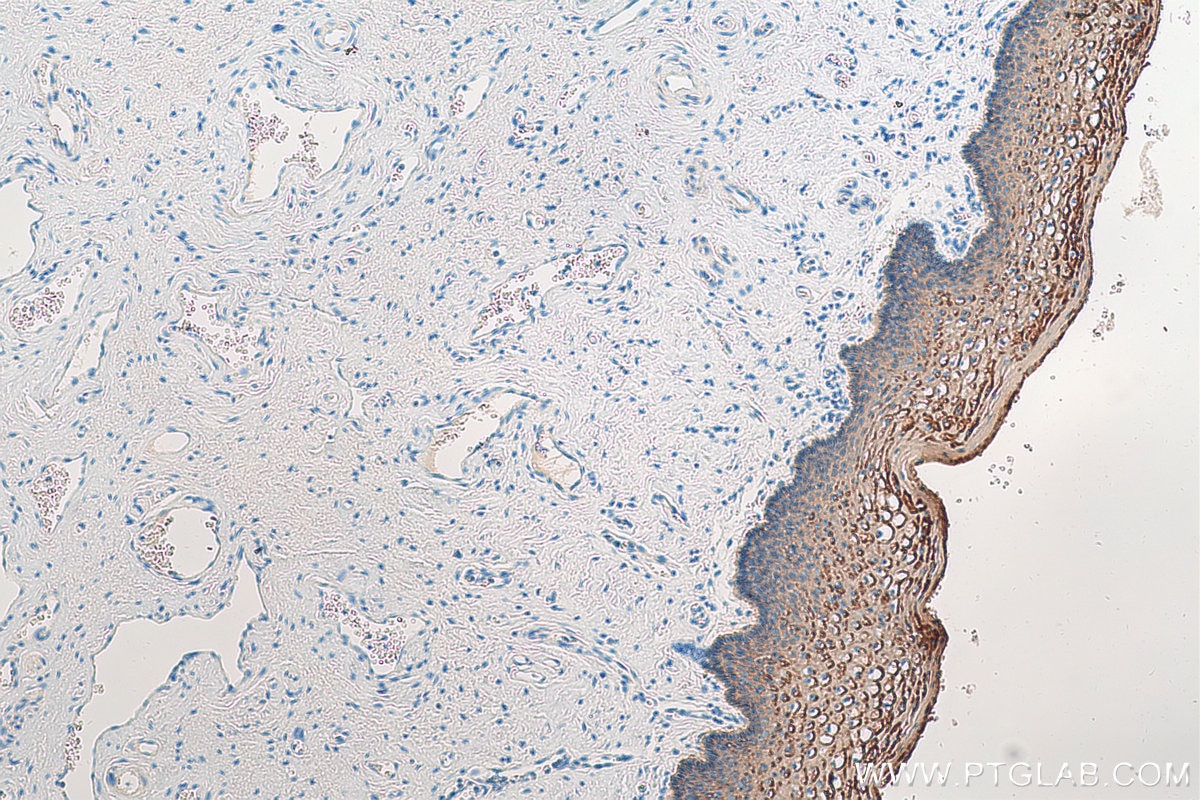
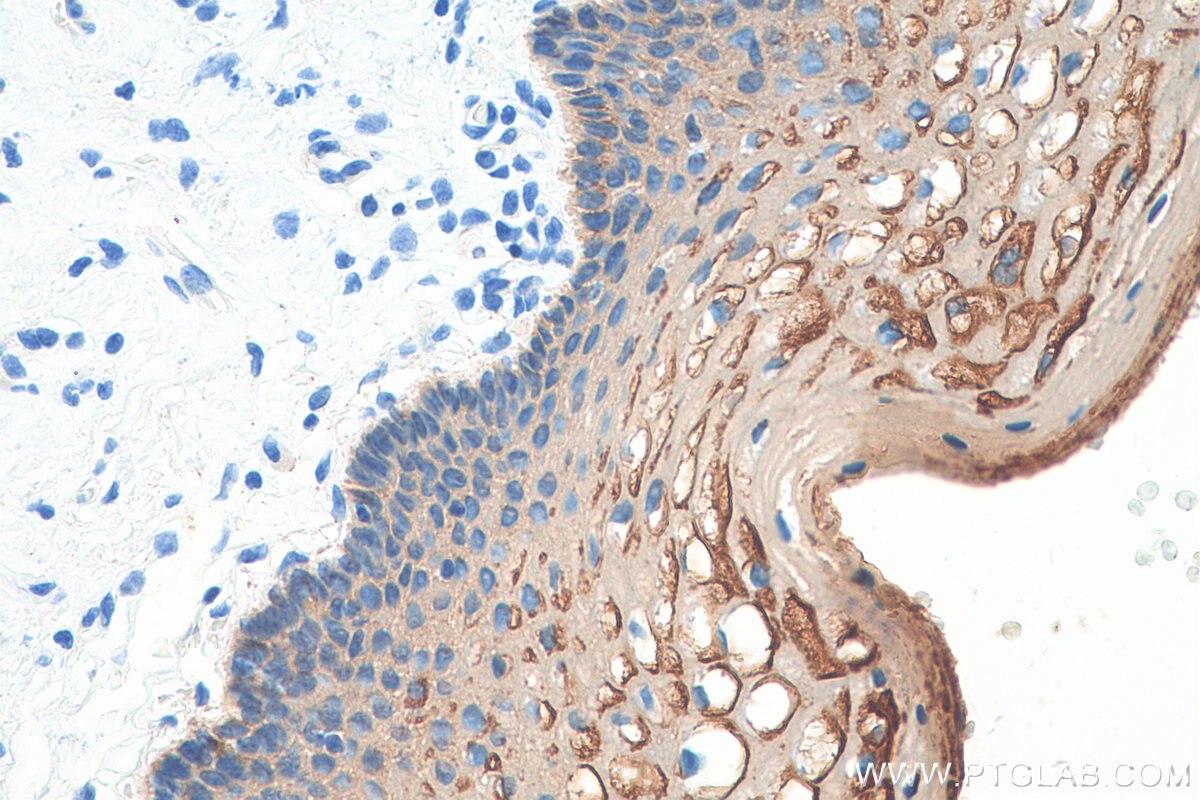
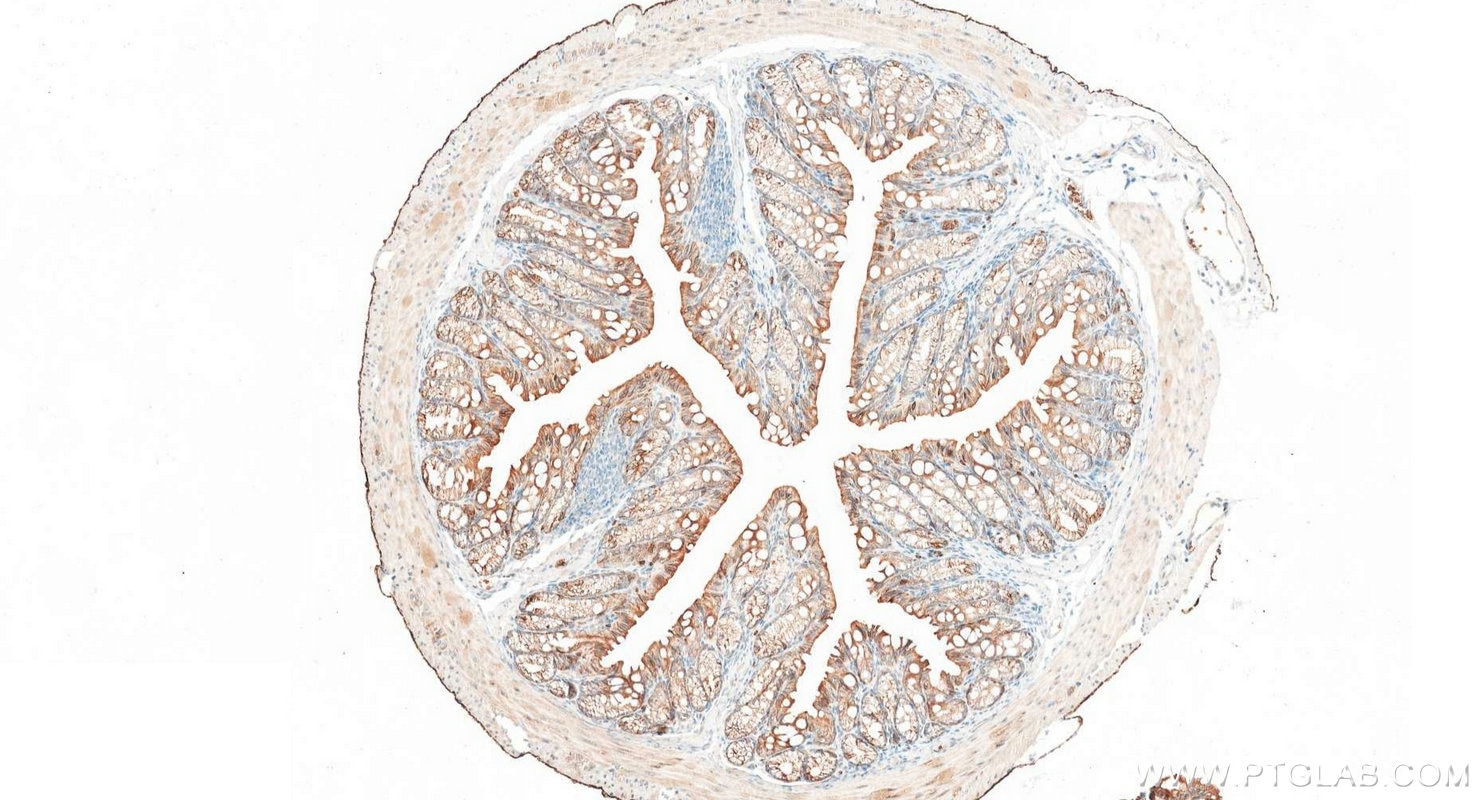
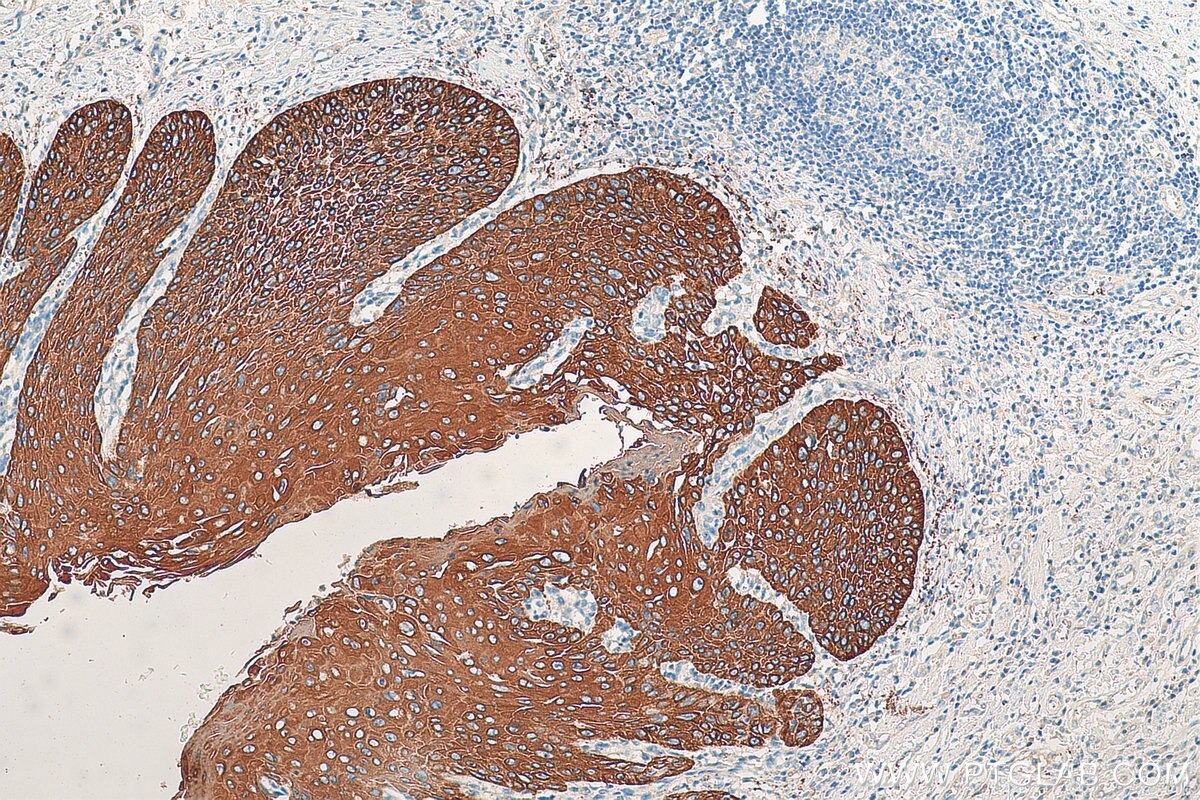
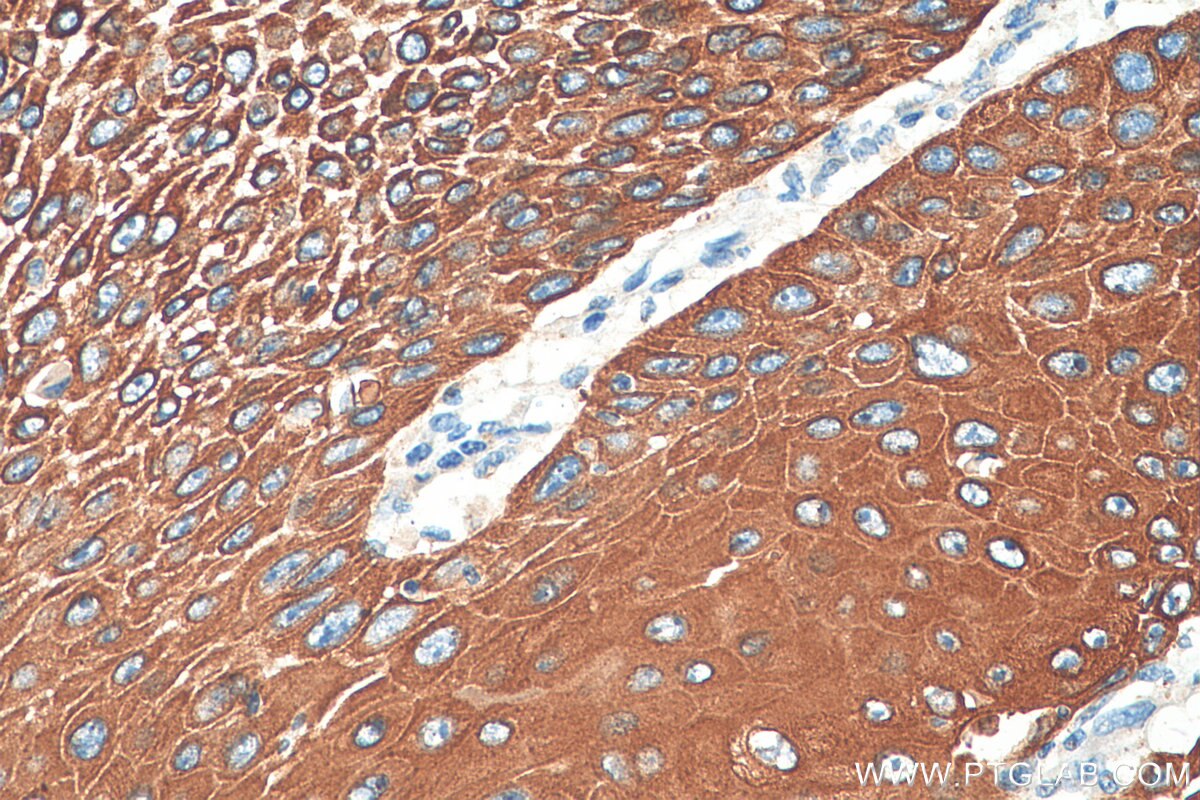
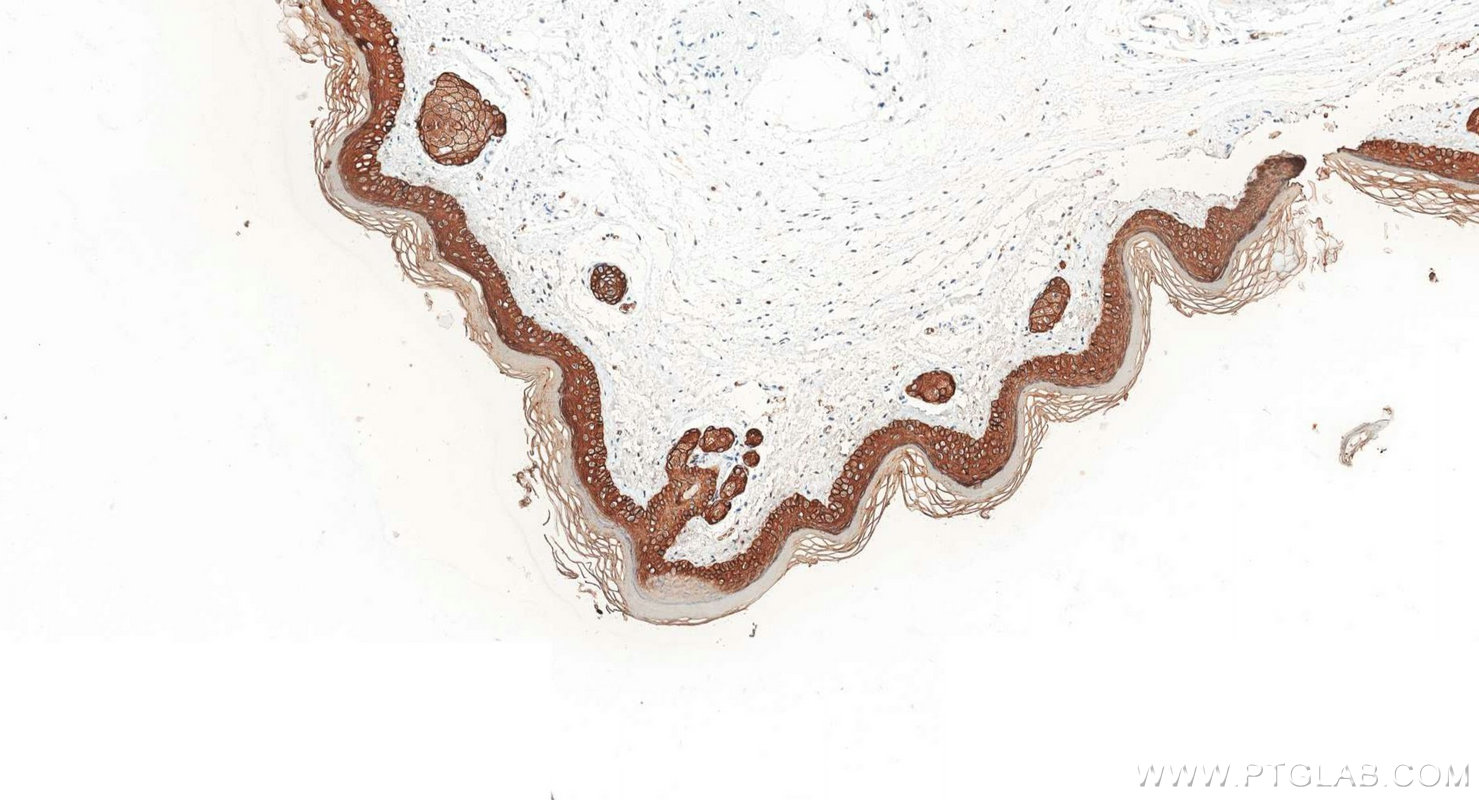
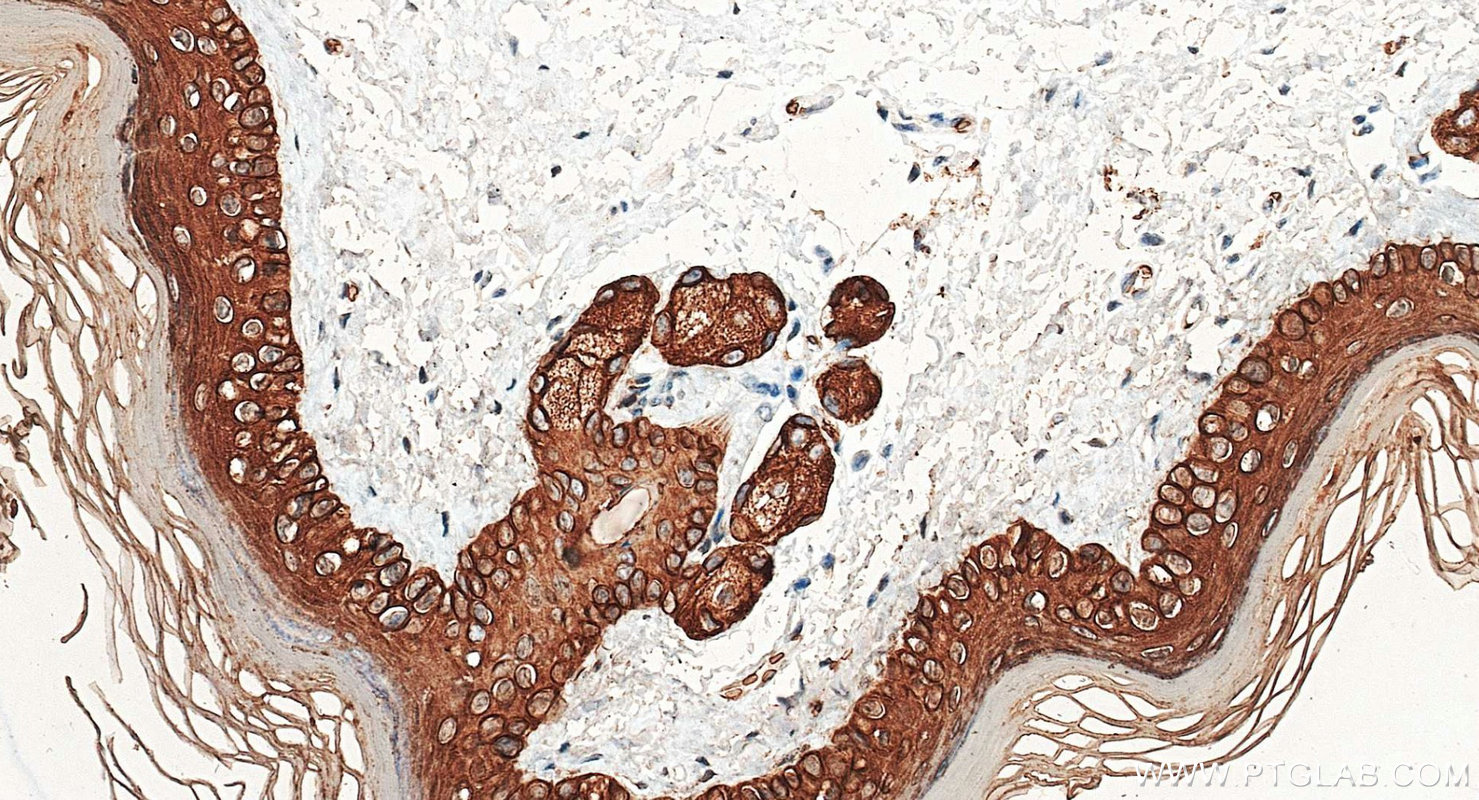
| Positive IHC detected in | human cervical cancer tissue, human oesophagus cancer tissue, mouse colon tissue, mouse skin tissue Note: suggested antigen retrieval with TE buffer pH 9.0; (*) Alternatively, antigen retrieval may be performed with citrate buffer pH 6.0 |
Recommended dilution
| Application | Dilution |
|---|---|
| Western Blot (WB) | WB : 1:5000-1:50000 |
| Immunohistochemistry (IHC) | IHC : 1:500-1:2000 |
| It is recommended that this reagent should be titrated in each testing system to obtain optimal results. | |
| Sample-dependent, Check data in validation data gallery. | |
Product Information
21725-1-AP targets Cytokeratin 2e in WB, IHC, IF, ELISA applications and shows reactivity with human, mouse, rat samples.
| Tested Reactivity | human, mouse, rat |
| Cited Reactivity | human |
| Host / Isotype | Rabbit / IgG |
| Class | Polyclonal |
| Type | Antibody |
| Immunogen |
CatNo: Ag16384 Product name: Recombinant human KRT2 protein Source: e coli.-derived, PGEX-4T Tag: GST Domain: 210-331 aa of BC096294 Sequence: WELLQQMNVGTRPINLEPIFQGYIDSLKRYLDGLTAERTSQNSELNNMQDLVEDYKKKYEDEINKRTAAENDFVTLKKDVDNAYMIKVELQSKVDLLNQEIEFLKVLYDAEISQIHQSVTDT Predict reactive species |
| Full Name | keratin 2 |
| Calculated Molecular Weight | 639 aa, 66 kDa |
| Observed Molecular Weight | 65 kDa |
| GenBank Accession Number | BC096294 |
| Gene Symbol | KRT2 |
| Gene ID (NCBI) | 3849 |
| RRID | AB_2878914 |
| Conjugate | Unconjugated |
| Form | Liquid |
| Purification Method | Antigen affinity purification |
| UNIPROT ID | P35908 |
| Storage Buffer | PBS with 0.02% sodium azide and 50% glycerol, pH 7.3. |
| Storage Conditions | Store at -20°C. Stable for one year after shipment. Aliquoting is unnecessary for -20oC storage. 20ul sizes contain 0.1% BSA. |
Background Information
Keratins are a large family of proteins that form the intermediate filament cytoskeleton of epithelial cells. Keratin expression is highly regulated, tissue specific, and varies according to cell-state. Type I keratins consist of acidic, low molecular weight proteins with MW ranging from 40 kDa (KRT19) to 64 kDa (KRT9). Type 2 keratins consist of basic or neutral, high molecular weight proteins with MW from 52 kDa (KRT8) to 67 kDa (KRT18).Keratin 2 is a type II cytokeratin. It is found largely in the upper spinous layer of epidermal keratinocytes, and also in other regions, notably the epidermis covering the knee, thigh, and groin.
Protocols
| Product Specific Protocols | |
|---|---|
| IHC protocol for Cytokeratin 2e antibody 21725-1-AP | Download protocol |
| WB protocol for Cytokeratin 2e antibody 21725-1-AP | Download protocol |
| Standard Protocols | |
|---|---|
| Click here to view our Standard Protocols |
Publications
What published studies show
The Cytokeratin 2e Polyclonal antibody (Cat# 21725-1-AP) has 2 citations. One appears in Journal of Dermatological Science (2026), investigating a novel KRT10-related skin phenotype involving vesicles and peeling. The other is in Contact Lens and Anterior Eye (2024), examining biomechanical protein differences in myopic corneas using immunofluorescence. The associated research fields are dermatology/skin biology and ophthalmology/corneal biomechanics.
| Species | Application | Title |
|---|---|---|
J Dermatol Sci KRT10-nEDD-superficial: A novel phenotype characterized by vesicles and skin peeling. | ||
Cont Lens Anterior Eye The biomechanical proteins different between low myopic corneas and moderate to high myopic corneas in human |











