
Product Information
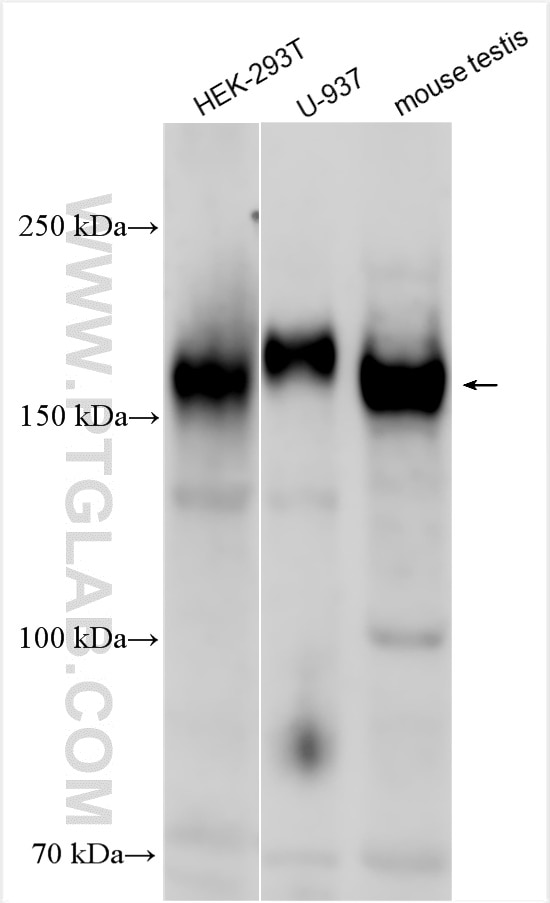
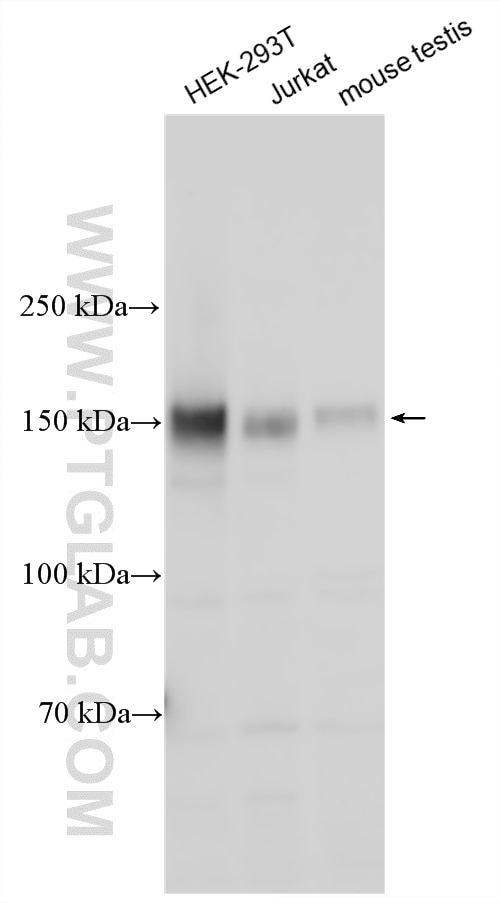
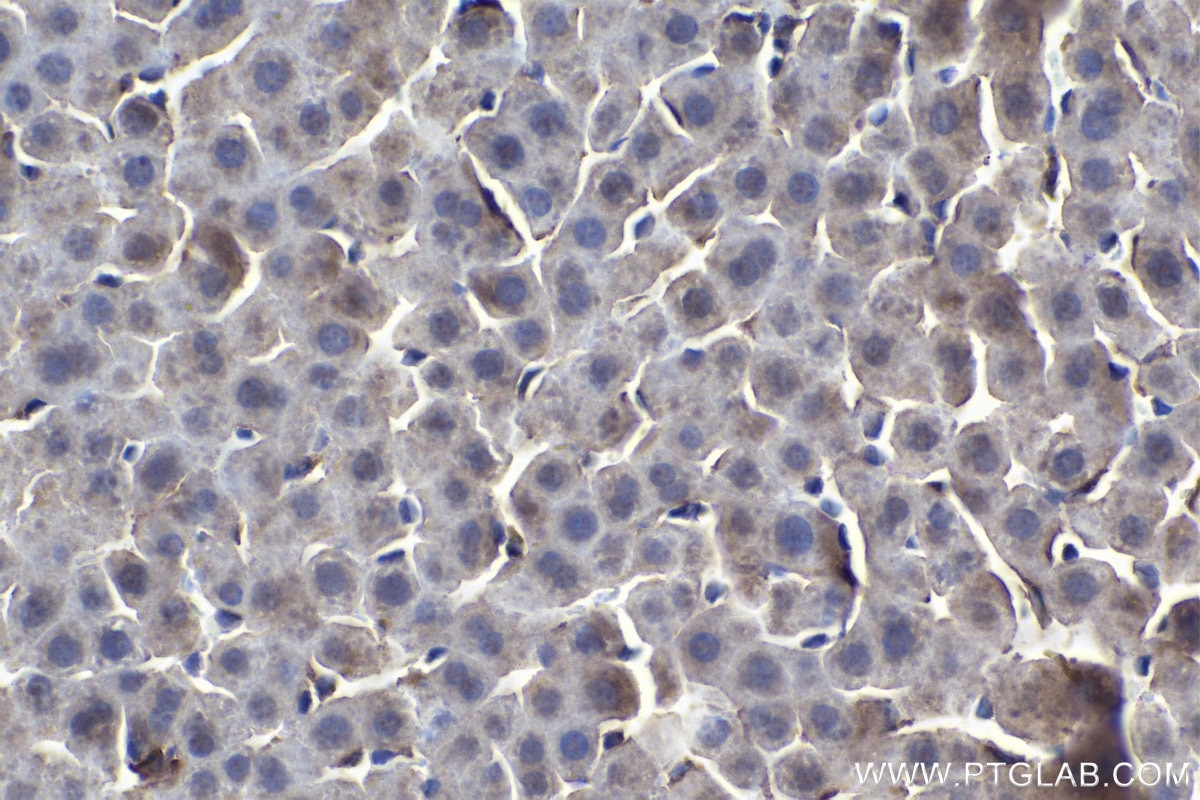
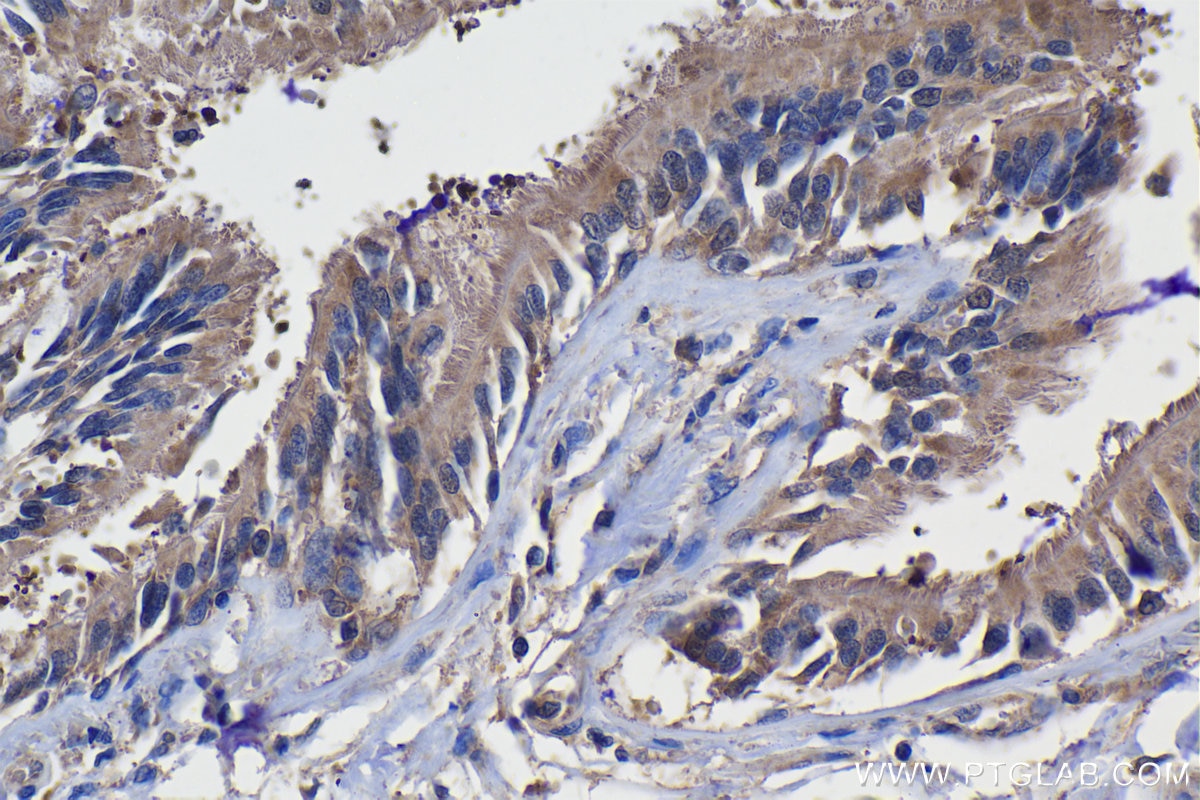
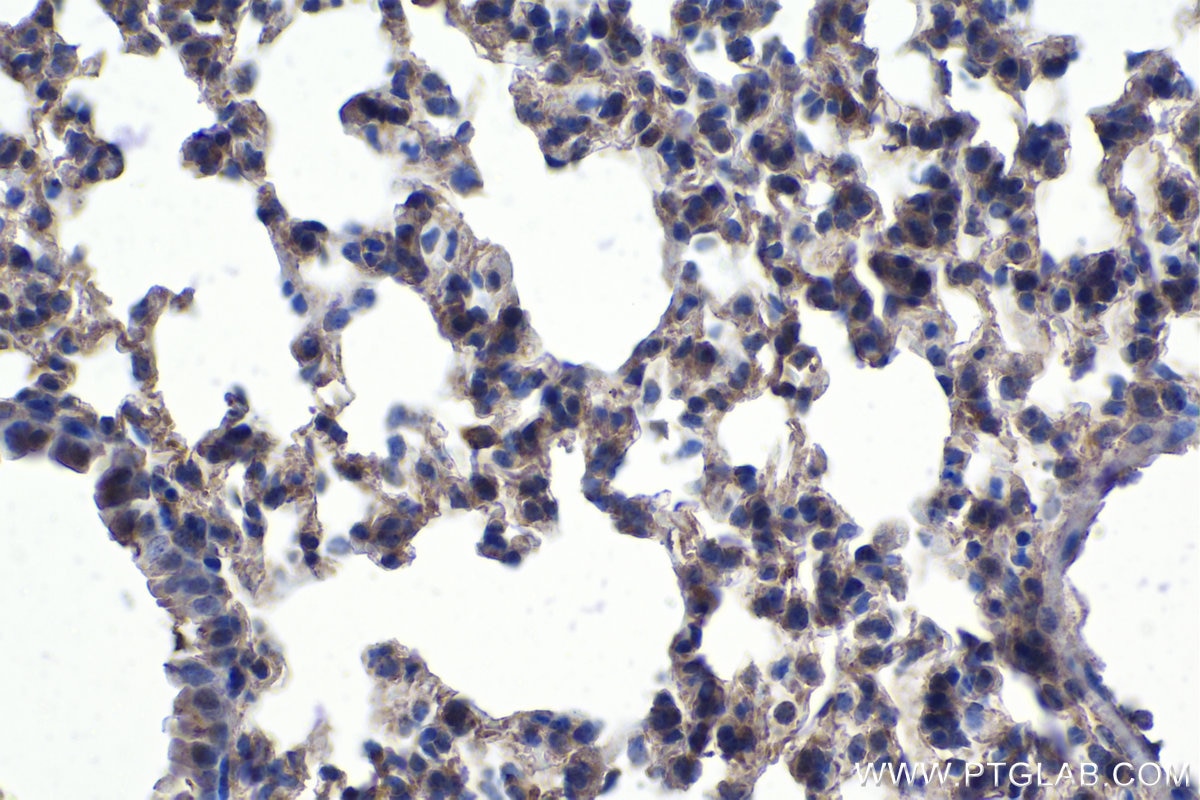
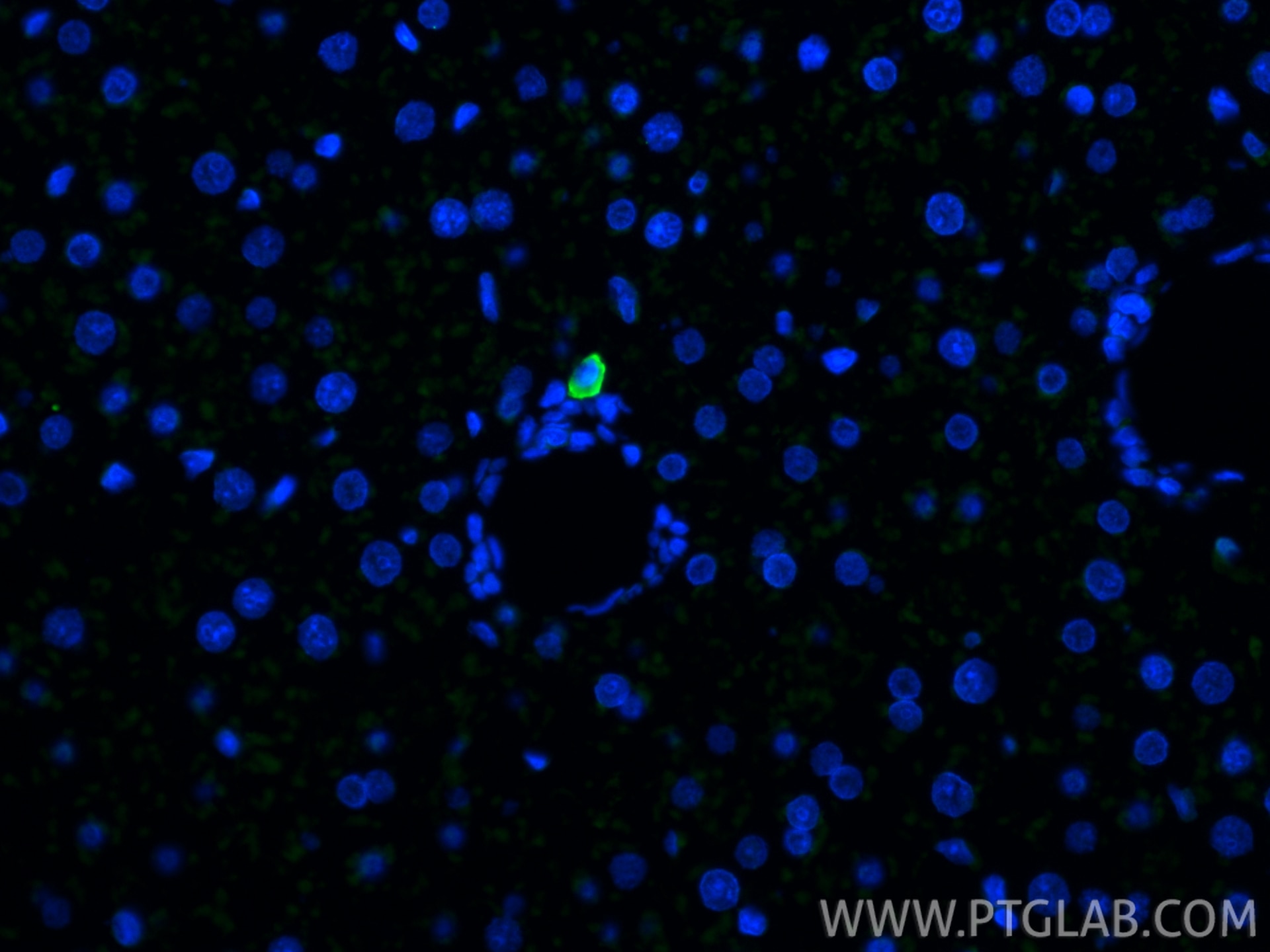
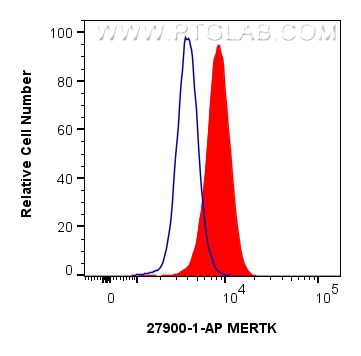
27900-1-PBS targets MERTK in WB, IHC, IF-P, FC (Intra), Indirect ELISA applications and shows reactivity with human, mouse, rat samples.
| Tested Reactivity | human, mouse, rat |
| Host / Isotype | Rabbit / IgG |
| Class | Polyclonal |
| Type | Antibody |
| Immunogen |
CatNo: Ag27540 Product name: Recombinant human MERTK protein Source: e coli.-derived, PGEX-4T Tag: GST Domain: 829-999 aa of BC114918 Sequence: ELYEIMYSCWRTDPLDRPTFSVLRLQLEKLLESLPDVRNQADVIYVNTQLLESSEGLAQGSTLAPLDLNIDPDSIIASCTPRAAISVVTAEVHDSKPHEGRYILNGGSEEWEDLTSAPSAAVTAEKNSVLPGERLVRNGVSWSHSSMLPLGSSLPDELLFADDSSEGSEVLM Predict reactive species |
| Full Name | c-mer proto-oncogene tyrosine kinase |
| Calculated Molecular Weight | 999 aa, 110 kDa |
| Observed Molecular Weight | 150-180 kDa |
| GenBank Accession Number | BC114918 |
| Gene Symbol | MERTK |
| Gene ID (NCBI) | 10461 |
| Conjugate | Unconjugated |
| Form | Liquid |
| Purification Method | Antigen affinity purification |
| UNIPROT ID | Q12866 |
| Storage Buffer | PBS only, pH 7.3. |
| Storage Conditions | Store at -80°C. |
Background Information
MerTK (Mer tyrosine kinase), also known as RP38, c-Eyk, c-mer, and Tyro12, was first cloned from a human B lymphoblastoid expression library (PMID:8086340) and is one of the TAM (Tyro-3, Axl, and MerTK) receptor tyrosine kinase (RTK) family (PMID:23833304). Although this RTK, like others, can promote tumor cell proliferation to some extent, MERTK primarily lends tumor cells crucial survival advantages while promoting invasion, migration and metastasis, drug resistance, and, in the innate immune system, suppressing anti-tumor immunity (PMID:32417270). The multiple MERTK species observed are likely due to posttranslational modifications (PMID: 23585477).








