

Tested Applications
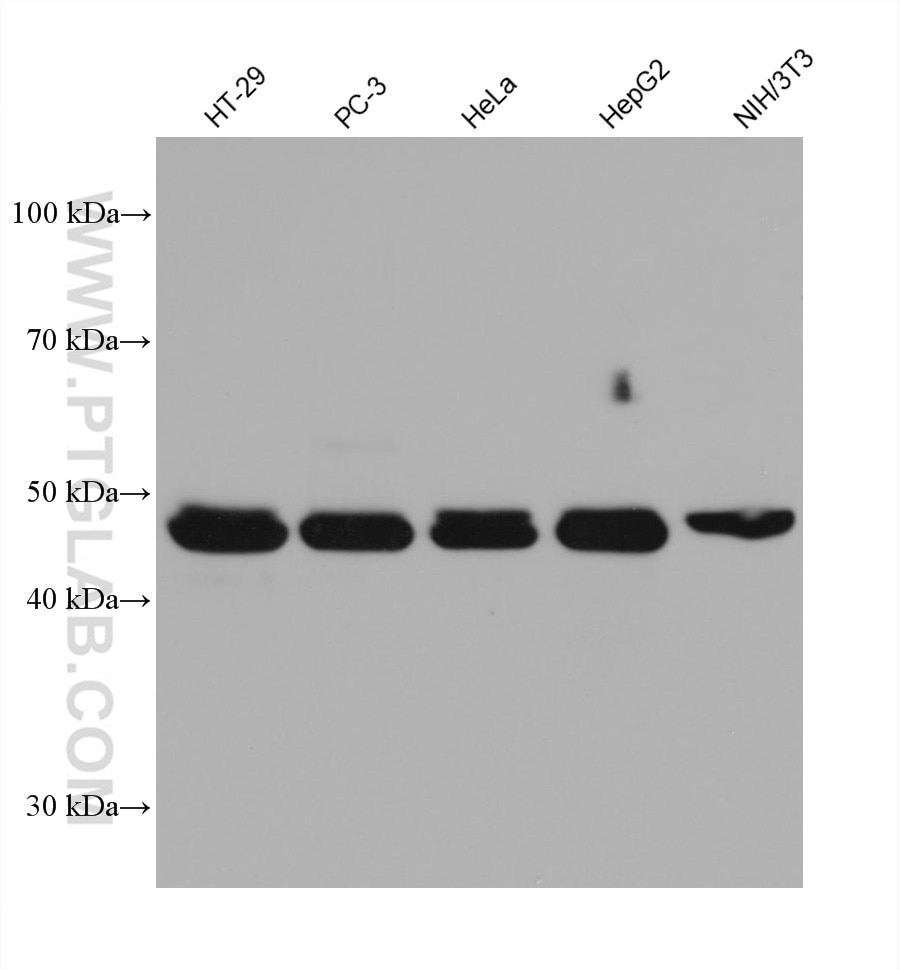
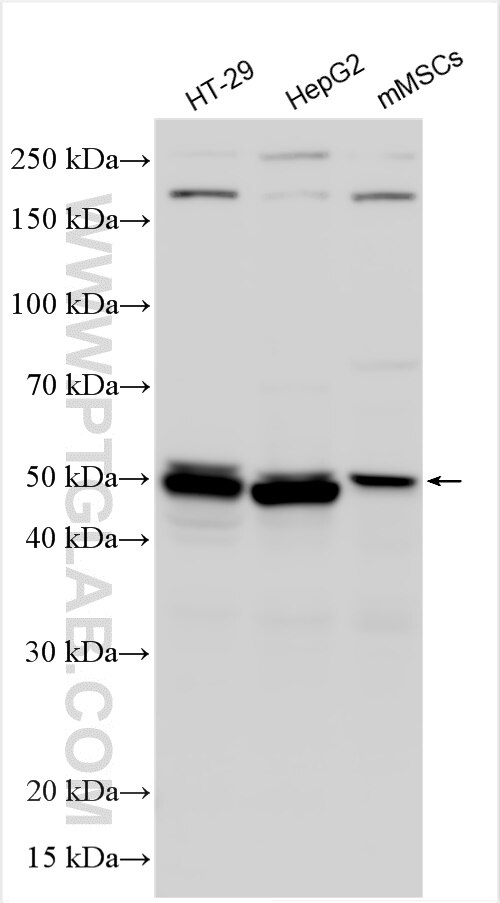
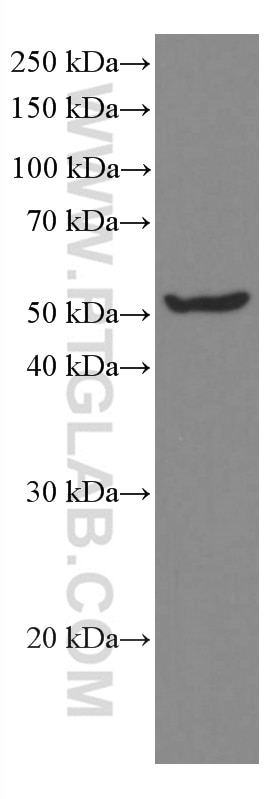
| Positive WB detected in | HT-29 cells, 4T1 cells, PC-3 cells, HeLa cells, HepG2 cells, NIH/3T3 cells, mMSCs cells |
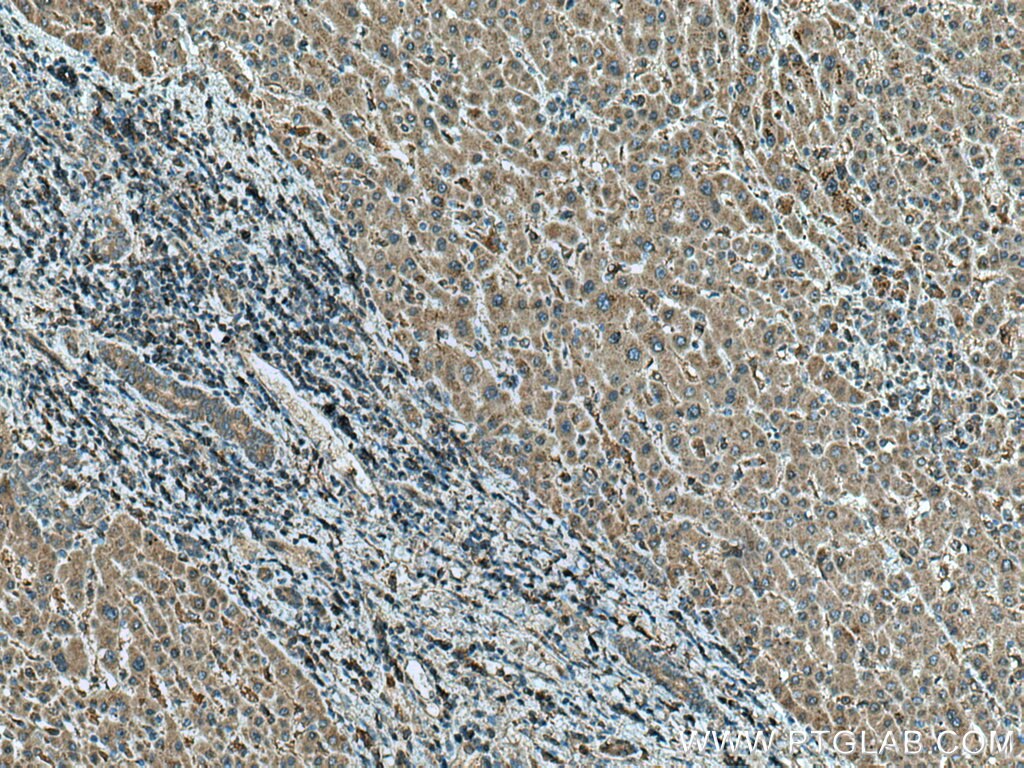
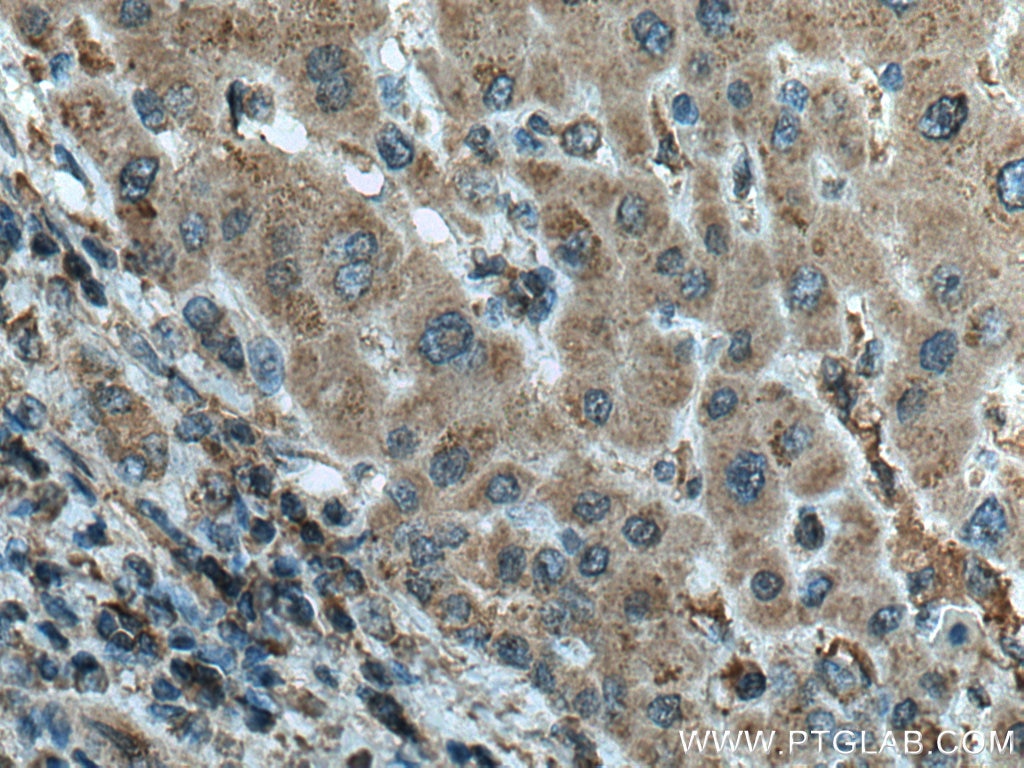
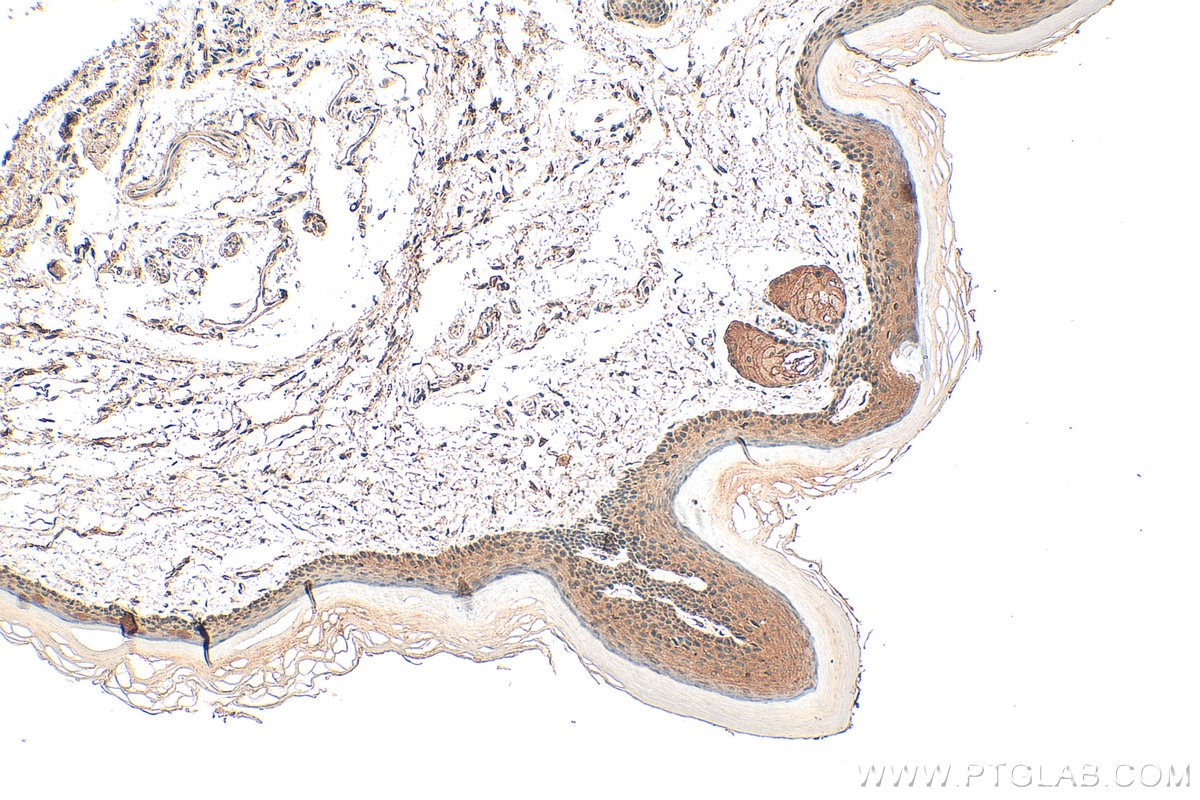
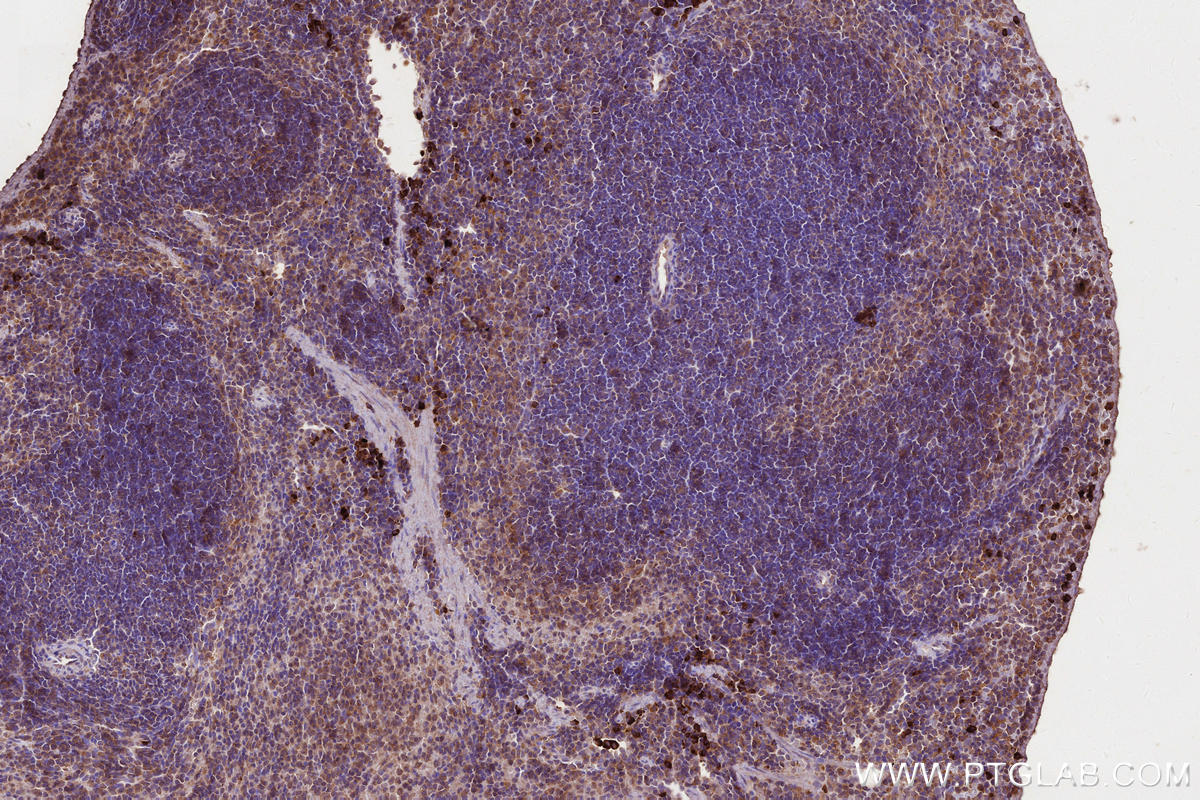
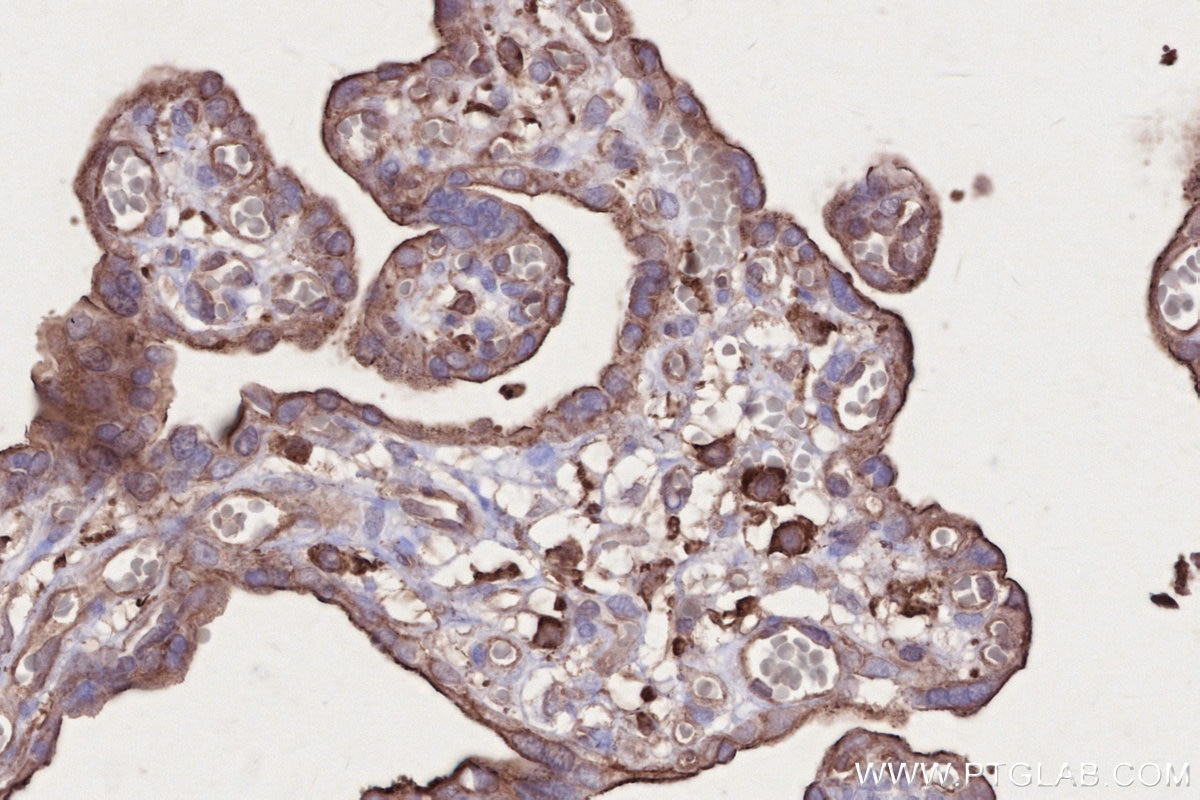
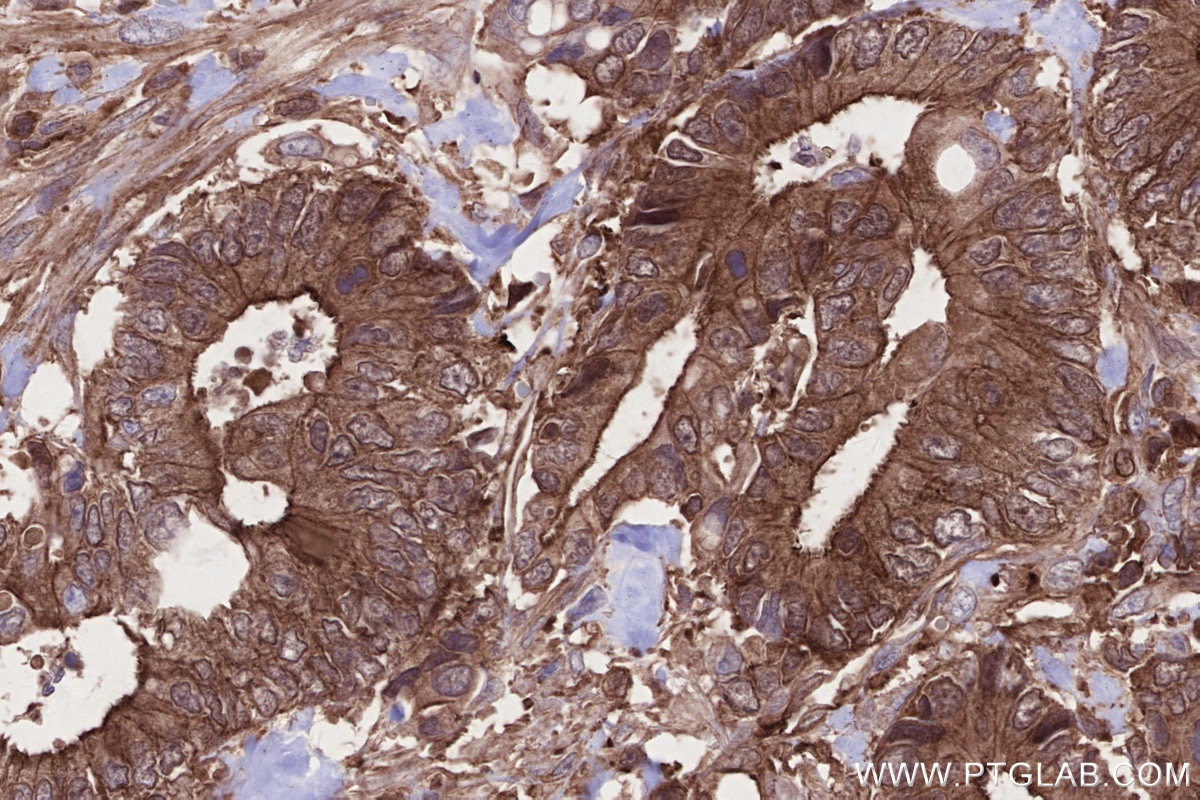
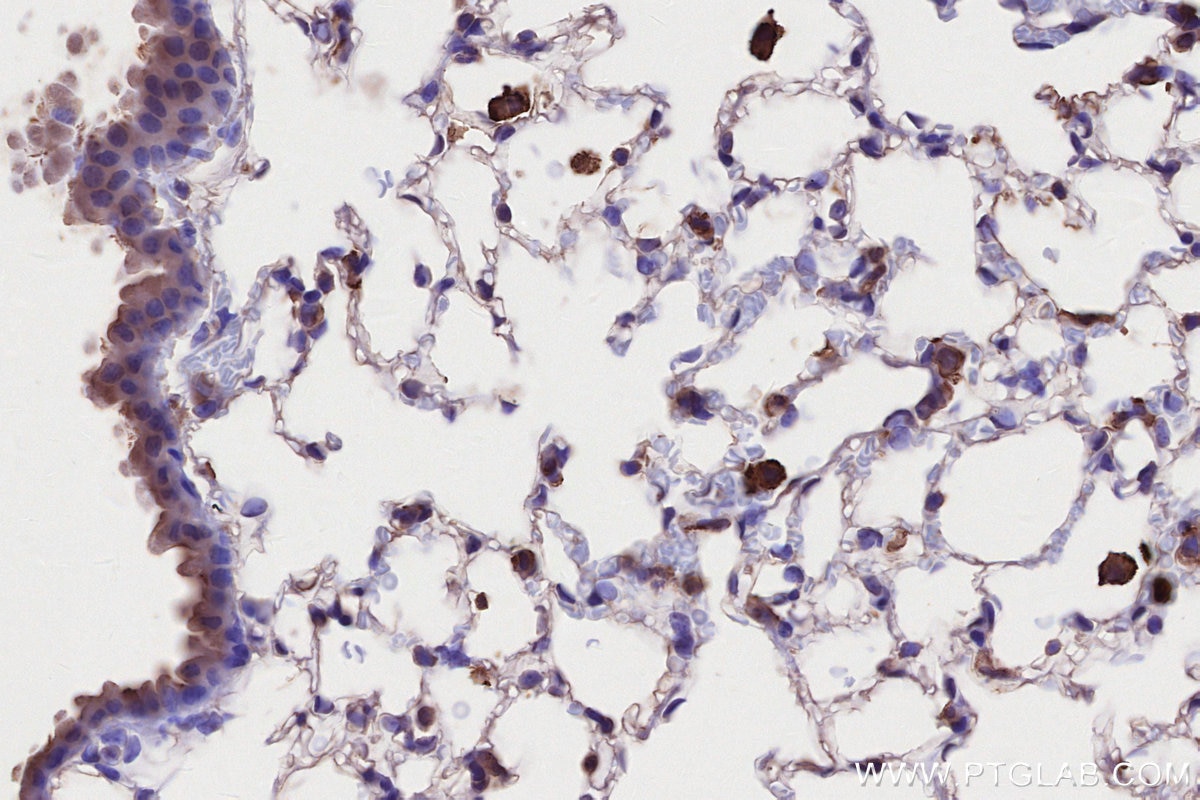
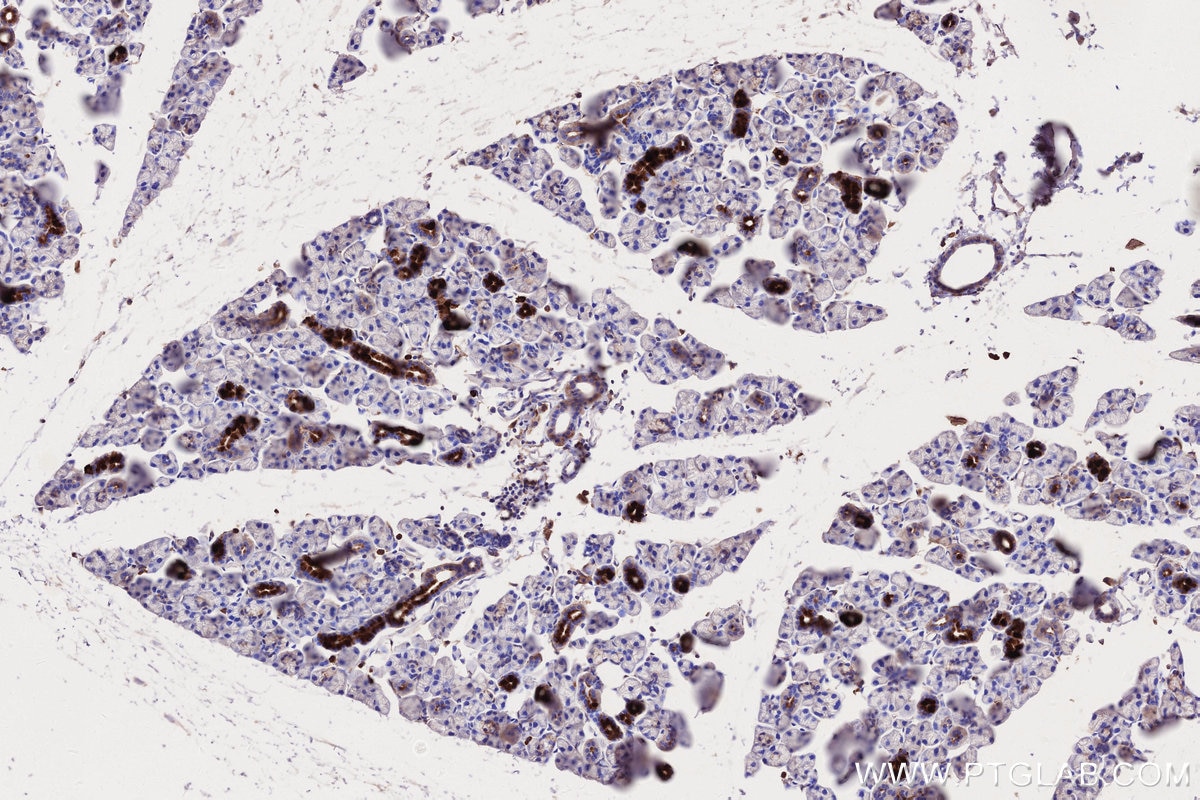
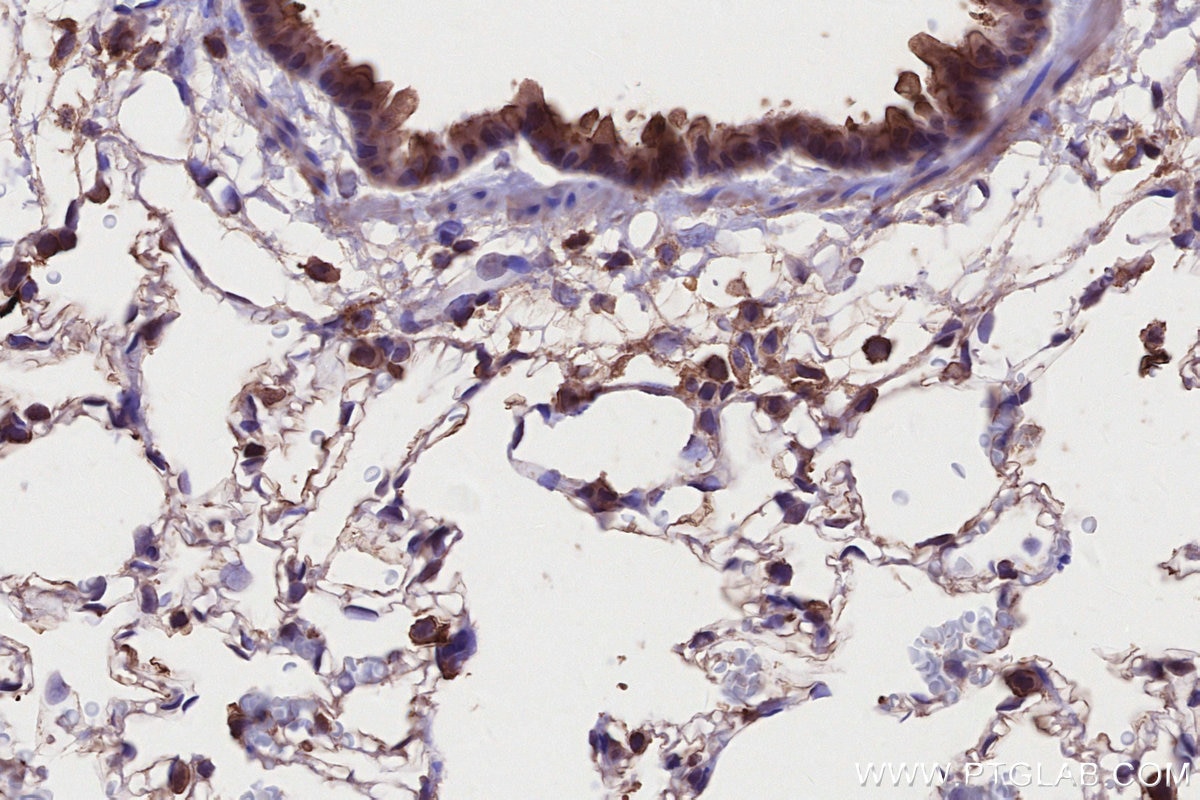
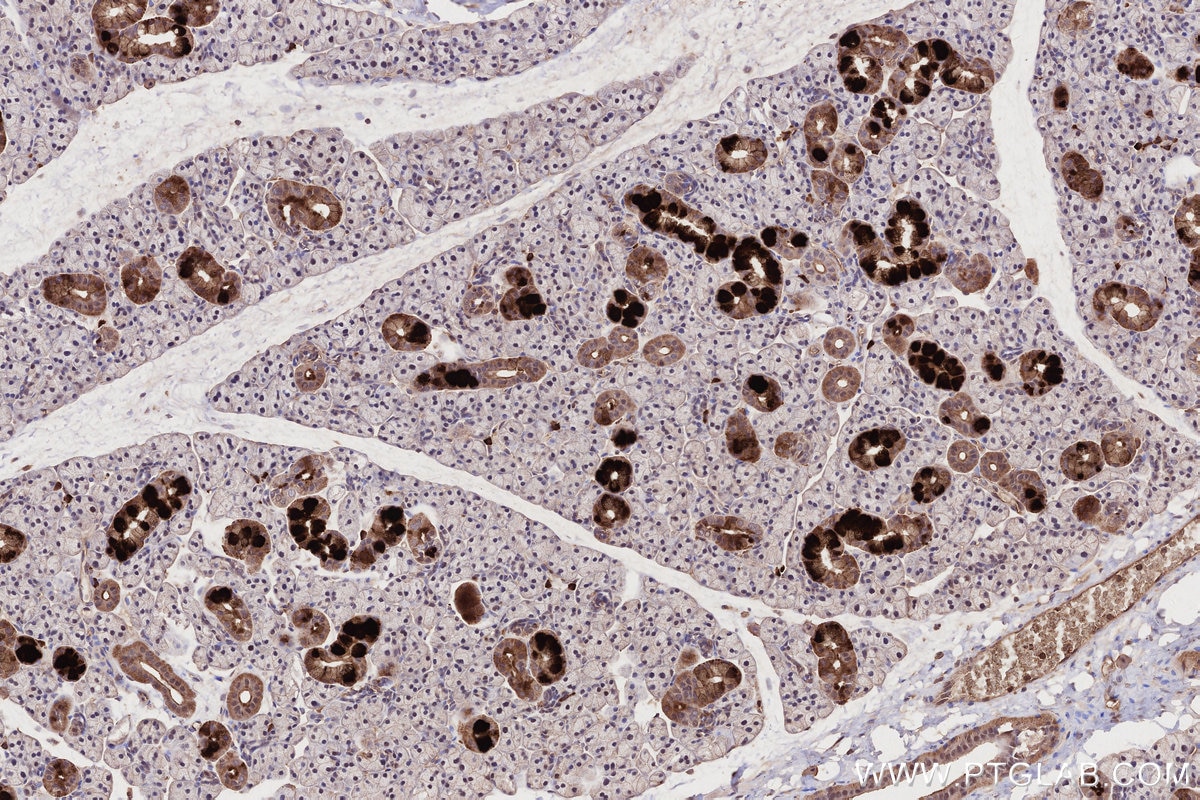
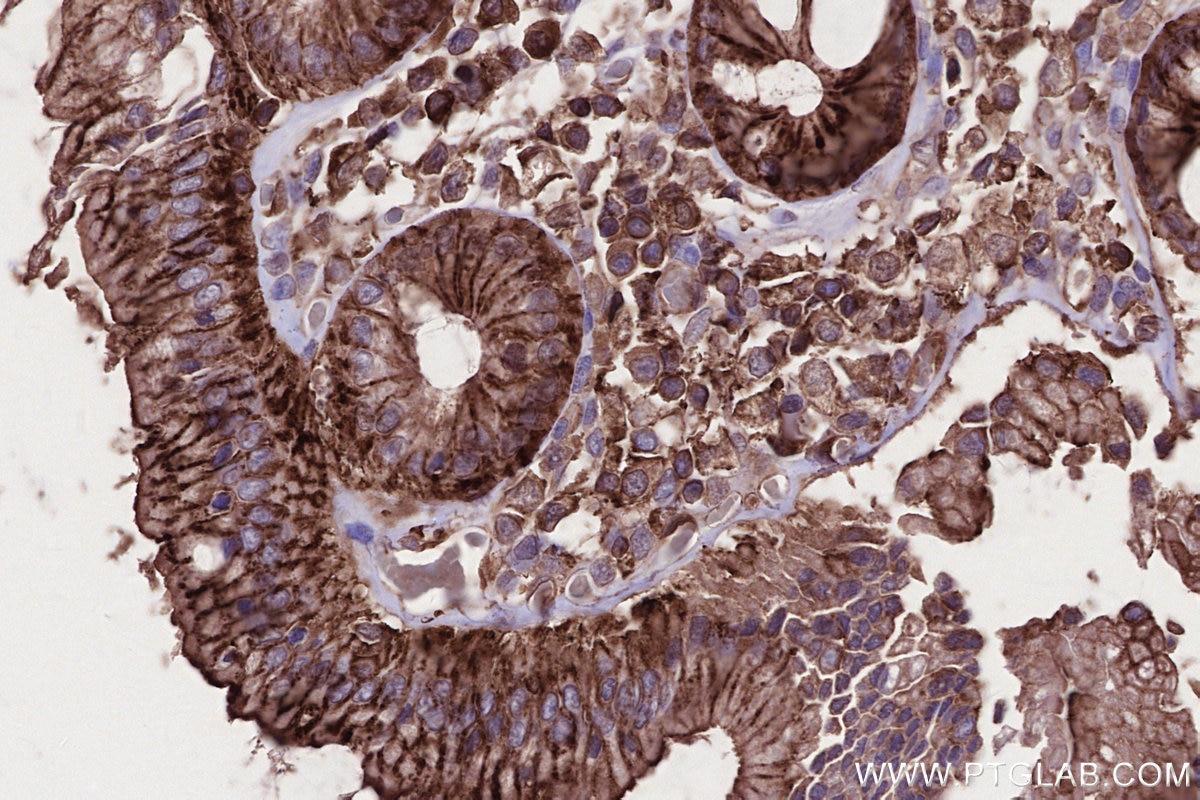
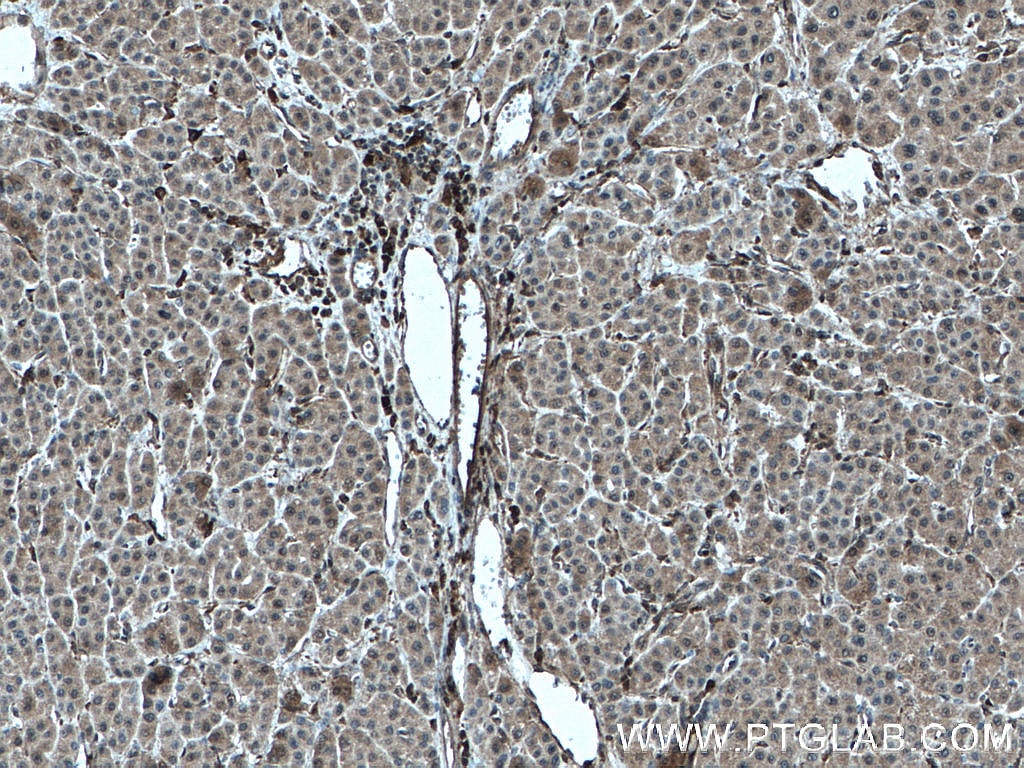
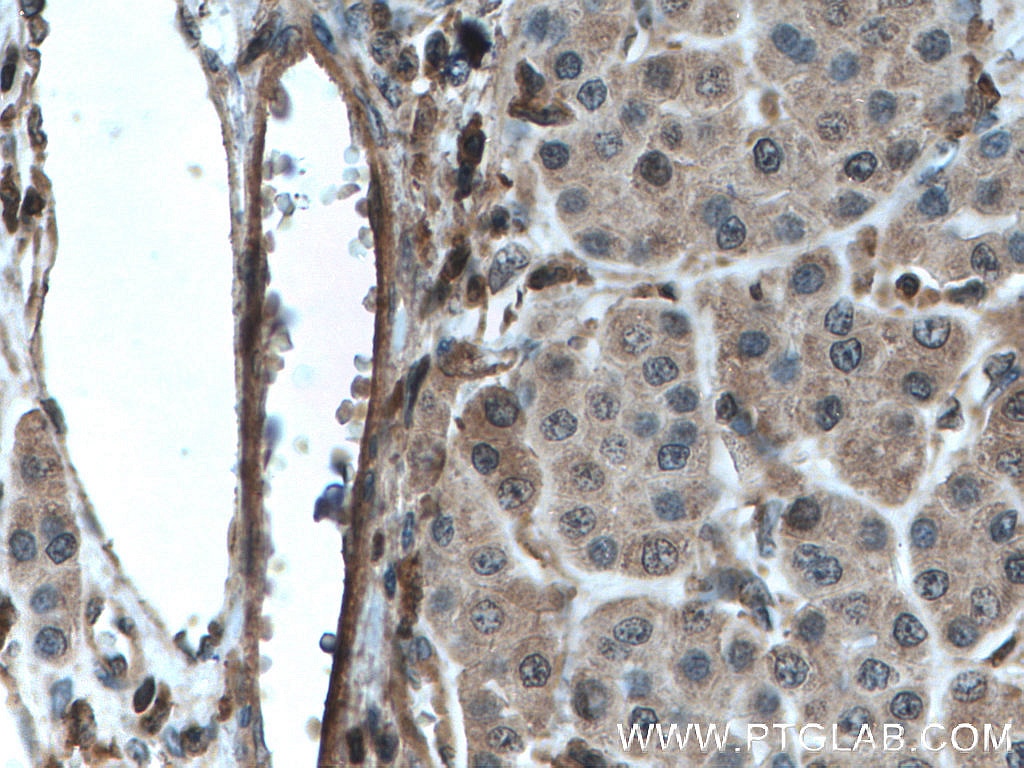
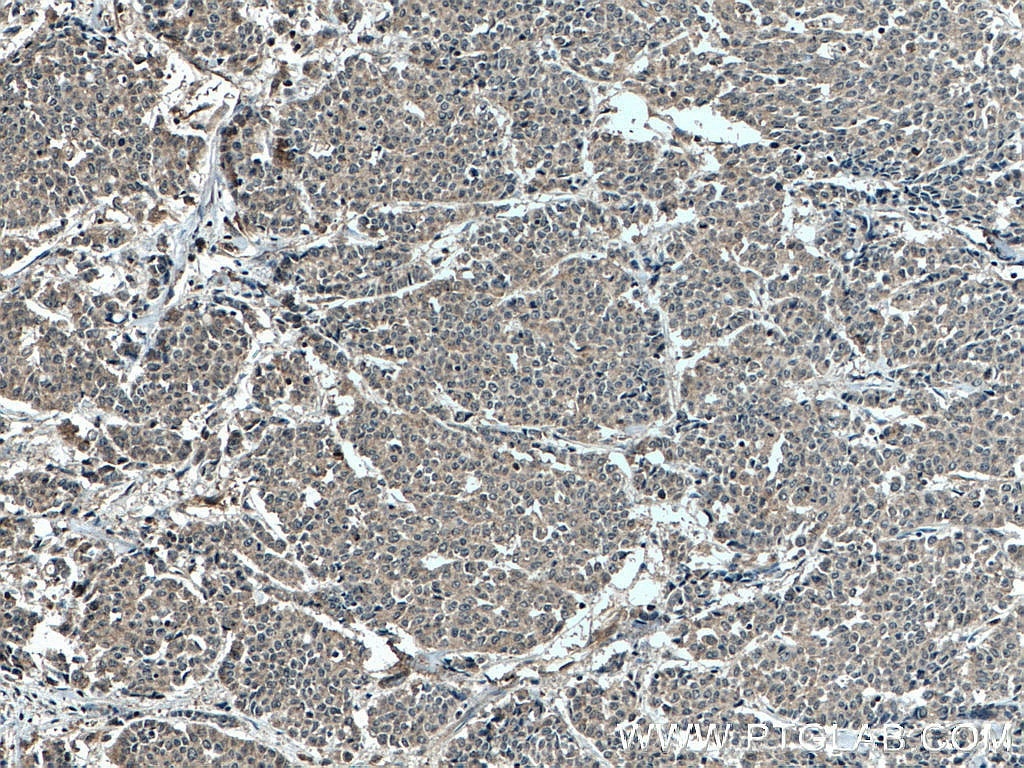
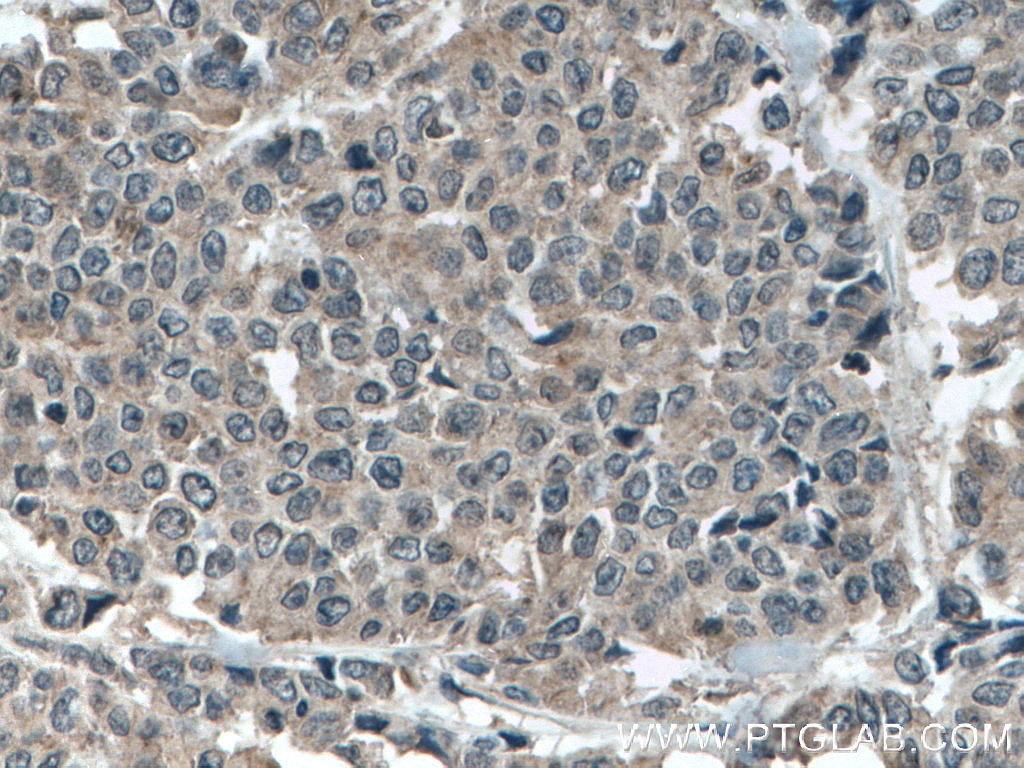
| Positive IHC detected in | human liver cancer tissue, mouse lung tissue, human rectal cancer tissue, human placenta tissue, rat lung tissue, rat salivary gland tissue, human colon cancer tissue, human liver cancer tissue, mouse skin tissue, mouse salivary gland tissue, mouse spleen tissue Note: suggested antigen retrieval with TE buffer pH 9.0; (*) Alternatively, antigen retrieval may be performed with citrate buffer pH 6.0 |
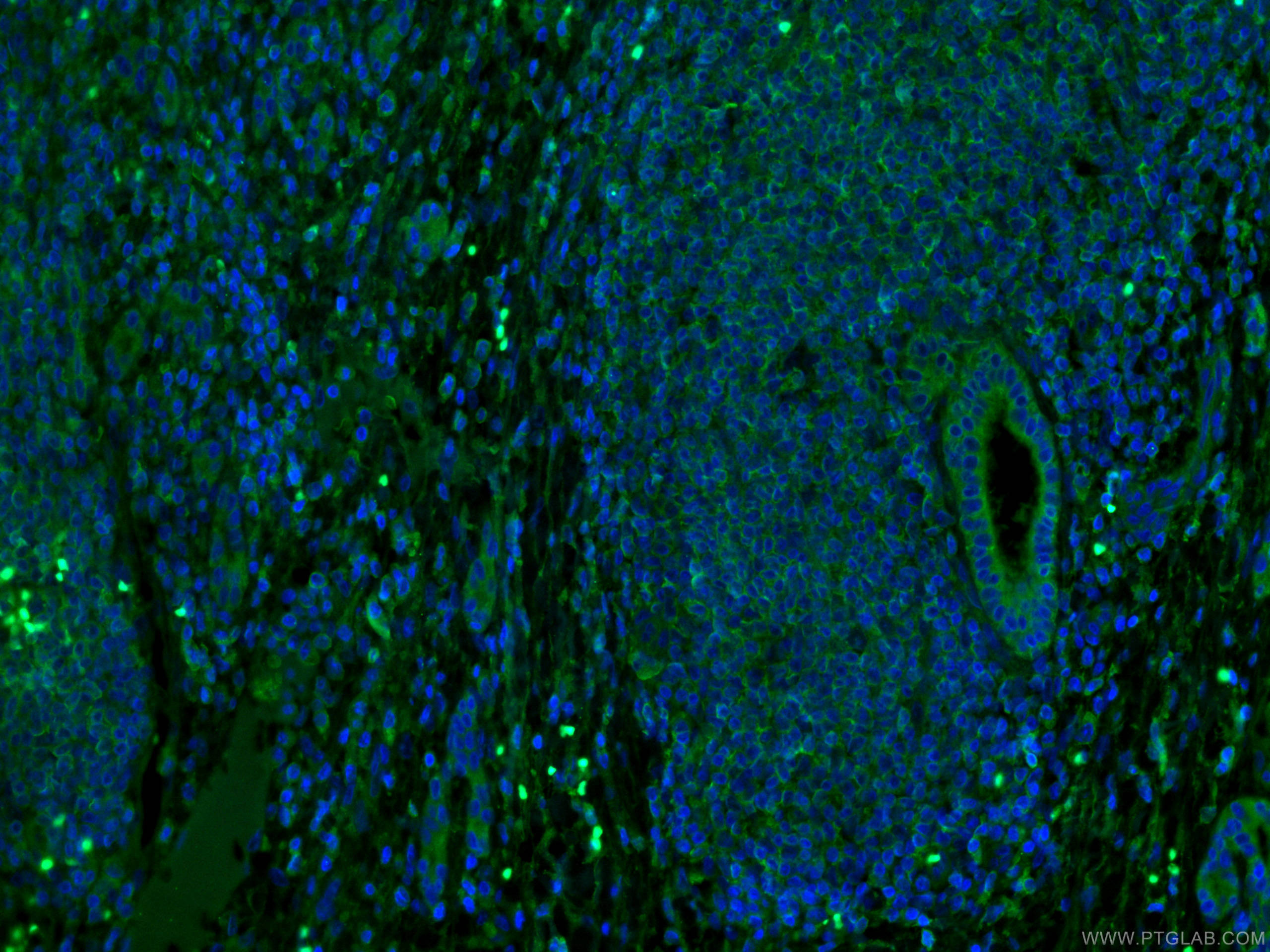
| Positive IF-P detected in | human liver cancer tissue |
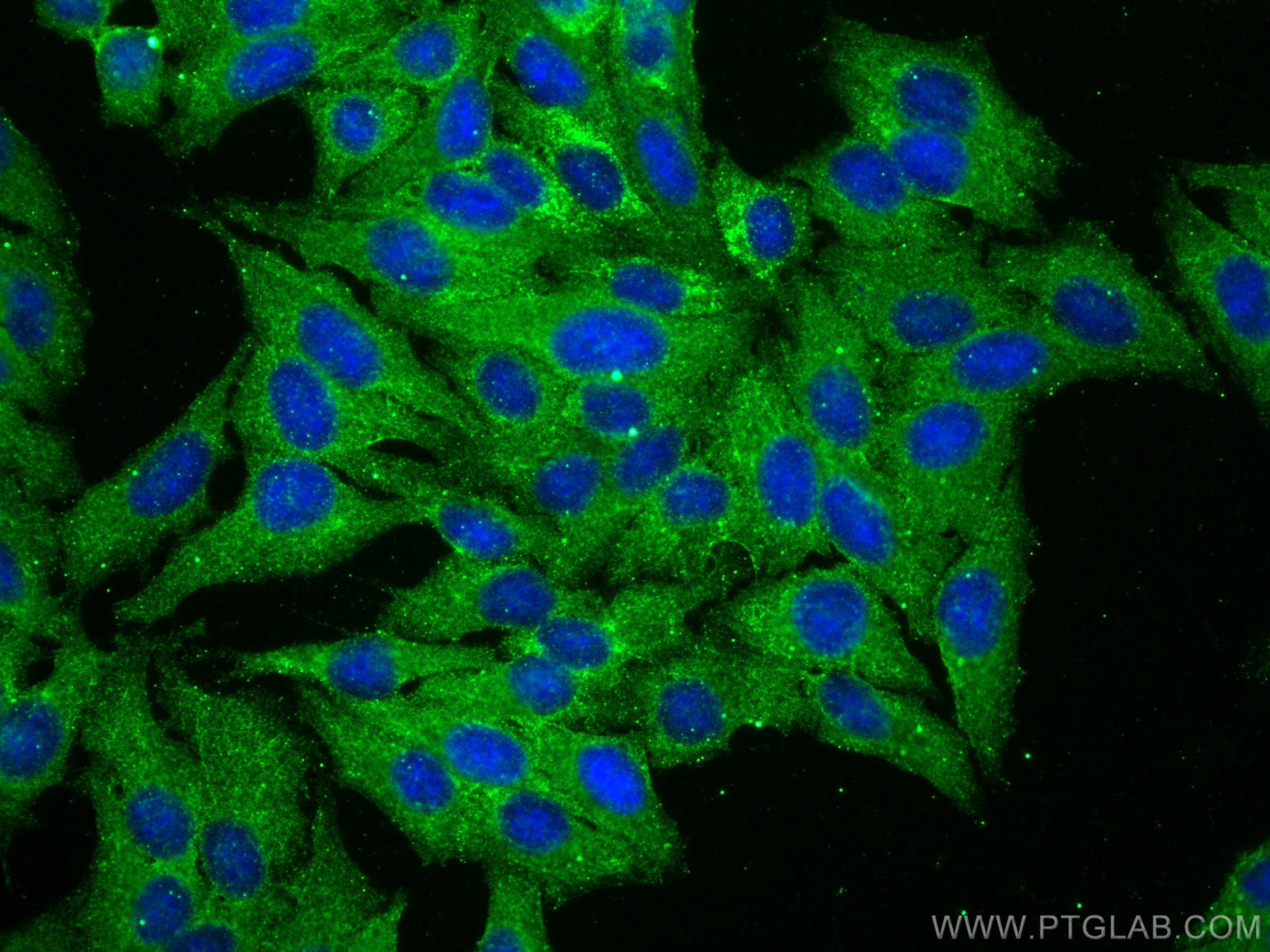
| Positive IF/ICC detected in | HepG2 cells |
Recommended dilution
| Application | Dilution |
|---|---|
| Western Blot (WB) | WB : 1:5000-1:50000 |
| Immunohistochemistry (IHC) | IHC : 1:500-1:2000 |
| Immunofluorescence (IF)-P | IF-P : 1:50-1:500 |
| Immunofluorescence (IF)/ICC | IF/ICC : 1:400-1:1600 |
| It is recommended that this reagent should be titrated in each testing system to obtain optimal results. | |
| Sample-dependent, Check data in validation data gallery. | |
Product Information
66675-1-Ig targets MLKL in WB, IHC, IF/ICC, IF-P, IP, CoIP, ELISA applications and shows reactivity with human, mouse samples.
| Tested Reactivity | human, mouse |
| Cited Reactivity | human, mouse, rat, pig, zebrafish, bovine |
| Host / Isotype | Mouse / IgG1 |
| Class | Monoclonal |
| Type | Antibody |
| Immunogen |
CatNo: Ag15188 Product name: Recombinant human MLKL protein Source: e coli.-derived, PGEX-4T Tag: GST Domain: 1-263 aa of BC028141 Sequence: MENLKHIITLGQVIHKRCEEMKYCKKQCRRLGHRVLGLIKPLEMLQDQGKRSVPSEKLTTAMNRFKAALEEANGEIEKFSNRSNICRFLTASQDKILFKDVNRKLSDVWKELSLLLQVEQRMPVSPISQGASWAQEDQQDADEDRRAFQMLRRDNEKIEASLRRLEINMKEIKETLRQSLESSSGKSPLEISRFKVKNVKTGSASGCNSEKIRKLVAVKRQQEPLGEDCPSELREIIDECRAHDPSVRPSVDEILKKLSTFSK Predict reactive species |
| Full Name | mixed lineage kinase domain-like |
| Calculated Molecular Weight | 471 aa, 54 kDa |
| Observed Molecular Weight | 35-40 kDa, 50-55 kDa |
| GenBank Accession Number | BC028141 |
| Gene Symbol | MLKL |
| Gene ID (NCBI) | 197259 |
| RRID | AB_2882029 |
| Conjugate | Unconjugated |
| Form | Liquid |
| Purification Method | Protein G purification |
| UNIPROT ID | Q8NB16 |
| Storage Buffer | PBS with 0.02% sodium azide and 50% glycerol, pH 7.3. |
| Storage Conditions | Store at -20°C. Stable for one year after shipment. Aliquoting is unnecessary for -20oC storage. 20ul sizes contain 0.1% BSA. |
Background Information
Mixed lineage kinase domain like pseudokinase (MLKL), belongs to the protein kinase superfamily and has two MW of 54 and 30 kDa. MLKL plays a critical role in tumor necrosis factor (TNF)-induced necroptosis, a programmed cell death process, via interaction with receptor-interacting protein 3 (RIP3), which is a key signaling molecule in the necroptosis pathway. High levels of this protein and RIP3 are associated with inflammatory bowel disease in children. The 66675-1-Ig antibody recognizes 54 kDa MLKL monomer, 216 kDa MLKL tetramer, and a band around 45-50 kDa which are similar to papers published. (PMID: 31848291). MLKL can be detected as a 35kDa truncated isoform (PMID: 35965541).
Protocols
| Product Specific Protocols | |
|---|---|
| IF protocol for MLKL antibody 66675-1-Ig | Download protocol |
| IHC protocol for MLKL antibody 66675-1-Ig | Download protocol |
| WB protocol for MLKL antibody 66675-1-Ig | Download protocol |
| Standard Protocols | |
|---|---|
| Click here to view our Standard Protocols |
Publications
What published studies show
MLKL Monoclonal antibody (3D4C6), catalog number 66675-1-Ig, has accumulated 214 citations across journals including Nature Neuroscience, Nature Communications, Nature Microbiology, Nature Cancer, Cell Reports, EMBO Molecular Medicine, Cell Death & Differentiation, Autophagy, and Redox Biology. Research fields encompass necroptosis, PANoptosis, ferroptosis, pyroptosis, cancer biology, neurodegeneration, cardiovascular disease, hepatic and renal injury, acute lung injury, infectious diseases, toxicology, and traditional Chinese medicine.
| Species | Application | Title |
|---|---|---|
Signal Transduct Target Ther Inducible CD147 up-regulation boosts extended SARS-CoV-2 infection triggering severe COVID-19 independent of ACE2. | ||
Nat Cancer Apoptosis-induced nuclear expulsion in tumor cells drives S100a4-mediated metastatic outgrowth through the RAGE pathway | ||
Drug Resist Updat DEAF1 confers resistance to adriamycin-induced apoptosis and pyroptosis in multiple myeloma. | ||
Nat Neurosci Tau aggregates cause reactivation of transposable DNA elements, leading to Z-RNA-ZBP1-mediated neuronal death | ||
Nat Microbiol Severe fever with thrombocytopenia syndrome virus infection of the male reproductive tract induces pathology and inflammation. | ||
Autophagy Kitasamycin overcomes ferroptosis and immunotherapy resistance by targeting the HUWE1-NCOA4-FTH1 axis. |
Reviews
What customers say
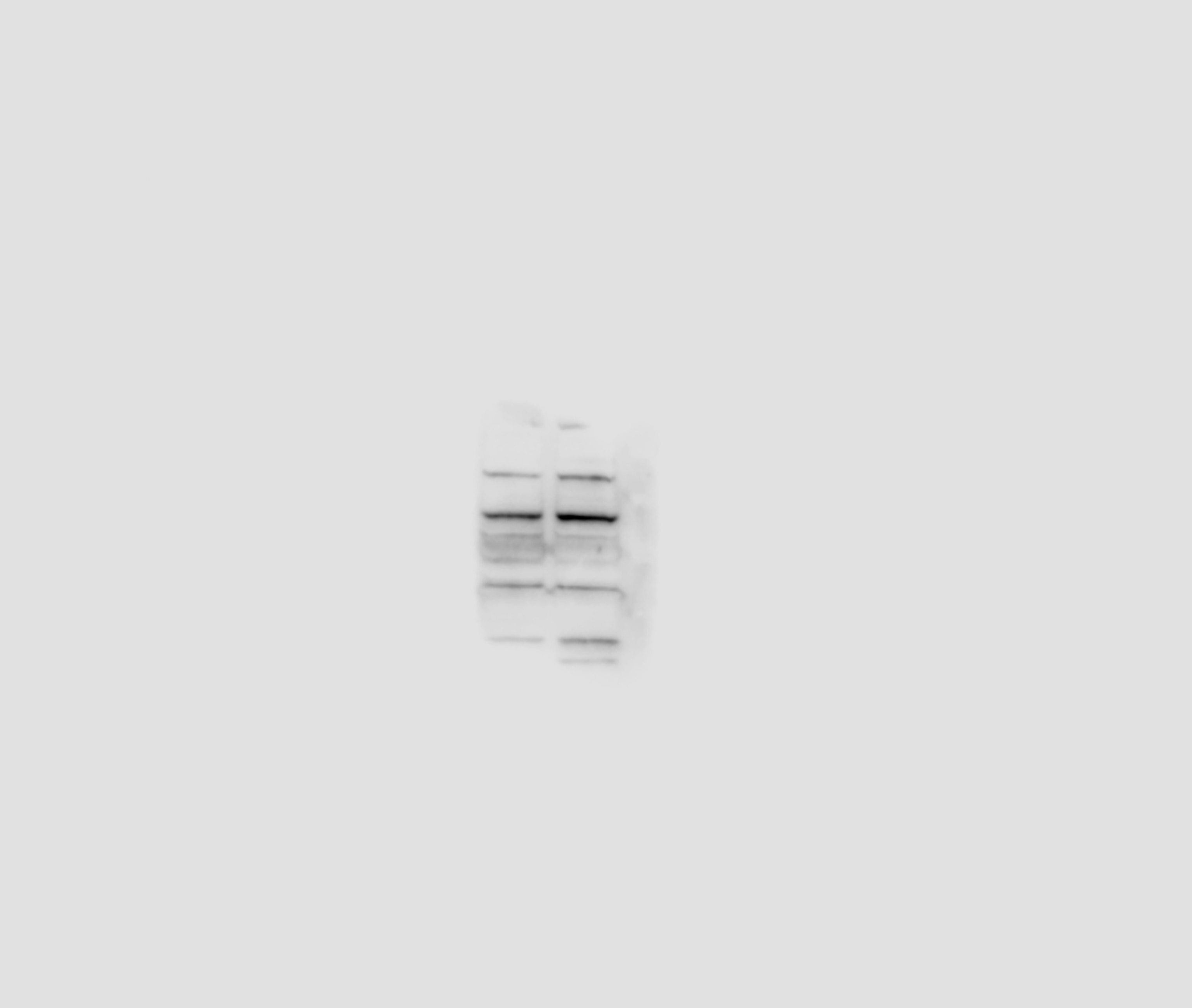
Users report positive experiences with this antibody across applications. One reviewer used it for Western Blot at 1:500 dilution on mouse retinal tissue and noted that while multiple bands were detected, the target band showed the strongest intensity (4/5). Another reviewer used it for immunohistochemistry on cornea at 1:50 dilution and described it as an excellent antibody (5/5). Overall, the antibody performs well in both WB and IHC, with good specificity for the target band in blotting applications.
The reviews below have been submitted by verified Proteintech customers who received an incentive for providing their feedback.
Fan (Verified Customer) (03-22-2021) | Mouse retinal tissue was used. Multiple bands were detected. The target band has the strongest intensity.
 |
Paramananda (Verified Customer) (01-31-2019) | Excellent antibody!
|





















