

Tested Applications
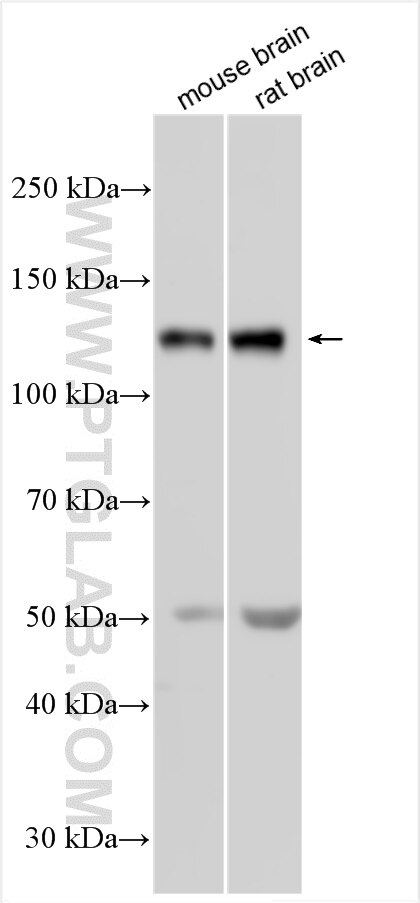
| Positive WB detected in | mouse brain tissue, rat brain tissue |
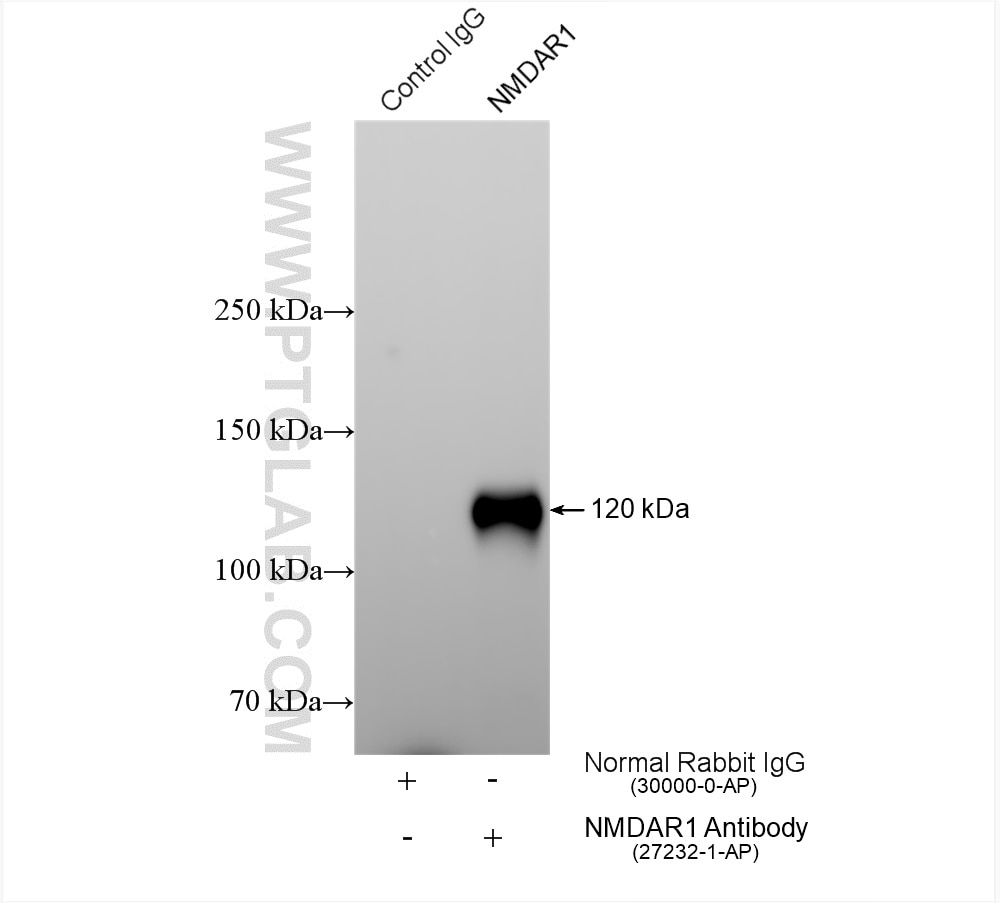
| Positive IP detected in | rat brain tissue |
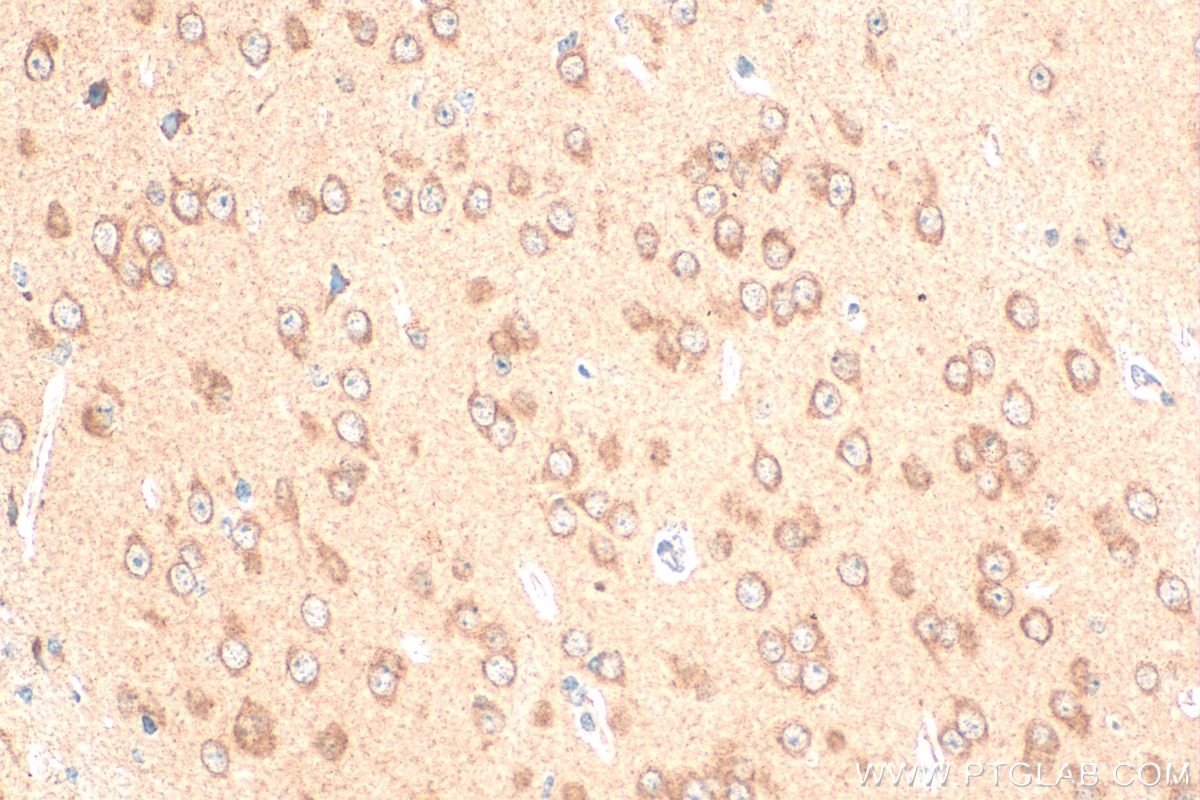
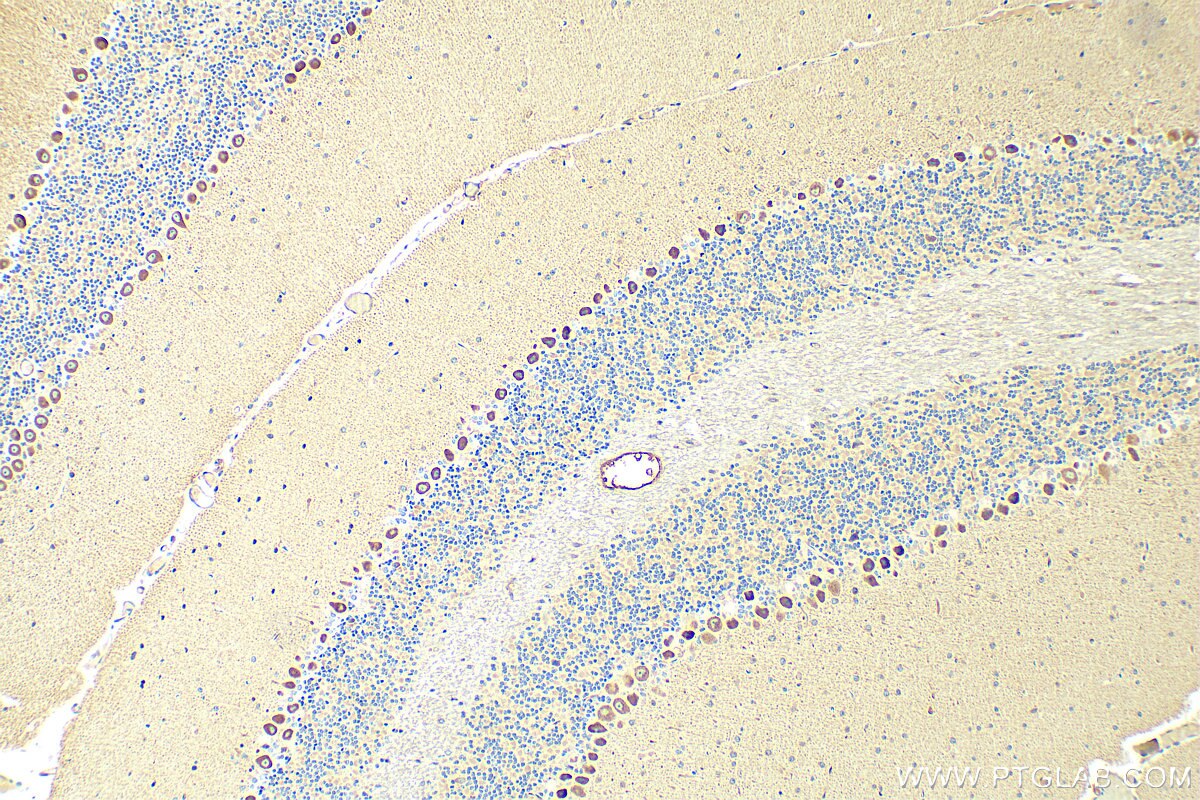
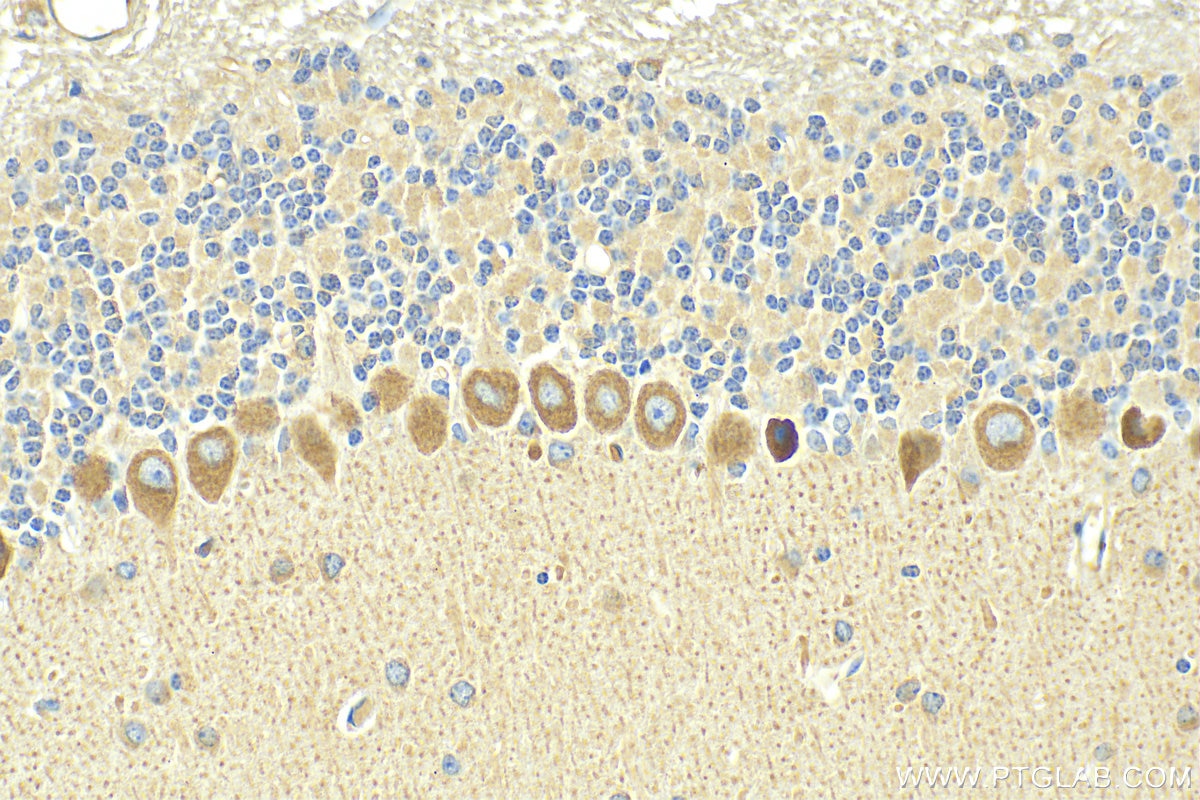
| Positive IHC detected in | mouse brain tissue, mouse cerebellum tissue Note: suggested antigen retrieval with TE buffer pH 9.0; (*) Alternatively, antigen retrieval may be performed with citrate buffer pH 6.0 |
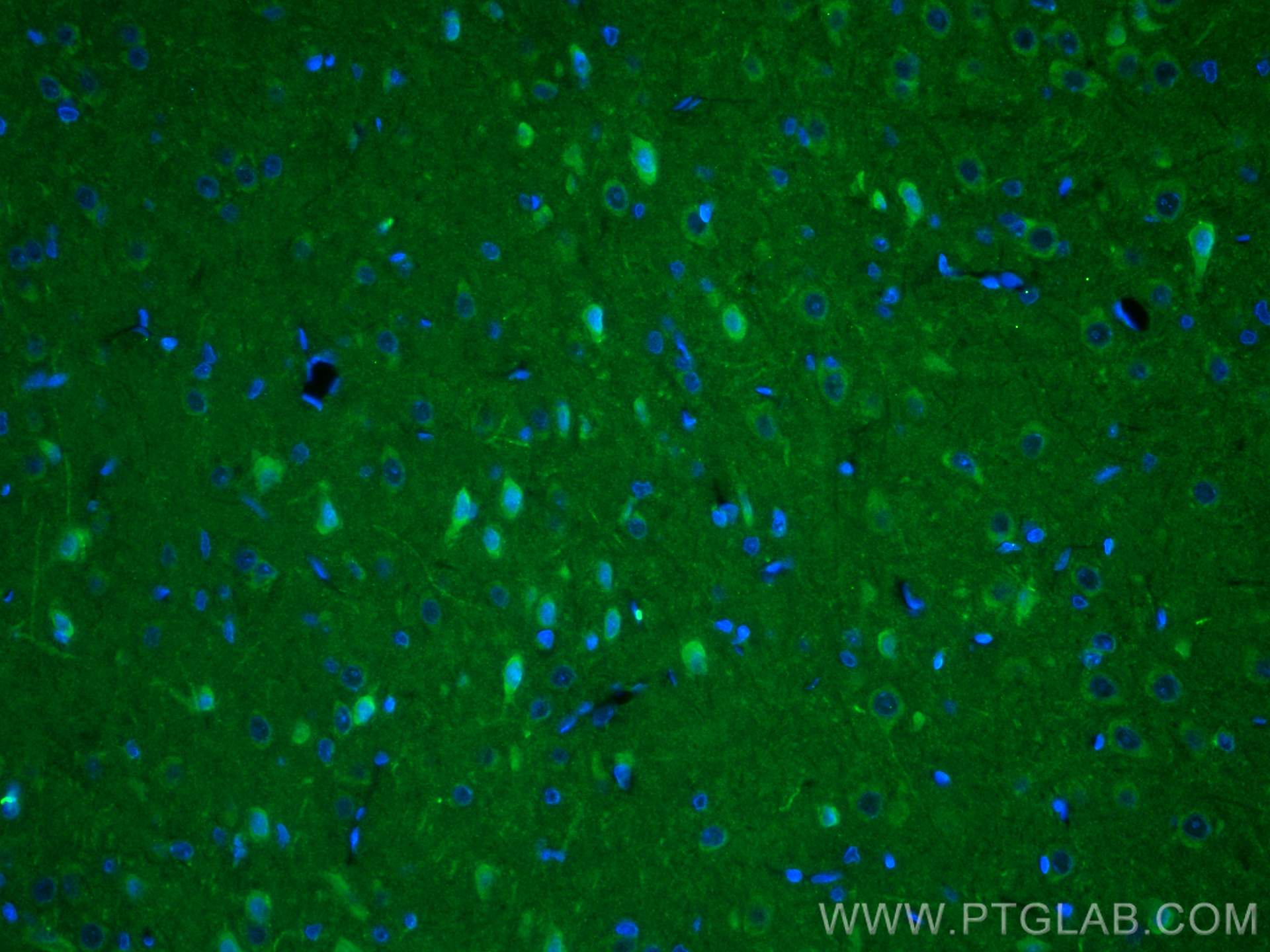
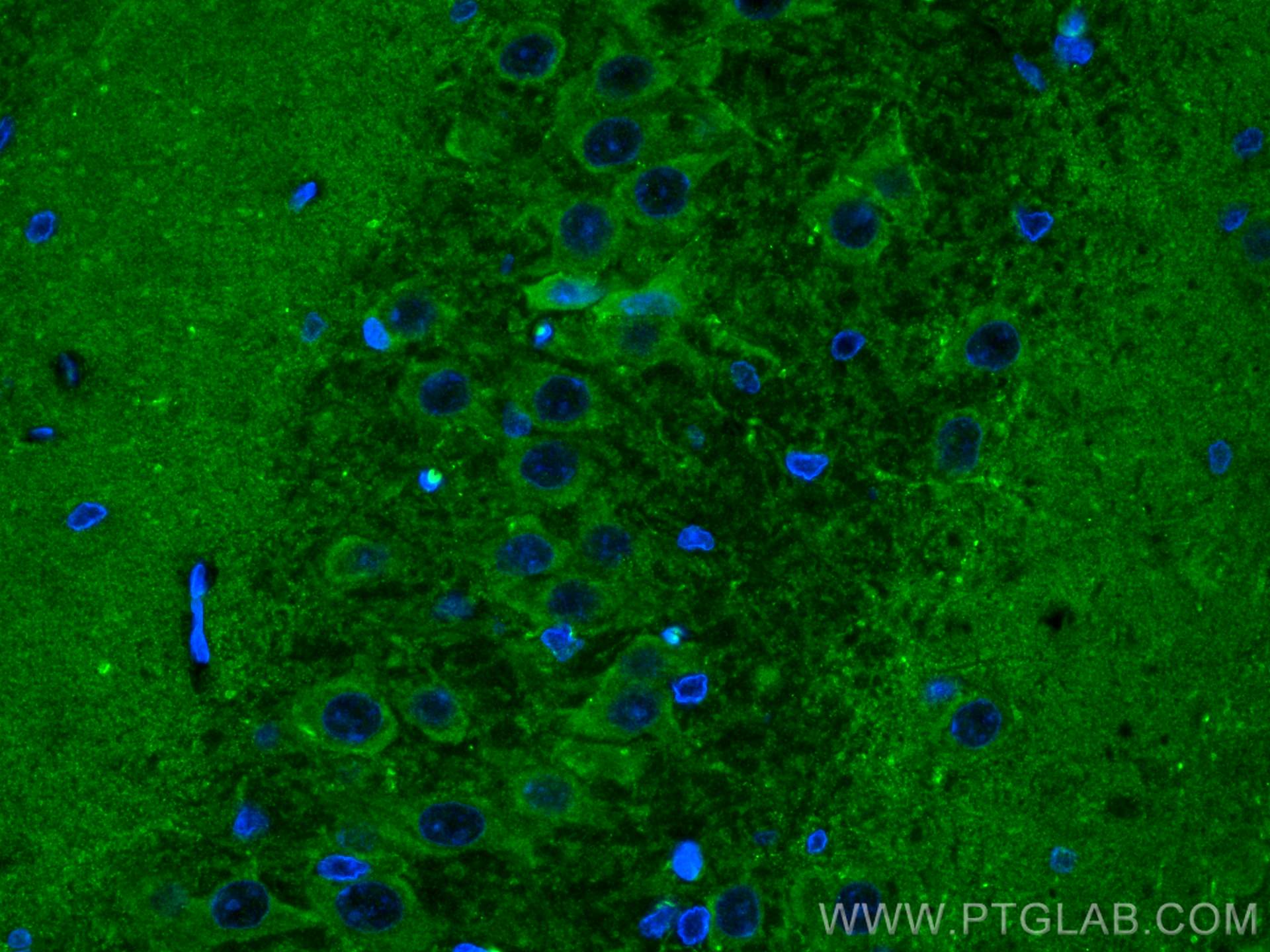
| Positive IF-P detected in | rat brain tissue |
Recommended dilution
| Application | Dilution |
|---|---|
| Western Blot (WB) | WB : 1:500-1:1000 |
| Immunoprecipitation (IP) | IP : 0.5-4.0 ug for 1.0-3.0 mg of total protein lysate |
| Immunohistochemistry (IHC) | IHC : 1:50-1:500 |
| Immunofluorescence (IF)-P | IF-P : 1:50-1:500 |
| It is recommended that this reagent should be titrated in each testing system to obtain optimal results. | |
| Sample-dependent, Check data in validation data gallery. | |
Product Information
27232-1-AP targets NMDAR1/GRIN1 in WB, IHC, IF-P, IP, ELISA applications and shows reactivity with human, mouse, rat samples.
| Tested Reactivity | human, mouse, rat |
| Cited Reactivity | human |
| Host / Isotype | Rabbit / IgG |
| Class | Polyclonal |
| Type | Antibody |
| Immunogen |
CatNo: Ag26093 Product name: Recombinant human NMDAR1 protein Source: e coli.-derived, PGEX-4T Tag: GST Domain: 21-120 aa of NM_000832 Sequence: MACDPKIVNIGAVLSTRKHEQMFREAVNQANKRHGSWKIQLNATSVTHKPNAIQMALSVCEDLISSQVYAILVSHPPTPNDHFTPTPVSYTAGFYRIPVLG Predict reactive species |
| Full Name | glutamate receptor, ionotropic, N-methyl D-aspartate 1 |
| Calculated Molecular Weight | 105 kDa |
| Observed Molecular Weight | 116-120 kDa |
| GenBank Accession Number | NM_000832 |
| Gene Symbol | NMDAR1 |
| Gene ID (NCBI) | 2902 |
| RRID | AB_3085939 |
| Conjugate | Unconjugated |
| Form | Liquid |
| Purification Method | Antigen affinity purification |
| UNIPROT ID | Q05586 |
| Storage Buffer | PBS with 0.02% sodium azide and 50% glycerol, pH 7.3. |
| Storage Conditions | Store at -20°C. Stable for one year after shipment. Aliquoting is unnecessary for -20oC storage. 20ul sizes contain 0.1% BSA. |
Background Information
GRIN1 encodes subunit 1 of the N-methyl-D-aspartate (NMDA) receptor, which is a heteromeric glutamate-gated calcium ion channel essential for synaptic function in the brain (PMID: 25864721). NMDARs play important roles in normal brain development and function, such as synaptic plasticity, neural development, learning and memory (PMID: 20716669). NMDAR dysfunction has been associated with several neurological disorders including Parkinson, Alzheimer and Huntington diseases. Disrupted motor learning and long-term synaptic plasticity in mice lacking NMDAR1 in the striatum (PMID: 17015831).
Protocols
| Product Specific Protocols | |
|---|---|
| IF protocol for NMDAR1/GRIN1 antibody 27232-1-AP | Download protocol |
| IHC protocol for NMDAR1/GRIN1 antibody 27232-1-AP | Download protocol |
| IP protocol for NMDAR1/GRIN1 antibody 27232-1-AP | Download protocol |
| WB protocol for NMDAR1/GRIN1 antibody 27232-1-AP | Download protocol |
| Standard Protocols | |
|---|---|
| Click here to view our Standard Protocols |
Publications
What published studies show
The NMDAR1/GRIN1 Polyclonal antibody (Cat# 27232-1-AP) has 1 total citation. It appears in Frontiers in Molecular Biosciences (IF 4.4), published in January 2026. The cited study investigated how glutamate enhances production of inflammatory cytokines (IL-6, IL-11) and chemokines (CXCL2, CXCL3, CXCL8) in keloid fibroblasts, placing the research in the fields of neuroinflammation and fibrosis. The antibody was used for IHC and IF applications in human samples.
| Species | Application | Title |
|---|---|---|
Front Mol Biosci Glutamate enhances the production of inflammatory cytokines IL-6 and IL-11, as well as chemokines CXCL2, CXCL3, and CXCL8 in keloid fibroblasts. |








