
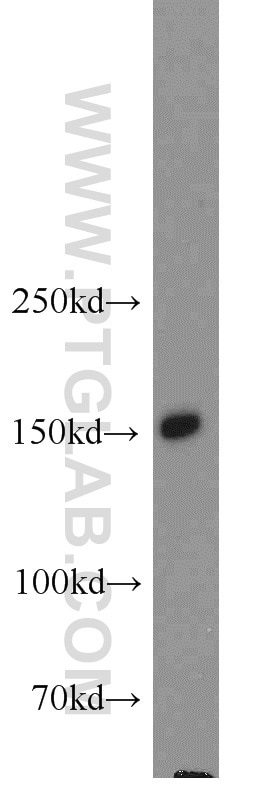
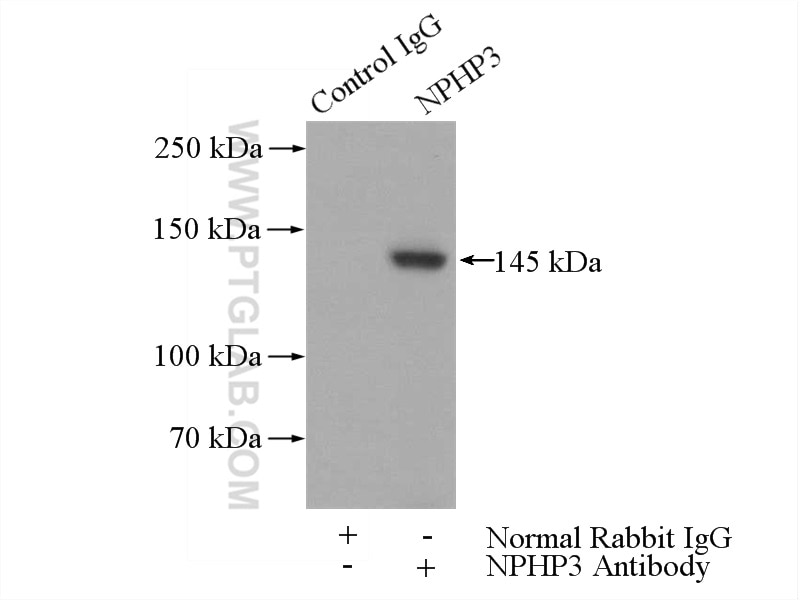
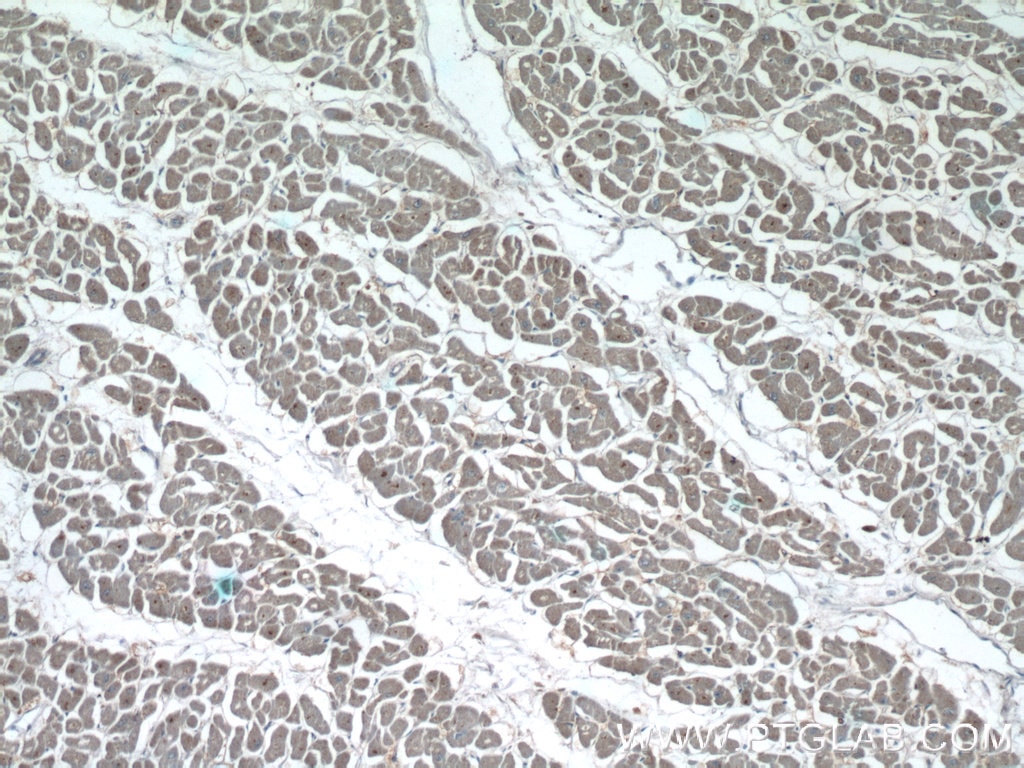
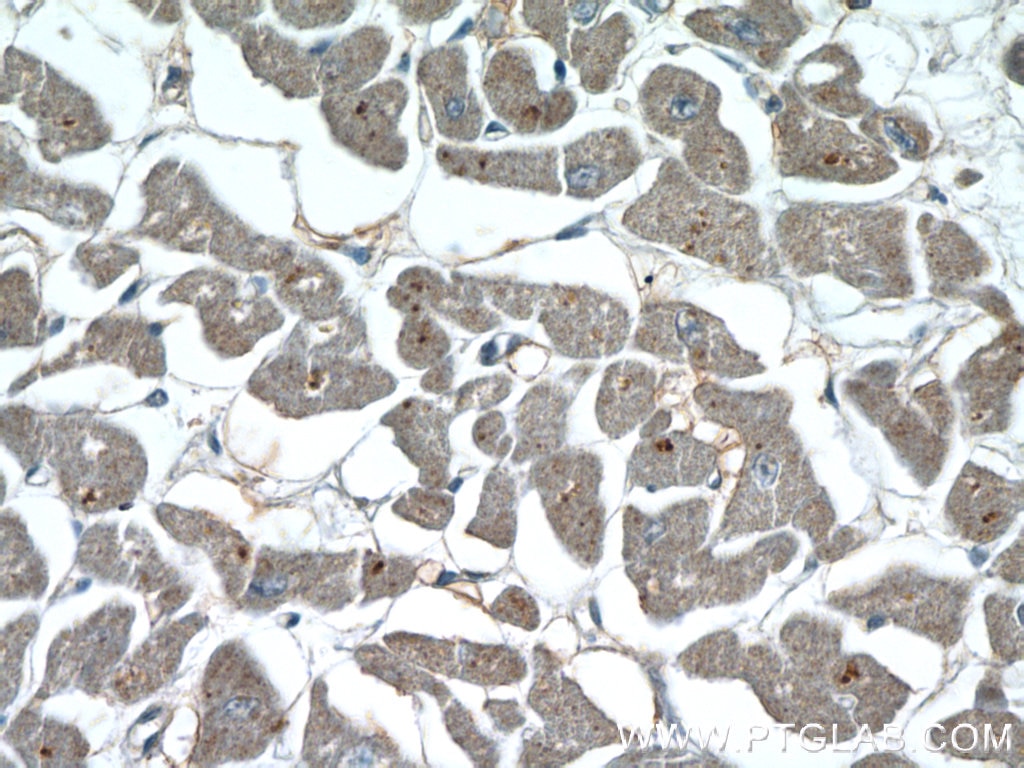



Tested Applications
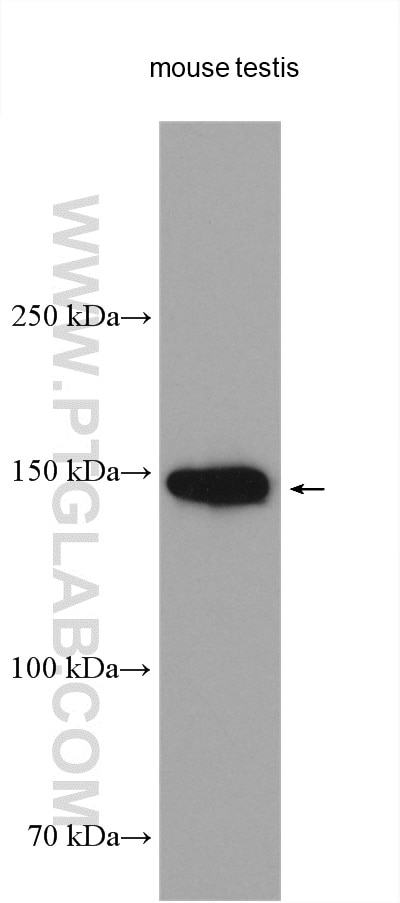
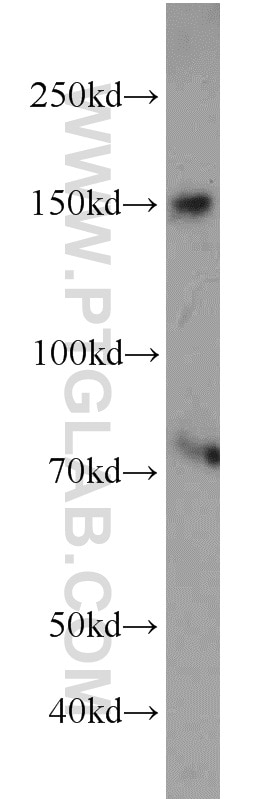
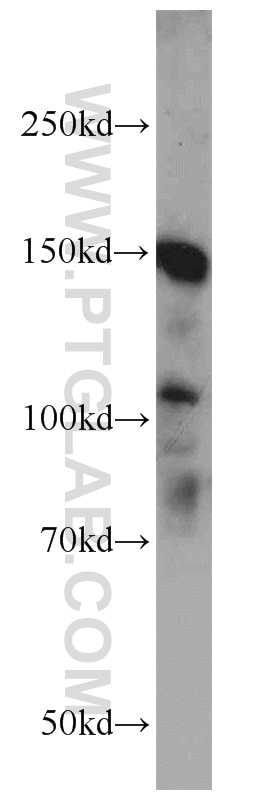
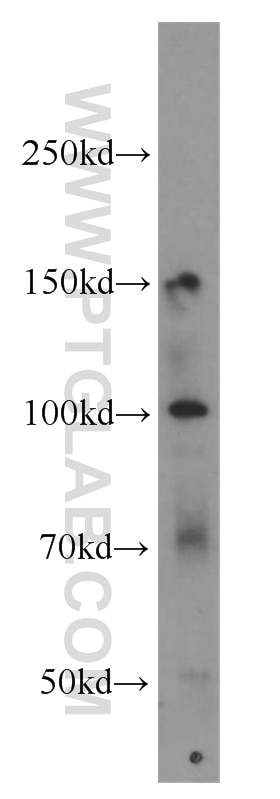
| Positive WB detected in | mouse testis tissue, HepG2 cells, HEK-293 cells, mouse liver tissue, human testis tissue |
| Positive IP detected in | mouse testis tissue |
| Positive IHC detected in | human heart tissue, human stomach cancer tissue, mouse ovary tissue, rat ovary tissue Note: suggested antigen retrieval with TE buffer pH 9.0; (*) Alternatively, antigen retrieval may be performed with citrate buffer pH 6.0 |
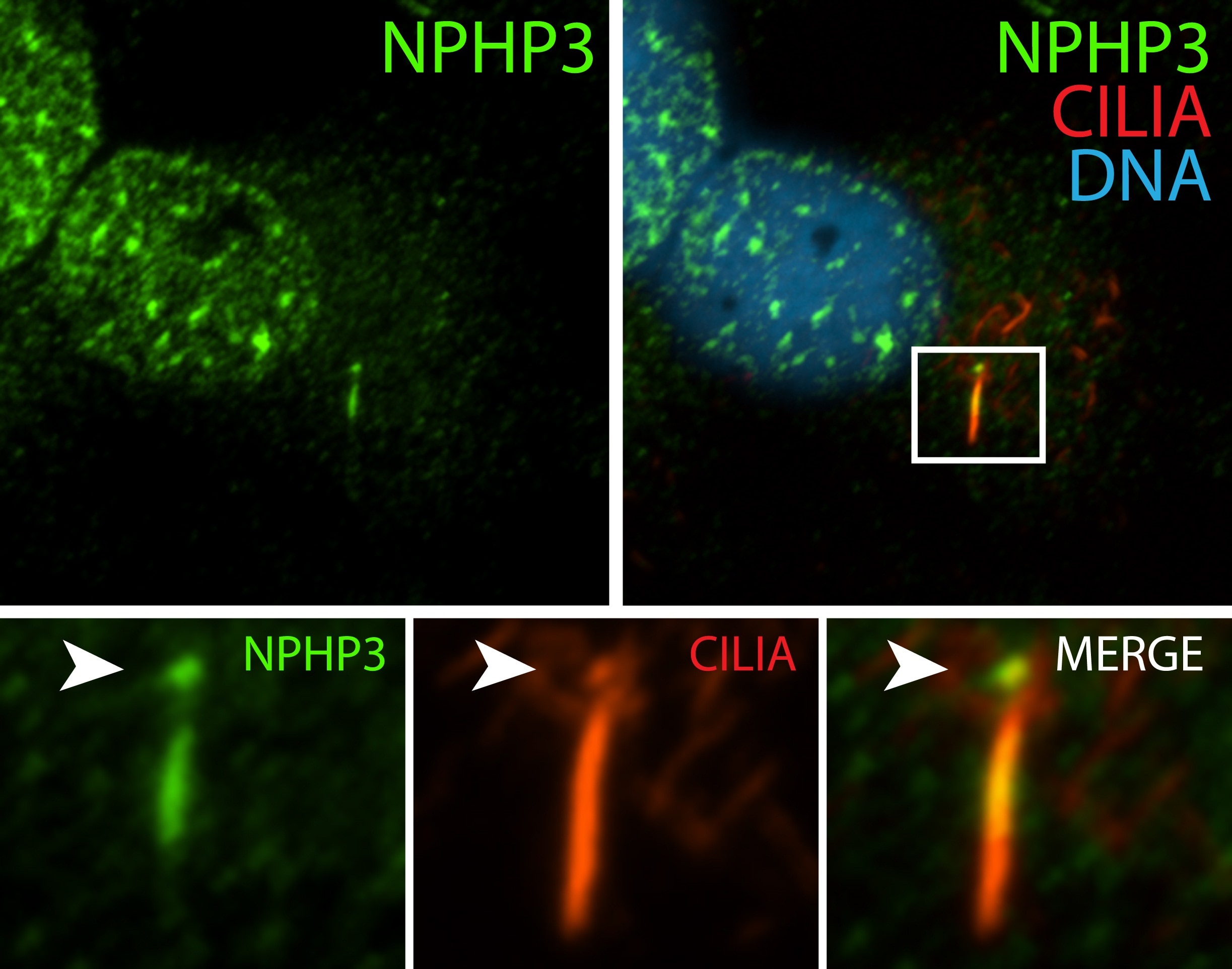
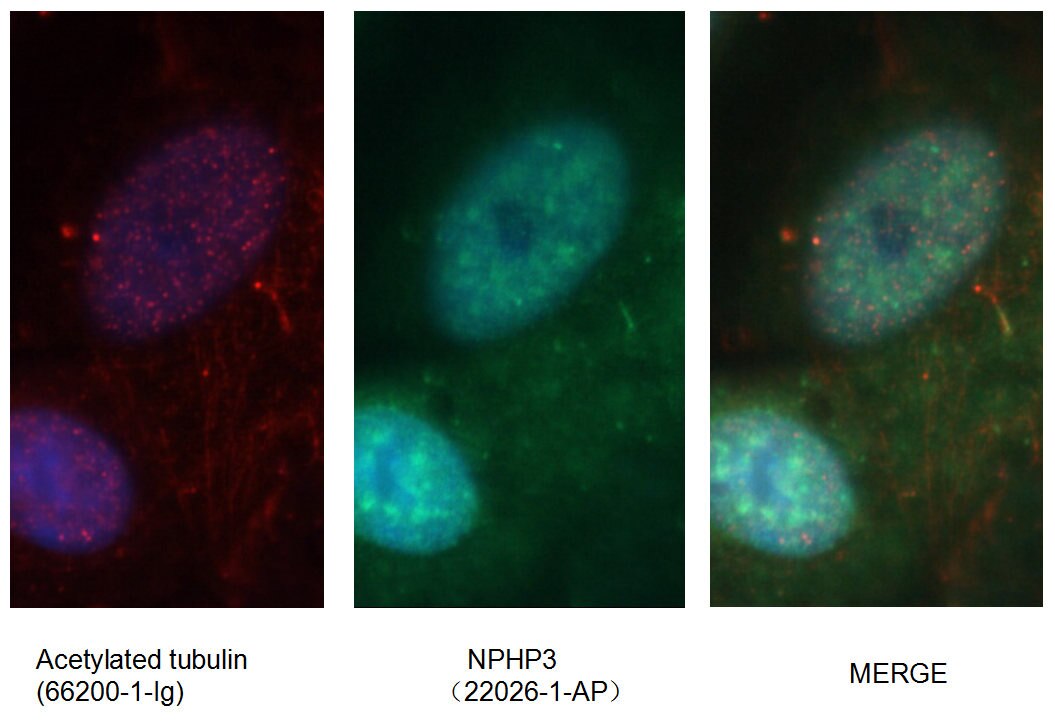
| Positive IF/ICC detected in | hTERT-RPE1 cells, MDCK cells |
Recommended dilution
| Application | Dilution |
|---|---|
| Western Blot (WB) | WB : 1:500-1:2000 |
| Immunoprecipitation (IP) | IP : 0.5-4.0 ug for 1.0-3.0 mg of total protein lysate |
| Immunohistochemistry (IHC) | IHC : 1:20-1:200 |
| Immunofluorescence (IF)/ICC | IF/ICC : 1:20-1:200 |
| It is recommended that this reagent should be titrated in each testing system to obtain optimal results. | |
| Sample-dependent, Check data in validation data gallery. | |
Product Information
22026-1-AP targets NPHP3 in WB, IHC, IF/ICC, IP, ELISA applications and shows reactivity with human, mouse, rat, canine samples.
| Tested Reactivity | human, mouse, rat, canine |
| Cited Reactivity | human, mouse |
| Host / Isotype | Rabbit / IgG |
| Class | Polyclonal |
| Type | Antibody |
| Immunogen |
CatNo: Ag16888 Product name: Recombinant human NPHP3 protein Source: e coli.-derived, PGEX-4T Tag: GST Domain: 1-131 aa of BC068082 Sequence: MGTASSLVSPAGGEVIEDTYGAGGGEACEIPVEVKPKARLLRNSFRRGAGAAAGAGPGSLPRGVGAGGLLGASFKSTGSSVPELEYAAAEYERLRKEYEIFRVSKNQELLSMGRREAKLDTENKRLRAELQ Predict reactive species |
| Full Name | nephronophthisis 3 (adolescent) |
| Calculated Molecular Weight | 1330 aa, 151 kDa |
| Observed Molecular Weight | 145-151 kDa |
| GenBank Accession Number | BC068082 |
| Gene Symbol | NPHP3 |
| Gene ID (NCBI) | 27031 |
| RRID | AB_2878975 |
| Conjugate | Unconjugated |
| Form | Liquid |
| Purification Method | Antigen affinity purification |
| UNIPROT ID | Q7Z494 |
| Storage Buffer | PBS with 0.02% sodium azide and 50% glycerol, pH 7.3. |
| Storage Conditions | Store at -20°C. Stable for one year after shipment. Aliquoting is unnecessary for -20oC storage. 20ul sizes contain 0.1% BSA. |
Protocols
| Product Specific Protocols | |
|---|---|
| IF protocol for NPHP3 antibody 22026-1-AP | Download protocol |
| IHC protocol for NPHP3 antibody 22026-1-AP | Download protocol |
| IP protocol for NPHP3 antibody 22026-1-AP | Download protocol |
| WB protocol for NPHP3 antibody 22026-1-AP | Download protocol |
| Standard Protocols | |
|---|---|
| Click here to view our Standard Protocols |
Publications
What published studies show
The NPHP3 Polyclonal antibody (Cat# 22026-1-AP) has 10 citations published in journals including Nature Methods, Nature Communications, Methods in Cell Biology, JASN, American Journal of Human Genetics, International Journal of Molecular Sciences, Journal of Inflammation Research, Human Molecular Genetics, and Molecular Biology of the Cell. Research fields span primary cilium biology, ciliary protein trafficking, kidney disease (nephronophthisis), Joubert syndrome, osteoarthritis, and retinal pigment epithelium. Applications cited include IF, WB, IHC, and IP in human and mouse models.
| Species | Application | Title |
|---|---|---|
Nat Methods Genetically encoded calcium indicator illuminates calcium dynamics in primary cilia. | ||
J Am Soc Nephrol DNAJB11 -Kidney Disease Develops from Reduced Polycystin-1 Dosage but not Unfolded Protein Response in Mice | ||
Am J Hum Genet ARL3 Mutations Cause Joubert Syndrome by Disrupting Ciliary Protein Composition. | ||
Int J Mol Sci Ciliary Proteins Repurposed by the Synaptic Ribbon: Trafficking Myristoylated Proteins at Rod Photoreceptor Synapses. | ||
Int J Mol Sci Renal Tubule-Specific Deletion of Nephrocystin 3 (Nphp3) Causes Infantile Nephronophthisis-like Phenotypes in Mice.
|
Reviews
What customers say
The single review rates the product 4 out of 5 stars. The user applied it for Western Blot and immunohistochemistry on mouse paraffin sections and MDCK cells. They noted that immunofluorescence was observed in mouse cilia but was not restricted to the inversin compartment. They also mentioned that the dilution needed adjustment for Western Blot, as only a few bands appeared. Recommended dilutions were 1/100 for immunofluorescence in mice and 1/1000 for Western Blot in dog.
The reviews below have been submitted by verified Proteintech customers who received an incentive for providing their feedback.
Lelongt (Verified Customer) (12-10-2021) | Immunofluorescence is observed in mice cilia but is not restricted to the inversin compartment. Dilution has to be adjusted for WB since there are few bands.
|













