
Tested Applications
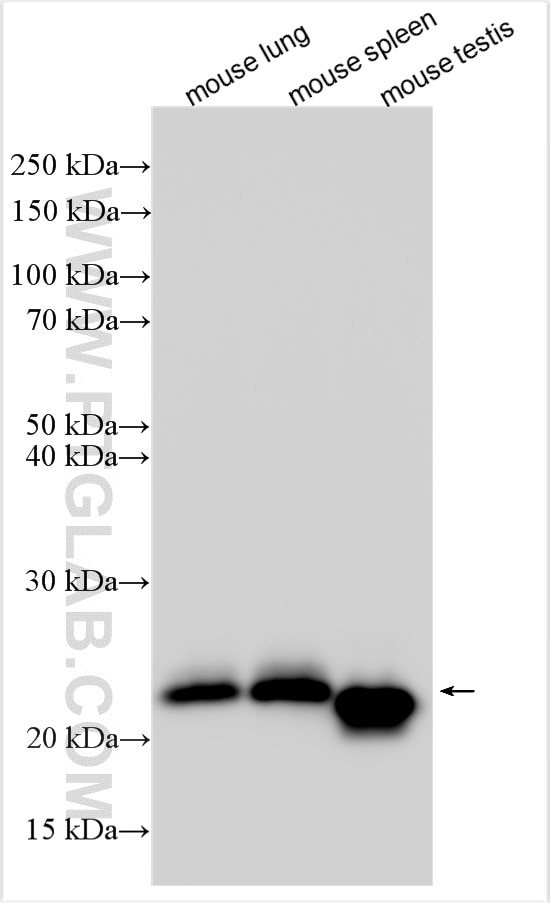
| Positive WB detected in | mouse lung tissue, mouse spleen tissue, mouse testis tissue |
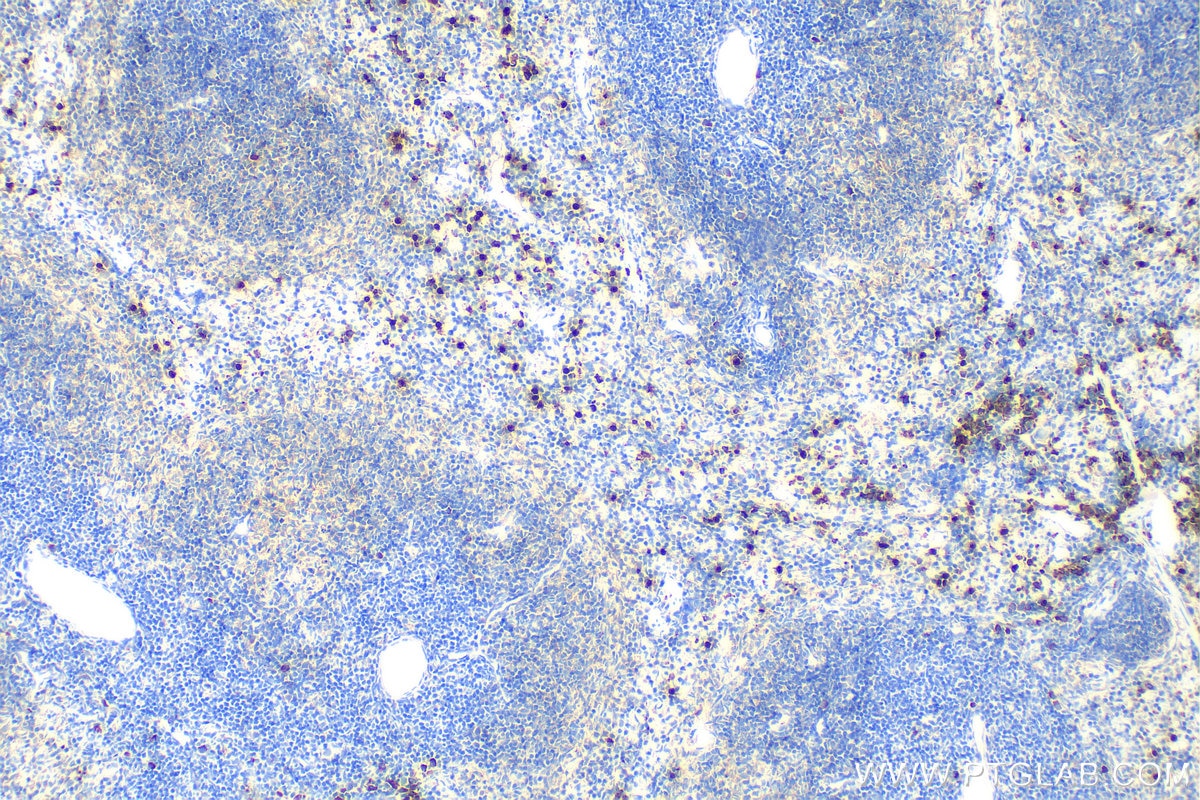
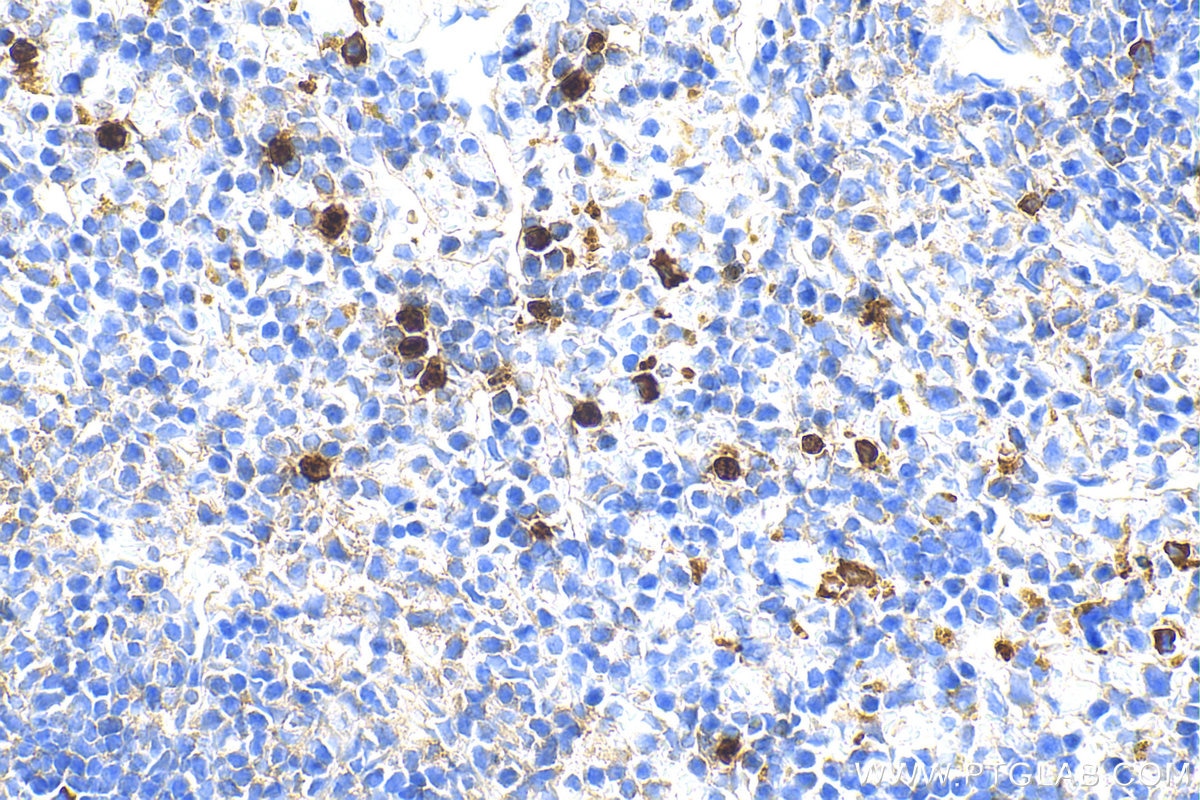
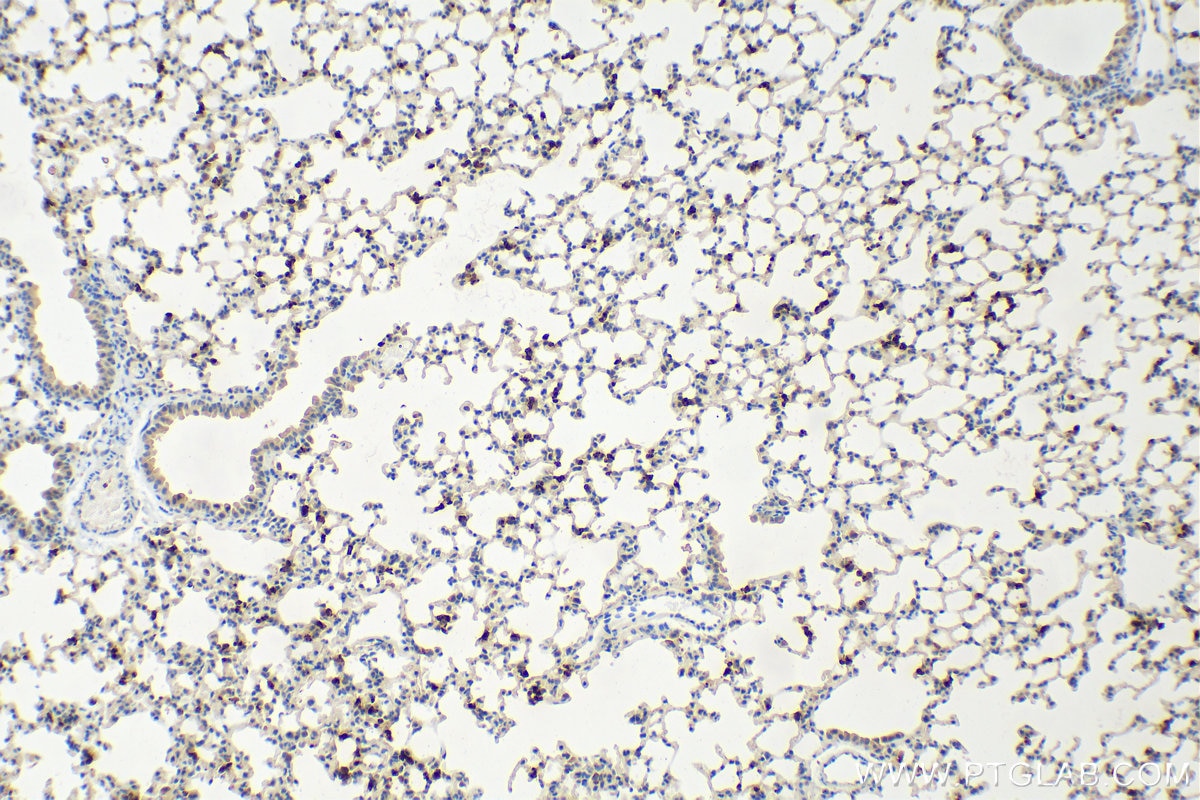
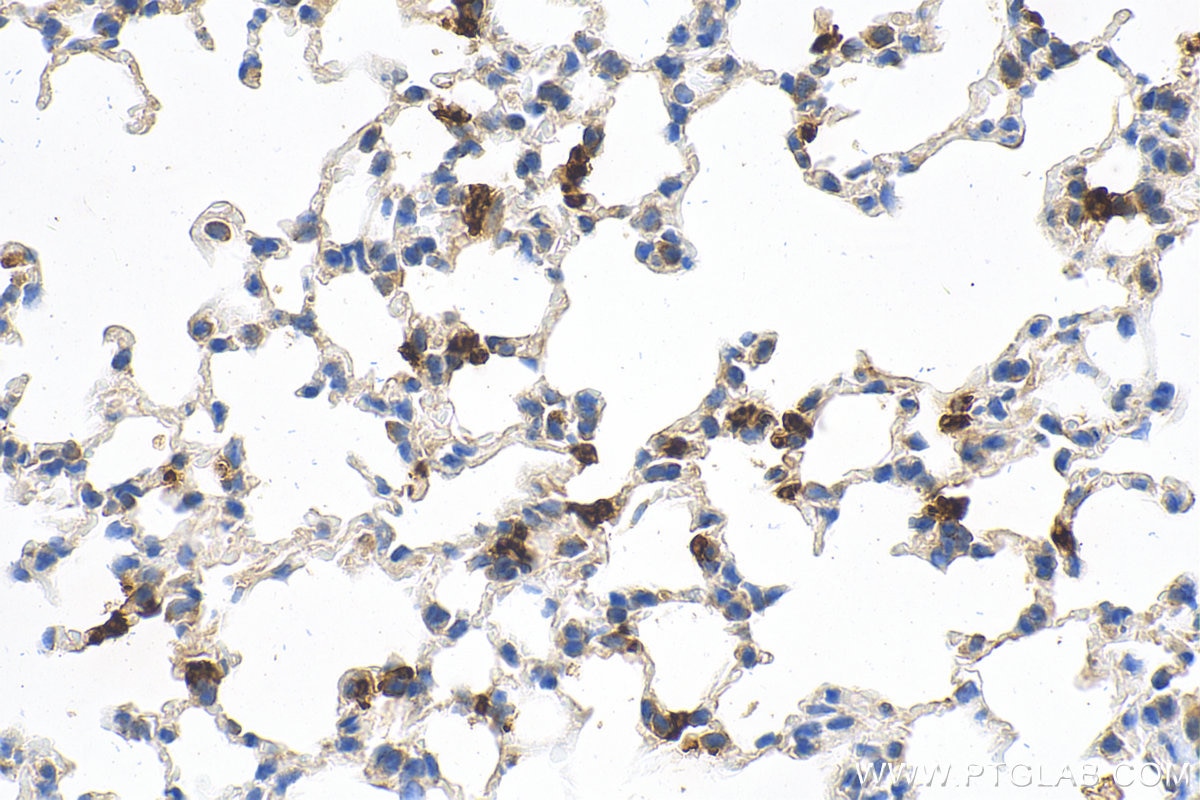
| Positive IHC detected in | mouse spleen tissue, mouse lung tissue Note: suggested antigen retrieval with TE buffer pH 9.0; (*) Alternatively, antigen retrieval may be performed with citrate buffer pH 6.0 |
Recommended dilution
| Application | Dilution |
|---|---|
| Western Blot (WB) | WB : 1:2000-1:10000 |
| Immunohistochemistry (IHC) | IHC : 1:200-1:800 |
| It is recommended that this reagent should be titrated in each testing system to obtain optimal results. | |
| Sample-dependent, Check data in validation data gallery. | |
Published Applications
| KD/KO | See 1 publications below |
| WB | See 3 publications below |
| IHC | See 1 publications below |
| IF | See 3 publications below |
Product Information
30576-1-AP targets Lipocalin-2/NGAL in WB, IHC, IF, ELISA applications and shows reactivity with mouse samples.
| Tested Reactivity | mouse |
| Cited Reactivity | human, mouse |
| Host / Isotype | Rabbit / IgG |
| Class | Polyclonal |
| Type | Antibody |
| Immunogen |
Recombinant protein Predict reactive species |
| Full Name | lipocalin 2 |
| Calculated Molecular Weight | 23KD |
| Observed Molecular Weight | 22-25 kDa |
| GenBank Accession Number | NM_008491.1 |
| Gene Symbol | NGAL |
| Gene ID (NCBI) | 16819 |
| RRID | AB_3669734 |
| Conjugate | Unconjugated |
| Form | Liquid |
| Purification Method | Antigen affinity purification |
| UNIPROT ID | P11672 |
| Storage Buffer | PBS with 0.02% sodium azide and 50% glycerol, pH 7.3. |
| Storage Conditions | Store at -20°C. Stable for one year after shipment. Aliquoting is unnecessary for -20oC storage. 20ul sizes contain 0.1% BSA. |
Background Information
Neutrophil gelatinase-associated lipocalin (NGAL, also known as lipocalin-2, siderocalin, or LCN2) is a small molecule of almost 25 kDa that belongs to the well-defined superfamily of proteins called lipocalins. NGAL was initially found in activated neutrophils, under its role as an innate antibacterial factor. However, it was subsequently shown that many other types of cells, including those in the kidney tubule, may produce NGAL in response to various injuries. NGAL may become one of the most promising next-generation biomarkers in clinical nephrology and beyond. This antibody recognizes mouse Lipocalin-2/NGAL.
Protocols
| Product Specific Protocols | |
|---|---|
| IHC protocol for Lipocalin-2/NGAL antibody 30576-1-AP | Download protocol |
| WB protocol for Lipocalin-2/NGAL antibody 30576-1-AP | Download protocol |
| Standard Protocols | |
|---|---|
| Click here to view our Standard Protocols |
Publications
| Species | Application | Title |
|---|---|---|
J Transl Med Lipocalin-2 promotes NSCLC progression by activating the JAK2/STAT3 signaling pathway
| ||
J Transl Med Construction of a feature gene and machine prediction model for inflammatory bowel disease based on multichip joint analysis | ||
J Inflamm Res MALAT1's m(6)A Modification by METTL3 Promotes Pyroptosis and Inflammation in Sepsis-Induced Acute Kidney Injury in Mice. | ||
Pediatr Discov Therapeutic Effects of Phyllanthus urinaria L on Cisplatin-Induced Acute Kidney Injury: Anti-Inflammatory, Anti-Apoptotic, and Anti-Oxidative Action. | ||
Front Immunol Prolonged skin allograft survival by rM180 amelogenin in a murine skin transplantation model. | ||
J Adv Res A Rsv@HMnO(2)-HA nanozyme for AKI therapy via targeting inflammatory storm and activating SIRT1/PGC-1α to restore mitochondrial homeostasis. |






