


Tested Applications
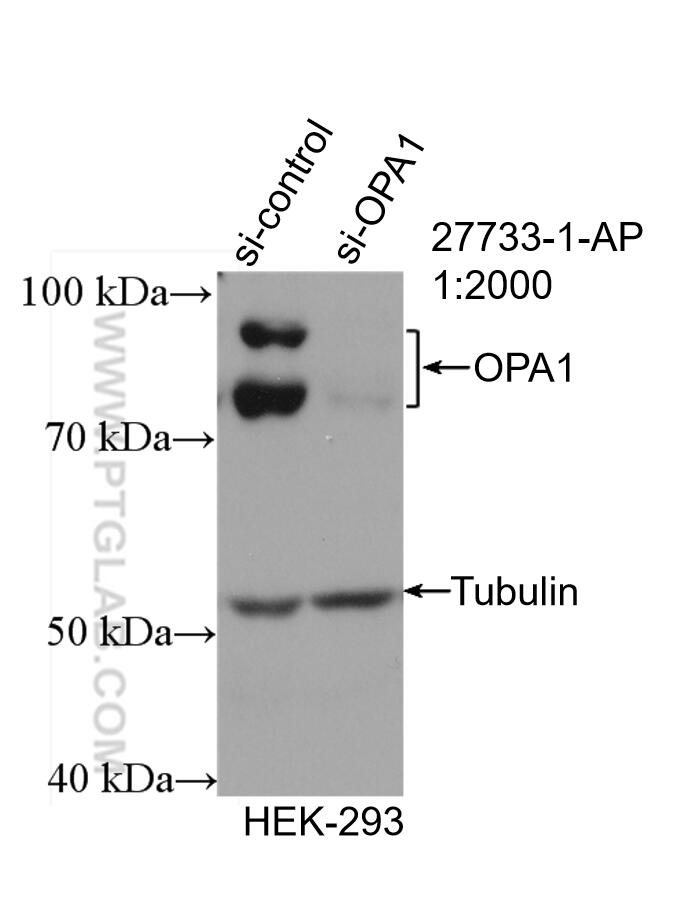
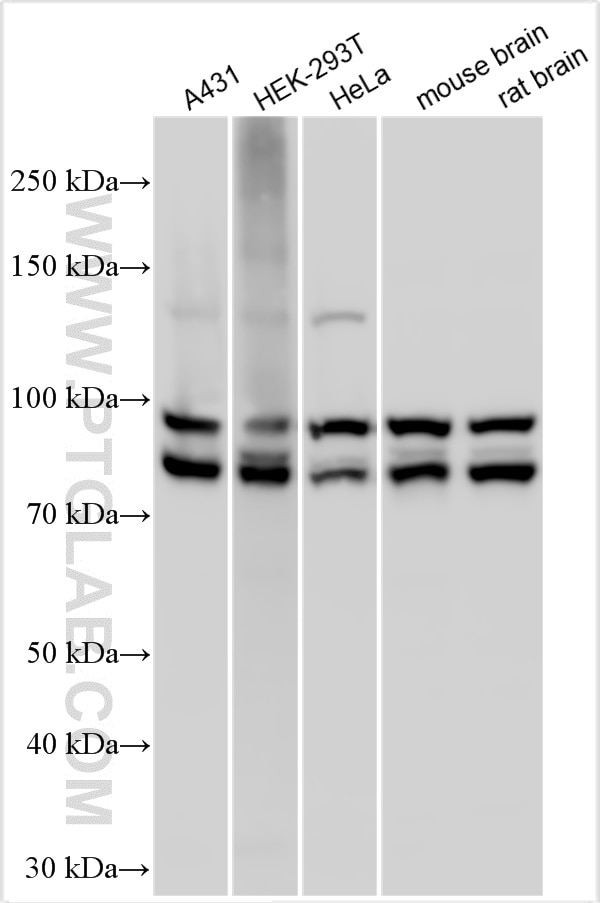
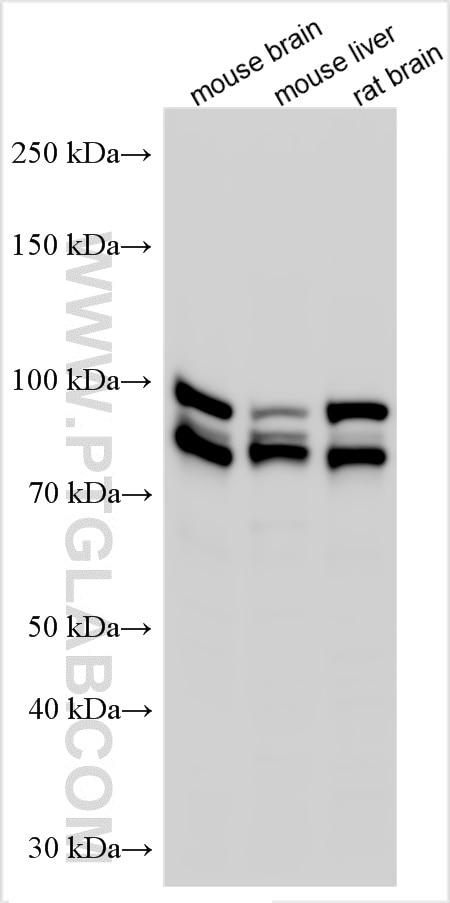
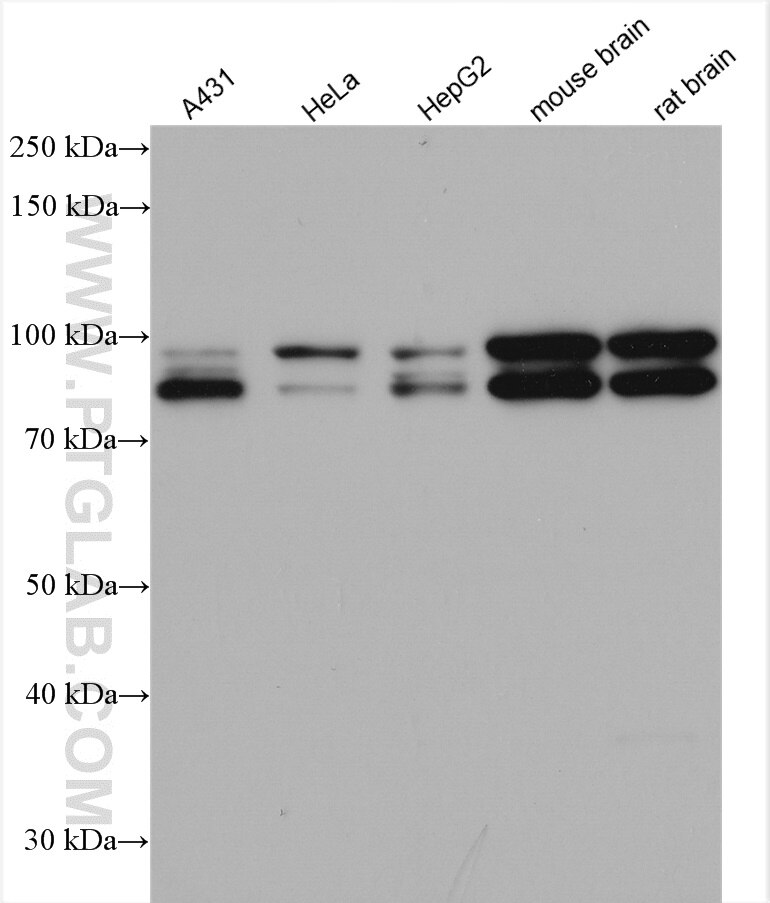
| Positive WB detected in | A431 cells, HEK-293 cells, mouse brain tissue, HeLa cells, HepG2 cells, rat brain tissue, HEK-293T cells, L02 cells, mouse liver tissue |
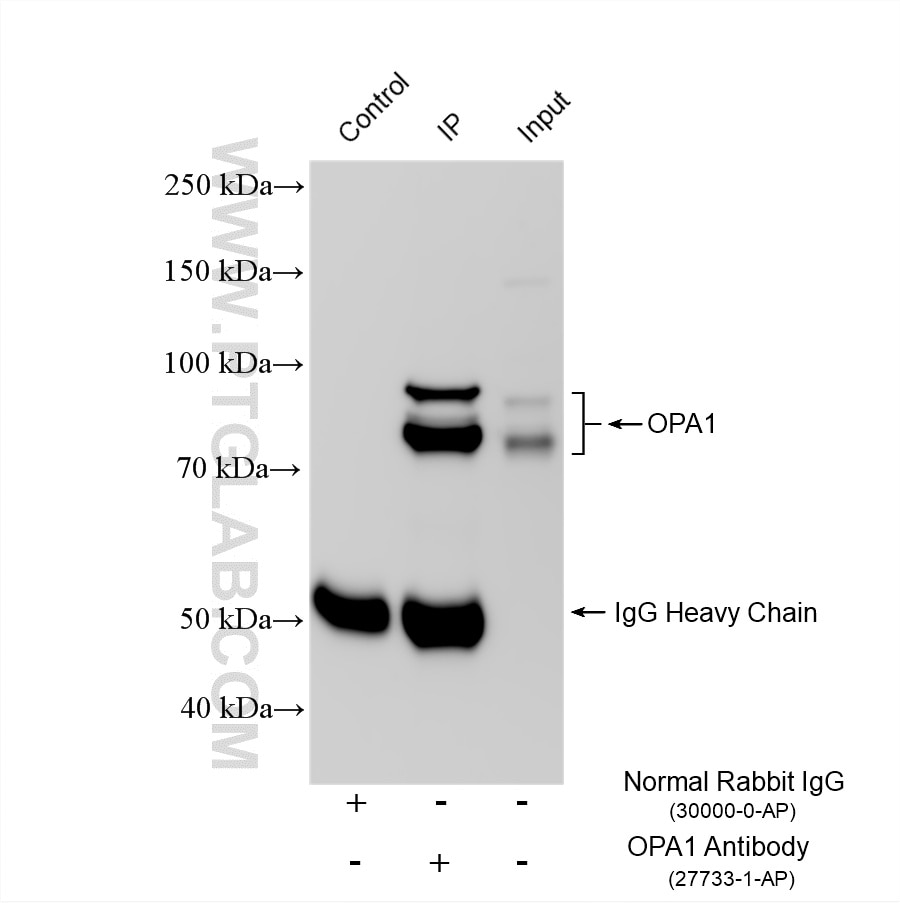
| Positive IP detected in | mouse brain tissue |
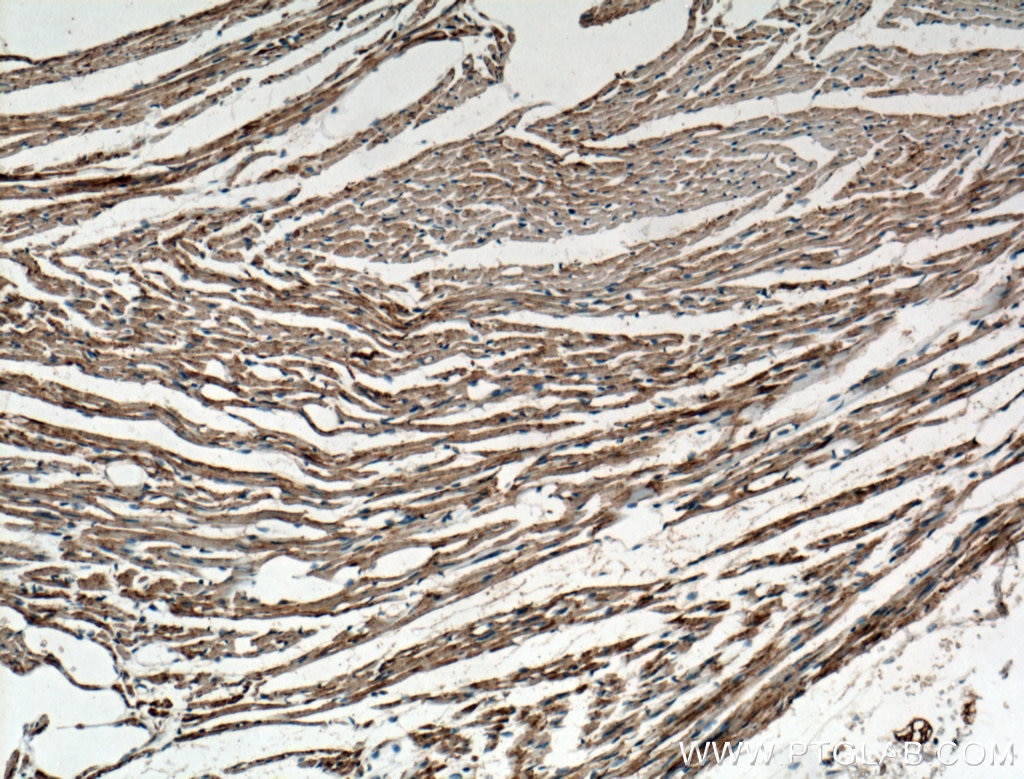
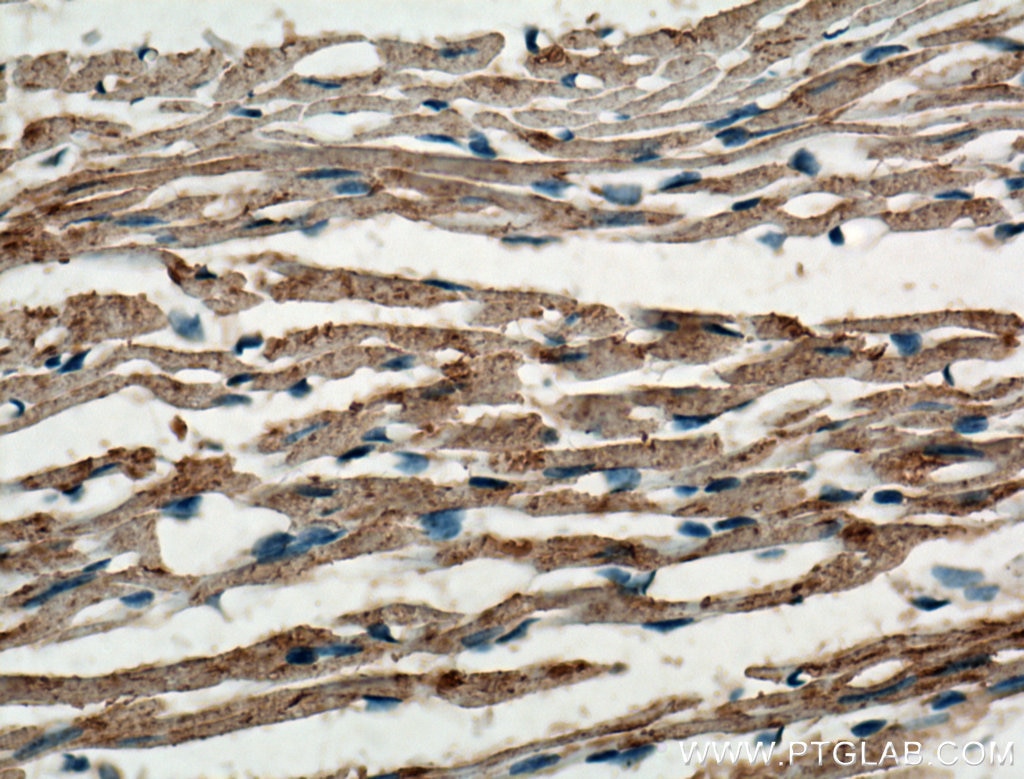
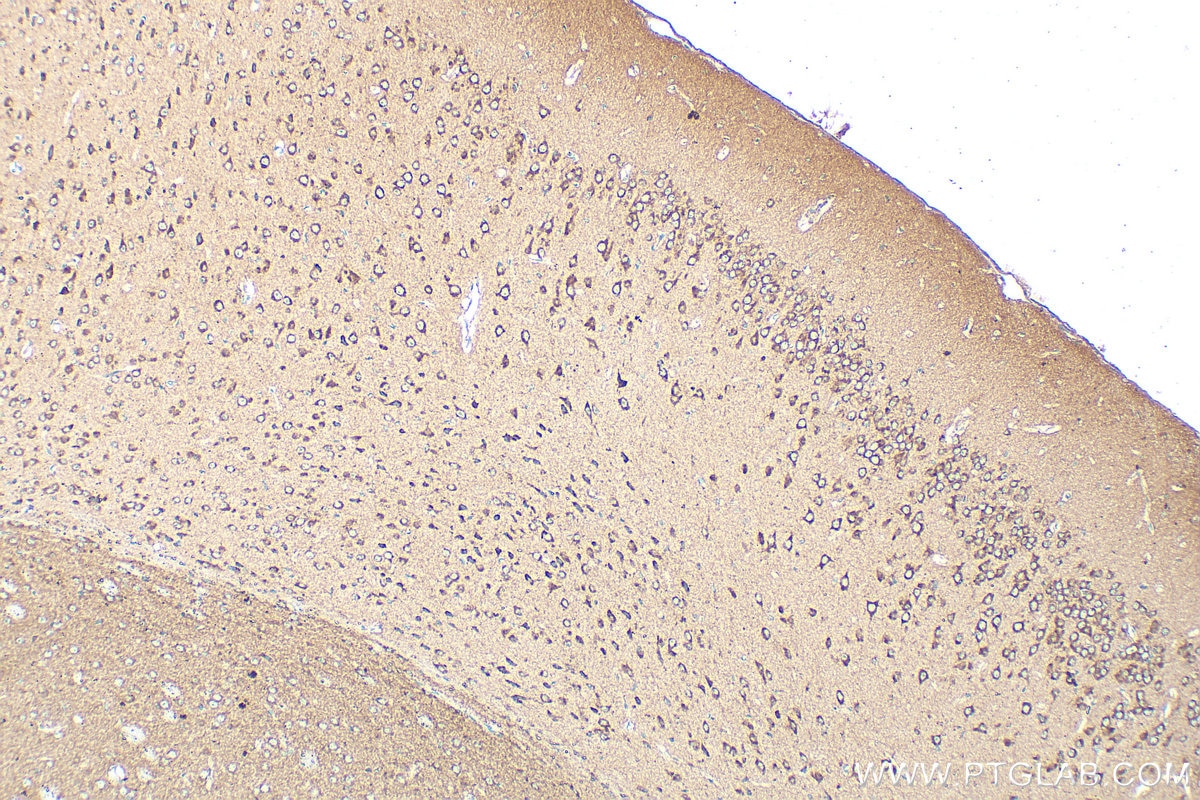
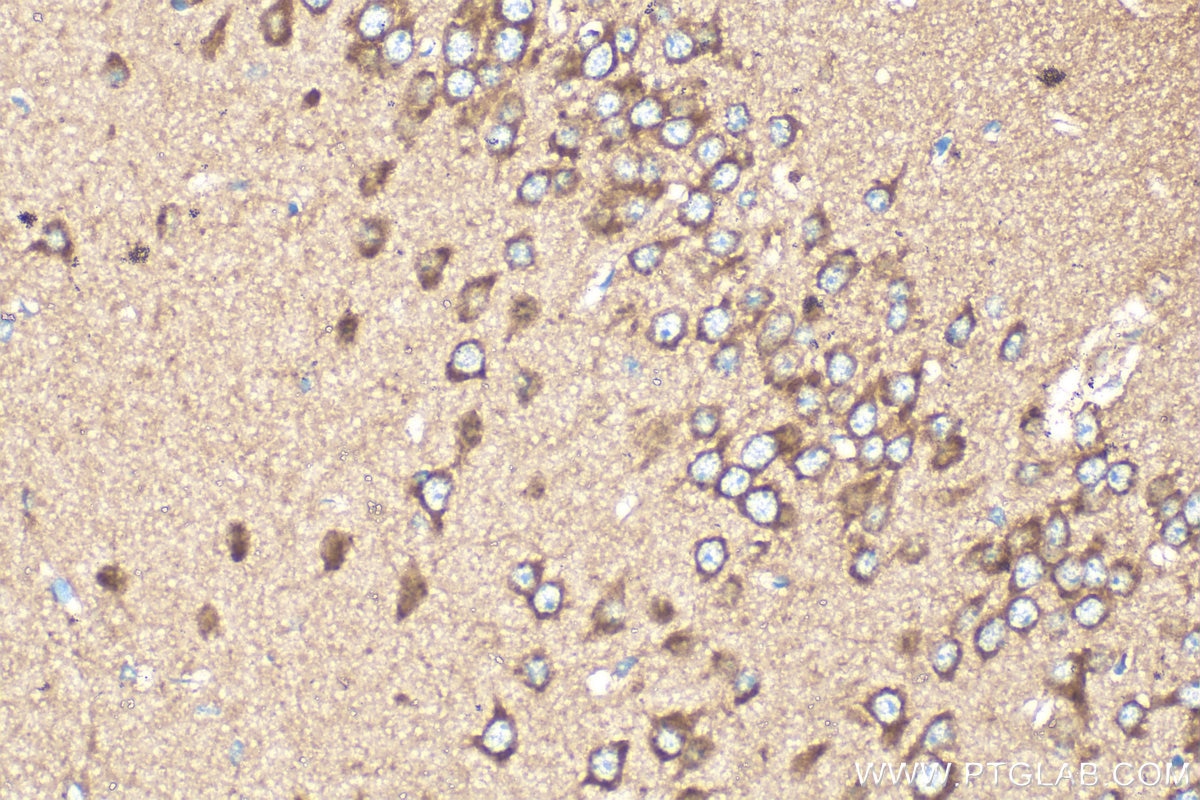
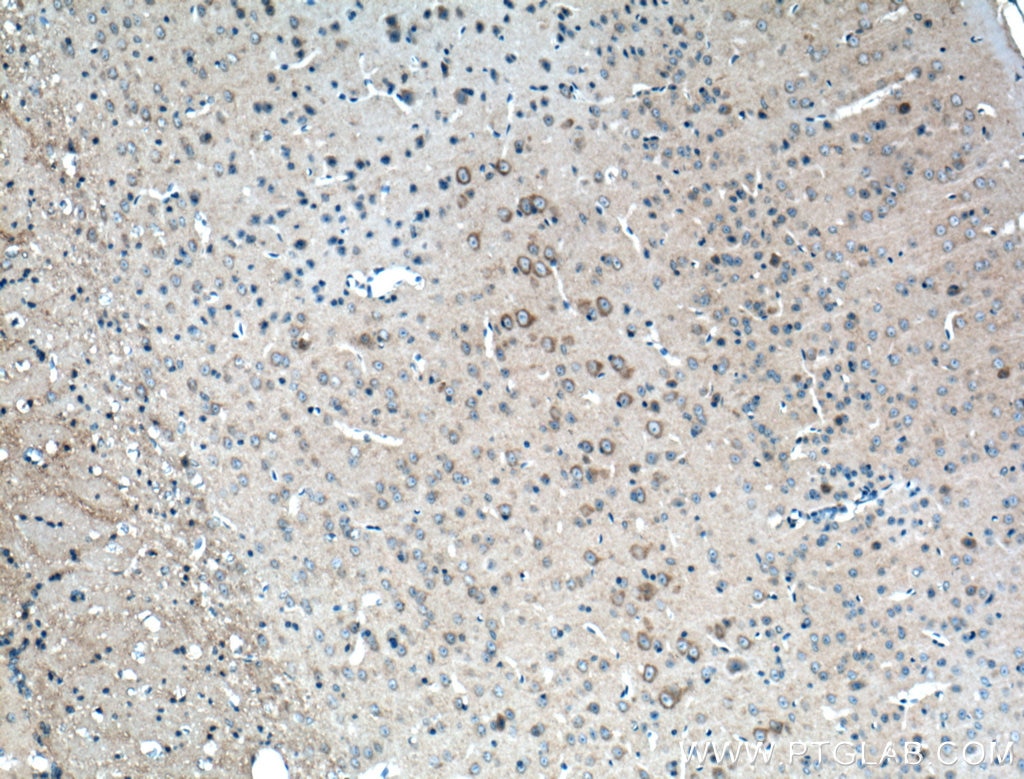
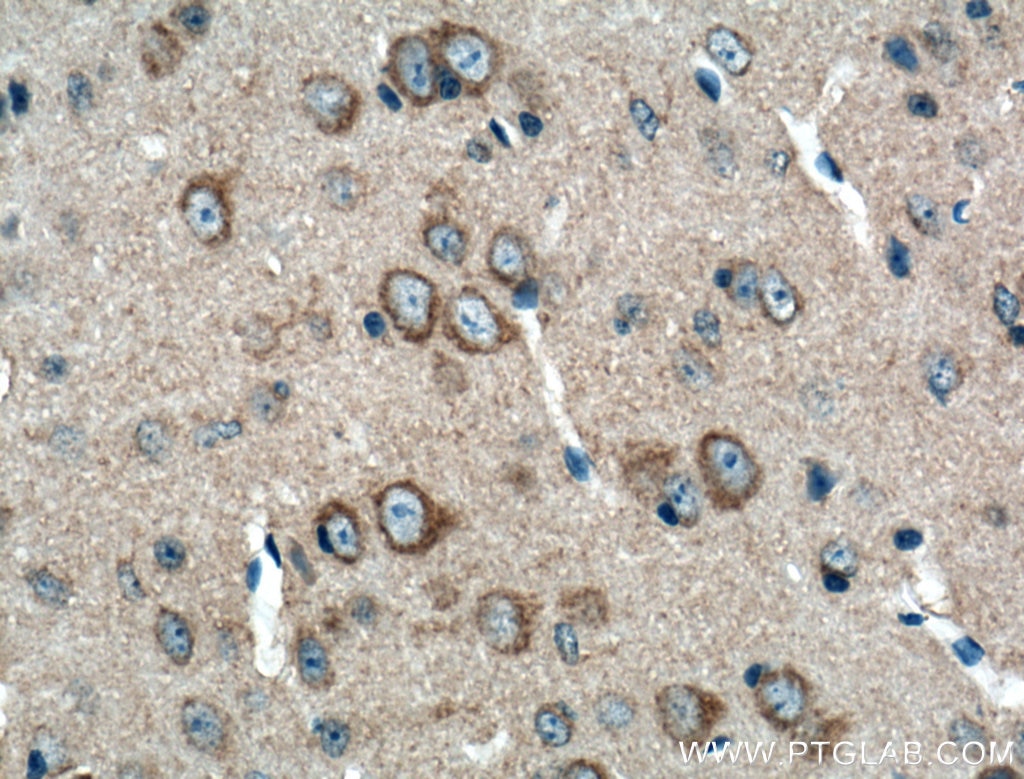
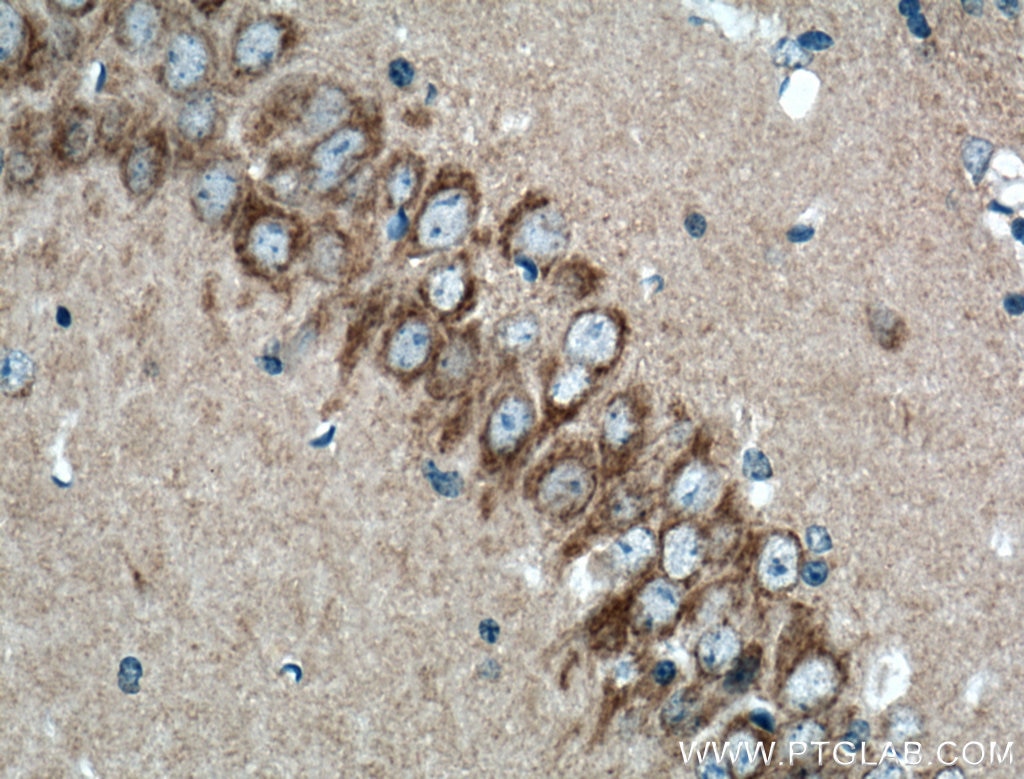
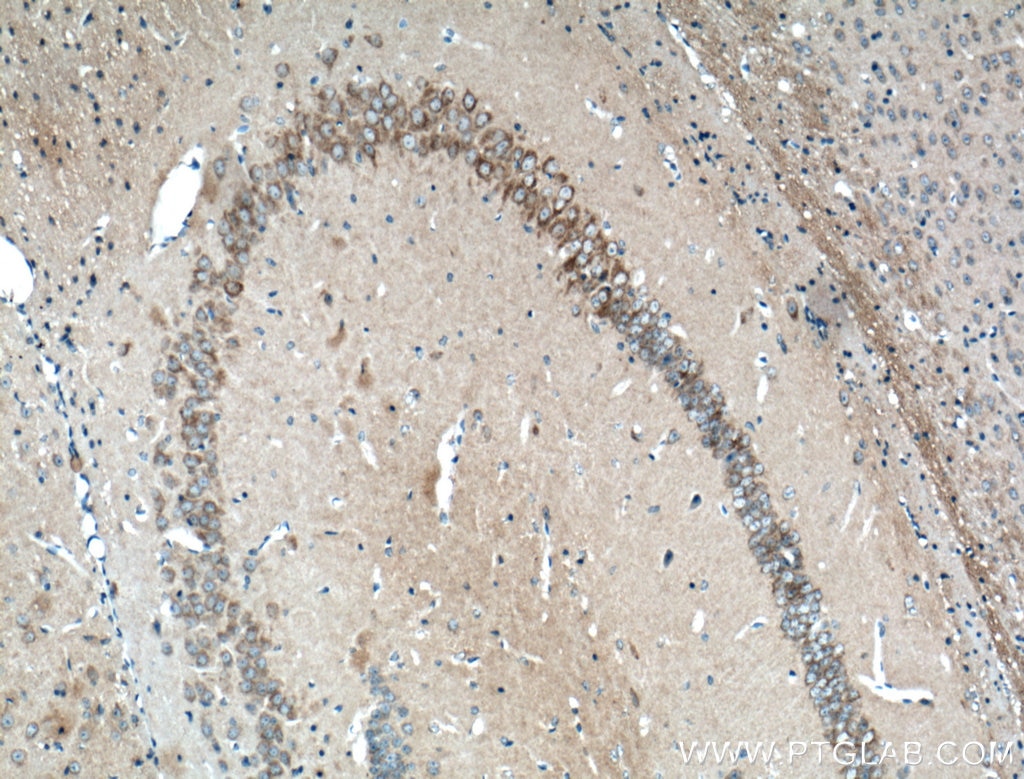
| Positive IHC detected in | mouse brain tissue, mouse heart tissue Note: suggested antigen retrieval with TE buffer pH 9.0; (*) Alternatively, antigen retrieval may be performed with citrate buffer pH 6.0 |
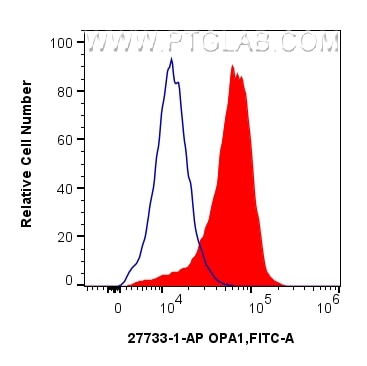
| Positive FC (Intra) detected in | HeLa cells |
Recommended dilution
| Application | Dilution |
|---|---|
| Western Blot (WB) | WB : 1:5000-1:50000 |
| Immunoprecipitation (IP) | IP : 0.5-4.0 ug for 1.0-3.0 mg of total protein lysate |
| Immunohistochemistry (IHC) | IHC : 1:500-1:2000 |
| Flow Cytometry (FC) (INTRA) | FC (INTRA) : 0.25 ug per 10^6 cells in a 100 µl suspension |
| It is recommended that this reagent should be titrated in each testing system to obtain optimal results. | |
| Sample-dependent, Check data in validation data gallery. | |
Product Information
27733-1-AP targets OPA1 in WB, IHC, IF, FC (Intra), IP, CoIP, ELISA applications and shows reactivity with human, mouse, rat samples.
| Tested Reactivity | human, mouse, rat |
| Cited Reactivity | human, mouse, rat, pig, chicken, zebrafish, hamster, goat, duck |
| Host / Isotype | Rabbit / IgG |
| Class | Polyclonal |
| Type | Antibody |
| Immunogen |
CatNo: Ag26887 Product name: Recombinant human OPA1 protein Source: e coli.-derived, PET30a Tag: 6*His Domain: 607-960 aa of BC075805 Sequence: SLSQVTPKHWEEILQQSLWERVSTHVIENIYLPAAQTMNSGTFNTTVDIKLKQWTDKQLPNKAVEVAWETLQEEFSRFMTEPKGKEHDDIFDKLKEAVKEESIKRHKWNDFAEDSLRVIQHNALEDRSISDKQQWDAAIYFMEEALQARLKDTENAIENMVGPDWKKRWLYWKNRTQEQCVHNETKNELEKMLKCNEEHPAYLASDEITTVRKNLESRGVEVDPSLIKDTWHQVYRRHFLKTALNHCNLCRRGFYYYQRHFVDSELECNDVVLFWRIQRMLAITANTLRQQLTNTEVRRLEKNVKEVLEDFAEDGEKKIKLLTGKRVQLAEDLKKVREIQEKLDAFIEALHQEK Predict reactive species |
| Full Name | optic atrophy 1 (autosomal dominant) |
| Calculated Molecular Weight | 960 aa, 112 kDa |
| Observed Molecular Weight | 80-100 kDa |
| GenBank Accession Number | BC075805 |
| Gene Symbol | OPA1 |
| Gene ID (NCBI) | 4976 |
| RRID | AB_2810292 |
| Conjugate | Unconjugated |
| Form | Liquid |
| Purification Method | Antigen affinity purification |
| UNIPROT ID | O60313 |
| Storage Buffer | PBS with 0.02% sodium azide and 50% glycerol, pH 7.3. |
| Storage Conditions | Store at -20°C. Stable for one year after shipment. Aliquoting is unnecessary for -20oC storage. 20ul sizes contain 0.1% BSA. |
Background Information
OPA1 is a nuclear-encoded mitochondrial protein with similarity to dynamin-related GTPases. OPA1 localizes to the inner mitochondrial membrane and helps regulate mitochondrial stability and energy output. This protein also sequesters cytochrome c. OPA1 is associated with the inner membrane and protects cells from apoptosis by regulating inner membrane dynamics. Mutation of OPA1 causes the disease dominant optic atrophy, a degeneration of the retinal ganglion cells. OPA1 undergoes complex posttranscriptional regulation and posttranslational proteolysis. OPA1 is regulated by proteolytic cleavage, which degrades long OPA1 isoforms into short isoforms. The gene OPA1 can be cleaved into some chains with MW 100 kDa and 80-90 kDa.
Protocols
| Product Specific Protocols | |
|---|---|
| FC protocol for OPA1 antibody 27733-1-AP | Download protocol |
| IHC protocol for OPA1 antibody 27733-1-AP | Download protocol |
| IP protocol for OPA1 antibody 27733-1-AP | Download protocol |
| WB protocol for OPA1 antibody 27733-1-AP | Download protocol |
| Standard Protocols | |
|---|---|
| Click here to view our Standard Protocols |
Publications
What published studies show
The anti-DRP1 antibody (Cat# 27733-1-AP) has accumulated 323 total citations across high-impact journals including Nature, Science, Cell Metabolism, Nature Communications, Molecular Cell, Cell Death & Differentiation, Free Radical Biology and Medicine, and International Journal of Biological Sciences. Research fields span mitochondrial dynamics (fission/fusion), neurodegeneration (Parkinson's, Alzheimer's, ALS), cardiovascular disease, cancer, metabolic disorders (diabetes, obesity), renal disease, oxidative stress, ferroptosis, stroke, inflammation, and environmental toxicology.
| Species | Application | Title |
|---|---|---|
Science Endosomal lipid signaling reshapes the endoplasmic reticulum to control mitochondrial function | ||
Cell Metab Astrocytic LRP1 enables mitochondria transfer to neurons and mitigates brain ischemic stroke by suppressing ARF1 lactylation | ||
Cell Res Mitochondria-localized cGAS suppresses ferroptosis to promote cancer progression | ||
Nat Cell Biol A transport-independent role for SLC25A12 in mitochondrial stress signalling |
Reviews
What customers say
All 9 reviews rate this antibody 5 stars. Users consistently report excellent performance, primarily in Western Blot, with clean bands at expected molecular weights across diverse cell types including HeLa, HEK, corneal cells, adipocytes, and primary cells. Several reviewers also confirmed successful use in IHC, IF, IP, and flow cytometry. Recommended dilutions range from 1:500 to 1:5,000. One user noted the absence of a second band in their specific application but found overall results as expected. The antibody is described as easy to use and reliable for reproducible results.
The reviews below have been submitted by verified Proteintech customers who received an incentive for providing their feedback.
Chun (Verified Customer) (12-22-2025) | This is an excellent antibody for Immunoblotting.
|
Dhanwini (Verified Customer) (09-24-2025) | GOOD
|
Robert (Verified Customer) (09-24-2025) | Didn't get two bands in my application, but otherwise turned out as expected
|
Sneha (Verified Customer) (09-24-2025) | GOOD
|
Michael (Verified Customer) (09-23-2025) | Excellent
|
Henry (Verified Customer) (09-23-2025) | Ease of use
|
Kahimbi (Verified Customer) (01-31-2025) | It was used as a primary antibody for a western blot and the bands were clearly visible. The antibody worked well.
|
P (Verified Customer) (09-23-2024) | excellent!
 |
Mi (Verified Customer) (02-21-2023) | Works well in human adipocyte cells, we got clean bands at the expected size.
|
















