

Tested Applications
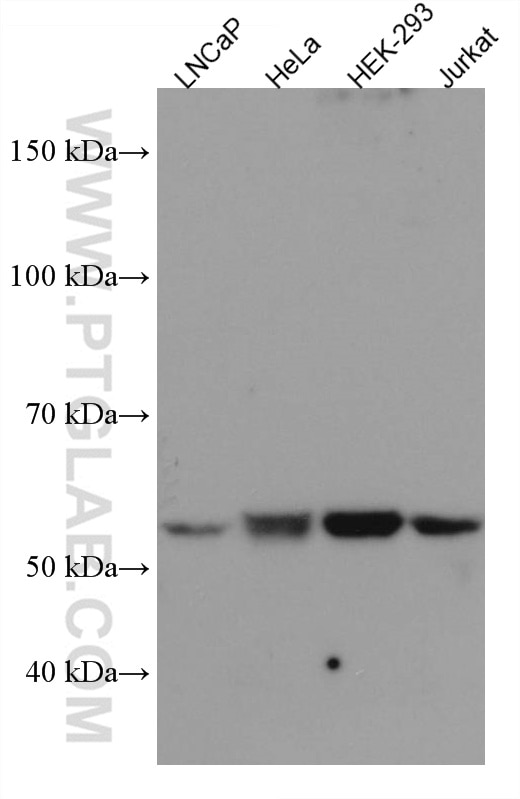
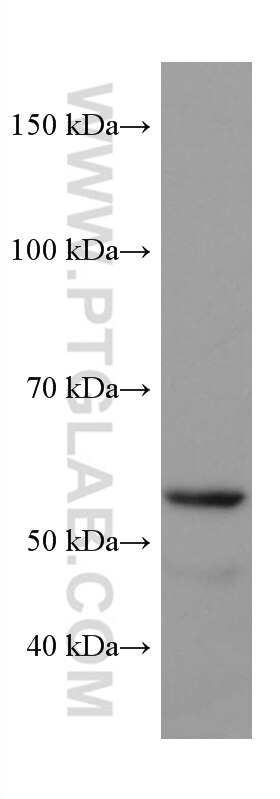
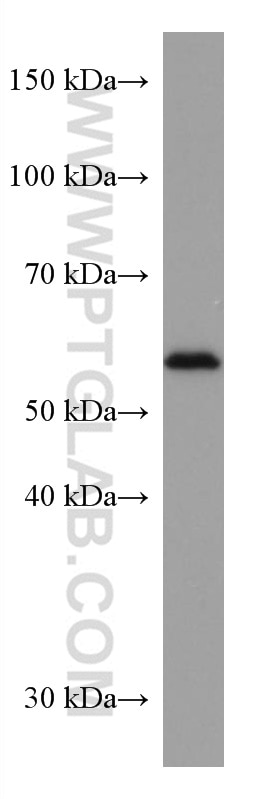
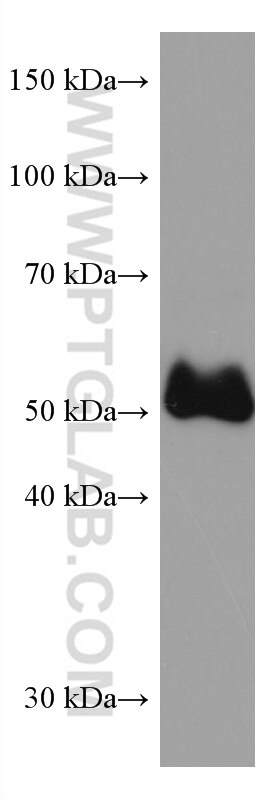
| Positive WB detected in | LNCaP cells, HEK-293 cells, human placenta tissue, NCCIT cells, HeLa cells, Jurkat cells |
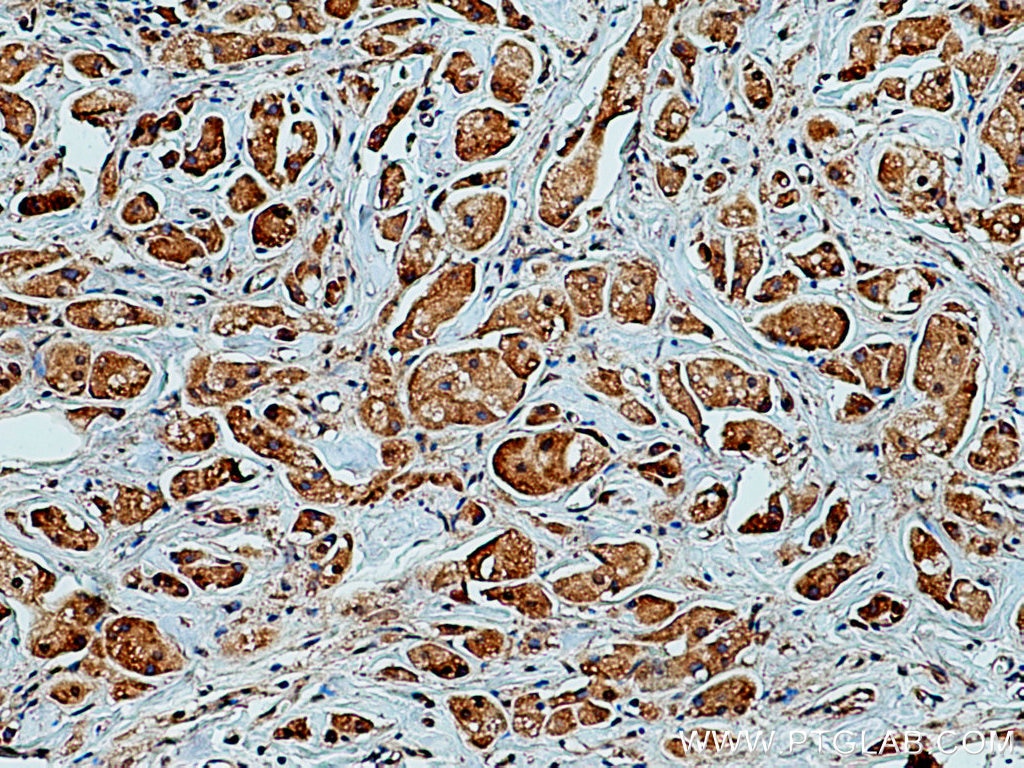
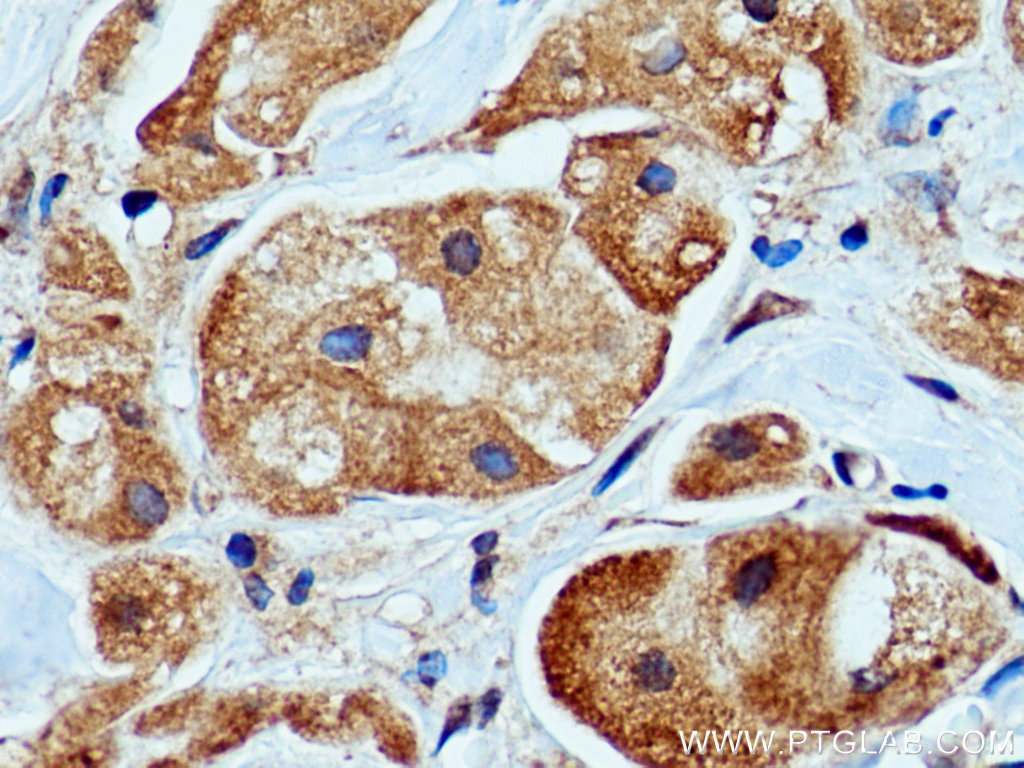
| Positive IHC detected in | human breast cancer tissue Note: suggested antigen retrieval with TE buffer pH 9.0; (*) Alternatively, antigen retrieval may be performed with citrate buffer pH 6.0 |
Recommended dilution
| Application | Dilution |
|---|---|
| Western Blot (WB) | WB : 1:1000-1:4000 |
| Immunohistochemistry (IHC) | IHC : 1:250-1:1000 |
| It is recommended that this reagent should be titrated in each testing system to obtain optimal results. | |
| Sample-dependent, Check data in validation data gallery. | |
Product Information
67202-1-Ig targets PEPD in WB, IHC, ELISA applications and shows reactivity with human samples.
| Tested Reactivity | human |
| Cited Reactivity | human |
| Host / Isotype | Mouse / IgG1 |
| Class | Monoclonal |
| Type | Antibody |
| Immunogen |
CatNo: Ag28713 Product name: Recombinant human PEPD protein Source: e coli.-derived, PET28a Tag: 6*His Domain: 192-439 aa of BC015027 Sequence: LEVLRYTNKISSEAHREVMKAVKVGMKEYELESLFEHYCYSRGGMRHSSYTCICGSGENSAVLHYGHAGAPNDRTIQNGDMCLFDMGGEYYCFASDITCSFPANGKFTADQKAVYEAVLRSSRAVMGAMKPGVWWPDMHRLADRIHLEELAHMGILSGSVDAMVQAHLGAVFMPHGLGHFLGIDVHDVGGYPEGVERIDEPGLRSLRTARHLQPGMVLTVEPGIYFIDHLLDEALADPARASFLNREV Predict reactive species |
| Full Name | peptidase D |
| Calculated Molecular Weight | 493 aa, 55 kDa |
| Observed Molecular Weight | 55 kDa |
| GenBank Accession Number | BC015027 |
| Gene Symbol | PEPD |
| Gene ID (NCBI) | 5184 |
| RRID | AB_2882495 |
| Conjugate | Unconjugated |
| Form | Liquid |
| Purification Method | Protein G purification |
| UNIPROT ID | P12955 |
| Storage Buffer | PBS with 0.02% sodium azide and 50% glycerol, pH 7.3. |
| Storage Conditions | Store at -20°C. Stable for one year after shipment. Aliquoting is unnecessary for -20oC storage. 20ul sizes contain 0.1% BSA. |
Background Information
PEPD, also named as PRD, Prolidase, X-Pro dipeptidase, Imidodipeptidase, Peptidase D and Proline dipeptidase, belongs to the peptidase M24B family and Eukaryotic-type prolidase subfamily. PEPD splits dipeptides with a prolyl or hydroxyprolyl residue in the C-terminal position. It plays an important role in collagen metabolism because the high level of iminoacids in collagen. Defects in PEPD are a cause of prolidase deficiency (PD). PEPD is considered as the most promising candidate genes for altering AAA risk, based on gene function, association evidence, gene expression, and protein expression.(PMID:21247474)
Protocols
| Product Specific Protocols | |
|---|---|
| IHC protocol for PEPD antibody 67202-1-Ig | Download protocol |
| WB protocol for PEPD antibody 67202-1-Ig | Download protocol |
| Standard Protocols | |
|---|---|
| Click here to view our Standard Protocols |
Publications
What published studies show
The PEPD Monoclonal antibody (1H2A1), catalog number 67202-1-Ig, has a total of 1 citation. This citation appears in Frontiers in Bioengineering and Biotechnology (Impact Factor 5.8), published in December 2021. The study focused on small-molecule induction promoting corneal endothelial cell differentiation from human induced pluripotent stem cells (iPS cells), utilizing the antibody for Western blot analysis in human samples. The research field encompasses stem cell biology, bioengineering, and ocular tissue regeneration.
| Species | Application | Title |
|---|---|---|
Front Bioeng Biotechnol Small-Molecule Induction Promotes Corneal Endothelial Cell Differentiation From Human iPS Cells. |







