

Tested Applications
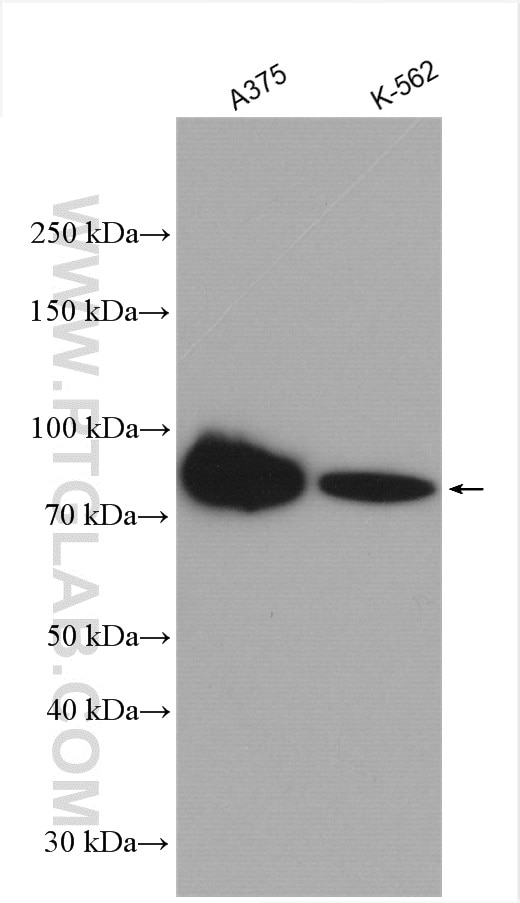
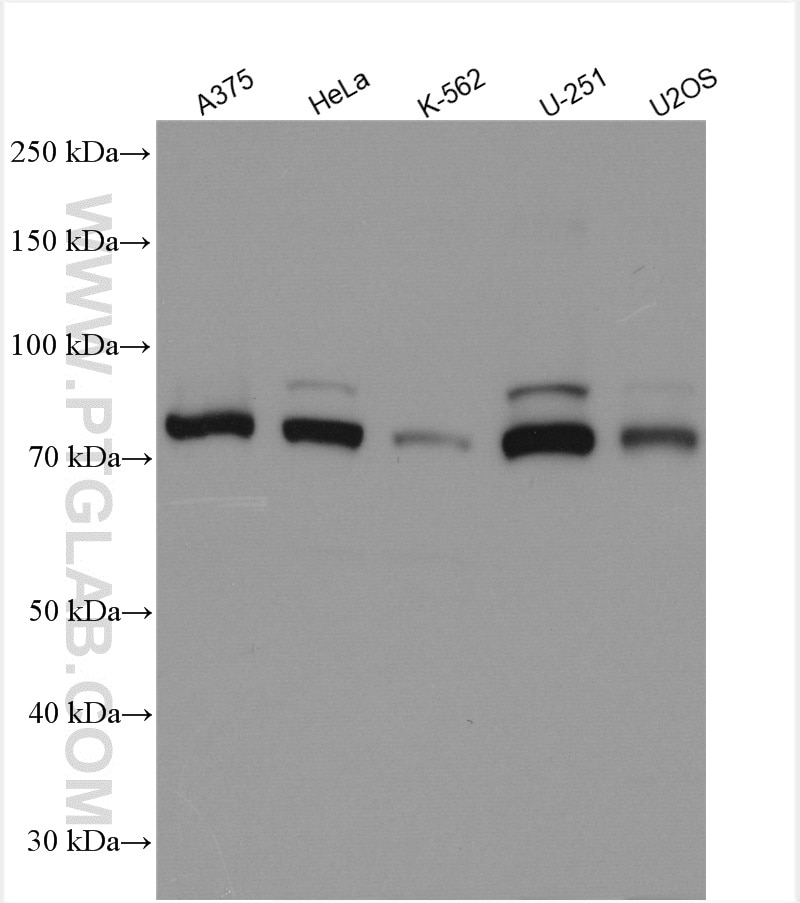
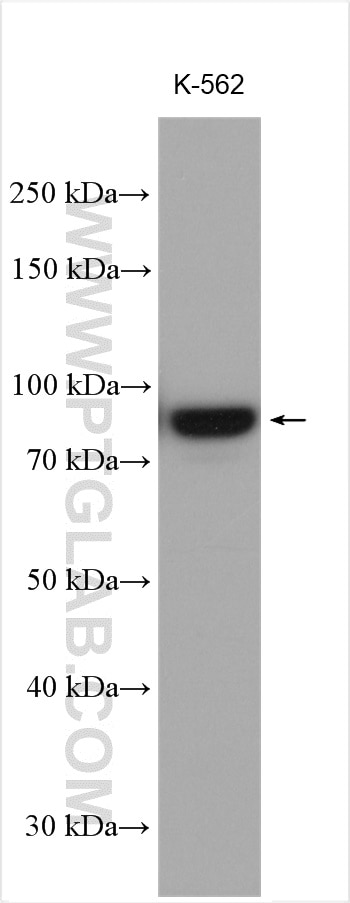
| Positive WB detected in | A375 cells, K-562 cells, HeLa cells, U-251 cells, U2OS cells |
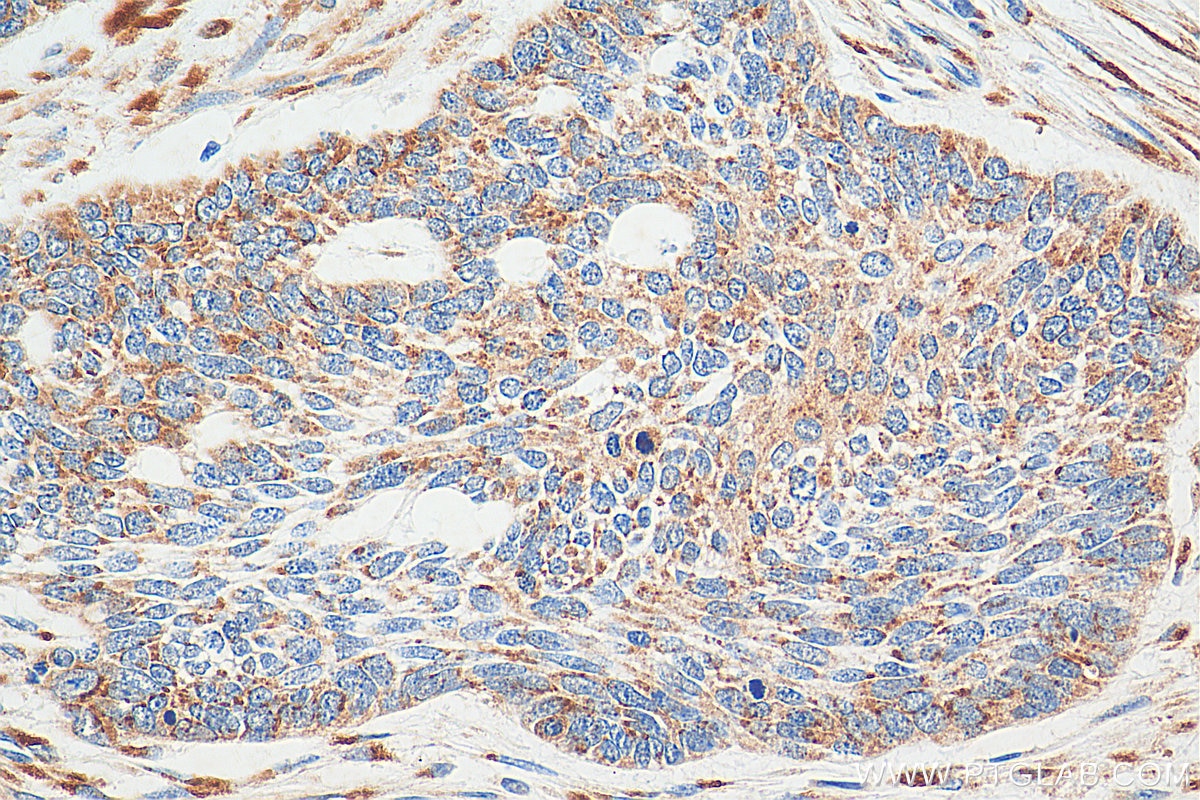
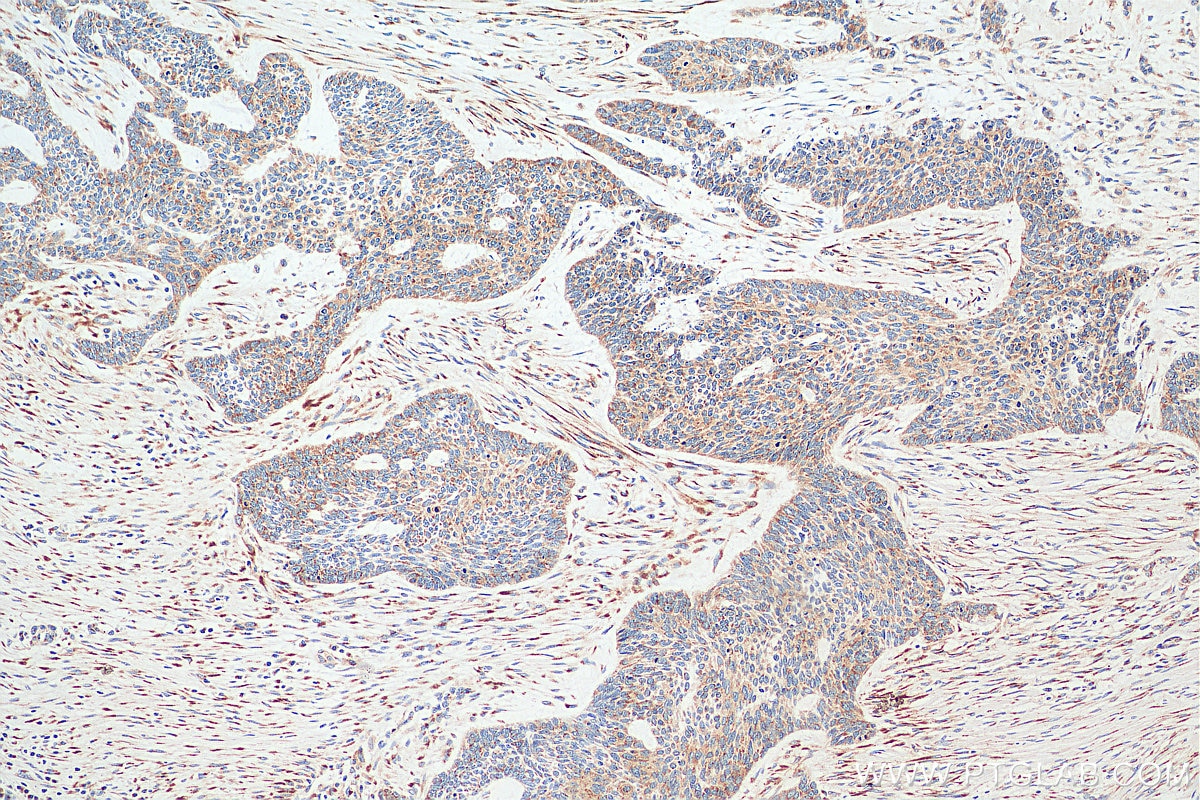
| Positive IHC detected in | human skin cancer tissue Note: suggested antigen retrieval with TE buffer pH 9.0; (*) Alternatively, antigen retrieval may be performed with citrate buffer pH 6.0 |
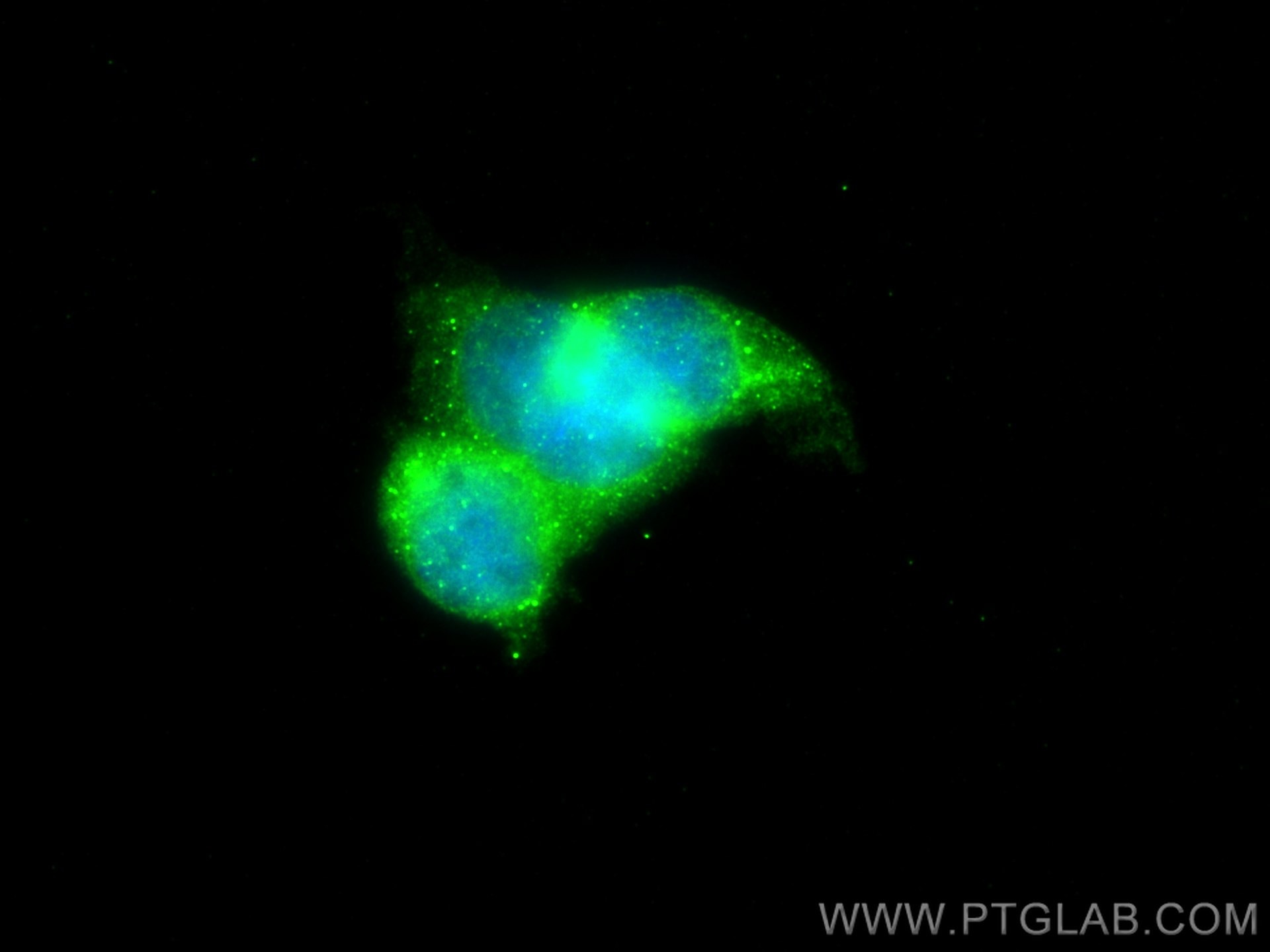
| Positive IF/ICC detected in | K-562 cells |
Recommended dilution
| Application | Dilution |
|---|---|
| Western Blot (WB) | WB : 1:1000-1:6000 |
| Immunohistochemistry (IHC) | IHC : 1:50-1:500 |
| Immunofluorescence (IF)/ICC | IF/ICC : 1:50-1:500 |
| It is recommended that this reagent should be titrated in each testing system to obtain optimal results. | |
| Sample-dependent, Check data in validation data gallery. | |
Product Information
29480-1-AP targets PLOD1 in WB, IHC, IF/ICC, CoIP, ELISA applications and shows reactivity with Human samples.
| Tested Reactivity | Human |
| Cited Reactivity | human |
| Host / Isotype | Rabbit / IgG |
| Class | Polyclonal |
| Type | Antibody |
| Immunogen |
CatNo: Ag31626 Product name: Recombinant human PLOD1 protein Source: e coli.-derived, PGEX-4T Tag: GST Domain: 450-564 aa of BC016657 Sequence: YISNIYLIKGSALRGELQSSDLFHHSKLDPDMAFCANIRQQDVFMFLTNRHTLGHLLSLDSYRTTHLHNDLWEVFSNPEDWKEKYIHQNYTKALAGKLVETPCPDVYWFPIFTEV Predict reactive species |
| Full Name | procollagen-lysine 1, 2-oxoglutarate 5-dioxygenase 1 |
| Calculated Molecular Weight | 727 aa, 84 kDa |
| Observed Molecular Weight | 84-88 kDa |
| GenBank Accession Number | BC016657 |
| Gene Symbol | PLOD1 |
| Gene ID (NCBI) | 5351 |
| RRID | AB_2918315 |
| Conjugate | Unconjugated |
| Form | Liquid |
| Purification Method | Antigen affinity purification |
| UNIPROT ID | Q02809 |
| Storage Buffer | PBS with 0.02% sodium azide and 50% glycerol, pH 7.3. |
| Storage Conditions | Store at -20°C. Stable for one year after shipment. Aliquoting is unnecessary for -20oC storage. 20ul sizes contain 0.1% BSA. |
Background Information
PLOD1, as known as procollagen‐lysine, 2‐oxoglutarate 5‐dioxygenase 1, is a member of the PLOD family(Uniprot, GeneID:5351). PLOD1 participates in catalyzing hydroxylysine residue, which is critical for the formation of covalent cross-link (PMID:30003082). PLOD1 plays an important role in the development and progression of tumors. Aberrantly expressed PLOD1 promotes cancer aggressiveness in glioma and bladder cancer, providing a potential prognostic biomarker and therapeutic target (PMID:31199049, PMID:34040895). PLOD1 has 2 isoforms produced by alternative splicing.
Protocols
| Product Specific Protocols | |
|---|---|
| IF protocol for PLOD1 antibody 29480-1-AP | Download protocol |
| IHC protocol for PLOD1 antibody 29480-1-AP | Download protocol |
| WB protocol for PLOD1 antibody 29480-1-AP | Download protocol |
| Standard Protocols | |
|---|---|
| Click here to view our Standard Protocols |
Publications
What published studies show
The anti-PLOD1 antibody (Cat# 29480-1-AP) has 8 total citations. These appear in journals including Acta Pharm Sin B, Phytomedicine, Oncogene, Frontiers in Immunology, Frontiers in Oncology, PeerJ, Discover Oncology, and Aging. The research fields span multiple cancer types—head and neck squamous cell carcinoma, gastric cancer, colorectal cancer, renal cell carcinoma, and breast cancer—covering topics such as metabolic-epigenetic reprogramming, immune microenvironment, extracellular matrix remodeling, endoplasmic reticulum stress, and prognostic biomarker analysis.
| Species | Application | Title |
|---|---|---|
Acta Pharm Sin B Metabolic-epigenetic reprogramming via the PLOD1-PFKP axis drives cisplatin resistance in HNSCC.
| ||
Phytomedicine Gluconic acid alleviates hypertrophic scar formation through binding PLOD1, reducing p-AKT signaling and activating autophagy | ||
Oncogene MUC1-C auto-regulatory complex with EBNA1 is responsible for latent Epstein-Barr virus-associated gastric cancer progression | ||
Front Immunol Mass spectrometry-based multi-omics analysis elucidates immune microenvironmental characteristics and the risk of distant metastasis in N1c colorectal cancer.
| ||
Front Oncol Prognostic biomarker and clinical significance of PLOD gene family in clear cell renal cell carcinoma. | ||
PeerJ Multi-omics evidence reveals a causal role of endoplasmic reticulum stress in cancer development. |







