

Tested Applications
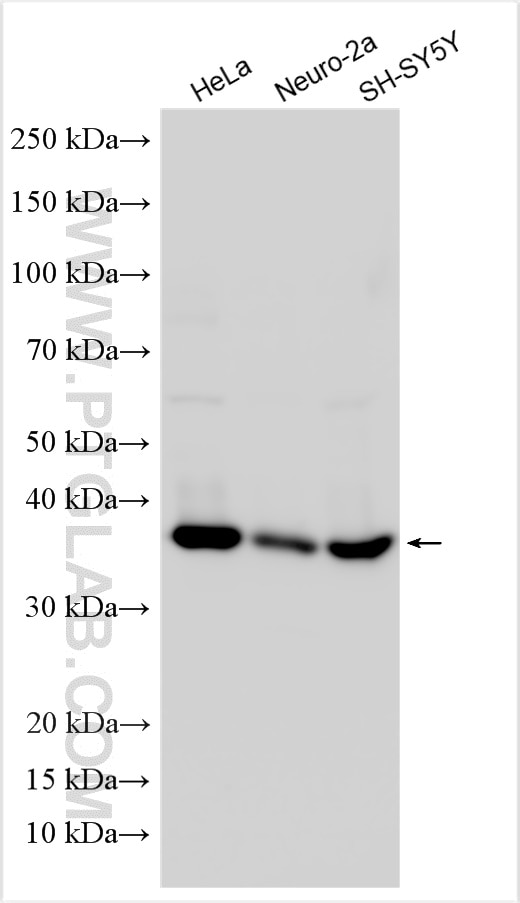
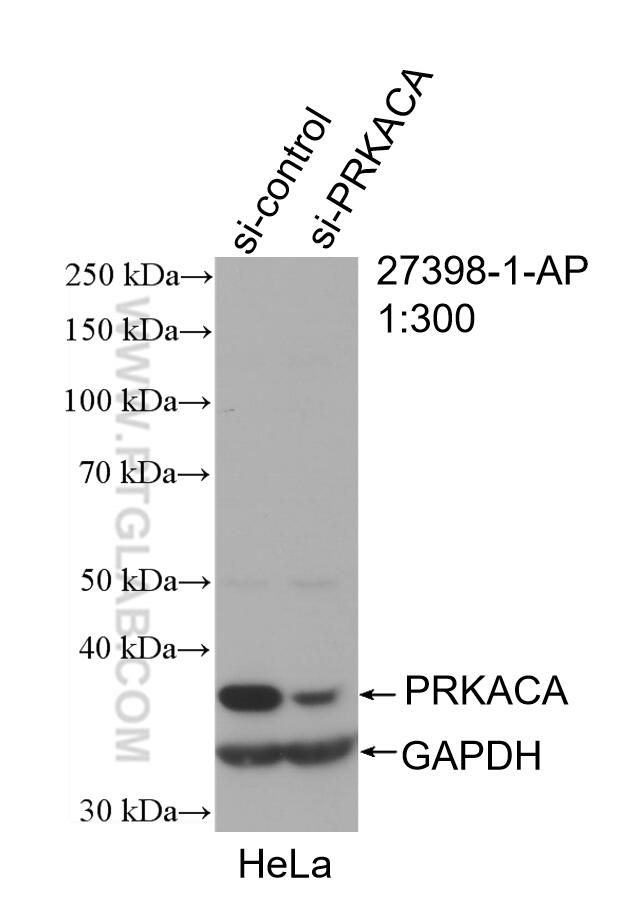
| Positive WB detected in | HeLa cells, Neuro-2a cells, SH-SY5Y cells |
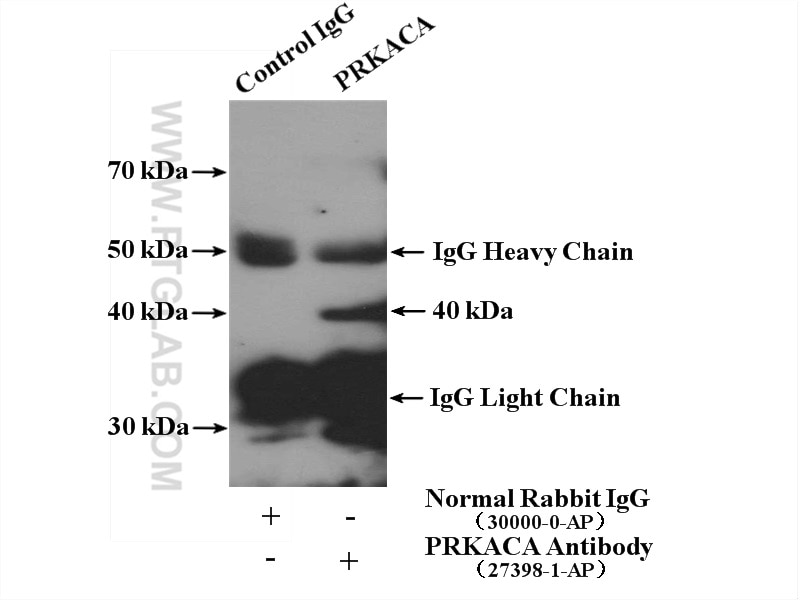
| Positive IP detected in | HeLa cells |
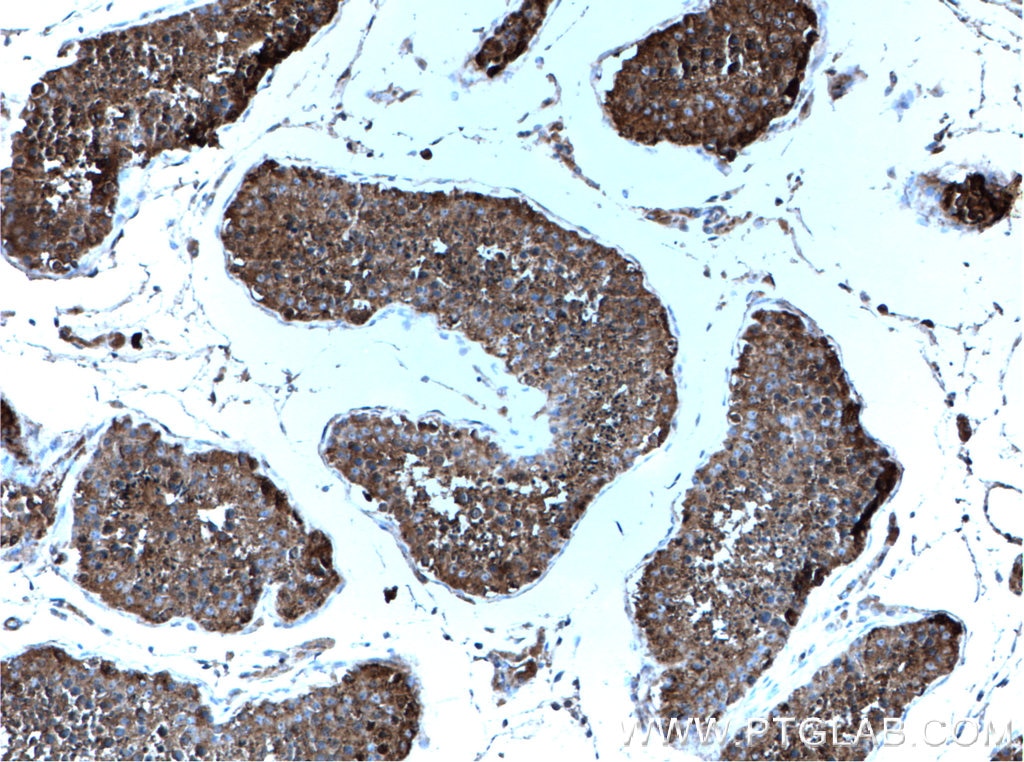
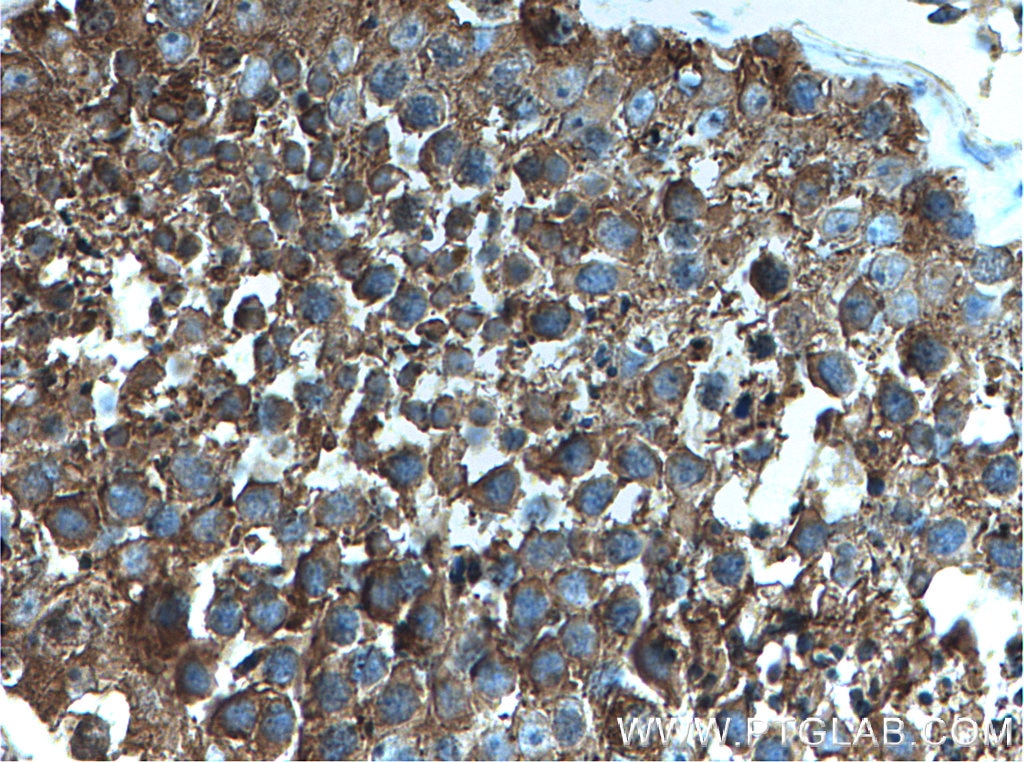
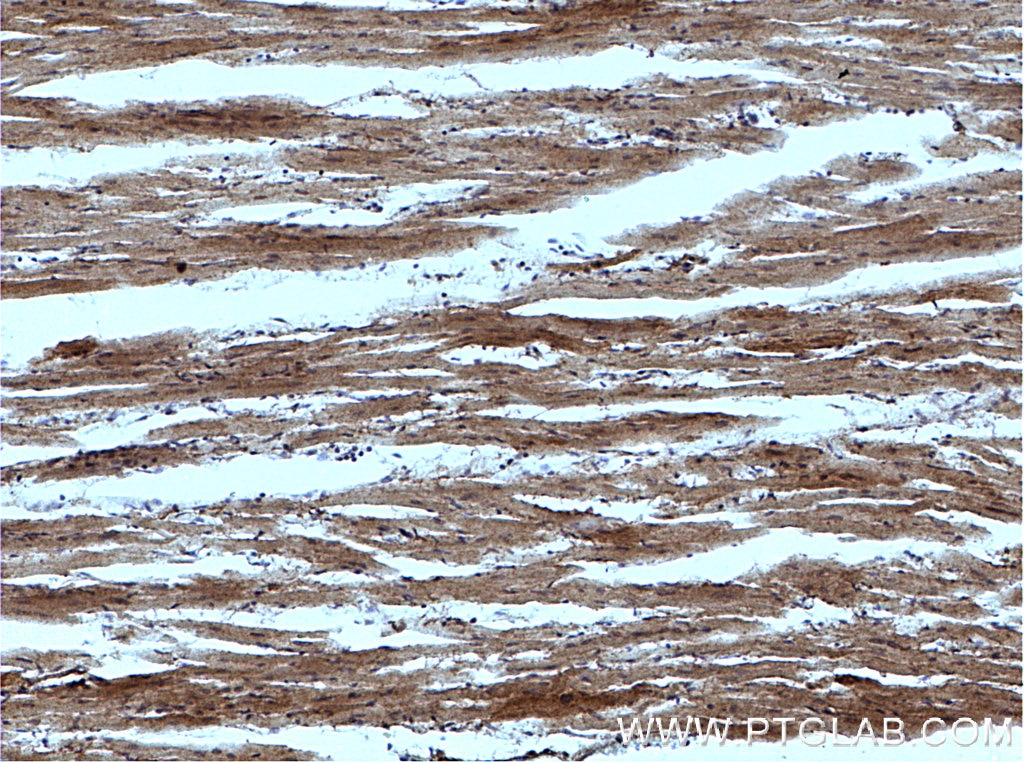
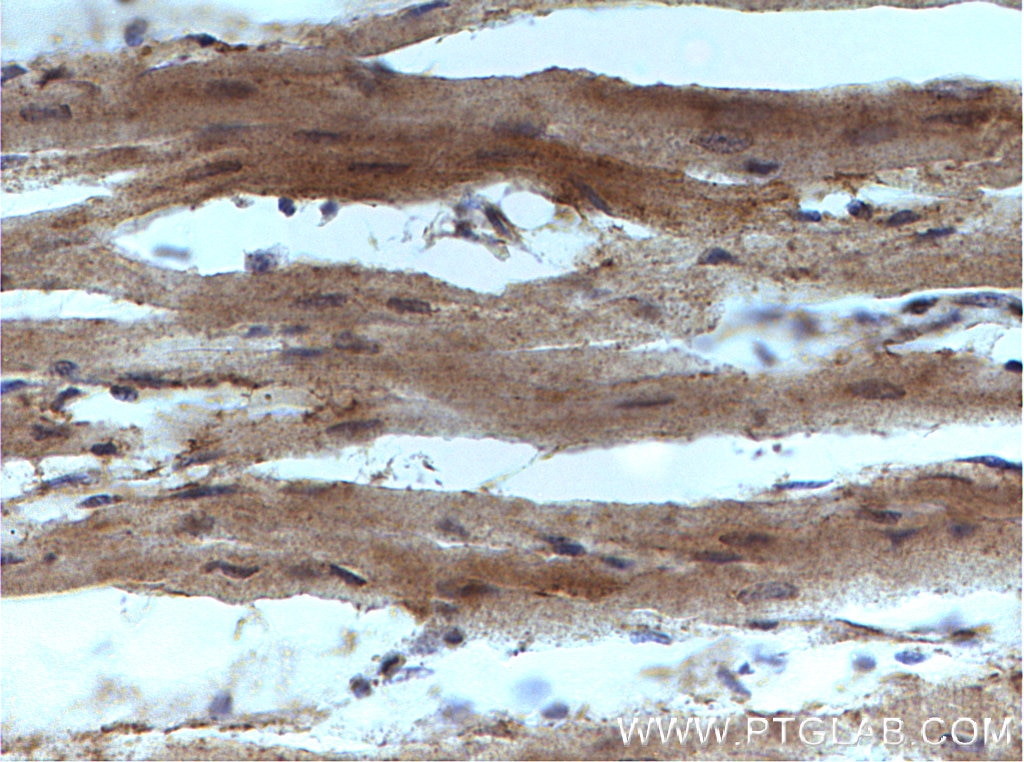
| Positive IHC detected in | human testis tissue, human heart tissue Note: suggested antigen retrieval with TE buffer pH 9.0; (*) Alternatively, antigen retrieval may be performed with citrate buffer pH 6.0 |
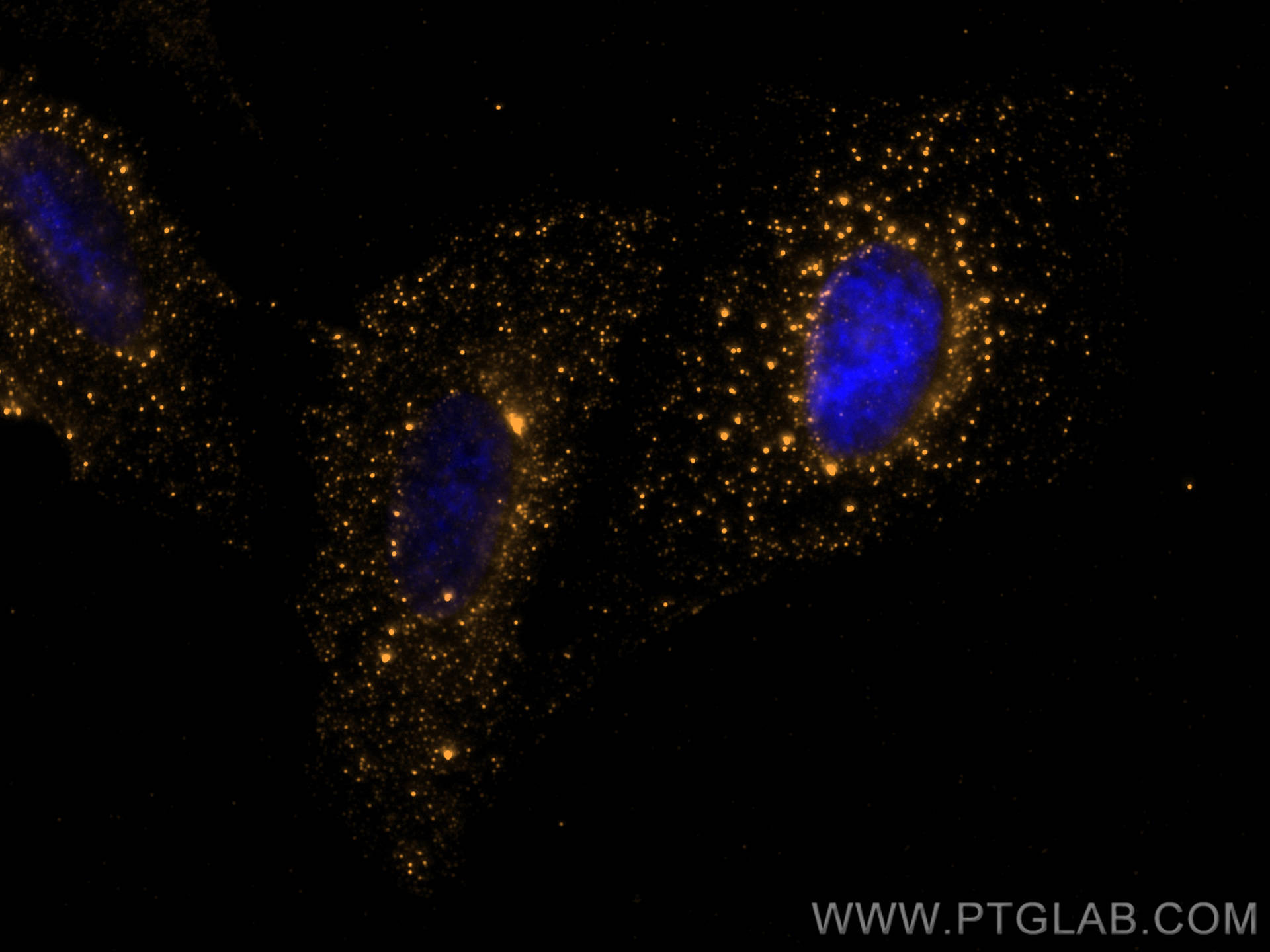
| Positive IF/ICC detected in | U2OS cells |
Recommended dilution
| Application | Dilution |
|---|---|
| Western Blot (WB) | WB : 1:1000-1:6000 |
| Immunoprecipitation (IP) | IP : 0.5-4.0 ug for 1.0-3.0 mg of total protein lysate |
| Immunohistochemistry (IHC) | IHC : 1:50-1:500 |
| Immunofluorescence (IF)/ICC | IF/ICC : 1:50-1:500 |
| It is recommended that this reagent should be titrated in each testing system to obtain optimal results. | |
| Sample-dependent, Check data in validation data gallery. | |
Product Information
27398-1-AP targets PRKACA in WB, IHC, IF/ICC, IP, ELISA applications and shows reactivity with human, mouse samples.
| Tested Reactivity | human, mouse |
| Cited Reactivity | human, mouse, rat, chicken |
| Host / Isotype | Rabbit / IgG |
| Class | Polyclonal |
| Type | Antibody |
| Immunogen |
CatNo: Ag26392 Product name: Recombinant human PRKACA protein Source: e coli.-derived, PGEX-4T Tag: GST Domain: 162-351 aa of BC039846 Sequence: DLIYRDLKPENLLIDQQGYIQVTDFGFAKRVKGRTWTLCGTPEYLAPEIILSKGYNKAVDWWALGVLIYEMAAGYPPFFADQPIQIYEKIVSGKVRFPSHFSSDLKDLLRNLLQVDLTKRFGNLKNGVNDIKNHKWFATTDWIAIYQRKVEAPFIPKFKGPGDTSNFDDYEEEEIRVSINEKCGKEFSEF Predict reactive species |
| Full Name | protein kinase, cAMP-dependent, catalytic, alpha |
| Calculated Molecular Weight | 41 kDa |
| Observed Molecular Weight | 38-43 kDa |
| GenBank Accession Number | BC039846 |
| Gene Symbol | PRKACA |
| Gene ID (NCBI) | 5566 |
| RRID | AB_2880861 |
| Conjugate | Unconjugated |
| Form | Liquid |
| Purification Method | Antigen affinity purification |
| UNIPROT ID | P17612 |
| Storage Buffer | PBS with 0.02% sodium azide and 50% glycerol, pH 7.3. |
| Storage Conditions | Store at -20°C. Stable for one year after shipment. Aliquoting is unnecessary for -20oC storage. 20ul sizes contain 0.1% BSA. |
Background Information
PRKACA (protein kinase cAMP-activated catalytic subunit alpha) is a gene that encodes the catalytic subunit alpha of protein kinase A (PKA), a critical enzyme in the cyclic adenosine monophosphate (cAMP) signaling pathway. Functioning as the primary effector of cAMP, this kinase regulates a vast array of cellular processes, including metabolism, gene expression, cell cycle progression, and synaptic plasticity. Under basal conditions, the catalytic subunit is held inactive by regulatory subunits; upon cAMP binding, it is released and phosphorylates a diverse range of substrate proteins on serine and threonine residues. Beyond its physiological roles, aberrant PRKACA activity, particularly gene fusions and copy number gains, is a well-established driver of specific human diseases, most notably fibrolamellar hepatocellular carcinoma (FLC), where a characteristic DNAJB1-PRKACA fusion acts as the oncogenic driver.
Protocols
| Product Specific Protocols | |
|---|---|
| IF protocol for PRKACA antibody 27398-1-AP | Download protocol |
| IHC protocol for PRKACA antibody 27398-1-AP | Download protocol |
| IP protocol for PRKACA antibody 27398-1-AP | Download protocol |
| WB protocol for PRKACA antibody 27398-1-AP | Download protocol |
| Standard Protocols | |
|---|---|
| Click here to view our Standard Protocols |
Publications
What published studies show
The PRKACA Polyclonal antibody (Cat# 27398-1-AP) has 33 citations across journals including Cell, Molecular Cell, EMBO Journal, Cell Reports, Phytomedicine, Journal of Ethnopharmacology, Acta Biomaterialia, and Biochemical Pharmacology. Research fields span oncology (breast, lung, liver, esophageal cancer), neurology (depression, Alzheimer's, migraine), ferroptosis, cardiovascular disease, endocrinology, immunology, and traditional Chinese medicine pharmacology. Applications are predominantly Western blot and immunohistochemistry.
| Species | Application | Title |
|---|---|---|
Cell Sensory neurons drive immune exclusion by stimulating a dense extracellular matrix in the breast cancer tumor microenvironment. | ||
Mol Cell Histone phosphorylation integrates the hepatic glucagon-PKA-CREB gluconeogenesis program in response to fasting | ||
Cell Commun Signal GZMA suppressed GPX4-mediated ferroptosis to improve intestinal mucosal barrier function in inflammatory bowel disease | ||
Phytomedicine Astragaloside IV alleviates post-traumatic cytotoxic edema via inhibition of AQP4 expression and subcellular localization. | ||
Phytomedicine Novel BLT1 inhibitor baeckein E ameliorates LPS-induced acute lung injury through ferroptosis inhibition. | ||
Phytomedicine Molecular mechanism of Chang Shen Hua volatile oil modulating brain cAMP-PKA-CREB pathway to improve depression-like behavior in rats |









