
Tested Applications
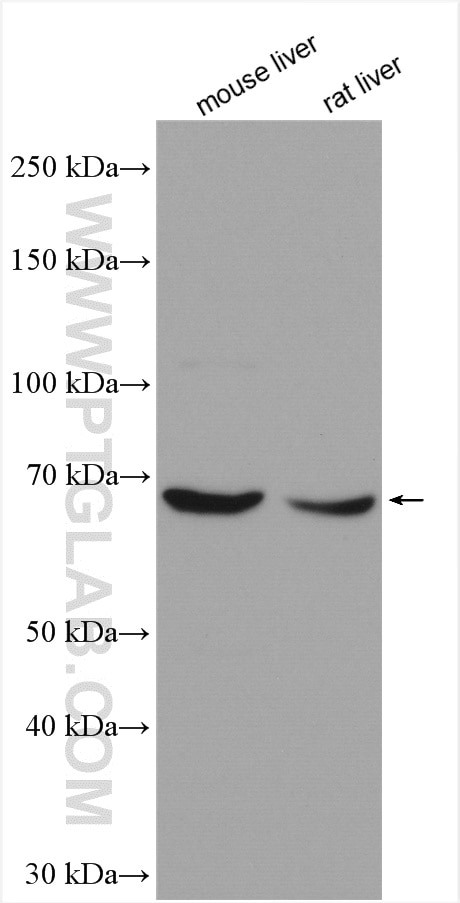
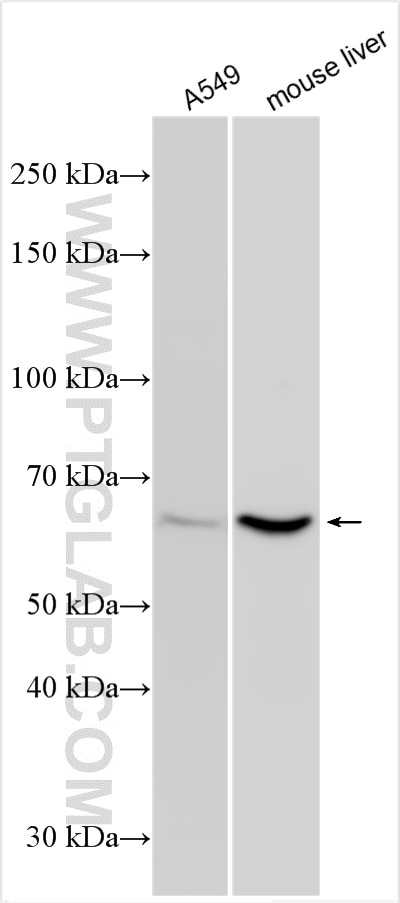
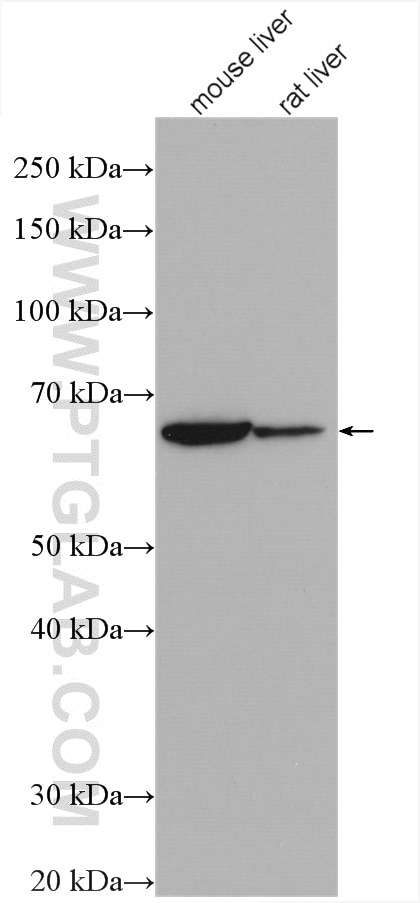
| Positive WB detected in | mouse liver tissue, A549 cells, rat liver tissue |
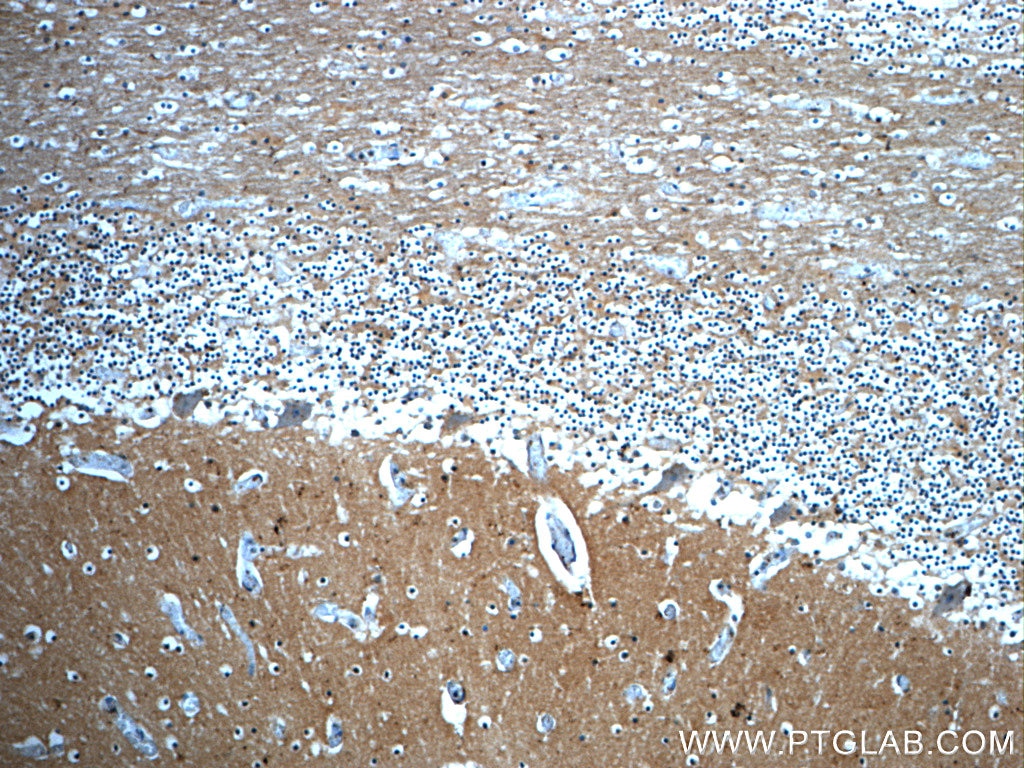
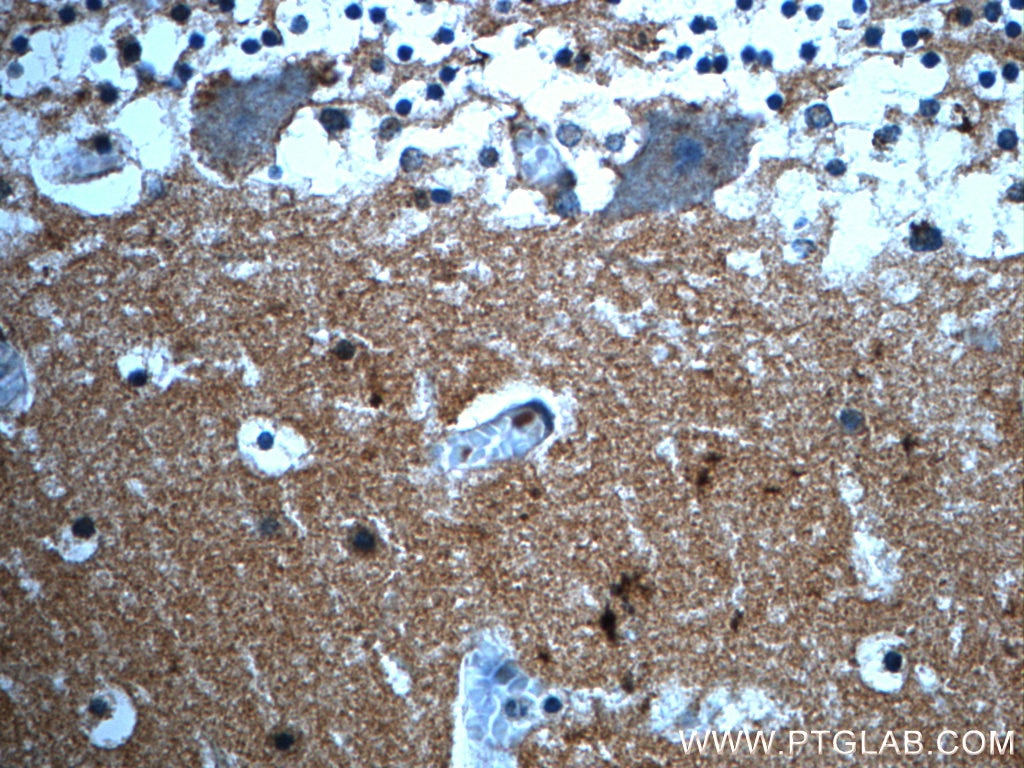
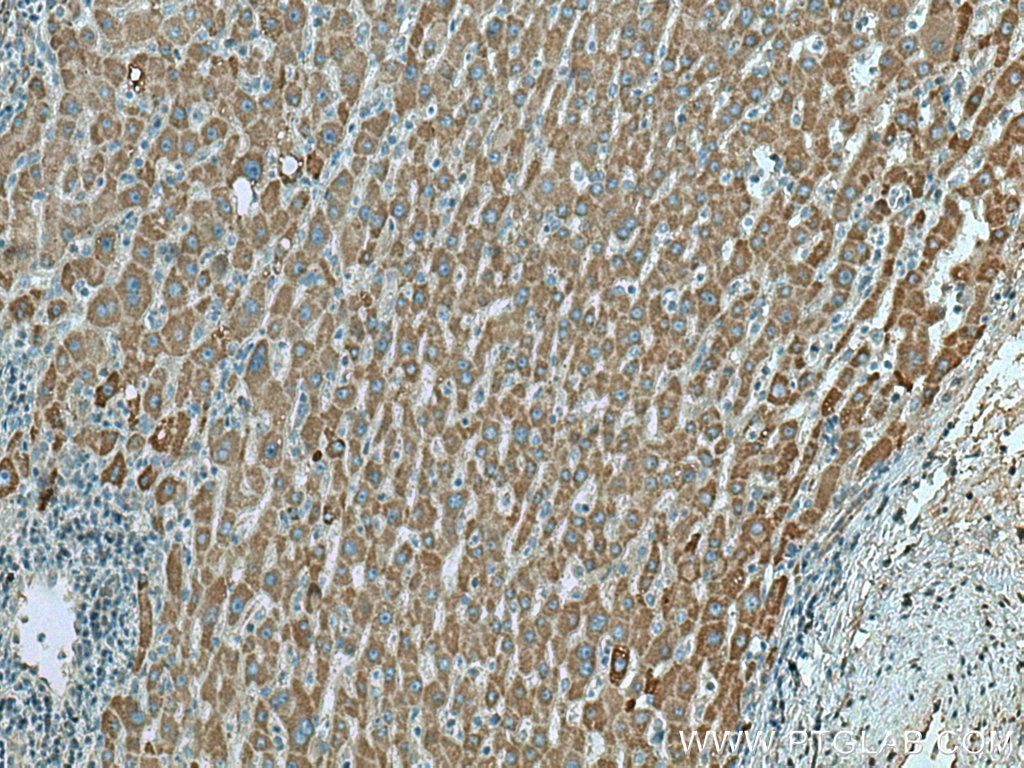
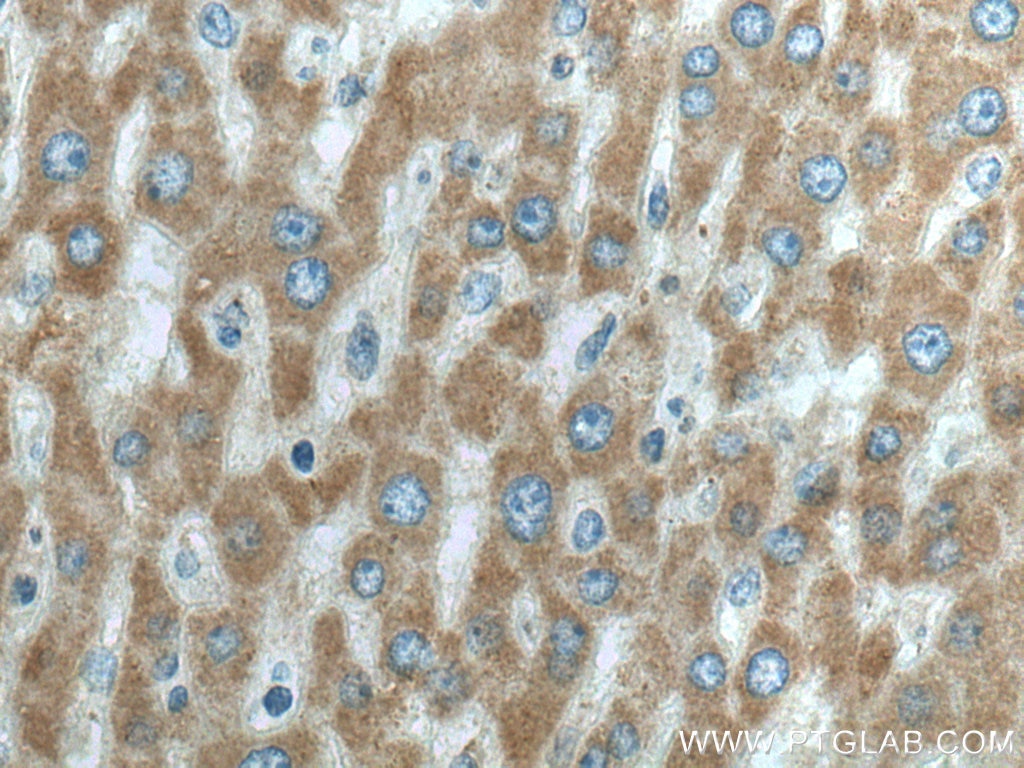
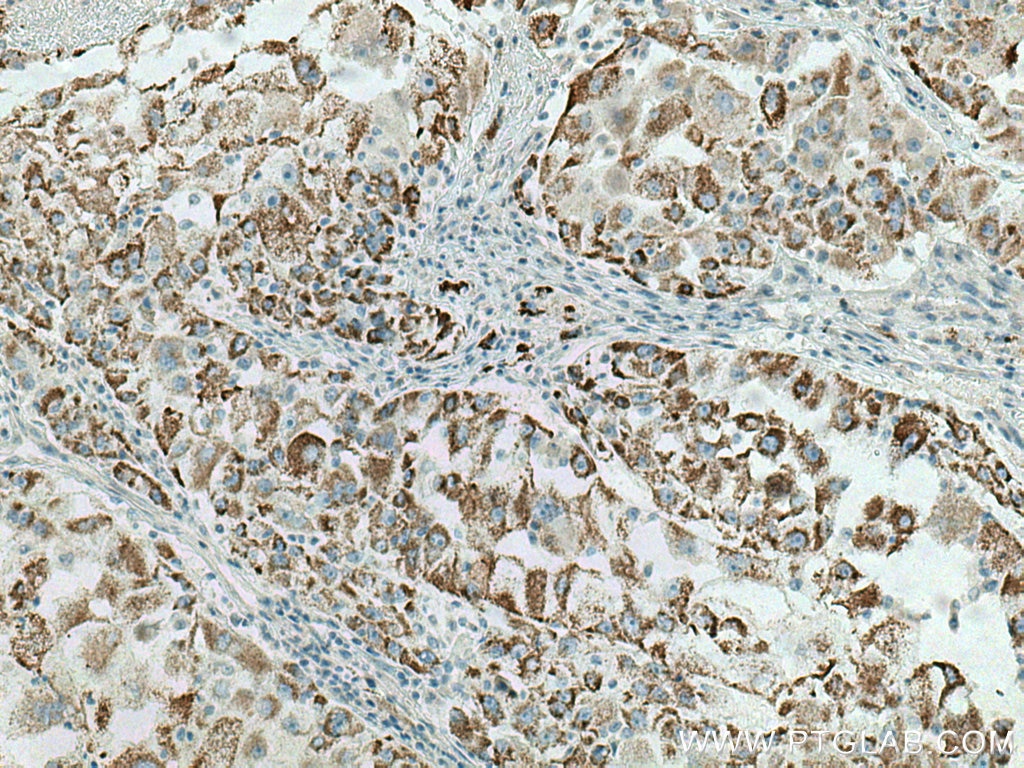
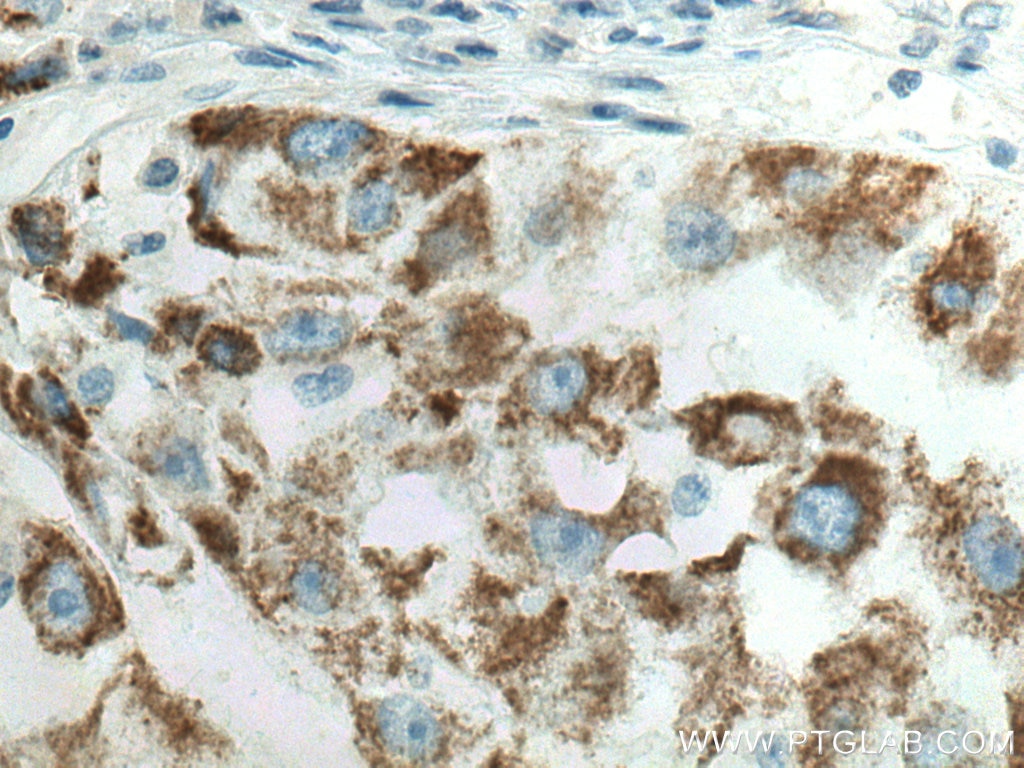
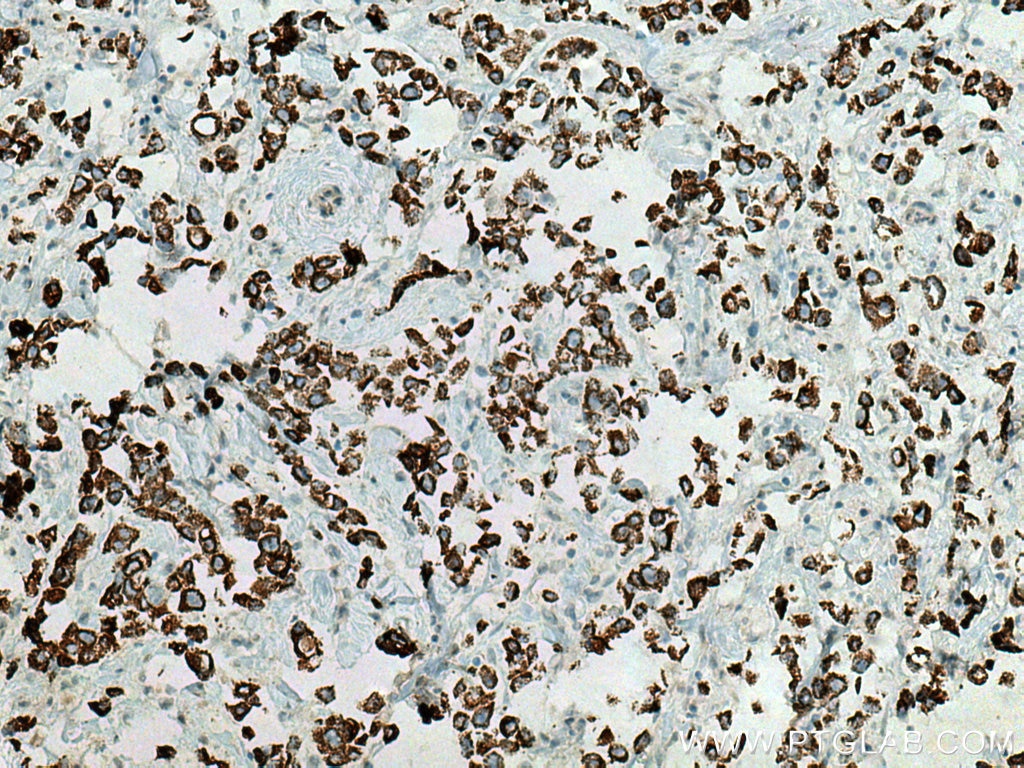
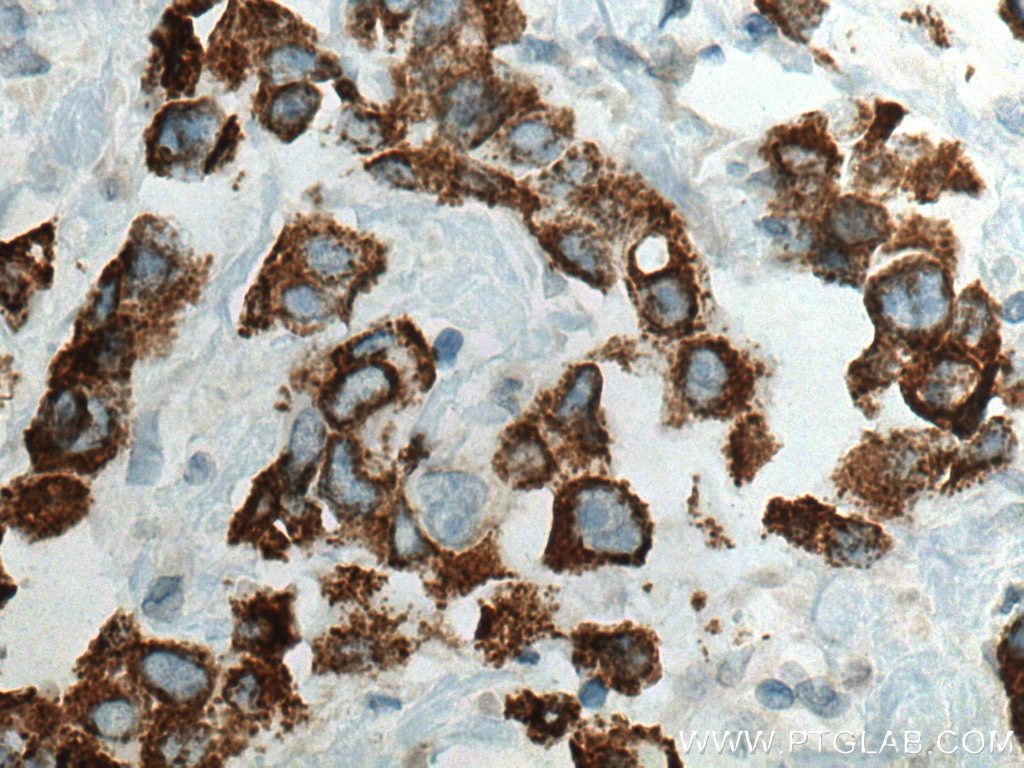
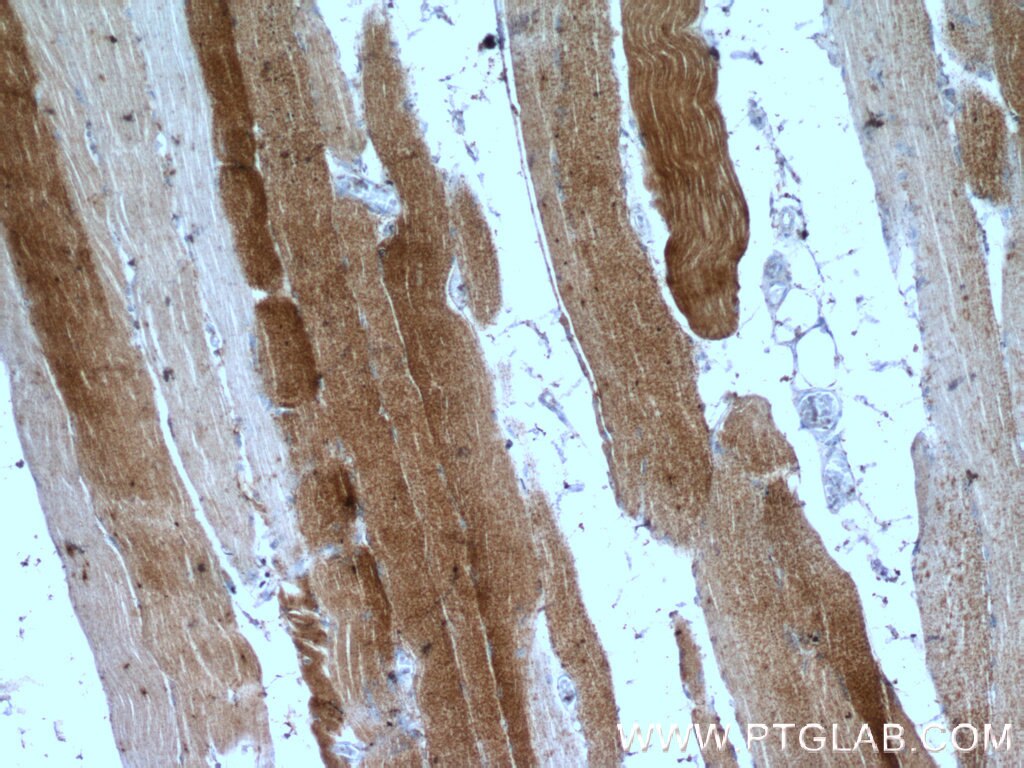
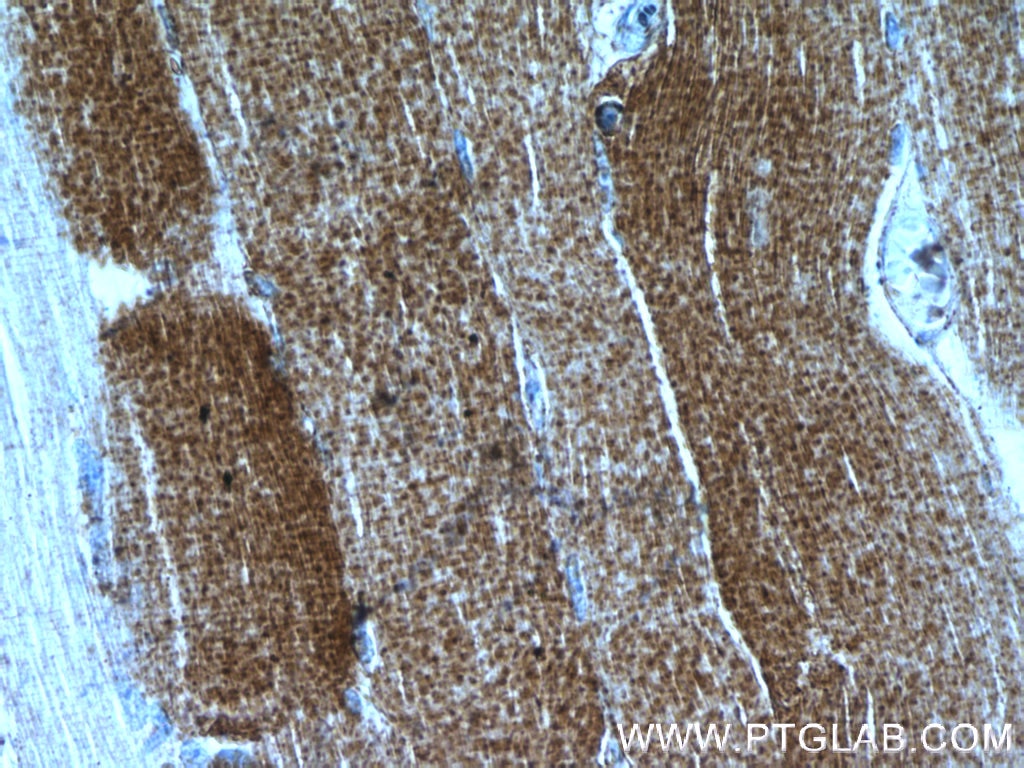
| Positive IHC detected in | human cerebellum tissue, human liver cancer tissue, human breast cancer tissue, human skeletal muscle tissue Note: suggested antigen retrieval with TE buffer pH 9.0; (*) Alternatively, antigen retrieval may be performed with citrate buffer pH 6.0 |
Recommended dilution
| Application | Dilution |
|---|---|
| Western Blot (WB) | WB : 1:2000-1:10000 |
| Immunohistochemistry (IHC) | IHC : 1:20-1:200 |
| It is recommended that this reagent should be titrated in each testing system to obtain optimal results. | |
| Sample-dependent, Check data in validation data gallery. | |
Product Information
22980-1-AP targets PRODH in WB, IHC, IF, ELISA applications and shows reactivity with human, mouse, rat samples.
| Tested Reactivity | human, mouse, rat |
| Cited Reactivity | human, mouse, rat |
| Host / Isotype | Rabbit / IgG |
| Class | Polyclonal |
| Type | Antibody |
| Immunogen |
CatNo: Ag18429 Product name: Recombinant human PRODH protein Source: e coli.-derived, PET28a Tag: 6*His Domain: 143-492 aa of BC118597 Sequence: LAKWRCFFHQMAVEQGQAGLAAMDTKLEVAVLQESVAKLGIASRAEIEDWFTAETLGVSGTMDLLDWSSLIDSRTKLSKHLVVPNAQTGQLEPLLSRFTEEEELQMTRMLQRMDVLAKKATEMGVRLMVDAEQTYFQPAISRLTLEMQRKFNVEKPLIFNTYQCYLKDAYDNVTLDVELARREGWCFGAKLVRGAYLAQERARAAEIGYEDPINPTYEATNAMYHRCLDYVLEELKHNAKAKVMVASHNEDTVRFALRRMEELGLHPADHRVYFGQLLGMCDQISFPLGQAGYPVYKYVPYGPVMEVLPYLSRRALENSSLMKGTHRERQLLWLELLRRLRTGNLFHRPA Predict reactive species |
| Full Name | proline dehydrogenase (oxidase) 1 |
| Calculated Molecular Weight | 600 aa, 68 kDa |
| Observed Molecular Weight | 56 kDa, 66 kDa |
| GenBank Accession Number | BC118597 |
| Gene Symbol | PRODH |
| Gene ID (NCBI) | 5625 |
| RRID | AB_2879191 |
| Conjugate | Unconjugated |
| Form | Liquid |
| Purification Method | Antigen affinity purification |
| UNIPROT ID | O43272 |
| Storage Buffer | PBS with 0.02% sodium azide and 50% glycerol, pH 7.3. |
| Storage Conditions | Store at -20°C. Stable for one year after shipment. Aliquoting is unnecessary for -20oC storage. 20ul sizes contain 0.1% BSA. |
Background Information
PRODH(Proline dehydrogenase 1, mitochondrial) is also named as PIG6, HSPOX2, PRODH1, PRODH2, POX, SCZD4, TP53I6 and belongs to the proline oxidase family. It is an oxidoreductase involved in the transfer of redox potential across the mitochondrial membrane and catalyzes the rate-limiting oxidation of proline to pyrroline- 5-carboxylate (P5C). High PRODH activity is sufficient to induce mitochondria-mediated apoptosis in the presence of proline. Defects in PRODH are the cause of hyperprolinemia type 1 (HP-1) and defects in PRODH are associated with susceptibility to schizophrenia type 4 (SCZD4). This protein has 3 isoforms produced by alternative splicing with the molecular mass of 68 kDa, 59 kDa and 56 kDa.
Protocols
| Product Specific Protocols | |
|---|---|
| IHC protocol for PRODH antibody 22980-1-AP | Download protocol |
| WB protocol for PRODH antibody 22980-1-AP | Download protocol |
| Standard Protocols | |
|---|---|
| Click here to view our Standard Protocols |
Publications
What published studies show
| Species | Application | Title |
|---|---|---|
Redox Biol Impaired xCT-mediated cystine uptake drives serine and proline metabolic reprogramming and mitochondrial fission in skeletal muscle cells. | ||
Nucleic Acids Res Discordant regulation of eIF2 kinase GCN2 and mTORC1 during nutrient stress. | ||
Adv Sci (Weinh) Connexin43 Deficiency Leads to Ventricular Arrhythmias by Reprogramming Proline Metabolism. | ||
Cell Death Discov Mechanical stiffness promotes skin fibrosis through Piezo1-mediated arginine and proline metabolism |














