
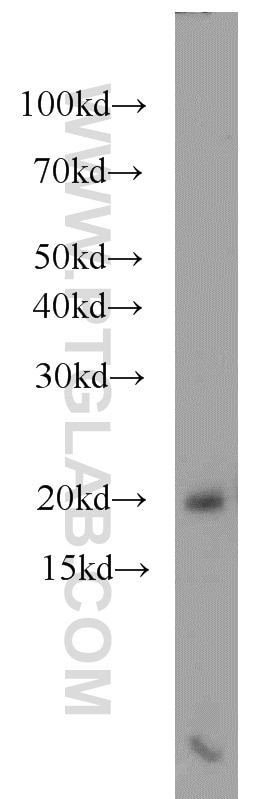
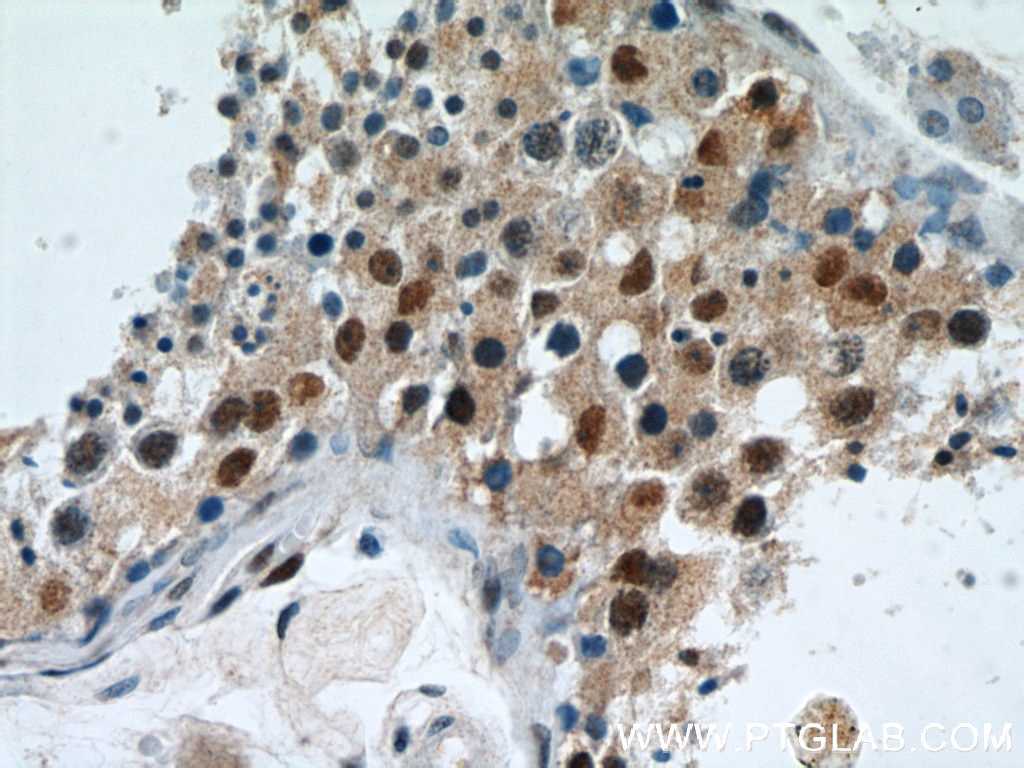
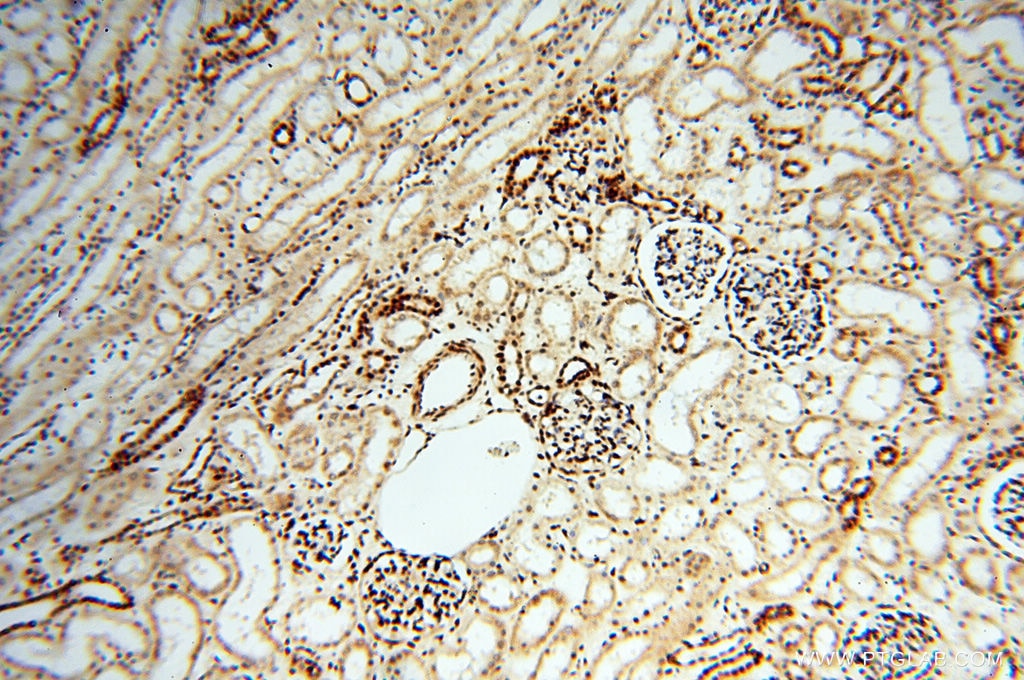
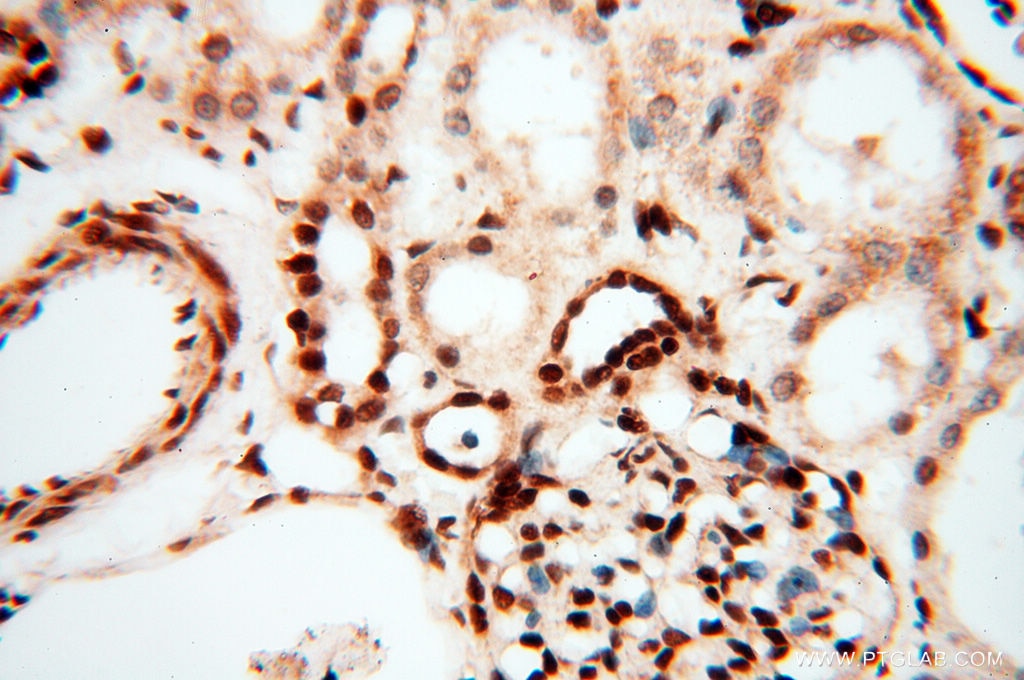
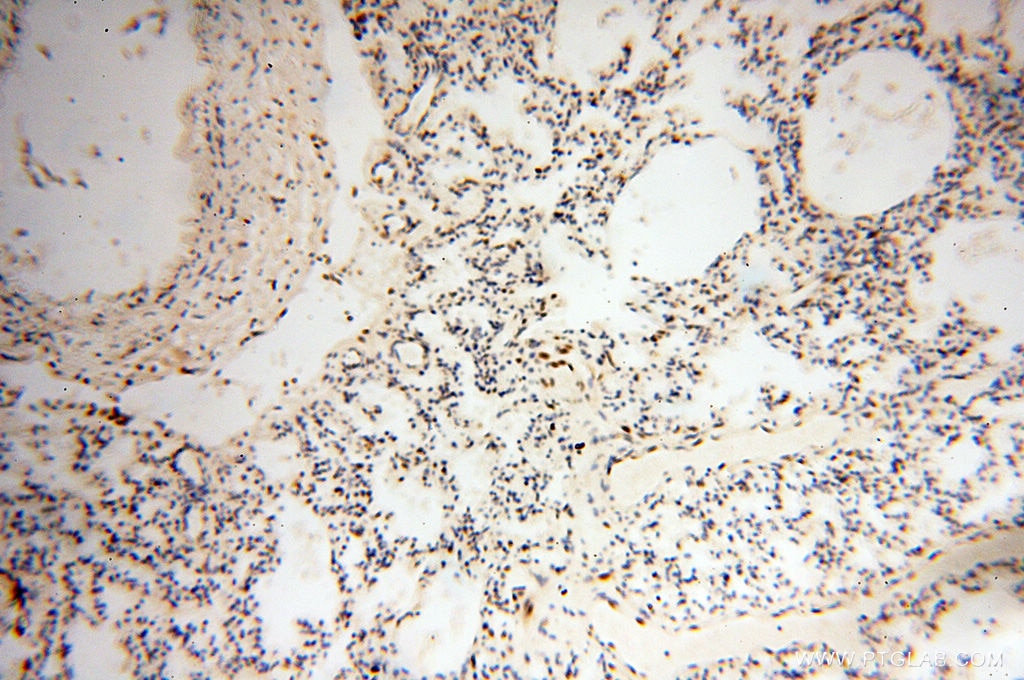
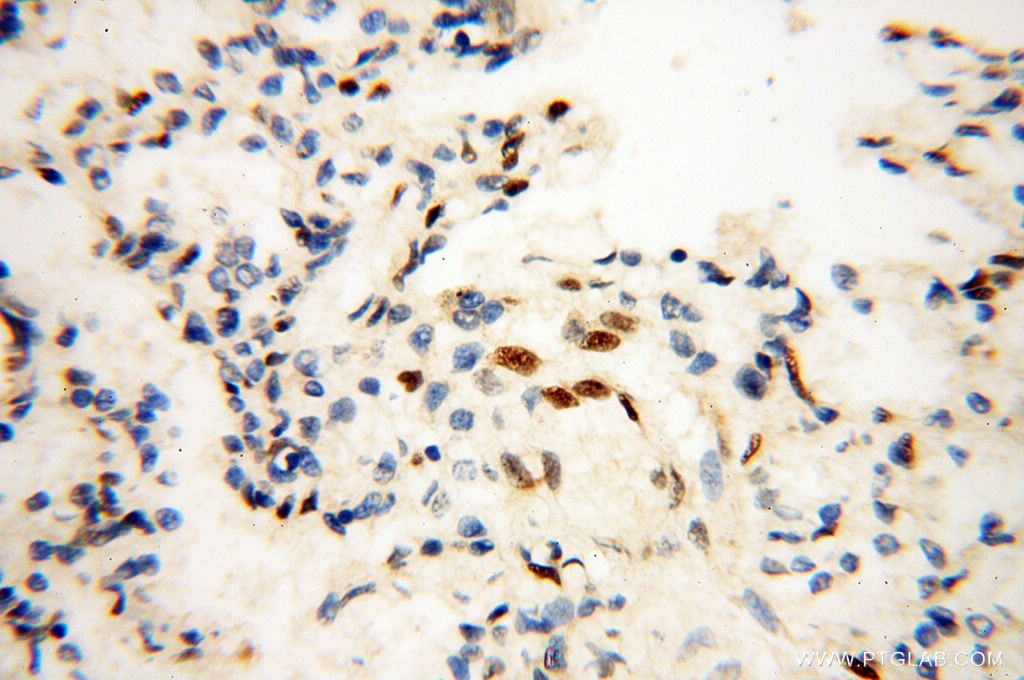
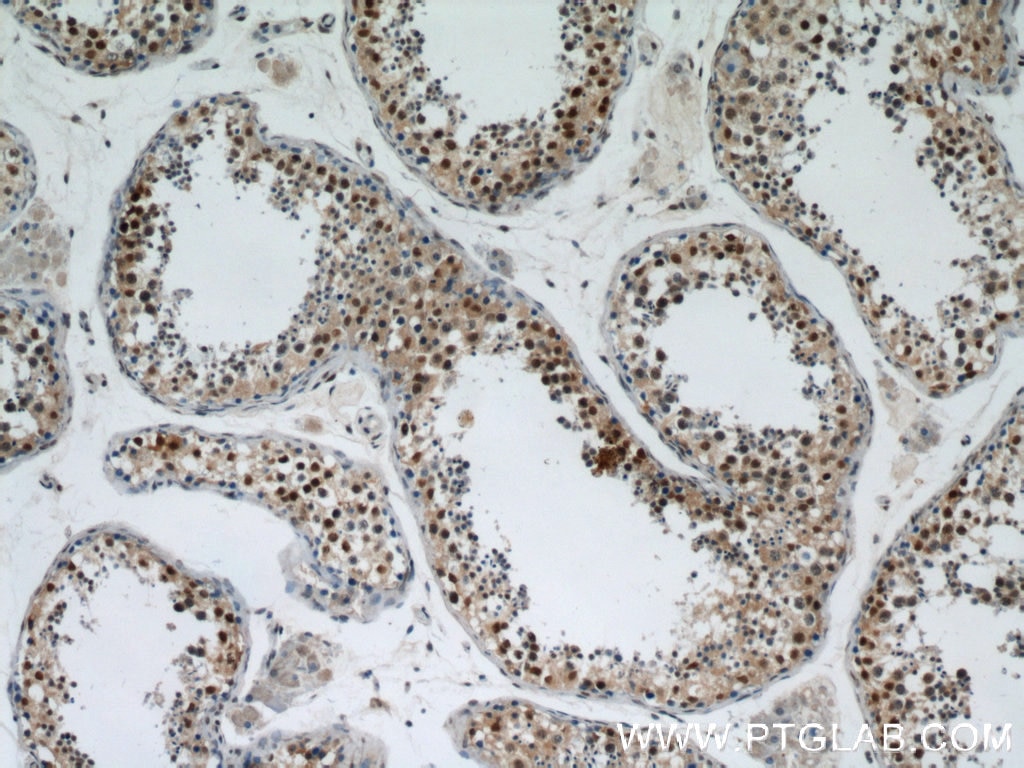
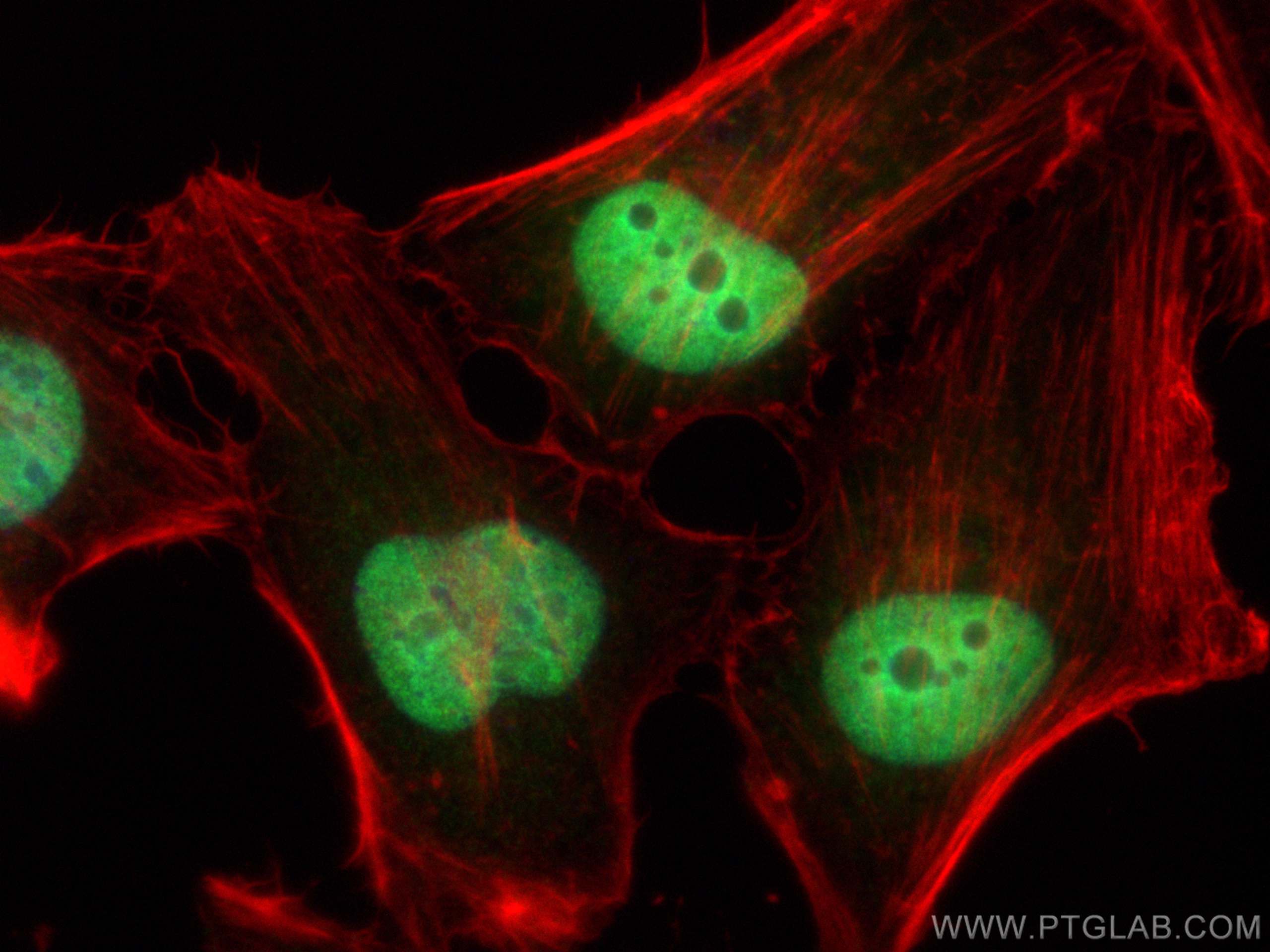

Tested Applications
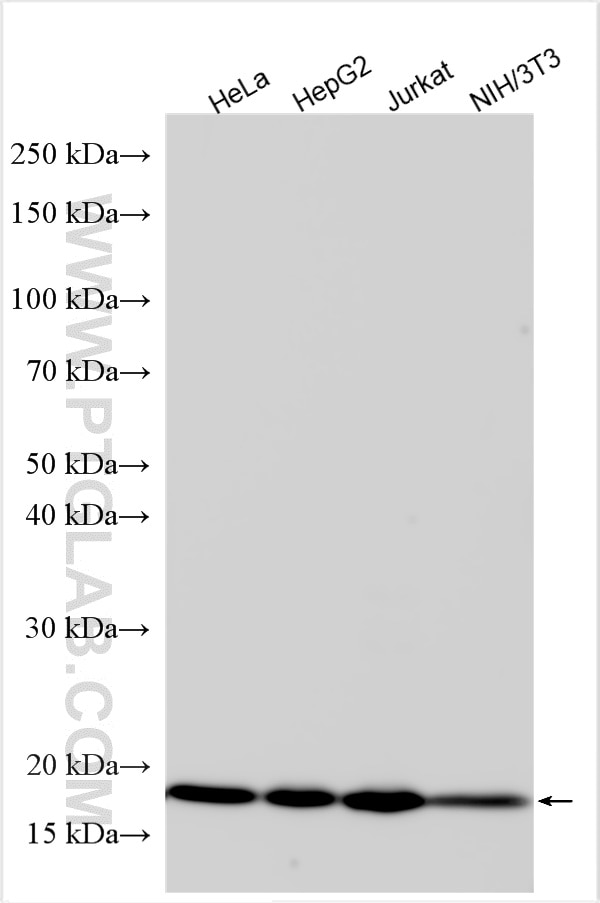
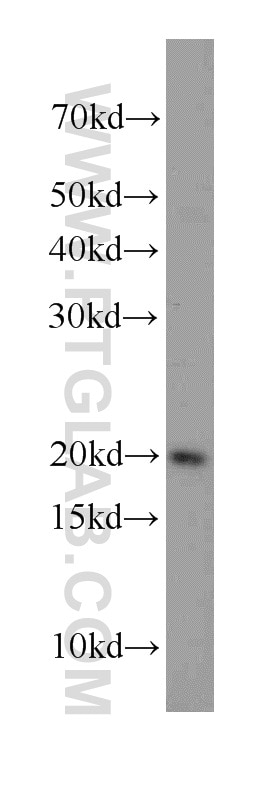
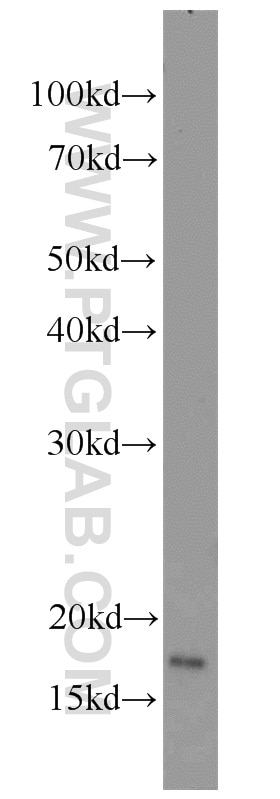
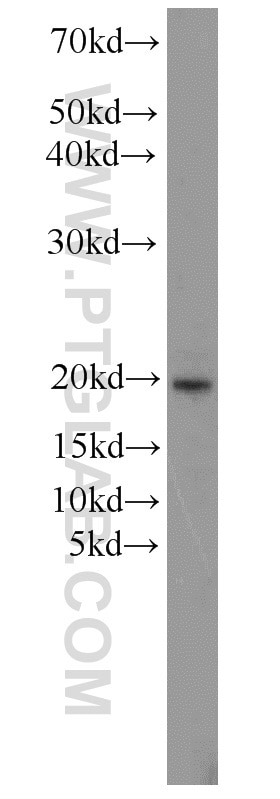
| Positive WB detected in | HeLa cells, MCF-7 cells, A375 cells, Raji cells, HepG2 cells, Jurkat cells, NIH/3T3 cells |
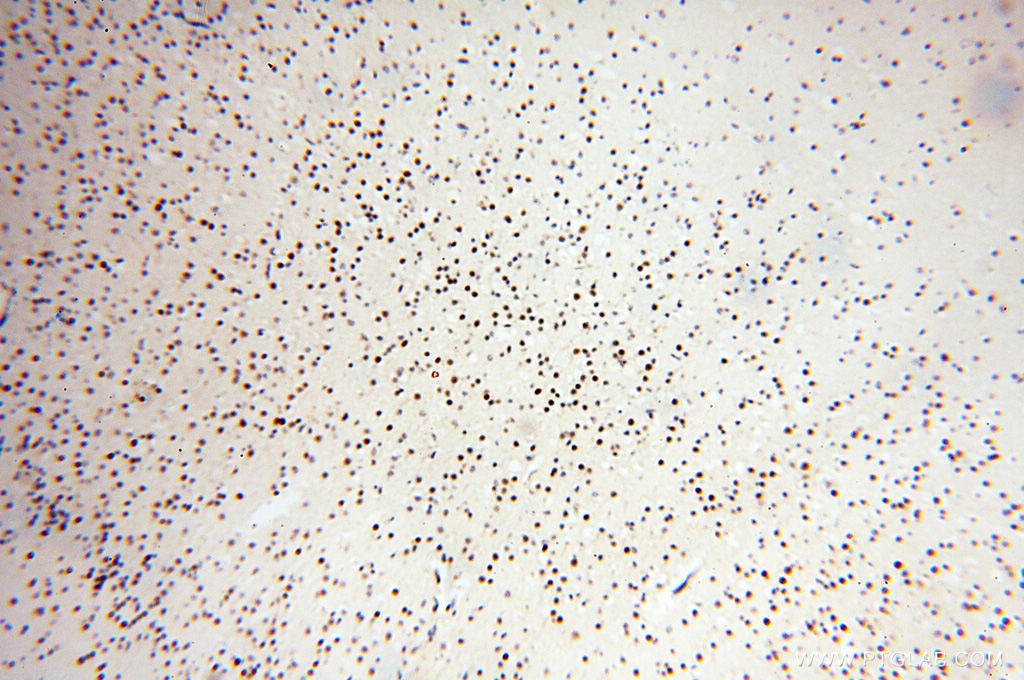
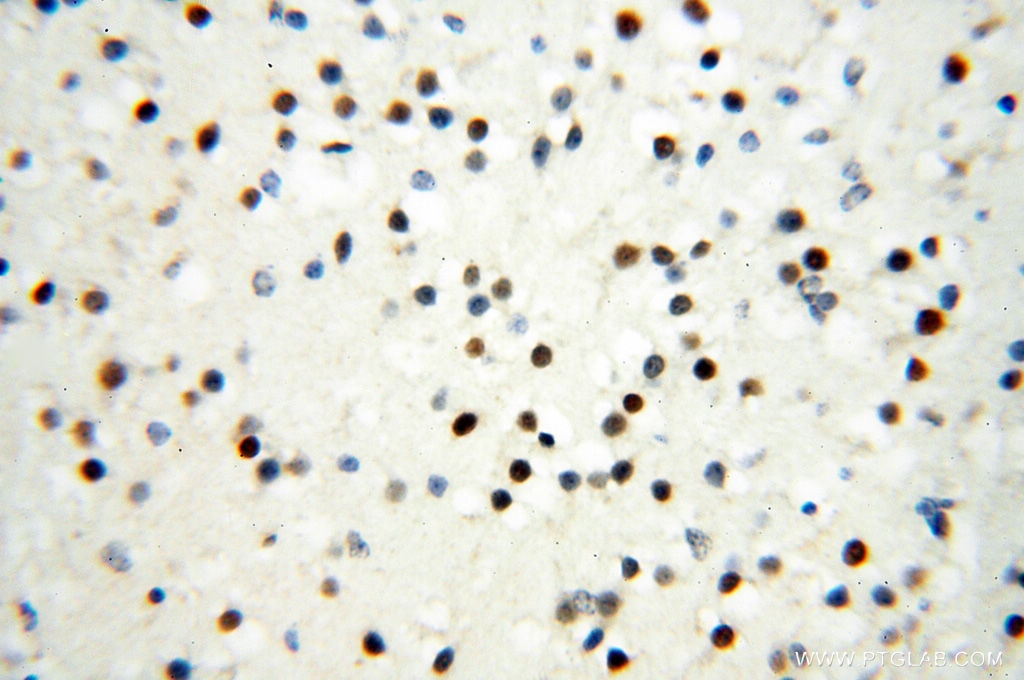
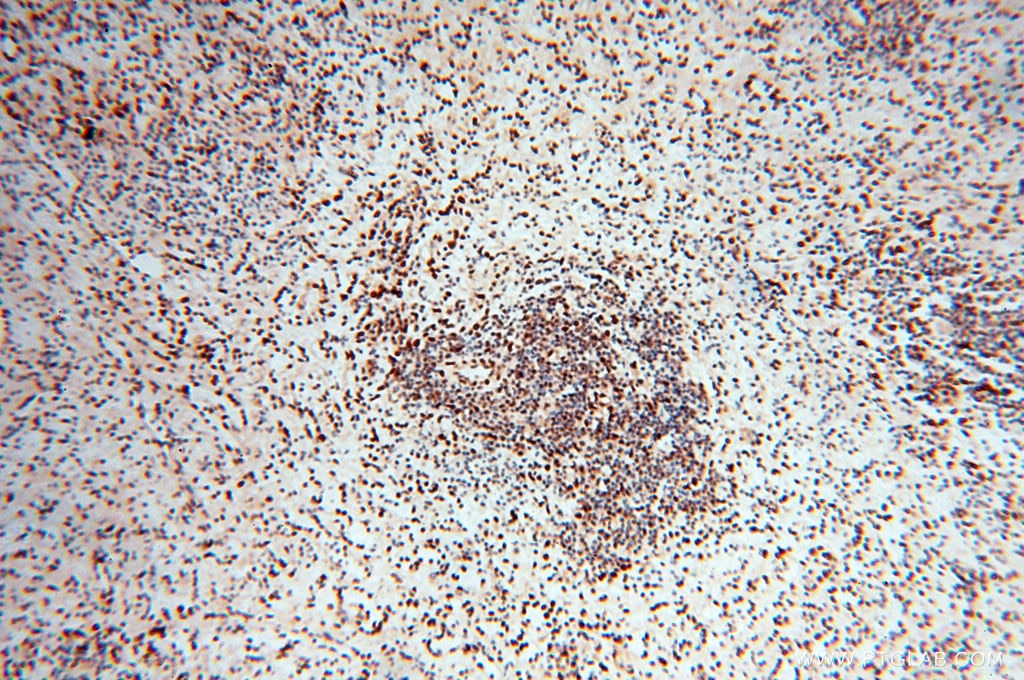
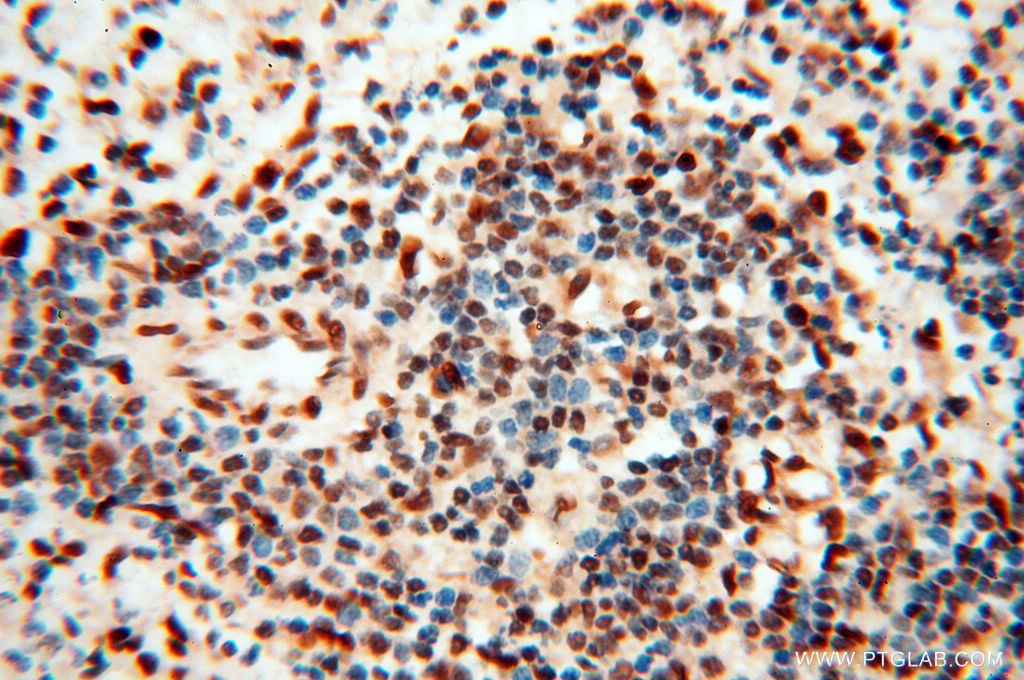
| Positive IHC detected in | human testis tissue, human lung tissue, human brain tissue, human kidney tissue, human spleen tissue Note: suggested antigen retrieval with TE buffer pH 9.0; (*) Alternatively, antigen retrieval may be performed with citrate buffer pH 6.0 |
| Positive IF/ICC detected in | HeLa cells |
Recommended dilution
| Application | Dilution |
|---|---|
| Western Blot (WB) | WB : 1:5000-1:50000 |
| Immunohistochemistry (IHC) | IHC : 1:50-1:500 |
| Immunofluorescence (IF)/ICC | IF/ICC : 1:50-1:500 |
| It is recommended that this reagent should be titrated in each testing system to obtain optimal results. | |
| Sample-dependent, Check data in validation data gallery. | |
Product Information
14363-1-AP targets RBM3 in WB, IHC, IF/ICC, IP, RIP, ELISA applications and shows reactivity with human, mouse samples.
| Tested Reactivity | human, mouse |
| Cited Reactivity | human, mouse, squirrel |
| Host / Isotype | Rabbit / IgG |
| Class | Polyclonal |
| Type | Antibody |
| Immunogen |
CatNo: Ag5934 Product name: Recombinant human RBM3 protein Source: e coli.-derived, PGEX-4T Tag: GST Domain: 1-157 aa of BC006825 Sequence: MSSEEGKLFVGGLNFNTDEQALEDHFSSFGPISEVVVVKDRETQRSRGFGFITFTNPEHASVAMRAMNGESLDGRQIRVDHAGKSARGTRGGGFGAHGRGRSYSRGGGDQGYGSGRYYDSRPGGYGYGYGRSRDYNGRNQGGYDRYSGGNYRDNYDN Predict reactive species |
| Full Name | RNA binding motif (RNP1, RRM) protein 3 |
| Calculated Molecular Weight | 17 kDa |
| Observed Molecular Weight | 17-20 kDa |
| GenBank Accession Number | BC006825 |
| Gene Symbol | RBM3 |
| Gene ID (NCBI) | 5935 |
| RRID | AB_2269266 |
| Conjugate | Unconjugated |
| Form | Liquid |
| Purification Method | Antigen affinity purification |
| UNIPROT ID | P98179 |
| Storage Buffer | PBS with 0.02% sodium azide and 50% glycerol, pH 7.3. |
| Storage Conditions | Store at -20°C. Stable for one year after shipment. Aliquoting is unnecessary for -20oC storage. 20ul sizes contain 0.1% BSA. |
Background Information
RBM3, also named as RNPL, is a cold-inducible mRNA binding protein that enhances global protein synthesis at both physiological and mild hypothermic temperatures. It reduces the relative abundance of microRNAs, when overexpressed. RBM3 enhances phosphoryaltion of translation initiation factors and active polysome formation. It is up-regulated in human tumors. RBM3 is a potential proto-oncogenic proteins upon overexpression. (PMID: 19900510 ).
Protocols
| Product Specific Protocols | |
|---|---|
| IF protocol for RBM3 antibody 14363-1-AP | Download protocol |
| IHC protocol for RBM3 antibody 14363-1-AP | Download protocol |
| WB protocol for RBM3 antibody 14363-1-AP | Download protocol |
| Standard Protocols | |
|---|---|
| Click here to view our Standard Protocols |
Publications
What published studies show
The RBM3 Polyclonal antibody (Cat# 14363-1-AP) has 51 citations. These appear in high-impact journals including Nature, Cell, Nature Communications, EMBO Journal, EMBO Molecular Medicine, Cell Reports, EBioMedicine, Journal of Cell Biology, FASEB Journal, and eLife, among others. Research fields span neuroprotection and hypothermia, neurodegeneration (ALS, Alzheimer's), cancer (hepatocellular, breast, lung, nasopharyngeal), inflammation, autophagy, ferroptosis, and RNA biology.
| Species | Application | Title |
|---|---|---|
Nature RBM3 mediates structural plasticity and protective effects of cooling in neurodegeneration.
| ||
Cell iPSCs from a Hibernator Provide a Platform for Studying Cold Adaptation and Its Potential Medical Applications. | ||
Nat Commun Senescent immune cells accumulation promotes brown adipose tissue dysfunction during aging | ||
Nat Commun Stabilizing a mammalian RNA thermometer confers neuroprotection in subarachnoid hemorrhage | ||
EBioMedicine The RNA-binding protein RBM3 promotes cell proliferation in hepatocellular carcinoma by regulating circular RNA SCD-circRNA 2 production. | ||
Apoptosis Mild hypothermia ameliorates hepatic ischemia reperfusion injury by inducing RBM3 expression |

















