

Tested Applications
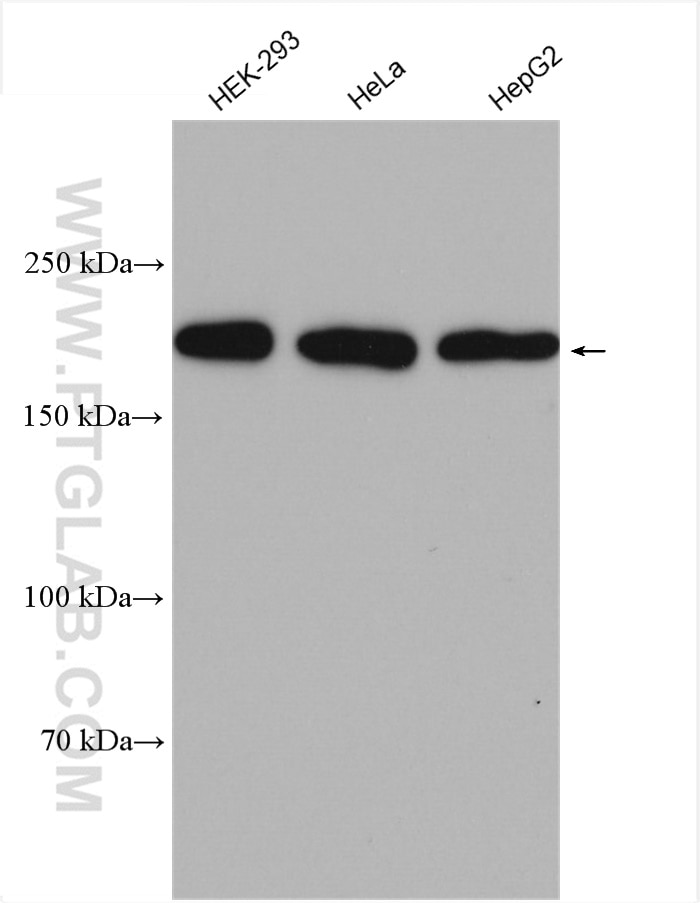
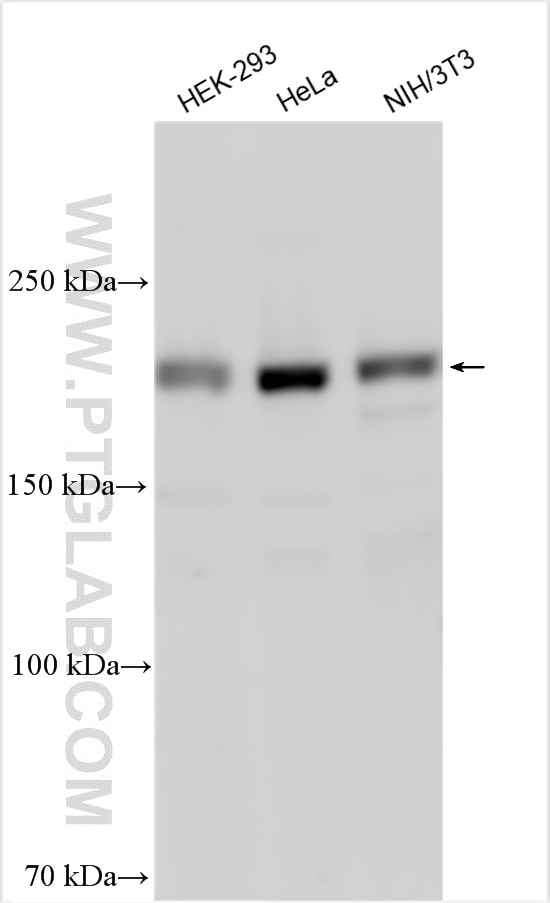
| Positive WB detected in | HEK-293 cells, NIH/3T3 cells, HeLa cells, HepG2 cells |
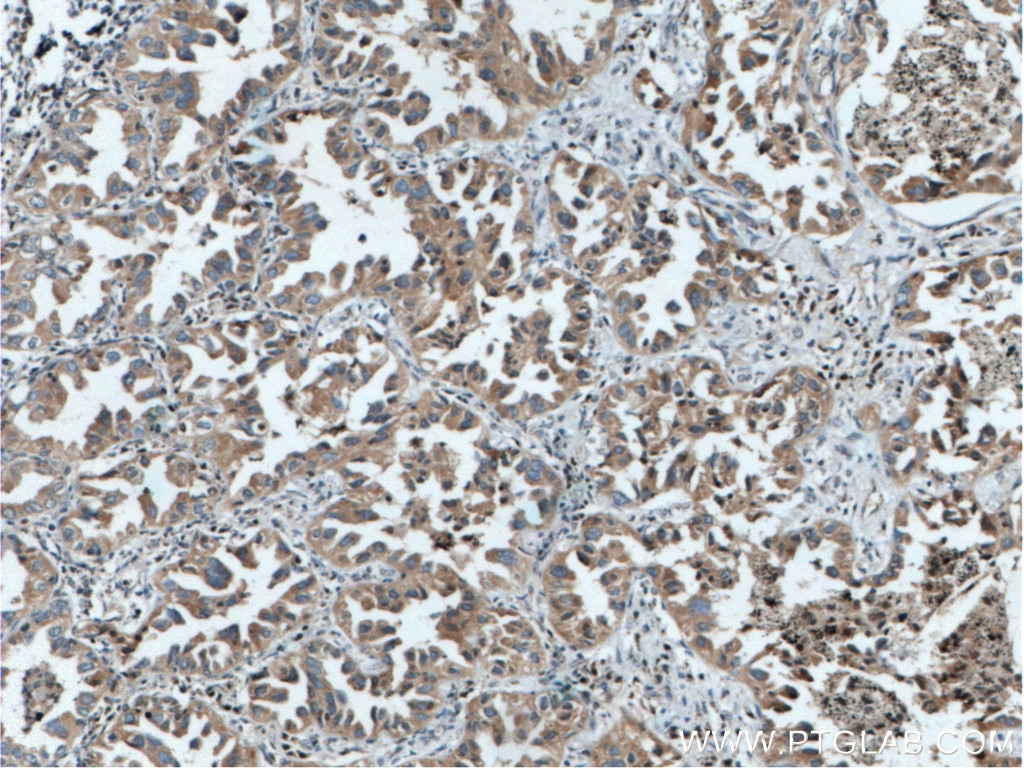
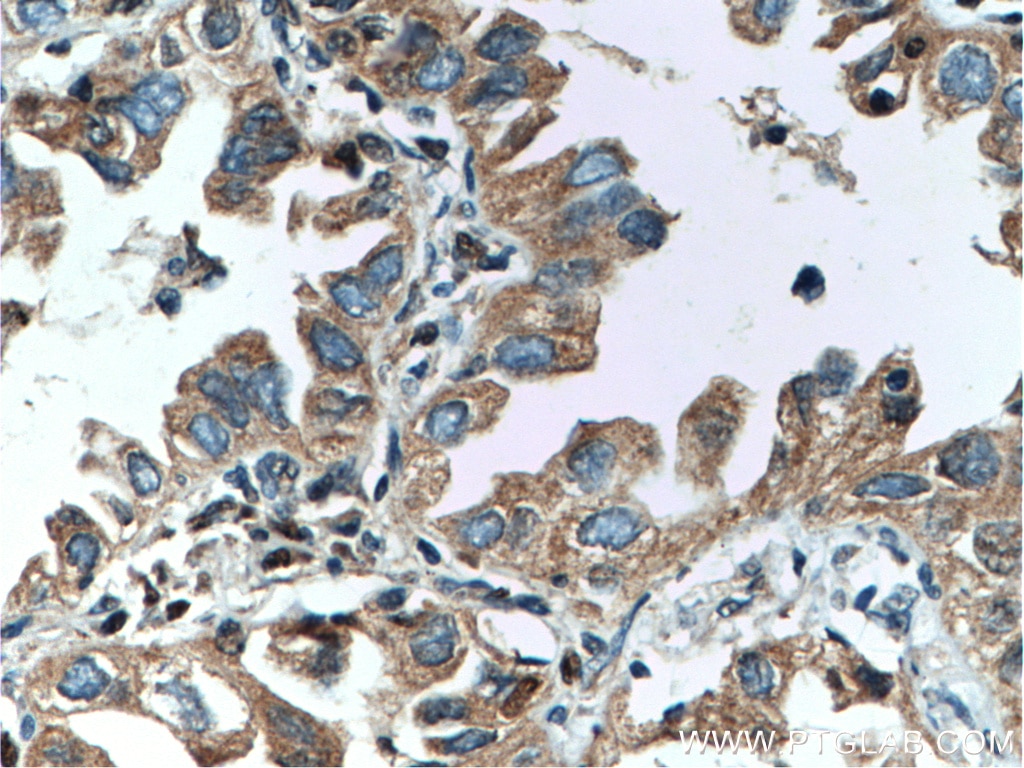
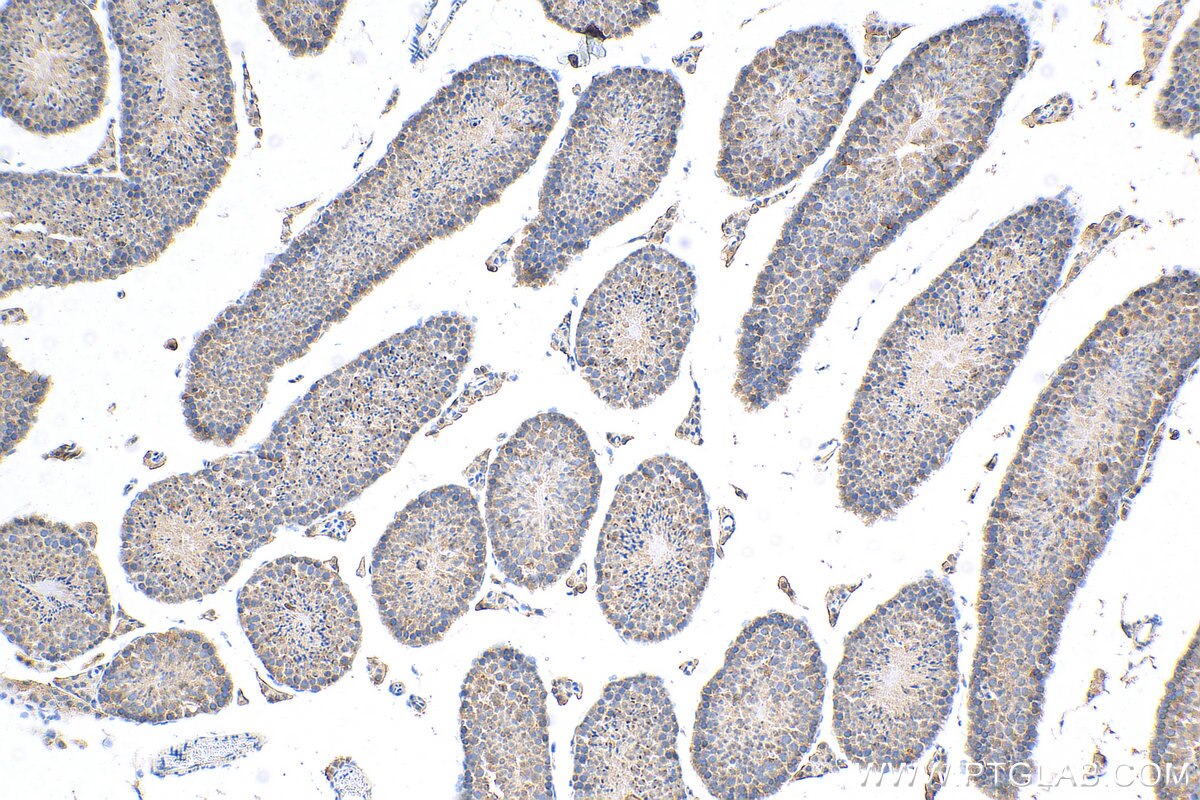
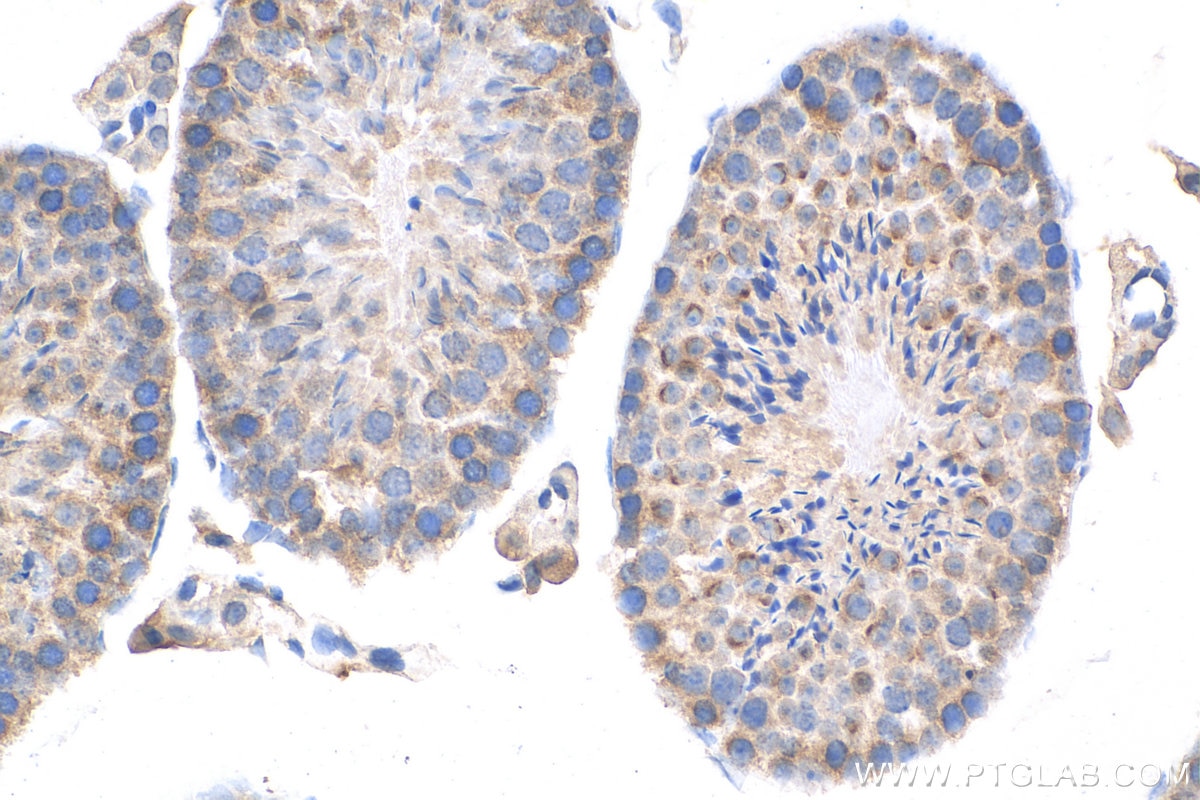
| Positive IHC detected in | human lung cancer tissue, mouse testis tissue Note: suggested antigen retrieval with TE buffer pH 9.0; (*) Alternatively, antigen retrieval may be performed with citrate buffer pH 6.0 |
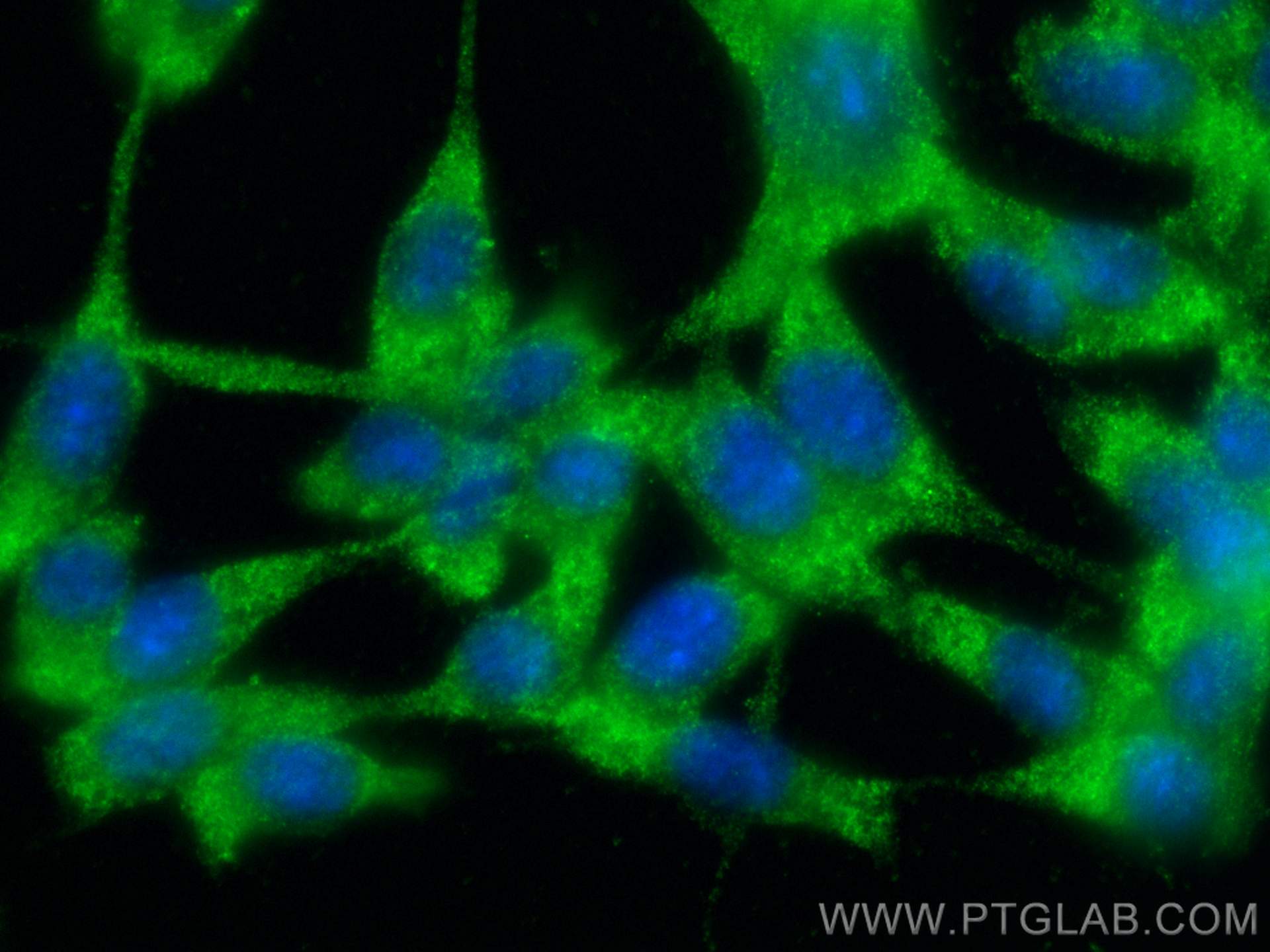
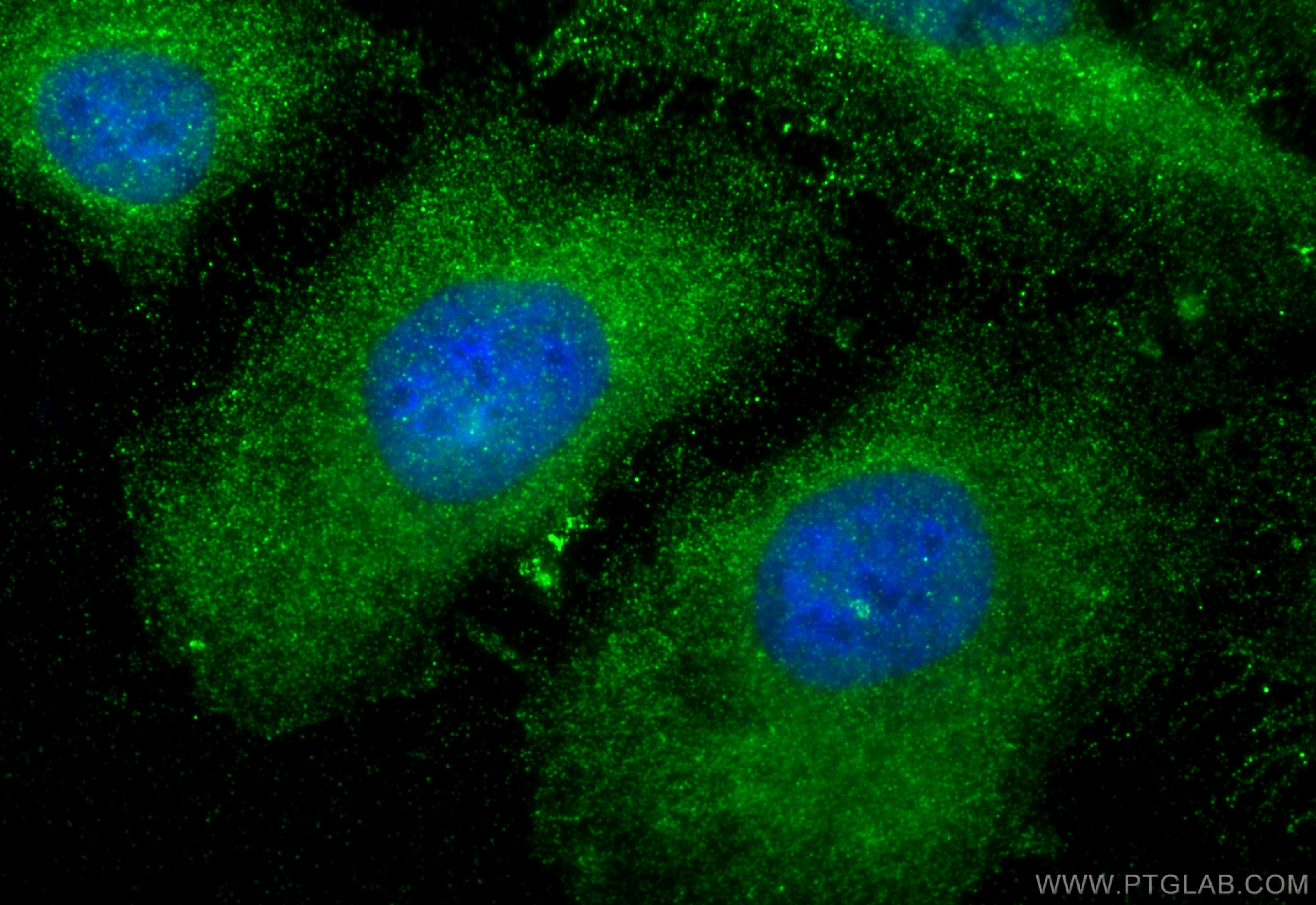
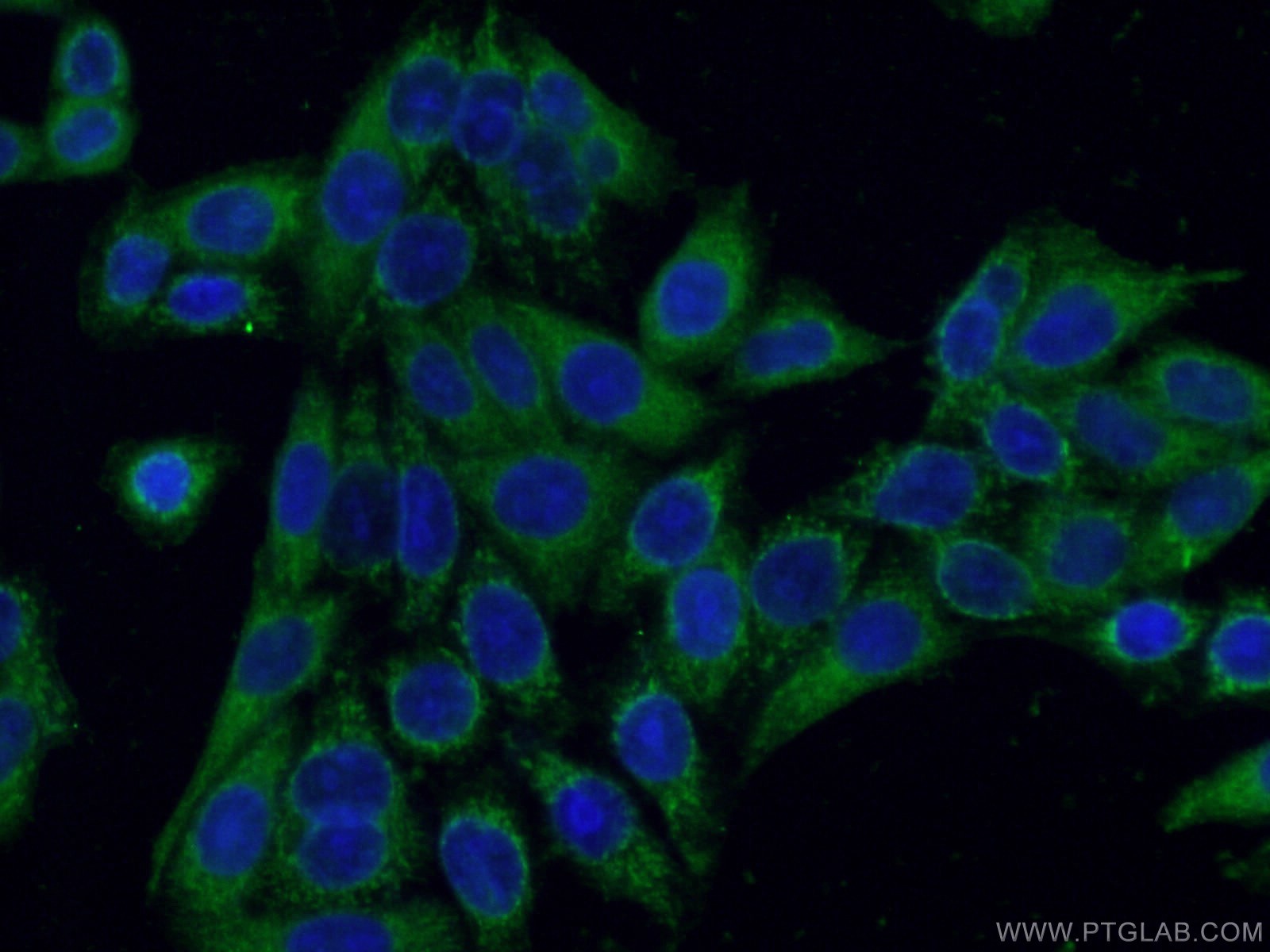
| Positive IF/ICC detected in | NIH/3T3 cells, HeLa cells |
Recommended dilution
| Application | Dilution |
|---|---|
| Western Blot (WB) | WB : 1:1000-1:8000 |
| Immunohistochemistry (IHC) | IHC : 1:50-1:500 |
| Immunofluorescence (IF)/ICC | IF/ICC : 1:50-1:500 |
| It is recommended that this reagent should be titrated in each testing system to obtain optimal results. | |
| Sample-dependent, Check data in validation data gallery. | |
Product Information
27248-1-AP targets RICTOR in WB, IHC, IF/ICC, IP, ELISA applications and shows reactivity with human, mouse samples.
| Tested Reactivity | human, mouse |
| Cited Reactivity | human, mouse, rat |
| Host / Isotype | Rabbit / IgG |
| Class | Polyclonal |
| Type | Antibody |
| Immunogen |
CatNo: Ag25649 Product name: Recombinant human RICTOR protein Source: e coli.-derived, PGEX-4T Tag: GST Domain: 1-51 aa of BC029608 Sequence: MAAIGRGRSLKNLRVRGRNDSGEENVPLDLTREPSDNLREILQNVARLQGV Predict reactive species |
| Full Name | rapamycin-insensitive companion of mTOR |
| Calculated Molecular Weight | 192 kDa |
| Observed Molecular Weight | 192 kDa |
| GenBank Accession Number | BC029608 |
| Gene Symbol | RICTOR |
| Gene ID (NCBI) | 253260 |
| RRID | AB_2880817 |
| Conjugate | Unconjugated |
| Form | Liquid |
| Purification Method | Antigen affinity purification |
| UNIPROT ID | Q6R327 |
| Storage Buffer | PBS with 0.02% sodium azide and 50% glycerol, pH 7.3. |
| Storage Conditions | Store at -20°C. Stable for one year after shipment. Aliquoting is unnecessary for -20oC storage. 20ul sizes contain 0.1% BSA. |
Background Information
RICTOR, is a key component of the mTOR complex 2 (mTORC2) and is required for phosphorylation of Akt at serine 473. RICTOR is the upstream kinase of several AGC kinase family members including AKT, SGK, S6K mutants and several PKC isoforms. Activation of RICTOR-mTORC2 modifies actin organization and promotes cell proliferation and survival. Rictor is overexpressed in several cancers leading to hyperactive mTORC2 and has been shown to play a causal role in glioma formation. Rictor expression has been demonstrated to be regulated transcriptionally and via protein degradation.
Protocols
| Product Specific Protocols | |
|---|---|
| IF protocol for RICTOR antibody 27248-1-AP | Download protocol |
| IHC protocol for RICTOR antibody 27248-1-AP | Download protocol |
| WB protocol for RICTOR antibody 27248-1-AP | Download protocol |
| Standard Protocols | |
|---|---|
| Click here to view our Standard Protocols |
Publications
What published studies show
I'll check the citations for 27248-1-AP.RICTOR Polyclonal antibody (27248-1-AP) has 37 total citations.
These appear in high-impact journals including Nature Metabolism, Nature Neuroscience, Nature Communications, Cell Reports, Oncogene, Molecular Cancer, and eLife, among others.
The research fields span cancer biology (colorectal, breast, gastric, hepatocellular, lymphoma, leukemia), metabolism, stroke/neurobiology, osteogenesis/bone (BMP9 signaling), testicular/Sertoli cell function, kidney/podocyte function, osteoarthritis/chondrocytes, gut barrier/enteritis, and mTORC1/mTORC2 signaling pathways.
| Species | Application | Title |
|---|---|---|
Nat Metab Metabolic regulation by tanycyte-derived extracellular vesicles through insulin precursor-mediated neuronal recognition and mTORC component delivery. | ||
Nat Commun The UFL1-AKT positive feedback loop promotes breast cancer progression by enhancing lipid synthesis. | ||
Nat Commun The p300/YY1/miR-500a-5p/HDAC2 signalling axis regulates cell proliferation in human colorectal cancer. | ||
Genes Dis BMP9 induces osteogenic differentiation through up-regulating LGR4 via the mTORC1/Stat3 pathway in mesenchymal stem cells | ||
Cell Commun Signal Rapamycin promotes endothelial-mesenchymal transition during stress-induced premature senescence through the activation of autophagy. |
Reviews
What customers say
Able is busy answering your previous question. Please try again later.
The reviews below have been submitted by verified Proteintech customers who received an incentive for providing their feedback.
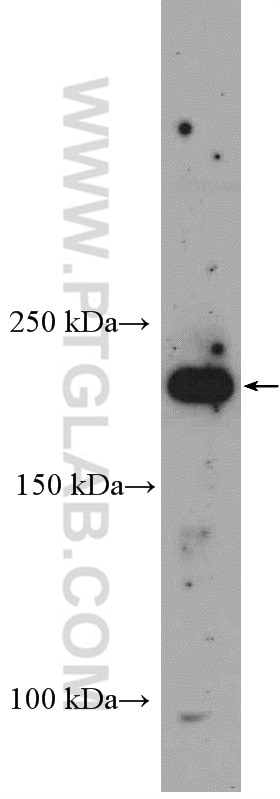
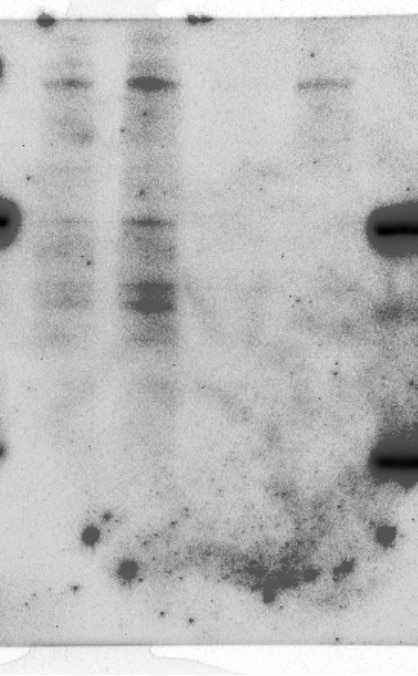
Joleen (Verified Customer) (06-12-2019) | The antibody recognizes RICTOR which is around ~200kD. It is the top most band. The first two lanes were cell lysates and show that the antibody recognizes other proteins non-specifically. The last lane contained eluted proteins that are presumably proximal to the cell membrane. RICTOR shows up there cleanly.
 |











