

Tested Applications
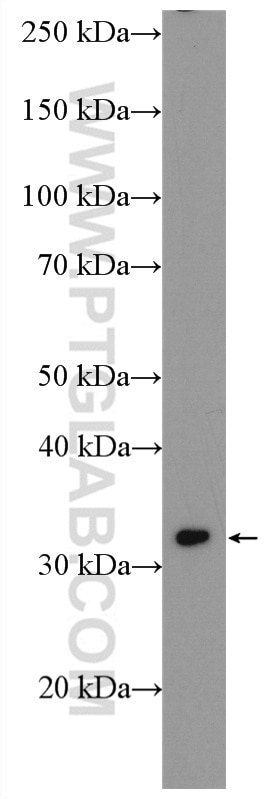
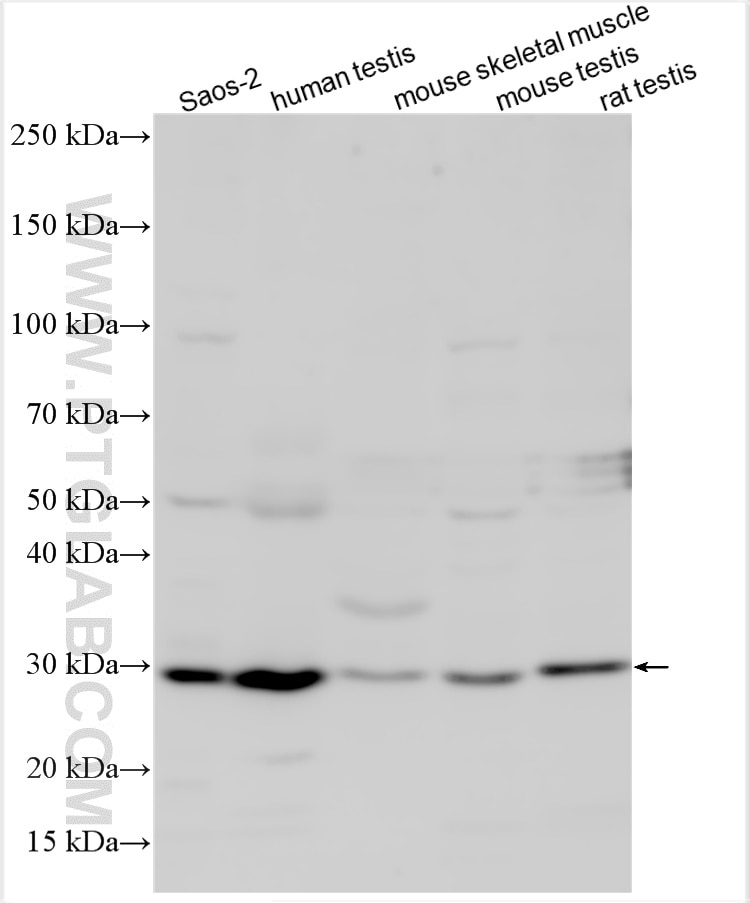
| Positive WB detected in | Saos-2 cells, mouse heart tissue, human testis tissue, mouse skeletal muscle tissue, mouse testis tissue, rat testis tissue |
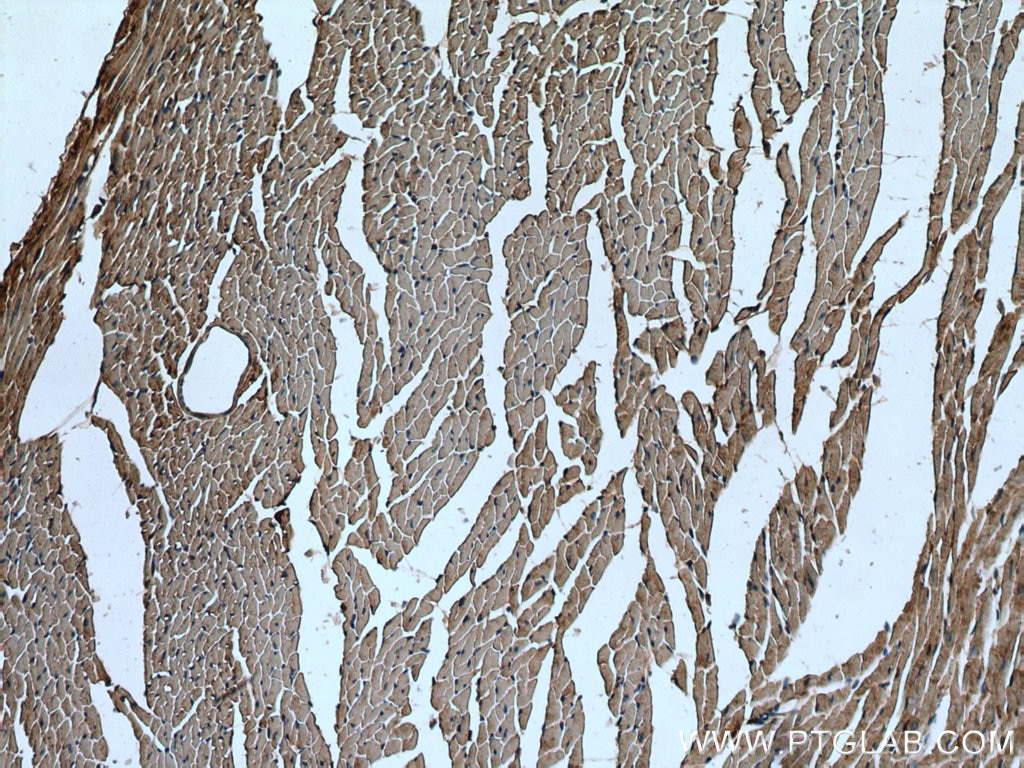
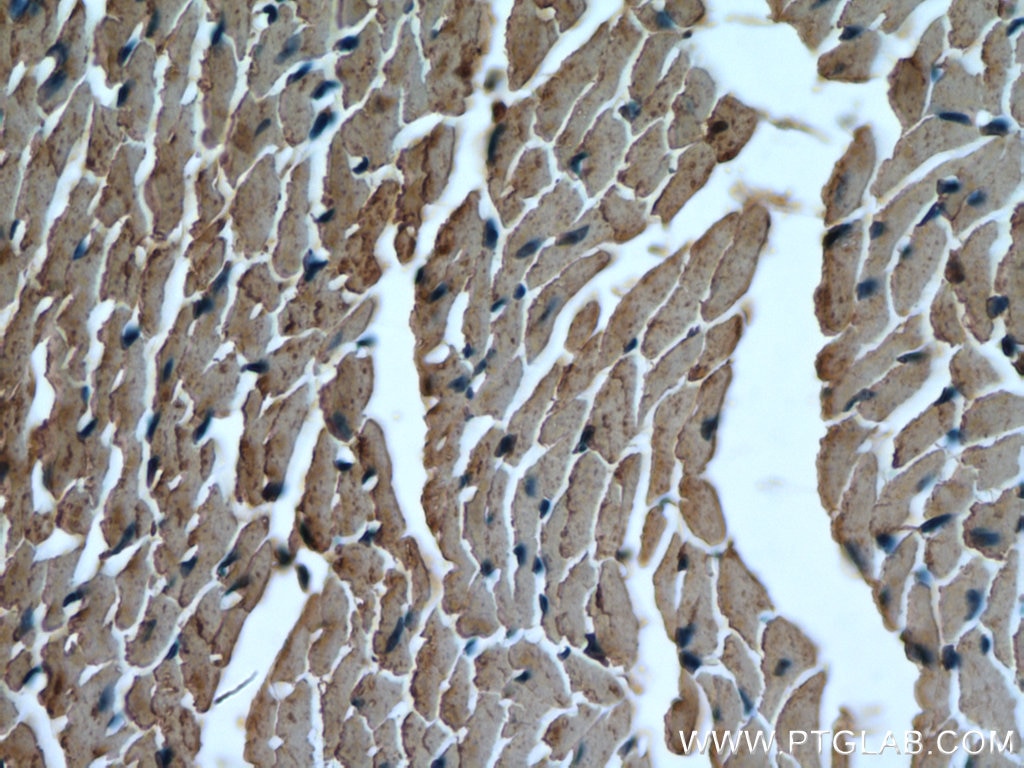
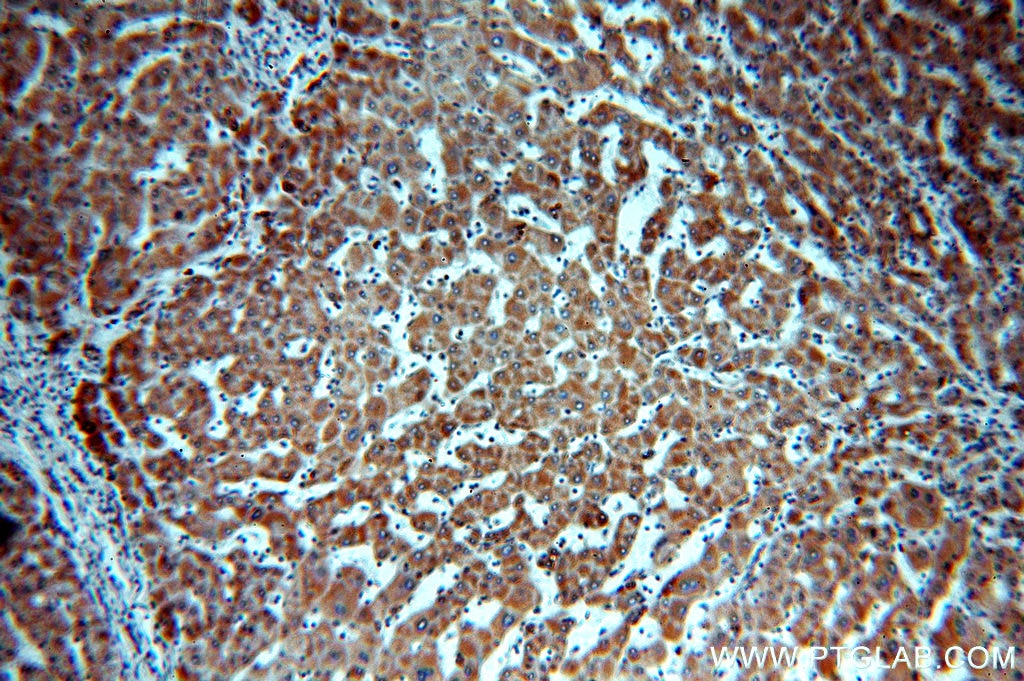
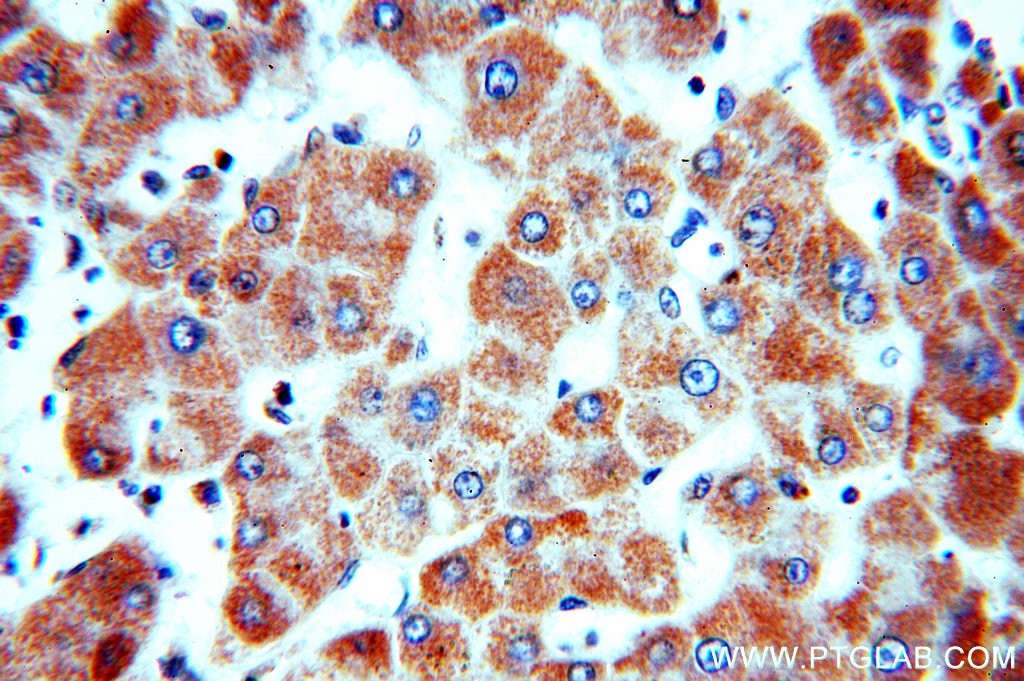
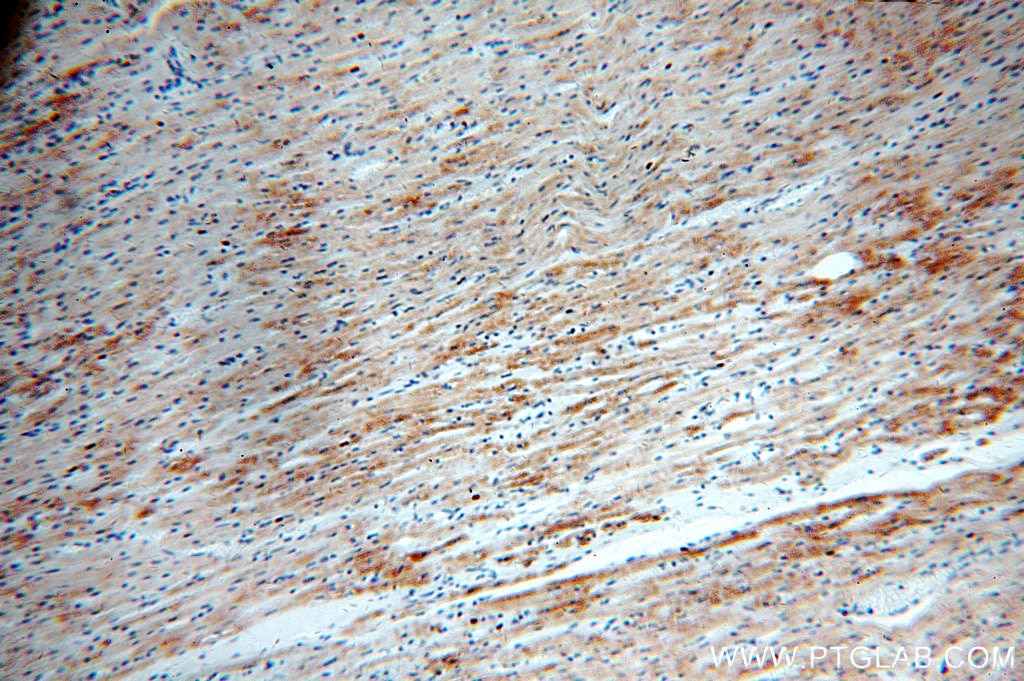
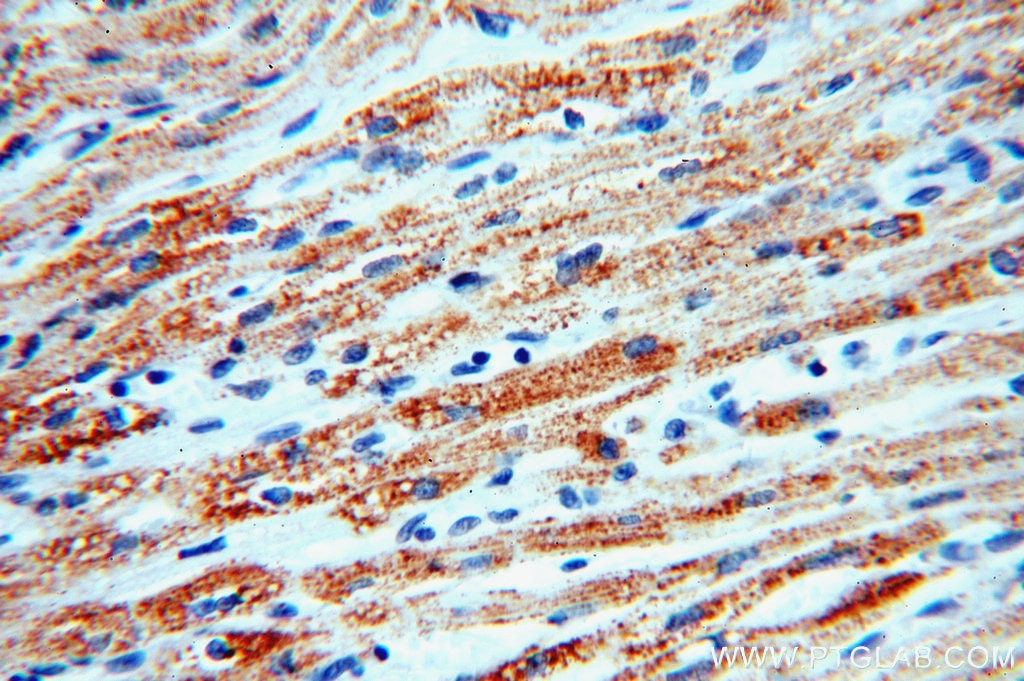
| Positive IHC detected in | mouse heart tissue, human heart tissue, human hepatocirrhosis tissue Note: suggested antigen retrieval with TE buffer pH 9.0; (*) Alternatively, antigen retrieval may be performed with citrate buffer pH 6.0 |
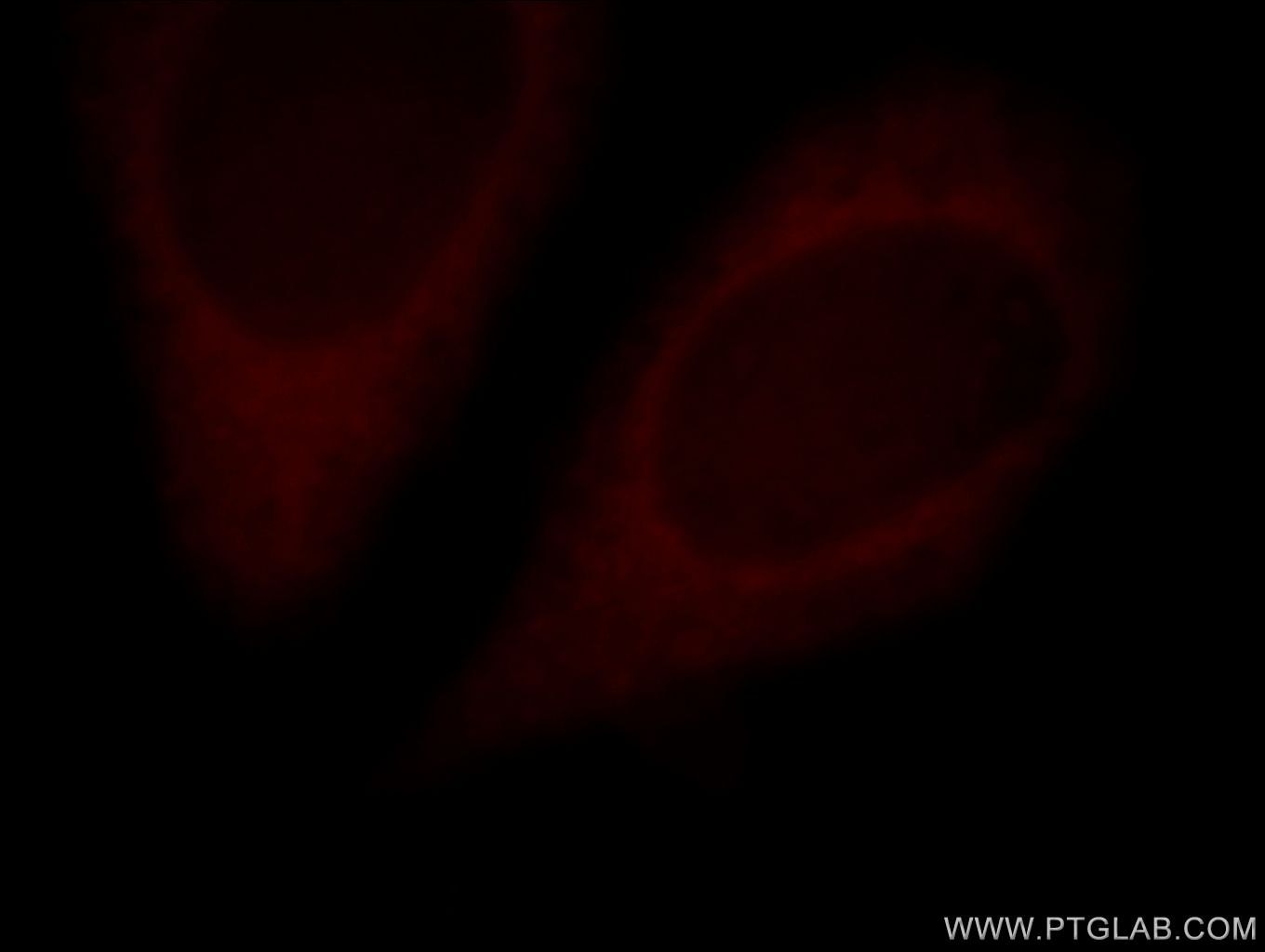
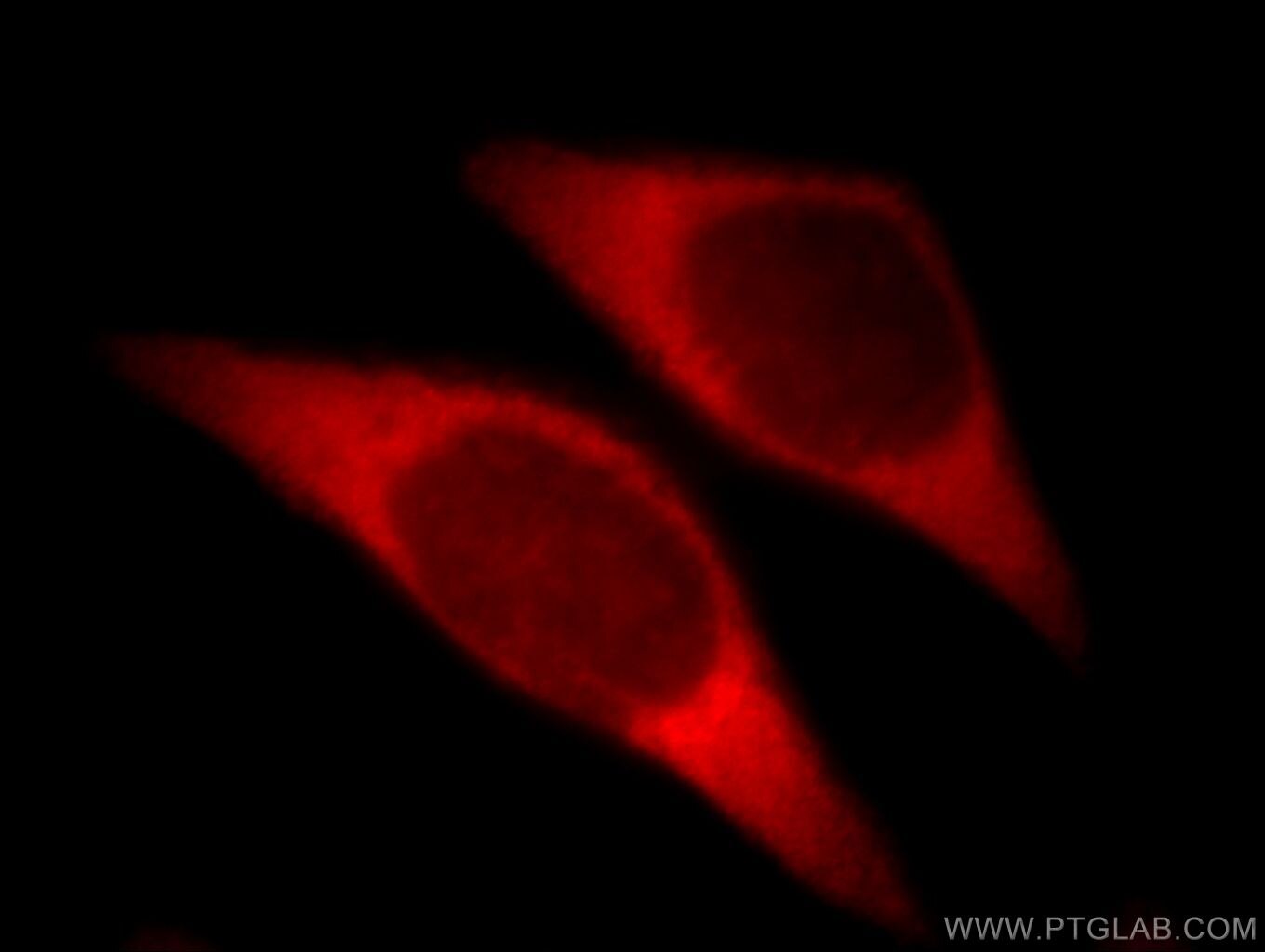
| Positive IF/ICC detected in | Hela cells, MCF-7 cells |
Recommended dilution
| Application | Dilution |
|---|---|
| Western Blot (WB) | WB : 1:1000-1:6000 |
| Immunohistochemistry (IHC) | IHC : 1:50-1:500 |
| Immunofluorescence (IF)/ICC | IF/ICC : 1:10-1:100 |
| It is recommended that this reagent should be titrated in each testing system to obtain optimal results. | |
| Sample-dependent, Check data in validation data gallery. | |
Product Information
19363-1-AP targets SLC25A20 in WB, IHC, IF/ICC, ELISA applications and shows reactivity with human, mouse, rat samples.
| Tested Reactivity | human, mouse, rat |
| Cited Reactivity | human, mouse |
| Host / Isotype | Rabbit / IgG |
| Class | Polyclonal |
| Type | Antibody |
| Immunogen |
CatNo: Ag6896 Product name: Recombinant human SLC25A20 protein Source: e coli.-derived, PET28a Tag: 6*His Domain: 96-209 aa of BC001689 Sequence: GKKLQQKHPEDVLSYPQLFAAGMLSGVFTTGIMTPGERIKCLLQIQASSGESKYTGTLDCAKKLYQEFGIRGIYKGTVLTLMRDVPASGMYFMTYEWLKNIFTPEGKRVSELSA Predict reactive species |
| Full Name | solute carrier family 25 (carnitine/acylcarnitine translocase), member 20 |
| Calculated Molecular Weight | 33 kDa |
| Observed Molecular Weight | 33 kDa |
| GenBank Accession Number | BC001689 |
| Gene Symbol | SLC25A20 |
| Gene ID (NCBI) | 788 |
| RRID | AB_10642001 |
| Conjugate | Unconjugated |
| Form | Liquid |
| Purification Method | Antigen affinity purification |
| UNIPROT ID | O43772 |
| Storage Buffer | PBS with 0.02% sodium azide and 50% glycerol, pH 7.3. |
| Storage Conditions | Store at -20°C. Stable for one year after shipment. Aliquoting is unnecessary for -20oC storage. 20ul sizes contain 0.1% BSA. |
Protocols
| Product Specific Protocols | |
|---|---|
| IF protocol for SLC25A20 antibody 19363-1-AP | Download protocol |
| IHC protocol for SLC25A20 antibody 19363-1-AP | Download protocol |
| WB protocol for SLC25A20 antibody 19363-1-AP | Download protocol |
| Standard Protocols | |
|---|---|
| Click here to view our Standard Protocols |
Publications
What published studies show
The SLC25A20 Polyclonal antibody (Cat# 19363-1-AP) has 17 citations published in journals including Nature Immunology, Nature Communications, Journal of Hepatology, Brain, Cell Reports, Molecular Metabolism, Nutrients, Communications Biology, Scientific Reports, and others. Research fields span fatty acid oxidation, lipid metabolism, mitochondrial dysfunction, hepatocellular carcinoma, amyotrophic lateral sclerosis, cardiac fibrosis, insulin resistance, diabetic liver injury, and epidermal stem cell differentiation.
| Species | Application | Title |
|---|---|---|
J Hepatol Ketohexokinase-C regulates global protein acetylation to decrease carnitine palmitoyltransferase 1a-mediated fatty acid oxidation | ||
Nat Immunol Active aldehydes accelerate CD8(+) T cell exhaustion by metabolic alteration in the tumor microenvironment. | ||
Nat Commun Enhancement of anaerobic glycolysis - a role of PGC-1α4 in resistance exercise. | ||
J Exp Clin Cancer Res GSTK1 suppresses HCC aggravation via L-carnitine metabolism by PGAM5/DRP1 complex-mediated mitochondrial quality control. | ||
Brain Targeting lipid droplets in FUS-linked amyotrophic lateral sclerosis mitigates neuronal and astrocytic lipotoxicity | ||
Cell Rep Mutant CHCHD10 causes an extensive metabolic rewiring that precedes OXPHOS dysfunction in a murine model of mitochondrial cardiomyopathy. |











