
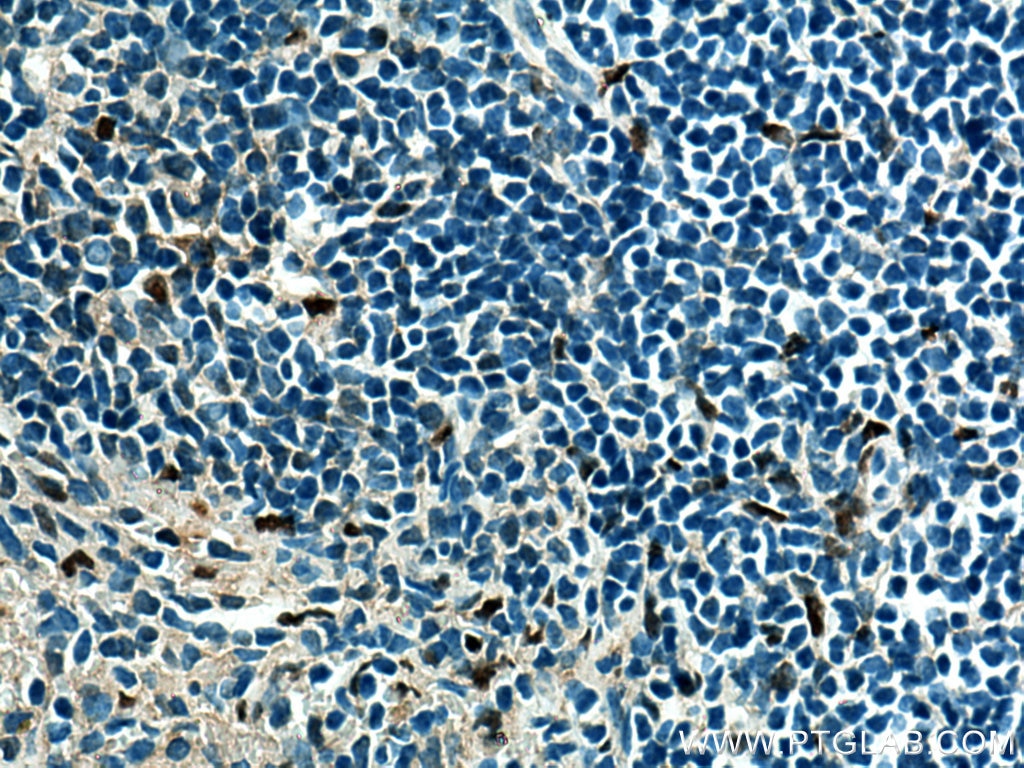
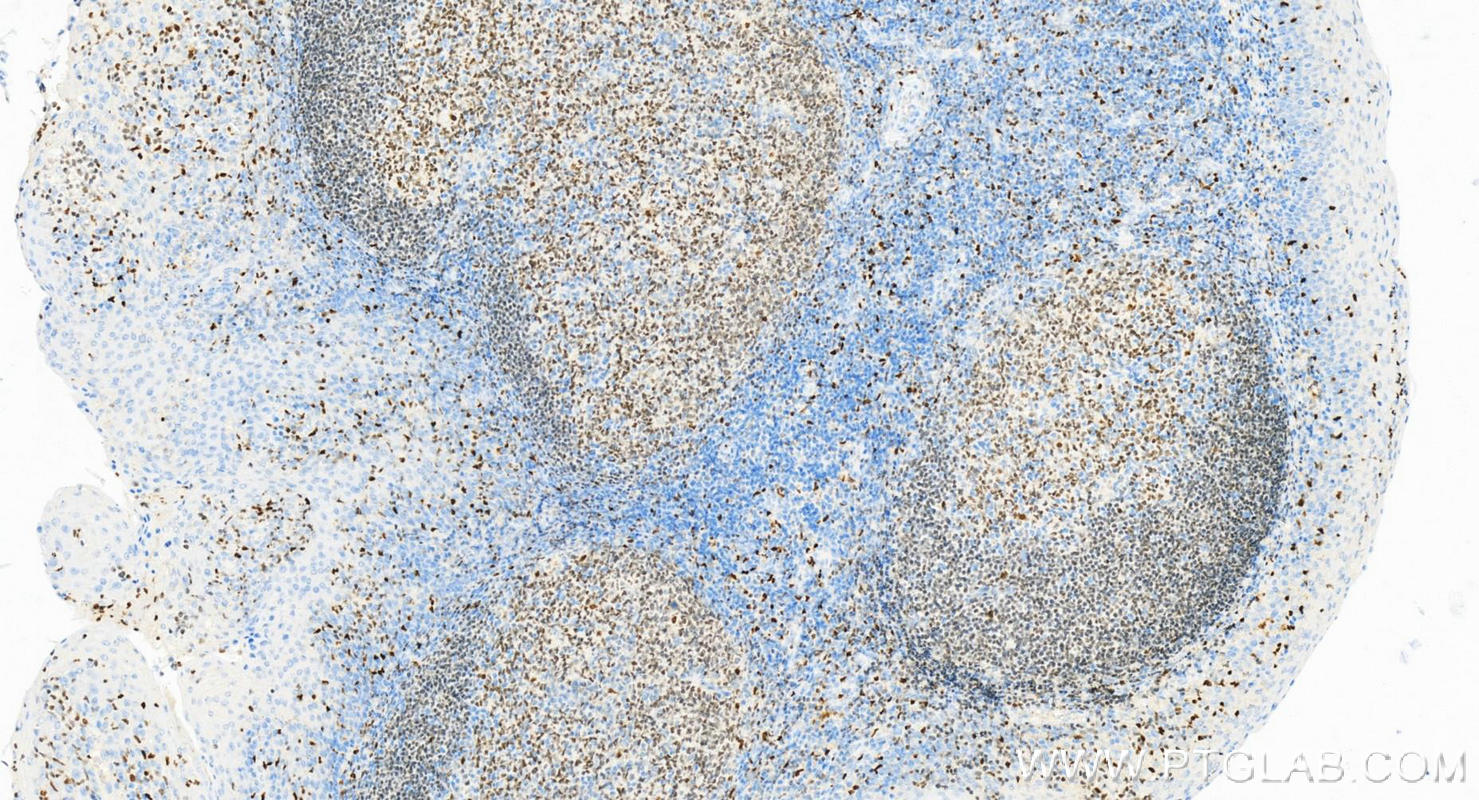
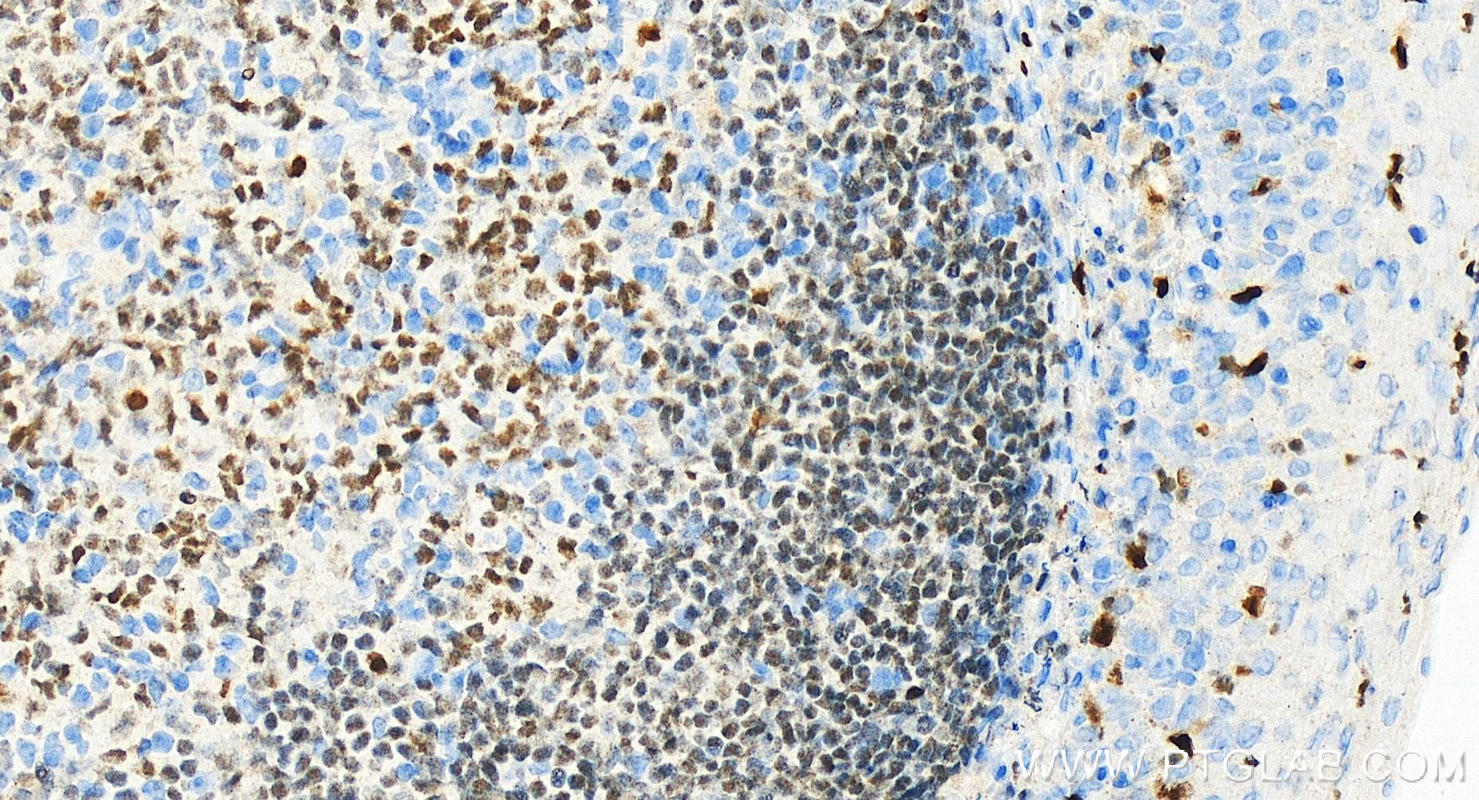
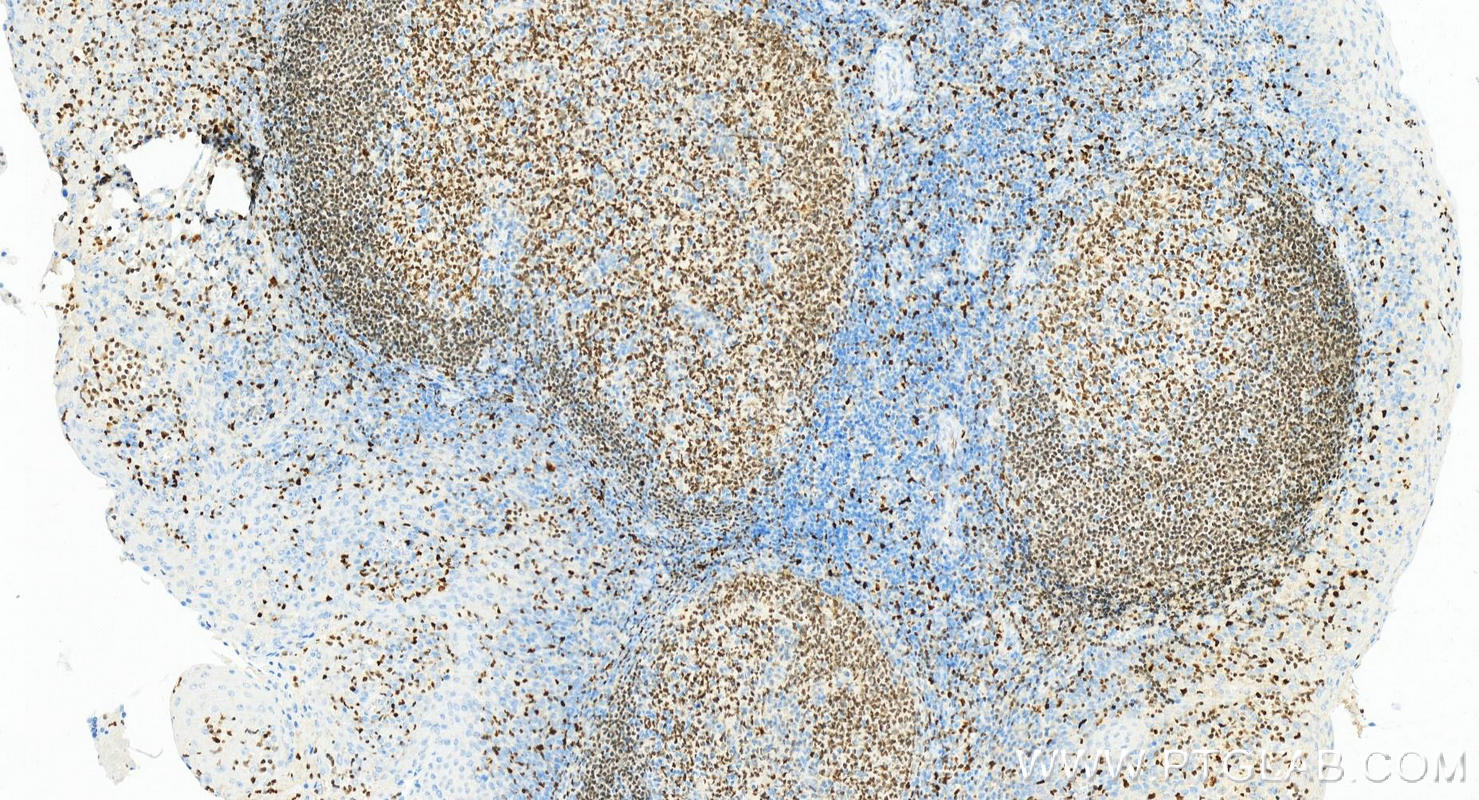

Tested Applications
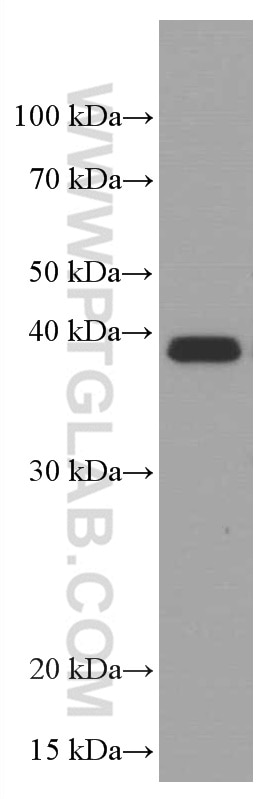
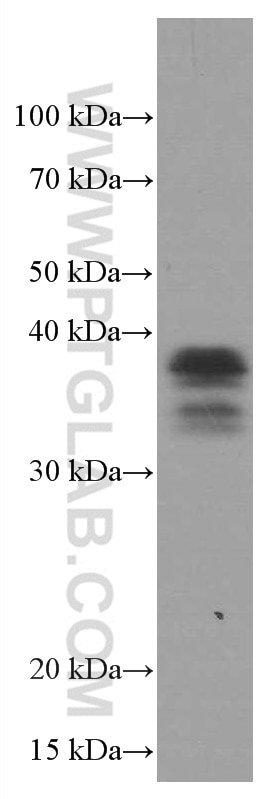
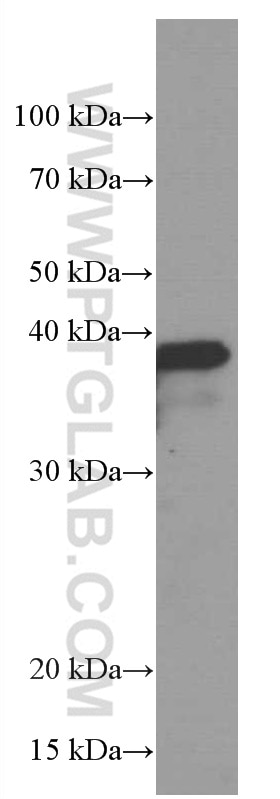
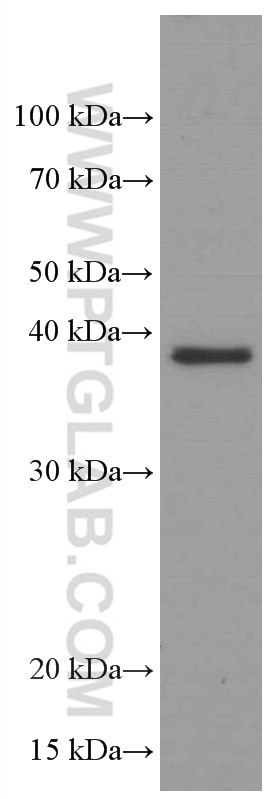
| Positive WB detected in | Daudi cells, Raji cells, RAW 264.7 cells, rat spleen tissue |
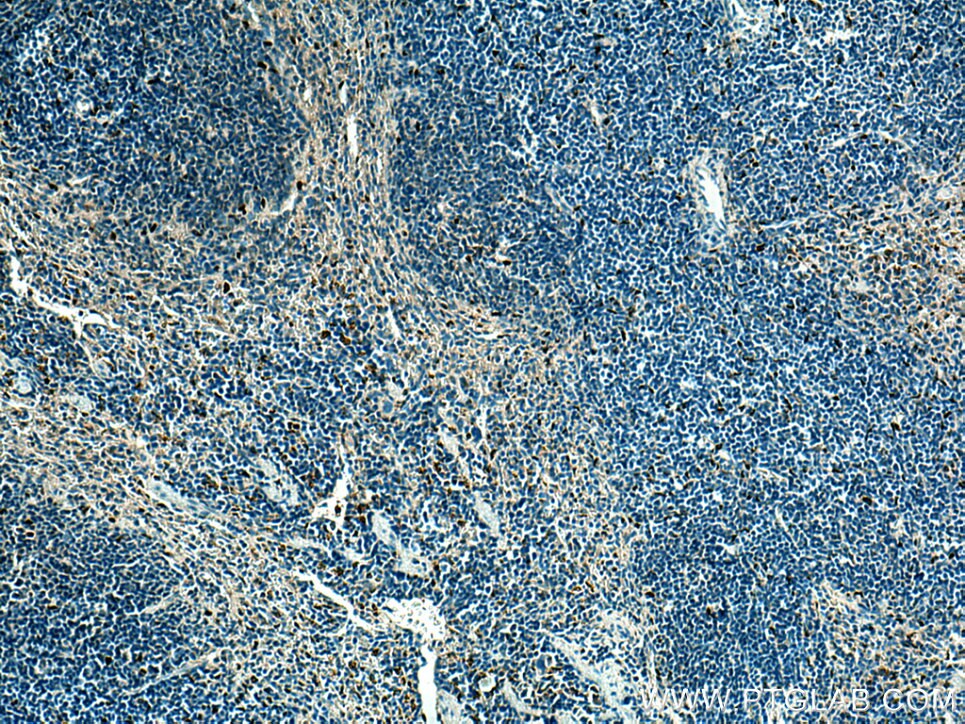
| Positive IHC detected in | Human tonsillitis tissue, mouse spleen tissue Note: suggested antigen retrieval with TE buffer pH 9.0; (*) Alternatively, antigen retrieval may be performed with citrate buffer pH 6.0 |
Recommended dilution
| Application | Dilution |
|---|---|
| Western Blot (WB) | WB : 1:2000-1:10000 |
| Immunohistochemistry (IHC) | IHC : 1:2000-1:8000 |
| It is recommended that this reagent should be titrated in each testing system to obtain optimal results. | |
| Sample-dependent, Check data in validation data gallery. | |
Product Information
66618-2-Ig targets SPI1 in WB, IHC, IF, CoIP, ChIP, ELISA applications and shows reactivity with human, mouse, rat samples.
| Tested Reactivity | human, mouse, rat |
| Cited Reactivity | human, mouse, rat |
| Host / Isotype | Mouse / IgG1 |
| Class | Monoclonal |
| Type | Antibody |
| Immunogen |
Peptide Predict reactive species |
| Full Name | spleen focus forming virus (SFFV) proviral integration oncogene spi1 |
| Calculated Molecular Weight | 31 kDa |
| Observed Molecular Weight | 32-38 kDa |
| GenBank Accession Number | NM_003120 |
| Gene Symbol | SPI1 |
| Gene ID (NCBI) | 6688 |
| ENSEMBL Gene ID | ENSG00000066336 |
| RRID | AB_2881978 |
| Conjugate | Unconjugated |
| Form | Liquid |
| Purification Method | Protein G purification |
| UNIPROT ID | P17947 |
| Storage Buffer | PBS with 0.02% sodium azide and 50% glycerol, pH 7.3. |
| Storage Conditions | Store at -20°C. Stable for one year after shipment. Aliquoting is unnecessary for -20oC storage. 20ul sizes contain 0.1% BSA. |
Background Information
SPI1, also named as 31 kDa-transforming protein, is a 270 amino acid protein, which belongs to the ETS family. SPI1 is highly expressed in both FV-P and FV-A-induced erythro-leukemia cell lines that have undergone rearrangements of the SPI1 gene due to the insertion of SFFV.
Protocols
| Product Specific Protocols | |
|---|---|
| IHC protocol for SPI1 antibody 66618-2-Ig | Download protocol |
| WB protocol for SPI1 antibody 66618-2-Ig | Download protocol |
| Standard Protocols | |
|---|---|
| Click here to view our Standard Protocols |
Publications
What published studies show
The PU.1 antibody (Cat# 66618-2-Ig) has accumulated 15 citations published in journals such as J Nanobiotechnology, J Immunother Cancer, Acta Biomaterialia, FASEB Journal, Exp Cell Res, and Discov Oncol. Associated research fields include atherosclerosis, gastric cancer, intracranial aneurysm, acute kidney injury, osteosarcoma, colon cancer, esophageal cancer, renal cell carcinoma, peritoneal fibrosis, bone healing, and neuroinflammation.
| Species | Application | Title |
|---|---|---|
J Nanobiotechnology Folate-modified biomimetic nanovesicles loaded with a PU.1 inhibitor alleviate atherosclerosis by suppressing inflammation. | ||
J Immunother Cancer SPI1+CD68+ macrophages as a biomarker for gastric cancer metastasis: a rationale for combined antiangiogenic and immunotherapy strategies | ||
Acta Biomater Targeting injury-triggered grancalcin from senescent macrophages enhances aged bone healing. | ||
Acta Pharmacol Sin PU.1/Spi1 exacerbates ischemia-reperfusion induced acute kidney injury via upregulating Gata2 and promoting fibroblast activation | ||
Int J Biol Macromol FES suppresses macrophage-mediated inflammation and atherosclerotic plaque formation by modulating the PU.1/Arg1 axis. | ||
Phytother Res Morroniside Modulates Microglia Polarization via the CX3CL1/CX3CR1/PU.1 Axis in ApoE4 Transgenic Mice. |










