

Tested Applications
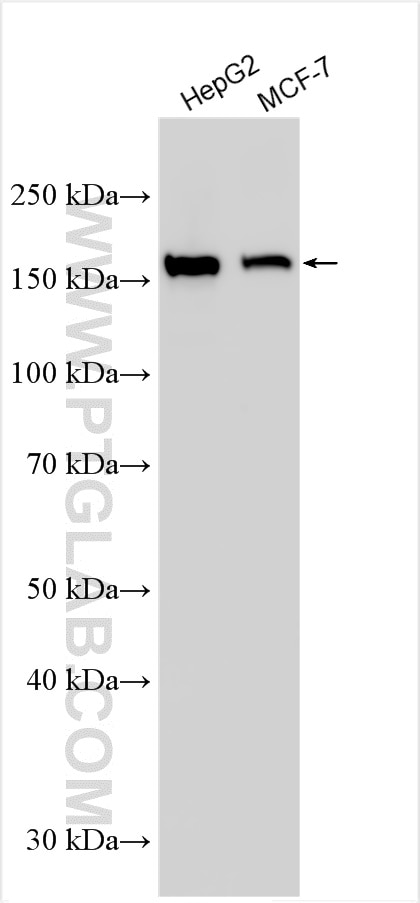
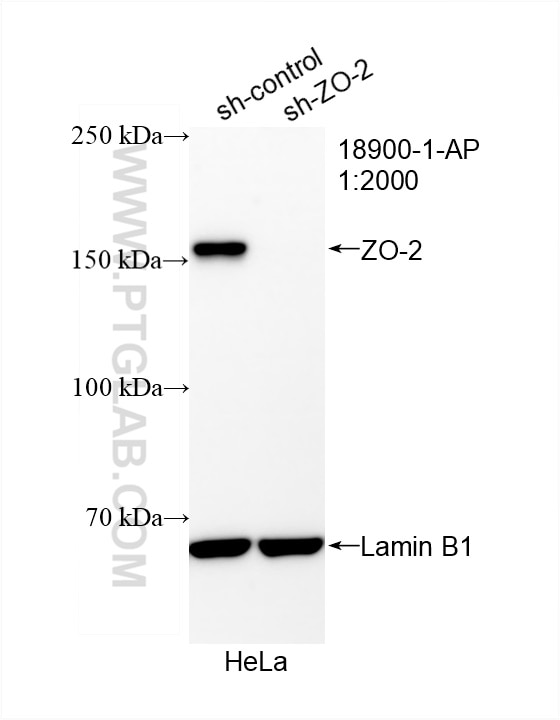
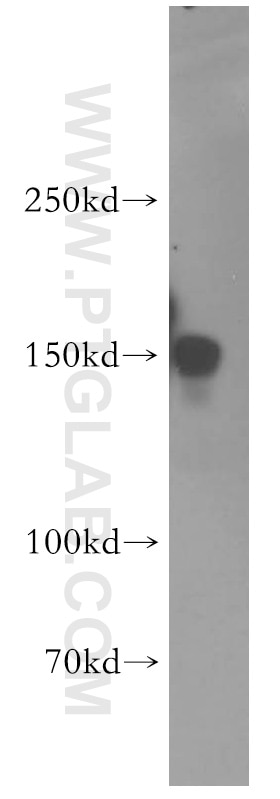
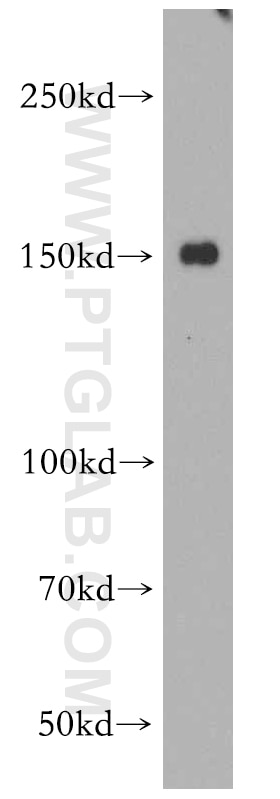
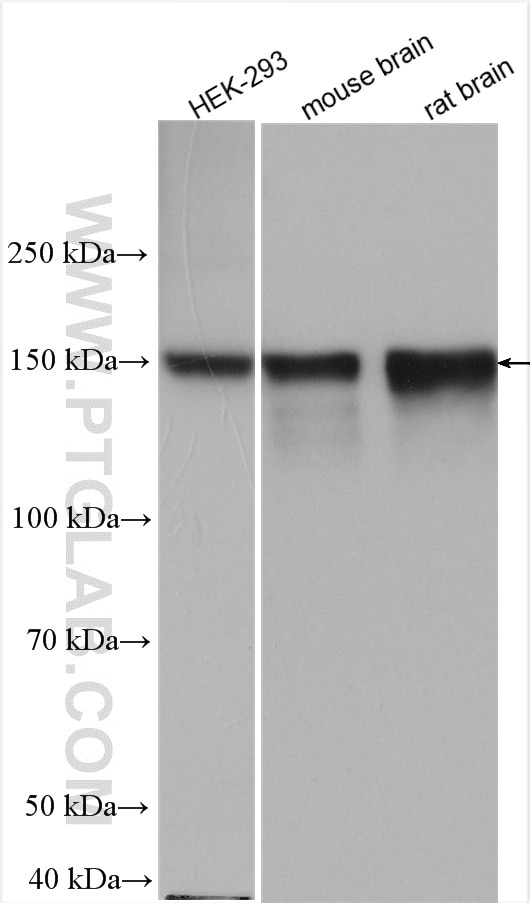
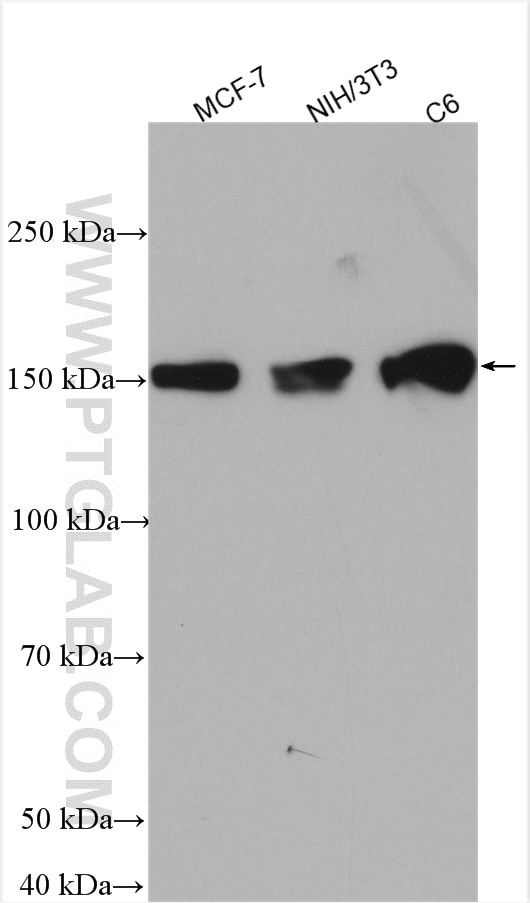
| Positive WB detected in | HepG2 cells, HEK-293 cells, HeLa cells, MCF-7 cells, mouse heart tissue, mouse brain tissue, rat brain tissue, NIH/3T3 cells, C6 cells |
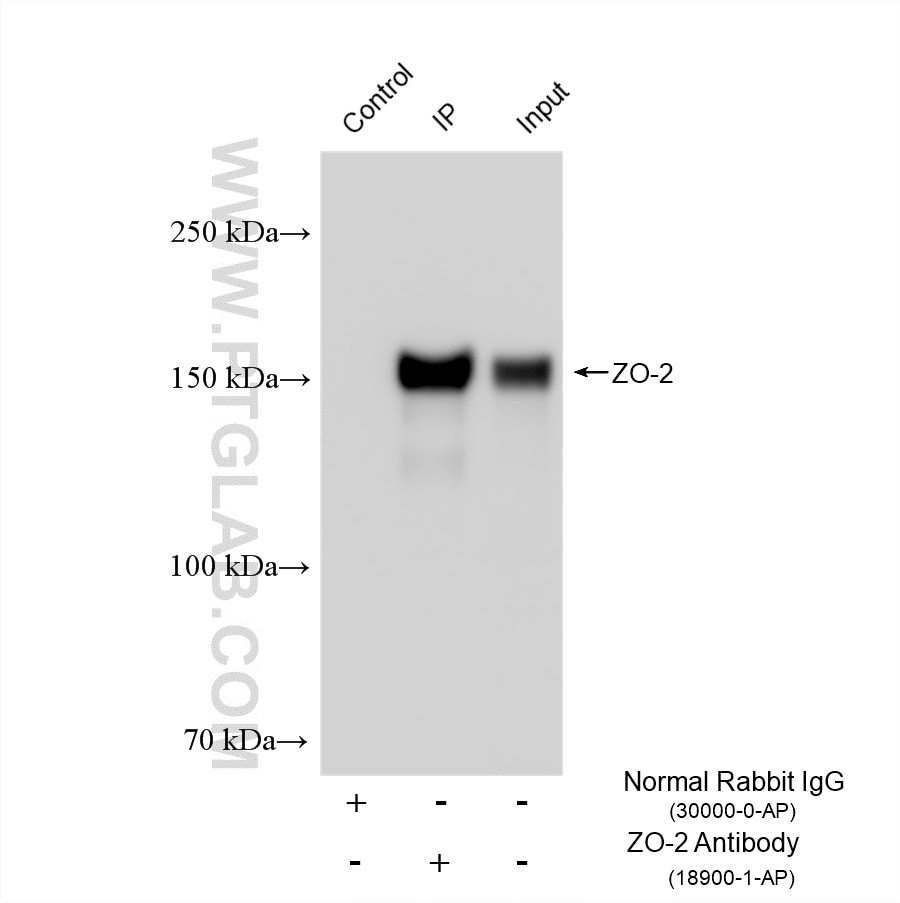
| Positive IP detected in | HepG2 cells |
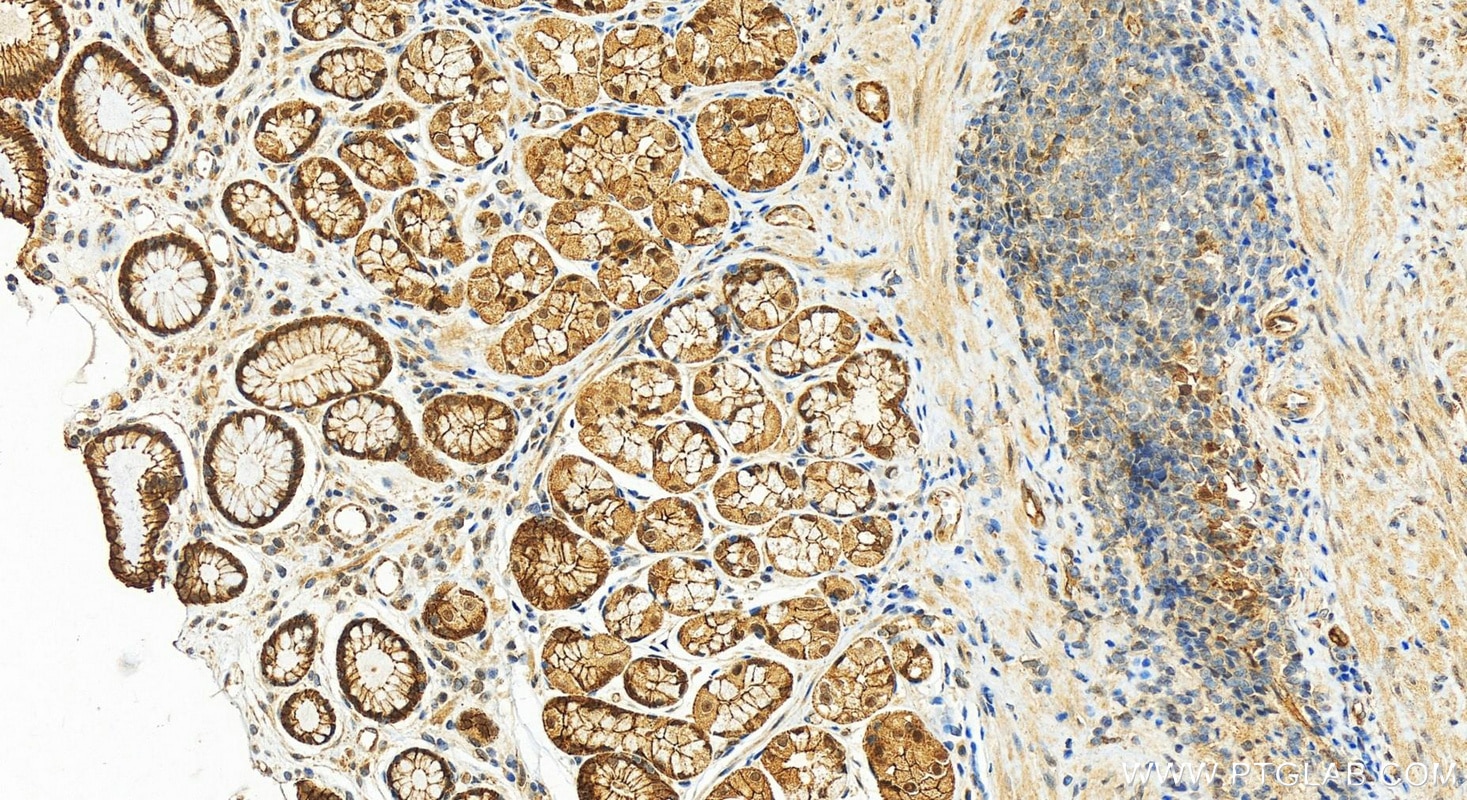
| Positive IHC detected in | human stomach tissue Note: suggested antigen retrieval with TE buffer pH 9.0; (*) Alternatively, antigen retrieval may be performed with citrate buffer pH 6.0 |
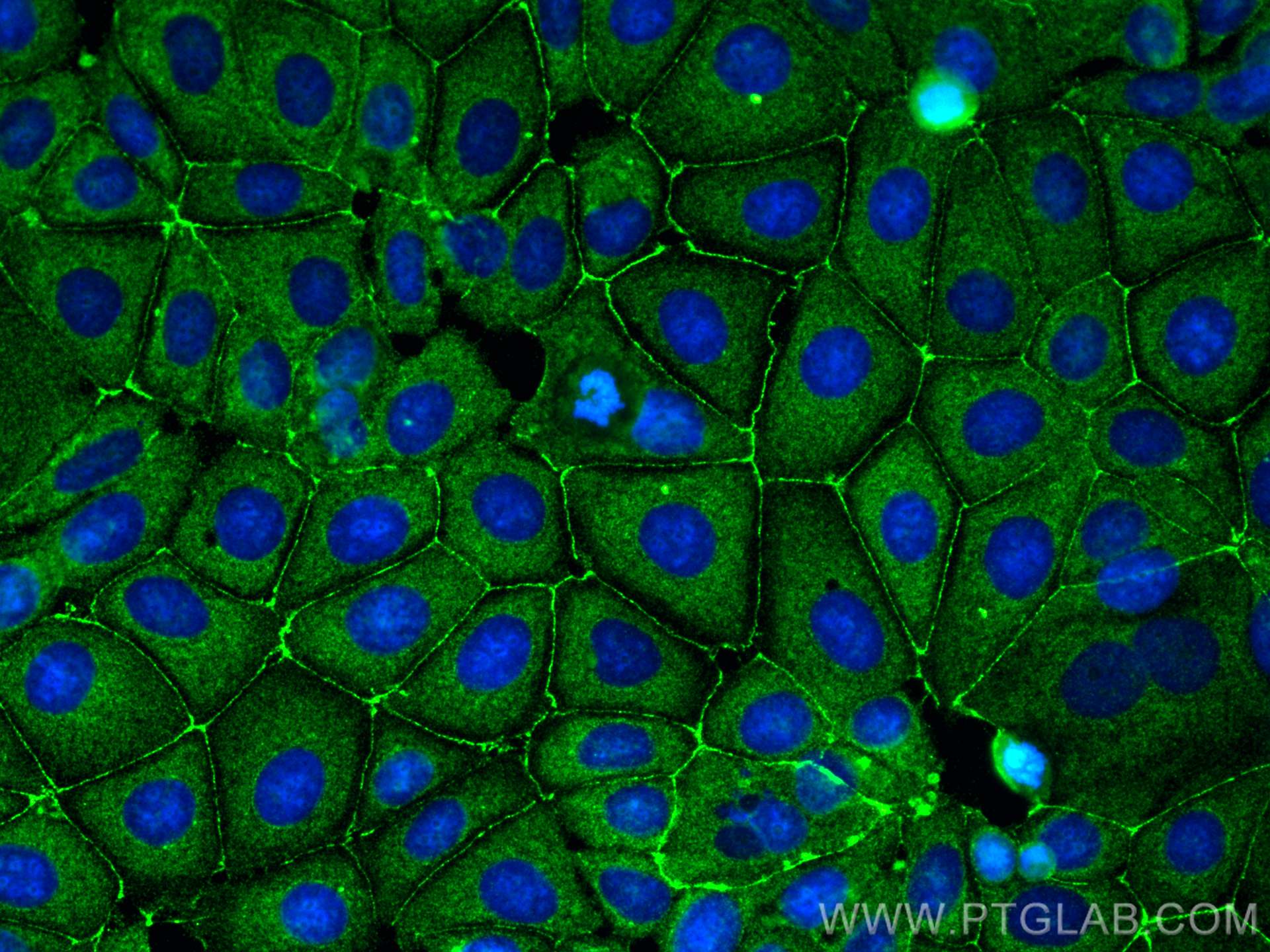
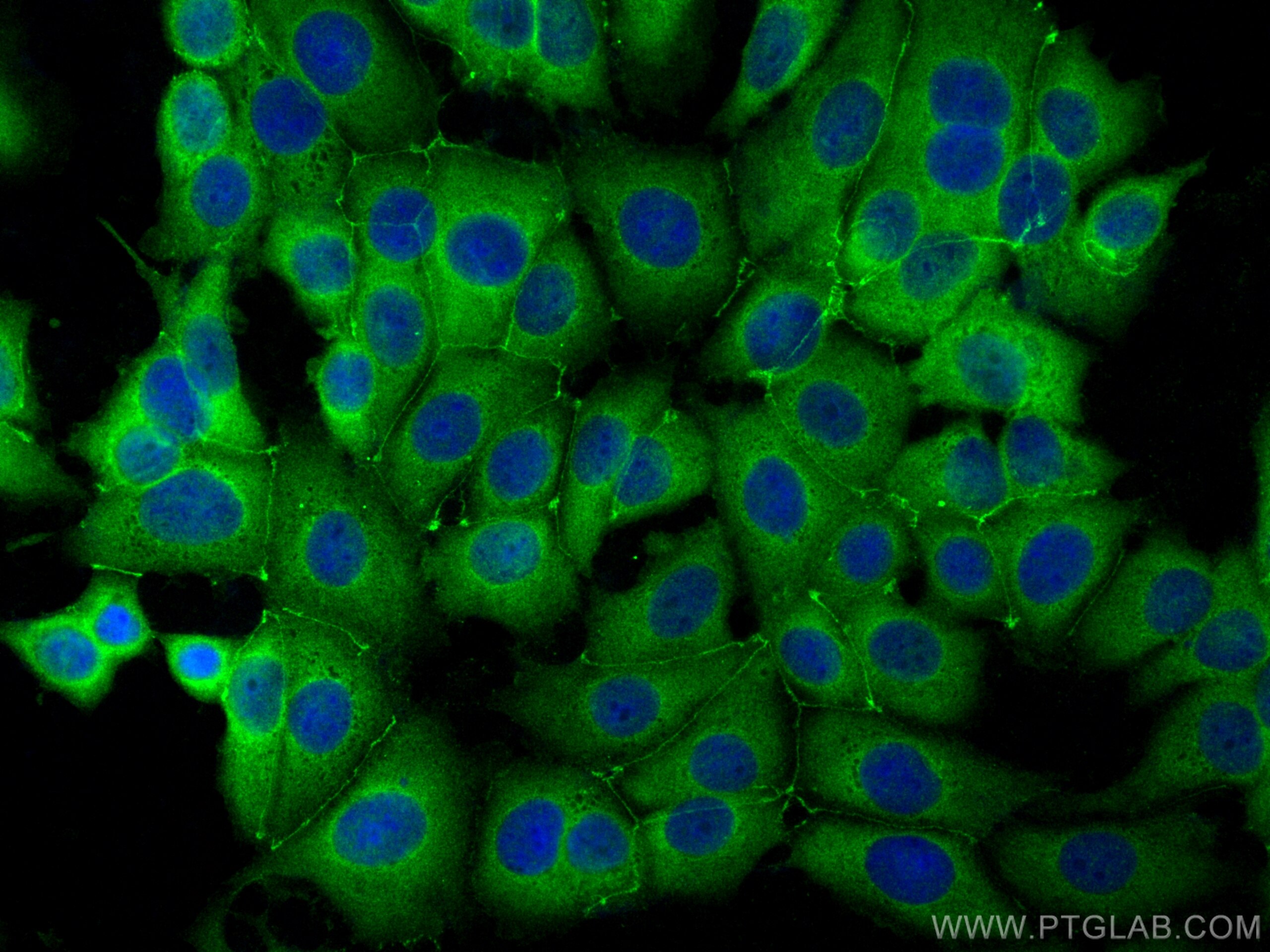
| Positive IF/ICC detected in | MCF-7 cells |
Recommended dilution
| Application | Dilution |
|---|---|
| Western Blot (WB) | WB : 1:2000-1:12000 |
| Immunoprecipitation (IP) | IP : 0.5-4.0 ug for 1.0-3.0 mg of total protein lysate |
| Immunohistochemistry (IHC) | IHC : 1:200-1:800 |
| Immunofluorescence (IF)/ICC | IF/ICC : 1:50-1:500 |
| It is recommended that this reagent should be titrated in each testing system to obtain optimal results. | |
| Sample-dependent, Check data in validation data gallery. | |
Product Information
18900-1-AP targets ZO-2 in WB, IHC, IF/ICC, IP, ChIP, ELISA applications and shows reactivity with human, mouse, rat samples.
| Tested Reactivity | human, mouse, rat |
| Cited Reactivity | human, mouse, rat, pig |
| Host / Isotype | Rabbit / IgG |
| Class | Polyclonal |
| Type | Antibody |
| Immunogen |
CatNo: Ag13534 Product name: Recombinant human TJP2 protein Source: e coli.-derived, PGEX-4T Tag: GST Domain: 1-289 aa of BC027592 Sequence: MPVRGDRGFPPRRELSGWLRAPGMEELIWEQYTVTLQKDSKRGFGIAVSGGRDNPHFENGETSIVISDVLPGGPADGLLQENDRVVMVNGTPMEDVLHSFAVQQLRKSGKVAAIVVKRPRKVQVAALQASPPLDQDDRAFEVMDEFDGRSFRSGYSERSRLNSHGGRSRSWEDSPERGRPHERARSRERDLSRDRSRGRSLERGLDQDHARTRDRSRGRSLERGLDHDFGPSRDRDRDRSRGRSIDQDYERAYHRAYDPDYERAYSPEYRRGARHDARSRGPRSRSREH Predict reactive species |
| Full Name | tight junction protein 2 (zona occludens 2) |
| Calculated Molecular Weight | 134 kDa |
| Observed Molecular Weight | 150 kDa |
| GenBank Accession Number | BC027592 |
| Gene Symbol | TJP2 |
| Gene ID (NCBI) | 9414 |
| RRID | AB_2203584 |
| Conjugate | Unconjugated |
| Form | Liquid |
| Purification Method | Antigen affinity purification |
| UNIPROT ID | Q9UDY2 |
| Storage Buffer | PBS with 0.02% sodium azide and 50% glycerol, pH 7.3. |
| Storage Conditions | Store at -20°C. Stable for one year after shipment. Aliquoting is unnecessary for -20oC storage. 20ul sizes contain 0.1% BSA. |
Background Information
Zona occludens protein 2 (ZO-2), also known as tight junction protein 2 (TJP2), is a membrane-associated guanylate kinase acting at intercellular contacts of epithelial and endothelial cells but also in their nuclei.
What is the molecular weight of ZO-2? Are there any isoforms of ZO-2? Is ZO-2 post-translationally modified?
The molecular weight of ZO-2 is 160 kDa. There are two known isoforms of ZO-2: full-length ZO-2A and ZO-2C lacking the first 23 amino acids (PMID: 10360833). ZO-2 can be phosphorylated and O-glycosylated, which has an impact on its localization (PMID: 23804652).
What is the subcellular localization of ZO-2?
ZO-2 is present at the cytoplasmic face at cell-cell contact sites: tight junctions, adherens junctions, and gap junctions (PMID: 20224657). ZO-2 contains nuclear localization and nuclear export signals and can actively shuttle between the cytoplasm and nucleus (PMID: 11855865). In the nucleus it can affect the activity of various transcription factors. ZO-2 nuclear localization is most prominent in sparse 2D cell cultures and also in cells subjected to mechanical or chemical stress.
What is the tissue expression pattern of ZO-2?
ZO-2 is expressed in various tissues in epithelial and endothelial cells. ZO-2 isoforms have tissue specificity, with ZO-2A being abundant in the heart and brain, while ZO-2C is found in the kidney, pancreas, heart, and placenta (PMID: 11018256).
What proteins can be used as markers of tight junctions?
Zona occludens proteins are often used as tight junction markers. Apart from the antibody against ZO-2, one can use antibodies against ZO-1 (https://www.ptglab.com/products/ZO1-Antibody-21773-1-AP.htm), occludin (https://www.ptglab.com/products/OCLN-Antibody-13409-1-AP.htm), and claudins (e.g., claudin 1: https://www.ptglab.com/products/CLDN1-Antibody-13050-1-AP.htm).
Protocols
| Product Specific Protocols | |
|---|---|
| IF protocol for ZO-2 antibody 18900-1-AP | Download protocol |
| IHC protocol for ZO-2 antibody 18900-1-AP | Download protocol |
| IP protocol for ZO-2 antibody 18900-1-AP | Download protocol |
| WB protocol for ZO-2 antibody 18900-1-AP | Download protocol |
| Standard Protocols | |
|---|---|
| Click here to view our Standard Protocols |
Publications
What published studies show
The ZO-1 antibody (Cat# 18900-1-AP) has been cited in 40 publications across journals including Gastroenterology, Cell Reports, EMBO Molecular Medicine, Cell Death & Disease, Free Radical Biology and Medicine, Acta Pharmacologica Sinica, and Scientific Reports. Associated research fields encompass intestinal tight junction biology, gut microbiota, cancer, neurodevelopment, ischemic stroke, colitis, liver disease, acute pancreatitis, COPD, hypertension, obesity, myocardial fibrosis, and blood-testis barrier function.
| Species | Application | Title |
|---|---|---|
Gastroenterology Myosin Vb Traffics P-glycoprotein to the Apical Membrane of Intestinal Epithelial Cells | ||
Gut Microbes Antenatal depressive symptoms impair offspring neurodevelopment by inducing maternal gut microbiota dysbiosis during pregnancy. | ||
J Exp Clin Cancer Res RBM15 drives bladder cancer progression through YTHDF2-dependent m6A-mediated regulation of ZO2.
| ||
Cell Death Dis Specific deletion of protein phosphatase 6 catalytic subunit in Sertoli cells leads to disruption of spermatogenesis. | ||
Cell Death Dis ZNF582 overexpression restrains the progression of clear cell renal cell carcinoma by enhancing the binding of TJP2 and ERK2 and inhibiting ERK2 phosphorylation | ||
Mater Today Bio Endoscopic nasal delivery of engineered endothelial progenitor cell-derived exosomes improves angiogenesis and neurological deficits in rats with intracerebral hemorrhage |












