
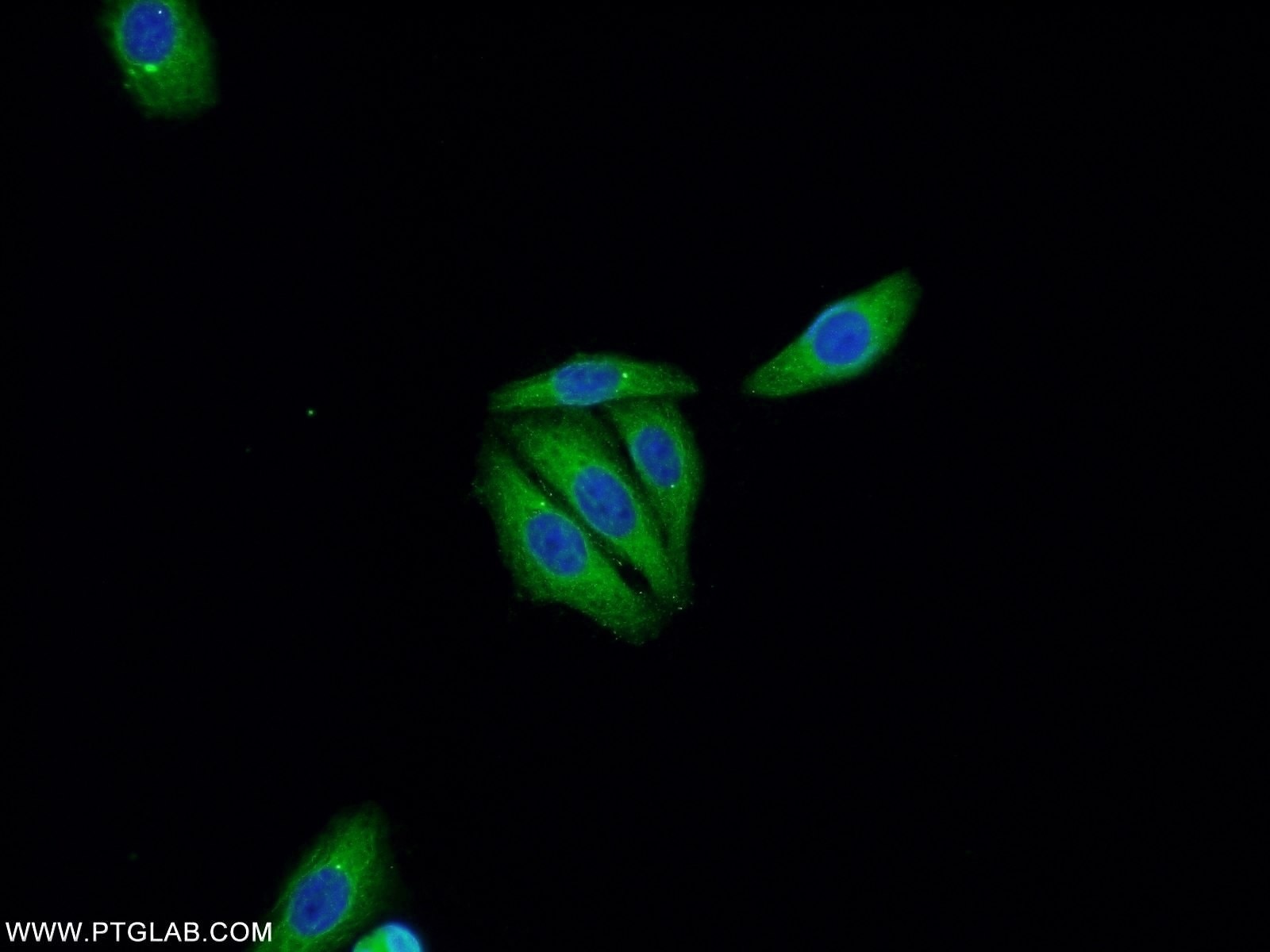

Tested Applications
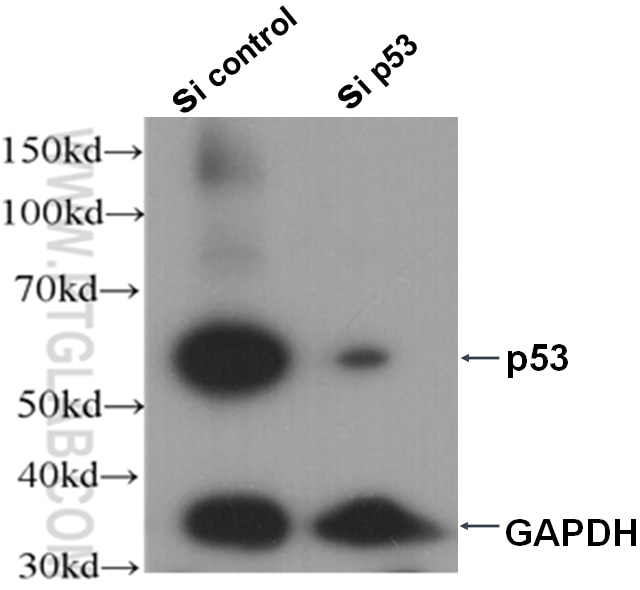
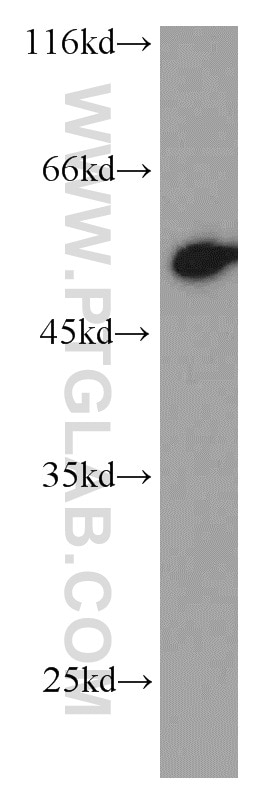
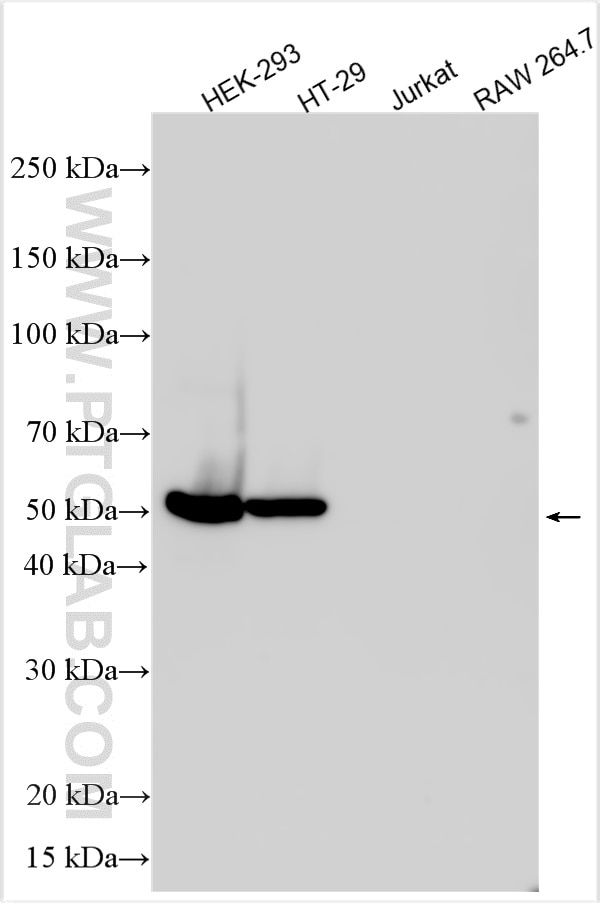
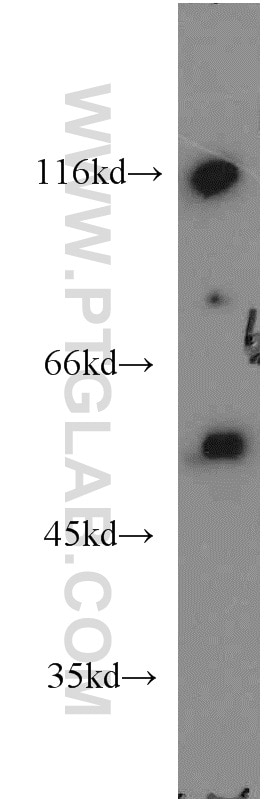
| Positive WB detected in | HEK-293 cells, A431 cells, HT-29 cells |
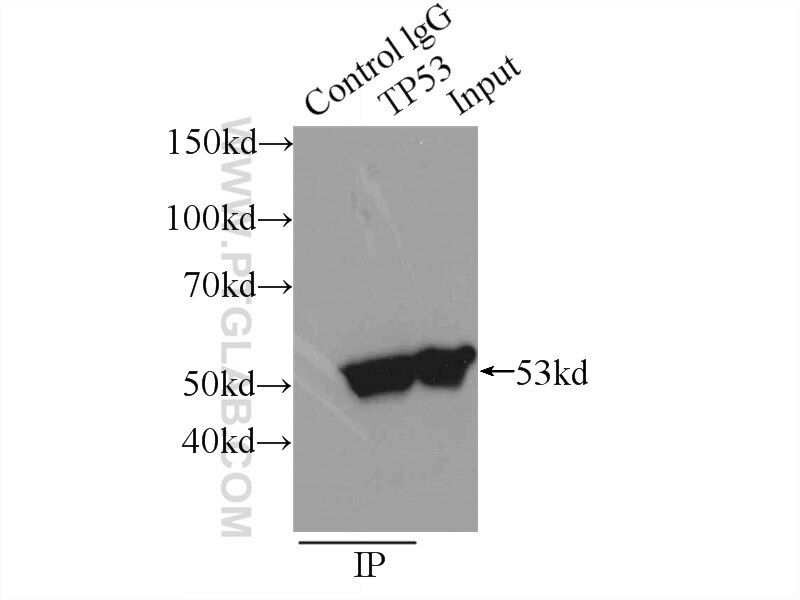
| Positive IP detected in | A431 cells |
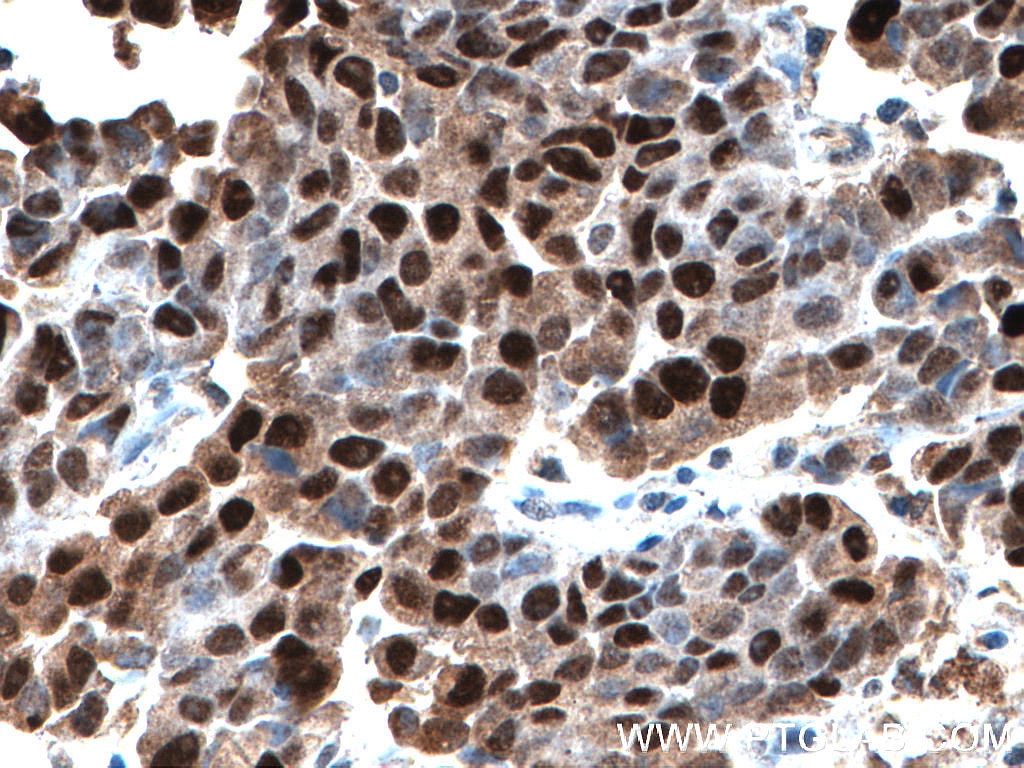
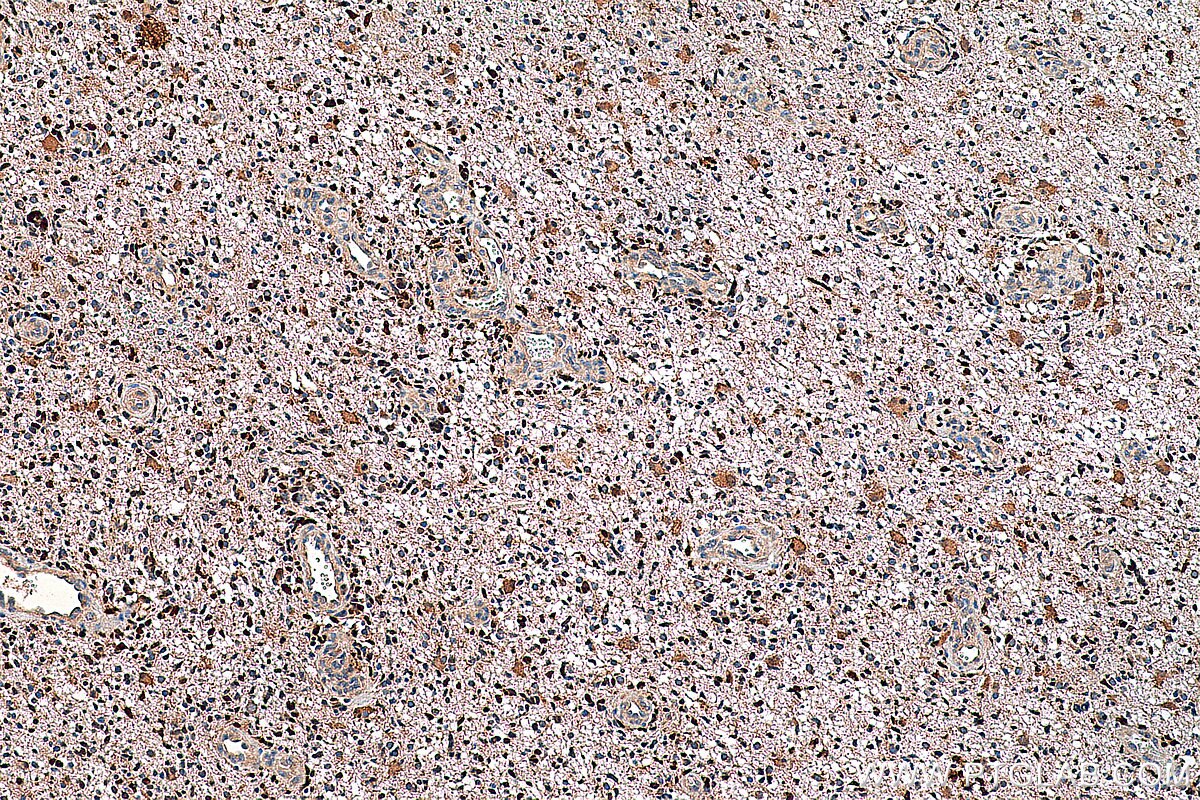
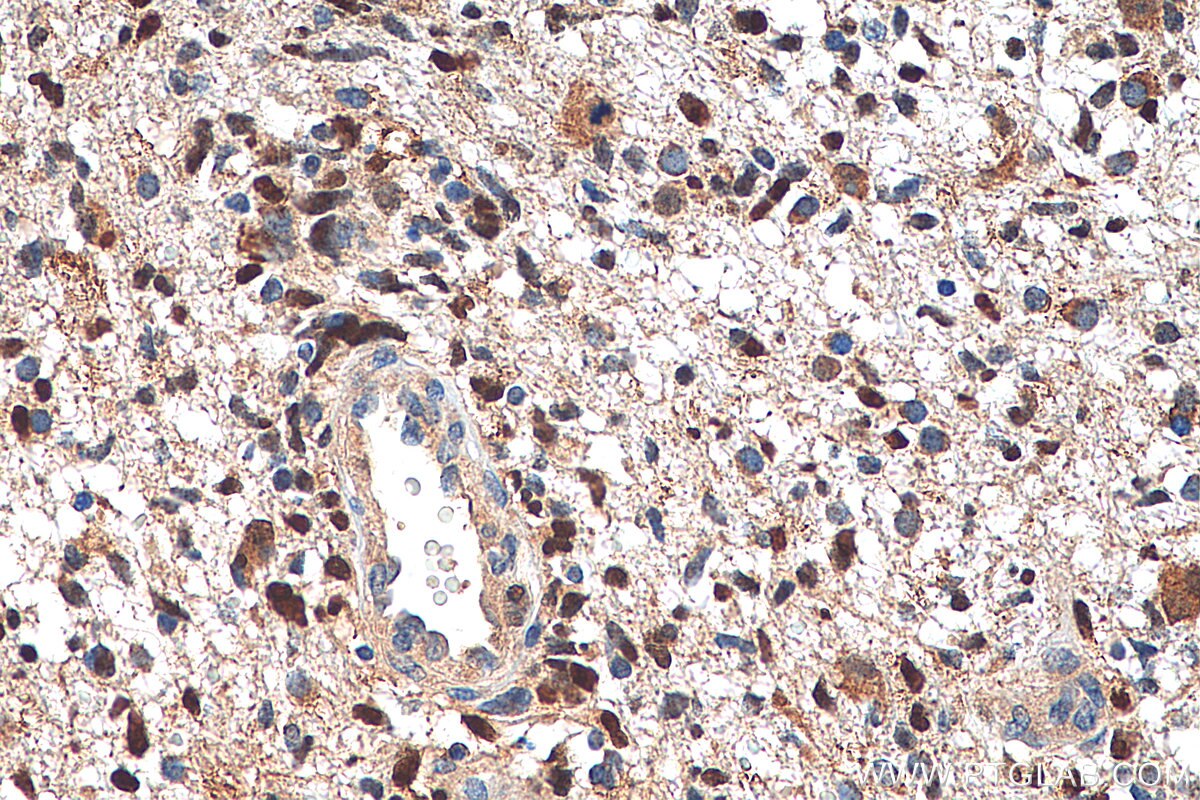
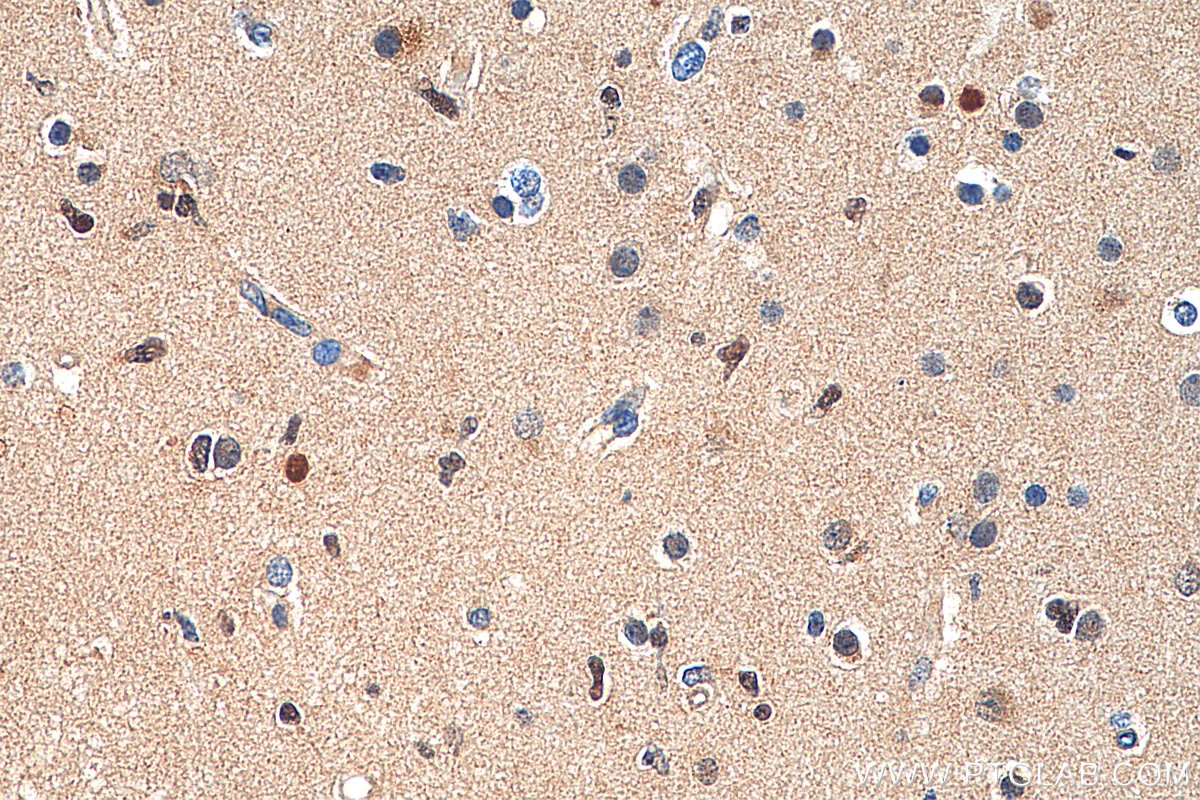
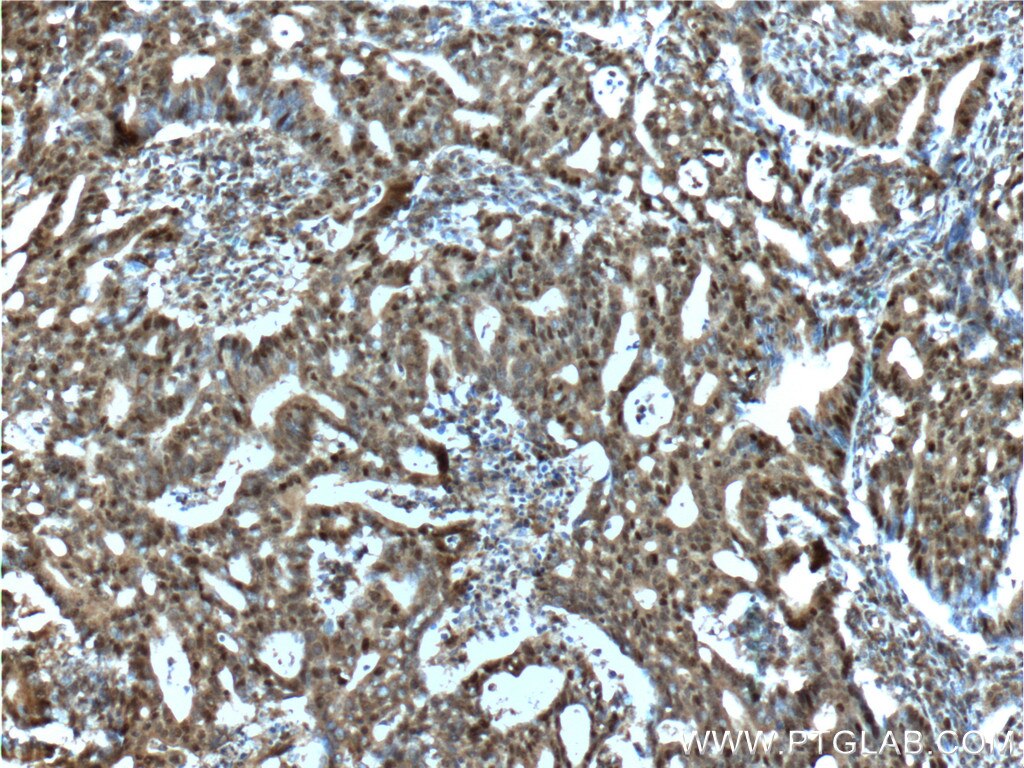
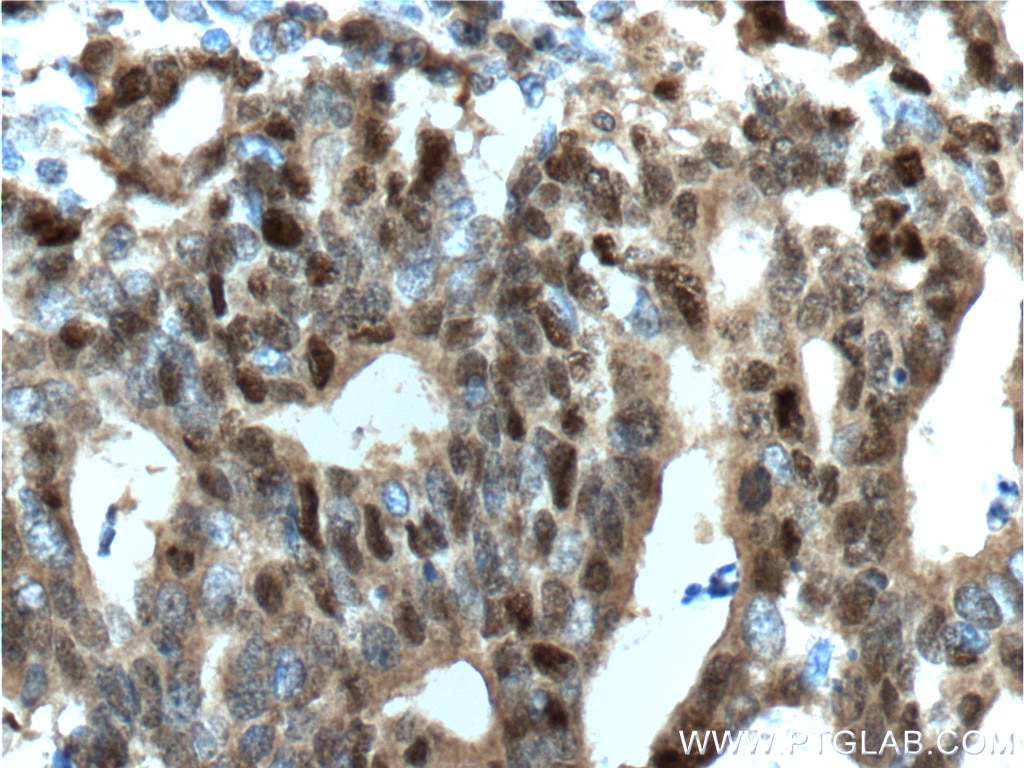
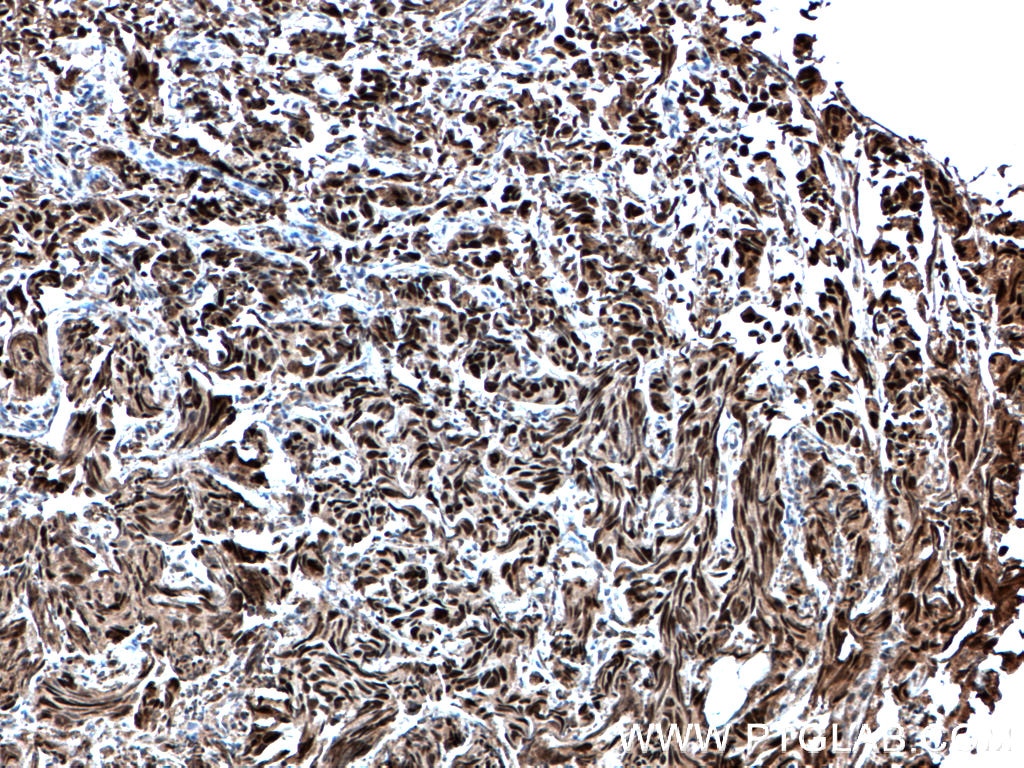
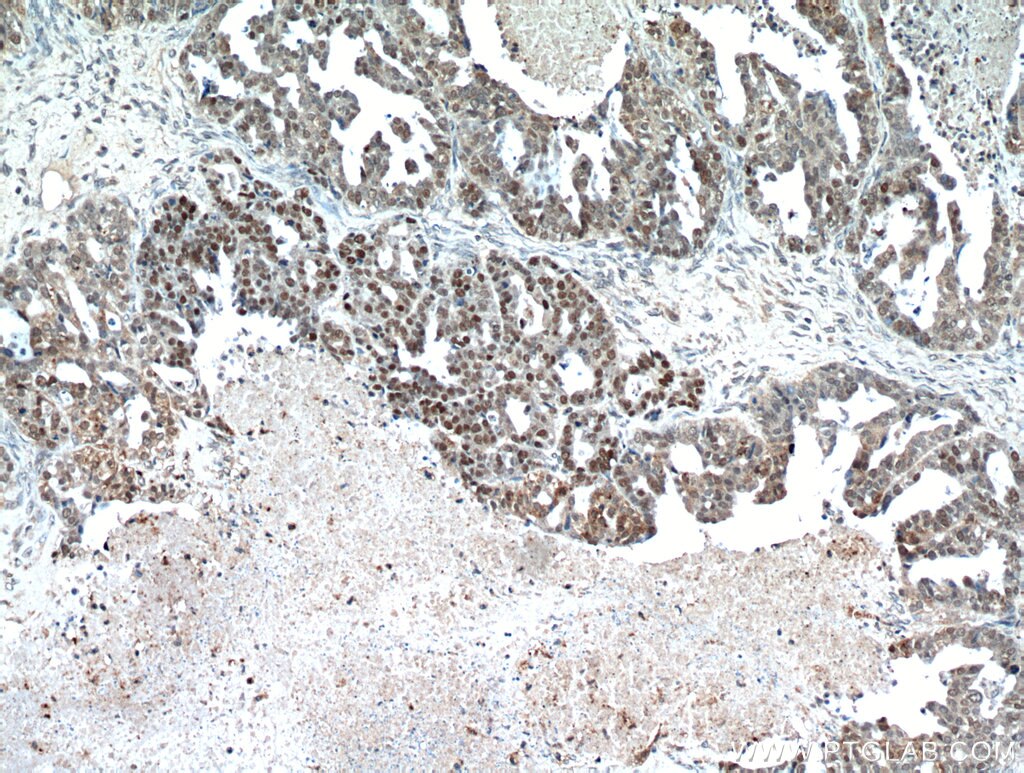
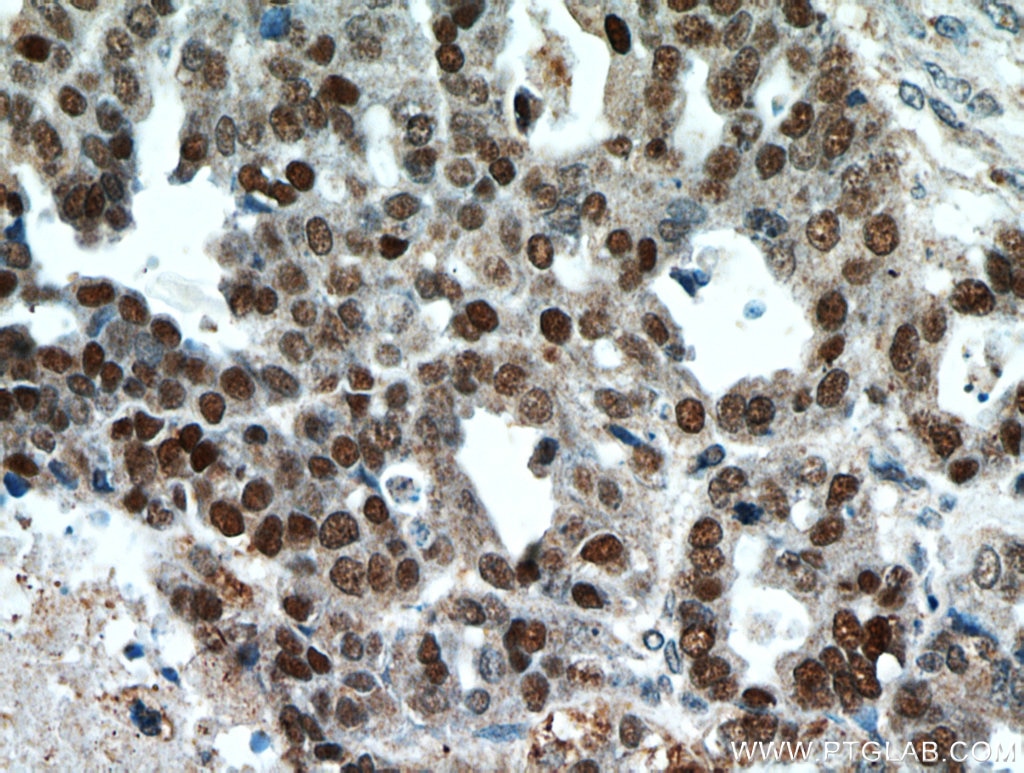
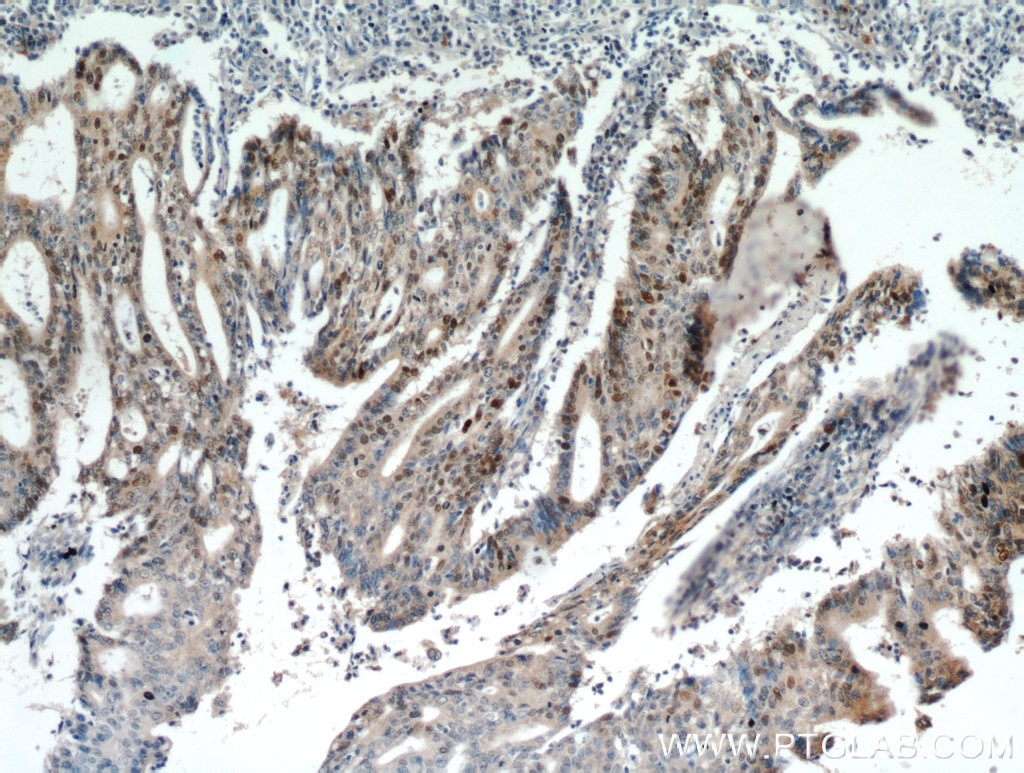
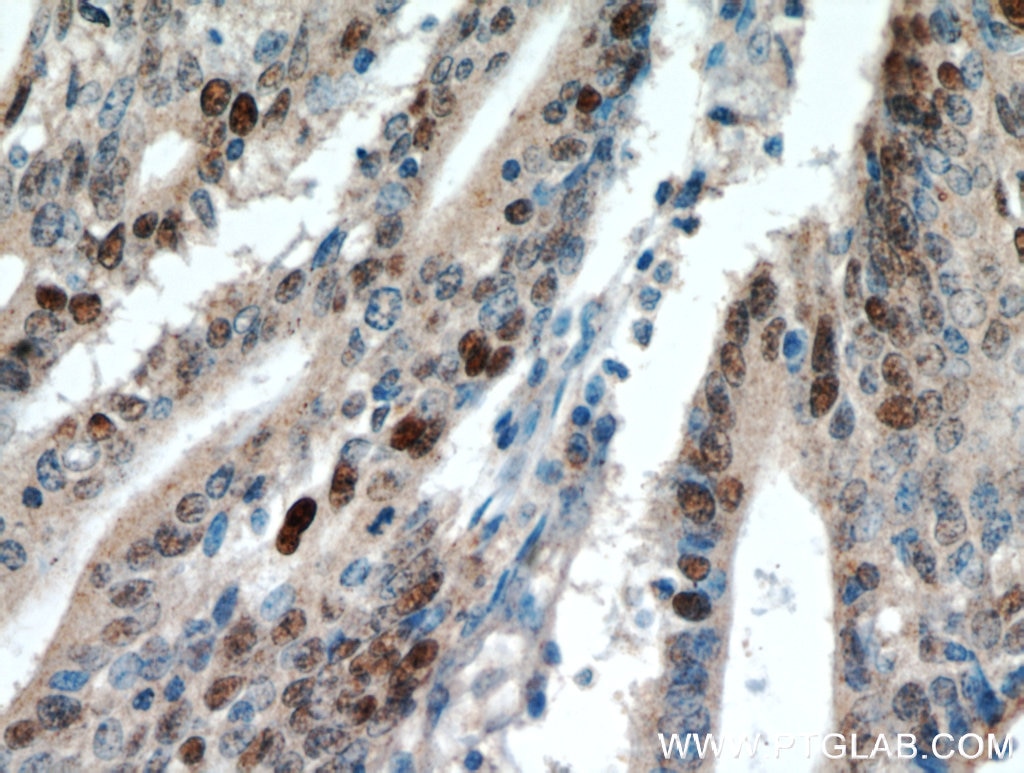
| Positive IHC detected in | human prostate cancer tissue, human gliomas tissue, human endometrial cancer tissue, human ovary tumor tissue Note: suggested antigen retrieval with TE buffer pH 9.0; (*) Alternatively, antigen retrieval may be performed with citrate buffer pH 6.0 |
| Positive IF/ICC detected in | HepG2 cells |
Recommended dilution
| Application | Dilution |
|---|---|
| Western Blot (WB) | WB : 1:5000-1:50000 |
| Immunoprecipitation (IP) | IP : 0.5-4.0 ug for 1.0-3.0 mg of total protein lysate |
| Immunohistochemistry (IHC) | IHC : 1:50-1:500 |
| Immunofluorescence (IF)/ICC | IF/ICC : 1:20-1:200 |
| It is recommended that this reagent should be titrated in each testing system to obtain optimal results. | |
| Sample-dependent, Check data in validation data gallery. | |
Product Information
21891-1-AP targets P53 in WB, IHC, IF/ICC, IP, CoIP, ELISA applications and shows reactivity with human samples.
| Tested Reactivity | human |
| Cited Reactivity | human, mouse, rat |
| Host / Isotype | Rabbit / IgG |
| Class | Polyclonal |
| Type | Antibody |
| Immunogen |
CatNo: Ag16596 Product name: Recombinant human TP53 protein Source: e coli.-derived, PET28a Tag: 6*His Domain: 1-393 aa of BC003596 Sequence: MEEPQSDPSVEPPLSQETFSDLWKLLPENNVLSPLPSQAMDDLMLSPDDIEQWFTEDPGPDEAPRMPEAAPRVAPAPAAPTPAAPAPAPSWPLSSSVPSQKTYQGSYGFRLGFLHSGTAKSVTCTYSPALNKMFCQLAKTCPVQLWVDSTPPPGTRVRAMAIYKQSQHMTEVVRRCPHHERCSDSDGLAPPQHLIRVEGNLRVEYLDDRNTFRHSVVVPYEPPEVGSDCTTIHYNYMCNSSCMGGMNRRPILTIITLEDSSGNLLGRNSFEVRVCACAGRDRRTEEENLRKKGEPHHELPPGSTKRALPNNTSSSPQPKKKPLDGEYFTLQIRGRERFEMFRELNEALELKDAQAGKEPGGSRAHSSHLKSKKGQSTSRHKKLMFKTEGPDSD Predict reactive species |
| Full Name | tumor protein p53 |
| Calculated Molecular Weight | 393 aa, 44 kDa |
| Observed Molecular Weight | 53 kDa |
| GenBank Accession Number | BC003596 |
| Gene Symbol | P53 |
| Gene ID (NCBI) | 7157 |
| RRID | AB_10896826 |
| Conjugate | Unconjugated |
| Form | Liquid |
| Purification Method | Antigen affinity purification |
| UNIPROT ID | P04637 |
| Storage Buffer | PBS with 0.02% sodium azide and 50% glycerol, pH 7.3. |
| Storage Conditions | Store at -20°C. Stable for one year after shipment. Aliquoting is unnecessary for -20oC storage. 20ul sizes contain 0.1% BSA. |
Background Information
1. What is p53?
P53 is a tumor suppressor gene that plays a role in maintaining genomic stability and controlling apoptosis. During the cell cycle, it can arrest cells at the G1/S checkpoint and activate DNA repair mechanisms. It is the most mutated gene in cancer. In unstressed cells, p53 usually exists at low levels in an inactive form, being bound to Mdm2.
2. FAQs and p53
a. I fail to detect p53 by western blotting
Basal levels of wild-type p53 in untreated cells can be low. Try to load more cell lysate and use a positive control - a lysate of cells treated with DNA-damaging agents should increase p53 levels.
b. I fail to detect p53 in some cell lines by western blotting
Various p53 mutations are present in cancer cell types. If mutations cause truncations/deletions some monoclonal antibodies may no longer recognize mutated p53. You have more chances of detecting various p53 mutants with our polyclonal antibody.
c. I can detect more than one band ~50 kDa size / different cell lines give bands at slightly different size
p53 is a subject of post-translational modifications (http://p53.free.fr/p53_info/p53_modifications.html) and more than one isoform may be expressed (http://p53.free.fr/p53_info/p53_isoforms.html). Also, it is possible that your cell line of interest expresses one allele with mutated p53 with altered molecular weight.
Protocols
| Product Specific Protocols | |
|---|---|
| IF protocol for P53 antibody 21891-1-AP | Download protocol |
| IHC protocol for P53 antibody 21891-1-AP | Download protocol |
| IP protocol for P53 antibody 21891-1-AP | Download protocol |
| WB protocol for P53 antibody 21891-1-AP | Download protocol |
| Standard Protocols | |
|---|---|
| Click here to view our Standard Protocols |
Publications
What published studies show
The P53 Polyclonal antibody (Cat# 21891-1-AP) has 91 citations across 70+ journals, including Cancer Cell, Cell Death & Disease, Oncogene, J Control Release, Phytomedicine, EBioMedicine, and JCI Insight. Research fields span oncology (hepatocellular, colorectal, glioblastoma, bladder, and other cancers), cellular senescence and aging, fibrosis, cardiovascular disease, neurology, immunology, and pharmacology. Cited applications include WB, IHC, IF, IP, and CoIP, with reactivity in human, mouse, and rat.
| Species | Application | Title |
|---|---|---|
Cancer Cell p53 Is a Master Regulator of Proteostasis in SMARCB1-Deficient Malignant Rhabdoid Tumors.
| ||
J Adv Res MiR-4521 plays a tumor repressive role in growth and metastasis of hepatocarcinoma cells by suppressing phosphorylation of FAK/AKT pathway via targeting FAM129A. | ||
J Nanobiotechnology Extracellular vesicles derived from hypoxia-preconditioned olfactory mucosa mesenchymal stem cells enhance angiogenesis via miR-612
| ||
J Nanobiotechnology Tryptophan-sorbitol based carbon quantum dots for theranostics against hepatocellular carcinoma. | ||
J Control Release Lipid-like gemcitabine diester-loaded liposomes for improved chemotherapy of pancreatic cancer | ||
J Control Release Peritoneal M2 macrophage-derived extracellular vesicles as natural multitarget nanotherapeutics to attenuate cytokine storms after severe infections. |
Reviews
What customers say
The single review for this product is a 5-star rating from an immunohistochemistry application. The customer praised the trial size, noting it allowed them to test whether the antibody works for their specific experiment before committing to a larger purchase. Overall, the feedback is positive, highlighting the convenience and practicality of the small-format option for preliminary testing.
The reviews below have been submitted by verified Proteintech customers who received an incentive for providing their feedback.
Y (Verified Customer) (04-01-2019) | We really like the trial size, it lets us try to test if the antibody works on our experiment.
|


















