
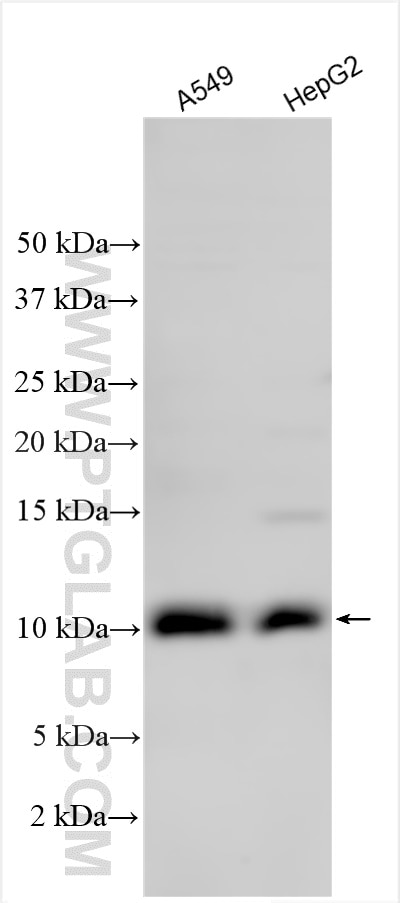
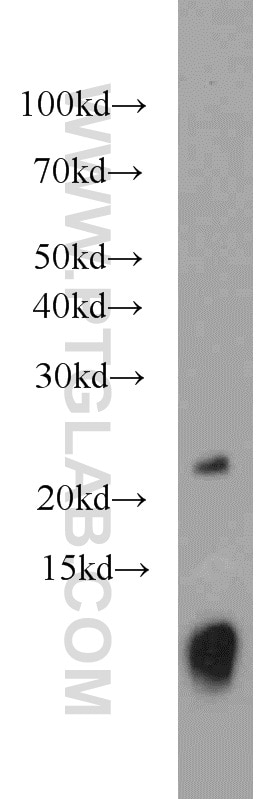
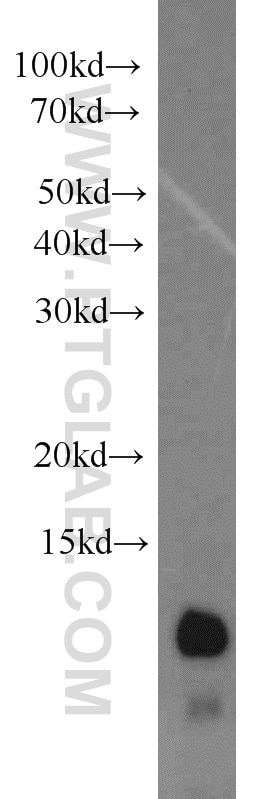
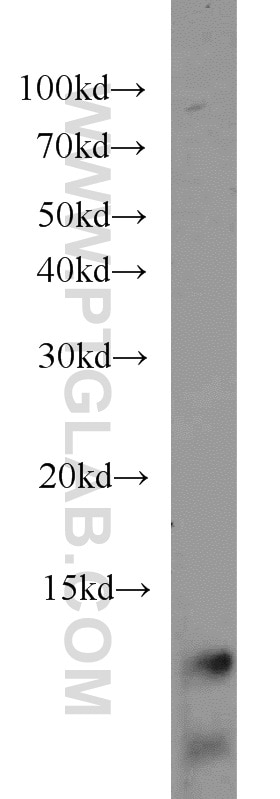
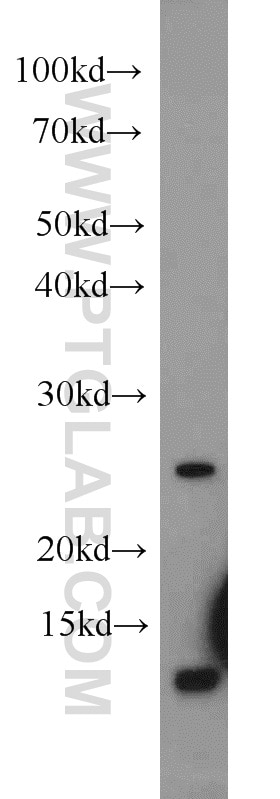
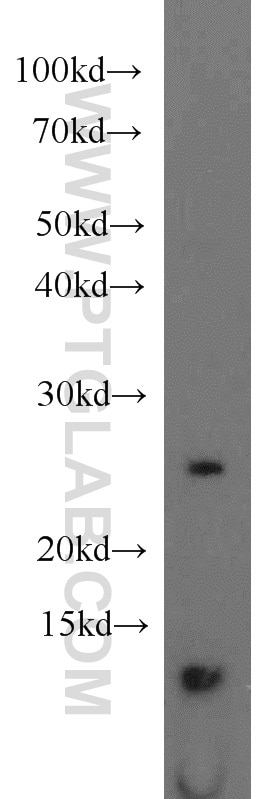
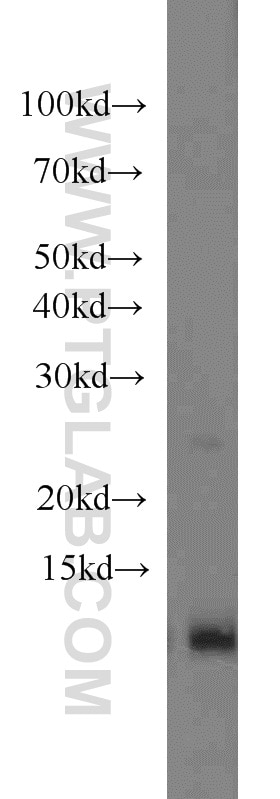
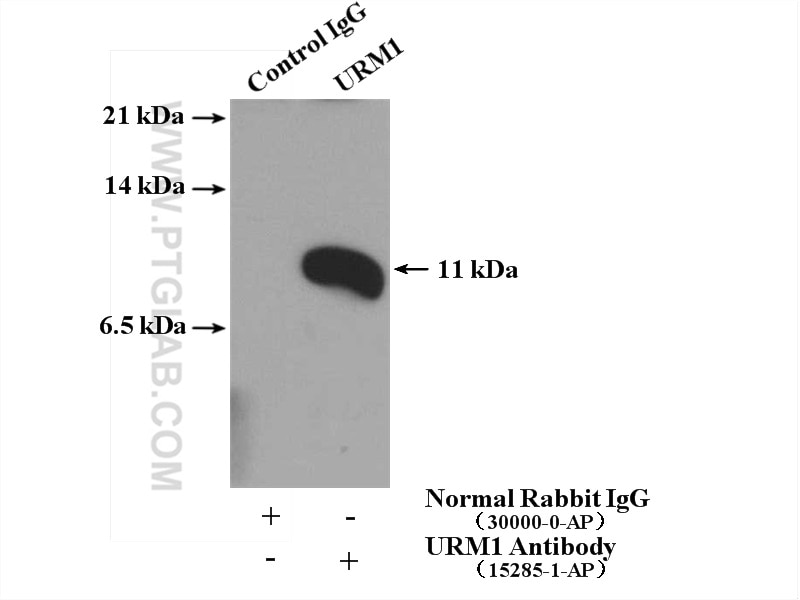
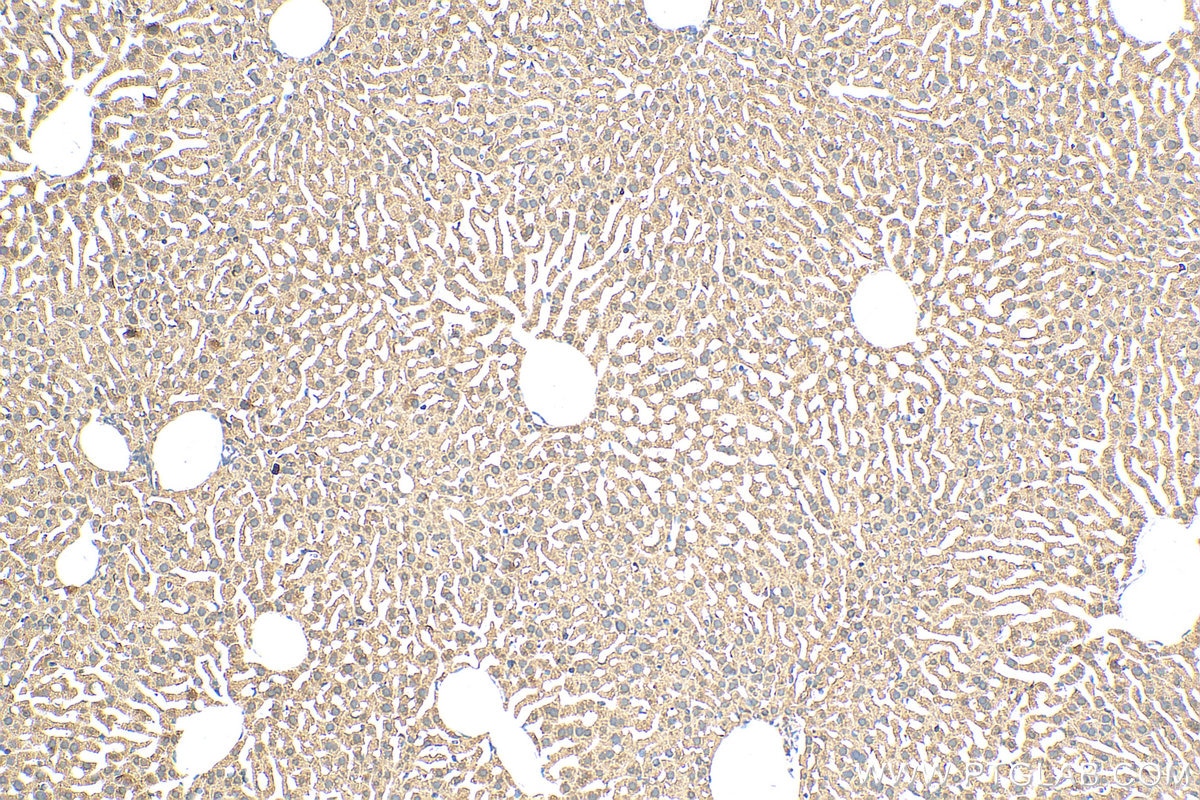
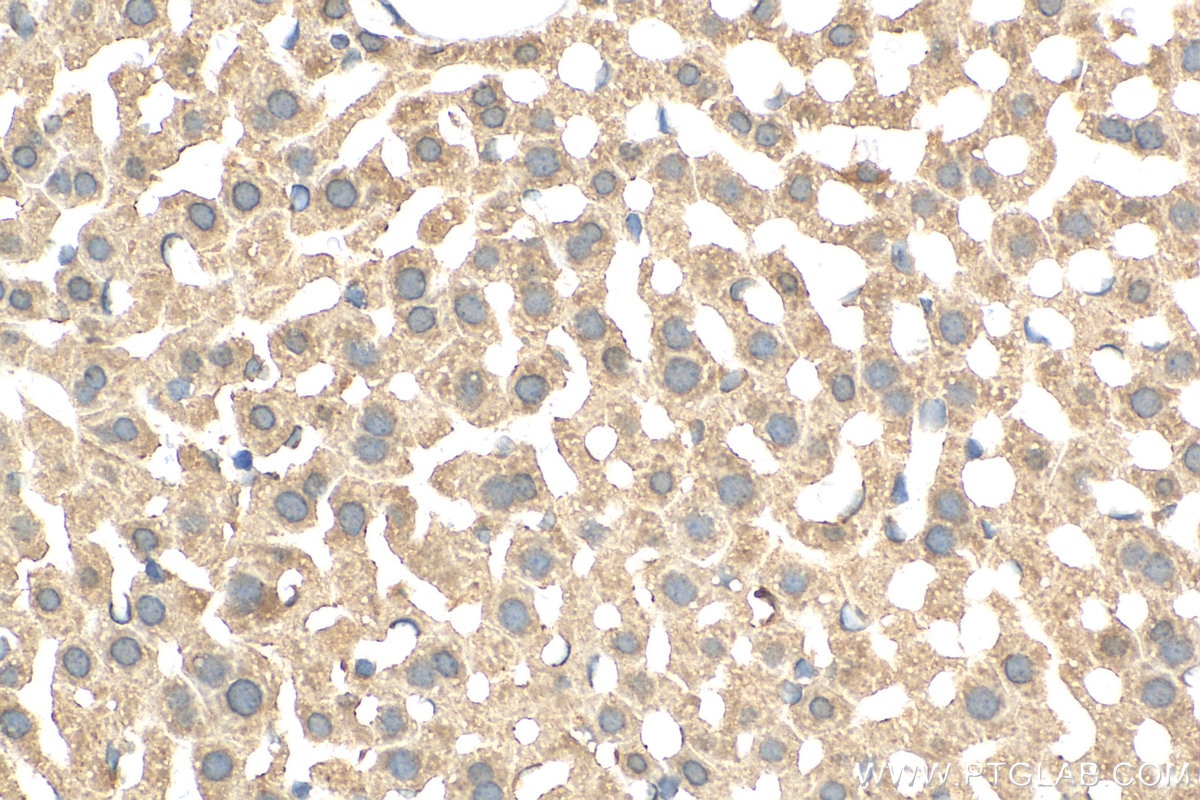
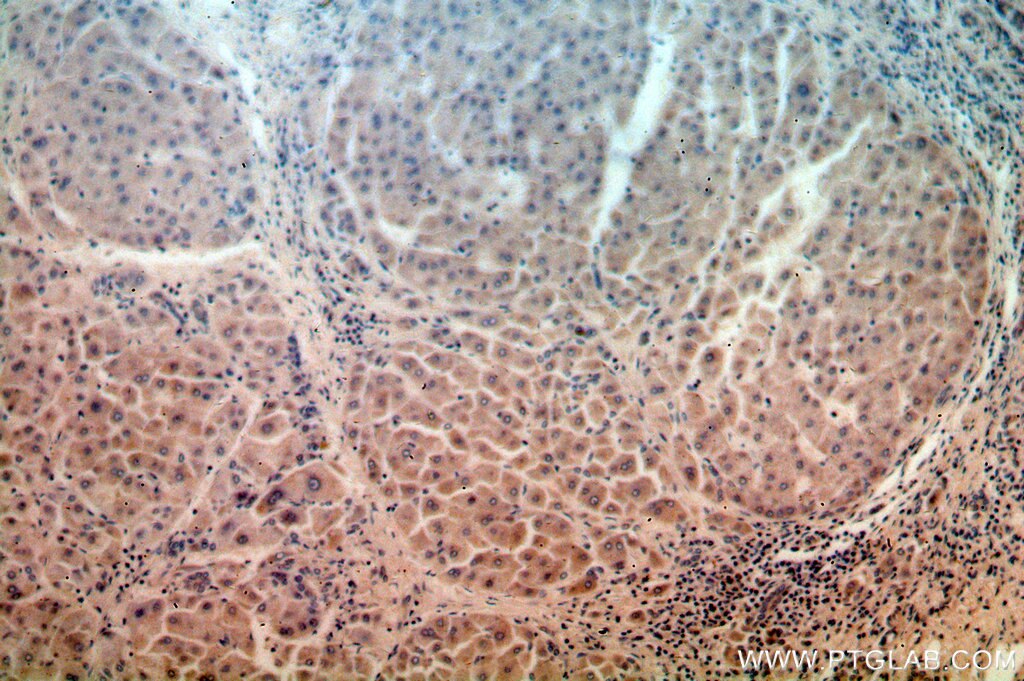
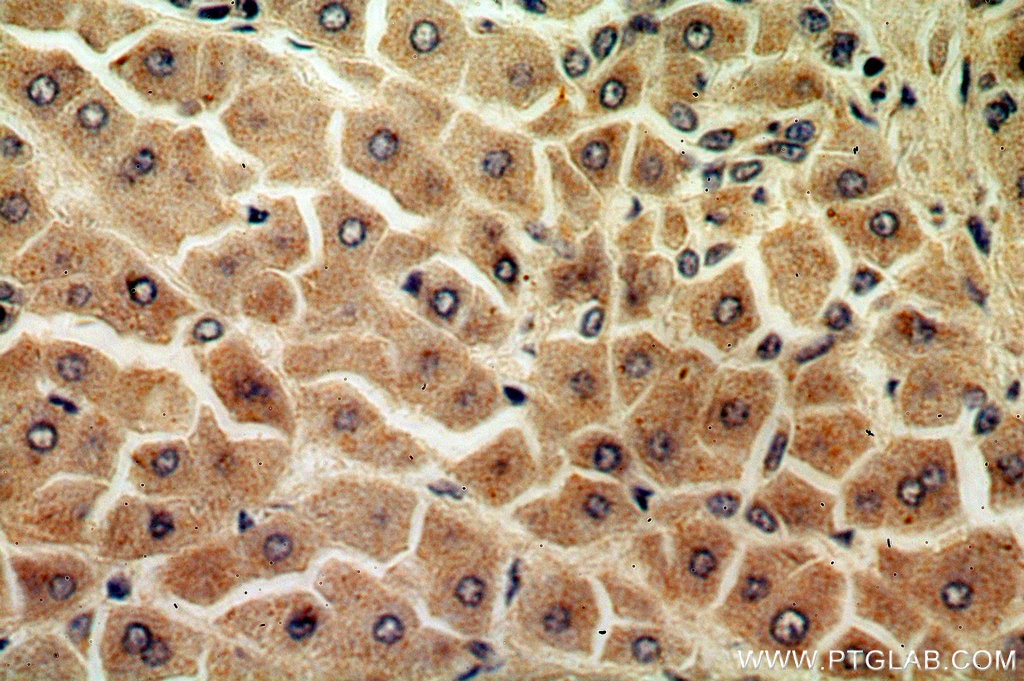

Tested Applications
| Positive WB detected in | A549 cells, HepG2 cells, mouse liver tissue, human placenta tissue |
| Positive IP detected in | HepG2 cells |
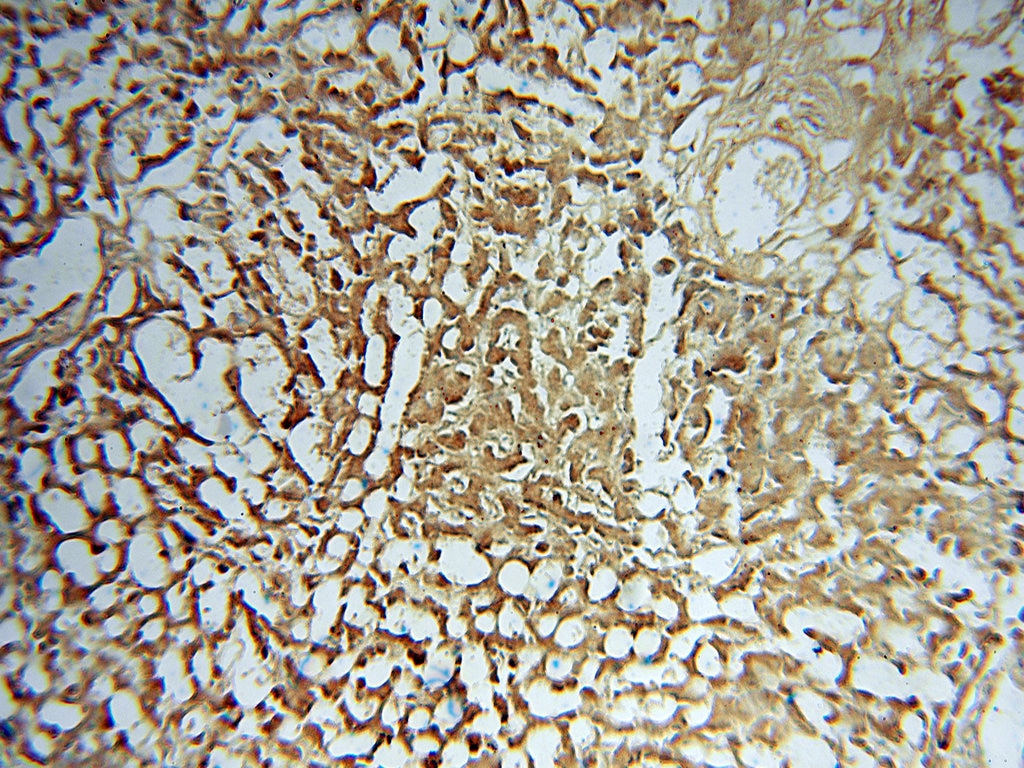
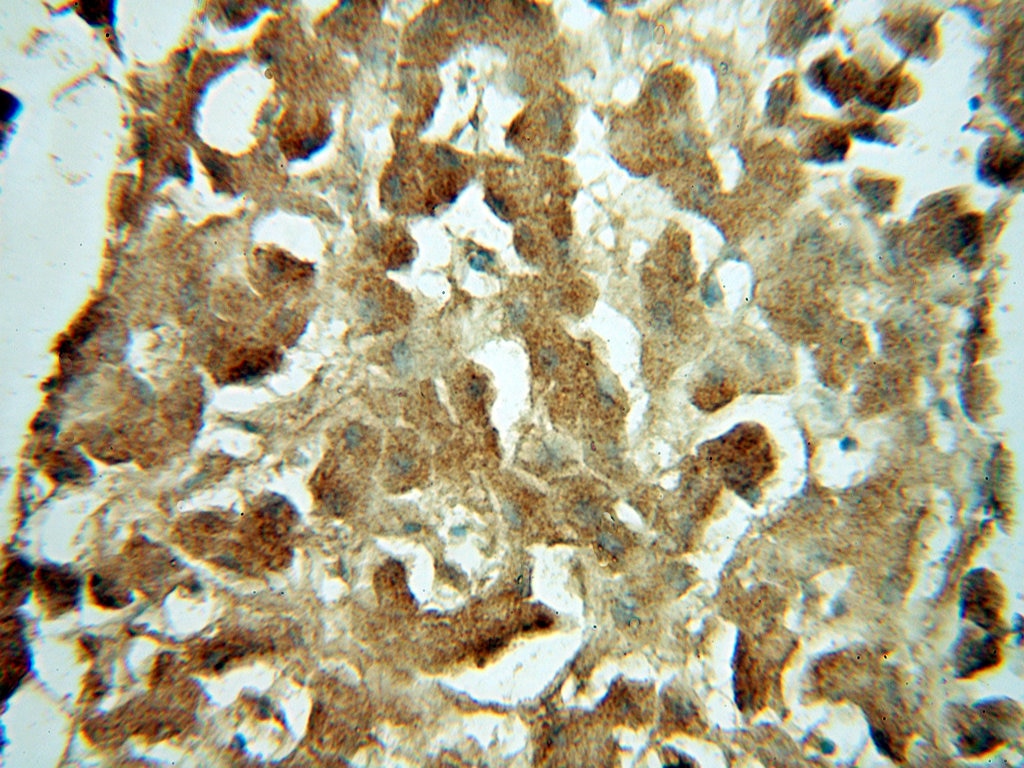
| Positive IHC detected in | mouse liver tissue, human hepatocirrhosis tissue, human liver tissue Note: suggested antigen retrieval with TE buffer pH 9.0; (*) Alternatively, antigen retrieval may be performed with citrate buffer pH 6.0 |
Recommended dilution
| Application | Dilution |
|---|---|
| Western Blot (WB) | WB : 1:500-1:1000 |
| Immunoprecipitation (IP) | IP : 0.5-4.0 ug for 1.0-3.0 mg of total protein lysate |
| Immunohistochemistry (IHC) | IHC : 1:50-1:500 |
| It is recommended that this reagent should be titrated in each testing system to obtain optimal results. | |
| Sample-dependent, Check data in validation data gallery. | |
Product Information
15285-1-AP targets URM1 in WB, IHC, IP, ELISA applications and shows reactivity with human, mouse, rat samples.
| Tested Reactivity | human, mouse, rat |
| Cited Reactivity | human |
| Host / Isotype | Rabbit / IgG |
| Class | Polyclonal |
| Type | Antibody |
| Immunogen |
CatNo: Ag7448 Product name: Recombinant human URM1 protein Source: e coli.-derived, PGEX-4T Tag: GST Domain: 1-101 aa of BC003581 Sequence: MAAPLSVEVEFGGGAELLFDGIKKHRVTLPGQEEPWDIRNLLIWIKKNLLKERPELFIQGDSVRPGILVLINDADWELLGELDYQLQDQDSVLFISTLHGG Predict reactive species |
| Full Name | ubiquitin related modifier 1 homolog (S. cerevisiae) |
| Calculated Molecular Weight | 11 kDa |
| Observed Molecular Weight | 11 kDa |
| GenBank Accession Number | BC003581 |
| Gene Symbol | URM1 |
| Gene ID (NCBI) | 81605 |
| RRID | AB_2213808 |
| Conjugate | Unconjugated |
| Form | Liquid |
| Purification Method | Antigen affinity purification |
| UNIPROT ID | Q9BTM9 |
| Storage Buffer | PBS with 0.02% sodium azide and 50% glycerol, pH 7.3. |
| Storage Conditions | Store at -20°C. Stable for one year after shipment. Aliquoting is unnecessary for -20oC storage. 20ul sizes contain 0.1% BSA. |
Background Information
Urm1 (ubiquitin related modifier 1) is a molecular fossil in the class of ubiquitin-like proteins (UBLs). It encompasses characteristics of classical UBLs, such as ubiquitin or SUMO (small ubiquitin-related modifier), but also of bacterial sulfur-carrier proteins (SCP) (PMID: 33499055). By the assistance of an E1-like activation enzyme Uba4, Urm1 can function as a modifier to target proteins, called urmylation (PMID: 33548388). The ubiquitin-like protein Urm1 can be covalently conjugated to other proteins, such as the yeast thioredoxin peroxidase protein Ahp1p, through a mechanism involving the ubiquitin E1-like enzyme Uba4 (PMID: 19047990).
Protocols
| Product Specific Protocols | |
|---|---|
| IHC protocol for URM1 antibody 15285-1-AP | Download protocol |
| IP protocol for URM1 antibody 15285-1-AP | Download protocol |
| WB protocol for URM1 antibody 15285-1-AP | Download protocol |
| Standard Protocols | |
|---|---|
| Click here to view our Standard Protocols |
Publications
What published studies show
The URM1 Polyclonal antibody (Cat# 15285-1-AP) has 4 total citations. These appear in Cell Death Discovery, NAR Cancer, Human Molecular Genetics, and Molecular Cell Biology. The associated research fields span cancer biology (histidine metabolism and cell survival, tRNA sequencing in cancer models), iron-sulfur cluster biogenesis, and tRNA methylation/DNA damage response. All cited applications are Western blot in human samples.
| Species | Application | Title |
|---|---|---|
Cell Death Discov Histidine to glutamine substitutants, a regulated process that impacts cell survival and suggests histidine shortage in cancer. | ||
NAR Cancer Exploiting nanopore sequencing advances for tRNA sequencing of human cancer models. | ||
Hum Mol Genet Cytosolic HSC20 integrates de novo iron-sulfur cluster biogenesis with the CIAO1-mediated transfer to recipients. | ||
Mol Cell Biol Human AlkB homolog ABH8 Is a tRNA methyltransferase required for wobble uridine modification and DNA damage survival.
|
Reviews
What customers say
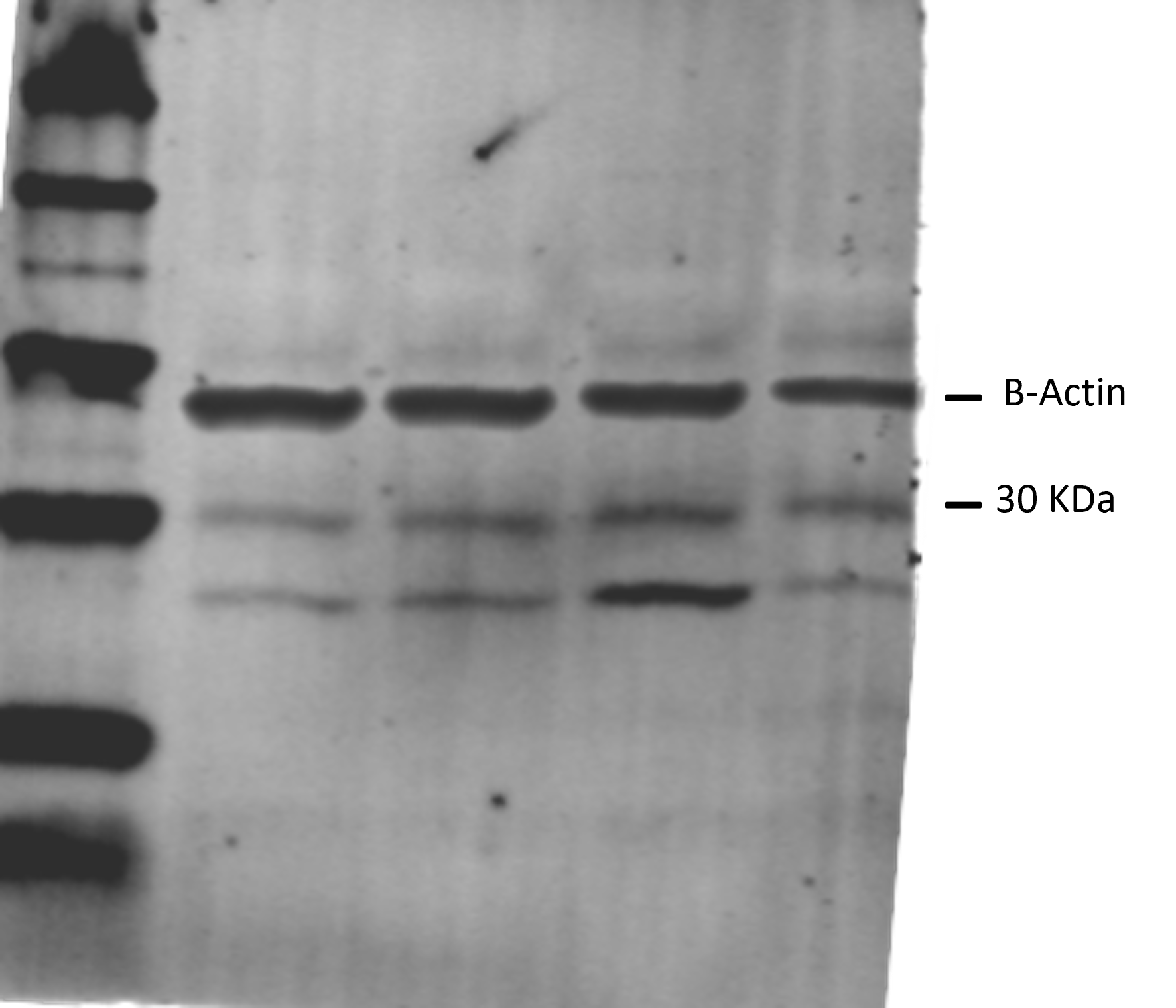
The single review for this product is a 5-star rating for Western Blot on mESC-derived motor neurons. The user applied the primary antibody at 1:1,000 dilution in blocking buffer overnight at 4 °C, followed by a secondary antibody at 1:10,000 in TBS for 1 hour at room temperature. The accompanying image confirms clear, specific band detection under these conditions, indicating reliable performance for this application.
The reviews below have been submitted by verified Proteintech customers who received an incentive for providing their feedback.
Ana Paula (Verified Customer) (08-03-2022) | mESC derived motor neurons 1:1000 primary ab in blocking buffer ON at 4 C 1:10000 secondary ab in TBS 1h at RT
 |















