
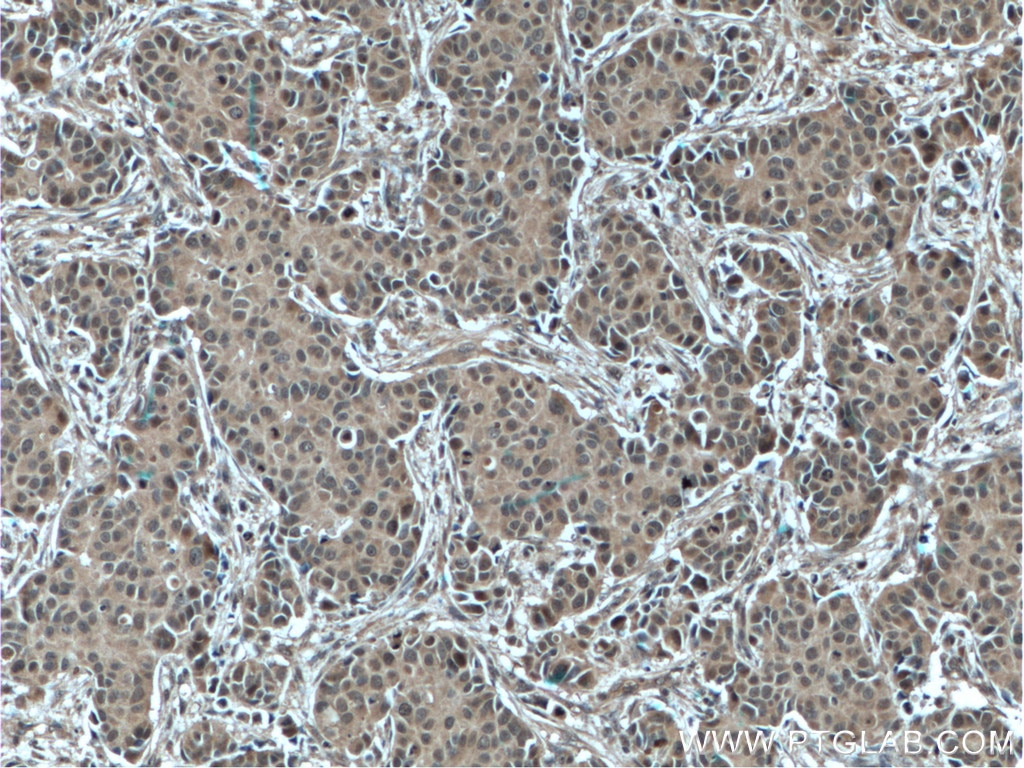
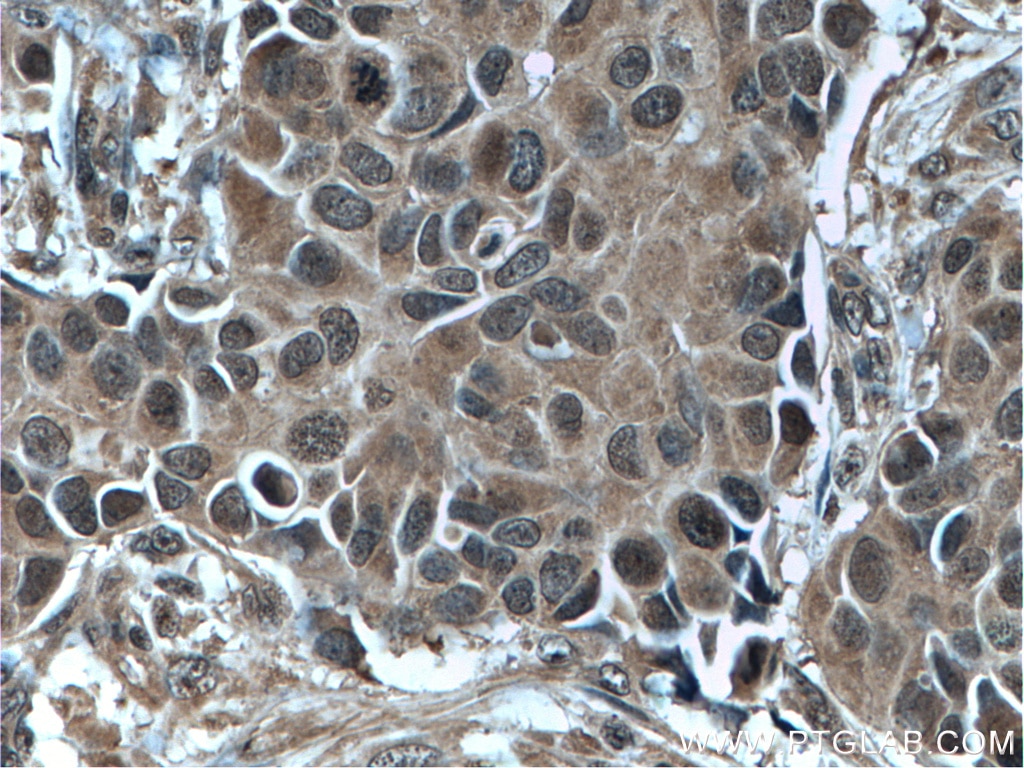
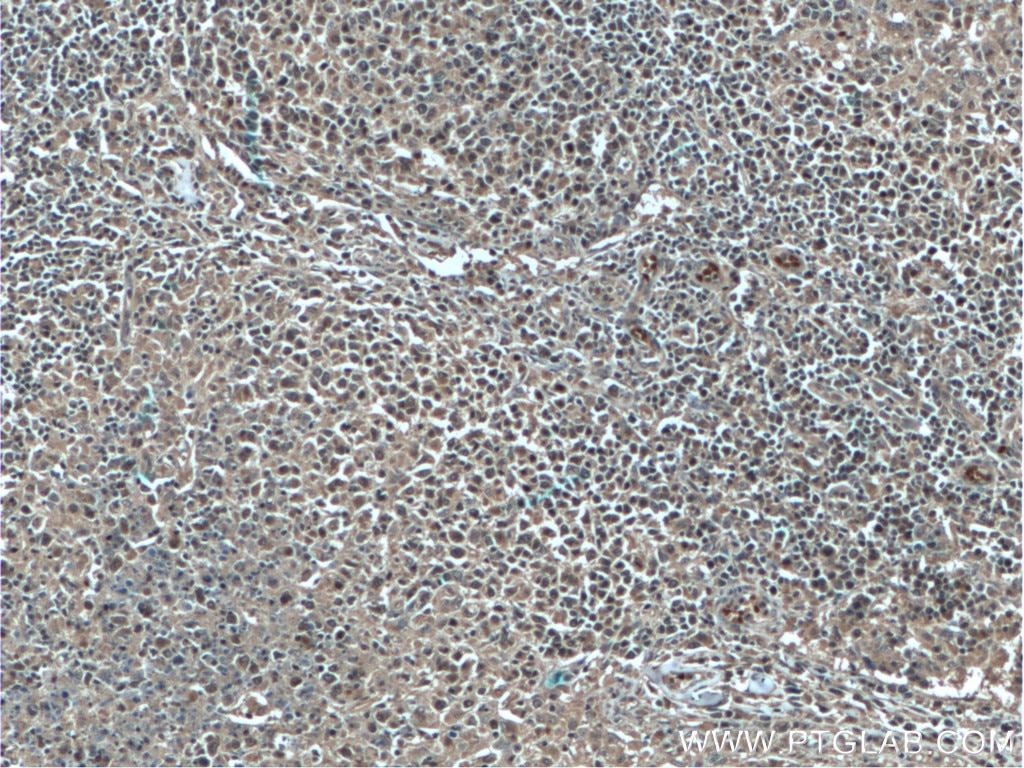
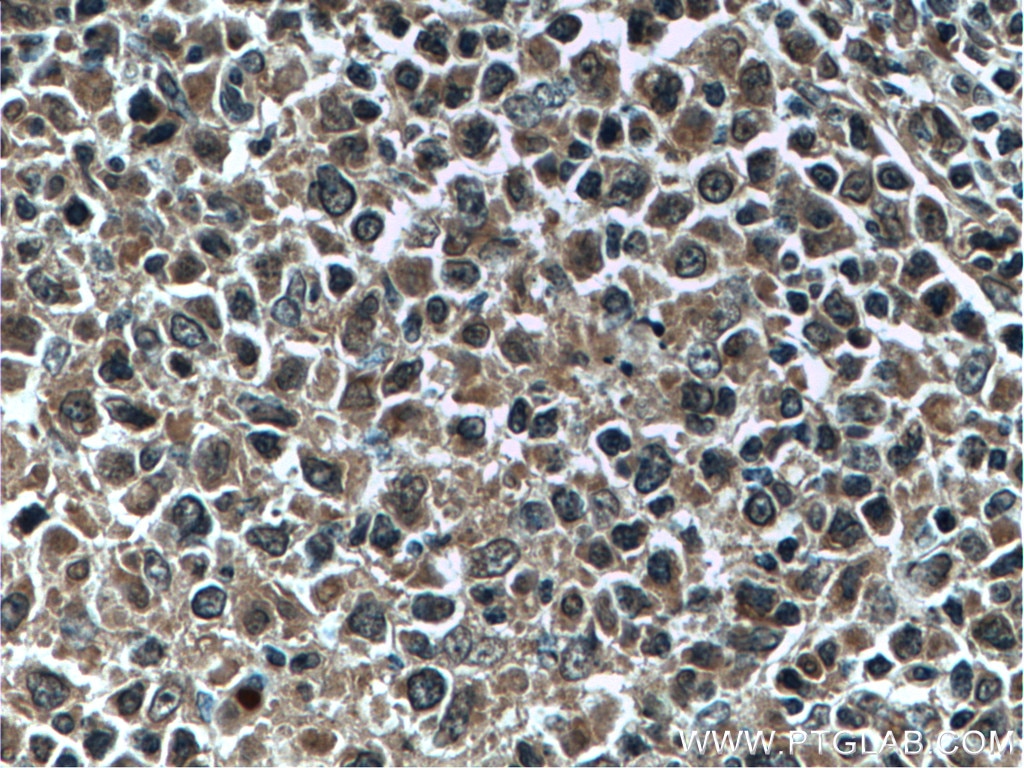

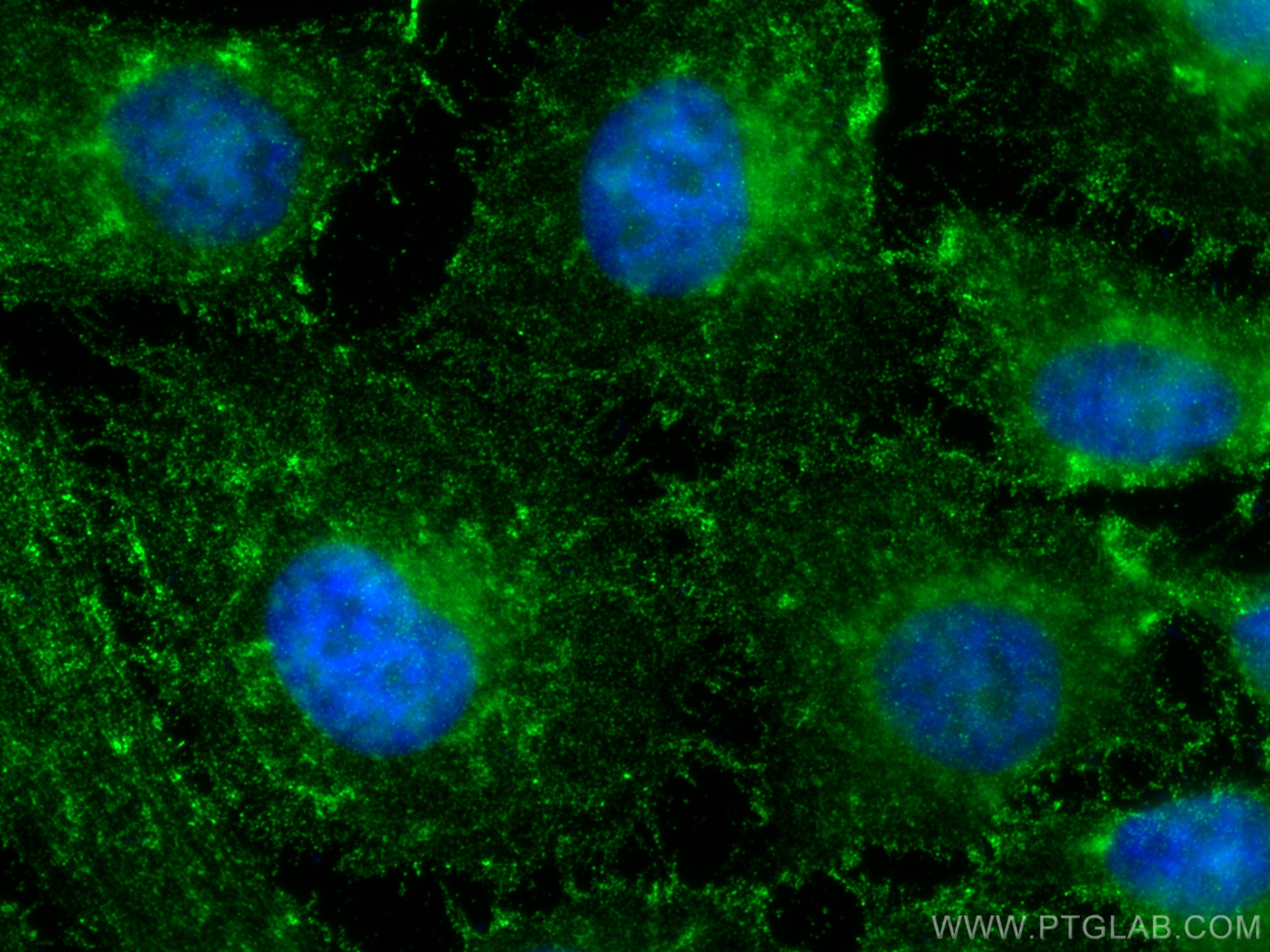
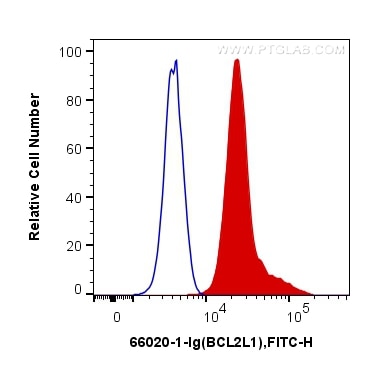

Tested Applications
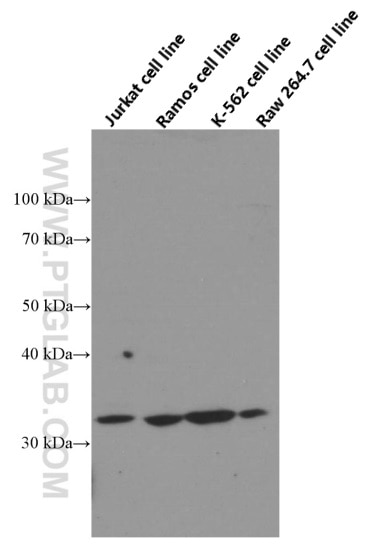
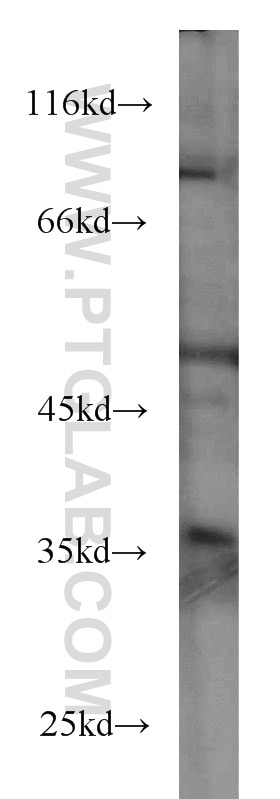
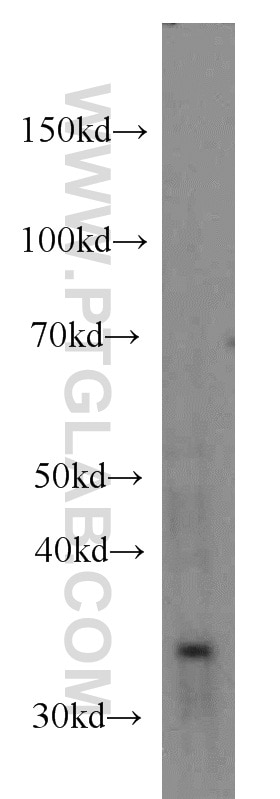
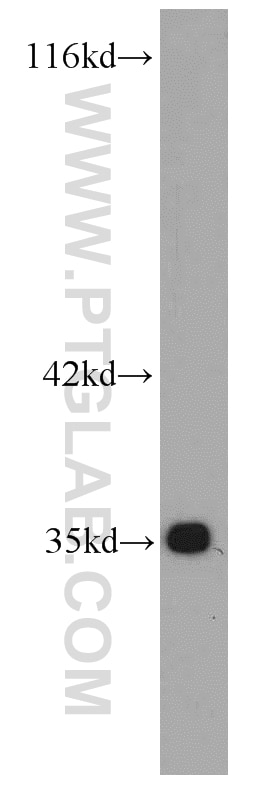
| Positive WB detected in | Jurkat cells, A431 cells, HeLa cells, Ramos cells, K-562 cells, Raw 264.7 cells |
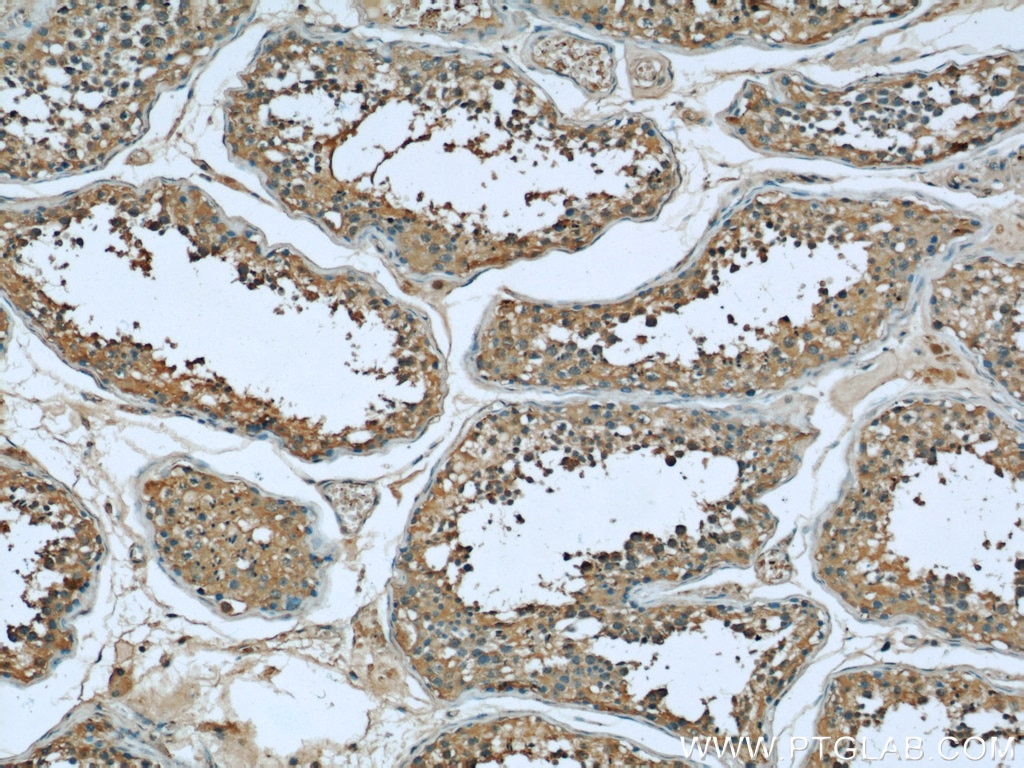
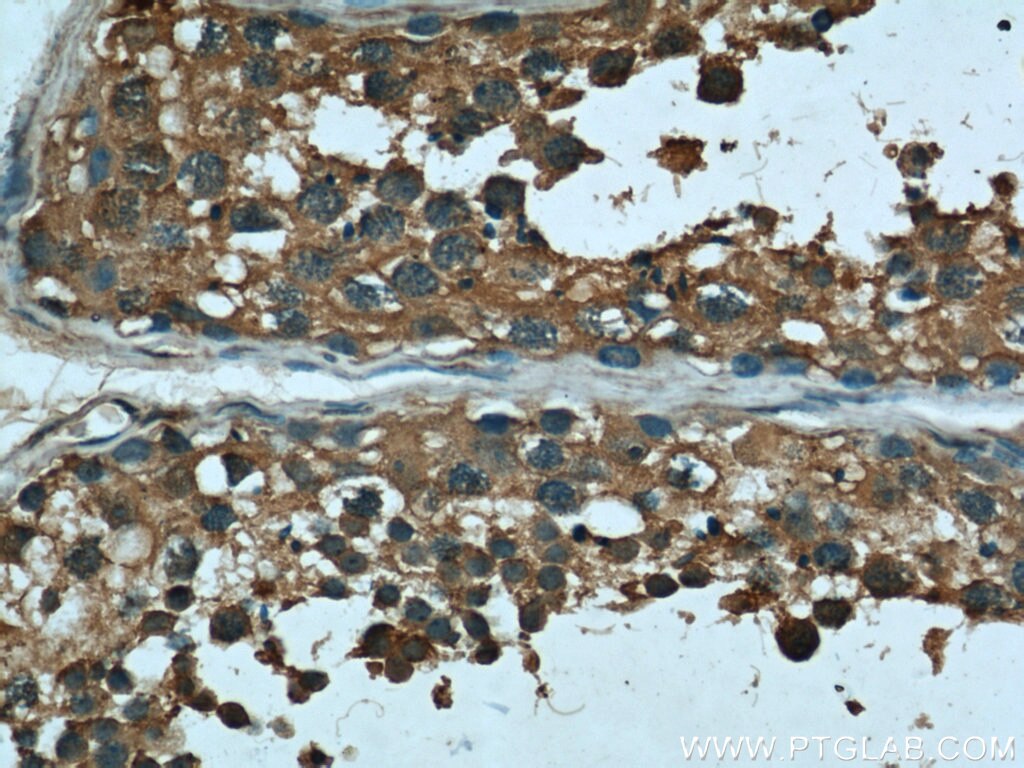
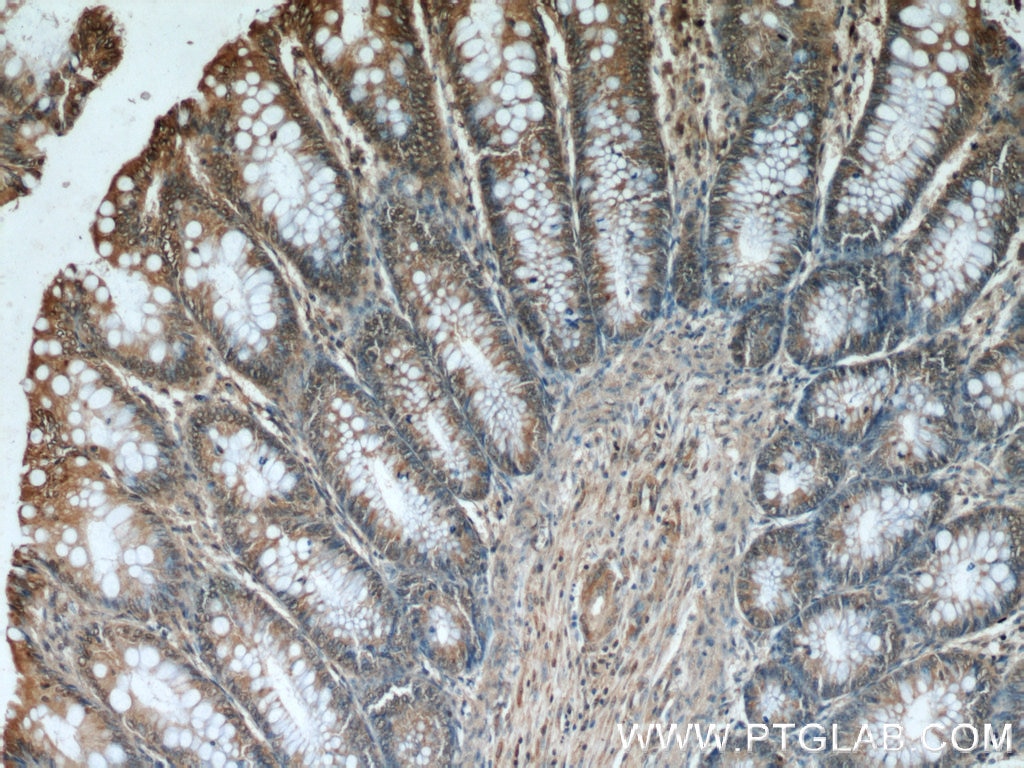
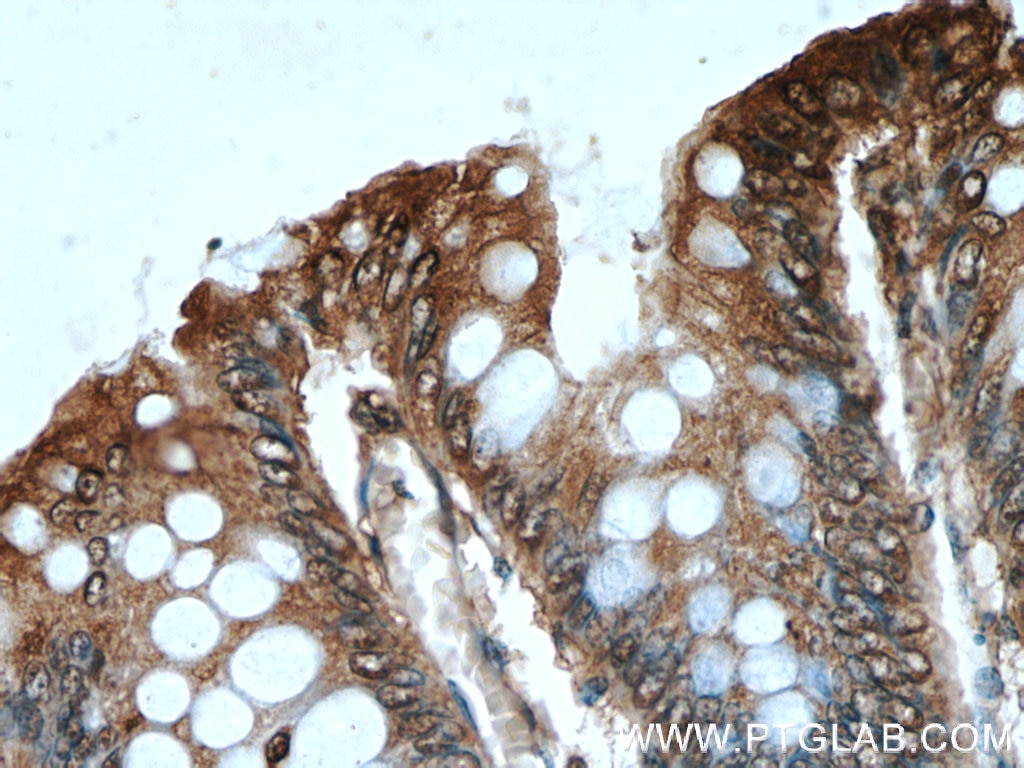
| Positive IHC detected in | human breast cancer tissue, human lymphoma tissue, human testis tissue, human colon tissue Note: suggested antigen retrieval with TE buffer pH 9.0; (*) Alternatively, antigen retrieval may be performed with citrate buffer pH 6.0 |
| Positive IF/ICC detected in | HeLa cells, HepG2 cells |
| Positive FC (Intra) detected in | HeLa cells |
Recommended dilution
| Application | Dilution |
|---|---|
| Western Blot (WB) | WB : 1:2000-1:20000 |
| Immunohistochemistry (IHC) | IHC : 1:200-1:600 |
| Immunofluorescence (IF)/ICC | IF/ICC : 1:200-1:800 |
| Flow Cytometry (FC) (INTRA) | FC (INTRA) : 0.40 ug per 10^6 cells in a 100 µl suspension |
| It is recommended that this reagent should be titrated in each testing system to obtain optimal results. | |
| Sample-dependent, Check data in validation data gallery. | |
Product Information
66020-1-Ig targets BCL2L1 in WB, IHC, IF/ICC, FC (Intra), IP, CoIP, ELISA applications and shows reactivity with human, mouse, rat samples.
| Tested Reactivity | human, mouse, rat |
| Cited Reactivity | human, mouse, hamster |
| Host / Isotype | Mouse / IgG2b |
| Class | Monoclonal |
| Type | Antibody |
| Immunogen |
CatNo: Ag18037 Product name: Recombinant human Bcl-xL protein Source: e coli.-derived, PET28a Tag: 6*His Domain: 1-233 aa of BC019307 Sequence: MSQSNRELVVDFLSYKLSQKGYSWSQFSDVEENRTEAPEGTESEMETPSAINGNPSWHLADSPAVNGATGHSSSLDAREVIPMAAVKQALREAGDEFELRYRRAFSDLTSQLHITPGTAYQSFEQVVNELFRDGVNWGRIVAFFSFGGALCVESVDKEMQVLVSRIAAWMATYLNDHLEPWIQENGGWDTFVELYGNNAAAESRKGQERFNRWFLTGMTVAGVVLLGSLFSRK Predict reactive species |
| Full Name | BCL2-like 1 |
| Calculated Molecular Weight | 26 kDa |
| Observed Molecular Weight | 30 kDa |
| GenBank Accession Number | BC019307 |
| Gene Symbol | BCL2L1 |
| Gene ID (NCBI) | 598 |
| RRID | AB_11042315 |
| Conjugate | Unconjugated |
| Form | Liquid |
| Purification Method | Protein A purification |
| UNIPROT ID | Q07817 |
| Storage Buffer | PBS with 0.02% sodium azide and 50% glycerol, pH 7.3. |
| Storage Conditions | Store at -20°C. Stable for one year after shipment. Aliquoting is unnecessary for -20oC storage. 20ul sizes contain 0.1% BSA. |
Background Information
BCL2L1 is a member of the BCL-2 protein family. BCL2L1 is expressed as three isoforms, Bcl-X(L),Bcl-X(s) and Bcl-X(beta), and is located at the outer mitochondrial membrane. The Bcl-XL isoform is a 233 amino acid protein, acting as an apoptotic inhibitor. Bcl-XL can forms heterodimers with BAX, BAK or BCL2, and the heterodimerization with BAX does not seem to be required for anti-apoptotic activity. The Bcl-XS isoform is a shorter variant that is 178 amino acids in length and lacks a 63 amino acid region (amino acids 126-188), acting as an apoptotic activator.
Protocols
| Product Specific Protocols | |
|---|---|
| FC protocol for BCL2L1 antibody 66020-1-Ig | Download protocol |
| IF protocol for BCL2L1 antibody 66020-1-Ig | Download protocol |
| IHC protocol for BCL2L1 antibody 66020-1-Ig | Download protocol |
| WB protocol for BCL2L1 antibody 66020-1-Ig | Download protocol |
| Standard Protocols | |
|---|---|
| Click here to view our Standard Protocols |
Publications
What published studies show
The Bcl-xL antibody (Cat# 66020-1-Ig) has accumulated 33 citations published in journals including Molecular Cancer, Autophagy, Blood Cancer Journal, Journal of Immunotherapy of Cancer, Journal of Medicinal Chemistry, Biochemical Pharmacology, and Acta Pharmacologica Sinica. Associated research fields encompass oncology (hepatocellular carcinoma, breast cancer, AML, gastric and colorectal cancer), apoptosis, ferroptosis, autophagy, CAR-T cell immunotherapy, inflammation, fibrosis, nephrotoxicity, and viral pathogenesis.
| Species | Application | Title |
|---|---|---|
Mol Cancer Therapy-induced senescence is a transient drug resistance mechanism in breast cancer | ||
Autophagy Increased mitochondrial fission promotes autophagy and hepatocellular carcinoma cell survival through the ROS-modulated coordinated regulation of the NFKB and TP53 pathways. | ||
Blood Cancer J The combination of CUDC-907 and gilteritinib shows promising in vitro and in vivo antileukemic activity against FLT3-ITD AML. | ||
J Immunother Cancer Switch receptor T3/28 improves long-term persistence and antitumor efficacy of CAR-T cells | ||
Phytomedicine Differences in p38-STAT3-S100A11 signaling after the administration of aristolochic acid I and IVa may account for the disparity in their nephrotoxicity | ||
Acta Pharmacol Sin Targeting proteasomal deubiquitinases USP14 and UCHL5 with b-AP15 reduces 5-fluorouracil resistance in colorectal cancer cells |
















