
Guardians of the gut: Gamma-delta T cells and their emerging role in the gut-immune-brain axis
Written by Rogério Rocha de Castro, PhD candidate in Medical Neuroscience at Radboud University Medical Center
The hidden guardians of the gut
The gut is far more than a digestive organ; it is one of the body’s most immunologically active environments. Every centimeter of the intestinal lining forms a dynamic interface where host tissues, trillions of commensal microbes, dietary antigens, and immune cells constantly interact. Maintaining this delicate balance between tolerance and defense is crucial! Among the key sentinels orchestrating this equilibrium are the gamma-delta (γδ) T cells.
Unlike conventional alpha-beta (αβ) T cells that dominate adaptive immunity, γδ T cells represent an unconventional T-cell lineage defined by their distinct T-cell receptor (TCR) composed of γ and δ chains. This unique receptor architecture enables them to recognize a broader range of structurally diverse and biologically unrelated substances independently of classical major histocompatibility complex (MHC) presentation (1). As a result, γδ T cells bridge the innate and adaptive immunity, capable of mounting rapid responses to infection or tissue damage while also shaping longer-term immune regulation (2).
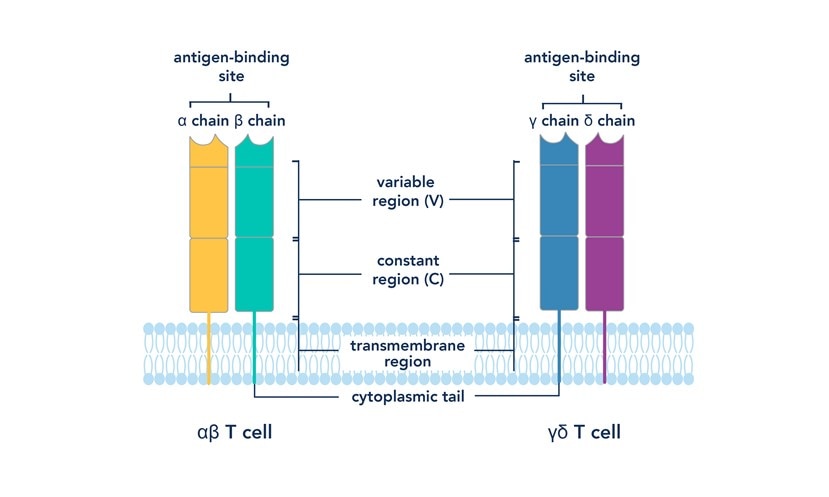
Figure 1. T cell receptors may be composed of αβ or γδ chains.
γδ T cells are particularly enriched at mucosal and epithelial barrier sites, such as the gut, skin, and liver, where they serve as first responders to local perturbations. Within the gut, they continuously monitor epithelial integrity, secrete cytokines that promote tissue repair, and help maintain microbial homeostasis (3). Beyond their role in local defense, recent studies have revealed a broader influence on systemic physiology. Through intricate cytokine networks and neuroimmune signaling pathways, γδ T cells have emerged as potential key mediators of the gut-immune-brain axis, influencing not only local inflammation but also neuronal activity, behavior, and even susceptibility to neurodegenerative disorders (4–7).
As research continues to uncover their multifaceted roles, γδ T cells have emerged as critical players in both tissue homeostasis and inter-organ communication. Here, we explore how these remarkable cells maintain gut surveillance and impact the gut-immune-brain axis, and how researchers can leverage new AI tools, like Able from Proteintech, to accelerate discoveries in this exciting field.
What are γδ T cells?
All T cells are defined by their TCR, a molecular sensor that recognizes antigens and coordinates immune responses. Most T cells express an αβ TCR, specialized for detecting peptide antigens presented by MHC molecules, the classical hallmark of adaptive immunity. In contrast, a small subset expresses a distinct γδ TCR, which endows them with unique antigen-recognition capabilities. Although γδ T cells constitute only about 1–5% of total T cells in peripheral blood, they are far more abundant in certain tissues, accounting for up to 40% of T cells in the intestinal mucosa (8).
Unlike αβ T cells, γδ T cells can detect a broad range of non-peptidic molecules, lipid antigens, and stress-induced self-ligands directly on infected, transformed, or damaged cells. Their known ligands, among others, include:
-
Endogenous molecules such as the endothelial protein C receptor (EPCR);
-
MHC class I-related stress ligands (e.g., MICA, MICB, ULBP);
-
Members of the butyrophilin (BTN) family;
-
Members of the butyrophilin-like (BTNL) family.
These interactions allow γδ T cells to sense tissue distress independently of MHC presentation, positioning them as rapid sentinels of infection and cellular transformation (9).
During thymic development, γδ T cells diverge from the αβ lineage at the double-negative (CD4⁻CD8⁻) stage. This lineage choice is dictated by stochastic TCR gene rearrangements and distinct signaling thresholds that bias progenitors toward γδ rather than αβ T cell fates. Cells that successfully assemble a γδ TCR leave the thymus as functionally pre-committed effectors, ready to respond to tissue stress or microbial cues without the need for prior antigen priming. This developmental pathway equips γδ T cells with an innate-like readiness, enabling them to exhibit immediate effector activity upon activation (10).
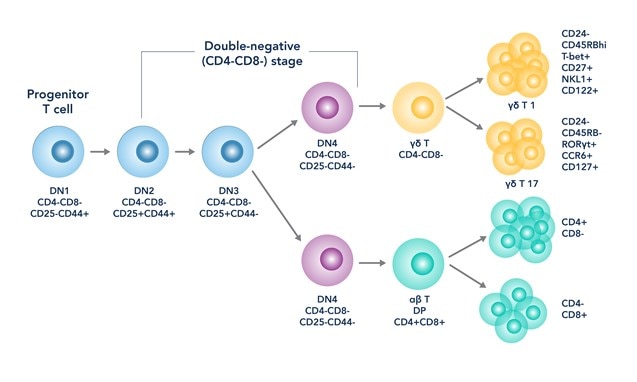
Figure 2. Suggested γδ T cell development and fate decision in the thymus.
As recently reviewed by Yi Hu et al., the γδ T cell compartment is remarkably heterogeneous, shaped by both TCR gene usage and tissue localization (10).
Table 1. Major γδ T cell subsets in humans.
|
Subset |
Location |
Ligands |
Main functions |
|
Vδ1⁺ |
Mucosal and epithelial tissues, gut, liver, spleen |
Stress-induced self-ligands such as MICA/B, ULBP, and CD1 family molecules |
Tissue surveillance; Maintenance of epithelial integrity; IL-17/IL-22 production |
|
Vδ2⁺ (primarily Vγ9Vδ2) |
Peripheral blood (dominant circulating subset) |
Microbial metabolites recognized through BTN and BTNL interactions |
Rapid antimicrobial and antitumor responses; IFN-γ and TNF-α production; Cytotoxicity |
|
Vδ3⁺ |
Mucosal and epithelial tissues, liver, gut |
Stress-induced ligands, including CD1d, and other self-molecules |
Antiviral and antitumor activity; Recognition of stressed or transformed cells; Contribution to barrier defense |
Together, these subsets illustrate the dual innate-adaptive character of γδ T cells. Circulating Vγ9Vδ2 cells act as rapid first responders to microbial and neoplastic stress, whereas tissue-resident Vδ1⁺ and Vδ3⁺ cells provide continuous local surveillance and sustain mucosal and epithelial integrity. This functional diversity enables γδ T cells to adapt to distinct tissue environments and orchestrate immune responses that protect against infection, promote repair, and maintain homeostasis.
γδ T cells at the frontline of gut surveillance
In the gut, γδ T cells sit right at the frontline between the immune system and the outside world. Most of them live as intraepithelial lymphocytes (IELs), nestled between the cells that line the gut. From this position, they constantly monitor the state of the epithelium and the surrounding microbes, ready to react within minutes if the barrier is disturbed.
Under healthy conditions, γδ IELs maintain a quiet dialogue with neighboring epithelial cells. This communication happens through BTN and BTNL molecules and cytokines, like IL-15, which help keep these cells balanced and tolerant toward beneficial microbes, yet primed for action when needed. In return, γδ IELs release keratinocyte growth factor (KGF), which stimulates epithelial renewal and strengthens the barrier. They also produce TGF-β, which helps prevent excessive inflammation from other immune cells, protecting the tissue from collateral damage (11, 12).
The gut microbiota also helps shape how γδ IELs behave. Signals from friendly microbes, transmitted through an epithelial MYD88-dependent pathway, train these T cells to produce antimicrobial peptides such as RegIIIγ and β-defensins, which prevent harmful bacteria from invading while maintaining a healthy microbial balance. When the barrier is damaged, γδ IELs can also release type I and III interferons to protect against viral infection, as well as chemokines that call in other immune cells to aid repair (12).
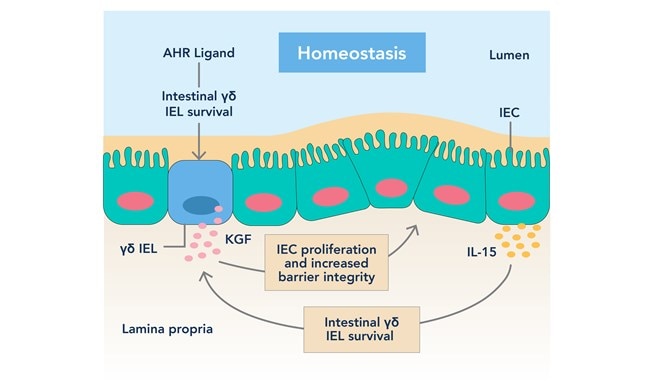
Figure 3. γδ T cell functions during gut surveillance.
Together, these mechanisms make γδ T cells indispensable guardians of the intestinal barrier, balancing tolerance, repair, and defense to preserve the health and stability of the gut.
γδ T cells and the gut-immune-brain axis
Beyond safeguarding the intestinal barrier, γδ T cells are increasingly recognized for their roles in coordinating communication between the gut and the brain. The gut-immune-brain axis is now understood as a complex, bidirectional network linking the nervous, endocrine, and immune systems. Signals originating in the gut can influence mood, cognition, and neuroinflammation, while the brain, in turn, modulates gut function through neural and hormonal pathways (13). Within this dialogue, γδ T cells are emerging as potential key messengers.
At a broader level, γδ T cells contribute to neuroactivity and behavior primarily through their cytokine signaling, particularly via IL-17 and IFN-γ. IL-17 produced by γδ T cells has been shown to affect neuronal activity and behavior: for example, meningeal γδ T cell-derived IL-17 regulates synaptic plasticity, memory, and anxiety-like behavior. IFN-γ, on the other hand, appears to exert a balancing, neuroprotective effect (4, 14).
Within the gut, γδ IELs are uniquely positioned to sense and integrate cues from both microbes and the nervous system. Enteric neurons within the gut wall release neurotransmitters and neuropeptides that can modulate local immune tone, while vagal nerve fibers transmit metabolic and inflammatory information directly to the brainstem. Meanwhile, microbial metabolites such as short-chain fatty acids (SCFAs) can influence γδ T-cell activity by regulating cytokine production (15, 16). Together, these neural and microbial inputs form a dynamic feedback loop in which the gut microbiota influences γδ T-cell function and, through them, potentially affects brain activity and behavior.
Disruption of this axis has been implicated in neurological and psychiatric conditions:
-
In multiple sclerosis, γδ T cells have been detected in inflammatory brain lesions, where they may either exacerbate or regulate neuroinflammation (4);
-
In models of stroke, microbiota-driven changes in intestinal IL-17⁺ γδ T cells influence brain inflammation and recovery (5);
-
Altered γδ T cell activity and microbial imbalance have also been linked to autism spectrum disorder, where increased IL-17 secretion has been observed in affected children (17).
While this field is still developing, the emerging picture is clear: γδ T cells are not only guardians of the gut but also active participants in the neuroimmune dialogue that connects gut health with brain function.
Toward a better understanding of γδ T cells
γδ T cells may represent only a small fraction of the immune cells, but their impact spans across organ systems. They are part of the first line of defense in the gut, maintaining epithelial integrity, moderating microbial interactions, and even sending biochemical messages to the brain. Despite major progress, many aspects of γδ T-cell biology remain unresolved. Key open questions include:
-
Ligand diversity and specificity: the full spectrum of ligands recognized by γδ TCRs, particularly in human tissues, remains incomplete, making it challenging to predict γδ T cell activity.
-
Developmental programming: the cues that predict γδ T cell subset specialization, especially within mucosal environments, like the gut, are still being defined.
-
Neuroimmune mechanisms: while emerging evidence links γδ T cell activity to changes in brain activity and behavior, the precise pathways and their relevance to neuropsychiatric disorders remain unclear.
-
Context-dependent adaptations: how γδ T cell subsets respond to fluctuations in gut microbiome, aging, or even infection is only beginning to be understood.
To keep pace with this rapidly evolving field, scientists need both conceptual insight and reliable tools. Platforms like Proteintech’s Able AI exemplify how innovation in bioinformatics and antibody validation can accelerate experimental progress.
Find the right tools to study γδ T cells with Able AI
Despite their growing importance, studying γδ T cells remains technically challenging. These cells are rare, heterogeneous, and tissue-specific, demanding precise tools for their identification and characterization. Selecting antibodies for γδ T-cell markers can be particularly complex; reagents often differ in specificity, validation method, or performance across species and applications. For a cell population as unique as γδ T cells, reliability and validation are essential.
That’s where Proteintech’s Able AI can make a difference. Proteintech’s new Able AI platform was developed to simplify one of the most time-consuming aspects of experimental design: reagent selection. Powered by AI, Able allows scientists to describe their research goal in plain language and instantly retrieves validated antibodies and supporting literature for their specific target.

References
-
Muro, R., Takayanagi, H., & Nitta, T. (2019). T cell receptor signaling for γδT cell development. Inflammation and Regeneration, 39, 6. https://doi.org/10.1186/s41232-019-0095-z
-
Girardi, M. (2006). Immunosurveillance and Immunoregulation by γδ T cells. The Journal of Investigative Dermatology, 126(1), 25–31. https://doi.org/10.1038/sj.jid.5700003
-
Fischer, M. A., Golovchenko, N. B., & Edelblum, K. L. (2020). γδ T cell migration: Separating trafficking from surveillance behaviors at barrier surfaces. Immunological Reviews, 298(1), 165–180. https://doi.org/10.1111/imr.12915
-
Park, J. H., Kang, I., & Lee, H. K. (2022). γδ T Cells in Brain Homeostasis and Diseases. Frontiers in Immunology, 13, 886397. https://doi.org/10.3389/fimmu.2022.886397
-
Benakis, C., Brea, D., Caballero, S., Faraco, G., Moore, J., Murphy, M., Sita, G., Racchumi, G., Ling, L., Pamer, E. G., Iadecola, C., & Anrather, J. (2016). Commensal microbiota affects ischemic stroke outcome by regulating intestinal γδ T cells. Nature Medicine, 22(5), 516–523. https://doi.org/10.1038/nm.4068
-
Abou-El-Hassan, H., Rezende, R. M., Izzy, S., Gabriely, G., Yahya, T., Tatematsu, B. K., Habashy, K. J., Lopes, J. R., de Oliveira, G. L. V., Maghzi, A. H., Yin, Z., Cox, L. M., Krishnan, R., Butovsky, O., & Weiner, H. L. (2023). Vγ1 and Vγ4 gamma-delta T cells play opposing roles in the immunopathology of traumatic brain injury in males. Nature Communications, 14(1), 4286. https://doi.org/10.1038/s41467-023-39857-9
-
Papotto, P. H., Yilmaz, B., & Silva-Santos, B. (2021). Crosstalk between γδ T cells and the microbiota. Nature Microbiology, 6(9), 1110–1117. https://doi.org/10.1038/s41564-021-00948-2
-
Ullrich, R., Schieferdecker, H. L., Ziegler, K., Riecken, E. O., & Zeitz, M. (1990). γδ T cells in the human intestine express surface markers of activation and are preferentially located in the epithelium. Cellular Immunology, 128(2), 619–627. https://doi.org/10.1016/0008-8749(90)90053-t
-
Willcox, B. E. & Willcox, C. R. (2019). γδ TCR ligands: the quest to solve a 500-million-year-old mystery. Nature Immunology, 20(2), 121–128. https://doi.org/10.1038/s41590-018-0304-y
-
Hu, Y., Hu, Q., Li, Y., Lu, L., Xiang, Z., Yin, Z., Kabelitz, D., & Wu, Y. (2023) γδ T cells: origin and fate, subsets, diseases and immunotherapy. Signal Transduction and Targeted Therapy, 8(1), 434. https://doi.org/10.1038/s41392-023-01653-8
-
Olivares-Villagómez, D. & Van Kaer, L. (2018). Intestinal Intraepithelial Lymphocytes: Sentinels of the Mucosal Barrier. Trends in Immunology, 39(4), 264–275. https://doi.org/10.1016/j.it.2017.11.003
-
Nielsen, M. M., Witherden, D. A., & Havran, W. L. (2017). γδ T cells in homeostasis and host defence of epithelial barrier tissues. Nature Reviews Immunology, 17(12), 733–745. https://doi.org/10.1038/nri.2017.101
-
Cryan, J. F., O'Riordan, K. J., Cowan, C. S. M., Sandhu, K. V., Bastiaanssen, T. F. S., Boehme, M., Codagnone, M. G., Cussotto, S., Fulling, C., Golubeva, A. V., Guzzetta, K. E., Jaggar, M., Long-Smith, C. M., Lyte, J. M., Martin, J. A., Molinero-Perez, A., Moloney, G., Morelli, E., Morillas, E., O'Connor, R., Cruz-Pereira, J. S., Peterson, V. L., Rea, K., Ritz, N. L., Sherwin, E., Spichak, S., Teichman, E. M., van de Wouw, M., Ventura-Silva, A. P., Wallace-Fitzsimmons, S. E., Hyland, N., Clarke, G, & Dinan, T. G. (2019). The Microbiota-Gut-Brain Axis. Physiological Reviews, 99(4), 1877–2013. https://doi.org/10.1152/physrev.00018.2018
-
Alves de Lima, K., Rustenhoven, J., Da Mesquita, S., Wall, M., Salvador, A. F., Smirnov, I., Martelossi Cebinelli, G., Mamuladze, T., Baker, W., Papadopoulos, Z., Lopes, M. B., Cao, W. S., Xie, X. S., Herz, J., & Kipnis, J. (2020). Meningeal γδ T cells regulate anxiety-like behavior via IL-17a signaling in neurons. Nature Immunology, 21(11), 1421–1429. https://doi.org/10.1038/s41590-020-0776-4
-
Zhu, X., Sakamoto, S., Ishii, C., Smith, M. D., Ito, K., Obayashi, M., Unger, L., Hasegawa, Y., Kurokawa, S., Kishimoto, T., Li, H., Hatano, S., Wang, T. H., Yoshikai, Y., Kano, S. I., Fukuda, S., Sanada, K., Calabresi, P. A., & Kamiya, A. (2023). Dectin-1 signaling on colonic γδ T cells promotes psychosocial stress responses. Nature Immunology, 24(4), 625–636. https://doi.org/10.1038/s41590-023-01447-8
-
Li, G. Q., Xia, J., Zeng, W., Luo, W., Liu, L., Zeng, X., & Cao, D. (2023). The intestinal γδ T cells: functions in the gut and in the distant organs. Frontiers in Immunology, 14, 1206299. https://doi.org/10.3389/fimmu.2023.1206299
-
Zhang, L., Xu, Y., Sun, S., Liang, C., Li, W., Li, H., Zhang, X., Pang, D., Li, M., Li, H., Lang, Y., Liu, J., Jiang, S., Shi, X., Li, B., Yang, Y., Wang, Y., Li, Z., Song, C., Duan, G., Leavenworth, J. W., Wang, X., & Zhu, C. (2023). Integrative analysis of γδT cells and dietary factors reveals predictive values for autism spectrum disorder in children. Brain, Behavior, and Immunity, 111, 76–89. https://doi.org/10.1016/j.bbi.2023.03.029

Related Content
Hematopoietic Stem and Progenitor Cells (HSPCs): What They Are and How to Identify Them
Every protein tells a story
Immunology
Support
Newsletter Signup
Stay up-to-date with our latest news and events. New to Proteintech? Get 10% off your first order when you sign up.