
Product Information
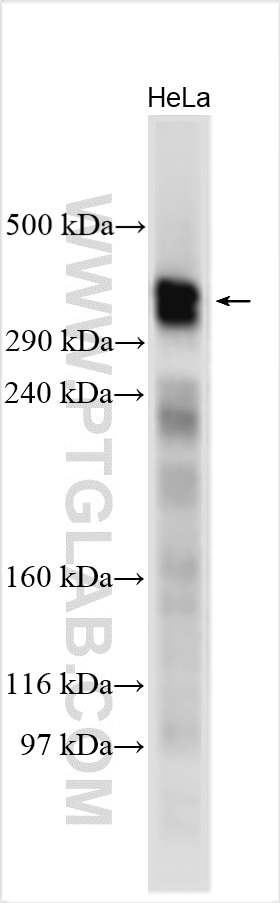
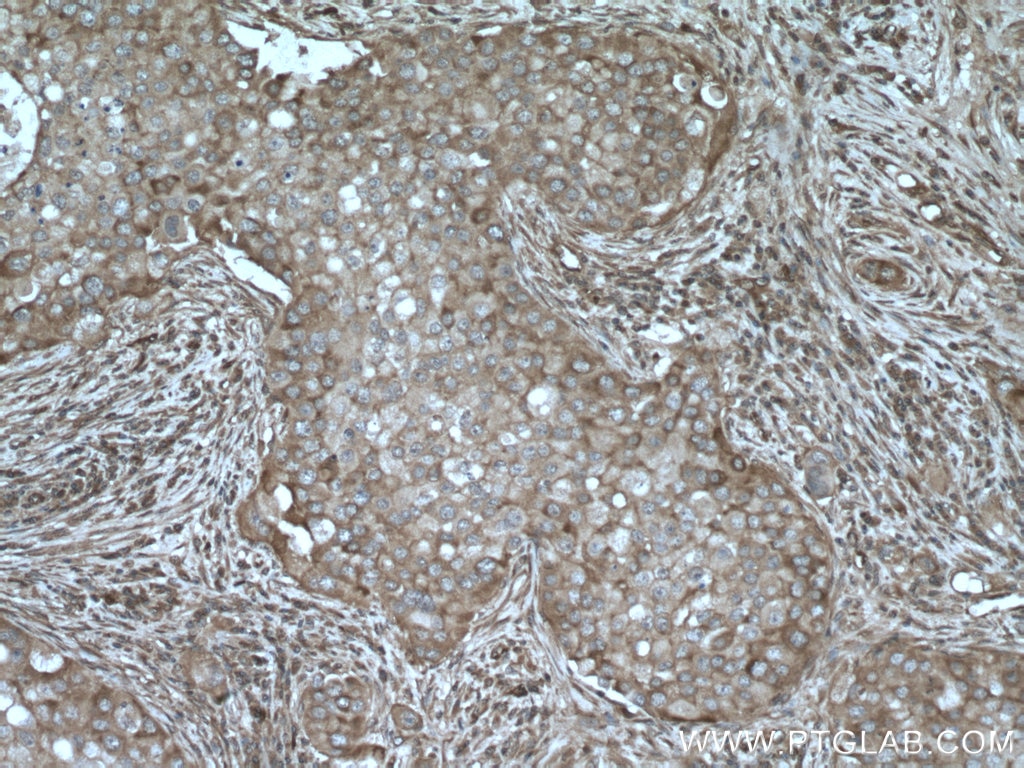
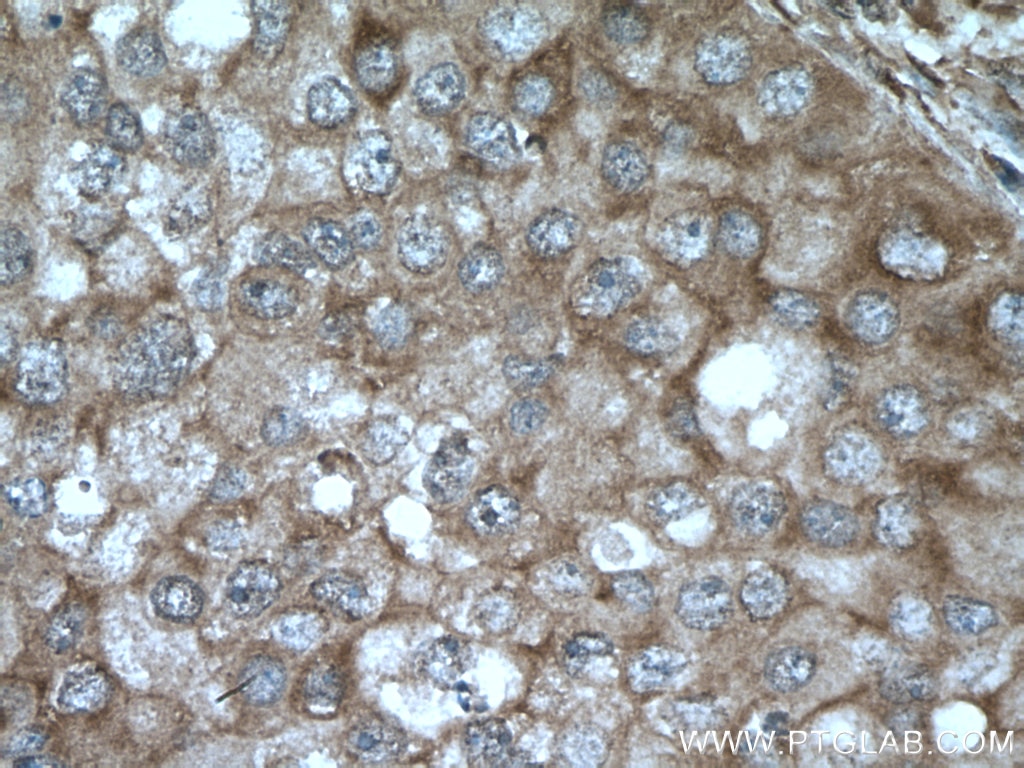
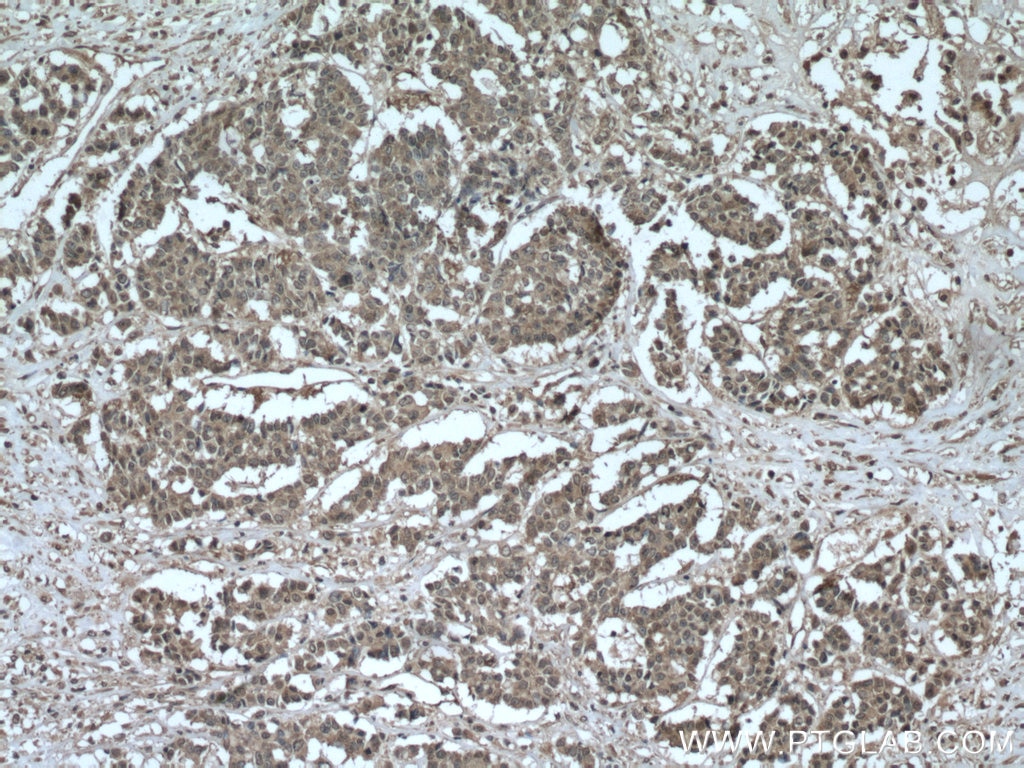
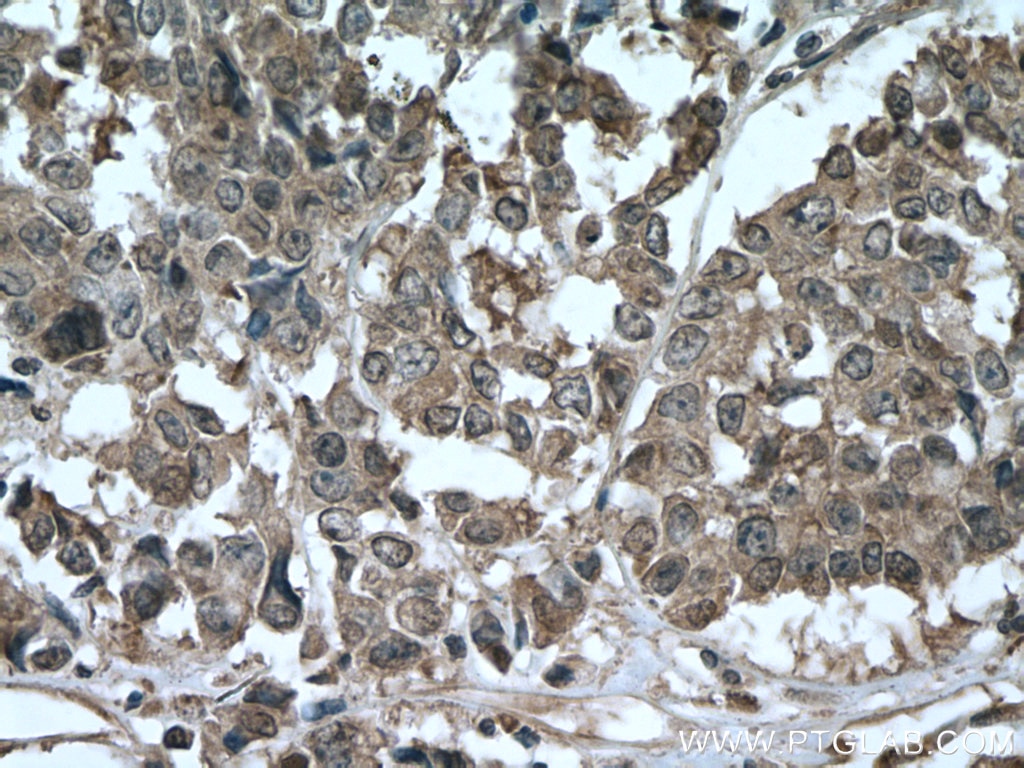
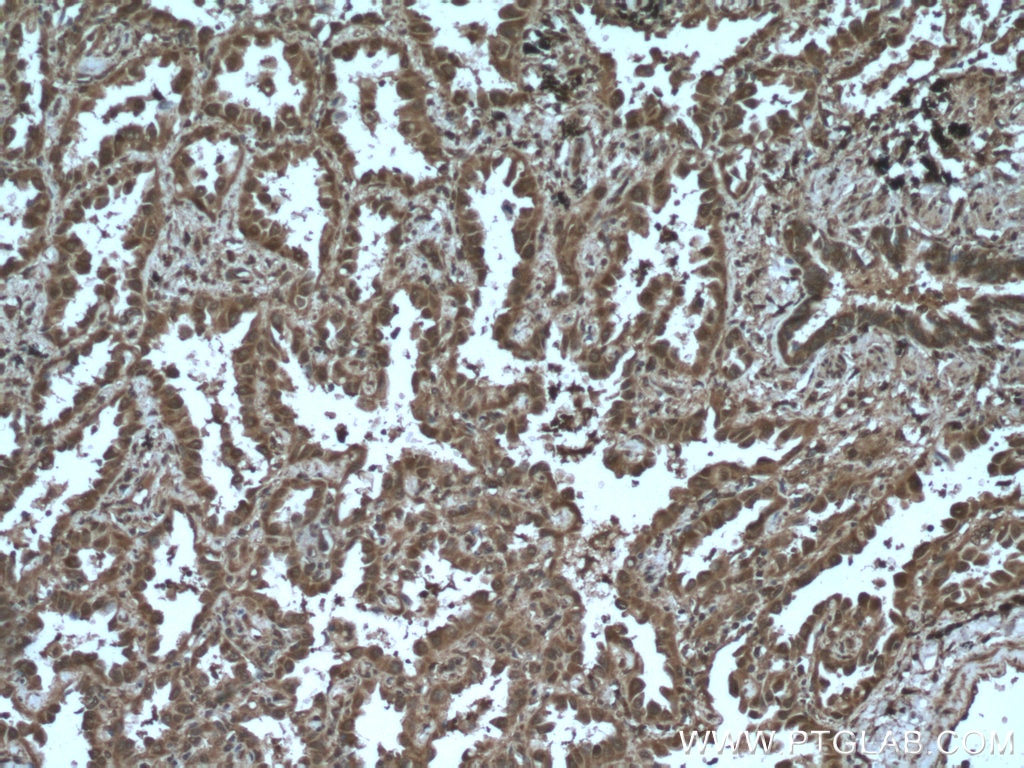
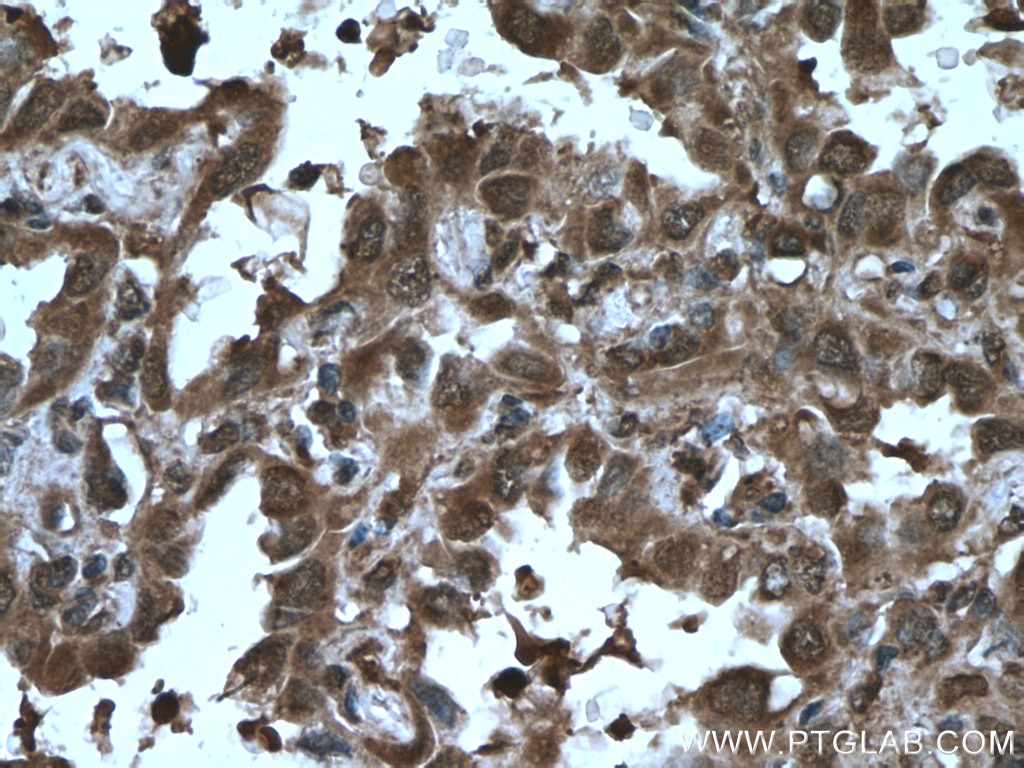
27947-1-PBS targets AKAP13 in WB, IHC, Indirect ELISA applications and shows reactivity with human samples.
| Tested Reactivity | human |
| Host / Isotype | Rabbit / IgG |
| Class | Polyclonal |
| Type | Antibody |
| Immunogen |
CatNo: Ag27486 Product name: Recombinant human AKAP13 protein Source: e coli.-derived, PGEX-4T Tag: GST Domain: 359-587 aa of NM_001270546 Sequence: MIVEEENTDRSCRKKNKGVERKGEEVEPAPIVDSGTVSDQDSCLQSLPDCGVKGTEGLSSCGNRNEETGTKSSGMPTDQESLSSGDAVLQRDLVMEPGTAQYSSGGELGGISTTNVSTPDTAGEMEHGLMNPDATVWKNVLQGGESTKERFENSNIGTAGASDVHVTSKPVDKISVPNCAPAASSLDGNKPAESSLAFSNEETSTEKTAETETSRSREESADAPVDQNSV Predict reactive species |
| Full Name | A kinase (PRKA) anchor protein 13 |
| Calculated Molecular Weight | 308 kDa |
| Observed Molecular Weight | 308 kDa |
| GenBank Accession Number | NM_001270546 |
| Gene Symbol | AKAP13 |
| Gene ID (NCBI) | 11214 |
| RRID | AB_2881017 |
| Conjugate | Unconjugated |
| Form | Liquid |
| Purification Method | Antigen affinity purification |
| UNIPROT ID | Q12802 |
| Storage Buffer | PBS only, pH 7.3. |
| Storage Conditions | Store at -80°C. |
Background Information
The A-kinase anchor proteins (AKAPs) are a group of structurally diverse proteins which have the common function of binding to the regulatory subunit of protein kinase A (PKA) and confining the holoenzyme to discrete locations within the cell. This gene encodes a member of the AKAP family. Alternative splicing of this gene results in multiple transcript variants encoding different isoforms containing c-terminal dbl oncogene homology (DH) and pleckstrin homology (PH) domains. The DH domain is associated with guanine nucleotide exchange activation for the Rho/Rac family of small GTP binding proteins, resulting in the conversion of the inactive GTPase to the active form capable of transducing signals. The PH domain has multiple functions








