

Tested Applications
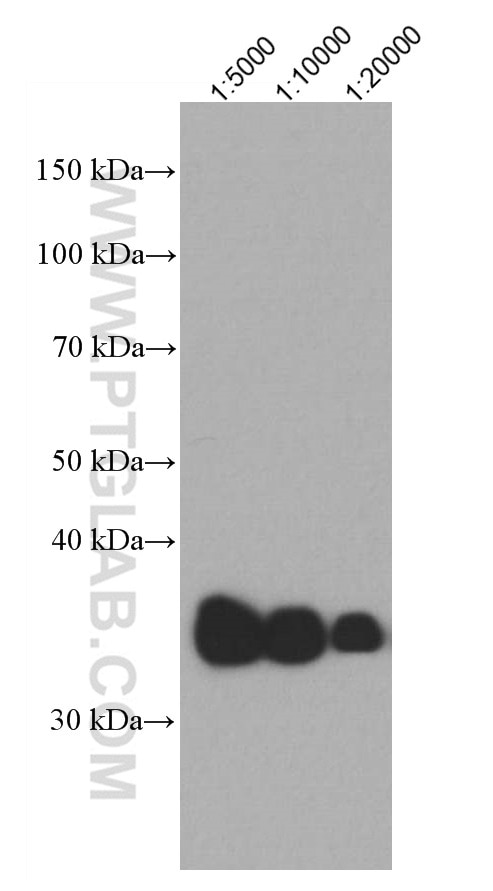
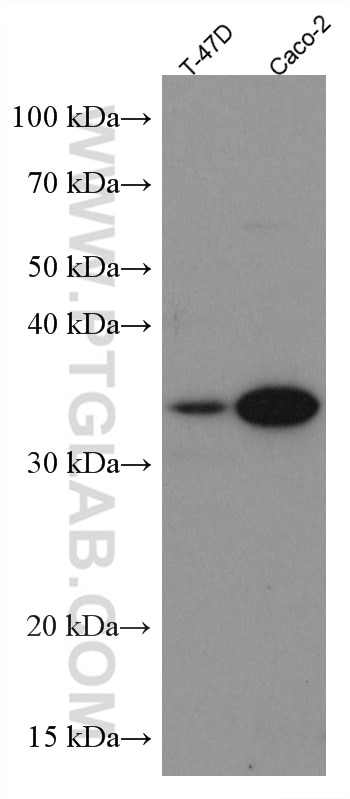
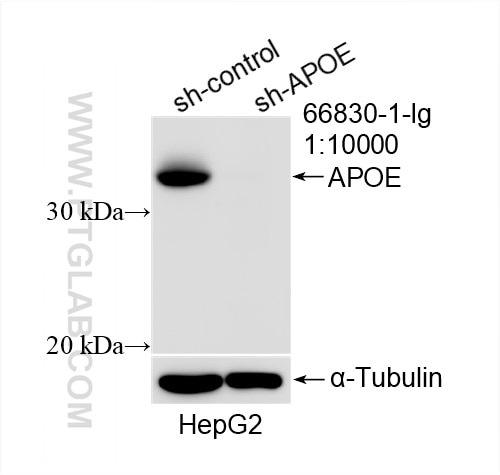
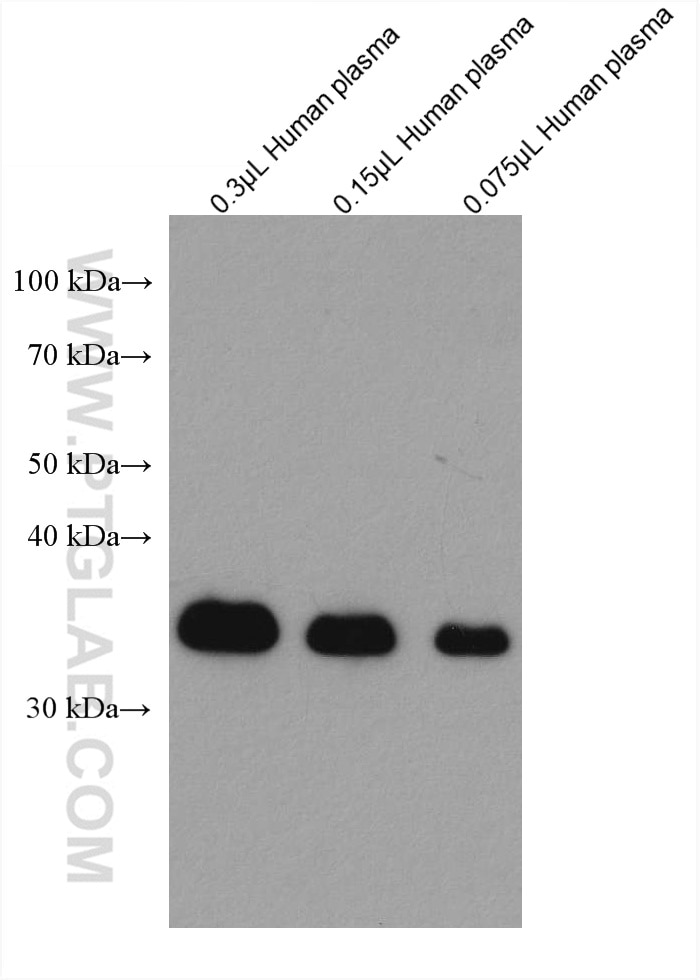
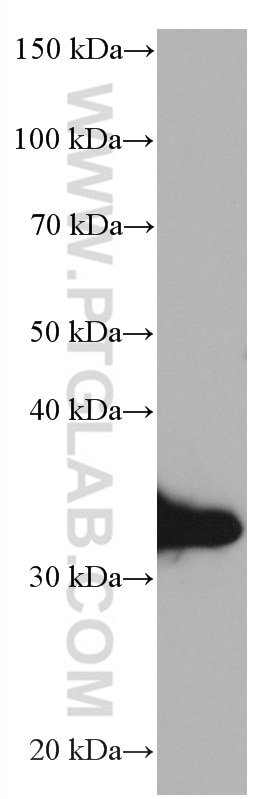
| Positive WB detected in | human plasma tissue, human blood, human plasma, T-47D cells, HepG2 cells, Caco-2 cells |
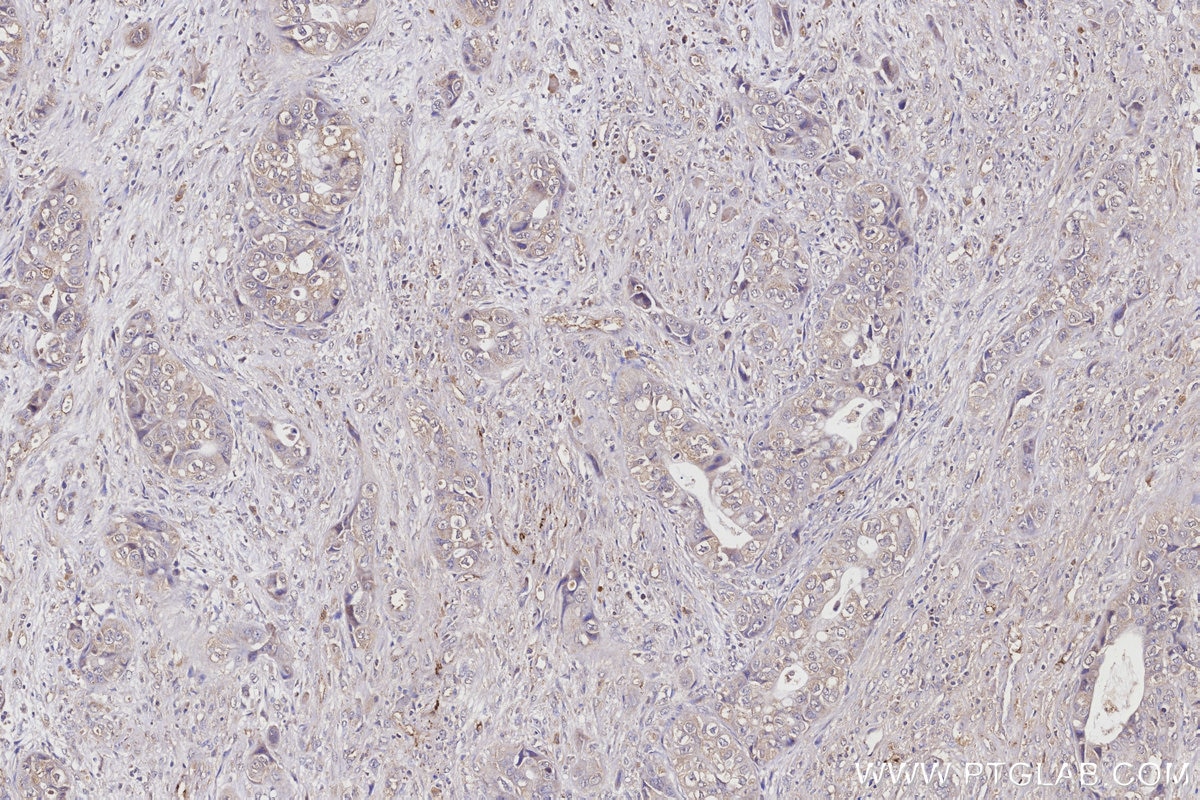
| Positive IHC detected in | human pancreas cancer tissue Note: suggested antigen retrieval with TE buffer pH 9.0; (*) Alternatively, antigen retrieval may be performed with citrate buffer pH 6.0 |
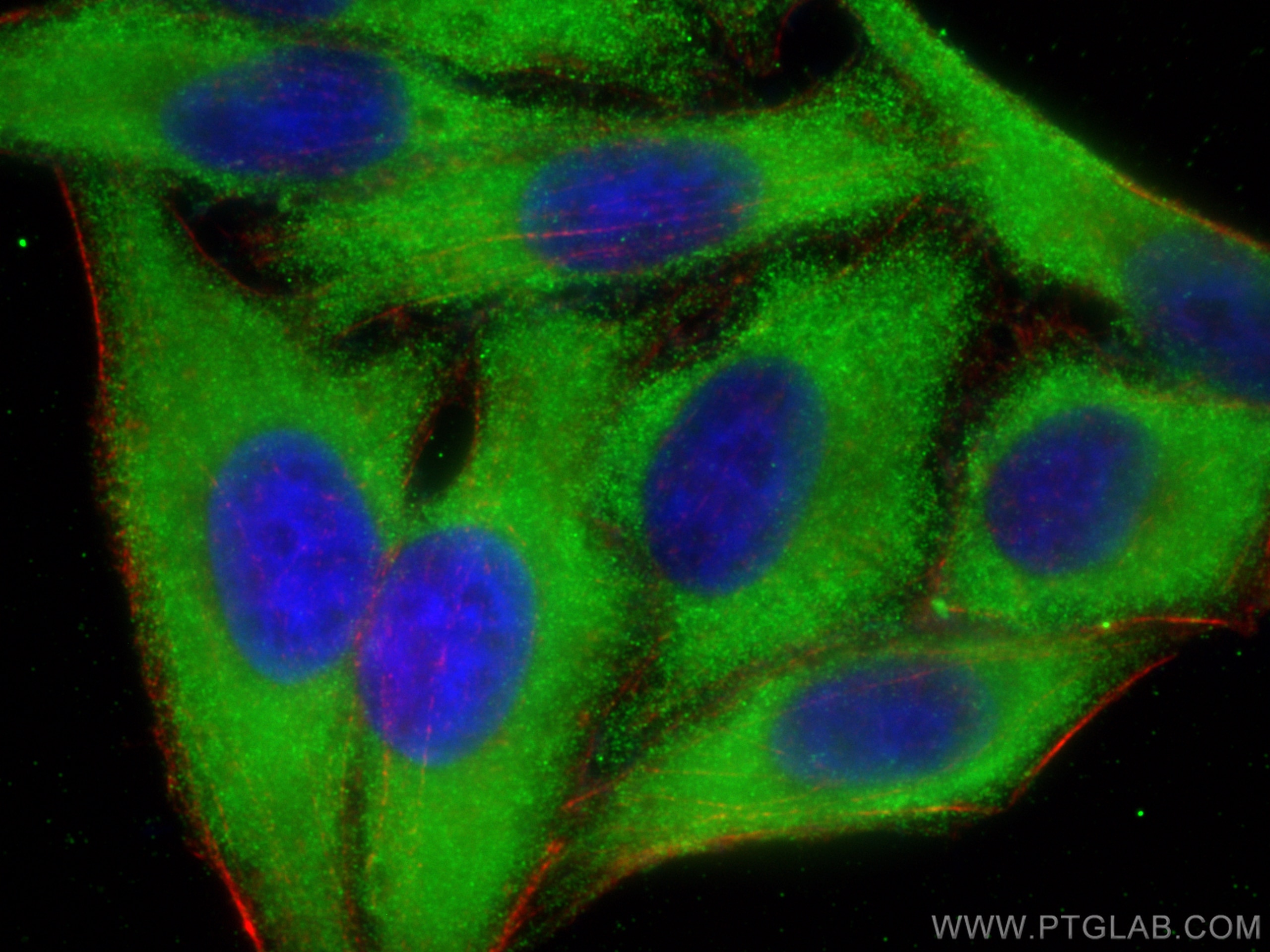
| Positive IF/ICC detected in | HepG2 cells |
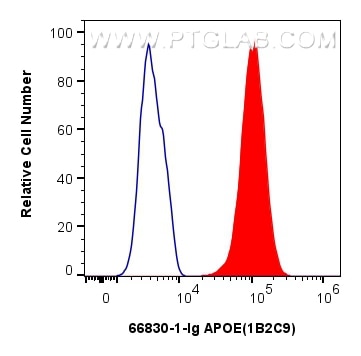
| Positive FC (Intra) detected in | HepG2 cells |
Recommended dilution
| Application | Dilution |
|---|---|
| Western Blot (WB) | WB : 1:3000-1:20000 |
| Immunohistochemistry (IHC) | IHC : 1:500-1:2000 |
| Immunofluorescence (IF)/ICC | IF/ICC : 1:400-1:1600 |
| Flow Cytometry (FC) (INTRA) | FC (INTRA) : 0.80 ug per 10^6 cells in a 100 µl suspension |
| It is recommended that this reagent should be titrated in each testing system to obtain optimal results. | |
| Sample-dependent, Check data in validation data gallery. | |
Product Information
66830-1-Ig targets APOE in WB, IHC, IF/ICC, FC (Intra), ELISA applications and shows reactivity with human samples.
| Tested Reactivity | human |
| Cited Reactivity | human, mouse |
| Host / Isotype | Mouse / IgG1 |
| Class | Monoclonal |
| Type | Antibody |
| Immunogen |
CatNo: Ag28186 Product name: Recombinant human APOE protein Source: e coli.-derived, PET28a Tag: 6*His Domain: 66-317 aa of BC003557 Sequence: QEELLSSQVTQELRALMDETMKELKAYKSELEEQLTPVAEETRARLSKELQAAQARLGADMEDVCGRLVQYRGEVQAMLGQSTEELRVRLASHLRKLRKRLLRDADDLQKRLAVYQAGAREGAERGLSAIRERLGPLVEQGRVRAATVGSLAGQPLQERAQAWGERLRARMEEMGSRTRDRLDEVKEQVAEVRAKLEEQAQQIRLQAEAFQARLKSWFEPLVEDMQRQWAGLVEKVQAAVGTSAAPVPSDNH Predict reactive species |
| Full Name | Apolipoprotein E |
| Calculated Molecular Weight | 36 kDa |
| Observed Molecular Weight | 34-36 kDa |
| GenBank Accession Number | BC003557 |
| Gene Symbol | APOE |
| Gene ID (NCBI) | 348 |
| RRID | AB_2882173 |
| Conjugate | Unconjugated |
| Form | Liquid |
| Purification Method | Protein G purification |
| UNIPROT ID | P02649 |
| Storage Buffer | PBS with 0.02% sodium azide and 50% glycerol, pH 7.3. |
| Storage Conditions | Store at -20°C. Stable for one year after shipment. Aliquoting is unnecessary for -20oC storage. 20ul sizes contain 0.1% BSA. |
Background Information
The apolipoprotein E (APOE) is a 299-amino acid polypeptide that mediates the binding, internalization, and catabolism of lipoprotein particles, and also serve as a ligand for the LDL (APO B/E) receptor and for the specific APOE receptor (chylomicron remnant) of hepatic tissues. The very strong association of the APOE ɛ4 allele with AD risk and its role in the accumulation of amyloid β in brains of people and animal models solidify the biological relevance of APOE isoforms but do not provide mechanistic insight.
Protocols
| Product Specific Protocols | |
|---|---|
| IF protocol for APOE antibody 66830-1-Ig | Download protocol |
| IHC protocol for APOE antibody 66830-1-Ig | Download protocol |
| WB protocol for APOE antibody 66830-1-Ig | Download protocol |
| Standard Protocols | |
|---|---|
| Click here to view our Standard Protocols |
Publications
What published studies show
The APOE antibody (Cat# 66830-1-Ig) has 35 total citations spanning journals including Nature Communications, Molecular Cancer, Cancer Research, EMBO Journal, Advanced Science, Redox Biology, Journal of Neuroinflammation, Frontiers in Immunology, and eLife. Research fields cover cancer biology (pancreatic, prostate, breast, lung, cervical), neurodegeneration (Alzheimer's, Parkinson's, epilepsy), lipid metabolism, immunology, cardiovascular disease, and extracellular vesicles. Applications include WB, IF, and IHC in human and mouse samples.
| Species | Application | Title |
|---|---|---|
Mol Cancer Systemic immunosuppression limits NK cell therapy efficacy in pancreatic cancer. | ||
Nat Aging Single-cell and spatial RNA sequencing identify divergent microenvironments and progression signatures in early- versus late-onset prostate cancer | ||
Cancer Res Pancreatic Neuroendocrine Tumors Secrete Apolipoprotein E to Induce Tip Endothelial Cells That Remodel the Tumor-Stroma Ratio and Promote Cancer Progression | ||
J Extracell Vesicles Impact of Isolation Techniques on the Content of Small Extracellular Vesicles. | ||
Nat Commun Leukocyte immunoglobulin-like receptor B1 (LILRB1) protects human multiple myeloma cells from ferroptosis by maintaining cholesterol homeostasis | ||
Redox Biol Endothelial MerTK impairment promotes cardiac dysfunction in the condition of high fat diet. |
Reviews
What customers say
One reviewer, Silvia Aparicio-Domingo, gave this antibody a 5-star rating in December 2019. She used it at a 1:3000 dilution for Western Blot and 1:500 for Immunofluorescence on human organoids. She described it as a specific antibody for both IF and WB applications on human tissues, indicating reliable performance and specificity across these two techniques.
The reviews below have been submitted by verified Proteintech customers who received an incentive for providing their feedback.
Silvia (Verified Customer) (12-03-2019) | Specific antibody for IF and WB on Human tissues
|









