

Product Information
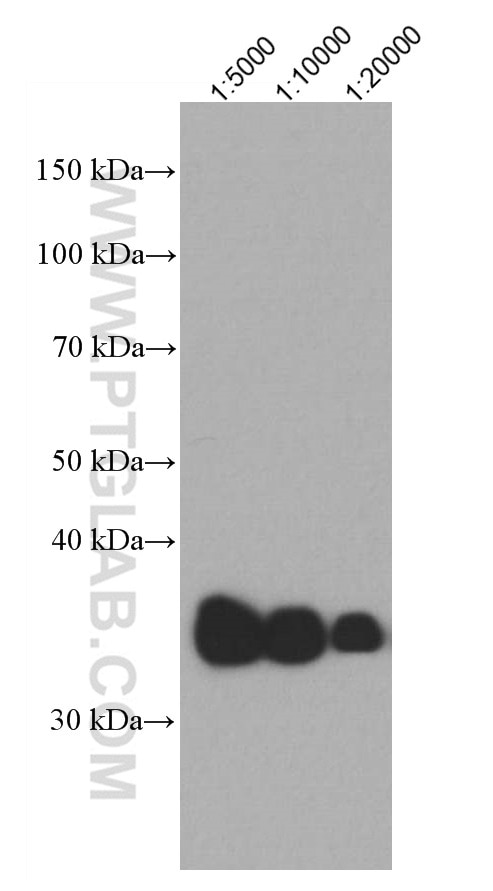
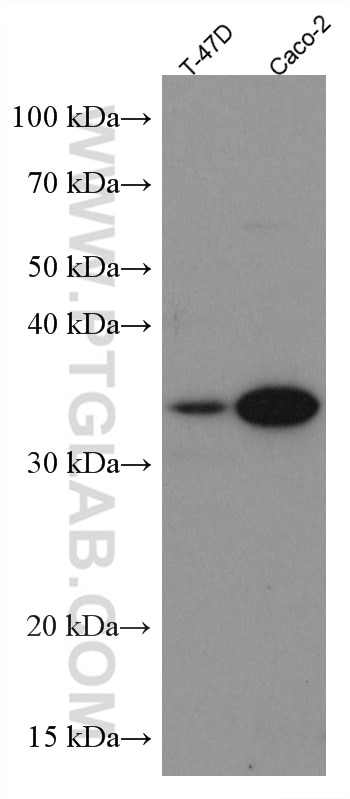
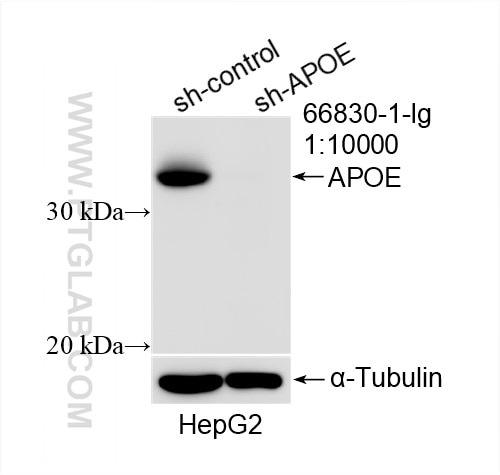
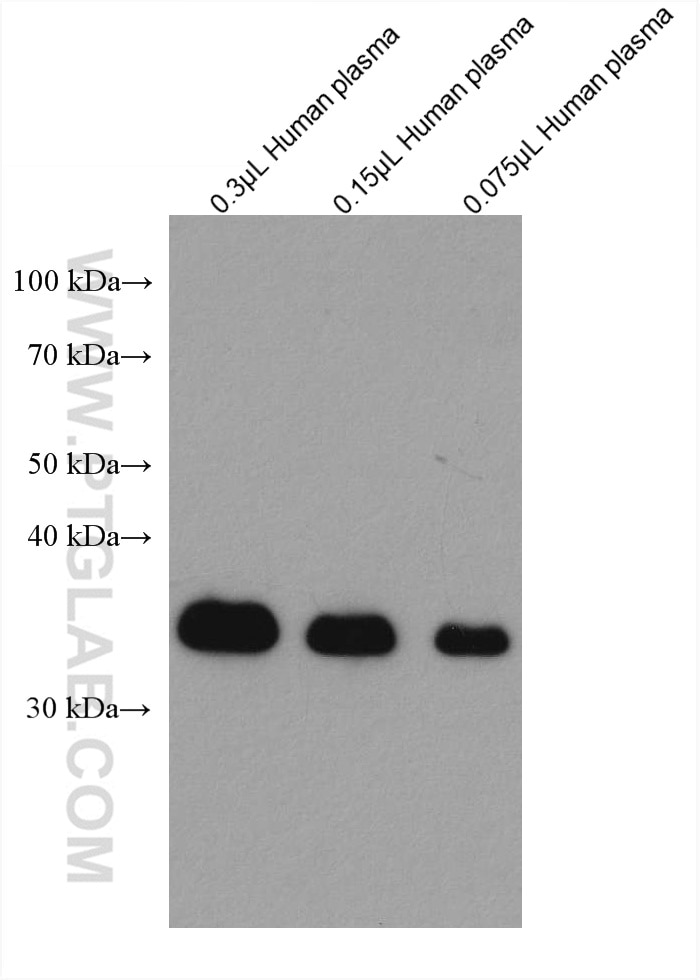
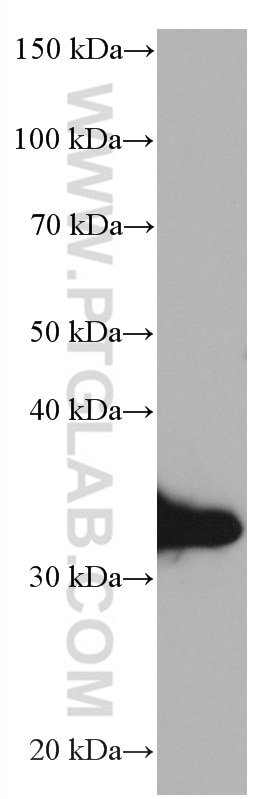
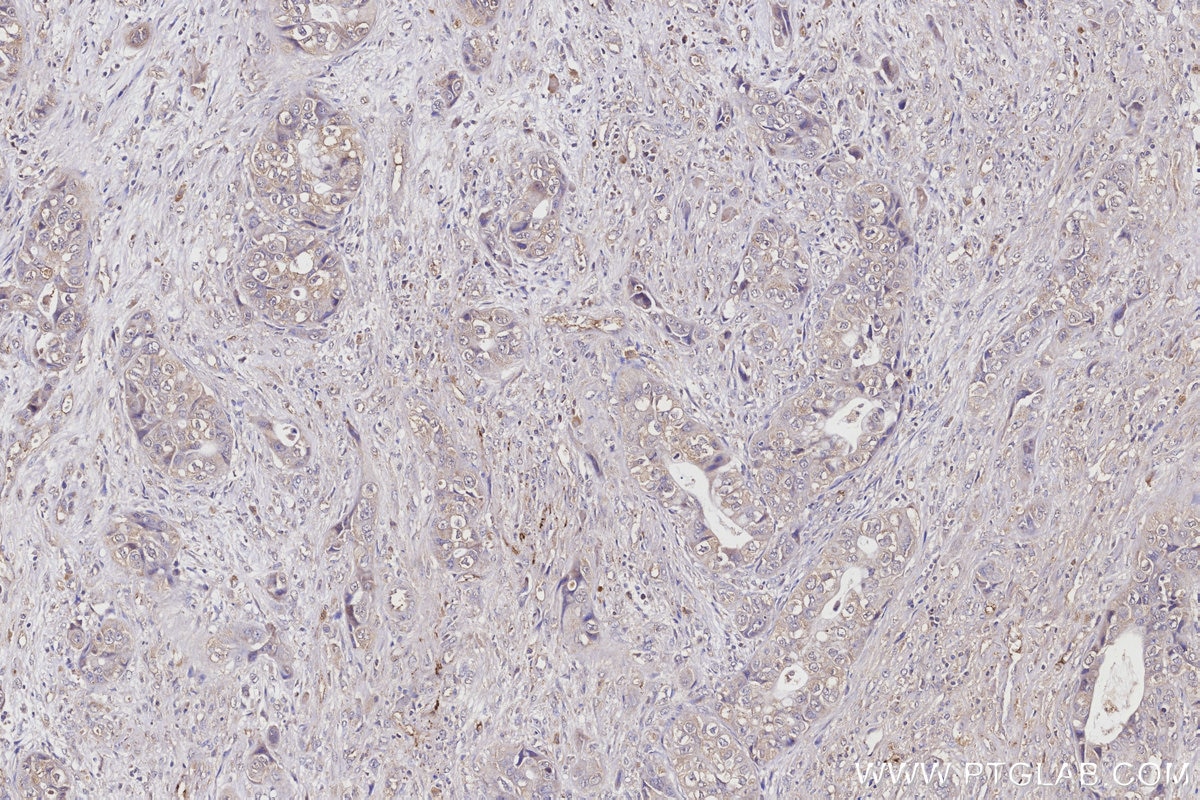
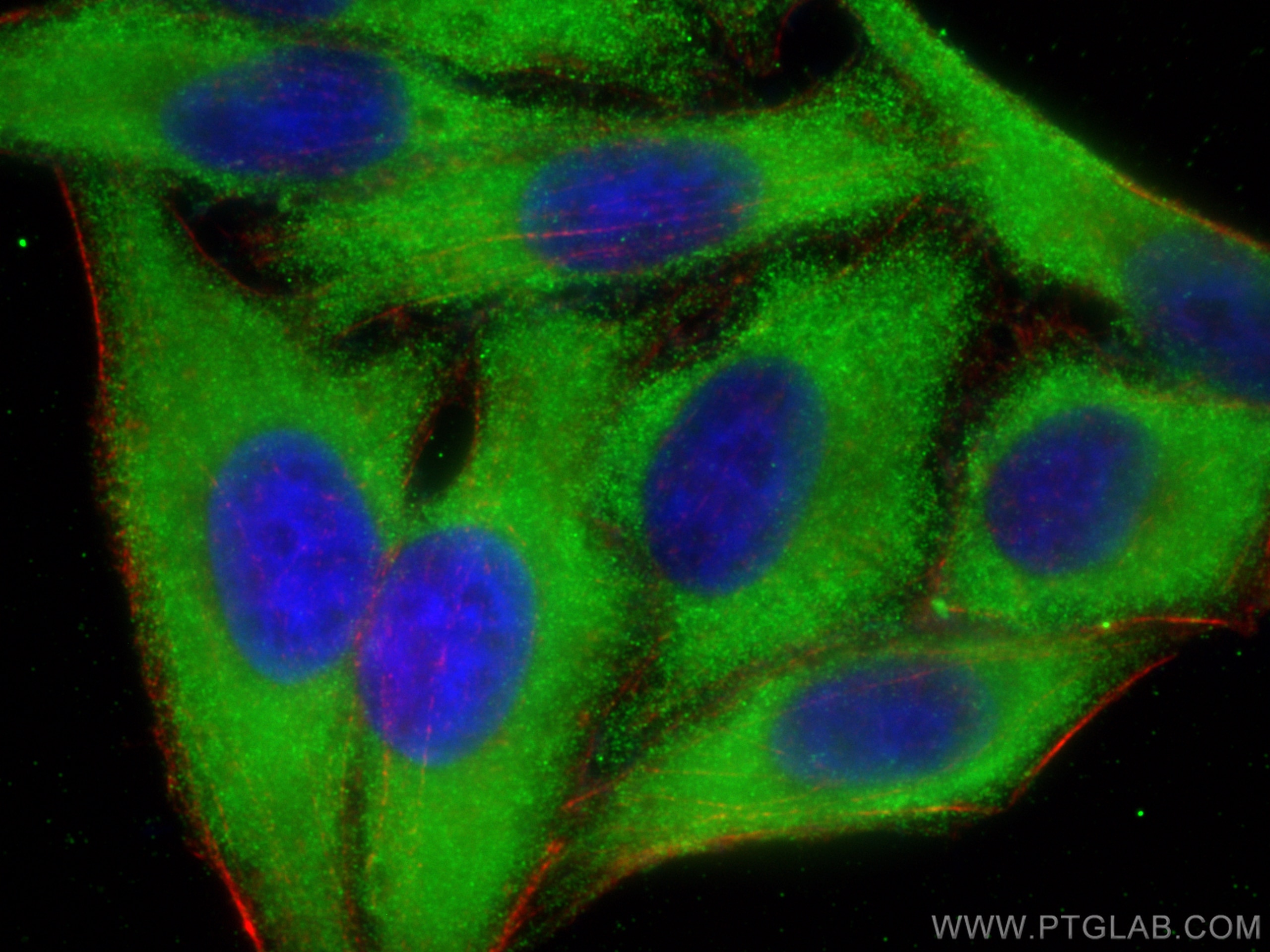
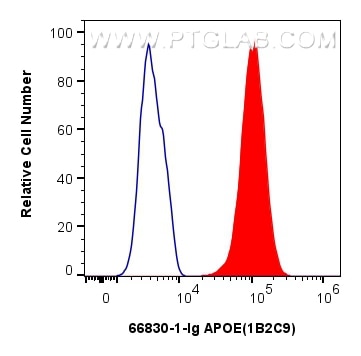
66830-1-PBS targets APOE in WB, IHC, IF/ICC, FC (Intra), ELISA applications and shows reactivity with human samples.
| Tested Reactivity | human |
| Host / Isotype | Mouse / IgG1 |
| Class | Monoclonal |
| Type | Antibody |
| Immunogen |
CatNo: Ag28186 Product name: Recombinant human APOE protein Source: e coli.-derived, PET28a Tag: 6*His Domain: 66-317 aa of BC003557 Sequence: QEELLSSQVTQELRALMDETMKELKAYKSELEEQLTPVAEETRARLSKELQAAQARLGADMEDVCGRLVQYRGEVQAMLGQSTEELRVRLASHLRKLRKRLLRDADDLQKRLAVYQAGAREGAERGLSAIRERLGPLVEQGRVRAATVGSLAGQPLQERAQAWGERLRARMEEMGSRTRDRLDEVKEQVAEVRAKLEEQAQQIRLQAEAFQARLKSWFEPLVEDMQRQWAGLVEKVQAAVGTSAAPVPSDNH Predict reactive species |
| Full Name | Apolipoprotein E |
| Calculated Molecular Weight | 36 kDa |
| Observed Molecular Weight | 34-36 kDa |
| GenBank Accession Number | BC003557 |
| Gene Symbol | APOE |
| Gene ID (NCBI) | 348 |
| RRID | AB_2882173 |
| Conjugate | Unconjugated |
| Form | Liquid |
| Purification Method | Protein G purification |
| UNIPROT ID | P02649 |
| Storage Buffer | PBS only, pH 7.3. |
| Storage Conditions | Store at -80°C. |
Background Information
The apolipoprotein E (APOE) is a 299-amino acid polypeptide that mediates the binding, internalization, and catabolism of lipoprotein particles, and also serve as a ligand for the LDL (APO B/E) receptor and for the specific APOE receptor (chylomicron remnant) of hepatic tissues. The very strong association of the APOE ɛ4 allele with AD risk and its role in the accumulation of amyloid β in brains of people and animal models solidify the biological relevance of APOE isoforms but do not provide mechanistic insight.
Publications
What published studies show
The APOE Monoclonal antibody (1B2C9), catalog number 66830-1-PBS, has 1 indexed citation. It appears in Exploration (Beijing) (IF 30.4), published in 2026 by Shumin Li et al., studying hepatic mechanisms and therapeutic targets underlying hypercoagulation in obesity through genetic and transcriptomic analyses. The research field encompasses lipid metabolism, cardiovascular disease, and obesity-related coagulation disorders.
| Species | Application | Title |
|---|---|---|
Exploration (Beijing) Hepatic Mechanisms and Therapeutic Target Underpinning Hypercoagulation in Obesity: Insights From Genetic and Transcriptomic Analyses. |









