
Product Information
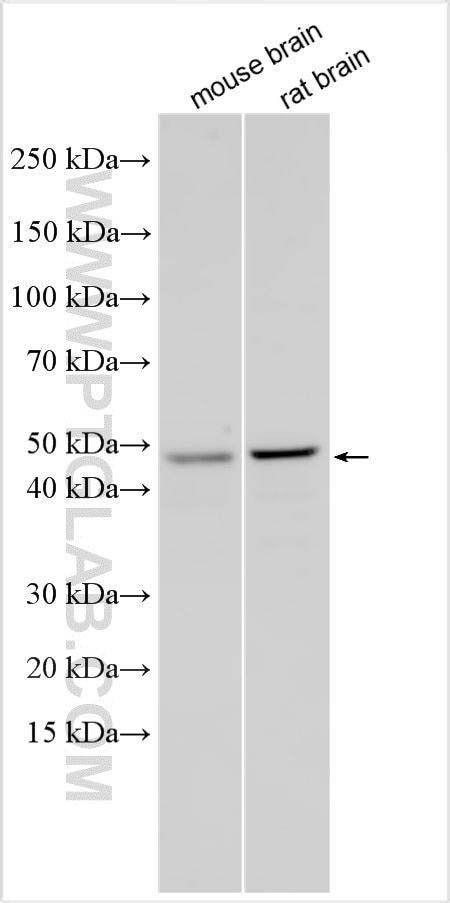
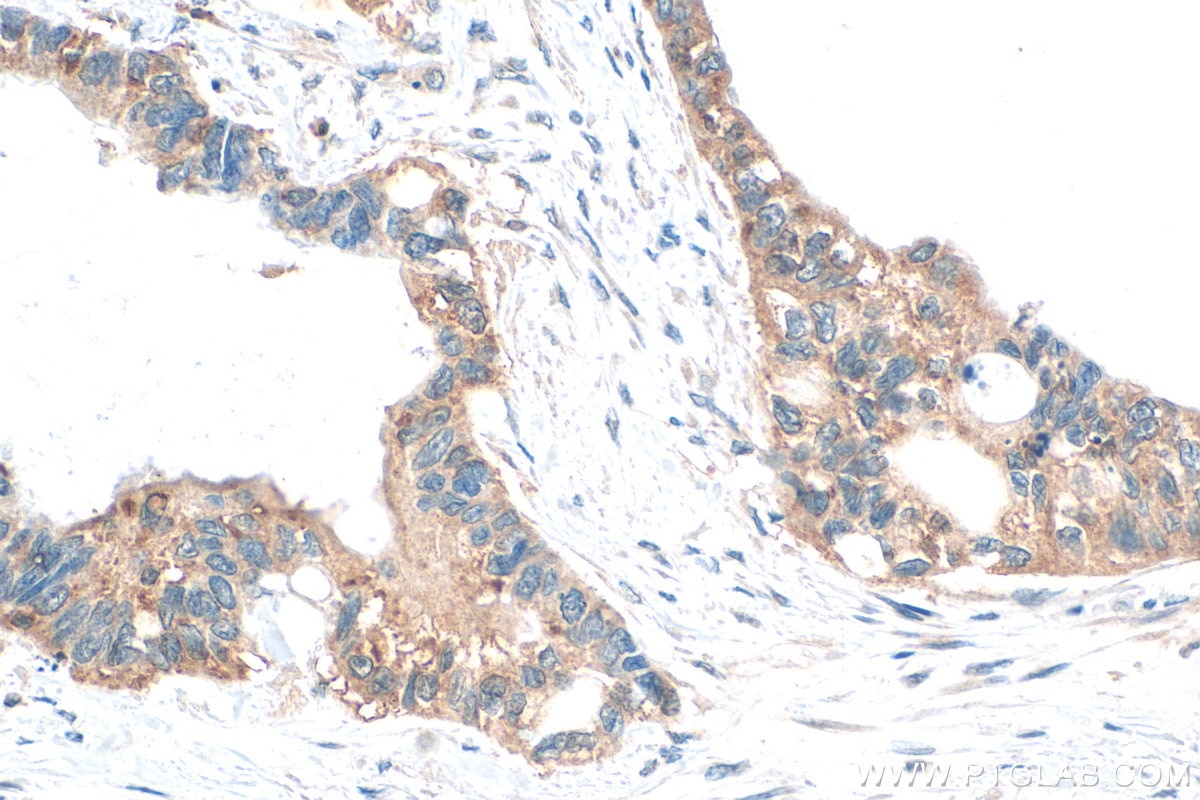
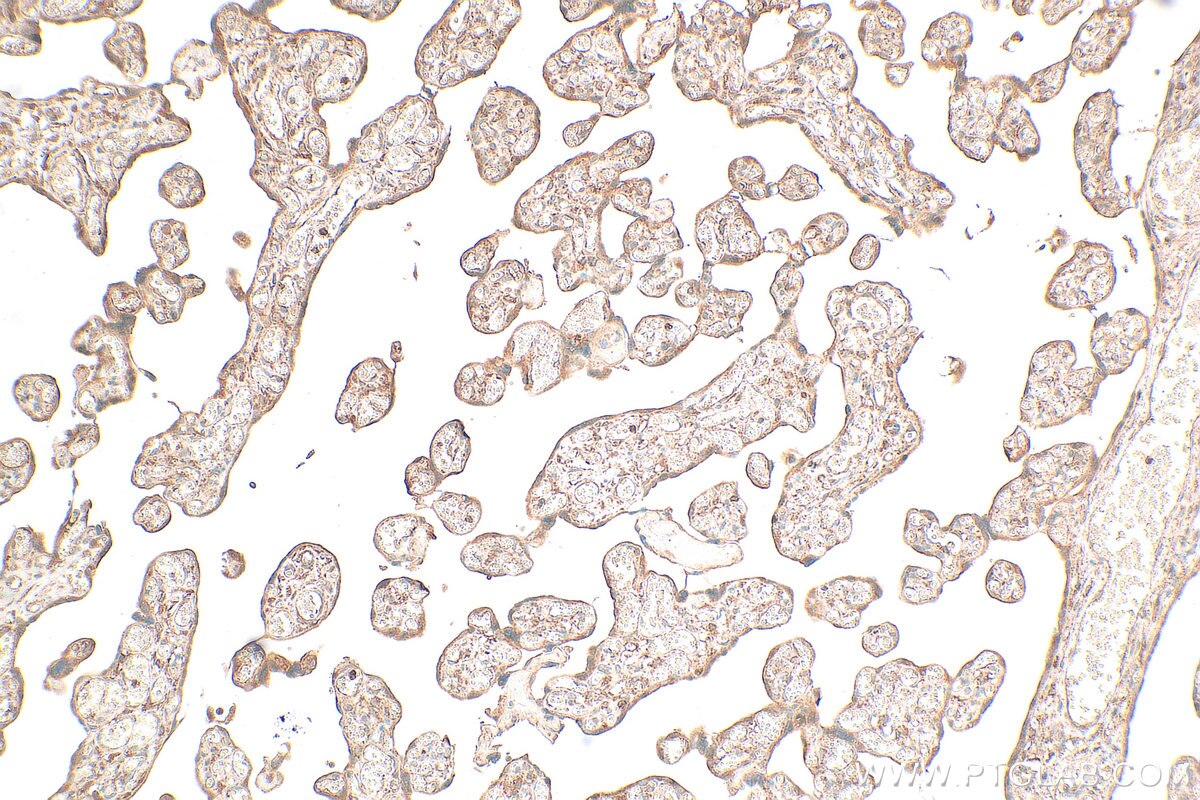
32196-1-PBS targets CEACAM16 in WB, IHC, Indirect ELISA applications and shows reactivity with human, mouse, rat samples.
| Tested Reactivity | human, mouse, rat |
| Host / Isotype | Rabbit / IgG |
| Class | Polyclonal |
| Type | Antibody |
| Immunogen |
CatNo: Ag37542 Product name: Recombinant human CEACAM16 protein Source: e coli.-derived, PGEX-4T Tag: GST Domain: 295-425 aa of BC156855 Sequence: AKNTKTLLSGSASVVVKLSAAAVATMIVPVPTKPTEGQDVTLTVQGYPKDLLVYAWYRGPASEPNRLLSQLPSGTWIAGPAHTGREVGFPNCSLLVQKLNLTDTGRYTLKTVTVQGKTETLEVELQVAPLG Predict reactive species |
| Full Name | carcinoembryonic antigen-related cell adhesion molecule 16 |
| Observed Molecular Weight | 48 kDa |
| GenBank Accession Number | BC156855 |
| Gene Symbol | CEACAM16 |
| Gene ID (NCBI) | 388551 |
| RRID | AB_3742541 |
| Conjugate | Unconjugated |
| Form | Liquid |
| Purification Method | Antigen affinity Purification |
| UNIPROT ID | Q2WEN9 |
| Storage Buffer | PBS only, pH 7.3. |
| Storage Conditions | Store at -80°C. |
Background Information
CEACAM16 (Carcinoembryonic Antigen-Related Cell Adhesion Molecule 16) is a member of the CEA family of cell adhesion molecules. It is a critical component of the tectorial membrane in the inner ear, playing a significant role in maintaining hearing function. Mutations in the CEACAM16 gene are associated with autosomal dominant nonsyndromic hearing loss (DFNA4B), characterized by progressive high-frequency hearing impairment. Research has shown that loss or dysfunction of CEACAM16 leads to structural abnormalities in the tectorial membrane, thereby affecting hearing. The identification of CEACAM16 has provided important insights into the genetic basis of hereditary hearing loss and has implications for the diagnosis and treatment of hearing disorders.




