
Tested Applications
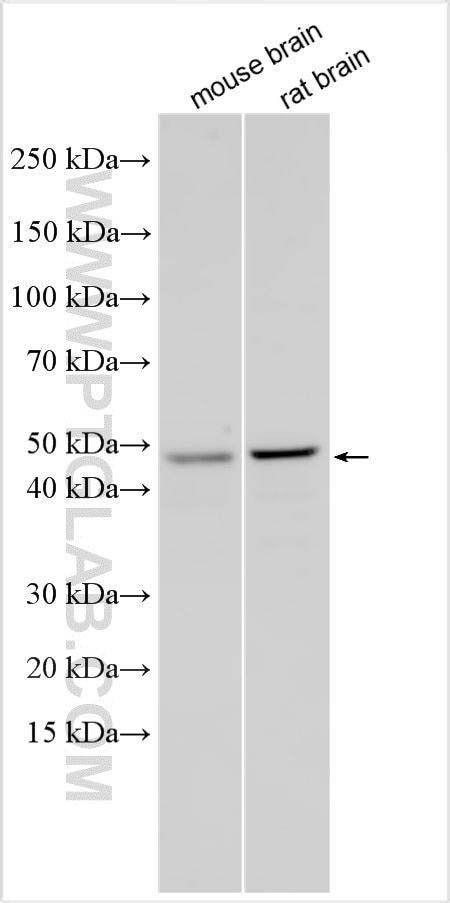
| Positive WB detected in | mouse brain tissue, rat brain tissue |
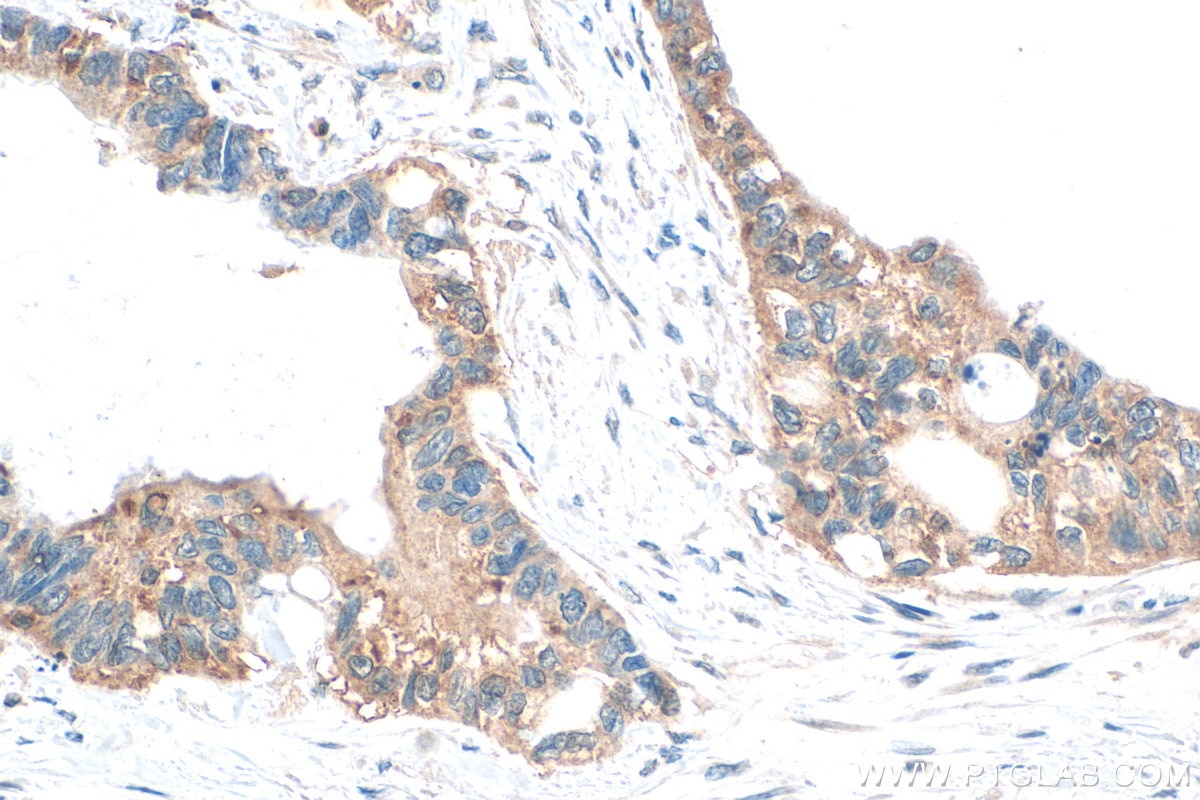
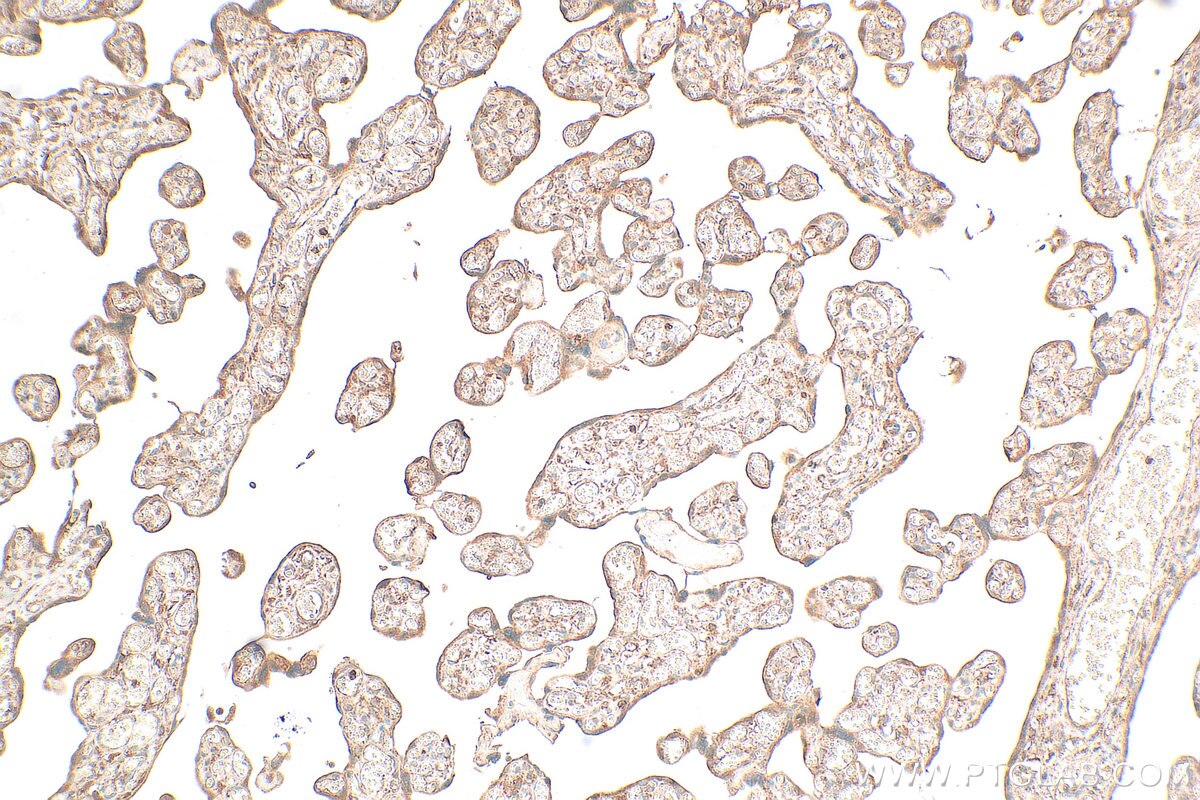
| Positive IHC detected in | human placenta tissue, human urothelial carcinoma tissue Note: suggested antigen retrieval with TE buffer pH 9.0; (*) Alternatively, antigen retrieval may be performed with citrate buffer pH 6.0 |
Recommended dilution
| Application | Dilution |
|---|---|
| Western Blot (WB) | WB : 1:500-1:1000 |
| Immunohistochemistry (IHC) | IHC : 1:50-1:500 |
| It is recommended that this reagent should be titrated in each testing system to obtain optimal results. | |
| Sample-dependent, Check data in validation data gallery. | |
Product Information
32196-1-AP targets CEACAM16 in WB, IHC, ELISA applications and shows reactivity with human, mouse, rat samples.
| Tested Reactivity | human, mouse, rat |
| Host / Isotype | Rabbit / IgG |
| Class | Polyclonal |
| Type | Antibody |
| Immunogen |
CatNo: Ag37542 Product name: Recombinant human CEACAM16 protein Source: e coli.-derived, PGEX-4T Tag: GST Domain: 295-425 aa of BC156855 Sequence: AKNTKTLLSGSASVVVKLSAAAVATMIVPVPTKPTEGQDVTLTVQGYPKDLLVYAWYRGPASEPNRLLSQLPSGTWIAGPAHTGREVGFPNCSLLVQKLNLTDTGRYTLKTVTVQGKTETLEVELQVAPLG Predict reactive species |
| Full Name | carcinoembryonic antigen-related cell adhesion molecule 16 |
| Observed Molecular Weight | 48 kDa |
| GenBank Accession Number | BC156855 |
| Gene Symbol | CEACAM16 |
| Gene ID (NCBI) | 388551 |
| RRID | AB_3742541 |
| Conjugate | Unconjugated |
| Form | Liquid |
| Purification Method | Antigen affinity Purification |
| UNIPROT ID | Q2WEN9 |
| Storage Buffer | PBS with 0.02% sodium azide and 50% glycerol, pH 7.3. |
| Storage Conditions | Store at -20°C. Stable for one year after shipment. Aliquoting is unnecessary for -20oC storage. 20ul sizes contain 0.1% BSA. |
Background Information
CEACAM16 (Carcinoembryonic Antigen-Related Cell Adhesion Molecule 16) is a member of the CEA family of cell adhesion molecules. It is a critical component of the tectorial membrane in the inner ear, playing a significant role in maintaining hearing function. Mutations in the CEACAM16 gene are associated with autosomal dominant nonsyndromic hearing loss (DFNA4B), characterized by progressive high-frequency hearing impairment. Research has shown that loss or dysfunction of CEACAM16 leads to structural abnormalities in the tectorial membrane, thereby affecting hearing. The identification of CEACAM16 has provided important insights into the genetic basis of hereditary hearing loss and has implications for the diagnosis and treatment of hearing disorders.
Protocols
| Product Specific Protocols | |
|---|---|
| IHC protocol for CEACAM16 antibody 32196-1-AP | Download protocol |
| WB protocol for CEACAM16 antibody 32196-1-AP | Download protocol |
| Standard Protocols | |
|---|---|
| Click here to view our Standard Protocols |




