
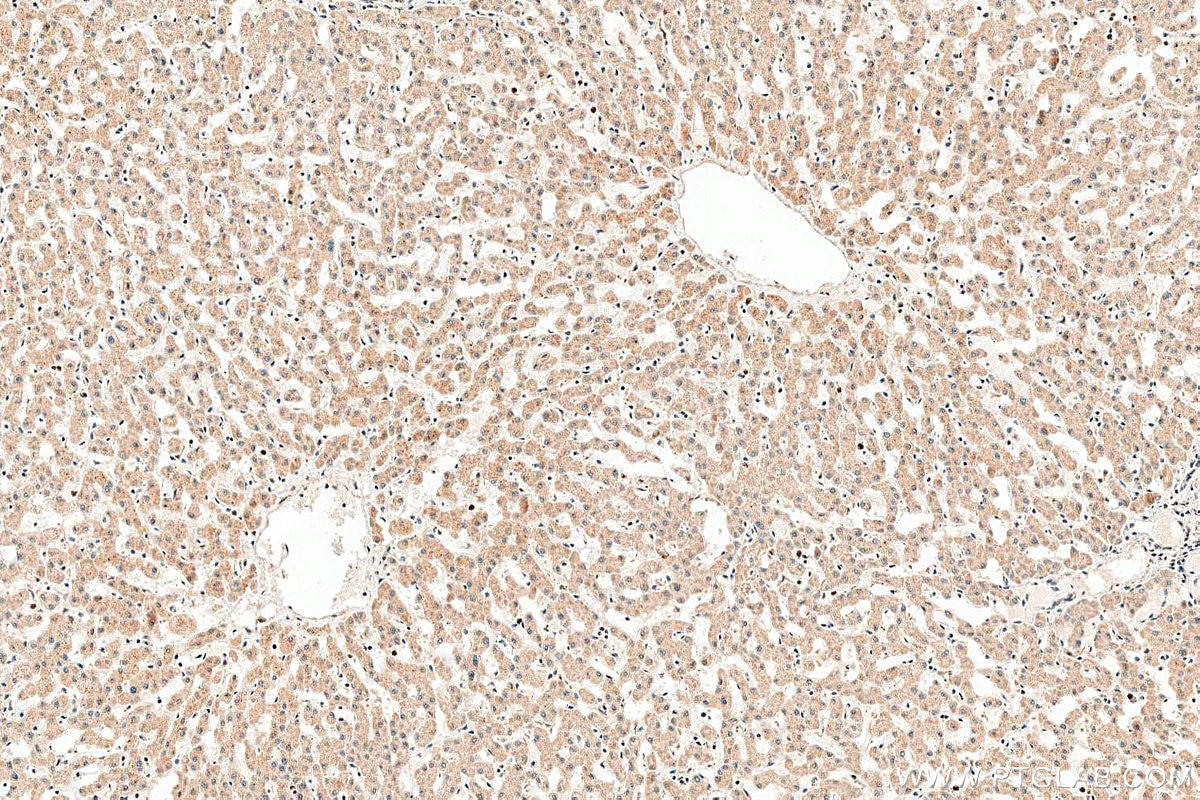
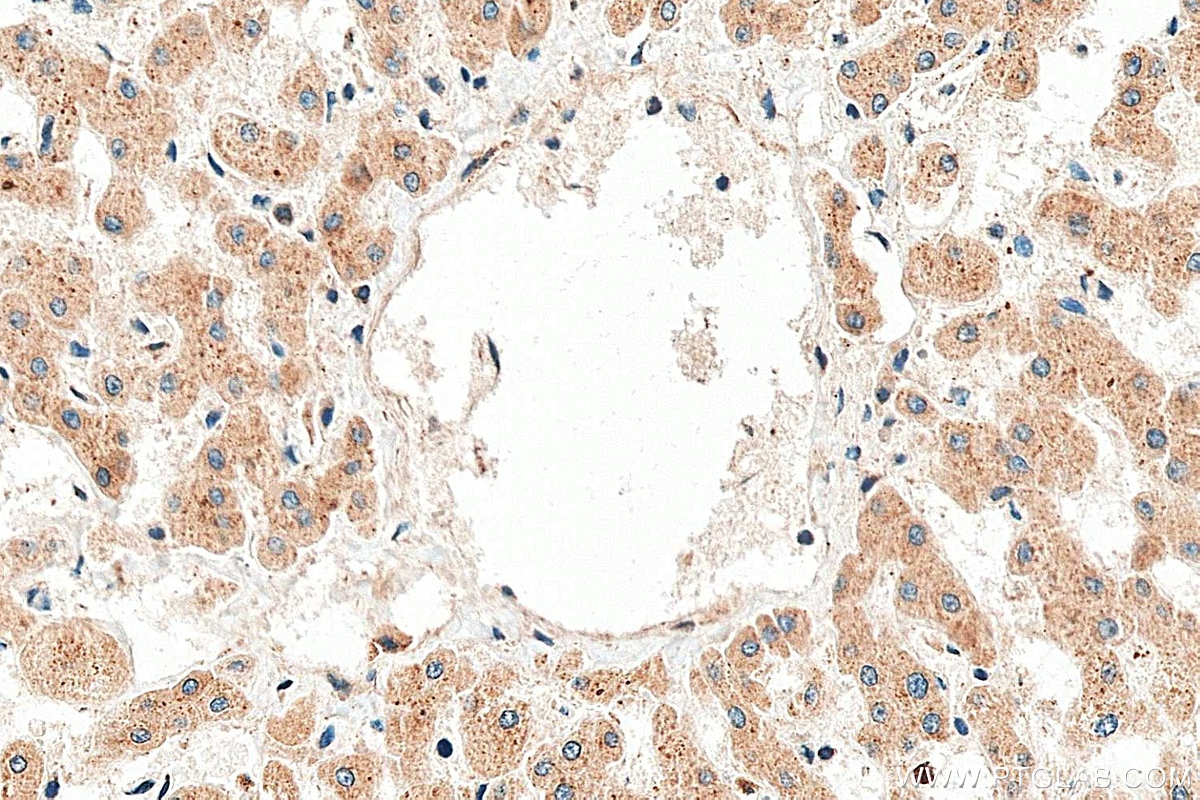
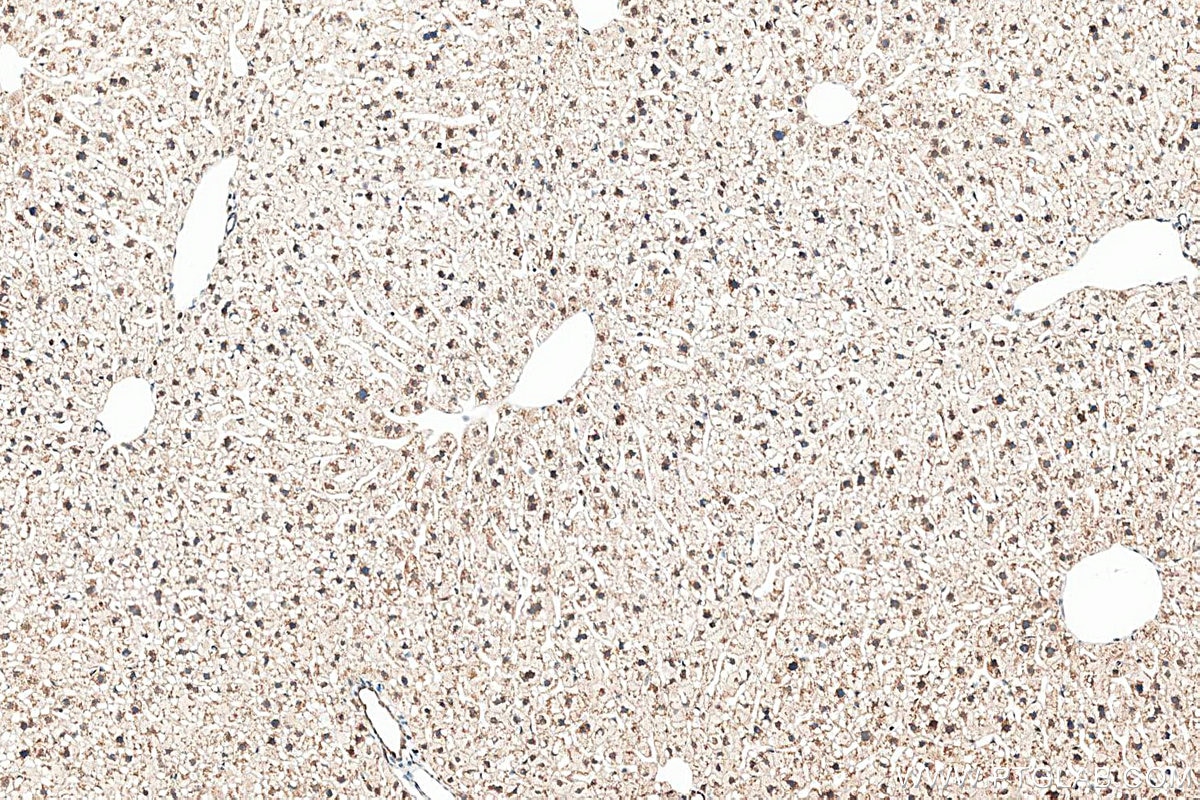
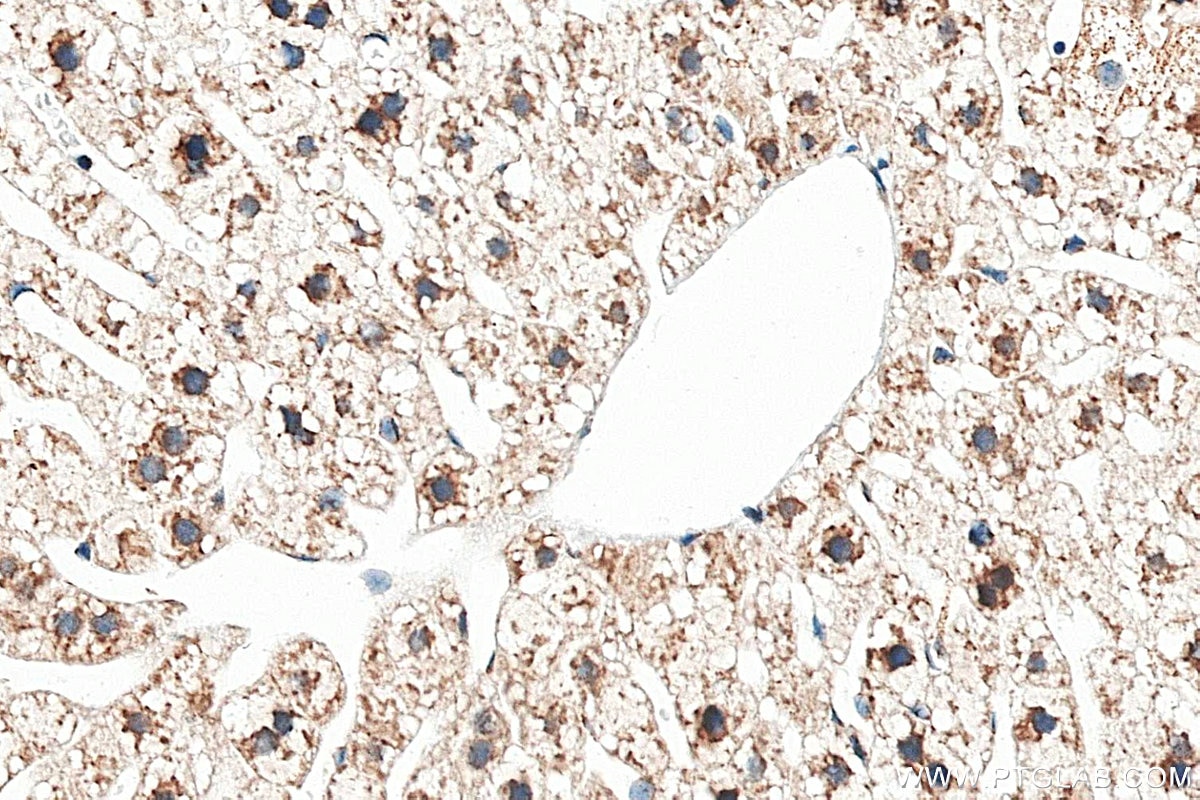
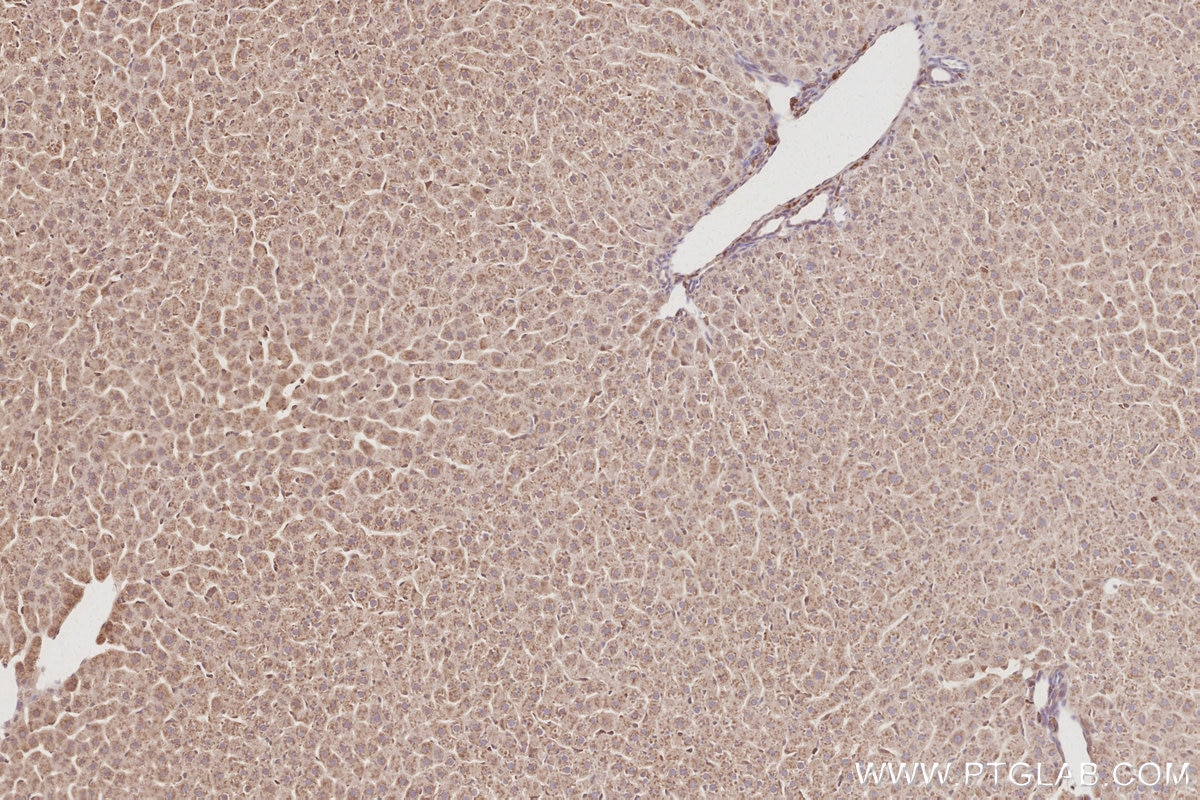
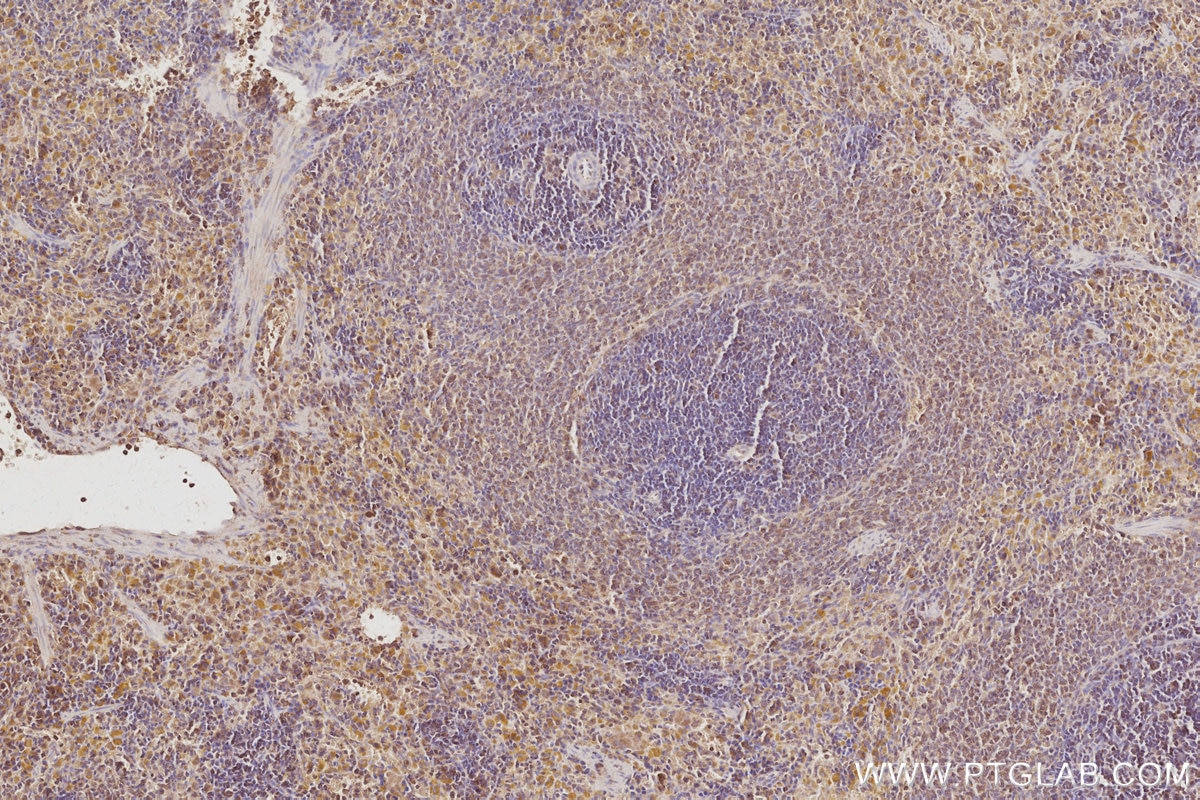
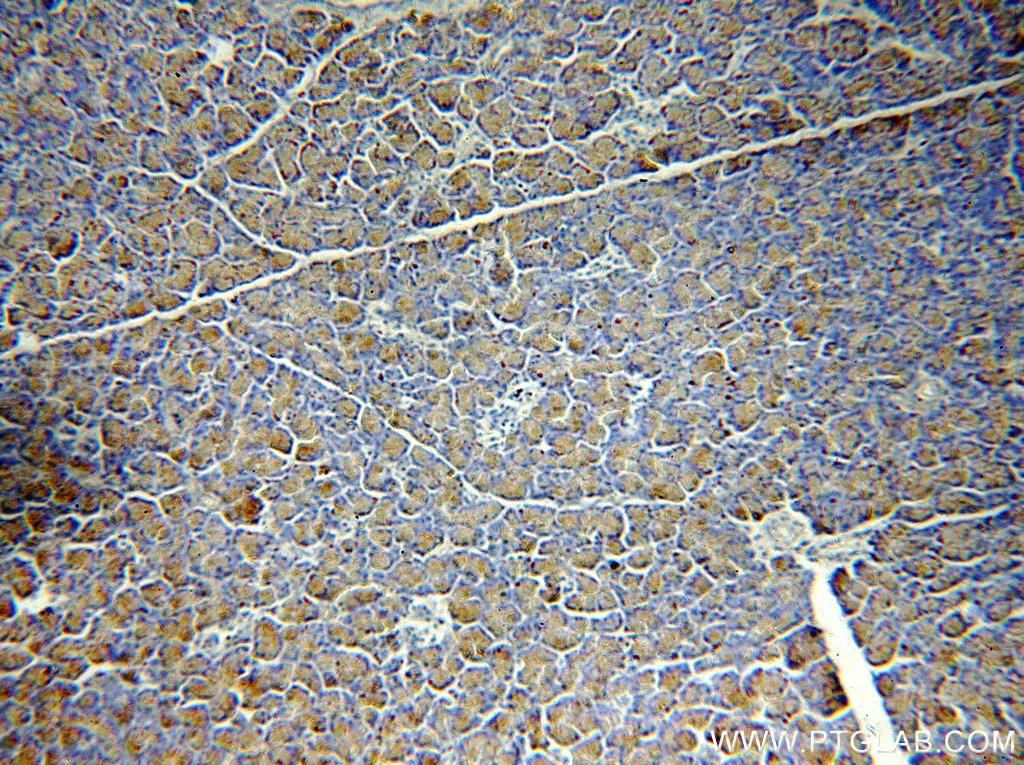
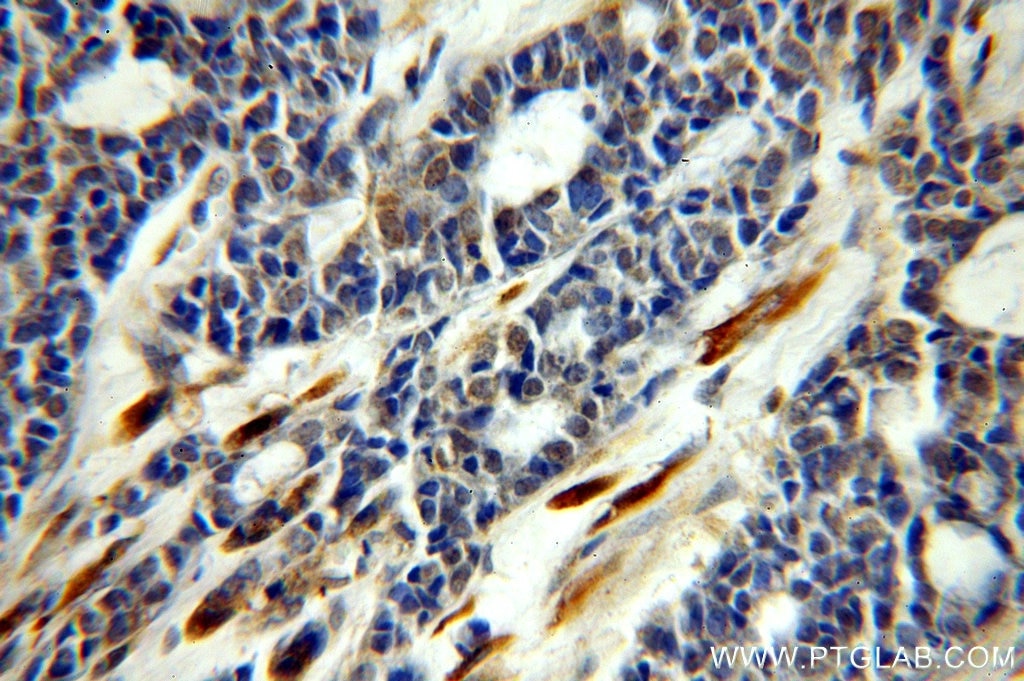
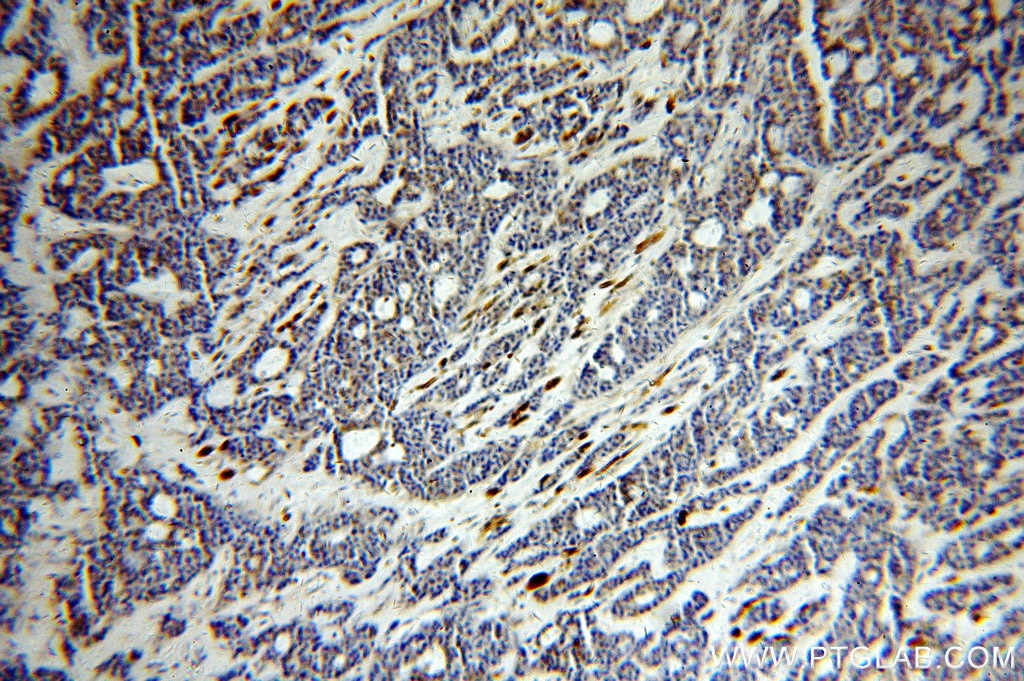

Tested Applications
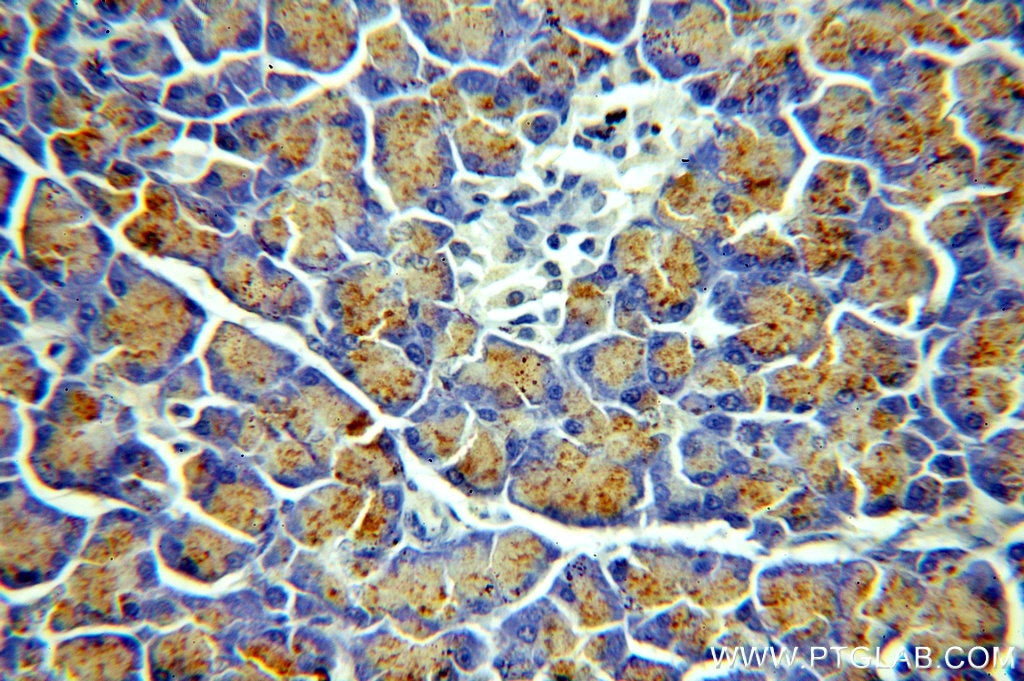
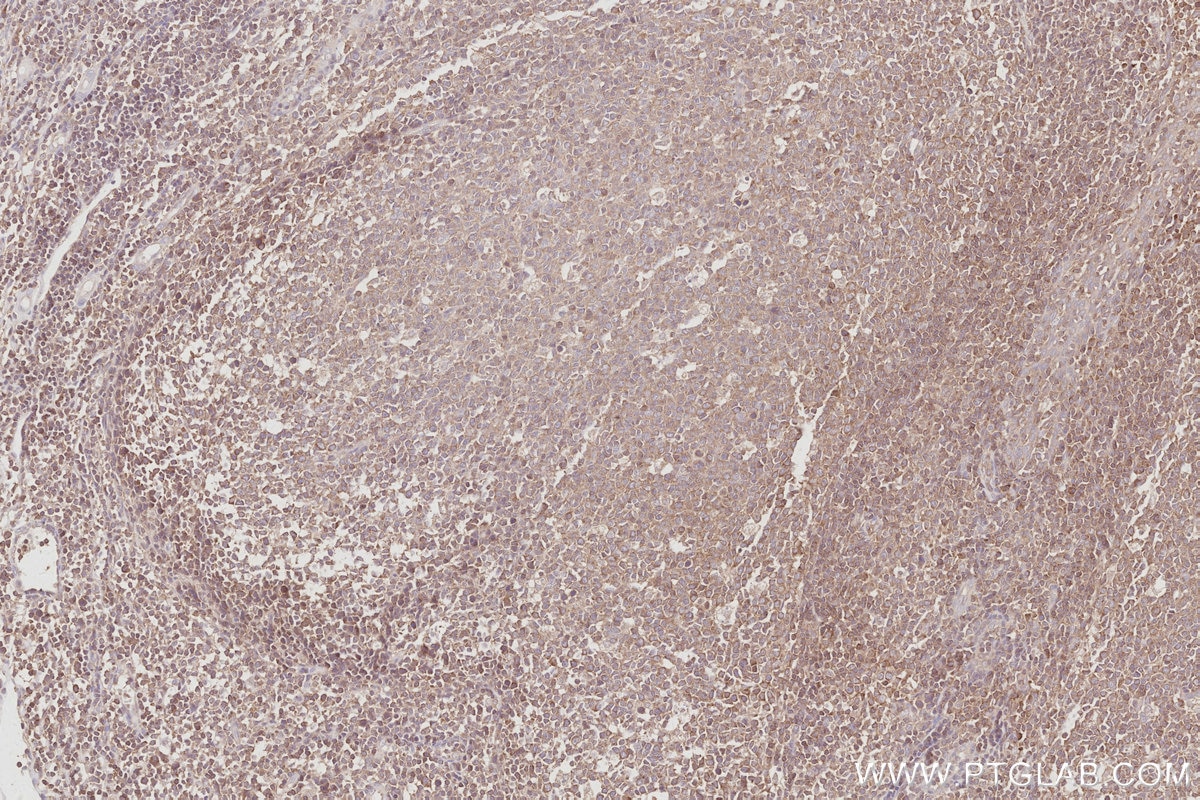
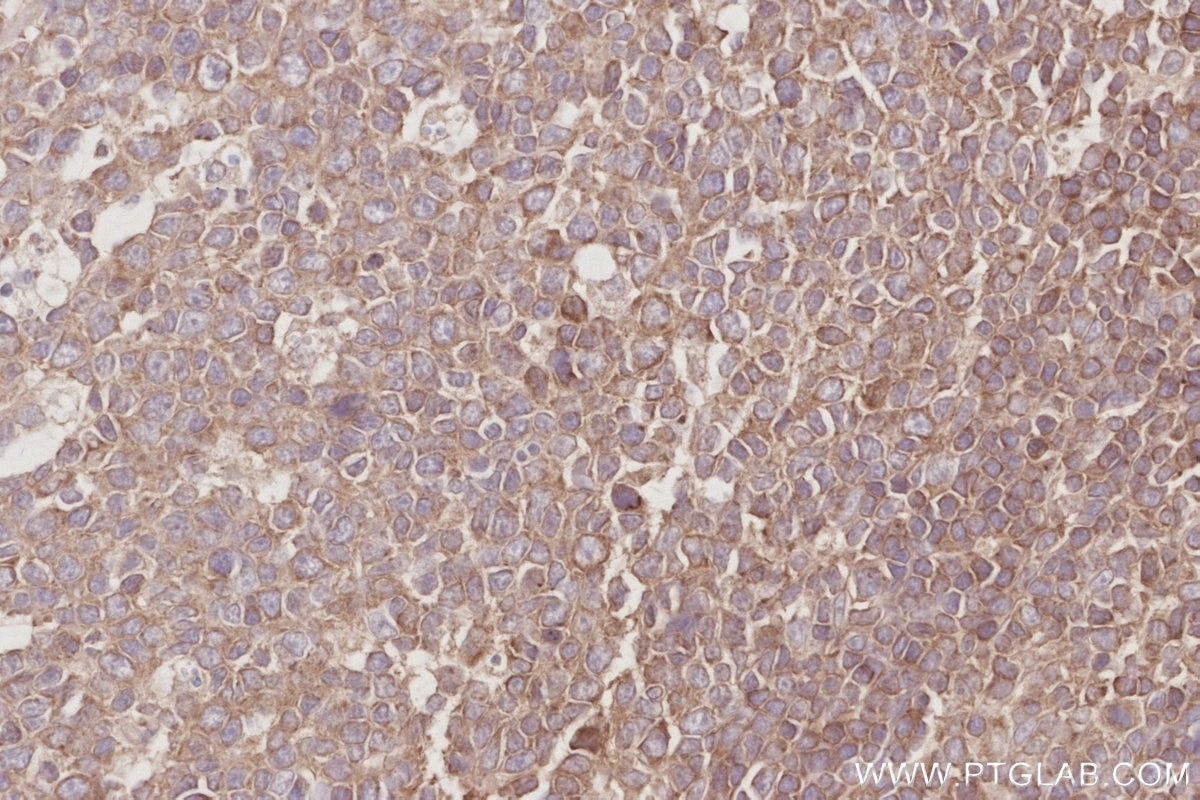
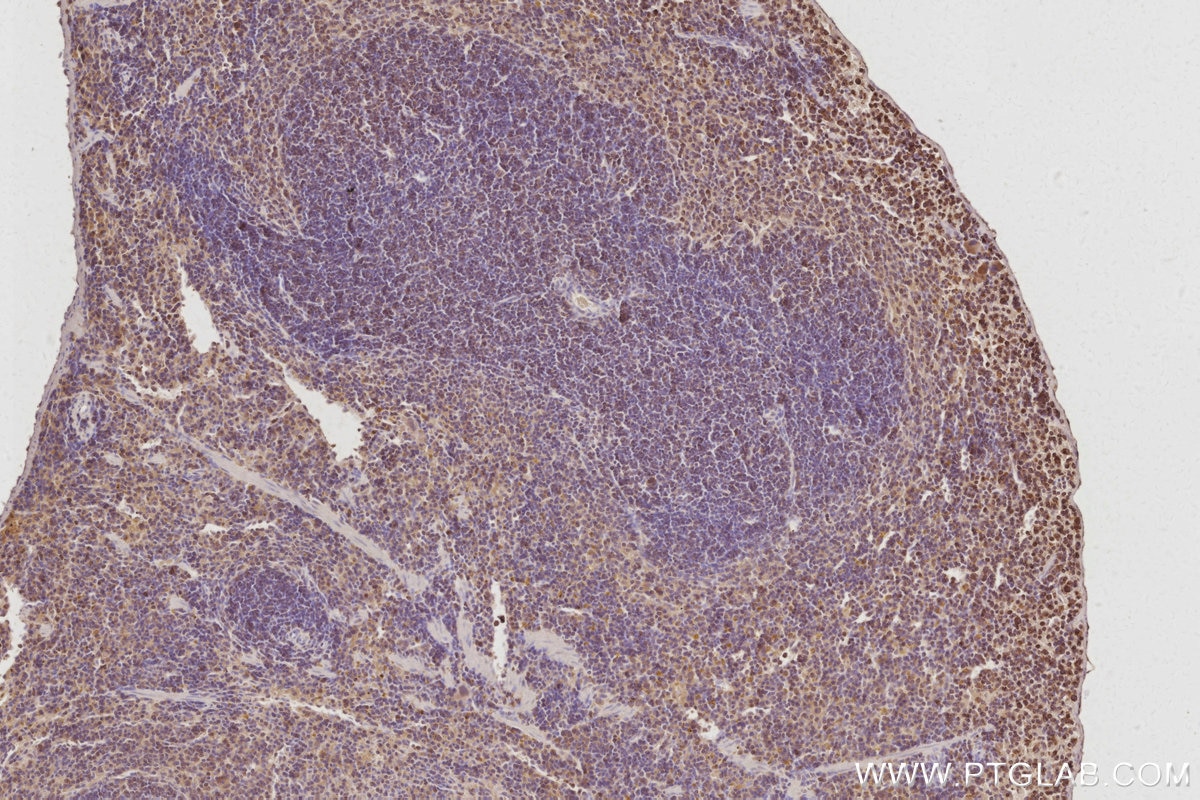
| Positive IHC detected in | human liver tissue, human tonsillitis tissue, mouse spleen tissue, rat spleen tissue, mouse liver tissue, human cervical cancer tissue, human pancreas tissue, rat liver tissue Note: suggested antigen retrieval with TE buffer pH 9.0; (*) Alternatively, antigen retrieval may be performed with citrate buffer pH 6.0 |
Recommended dilution
| Application | Dilution |
|---|---|
| Immunohistochemistry (IHC) | IHC : 1:200-1:800 |
| It is recommended that this reagent should be titrated in each testing system to obtain optimal results. | |
| Sample-dependent, Check data in validation data gallery. | |
Product Information
20496-1-AP targets CEPT1 in IHC, IF, ELISA applications and shows reactivity with human, mouse, rat samples.
| Tested Reactivity | human, mouse, rat |
| Cited Reactivity | human, mouse |
| Host / Isotype | Rabbit / IgG |
| Class | Polyclonal |
| Type | Antibody |
| Immunogen |
CatNo: Ag14140 Product name: Recombinant human CEPT1 protein Source: e coli.-derived, PGEX-4T Tag: GST Domain: 1-91 aa of BC032610 Sequence: MSGHRSTRKRCGDSHPESPVGFGHMSTTGCVLNKLFQLPTPPLSRHQLKRLEEHRYQSAGRSLLEPLMQGYWEWLVRRVPSWIAPNLITII Predict reactive species |
| Full Name | choline/ethanolamine phosphotransferase 1 |
| Calculated Molecular Weight | 416 aa, 47 kDa |
| GenBank Accession Number | BC032610 |
| Gene Symbol | CEPT1 |
| Gene ID (NCBI) | 10390 |
| RRID | AB_10694283 |
| Conjugate | Unconjugated |
| Form | Liquid |
| Purification Method | Antigen affinity purification |
| UNIPROT ID | Q9Y6K0 |
| Storage Buffer | PBS with 0.02% sodium azide and 50% glycerol, pH 7.3. |
| Storage Conditions | Store at -20°C. Stable for one year after shipment. Aliquoting is unnecessary for -20oC storage. 20ul sizes contain 0.1% BSA. |
Background Information
Choline-enthanolamine phosphotransferase 1 (CEPT1) is a 47-kDa membrane-bound protein that catalyzes the terminal step of the Kennedy pathway. CEPT1 is encoded by the Cept1 gene and is responsible for phosphatidylcholine (PC) and phosphatidylethanolamine (PE) production (PMID: 33214136, 30030520).
Protocols
| Product Specific Protocols | |
|---|---|
| IHC protocol for CEPT1 antibody 20496-1-AP | Download protocol |
| Standard Protocols | |
|---|---|
| Click here to view our Standard Protocols |
Publications
What published studies show
The CEPT1 Polyclonal antibody (Cat# 20496-1-AP) has 10 citations spanning journals including Cell Research, Protein & Cell, Cell Reports, Journal of Hazardous Materials, Hepatology Communications, BMC Biology, Journal of Lipid Research, Journal of Cellular and Molecular Medicine, Journal of Pharmaceutical Analysis, and Microbiology Spectrum. Research fields cover ER-mitochondria signaling, ferroptosis, phospholipid metabolism, hepatic steatosis, asthma, liver cirrhosis, neuronal signaling, diabetes, gastric cancer, and cervical cancer.
| Species | Application | Title |
|---|---|---|
Cell Res DNA damage triggers tubular endoplasmic reticulum extension to promote apoptosis by facilitating ER-mitochondria signaling. | ||
Protein Cell Proteomic analysis of ferroptosis pathways reveals a role of CEPT1 in suppressing ferroptosis | ||
J Pharm Anal Disorder of phospholipid metabolism in the renal cortex and medulla contributes to acute tubular necrosis in mice after cantharidin exposure using integrative lipidomics and spatial metabolomics | ||
J Hazard Mater YTHDC2 mediated RNA m6A modification contributes to PM2.5-induced hepatic steatosis | ||
Cell Rep FOXA1-mediated CEPT1 deficiency in airway epithelium drives asthma via an ER stress-mitochondrial dysfunction axis. | ||
Hepatol Commun Dysregulation of lipid metabolism in the pseudolobule promotes region-specific autophagy in hepatitis B liver cirrhosis |














