


Tested Applications
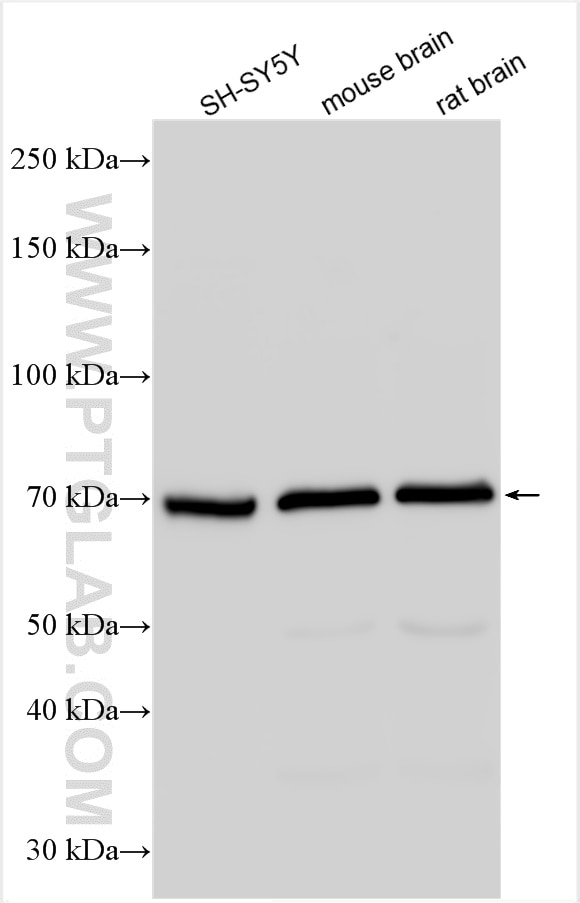
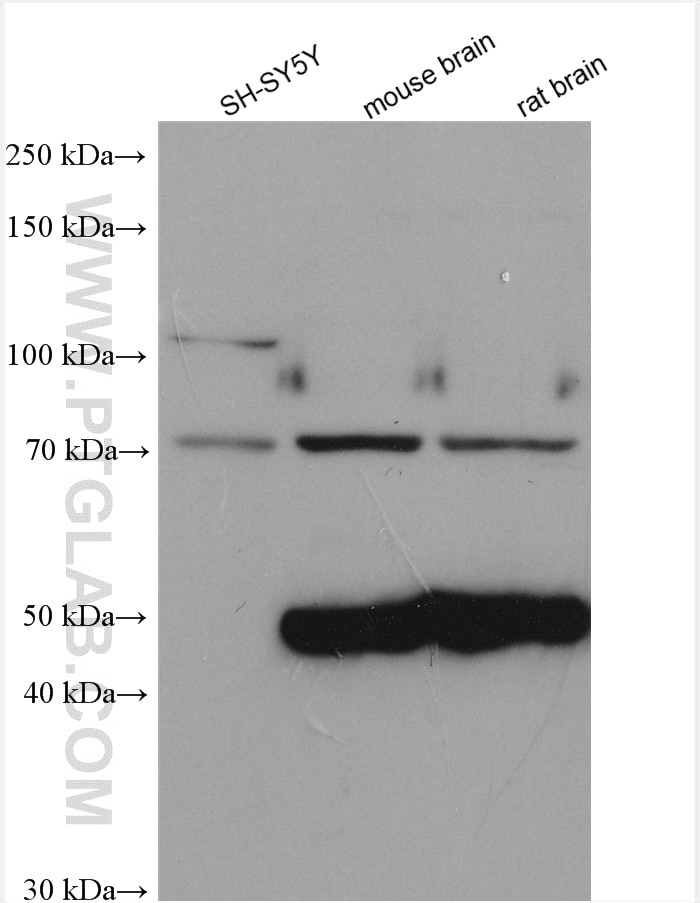
| Positive WB detected in | SH-SY5Y cells, mouse brain tissue, rat brain tissue |
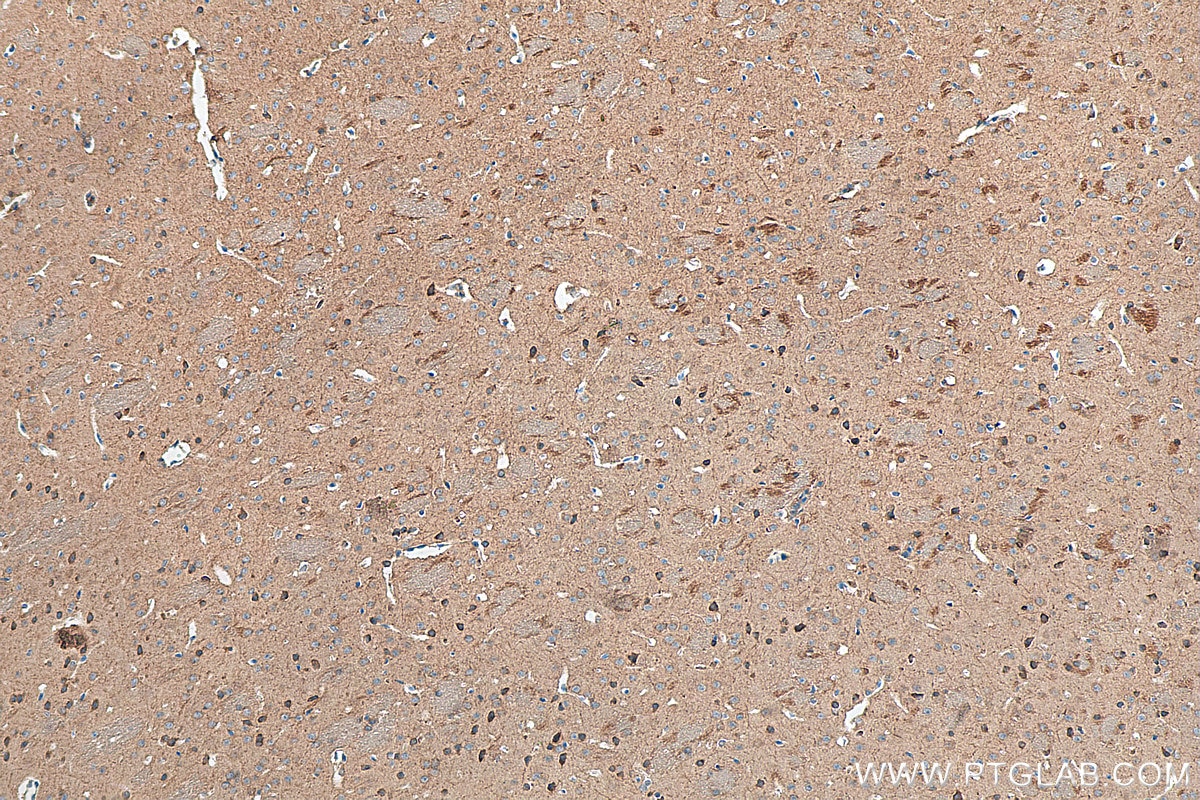
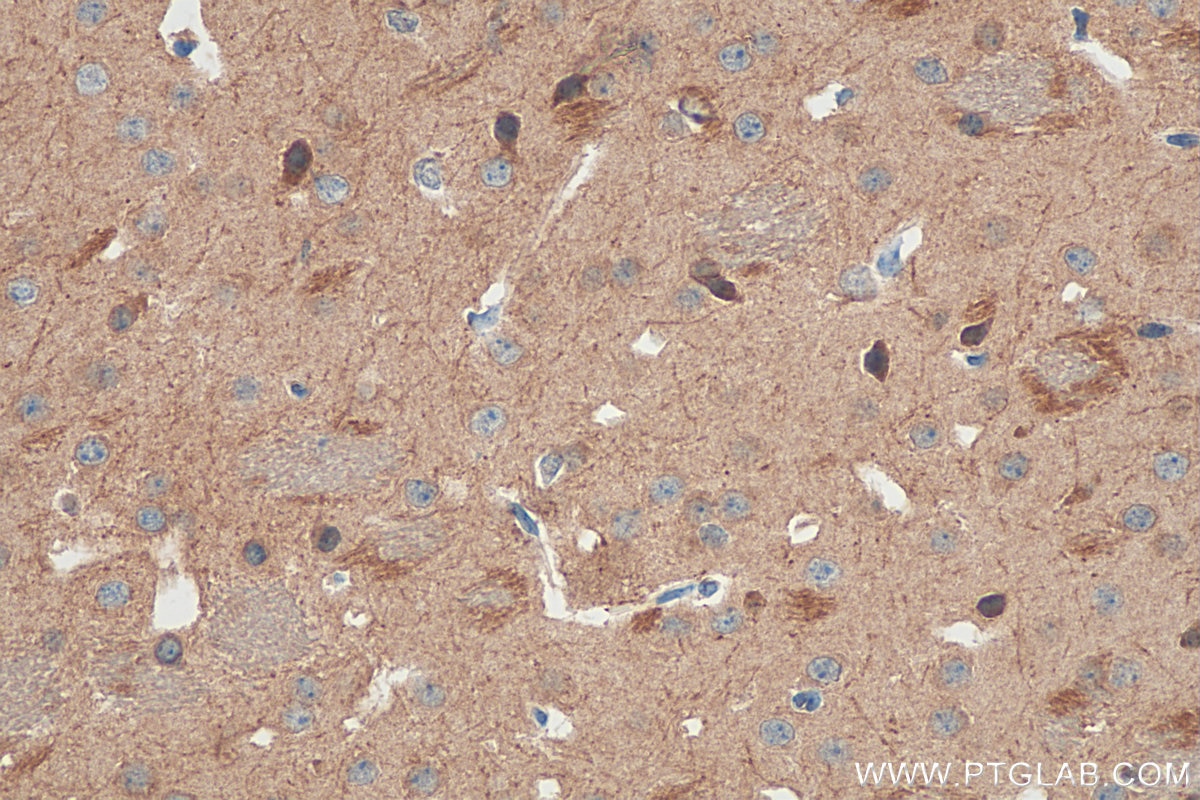
| Positive IHC detected in | mouse brain tissue, rat brain tissue Note: suggested antigen retrieval with TE buffer pH 9.0; (*) Alternatively, antigen retrieval may be performed with citrate buffer pH 6.0 |
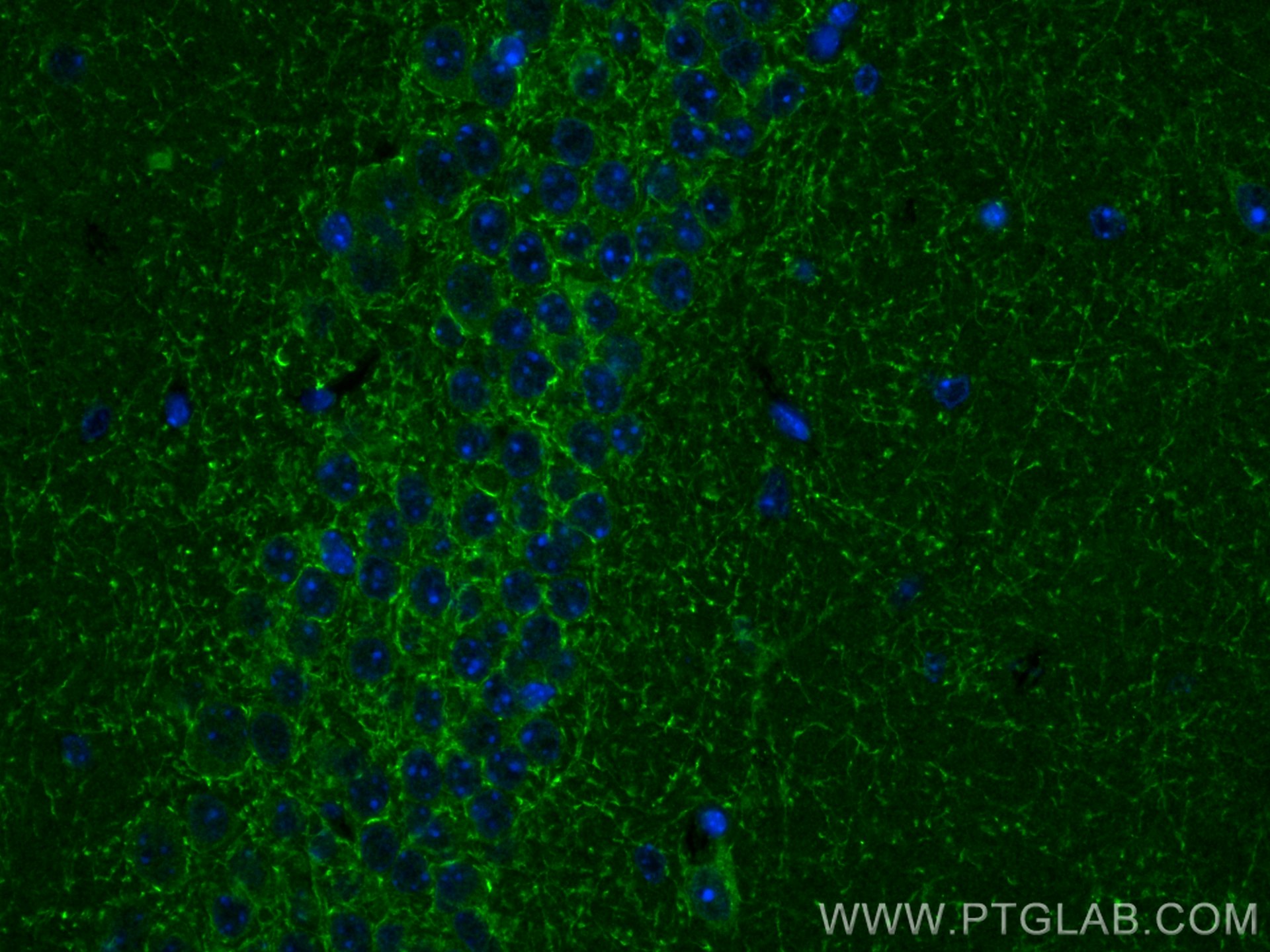
| Positive IF-P detected in | mouse brain tissue |
Recommended dilution
| Application | Dilution |
|---|---|
| Western Blot (WB) | WB : 1:1000-1:4000 |
| Immunohistochemistry (IHC) | IHC : 1:200-1:800 |
| Immunofluorescence (IF)-P | IF-P : 1:50-1:500 |
| It is recommended that this reagent should be titrated in each testing system to obtain optimal results. | |
| Sample-dependent, Check data in validation data gallery. | |
Product Information
17978-1-AP targets Cannabinoid receptor 1 in WB, IHC, IF-P, ELISA applications and shows reactivity with human, mouse, rat samples.
| Tested Reactivity | human, mouse, rat |
| Cited Reactivity | human, mouse, rat |
| Host / Isotype | Rabbit / IgG |
| Class | Polyclonal |
| Type | Antibody |
| Immunogen |
CatNo: Ag12371 Product name: Recombinant human CNR1 protein Source: e coli.-derived, PGEX-4T Tag: GST Domain: 1-121 aa of BC074812 Sequence: MKSILDGLADTTFRTITTDLLYVGSNDIQYEDIKGDMASKLGYFPQKFPLTSFRGSPFQEKMTAGDNPQLVPADQVNITEFYNKSLSSFKENEENIQCGENFMDIECFMVLNPSQQLAIAV Predict reactive species |
| Full Name | cannabinoid receptor 1 (brain) |
| Calculated Molecular Weight | 472 aa, 53 kDa |
| Observed Molecular Weight | 45 kDa, 66 kDa |
| GenBank Accession Number | BC074812 |
| Gene Symbol | Cannabinoid receptor 1 |
| Gene ID (NCBI) | 1268 |
| RRID | AB_10859098 |
| Conjugate | Unconjugated |
| Form | Liquid |
| Purification Method | Antigen affinity purification |
| UNIPROT ID | P21554 |
| Storage Buffer | PBS with 0.02% sodium azide and 50% glycerol, pH 7.3. |
| Storage Conditions | Store at -20°C. Stable for one year after shipment. Aliquoting is unnecessary for -20oC storage. 20ul sizes contain 0.1% BSA. |
Background Information
Cannabinoid receptor 1 (CNR1, or CB1) and CNR2 (CB2) are members of the guanine-nucleotide-binding protein (G-protein) coupled receptor family. The CB1 receptor is expressed mainly in the brain. The CB2 receptor is expressed mainly in the immune system and in hematopoietic cells. The two receptors have been found to be involved in the cannabinoid-induced CNS effects (including alterations in mood and cognition) experienced by users of marijuana.
Protocols
| Product Specific Protocols | |
|---|---|
| IF protocol for Cannabinoid receptor 1 antibody 17978-1-AP | Download protocol |
| IHC protocol for Cannabinoid receptor 1 antibody 17978-1-AP | Download protocol |
| WB protocol for Cannabinoid receptor 1 antibody 17978-1-AP | Download protocol |
| Standard Protocols | |
|---|---|
| Click here to view our Standard Protocols |
Publications
What published studies show
The Cannabinoid receptor 1 (CB1) Polyclonal antibody (Cat# 17978-1-AP) has 40 citations across journals including Phytomedicine, Acta Pharmacol Sin, Transl Psychiatry, Neuropharmacology, iScience, Commun Biol, Front Pharmacol, Mol Cell Neurosci, Int J Cardiol, PLoS One, and Elife. Research fields span neuroscience (endocannabinoid signaling, depression, pain, epilepsy, HIV), oncology, fibrosis, cardiovascular disease, gut microbiota, reproductive biology, and addiction. Applications include WB, IF, and IHC in mouse, rat, and human samples.
| Species | Application | Title |
|---|---|---|
Phytomedicine Endocannabinoid signalling/cannabinoid receptor 2 is involved in icariin-mediated protective effects against bleomycin-induced pulmonary fibrosis. | ||
Arch Toxicol Integrated multi-omic profiling uncovers endocannabinoid system as a driver of nerve agent-induced cognitive dysfunction in guinea pigs. | ||
Acta Pharmacol Sin Differential regulation of pruritic sensation and emotion by cannabinoid type 1 receptors on mPFC glutamatergic and GABAergic neurons | ||
Int J Mol Med N‑linoleyltyrosine protects PC12 cells against oxidative damage via autophagy: Possible involvement of CB1 receptor regulation. | ||
World J Gastroenterol Role of gut microbiota in Crohn's disease pathogenesis: Insights from fecal microbiota transplantation in mouse model | ||
Transl Psychiatry Deletion of Fgf14 confers resilience to basal and stress-induced depressive-like behavior and reduces anxiety in mice |
Reviews
What customers say
The single review for this product is highly positive (5 stars). The antibody was used on mouse neuron tissues for Western Blot and Immunofluorescence at a 1:1000 dilution. The reviewer praised its superior specificity compared to antibodies against the same protein purchased from three other companies and expressed intent to purchase more of the same lot for ongoing studies.
The reviews below have been submitted by verified Proteintech customers who received an incentive for providing their feedback.
Yi (Verified Customer) (05-08-2026) | This antibody is the best in terms of specificity among the antibodies to the same protein that I have purchased from three companies. I will buy more of the same lot to use in our studies.
|







