



Tested Applications
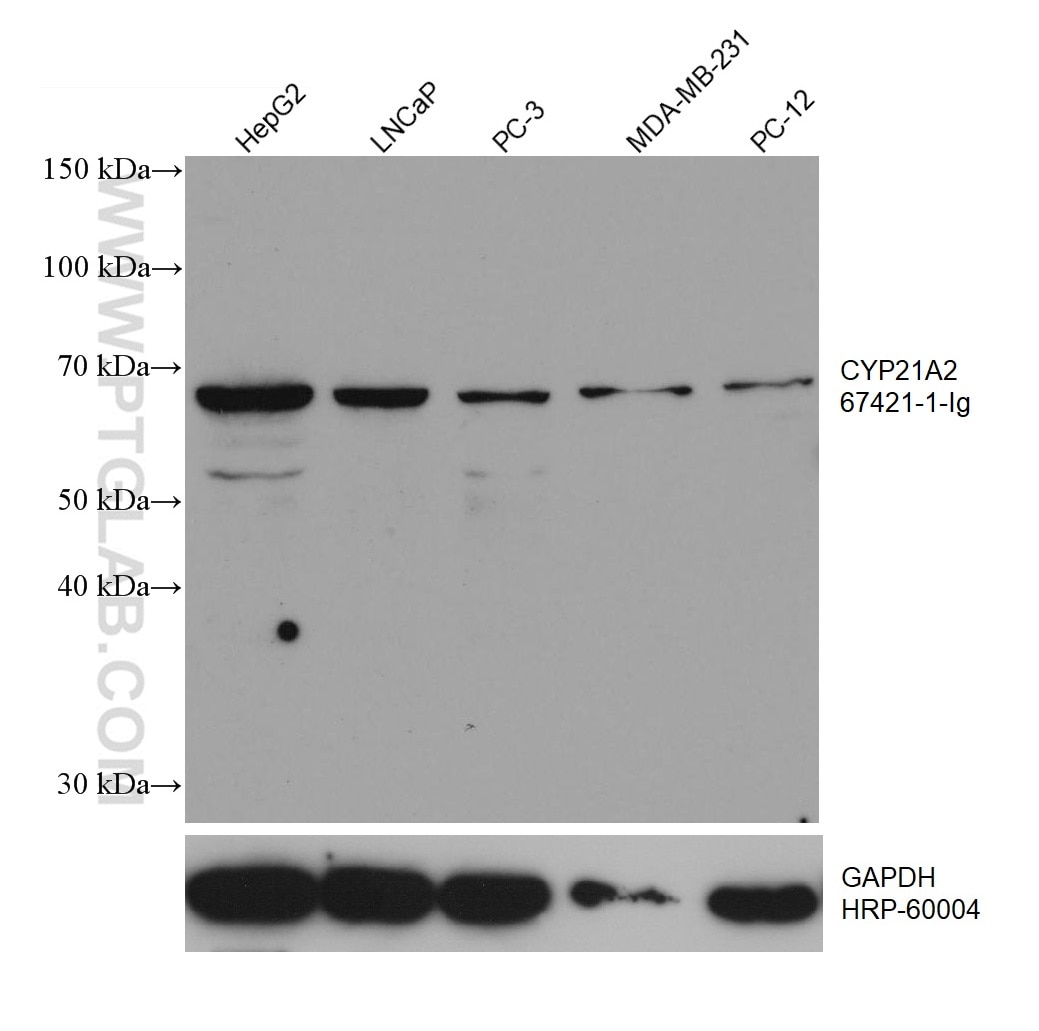
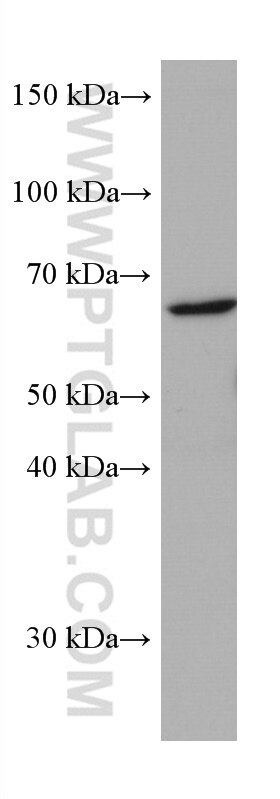
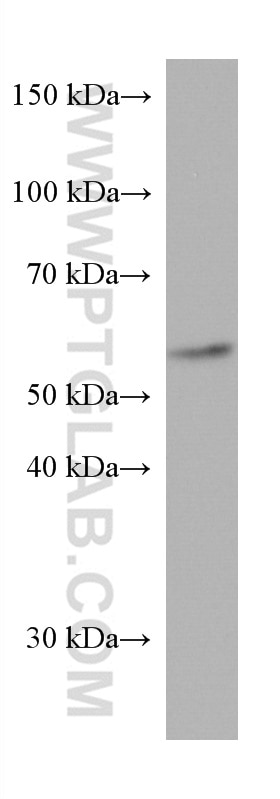
| Positive WB detected in | HepG2 cells, human adrenal gland tissue, PC-12 cells, pig adrenal gland tissue |
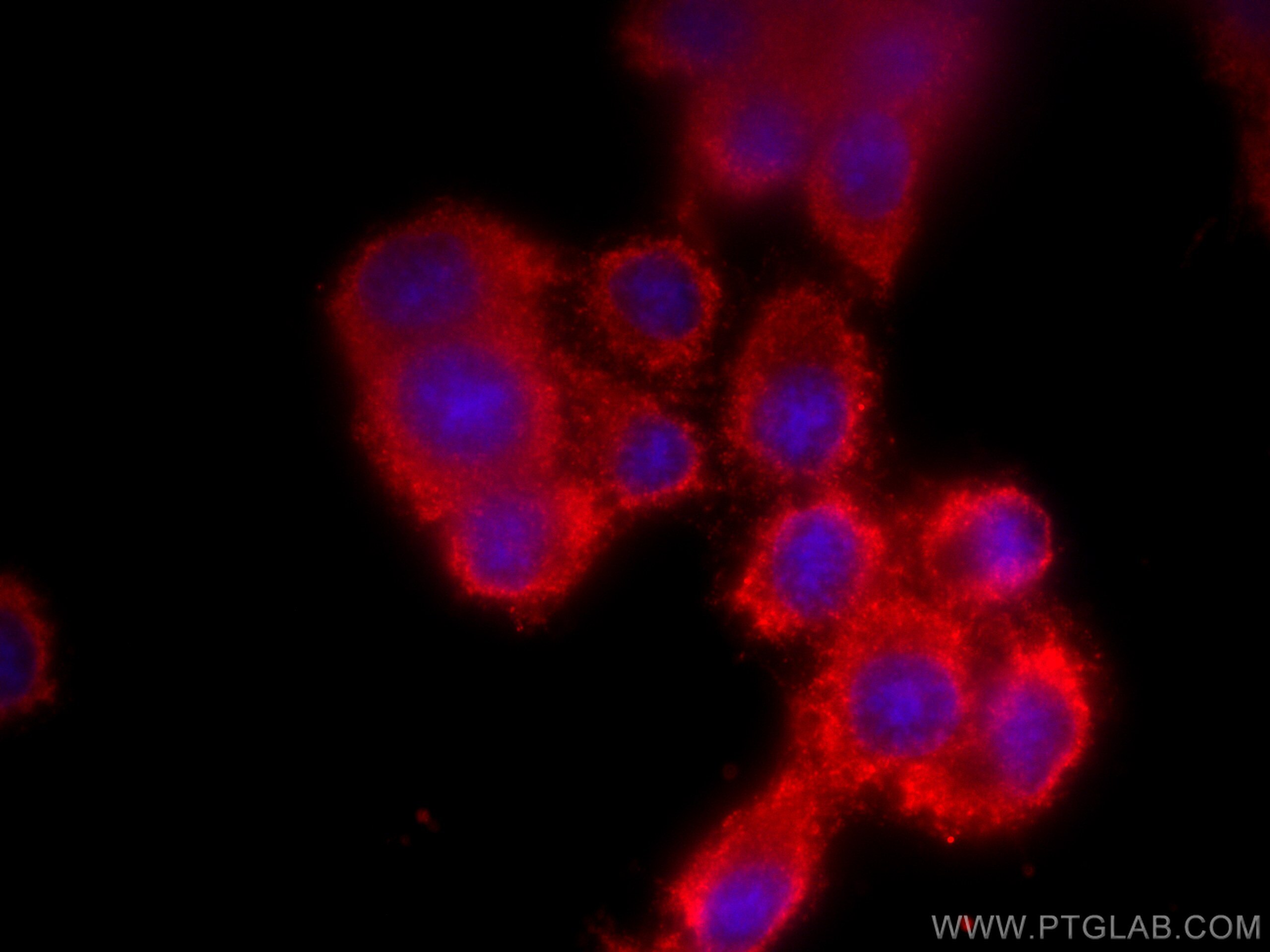
| Positive IF/ICC detected in | PC-12 cells |
Recommended dilution
| Application | Dilution |
|---|---|
| Western Blot (WB) | WB : 1:2000-1:10000 |
| Immunofluorescence (IF)/ICC | IF/ICC : 1:400-1:1600 |
| It is recommended that this reagent should be titrated in each testing system to obtain optimal results. | |
| Sample-dependent, Check data in validation data gallery. | |
Product Information
67421-1-Ig targets CYP21A2 in WB, IF/ICC, ELISA applications and shows reactivity with human, rat, pig samples.
| Tested Reactivity | human, rat, pig |
| Host / Isotype | Mouse / IgG1 |
| Class | Monoclonal |
| Type | Antibody |
| Immunogen |
CatNo: Ag26292 Product name: Recombinant human CYP21A2 protein Source: e coli.-derived, PET28a Tag: 6*His Domain: 103-202 aa of NM_000500 Sequence: MNYPDLSLGDYSLLWKAHKKLTRSALLLGIRDSMEPVVEQLTQEFCERMRAQPGTPVAIEEEFSLLTCSIICYLTFGDKIKDDNLMPAYYKCIQEVLKTWS Predict reactive species |
| Full Name | cytochrome P450, family 21, subfamily A, polypeptide 2 |
| Calculated Molecular Weight | 56 kDa |
| Observed Molecular Weight | 53-56 kDa |
| GenBank Accession Number | NM_000500 |
| Gene Symbol | CYP21A2 |
| Gene ID (NCBI) | 1589 |
| RRID | AB_2882661 |
| Conjugate | Unconjugated |
| Form | Liquid |
| Purification Method | Protein G purification |
| UNIPROT ID | P08686 |
| Storage Buffer | PBS with 0.02% sodium azide and 50% glycerol, pH 7.3. |
| Storage Conditions | Store at -20°C. Stable for one year after shipment. Aliquoting is unnecessary for -20oC storage. 20ul sizes contain 0.1% BSA. |
Protocols
| Product Specific Protocols | |
|---|---|
| IF protocol for CYP21A2 antibody 67421-1-Ig | Download protocol |
| WB protocol for CYP21A2 antibody 67421-1-Ig | Download protocol |
| Standard Protocols | |
|---|---|
| Click here to view our Standard Protocols |
Publications
What published studies show
The CYP21A2 Monoclonal antibody (Cat# 67421-1-Ig) has 1 citation to date. It was cited in the journal Metabolism (Impact Factor 16.7) in a 2026 study by Xuyang Shi et al., titled "Proteomic profiling reveals novel insights into hypercortisolism adrenal adenomas." The research field encompasses endocrinology and adrenal pathology, specifically investigating proteomic changes in hypercortisolism-associated adrenal adenomas.
| Species | Application | Title |
|---|---|---|
Metabolism Proteomic profiling reveals novel insights into hypercortisolism adrenal adenomas. |







